Our verdict
Situated in Kichijoji, one of western Tokyo's most liveable and food-serious neighbourhoods, 笑山 represents the quieter, ingredient-driven strand of Japanese dining that flourishes away from the Michelin spotlight of central Tokyo. The address places it within easy reach of both the city and the slower rhythms of Musashino, making it a coherent choice for those tracing Japan's regional dining culture beyond the obvious circuits.

Pearl is the En Primeur Club membership app — saves, bookings, and concierge access live there. Same editors, same standards.
- Address
- 1 Chome-1-20 Kichijoji Kitamachi, Musashino, Tokyo 180-0001, Japan
- Phone
- +81422271635
- Website
- omakase.in
- Directions
- Get directions
- Booking
- Book on Omakase
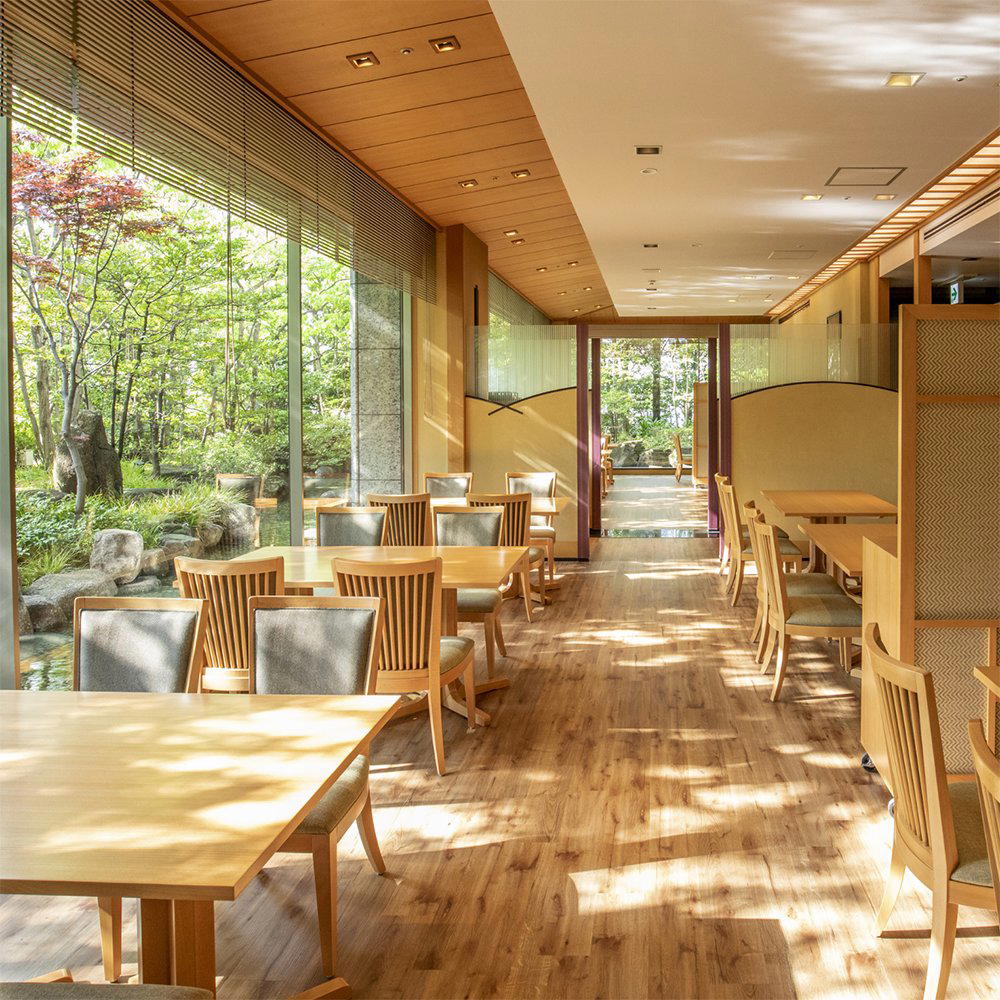
Kichijoji and the Case for Dining West of the Yamanote
Tokyo's dining reputation is built on the inner wards: Ginza's counter omakase, Minami-Aoyama's French ateliers, Shinjuku's izakaya density. But a parallel dining culture has been consolidating in the city's western residential belt, and Kichijoji, the neighbourhood that anchors Musashino city, sits at its centre. For residents and food-aware visitors, the area offers something the central wards rarely deliver: restaurants that cook primarily for a local audience, where the calculus of ingredient sourcing and seasonal fidelity matters more than proximity to a hotel concierge's list. 笑山, addressed at 1 Chome-1-20 Kichijoji Kitamachi, sits within this context. It is not a destination restaurant in the conventional sense, and that is precisely the point.
The broader pattern across Japan's more thoughtful dining tier is one where provenance has displaced technique as the lead narrative. At HAJIME in Osaka, the sourcing of ingredients across Japanese ecosystems has been central to the kitchen's identity for years. At Gion Sasaki in Kyoto, the kaiseki calendar is anchored to what the surrounding region actually produces in a given week. Kichijoji's dining scene, while operating at a different register of recognition, participates in the same underlying logic: the leading argument a restaurant can make is the quality of what it sources, not the drama of how it plates.
What the Neighbourhood Tells You Before You Walk In
Approaching Kichijoji Kitamachi on foot from the station's north exit, the texture of the neighbourhood shifts quickly from commercial to residential. The streets narrow. Independent shops outnumber chains. This is the physical environment that defines the dining culture here: lower rents than central Tokyo, a residential clientele with genuine food literacy, and proximity to Inokashira Park's slower, seasonal rhythms. Restaurants in this part of Musashino earn their regulars through consistency rather than novelty, and their ingredient relationships tend to reflect a longer-term commitment to specific suppliers and growing regions.
This is the context in which 笑山 should be understood. Across Japan's ingredient-serious dining tier, from affetto akita in Akita to Amaki in Aichi, the restaurants that build the most durable local reputations are those that treat their supply chains as a core part of the editorial voice. The dish is the argument; the producer is the evidence. In a neighbourhood like Kichijoji Kitamachi, that approach resonates with an audience already attuned to the difference between food produced with care and food assembled for margin.
Ingredient Sourcing as the Editorial Frame
Japan's premium dining ecosystem is unusually well-structured around sourcing specificity. The country's agricultural geography, from Saga's ceramic-clay-grown vegetables to Hokkaido's dairy and kelp, produces ingredients with measurable regional distinction. Restaurants that tap those supply chains directly, rather than through wholesale intermediaries, gain access to produce at a different stage of ripeness and handling. This is what separates the sourcing conversation at places like Amegen in Saga or aki nagao in Sapporo from generic quality claims.
At 笑山, the venue name itself, rendered in characters evoking mountain scenery and warmth, signals an orientation toward something grounded and considered. While specific menu details, supplier relationships, and dish descriptions are not available in confirmed form for this entry, the category of restaurant it occupies in Kichijoji, in a neighbourhood whose leading tables build reputations slowly and without press-cycle assistance, typically reflects exactly this kind of sourcing-first discipline. The surrounding dining culture provides the frame; individual kitchens either match or fall short of it.
Across the broader Japan restaurant circuit that EP Club tracks, the pattern holds: restaurants operating in residential rather than tourist-facing neighbourhoods, from Aji Arai in Oita to akordu in Nara, tend to anchor their menus in producer relationships rather than trend cycles. The calendar dictates the menu more than the reverse.
Placing Musashino in the Wider Japan Dining Map
For visitors whose Japan itinerary already covers established destinations, the western Tokyo belt represents a coherent next layer. Harutaka in Tokyo and the city's Michelin-dense central districts address one version of Japanese dining excellence. Musashino addresses a different one: the quieter, neighbourhood-embedded version that Japan's food culture also produces in abundance, and which is proportionally underrepresented in international travel coverage.
Comparable patterns appear in other mid-size Japanese cities. Goh in Fukuoka and Abon in Ashiya both operate in settings where the local dining intelligence of the surrounding residential community shapes what the kitchen can sustain. Musashino benefits from Tokyo's proximity, its transport connections via the Chuo line making it accessible without being a day-trip destination, while maintaining the character of a place with its own dining identity.
Further afield, restaurants like Akakichi in Imabari, anchoa in Kanagawa, and Arakawa in Hyogo demonstrate how Japan's regional dining network, largely invisible from the outside, maintains its own internal standards and peer comparisons. Ajidocoro in Yubari District shows that even in remote agricultural regions, this network extends. 笑山 participates in that network from a western Tokyo address.
Planning a Visit
Kichijoji station serves as the entry point, accessible on both the Chuo and Keio Inokashira lines, with the address in Kichijoji Kitamachi placing the restaurant a short walk north of the main shopping and commercial zone. The northern side of Kichijoji has a quieter residential character than the park-facing south, and the surrounding streets reward a slower approach on foot. For visitors building a wider Musashino itinerary, our full Musashino restaurants guide maps the neighbourhood's dining options in broader context.
For those calibrating Japan against international reference points, the discipline that defines this end of the market, sourcing-led, neighbourhood-embedded, reputation-built-through-repetition, has parallels at venues like Le Bernardin in New York City and Lazy Bear in San Francisco, where the kitchen's relationship to its supply chain is an explicit part of the offer. The scale and cultural context differ considerably, but the underlying argument is the same: where food comes from and how it is handled before it reaches the pass determines what is possible on the plate.
Frequently asked questions
Is 猊山 okay with children?
The address in Kichijoji Kitamachi places 猊山 within a residential quarter, which tends to indicate a quieter, more intimate dining environment rather than a casual family-oriented one. The neighbourhood itself is walkable and relaxed, which works in families' favour outside the dining room.
What is the atmosphere like at 猊山?
猊山 sits in Kichijoji Kitamachi, a district where the streetscape shifts from commercial to residential within a short walk from the station's north exit. That context points to an intimate, low-key setting rather than the high-traffic energy of central Tokyo's dining corridors like Ginza or Shinjuku.
What's the signature dish at 猊山?
For the most accurate picture of what the kitchen is focused on, reaching out to the restaurant directly or checking current local coverage of the Kichijoji dining scene is the practical route.
Why do Tokyo diners specifically seek out 猊山 in Kichijoji rather than dining closer to central wards?
Kichijoji has built a reputation as one of western Tokyo's most liveable and food-conscious neighbourhoods, drawing residents and visitors who look beyond the Yamanote Line's inner circuit. 猊山's address at 1 Chome-1-20 Kichijoji Kitamachi places it in a quieter residential pocket that tends to attract kitchens operating on neighbourhood terms rather than tourist-facing ones. For diners already covering Ginza counters or Minami-Aoyama ateliers, the Musashino belt represents a different register of Tokyo eating worth mapping separately.
Comparison Snapshot
Comparable venues nearby, for context on price, style, and recognition.
| Venue | Cuisine | Price | Awards | Notes |
|---|---|---|---|---|
| 肉山This venue — the venue you are viewing | Italian Slow Food | $50–100 | Not listed | Not listed |
| Bar & Enoteca Implicito | Italian wine bar & enoteca | $20–30 | Gambero Rosso 2 Bottiglie | Shibuya |
| Mr. Maurice’s Italian | Modern Italian Pasta and Pizza | $30–50 | Not listed | 中京区 |
| Pizzeria Canto Della Terra | Neapolitan Pizzeria & Italian | Not listed | Not listed | Minamiyawata / Motoyawata |
| La TRIPLETTA | Neapolitan pizza & Italian in Musashi-Koyama | Not listed | Not listed | Shinagawa |
| Savoy Pizza | Neapolitan Pizza | $20–30 | Not listed | Meguro |
Continue exploring
More in Musashino
Restaurants in Musashino
Browse all →




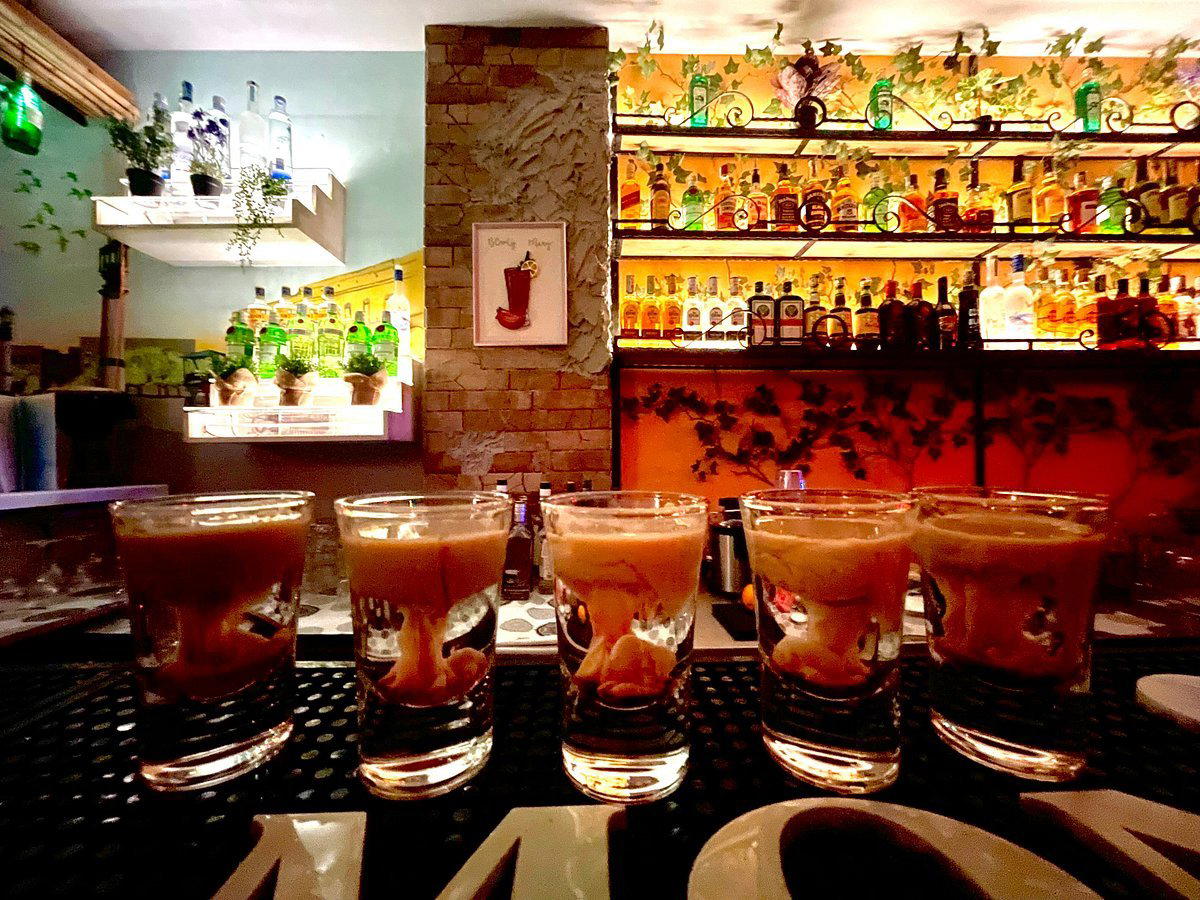
Bars in Musashino
Browse all →


Hotels in Musashino
Browse all →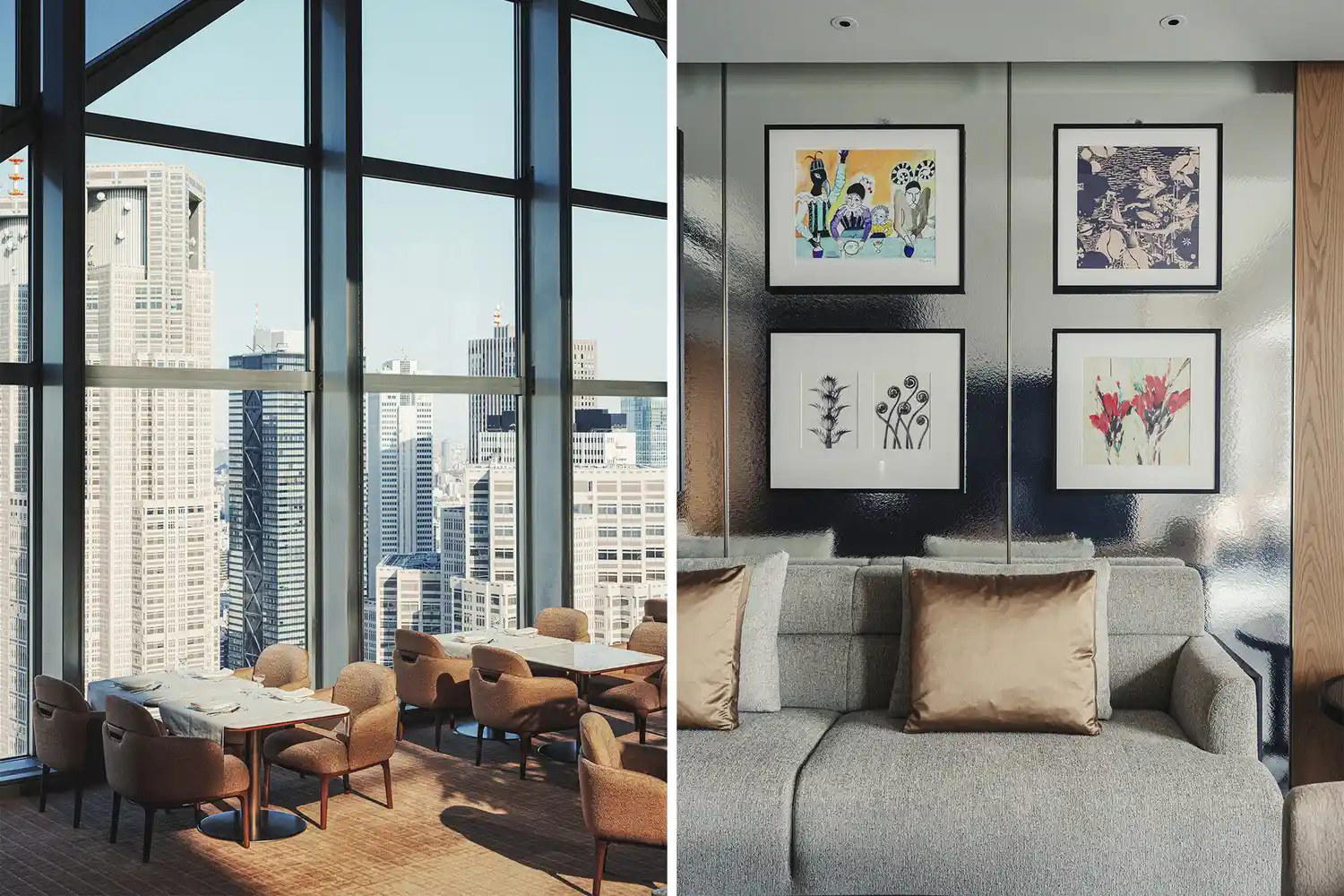




Wineries in Musashino
Browse all →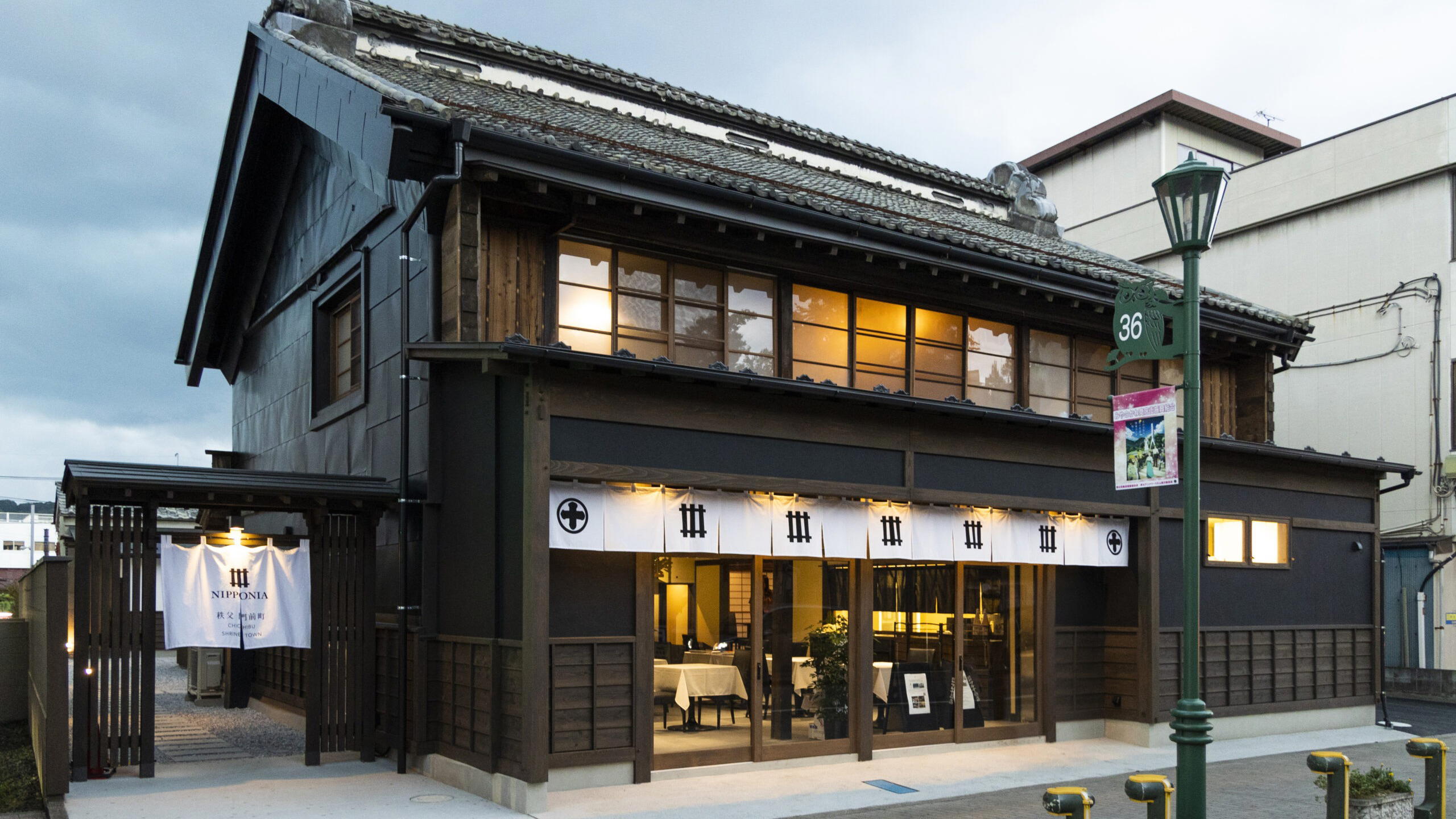
Details
- Cozy
- Intimate
- Elegant
- Date Night
- Special Occasion
- Natural Wine
- Local Sourcing
- A La Carte
- Prix Fixe
- Natural Wine
- Vegetarian Friendly
- Vegan Options
Cozy and intimate atmosphere focused on natural flavors and Slow Food culture.