88 Seoul
88 Seoul places Korean dining inside Abu Dhabi’s increasingly varied restaurant circuit, where the banchan table carries as much meaning as the main order. With no published chef, awards, price range, or booking details in the available record, the useful read is categorical: go for a Korean meal framed by shared accompaniments, rice, soup, grilled or braised centrepieces, and a slower table rhythm than the city’s flashier luxury rooms.
 Discover on Pearl
Pearl is the En Primeur Club membership app — saves, bookings, and concierge access live there. Same editors, same standards.
- Address
- Inside Andalus Al Seef Resort and Spa - Al Muntazah - Zone 1 - Abu Dhabi - United Arab Emirates
- Website
- instagram.com
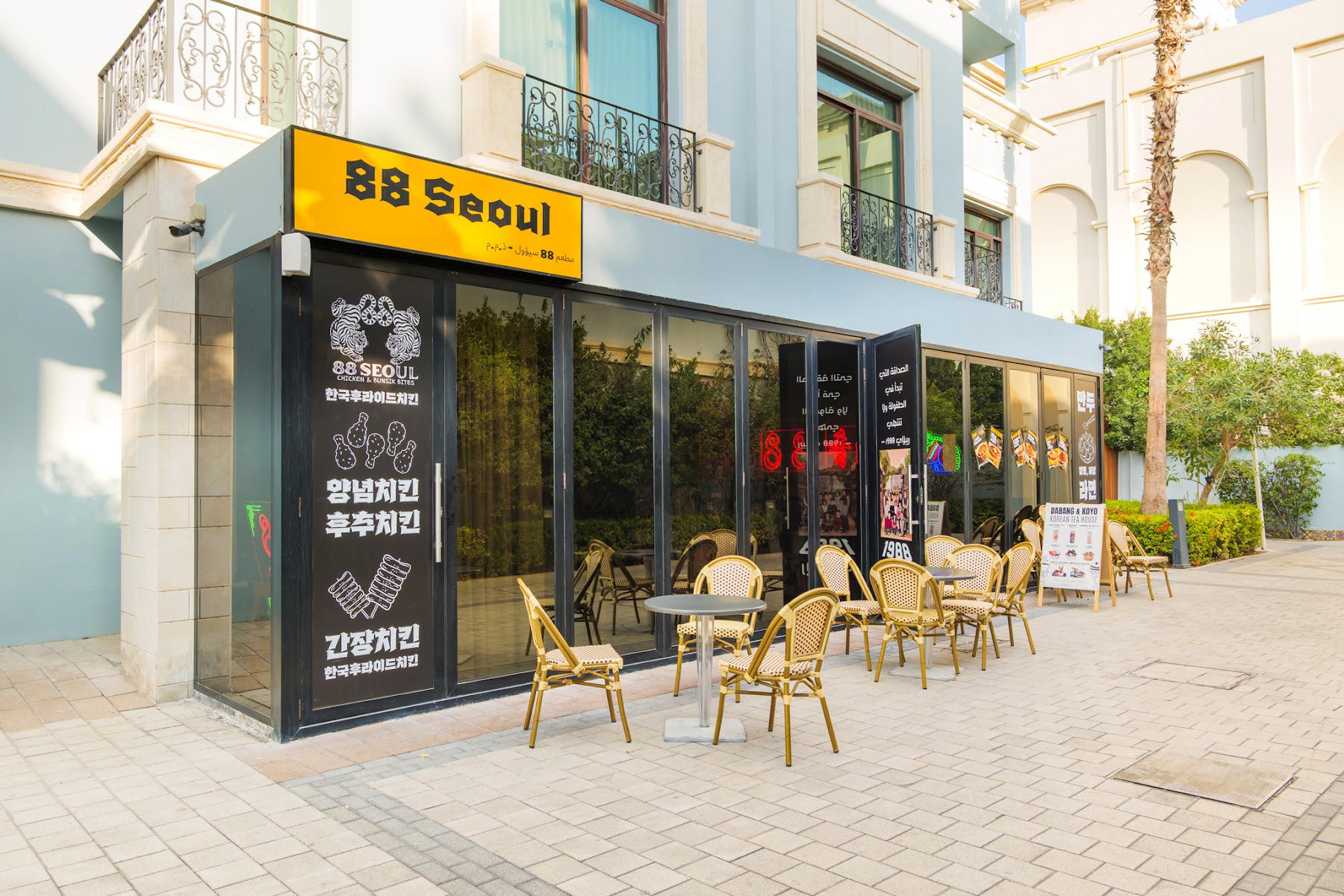
The table tells the story before the mains arrive
Approaching a Korean restaurant in Abu Dhabi, the first meaningful signal is rarely a chandelier, a view, or a celebrity chef name. It is the table once the small dishes begin to land. 88 Seoul is a Korean restaurant in Abu Dhabi, with a price tier of 1 and a walk-in-friendly format. At 88 Seoul, the useful lens is the banchan table: not decoration, not free extras, but the grammar of Korean eating. A meal is built through contrast, with fermented, seasoned, pickled, steamed, and dressed accompaniments surrounding rice and a central dish. That structure changes how the room feels. Conversation slows because the table is not organised around a single plate per person. It is negotiated, passed, revisited, and recalibrated with each bite.
Abu Dhabi’s restaurant culture has widened fast, particularly at the premium end, where hotel-backed dining rooms, imported brands, and tasting-menu formats have shaped much of the city’s recent attention. Korean food sits differently in that mix. It is less about the long tasting arc and more about abundance, balance, heat, acidity, and repetition. The point is not to search for a single signature item when the cuisine’s logic depends on the relationship between rice, broth, protein, and side dishes. That makes 88 Seoul a useful address for diners who want Korean food understood as a table system rather than a novelty category.
Why banchan matters in Abu Dhabi
Banchan carries a practical intelligence that travels well. In Korea, the array of side dishes allows one table to support different appetites, spice tolerances, and textures without forcing every diner into the same sequence. In Abu Dhabi, a city where groups often include mixed preferences and dietary expectations, that format has obvious utility. The meal can move from grilled meat or stew to vegetables, fermented notes, rice, and soup without the stiff pacing of a Western tasting menu.
The stronger Korean tables do not treat banchan as garnish. Kimchi, namul, jang-based seasoning, egg, seaweed, radish, or bean sprout preparations can change the centre of gravity of a meal. A rich dish needs acidity. A spicy broth needs rice and cooling vegetable sides. Grilled meat needs leaves, condiments, and something fermented. This is where Korean dining separates itself from the generic pan-Asian category that appears across Gulf cities. The cuisine is not only about barbecue or spice; it is about calibration.
That distinction matters because Abu Dhabi already has a crowded field of polished international restaurants. The comparison set includes high-investment rooms such as Hakkasan ($$$$ · Chinese), Italian luxury at Talea by Antonio Guida ($$$$ · Italian), modern Emirati reference points such as Erth (Modern Cuisine), and French-Mediterranean social dining at LPM Abu Dhabi. Korean food enters that field with a different promise: not ceremony first, but shared momentum, condiments, and heat at the centre of the table.
How to read the menu without chasing a signature
88 Seoul is a Korean restaurant, and its record does not provide a chef name, signature dishes, hours, awards, or booking method. That absence should shape expectations. The safer editorial approach is to order by Korean dining logic rather than by invented house specialities. Build the table around one main anchor, then let rice, soup, and banchan do their work around it. For groups, that usually means a mix of protein, a broth or stew style dish if available, and enough vegetable or fermented sides to keep the meal from becoming heavy.
Korean restaurants also reward attention to pacing. A table overloaded with mains at the start can flatten the meal, particularly if grilled or sauced dishes arrive at once. Better structure comes from contrast: something hot and soupy, something grilled or pan-cooked, rice as the neutral base, and banchan as punctuation. This is not precious dining. It is practical dining with a sophisticated internal order.
For readers comparing Korean food outside Korea, the useful references are not only barbecue rooms. Seoul’s contemporary Korean spectrum includes refined court-cuisine interpretation, temple-influenced restraint, modern fermentation work, and tasting-menu formats. EP Club’s wider Korean map includes Mingles, Korean in Seoul, Kwonsooksoo, Korean in Seoul, Onjium, Korean in Seoul, La Yeon, Korean in Seoul, Soseoul Hannam, Korean in Seoul, and Bicena, Korean in Seoul. Those addresses show how broad the category has become. 88 Seoul belongs to the Abu Dhabi side of that conversation, where accessibility and group dining matter more than formal culinary theatre.
Abu Dhabi’s Korean lane is narrower than its luxury lane
Abu Dhabi has deep resources for polished dining, but its Korean category remains more specialised than its Italian, Japanese, Chinese, Lebanese, and Mediterranean circuits. That scarcity gives Korean restaurants a distinct role: they offer a table culture that does not simply imitate hotel dining conventions. For travellers and residents tracking the city through food, this matters. A city’s restaurant maturity is not measured only by tasting menus and imported names; it also depends on whether everyday culinary traditions from major food cultures can find a serious audience.
Dubai has more scale in high-profile dining, including destination-format restaurants such as Trèsind Studio in Dubai, while Sharjah’s food map reads differently again, with casual and coastal references such as Thai Gate Heera beach in Sharjah. Abu Dhabi’s strength is its slower, more state-backed hospitality rhythm, where major dining rooms often cluster around hotels, cultural districts, and affluent residential patterns. A Korean address in this setting gives the city another mode: communal, condiment-led, and less dependent on a formal sequence.
The absence of published awards for 88 Seoul places it outside the award-led decision path that many diners use in the Gulf. That is not a weakness by itself. It simply changes the criteria. Instead of asking whether the restaurant belongs in the same recognition tier as Michelin-noted rooms, the better question is whether it adds a credible Korean option to the city’s dining range.
How it compares with Korean dining abroad
Korean restaurants in global cities have split into several lanes. New York has seen Korean dining move from neighbourhood barbecue and late-night comfort food into highly structured tasting menus and fermentation-led formats, with examples such as Meju, Korean in New York City and Jeju Noodle Bar, Korean in New York City. London has built its own Korean premium tier, including DOSA, Korean in London. San Francisco’s Korean conversation includes modern dining references such as Ssal, Korean in San Francisco.
Abu Dhabi should not be judged by the same market signals. Its Korean scene is smaller, and the available data for 88 Seoul does not point to awards, a named chef, a tasting-menu format, or a published price bracket. That makes the banchan test more useful than the trophy test. Does the meal make sense as Korean table dining? Does the spread allow contrast rather than monotony? Does the format suit group ordering? Those questions tell a reader more than a borrowed hierarchy from Seoul, London, or New York.
Planning a meal at 88 Seoul
The practical record is limited: no phone number, website, hours, booking method, dress code, or seat count is available. In Abu Dhabi, that means planning should be conservative. Confirm current opening times before setting out.
For ordering, treat 88 Seoul as a Korean restaurant first rather than as a venue with a documented chef-led identity. Start with the meal structure: rice, banchan, a shared main, and soup or stew if the menu offers it. Groups will get more from the format than solo diners because Korean tables are designed for cross-table exchange. Diners seeking a broader view of the city can place it alongside Marmellata Bakery for casual local texture, the hotel-led luxury circuit, and the full Abu Dhabi restaurants guide for a wider read on where the capital’s dining energy is concentrated.
A Quick Peer Check
Comparable venues nearby, for context on price, style, and recognition.
| Venue | Cuisine | Price | Awards | Notes |
|---|---|---|---|---|
| 88 SeoulThis venue — the venue you are viewing | Korean Street Food & Fried Chicken | $ | , | |
| Brauhaus | Authentic German Bavarian | $$ | , | Al Zahiyah |
| Flame and Bake Restaurant | Middle Eastern Shawarma | $$ | , | Al Bateen |
| Saj Way Lebanese Food | Authentic Lebanese | $ | , | Al Hisn |
| Cafe Arabia كافيه أربيا | Middle Eastern Fusion Cafe | $$ | , | Al Karamah |
| Blue | Seasonal Nordic-influenced coastal restaurant | $$$ | , | Mamsha Al Saadiyat |
Continue exploring
More in Abu Dhabi
Restaurants in Abu Dhabi
Browse all →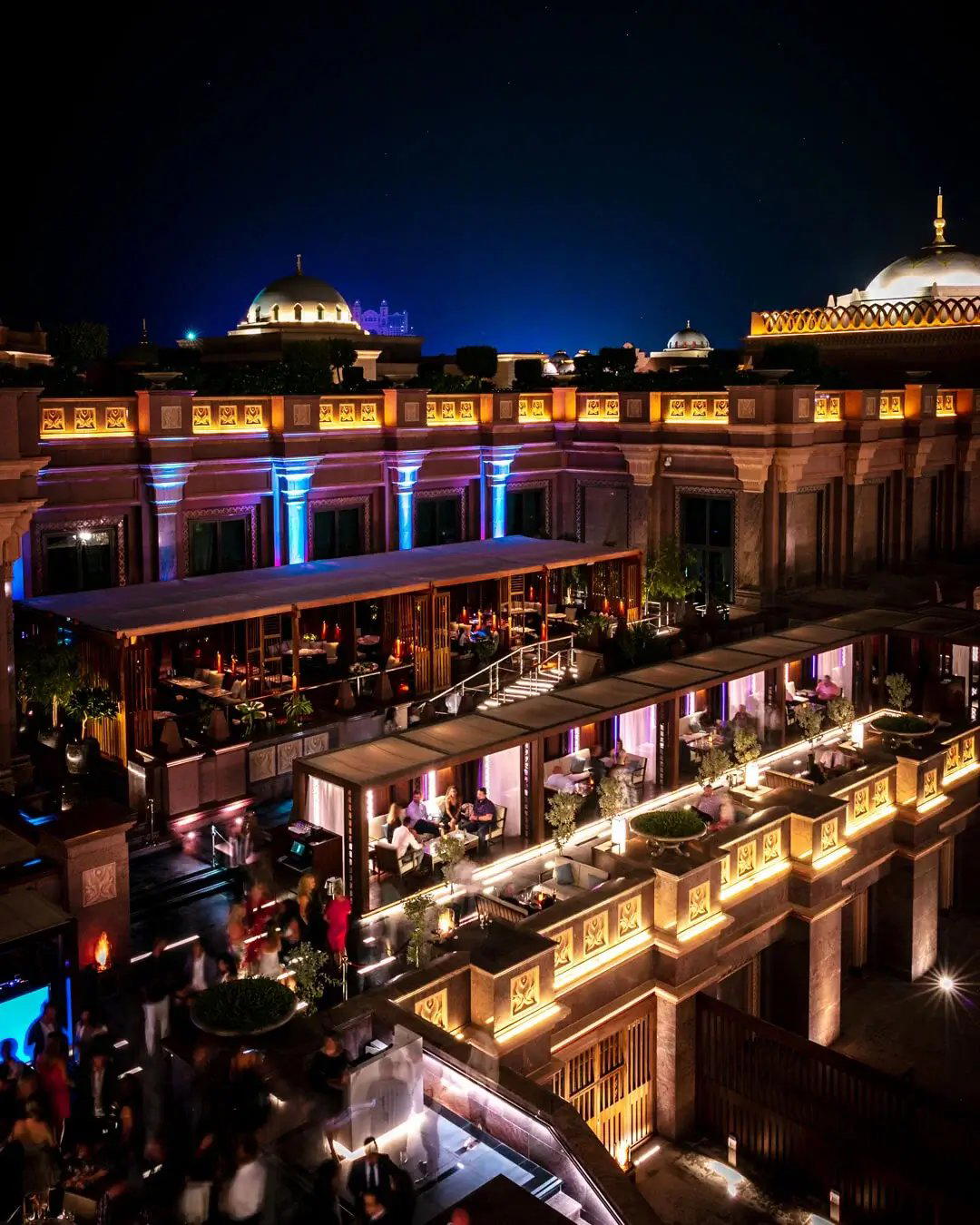
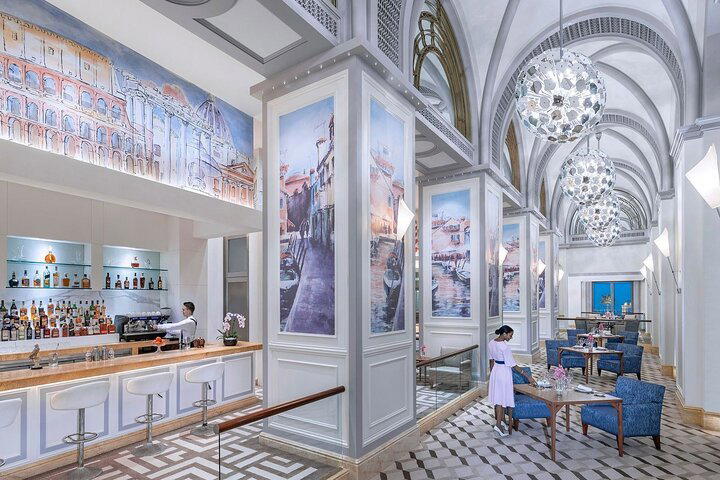
Bars in Abu Dhabi
Browse all →
At a Glance
- Lively
- Casual
- Trendy
- Casual Hangout
- Solo
- After Work
- Group Dining
- Late Night
- Standalone
Informal, street-food style atmosphere focused on fast, comforting Korean favorites rather than full-service dining.