

Michelin Plate · World's 50 Best #38 · Gault & Millau UAE Selected Restaurant
Our verdict
On Saadiyat Island, NIRI brings a restrained Japanese contemporary sensibility to Abu Dhabi's dining scene. Holding a Michelin Plate (2025) and ranked 50th on the World's 50 Best Restaurants MENA 2024 list, the mid-price restaurant pairs clean design with ingredient-led cooking at an accessible price point that few recognized Japanese kitchens in the Gulf can match.

Pearl is the En Primeur Club membership app, where members save venues, book tables and use the concierge.
The menu
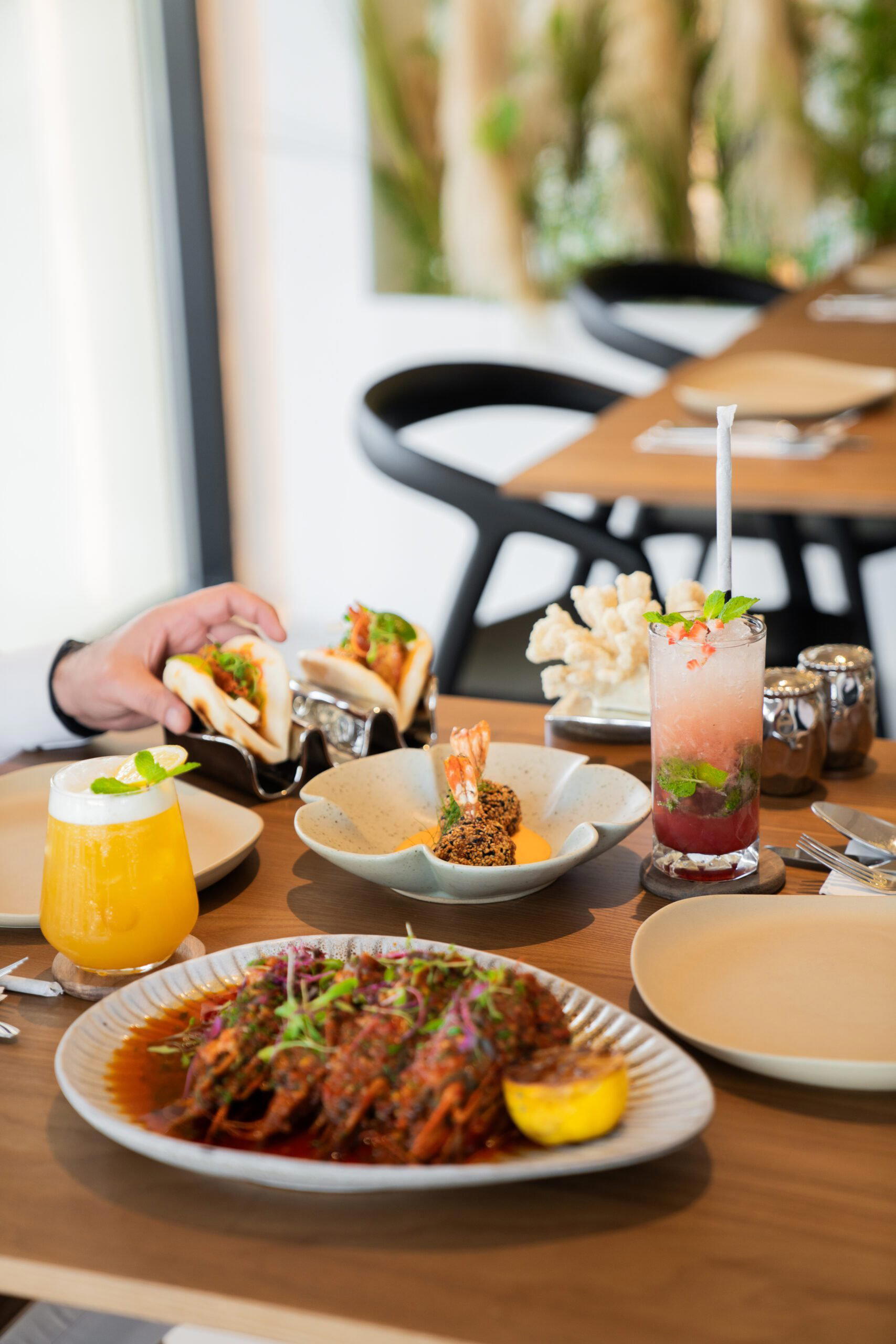
What to order
- Wagyu Tataki
- Spinach Nasu Goma
- Corn Tempura
- Softshell Crab
- Fatty Toro Tartar
Japanese Restraint on Saadiyat Island
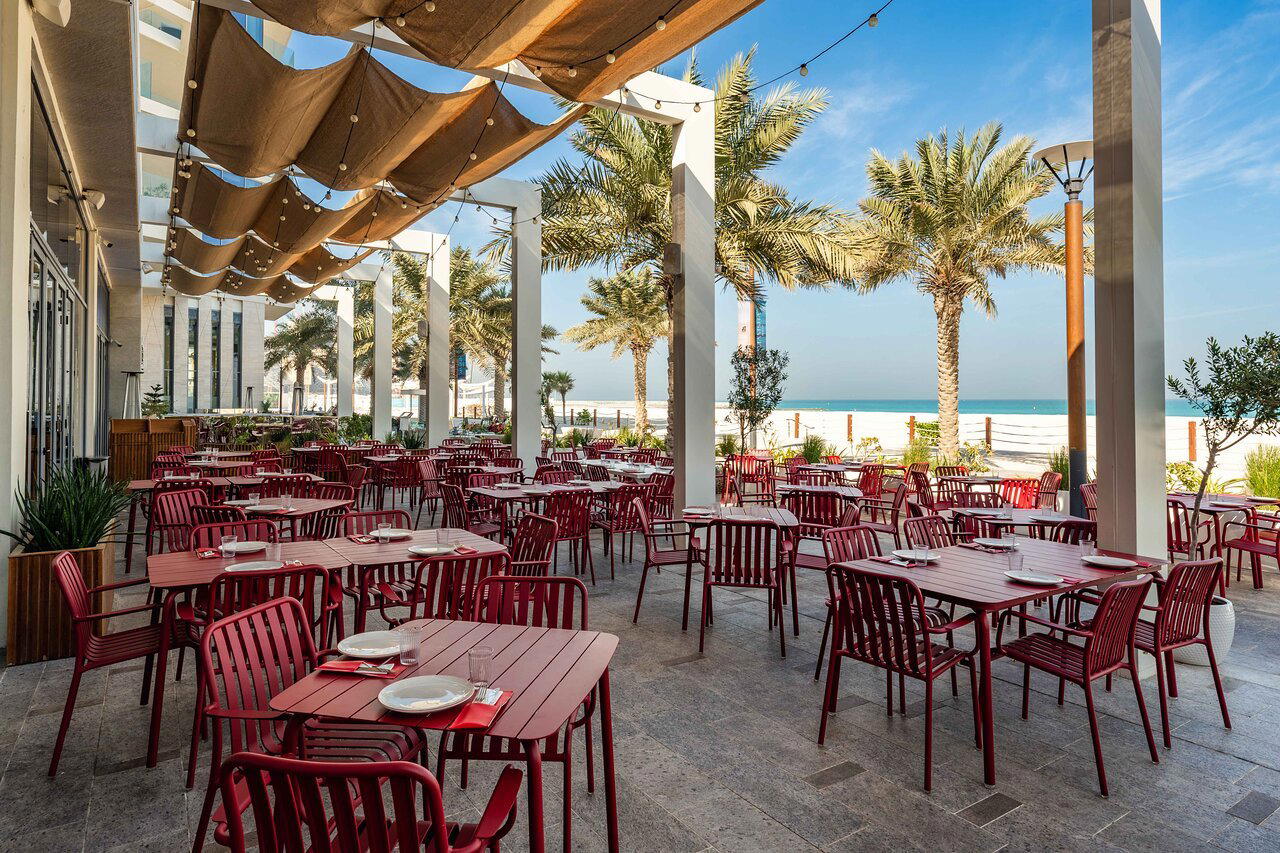
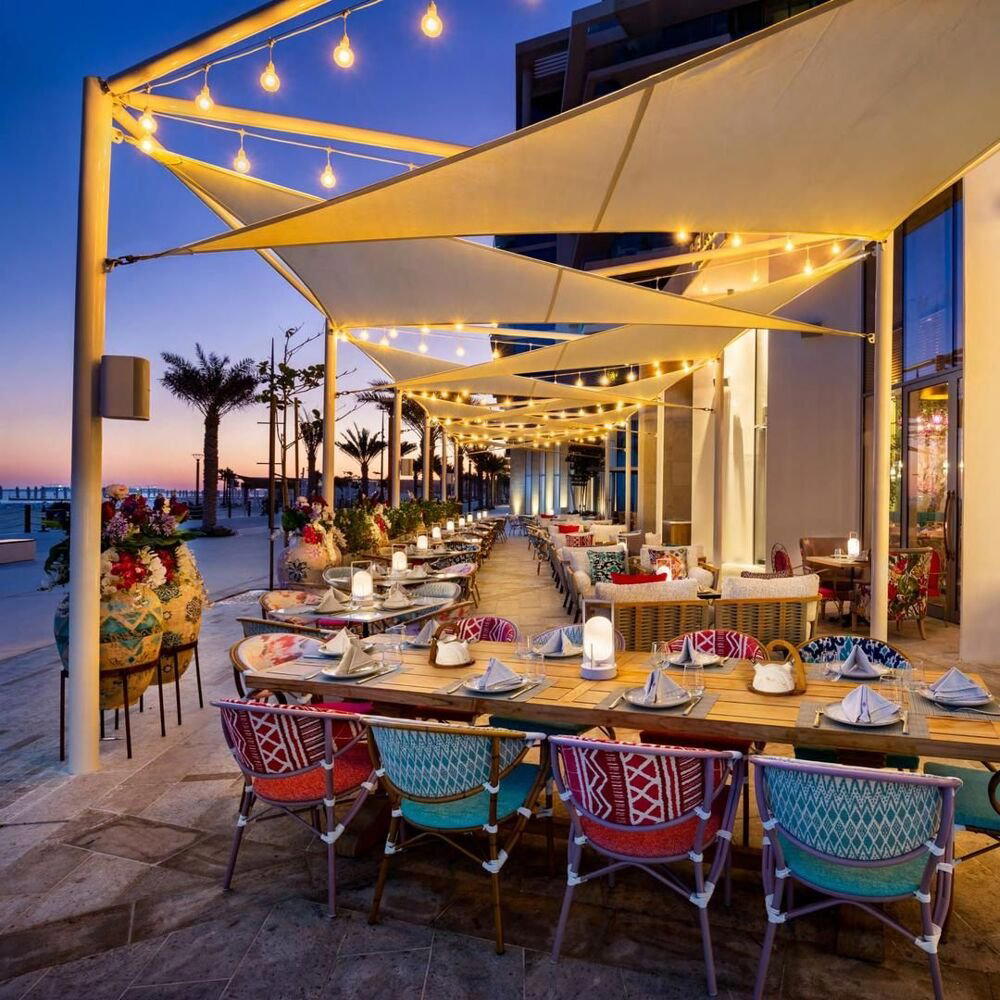
The stretch of Mamsha Al Saadiyat that runs along Saadiyat Island's waterfront has developed into one of Abu Dhabi's more considered dining corridors, a place where design-conscious operators have moved in alongside the cultural institutions that define the island's character. Within that setting, contemporary Japanese cooking occupies a specific position: it rewards the precision that ingredient-forward kitchens demand, and in a Gulf context where Japanese dining often tilts toward theatrical omakase formats or high-volume izakaya replicas, a restaurant that stays clean and relatively quiet stands apart.
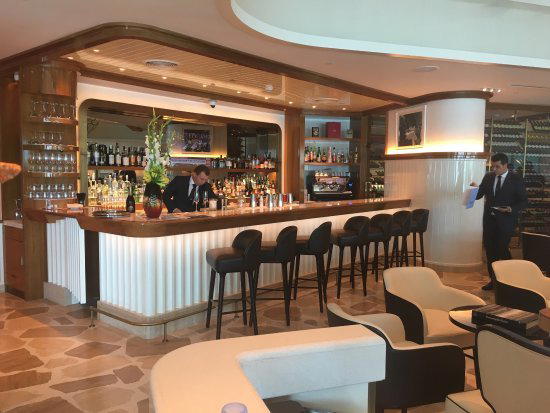
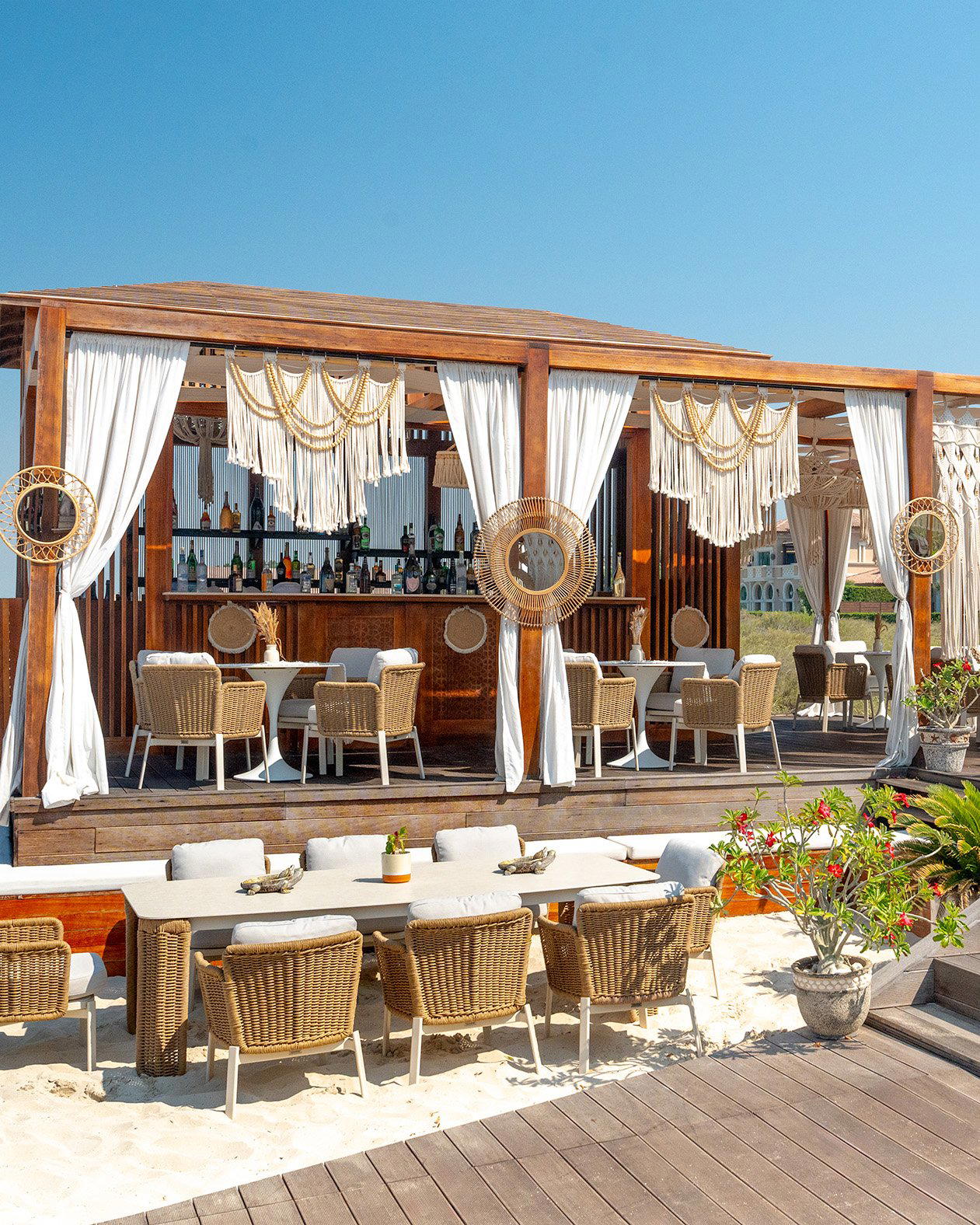
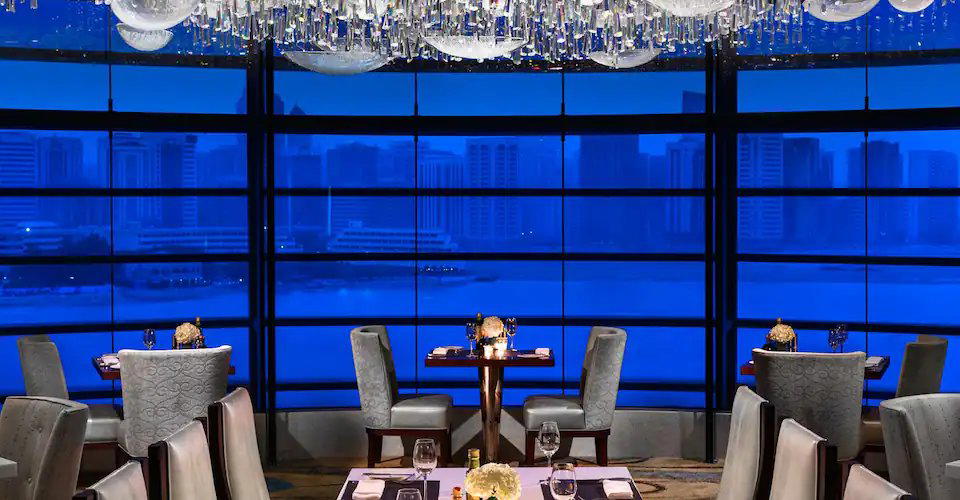
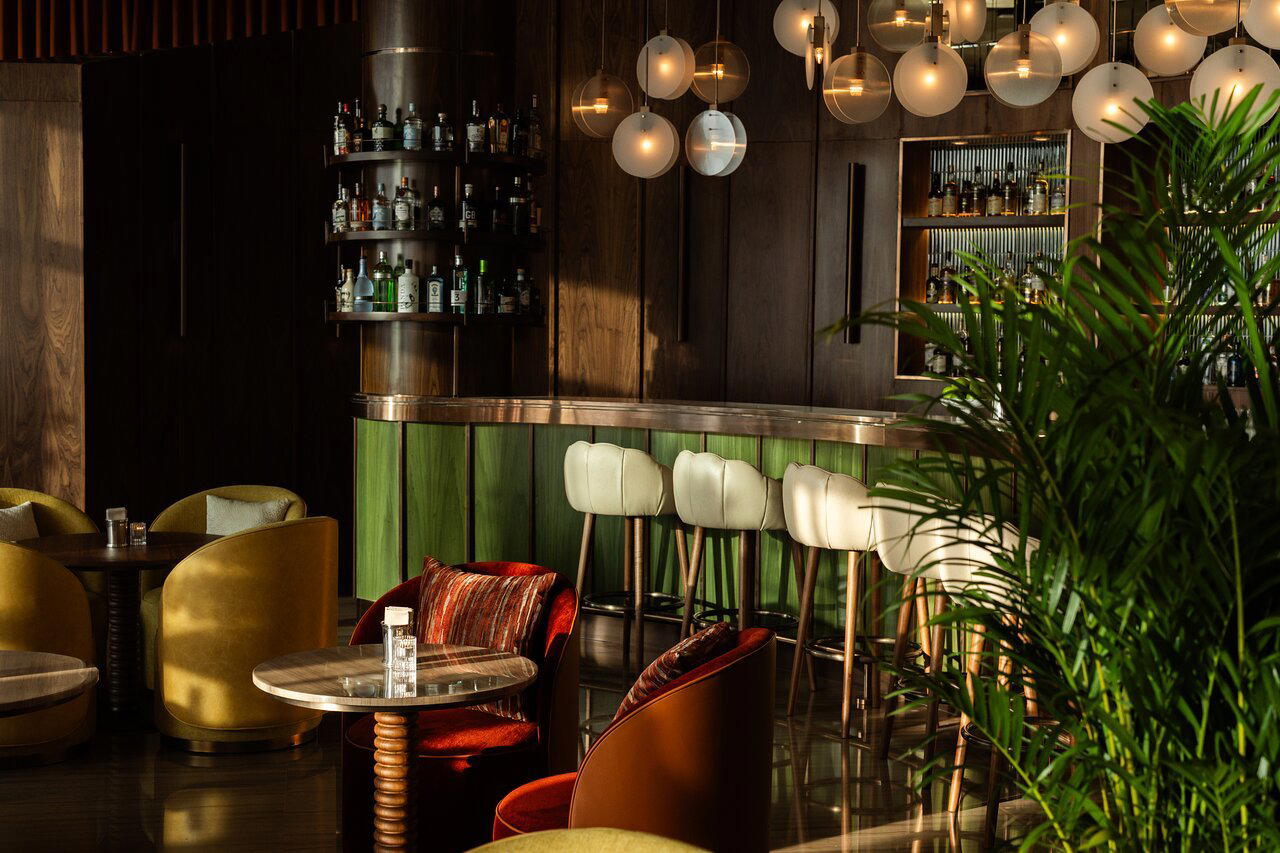
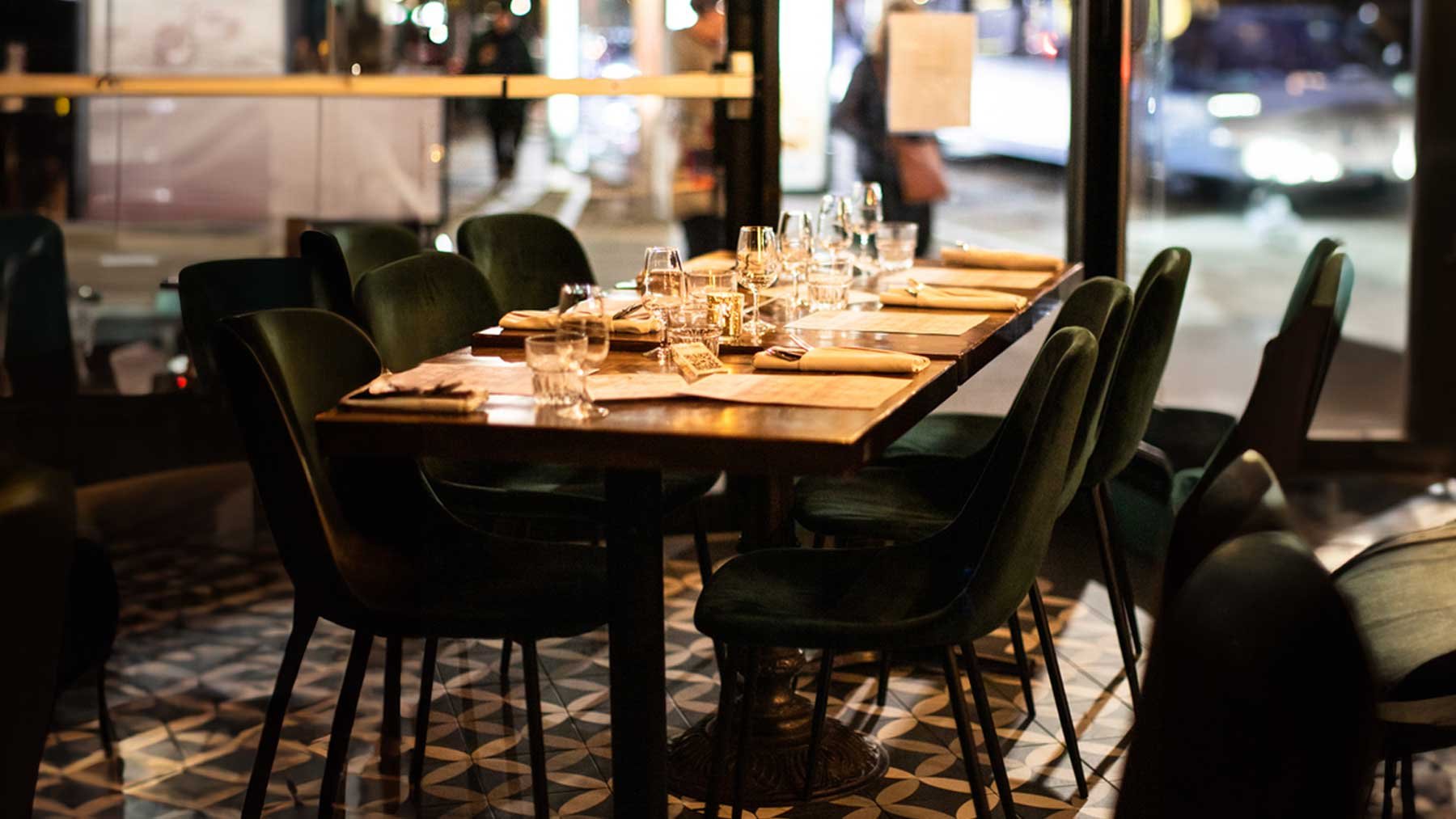
NIRI, founded in 2021, sits in that quieter register. The room's design, kept deliberately uncluttered, signals the kitchen's priorities before any food arrives. In Japanese culinary tradition, particularly the strand that traces through kaiseki and modern washoku, the environment is understood as an extension of the plate: visual noise competes with the food, so it is removed. That philosophy is less common in Abu Dhabi's mid-range dining tier, where the tendency runs toward atmospheric density. NIRI's restraint in both room and menu places it closer to the sensibility you'd find at The Japanese Restaurant in Andermatt or Eika in Taipei than to the louder Japanese Contemporary venues proliferating across the Gulf.
Where NIRI Sits in Abu Dhabi's Japanese Scene
Abu Dhabi's Japanese restaurant tier has widened considerably in the past five years. At the upper bracket, high-ticket omakase counters and premium robatayaki formats have multiplied, often pricing against international hotel dining. At the volume end, fast-casual sushi and ramen operators fill the mall corridors. The mid-range, ingredient-serious tier, restaurants that take sourcing and technique seriously without anchoring the bill at four figures, remains thinner than in Dubai or in established Japanese dining cities.
NIRI operates in that middle ground. Its $$ price positioning means it sits markedly below the $$$$ tier occupied by Abu Dhabi's luxury imports such as Hakkasan and Talea by Antonio Guida, and below the heavier end of the Japanese Contemporary category, while carrying recognitions that those price points rarely achieve. A Michelin Plate in both 2024 and 2025 signals consistent kitchen quality across two consecutive guide cycles, the Plate designation denotes that inspectors found good cooking, placing it above the threshold most restaurants in its price tier do not cross. The World's 50 Best Restaurants MENA 2024 ranking at #50 adds a second independent data point: these are not local awards, but international assessments from separate bodies operating on different criteria, which makes the convergence meaningful.
For context within the Japanese Contemporary category globally, peers worth understanding include Murakami in São Paulo, Sankai by Nagaya in Istanbul, and Mimi Kakushi in Dubai, each navigating the question of how Japanese cooking translates into a market where the ingredient supply chain differs fundamentally from Japan. That supply chain problem is the defining challenge of Japanese Contemporary cooking outside Japan, and how a kitchen solves it, through premium imports, local sourcing, or a hybrid approach, determines the ceiling of the food.
The Ingredient Question
The editorial angle assigned to NIRI by its own culinary category is ingredient primacy. Japanese Contemporary cooking, in its most serious iterations, is built around the quality of raw materials: the fat structure of fish aged under controlled conditions, the mineral clarity of dashi drawn from specific kombu grades, the texture differential between vegetables harvested at different maturity points. Technique in this tradition is largely in service of revealing those qualities, not masking them. When you cook this way in Abu Dhabi, the ingredient sourcing question becomes acute, the Gulf's proximity to premium Japanese seafood markets requires deliberate logistics, and the seasonal produce rhythm that drives Japanese menu construction operates on a calendar that does not map neatly onto the Emirates' own seasons.
NIRI's design-led, clean aesthetic reads as a commitment to that ingredient-forward logic. Restaurants that build around technique spectacle or sauce complexity can hide sourcing gaps behind complexity; restaurants that strip back to simplicity cannot. The sparse room and reportedly streamlined menu structure suggest the kitchen is confident enough in its materials to let them carry weight without reinforcement. That confidence, at a mid-range price point, is precisely what the consecutive Michelin Plate recognitions are assessing.
For comparison, 3Fils in Dubai has demonstrated that Japanese Contemporary cooking in the Gulf can sustain serious recognition at accessible price points when ingredient procurement is treated with discipline. Izakaya in Zagreb shows how far outside Japan that discipline can be maintained when the kitchen is specific enough about its supply relationships. NIRI's trajectory since 2021 suggests a similar operational seriousness in a market that has historically under-rewarded it.
Saadiyat Island as Context
The Mamsha Al Saadiyat address matters beyond postcode. Saadiyat Island has positioned itself as Abu Dhabi's cultural and design district, the Louvre Abu Dhabi sits minutes away, Zayed National Museum is in development nearby, and the dining options along Mamsha reflect that positioning. The footfall is skewed toward visitors who have already opted into the island's slower, more considered pace, as opposed to the downtown or corniche crowds. That self-selecting audience tends to support restaurants that ask for attention rather than delivering volume and spectacle.
Within the Abu Dhabi dining circuit, NIRI operates in a different register from modern Emirati cooking at Erth, from the Japanese-inflected seafood at Otoro, and from the Japanese-European crossover at Zuma. Those are distinct formats solving distinct dining occasions. NIRI sits specifically in the contemporary Japanese lane, where technique discipline and material quality are the primary metrics.
Planning Your Visit
NIRI is located at Mamsha Al Saadiyat on Al Saadiyat Island, accessible by taxi or ride-share from central Abu Dhabi in roughly 20 minutes depending on traffic. The $$ price range makes it one of the more accessible recognized Japanese Contemporary restaurants in the Gulf, a dinner for two without drinks should land at a fraction of what comparable Michelin-recognized Japanese dining costs in Dubai at the higher price tiers. Given its standing in the World's 50 Best MENA 2024 ranking and two consecutive Michelin Plates, tables during peak dining hours on weekends are unlikely to be available without prior planning; checking in advance is advisable. For a broader picture of the island's and city's options, our full Abu Dhabi restaurants guide maps the competitive landscape by cuisine and price tier, while our Abu Dhabi hotels guide, bars guide, wineries guide, and experiences guide cover the full Saadiyat and city itinerary. For regional context on the innovation happening in Gulf dining more broadly, Trèsind Studio in Dubai represents the experimental end of the spectrum that NIRI, with its Japanese restraint, consciously does not occupy.
Frequently asked questions
Where is NIRI in Abu Dhabi?
NIRI is located at Mamsha Al Saadiyat - Al Saadiyat Island - SDN1 - Abu Dhabi - United Arab Emirates, Abu Dhabi.
Is NIRI more mid-range or high-end?
Pricing at NIRI is listed as $$.
Has NIRI won any awards?
NIRI has received recognition including: Founded by Imad Obeid in 2021 homegrown Japanese restaurant Niri offers cuisine service and design that is kept clean and seemingly simple Founded by Imad Obeid in 2021, Niri is a stylish yet relaxed Japanese restaurant.; Michelin Plate (20….
What's the best thing to order at NIRI?
NIRI's culinary category is Japanese Contemporary, a format built around ingredient quality over elaborate technique, so dishes that foreground a single seasonal or premium Japanese ingredient tend to reflect what the kitchen does best. The Michelin Plate recognition in both 2024 and 2025 points to consistent execution across the menu rather than one standout dish, which suggests the tasting or chef's selection format is the most reliable way to cover the range.
Is NIRI focused on a specific cuisine style?
Can I walk in to NIRI?
Walk-in availability at NIRI is not confirmed in public documentation, and as a Michelin Plate–recognised restaurant ranked 50th in the World's 50 Best MENA 2024 list, demand is consistent enough that advance booking is the lower-risk approach. check the venue's official channels via Mamsha Al Saadiyat or through the venue's reservation channels before arriving without a booking.
Cuisine Lens
A compact comparison to help you place this venue among nearby peers.
| Venue | Cuisine | Price | Awards | Notes |
|---|---|---|---|---|
| NIRIThis venue (the venue you are viewing) | Modern Japanese Yakitori and Sushi | $50–100 | Michelin Plate · World's 50 Best #38 | Not listed |
| Talea by Antonio Guida | Michelin-Starred Italian Cucina di Famiglia | $100–150 | 1 Michelin Star · Gault & Millau UAE Selected Restaurant | Italian |
| Al Mrzab | Traditional Emirati and Kuwaiti | $20–30 | Michelin Bib Gourmand | Emirati Cuisine |
| Almayass | Lebanese-Armenian Fusion | $50–100 | Michelin Bib Gourmand | Lebanese |
| Bord Eau by Nicolas Isnard | Contemporary French with Global Influences | $100–150 | Michelin Plate · Gault & Millau UAE Selected Restaurant | French |
| Mika | Mediterranean Fine Dining with Middle Eastern Influences | $50–100 | Michelin Bib Gourmand · Gault & Millau UAE Selected Restaurant | Mediterranean Cuisine |
Recognition history
Dated appearances from independent guides and award organizations, with the underlying list record or original source where available.
Michelin Plate
Michelin
World's 50 Best MENA's Best Restaurants #38
World's 50 Best
Gault & Millau UAE Selected Restaurant
Gault & Millau · Gault & Millau UAE 2026 - Selected Restaurant
Full recognition history (5 entries)
World's 50 Best MENA's Best Restaurants #50
World's 50 Best
Michelin Plate
Michelin