Blue sits in Abu Dhabi’s contemporary dining category, where the question is less about spectacle and more about how a kitchen handles sourcing, seasonality, and restraint in a city built on international appetite. With no public awards or chef-led mythology to lean on, the draw is the format itself: modern cooking judged by clarity, produce choices, and whether the plate has a reason to be in Abu Dhabi.
Pearl is the En Primeur Club membership app — saves, bookings, and concierge access live there. Same editors, same standards.
- Address
- Lilac 6, Mamsha Beach, Saadiyat Island, Abu Dhabi, United Arab Emirates
- Website
- restaurantblue.ae
 Saves & bookings on Pearl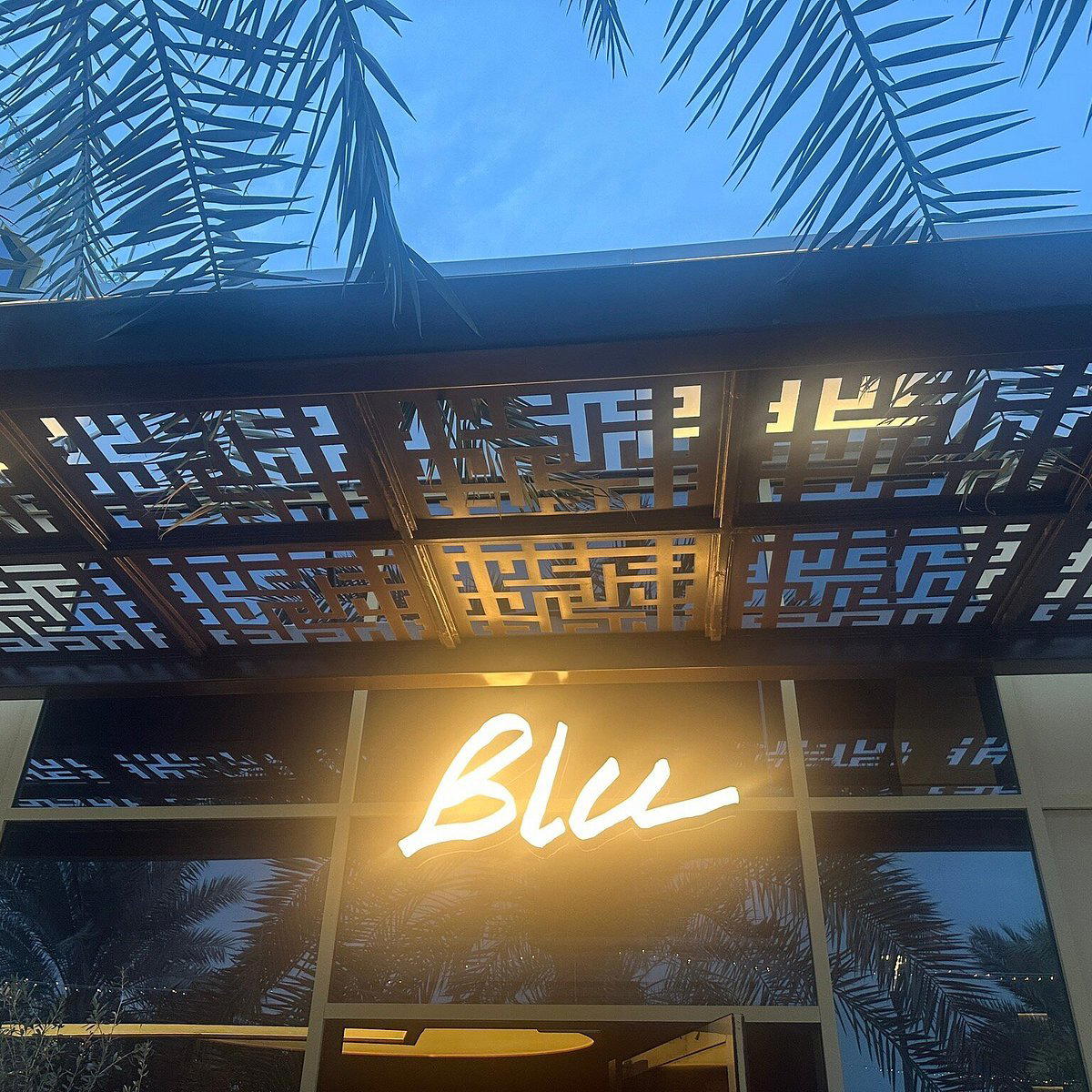
Abu Dhabi dining often begins with contrast: glass towers, hotel lobbies, waterfront promenades, desert heat outside and chilled rooms inside. Contemporary restaurants in the city have to work harder than the setting suggests, because the audience is international, well travelled, and quick to recognize imported ideas without local grounding. Blue belongs in that category: a contemporary restaurant where the editorial question is not who designed the room or how loudly the concept announces itself, but whether the cooking makes sense in a city where seafood, regional produce, global technique, and luxury-hotel expectations frequently meet on the same table.
The contemporary label matters here. In Abu Dhabi, it usually signals flexibility rather than a fixed culinary lineage: a kitchen can borrow from European plating, Gulf-adjacent ingredients, Asian acidity, or Levantine generosity without being tied to a single national script. That freedom can produce lazy fusion when the sourcing is decorative. It can also produce sharper cooking when ingredients lead the decision-making. Blue is worth reading through that second lens. The name alone gives little away, so the measure is discipline: how much the menu depends on freshness, how clearly it expresses seasonality, and whether the restaurant treats produce as structure rather than garnish.
Contemporary cooking in Abu Dhabi depends on sourcing, not slogans
Abu Dhabi’s food culture is shaped by import networks and regional proximity at the same time. Premium kitchens can access produce, seafood, spices, dairy, and dry goods from a wide radius, but the stronger ones avoid turning that access into a catalogue. Ingredient sourcing becomes a point of view when a restaurant chooses restraint: fewer gestures, cleaner combinations, and a menu that does not need to prove its global fluency in every dish.
That is the useful frame for Blue. With no public award trail or named chef credential attached to the listing, the restaurant has to be judged as part of a broader city pattern: contemporary dining without the safety net of a famous kitchen name. In this tier, polish is expected, but polish alone is not enough. The better test is whether the kitchen can make imported ingredients feel intentional and whether any regional references have culinary weight rather than postcard value. Abu Dhabi diners have enough choice across Japanese counters, Levantine dining rooms, hotel restaurants, and modern Asian formats that contemporary cooking needs a clear reason to exist.
For readers mapping the wider city, the surrounding restaurant field is useful context rather than a direct comparison. EP Club’s full Abu Dhabi restaurants guide covers the breadth of the capital’s dining scene, from modern Asian addresses such as 3 Fils Abu Dhabi and 3Fils Abu Dhabi (Modern Asian) to Korean, Japanese contemporary, and Lebanese rooms including 88 Seoul (Korean), 99 Sushi Bar ($$$$ · Japanese Contemporary), and Abd El Wahab. Those links show how fragmented the city’s premium appetite has become: diners are no longer choosing only between hotel fine dining and casual local staples.
Where Blue fits in the capital's modern dining rhythm
The strongest contemporary restaurants in Gulf capitals tend to avoid heavy-handed luxury language. They work because the pacing is controlled, the sourcing choices are visible on the plate, and the room can handle both residents and visitors without turning dinner into theatre. Blue should be approached in that spirit. Expect the relevant questions to be practical and culinary at once: Is the menu tight enough to show a kitchen’s priorities? Are ingredients treated with clarity? Does the restaurant feel like part of Abu Dhabi’s present-tense dining culture rather than an imported template?
That matters because Abu Dhabi has a different rhythm from Dubai. The capital’s dining culture is less dependent on constant opening-week noise and more tied to repeat use: hotel guests, government-adjacent business dining, families, and residents who return when a room proves steady. Contemporary restaurants that survive in this context usually have to be adaptable without becoming vague. Blue’s contemporary classification places it in that middle ground, where a meal can work for a polished dinner but the food still needs enough focus to justify attention from travellers who already have Japanese, Levantine, Indian, and steakhouse options across the city.
Ingredient sourcing is also the bridge between Abu Dhabi and the wider UAE dining map. Travellers often pair the capital with Dubai, desert stays, or northern-emirate itineraries, and the restaurant choices can reflect that movement. For broader planning, EP Club’s UAE restaurant coverage includes & More by Sheraton in Dubai, Al Falaj in Liwa Desert, Al Khyama in Al Ain, Al Madam Restaurant in Sharjah, Al Shams Restaurant & Bar in Al Dhafra, and Angar Restaurant in أبوظبي. International contemporary references, including [maki:'dan] im Ritter, Contemporary in Durbach and [w]einklang, Contemporary in Nuremberg, underline how broad the category can be when technique is not tied to a single cuisine.
How to place it in an Abu Dhabi itinerary
Blue works well for travellers who want a contemporary meal in Abu Dhabi without forcing the evening into a narrow cuisine category. It is a stronger choice for diners interested in modern sourcing, flexible technique, and the city’s current restaurant direction than for anyone chasing trophy awards or chef-name dining. With public details kept lean, planning should stay simple: confirm current opening times, reservation method, menu format, and price before fixing the night around it.
For the rest of the trip, the useful move is to separate dinner from the wider itinerary rather than treating every booking as the main event. EP Club’s Abu Dhabi hotels guide, Abu Dhabi bars guide, Abu Dhabi wineries guide, and Abu Dhabi experiences guide help place the meal alongside the capital’s stays, drinking rooms, cultural programming, and day-to-night pacing. In that context, Blue is not a trophy stop. It is a contemporary Abu Dhabi address to judge by sourcing clarity, kitchen restraint, and how convincingly the meal reflects the city’s appetite for modern cooking.
Comparable Venues Nearby
Comparable venues nearby, for context on price, style, and recognition.
| Venue | Cuisine | Price | Notes |
|---|---|---|---|
| BlueThis venue — the venue you are viewing | Seasonal Nordic-influenced coastal restaurant | $$$ | Not listed |
| Angar Restaurant | Modern Indian Tandoor | $$$ | Yas Island |
| Em Sherif Café | Authentic Lebanese Café | $$$ | Al Kasir |
| Taparelle | Modern Mediterranean with French-Italian influences | $$$ | Al Saadiyat Island |
| Brauhaus | Authentic German Bavarian | $$ | Al Zahiyah |
| Ash & Oak Lounge | Jazz & cigar lounge with cocktails and bar bites | $$$$ | Khalifa City |
Continue exploring
More in Abu Dhabi
Restaurants in Abu Dhabi
Browse all →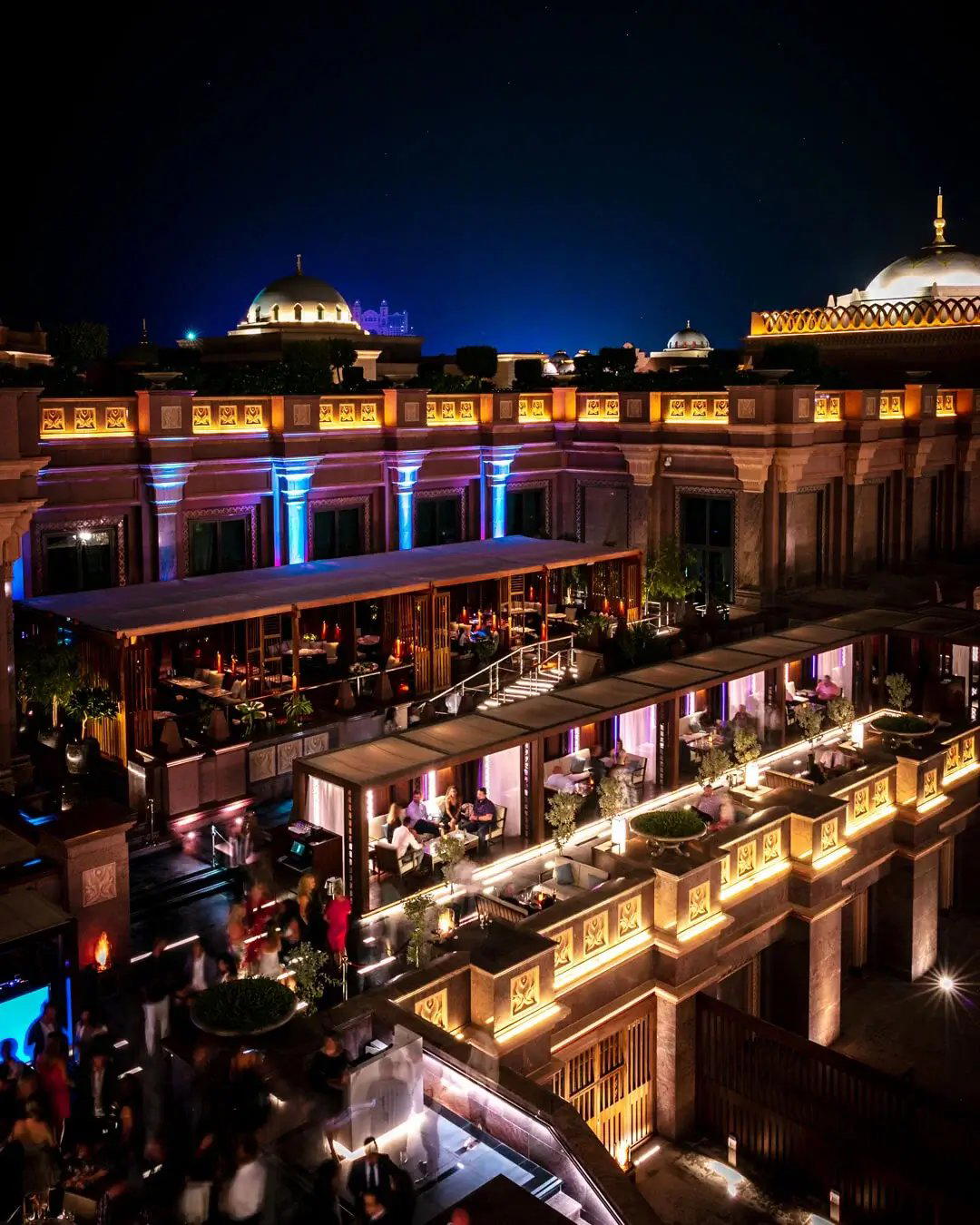
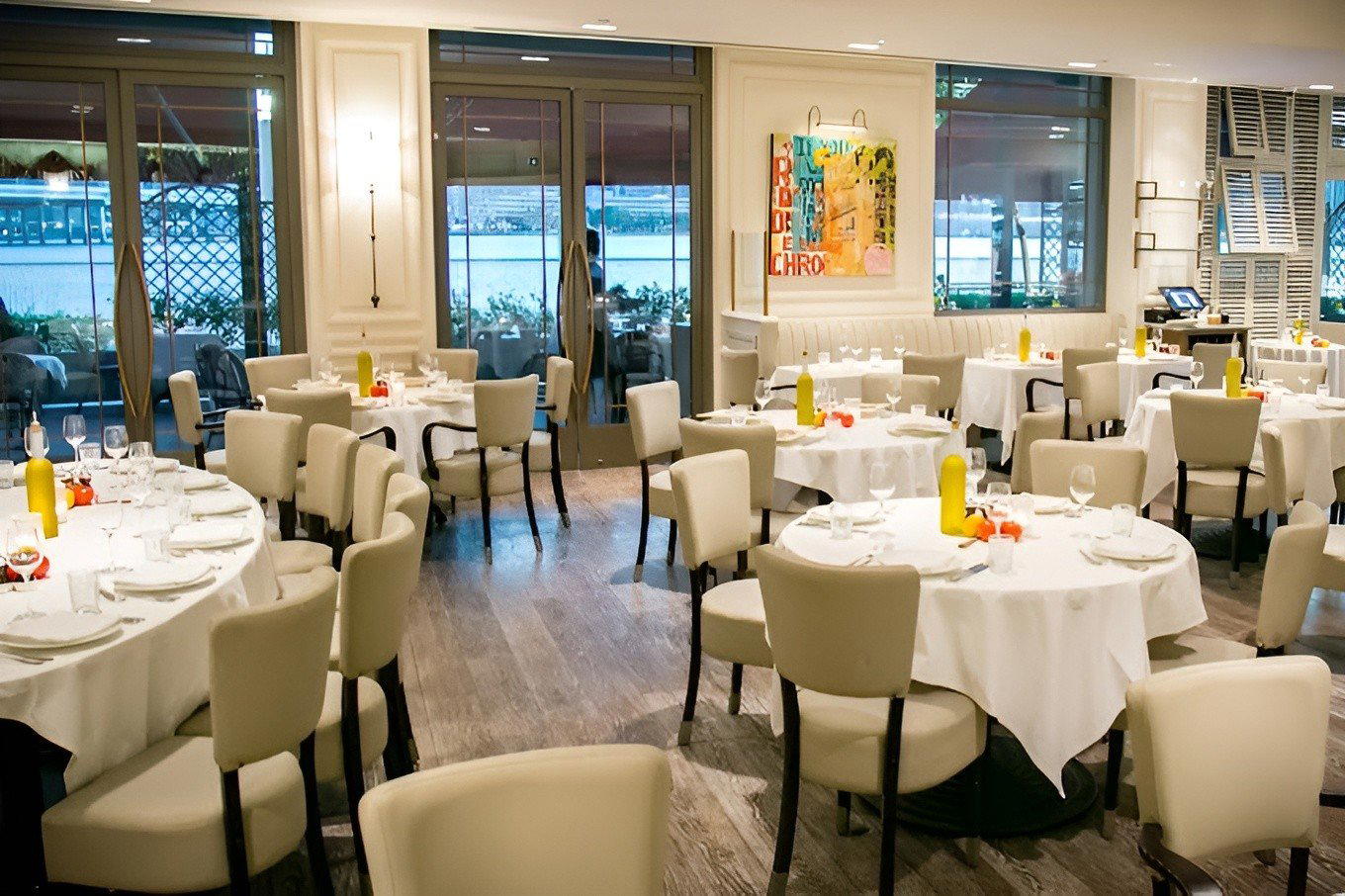
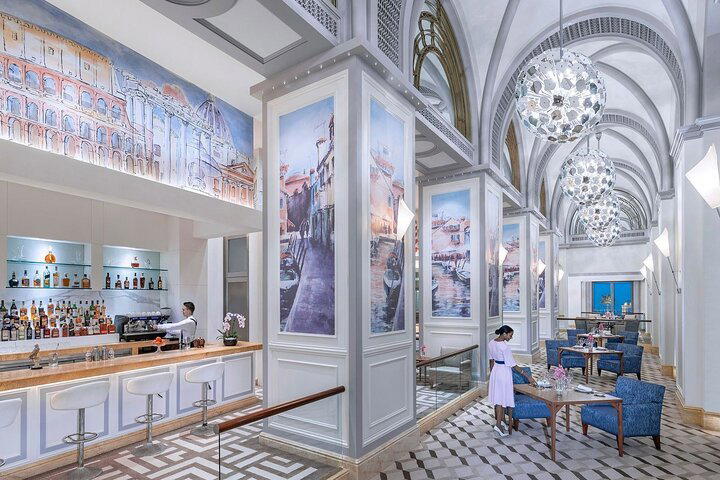
Bars in Abu Dhabi
Browse all →
At a Glance
- Modern
- Trendy
- Elegant
- Scenic
- Sophisticated
- Date Night
- Business Dinner
- Group Dining
- Casual Hangout
- After Work
- Special Occasion
- Waterfront
- Terrace
- Design Destination
- Standalone
- Panoramic View
- Craft Cocktails
- Beer Program
- Farm To Table
- Local Sourcing
- Sustainable Seafood
- Waterfront
- Skyline
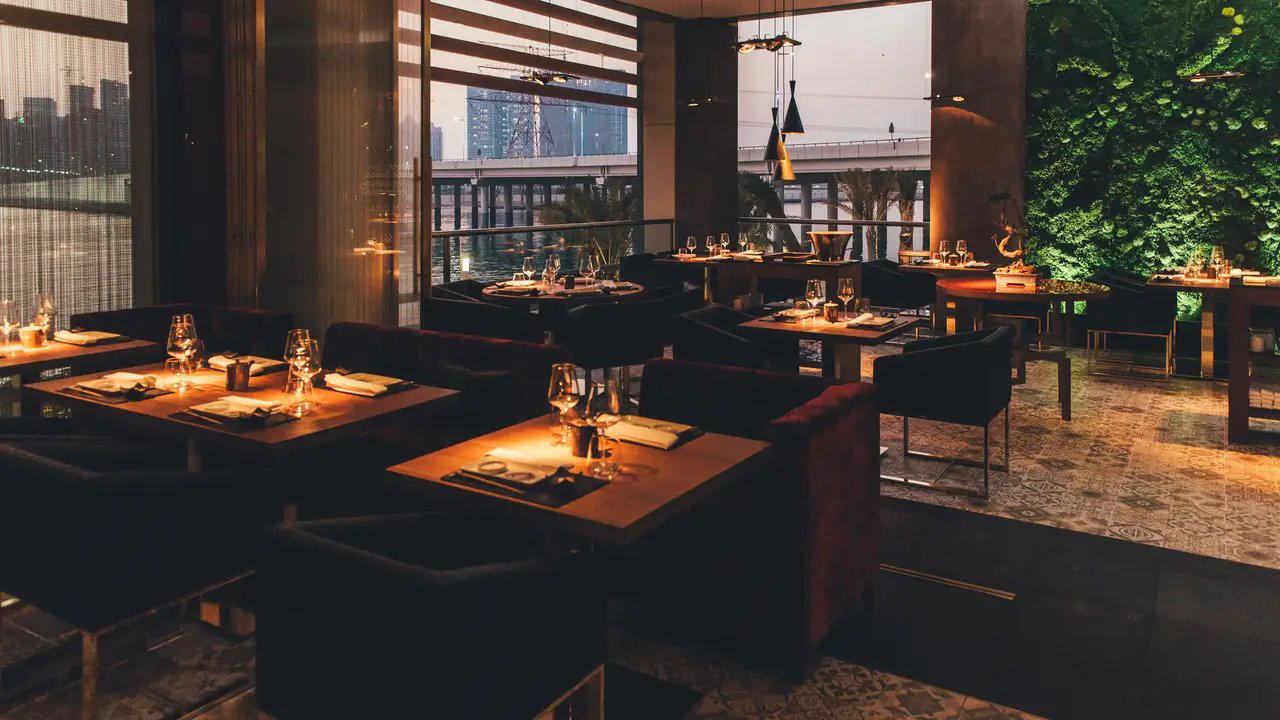
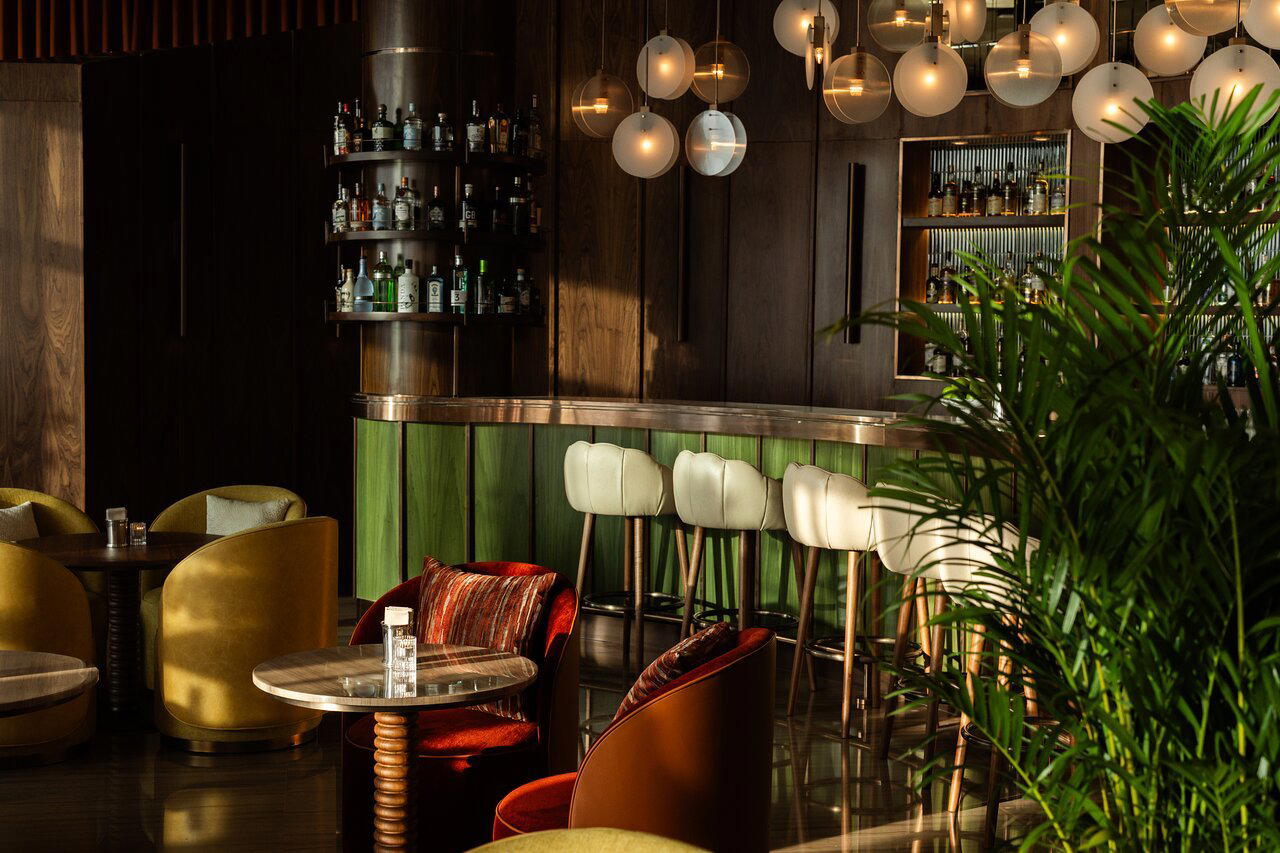
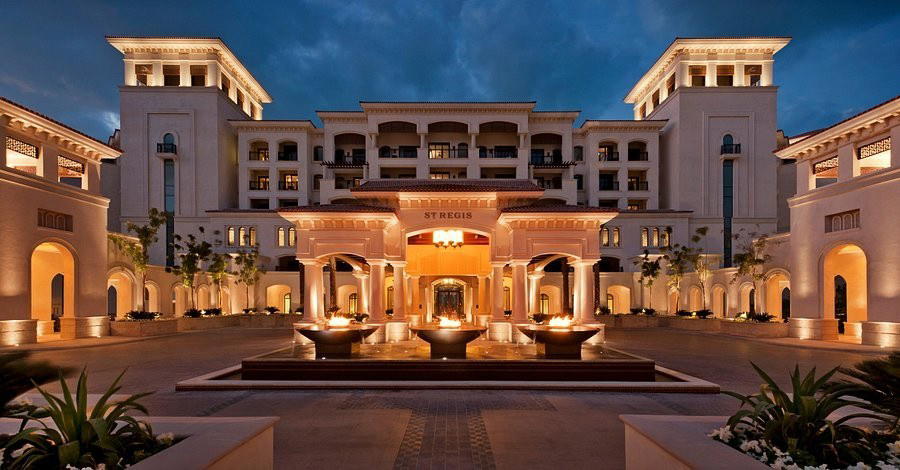
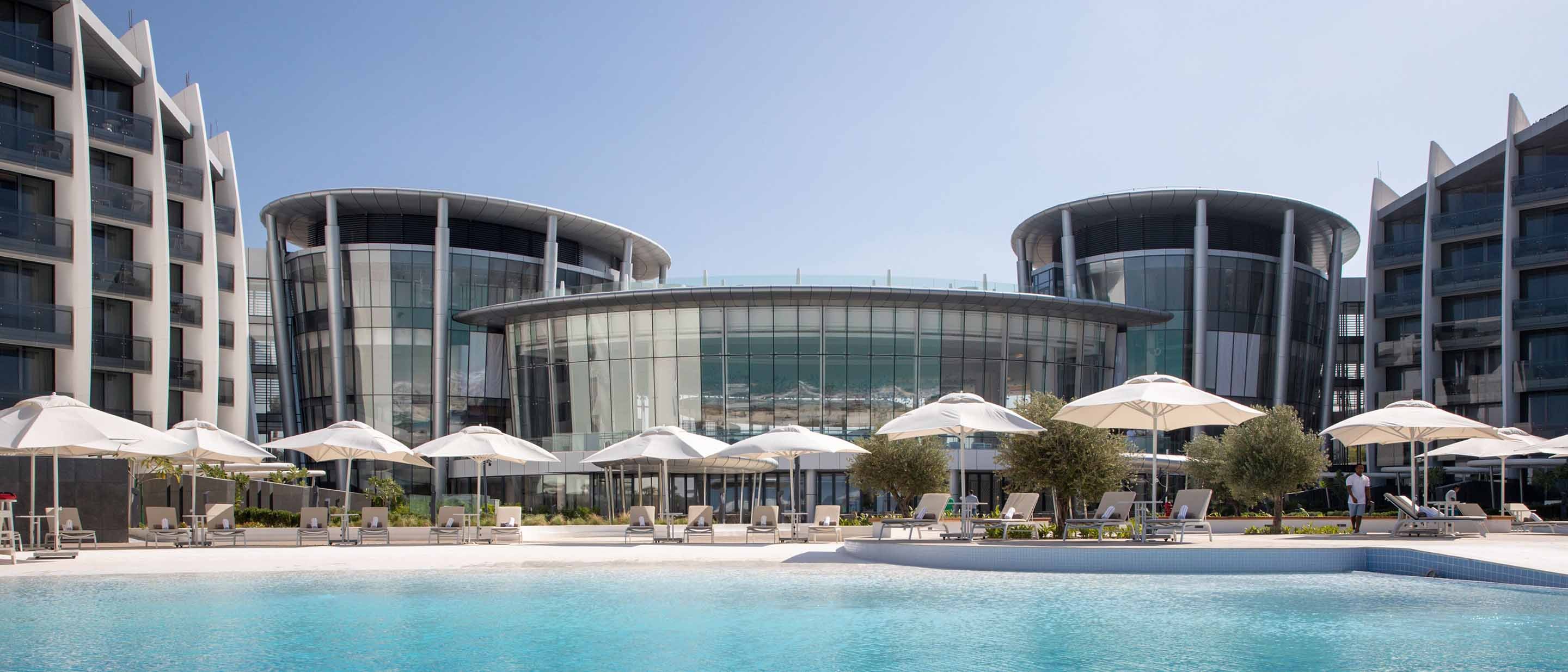
Calm and contemporary with minimalist Nordic-inspired design, soft lighting, and a relaxed but polished beachside atmosphere where the sea view is central to the experience.