Soseoul Hannam

A Michelin-starred address in Hannam-dong that frames familiar Korean cooking through a contemporary Seoul lens. Soseoul Hannam draws on everyday ingredients, kelp, soybean paste, aged kimchi, webfoot octopus, and repositions them with precision and restraint. Traditional liquor pairings complete a meal that reads as both deeply local and deliberately considered.
Pearl is the En Primeur Club membership app — saves, bookings, and concierge access live there. Same editors, same standards.
- Address
- B1F, 21-18 Hannam-daero 20-gil, Yongsan-gu, Seoul, 04419, South Korea
- Phone
- +82 2-797-5995
- Website
- instagram.com
- Directions
- Get directions
 Saves & bookings on Pearl
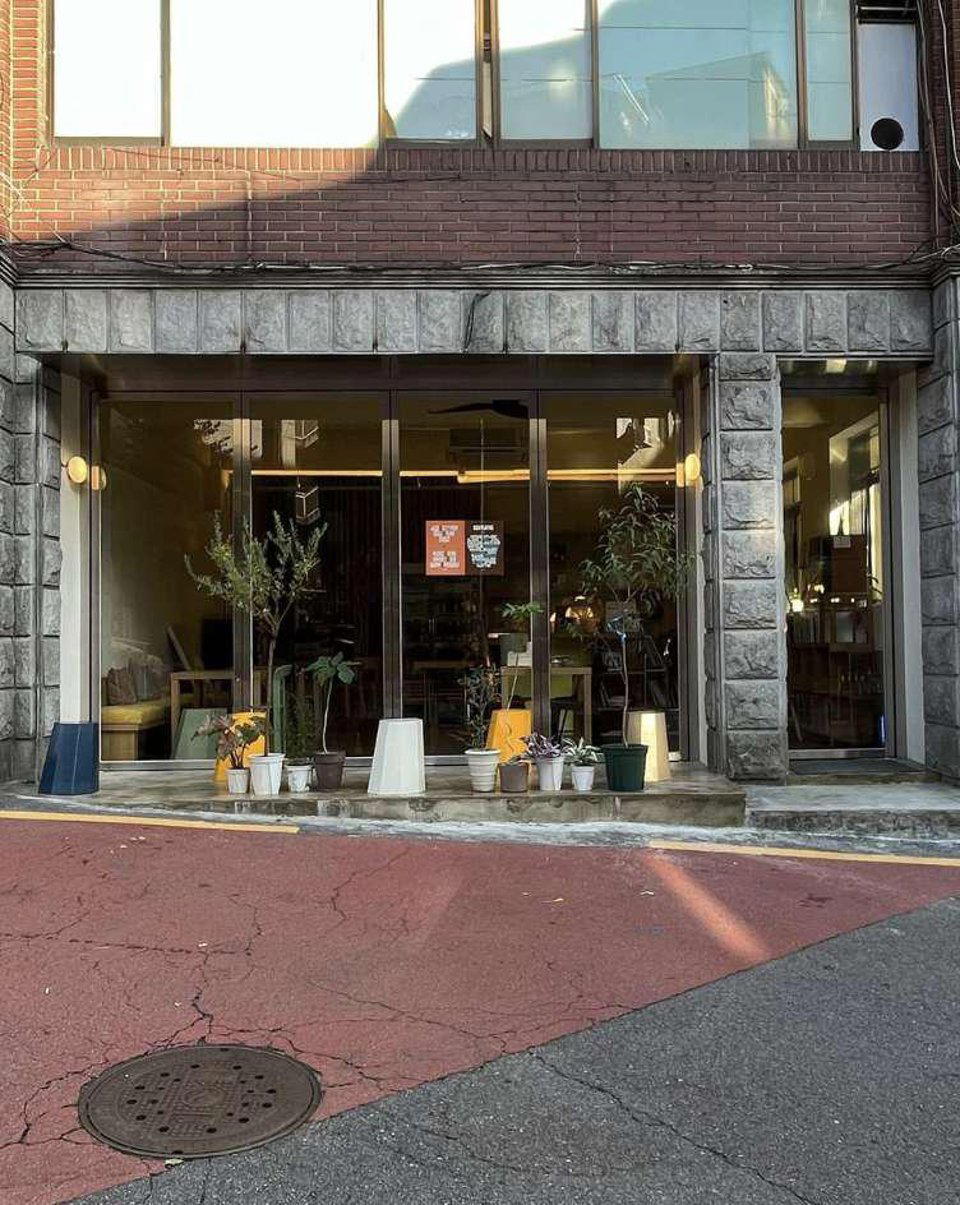
Below Street Level in Hannam-dong
Basement dining in Seoul carries a specific set of expectations. Descend from Hannam-daero's side streets and you typically find one of two things: a casual pojangmacha-style setup or a quietly serious room that has chosen a lower profile as a statement of intent. Soseoul Hannam, a one-Michelin-star restaurant in Seoul, belongs to the second category. The B1F address on Hannam-daero 20-gil places it in one of Seoul's most curated dining corridors, a neighbourhood that has absorbed significant investment from both international fashion houses and serious independent restaurants over the past decade.
Hannam-dong occupies a particular position in Seoul's dining geography. Unlike Gangnam's more formal restaurant clusters or the younger, louder energy of Itaewon's main strip, this pocket of Yongsan-gu has developed a reputation for venues that prioritise considered menus over theatrical environments. Soseoul Hannam fits that pattern: a Korean restaurant at the ₩₩₩ price tier, operating a structured lunch and dinner service Wednesday through Sunday, with Mondays and Tuesdays closed, a schedule that signals a kitchen running at deliberate pace rather than maximum covers.
The Argument for Local Ingredients Handled with Precision
Contemporary Korean dining has split into two recognisable camps over the past several years. One group pursues fusion frameworks, often yoking Korean ingredients to French technique in ways that prioritise novelty. The other, and Soseoul Hannam sits squarely here, treats the Korean pantry as the end destination rather than the starting point, applying refinement to make familiar ingredients perform at a higher register.
That distinction matters in a city where the Michelin Guide now runs across multiple tiers of Korean cuisine. At the ₩₩₩₩ tier, venues like Onjium and Kwonsooksoo are excavating historical Korean court traditions. At the other end of the spectrum, restaurants like Mingles build cross-cultural menus that use Korean ferments and pastes as seasoning within a broader international vocabulary. Soseoul Hannam occupies a more direct position: the ingredients are what Seoul eats, the technique is what makes them worth paying for.
Its kitchen works with ingredients most familiar to the local palate, specifically referencing seasoned salads, pan-fried and braised preparations, and fermented staples. That framing is deliberate. Doenjang jjigae, rich soybean paste stew, is a dish found in every neighbourhood in Seoul, from convenience store lunch sets to home kitchens. Serving a version of it in a Michelin-starred room is a position, not a default. It argues that the depth already present in Korean everyday cooking is worth isolating and amplifying rather than replacing with imported frameworks.
Signature Dishes and the Logic Behind Them
The kitchen's documented signature offerings give a useful picture of how that philosophy operates at the plate level. Kelp chips appear as a starting point, kelp (dasima) being a foundational building block in Korean stock-making, here transformed into something crunchy and standalone. The move from broth ingredient to snack is a small act of recontextualisation that characterises the menu's broader approach.
Sliced raw fish arrives with gomchwi, the common name for Fischer's ragwort, a perennial herb with a particular bitterness that has been part of Korean mountain cuisine for centuries. Pairing raw fish with a foraged green rather than the more internationally recognised perilla leaf or sesame is a choice that reads as regional specificity rather than novelty. Aged kimchi as an accompaniment extends the fermentation logic already present in the doenjang stew, two distinct expressions of the same Korean preservation tradition on the same menu.
Chargrilled webfoot octopus completes the picture. Nakji (webfoot octopus) has a different texture profile from the larger octopus species more familiar in Mediterranean preparations, shorter cook times, chewier flesh, a more pronounced brininess. Chargrilling rather than braising or stir-frying (the two more common treatments in Korean home cooking) suggests a kitchen that is choosing technique deliberately, using fire to concentrate rather than soften.
Traditional Liquor Pairings as a Structural Choice
The availability of traditional liquor pairings at the restaurant is worth examining beyond its novelty value. Korean traditional liquors, makgeolli, cheongju, soju in its traditional form, and various regional fruit wines, have a pairing logic that differs significantly from wine service. Their flavour profiles are calibrated to fermented and aged components, making them genuinely complementary to kimchi and doenjang in ways that European wine pairings often have to work harder to achieve.
Offering these pairings in a Michelin context puts the restaurant in a small peer group. Most high-end Korean restaurants in Seoul that have pursued Michelin recognition have leaned toward wine lists as a signal of international legitimacy. The traditional liquor pairing option is a statement that the meal's logic runs in a different direction. It invites comparison not with Burgundy or Champagne pairing traditions but with the internal coherence of fermented food alongside fermented drink.
For international visitors, this pairing is also the more informative choice. Understanding how Korean food was historically accompanied gives context that a Bordeaux pairing, however technically correct, cannot provide. For readers planning Seoul dining around Korean culinary depth, rather than cross-cultural technical performance, this is worth factoring into the booking decision.
Where This Sits in Seoul's Michelin Map
The restaurant earned a single Michelin star in 2024, placing it in a tier that in Seoul carries specific implications. The one-star bracket in the Guide's Seoul edition is large and varied, covering everything from street-food-adjacent specialists to rooms with full tasting menus. What distinguishes the more interesting members of this group is specificity of position, a clear answer to the question of what problem this kitchen is solving.
At this price tier, the restaurant sits below the ₩₩₩₩ contemporary Korean venues that dominate discussion of Seoul's most formally ambitious dining. La Yeon and Gaon operate at the upper register of Korean fine dining, with price points and service formality to match. Bicena represents a different contemporary angle. The restaurant's comparable set is defined less by price proximity than by intent: kitchens that take Korean everyday cooking seriously enough to refine it without deconstructing it.
For those building a broader picture of Korean cuisine across the country, Baegyangsa Temple in Jangseong-gun and Mori in Busan both operate in related registers of ingredient-led, tradition-rooted cooking. The comparison is useful: Korean culinary depth is not a Seoul-exclusive phenomenon, and understanding regional variation adds context to what a Hannam-dong kitchen is choosing to foreground.
Korean cuisine has also developed a meaningful international footprint. bōm in New York City, DOSA in London, and Jeju Noodle Bar in New York City all represent how Korean culinary ideas translate across different urban contexts. Eating at the restaurant in Seoul provides the reference point from which to read those international interpretations with more precision.
For Gangnam-side Korean dining in a more formal register, Kwon Sook Soo in Gangnam-gu offers a useful cross-district comparison. And if you want to track the Korean-French fusion thread that restaurant avoids, The Flying Hog in Seogwipo provides an interesting counterpoint from outside the capital.
Know Before You Go
- Address: B1F, 21-18 Hannam-daero 20-gil, Yongsan-gu, Seoul 04419
- Hours: Wednesday to Sunday, 12:00 PM–3:00 PM and 6:00 PM–10:00 PM. Closed Monday and Tuesday.
- Price tier: ₩₩₩
- Awards: Michelin 1 Star (2024)
- Pairings: Traditional Korean liquor pairings available
- Getting there: Hannam-dong is well served by bus connections from Itaewon and Dongho Bridge stations; the side-street B1F location is on Hannam-daero 20-gil
How It Stacks Up
Comparable venues nearby, for context on price, style, and recognition.
| Venue | Cuisine | Price | Awards | Notes |
|---|---|---|---|---|
| Soseoul HannamThis venue — the venue you are viewing | Modern Korean Fine Dining | $$$$ | Michelin 1 Star | Not listed |
| Soul | Contemporary Korean Fusion | $$$$ | Michelin 1 Star | 소공동 |
| YUN | Modern Korean Fine Dining | $$$$ | Michelin 1 Star | 소공동 |
| VINHO | Modern Korean Contemporary | $$$$ | Michelin 1 Star | 압구정동 |
| Sushi Matsumoto | Edomae Sushi Omakase | $$$$ | Michelin 1 Star | 압구정동 |
| Escondido | Authentic Mexican Fine Dining | $$$$ | Michelin 1 Star | 한남동 |
Recognition history
Dated appearances from independent guides and award organizations, with the underlying list record or original source where available.
Michelin 1 Star
Michelin
Michelin 1 Star
Michelin

At a Glance
- Modern
- Elegant
- Sophisticated
- Trendy
- Date Night
- Special Occasion
- Open Kitchen
- Sake Program
- Local Sourcing
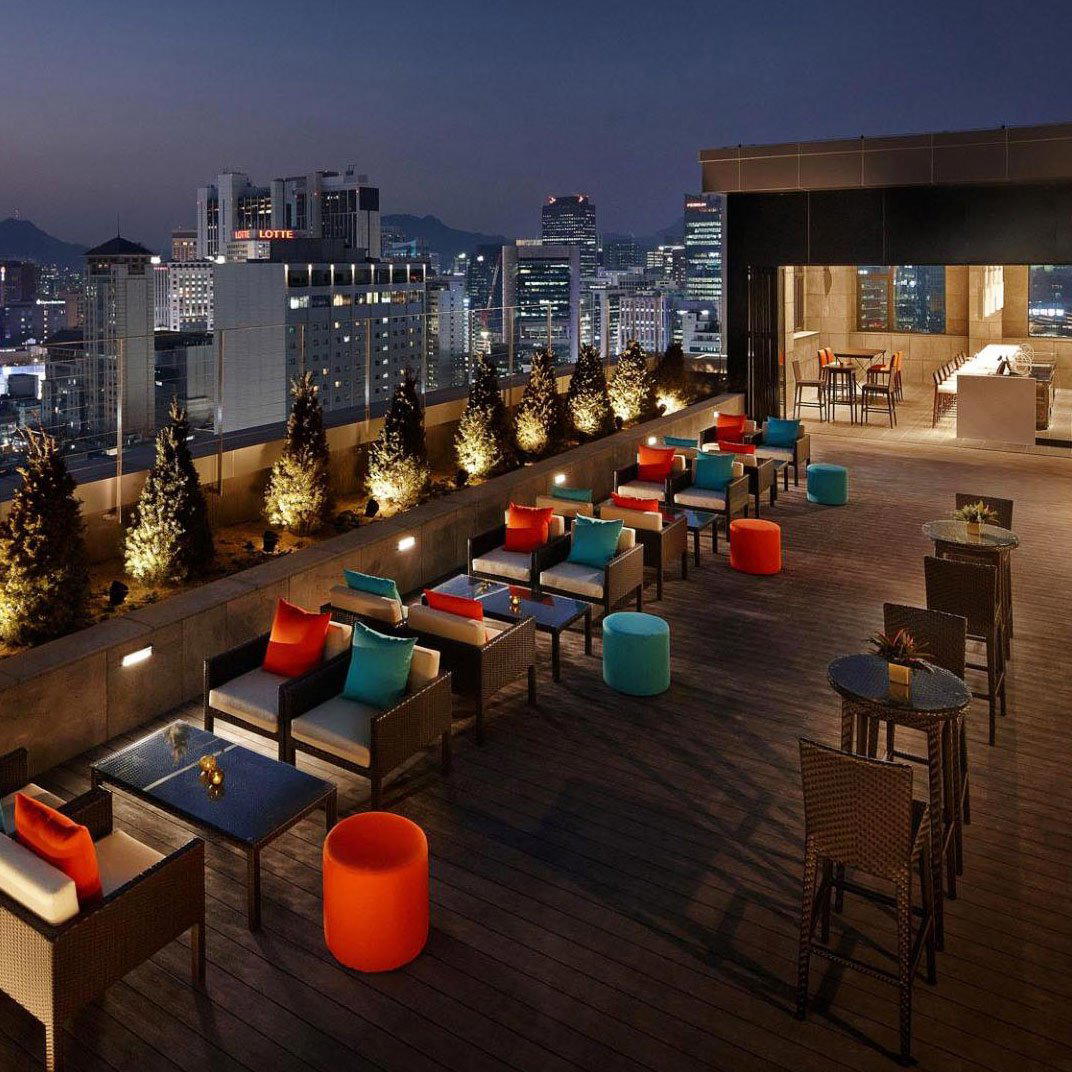
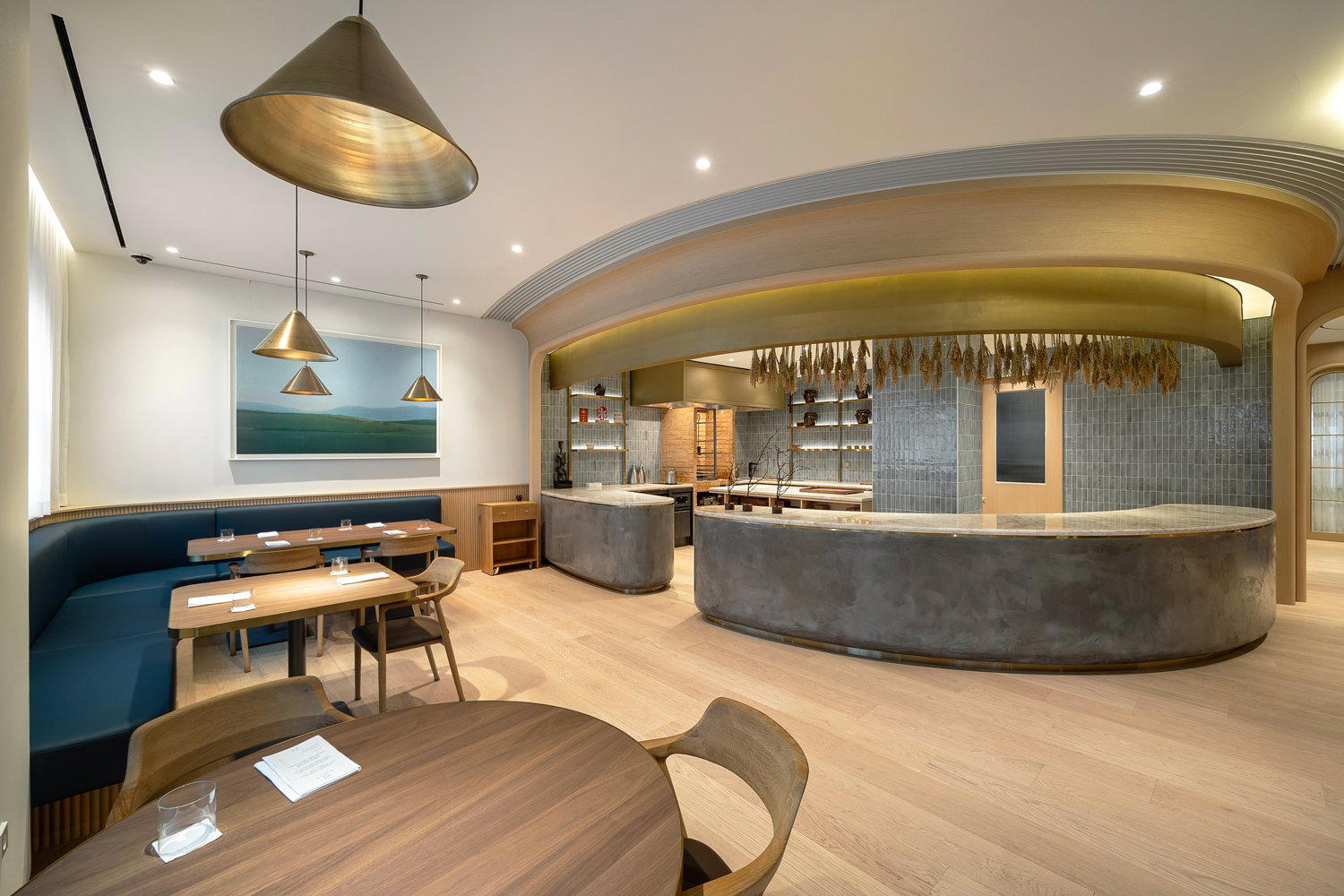
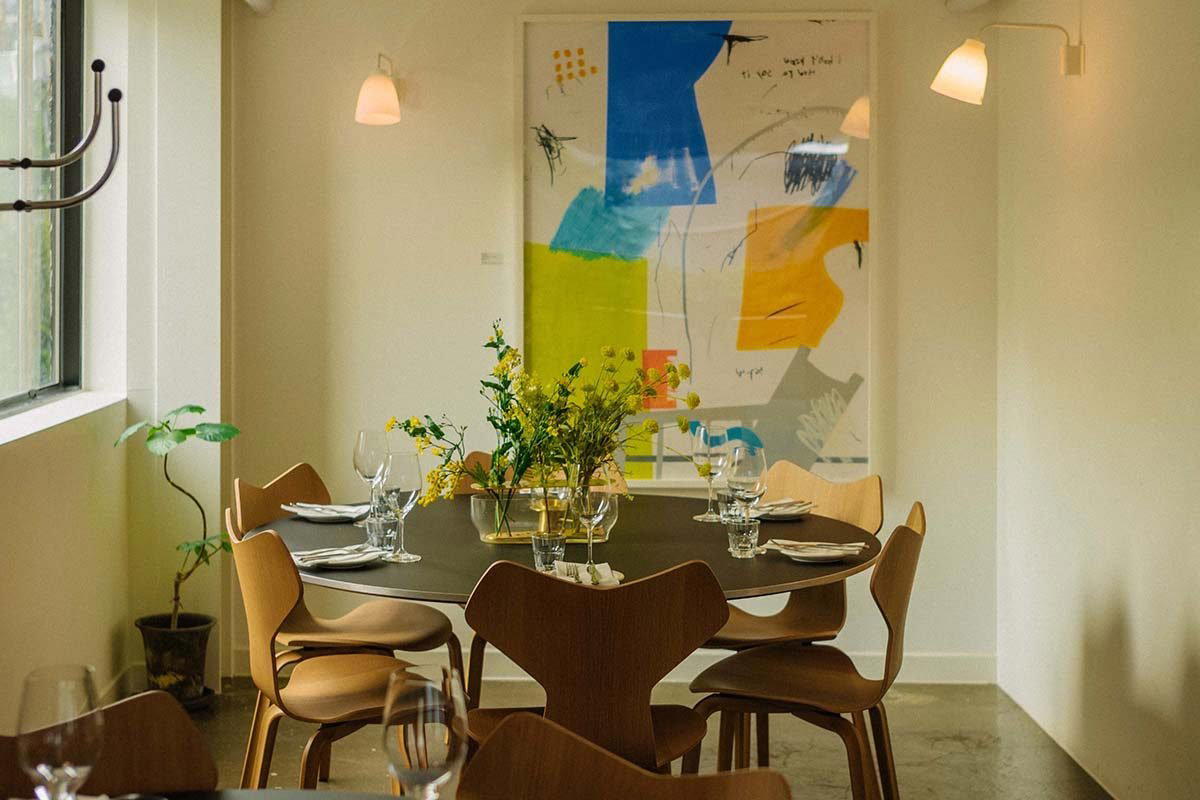
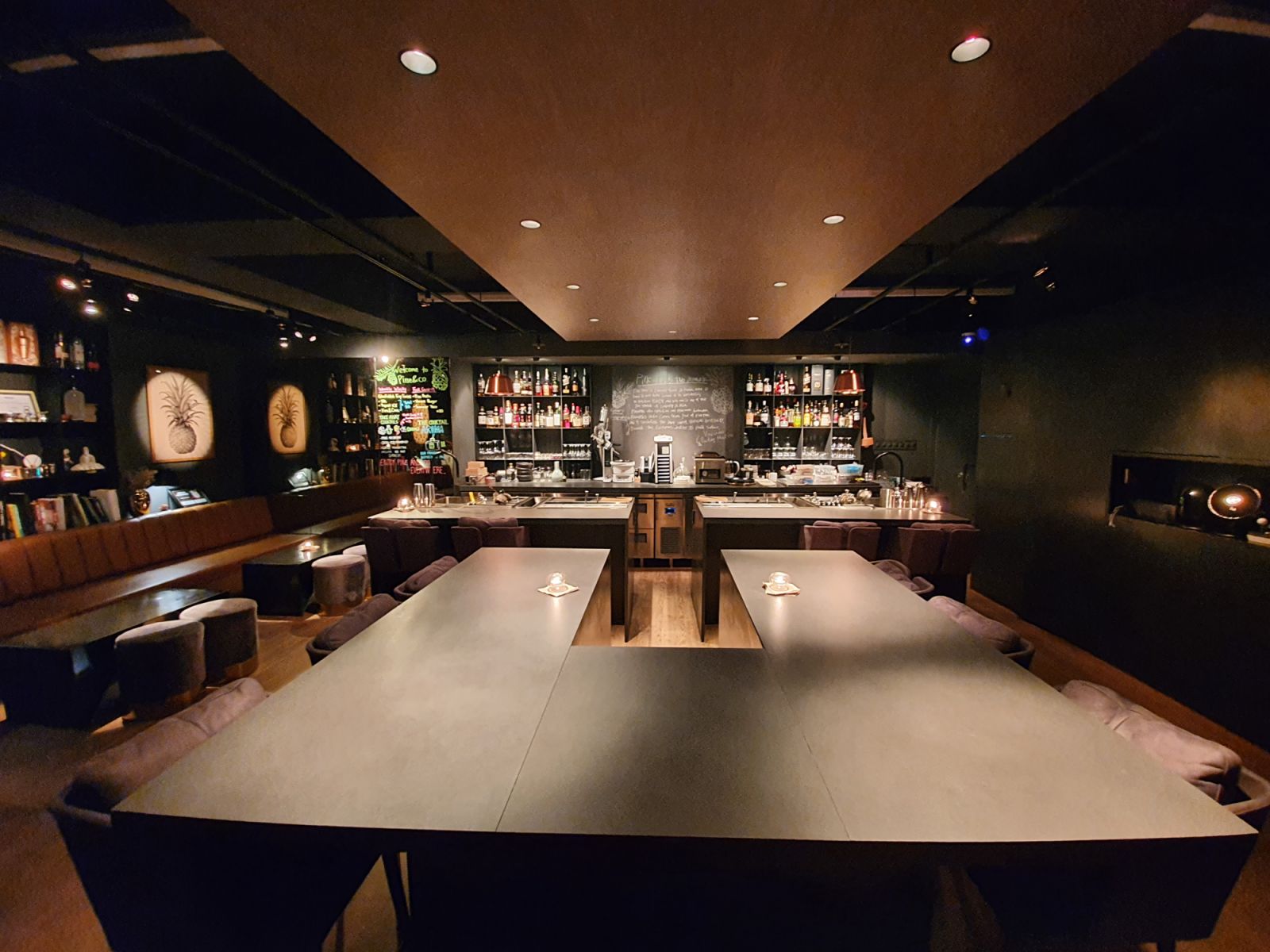
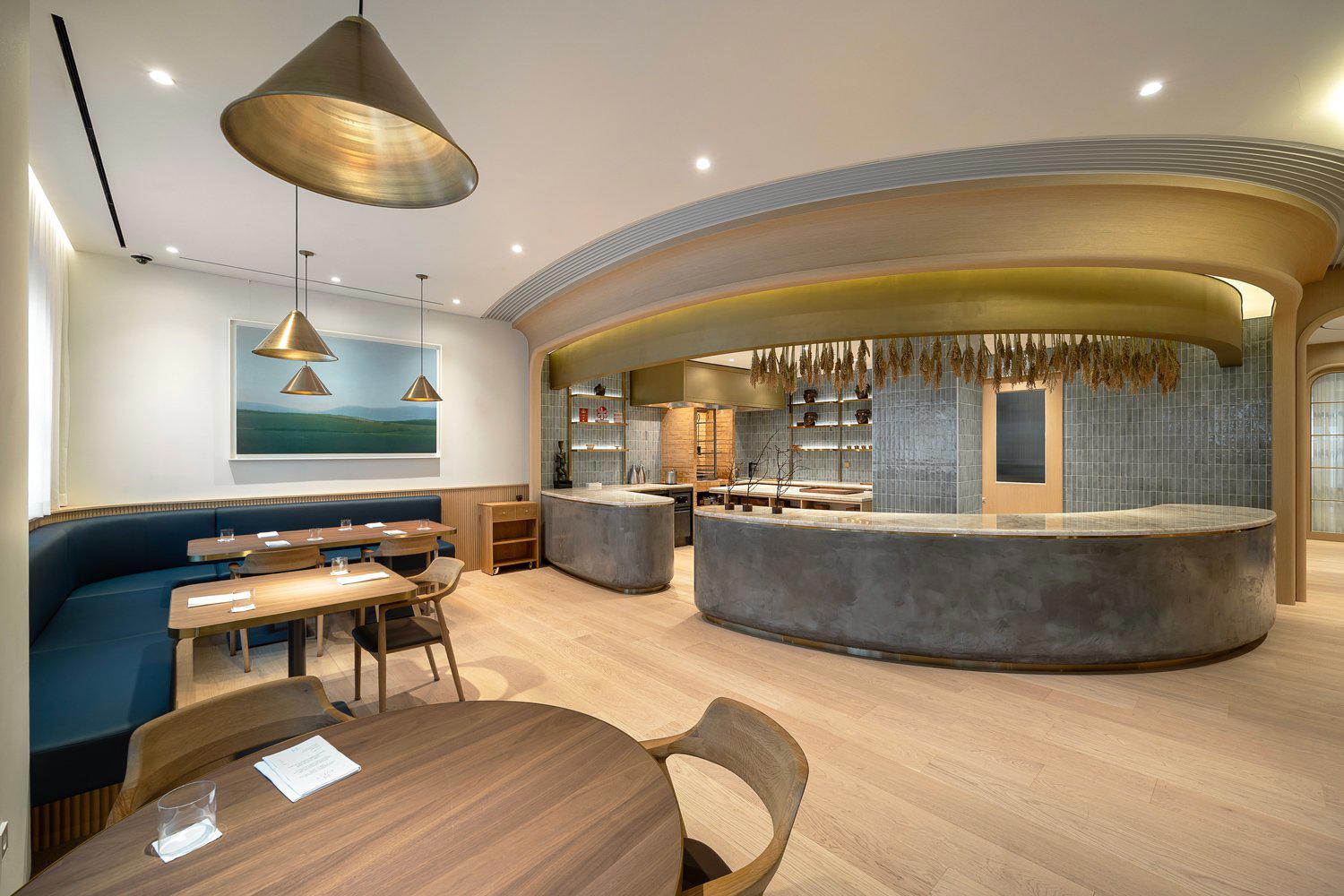
modern and stylish with elegant presentation and refined atmosphere.