Saj Way Lebanese Food
"Going the Saj Way With efficient delivery and delicious Lebanese, I have had plenty of Saj Way's chicken sandwiches and fattouch salads. Each meal comes served fresh and full of flavors, some I've never tasted together before. This fattouch has lettuce, radish, mint, parsley, cucumbers, pomegranate, and pita chips with salad dressing that perfectly compliments the mix. Next time I'm definitely ordering their Saj sweets that include chocolate and bananas stuffed in Saj bread."
Pearl is the En Primeur Club membership app — saves, bookings, and concierge access live there. Same editors, same standards.
- Address
- F9H5+QHC - Darratul Miyah, Khalidiyah - Abu Dhabi - United Arab Emirates
- Phone
- +971 2 633 9095
- Website
- sajway.com
- Directions
- Get directions
 Saves & bookings on Pearl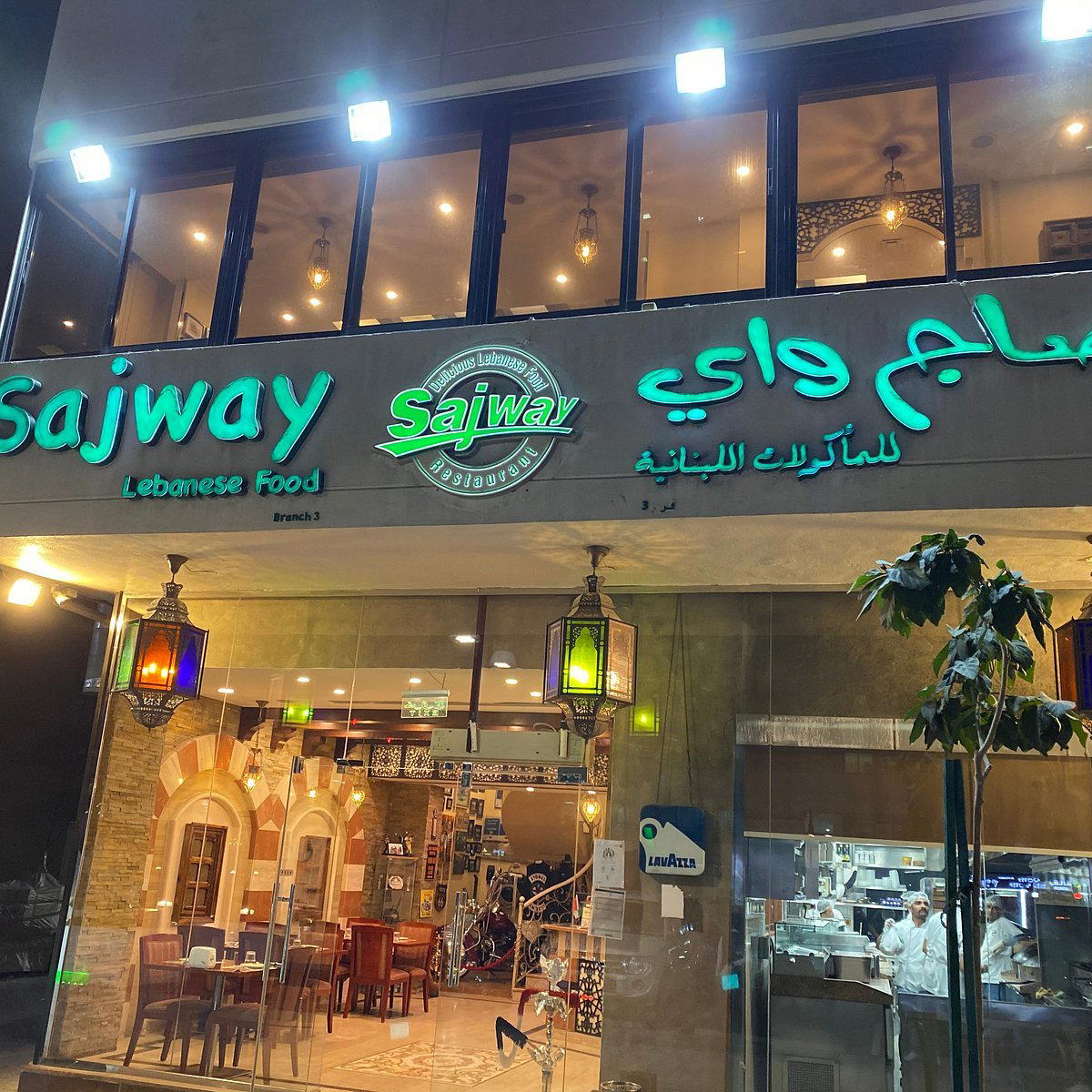
Saj Bread and the Khalidiyah Tradition
In the Khalidiyah district of Abu Dhabi, where residential streets fold between the Corniche and the older commercial arteries of the city, Lebanese food occupies a different register than it does in the hotel dining rooms to the east. The saj, a domed iron griddle over an open flame, is the organizing principle of an entire category of casual Lebanese eating that the city has sustained for decades, long before the arrival of reservation-only concepts like Talea by Antonio Guida or Hakkasan reshaped the premium end of the dining conversation. Saj Way Lebanese Food sits inside that older, more rooted tradition.
The address places it squarely in the Darratul Miyah quarter of Khalidiyah, a part of the city where Lebanese diners, Arabic-speaking expatriates, and long-term Abu Dhabi residents form the primary audience rather than hotel guests or international visitors. That demographic context matters. It tells you something about what to expect from the food and from the format before you have even arrived.
The Physical Environment: Counter, Griddle, Open Heat
The saj format is, by its nature, a counter experience. The griddle sits in view, the dough is stretched by hand, and the bread arrives at the table seconds after it leaves the flame. There is no elaborate interior architecture to describe in the way one might describe the dining room of Erth or the considered materials palette of a design-led hotel restaurant. The physical container at a saj-forward Lebanese operation is defined by the equipment at the centre of the space: the dome, the heat, and the hands of the person working it.
That transparency of process is itself a design statement, one that contrasts directly with the controlled environments of Abu Dhabi's formal dining tier. At venues like LPM Abu Dhabi, the kitchen is largely invisible and the room performs a kind of studied elegance. At a Khalidiyah sajerie, the room is organized around production rather than concealment. The griddle is the centrepiece. That choice of arrangement, whether deliberate or simply practical, communicates immediacy and transparency that more formal Lebanese operations in the city do not replicate.
Seating in this format tends toward the functional: tables placed for efficiency, with the emphasis on throughput and freshness rather than extended leisure. The experience rewards visitors who align their expectations with the format rather than arriving with assumptions carried from the hotel-restaurant circuit.
Lebanese Casual in Abu Dhabi: Where This Format Sits
Abu Dhabi's Lebanese restaurant category is broader than many visitors realize. At the mid-range, venues like Almayass operate in a more polished Lebanese idiom, with a broader menu and a dining room designed for longer stays. At the entry price tier, the Khalidiyah sajerie represents something closer to the everyday eating that Lebanese communities across the Gulf have maintained as a reference point for decades. The comparison with Al Nawab Restaurant in Sharjah is instructive: both operate within that Gulf-Lebanese casual register where price accessibility and food quality are expected to coexist without compromise.
The saj bread tradition itself carries a long lineage in Levantine food culture. The thin, blistered flatbread cooked on the convex griddle is not a simplified version of something more sophisticated; it is the original form, the breakfast and snack staple that predates the restaurant as a concept. Operations that do this format well are measuring against a standard set by home kitchens and village bakeries, not by tasting menus. That is a different and, in some ways, more demanding form of accountability.
For visitors working through Abu Dhabi's dining range, the context is worth holding: the premium Lebanese dining experience in the city occupies a different address and a different price tier than Saj Way. The casual end of the Lebanese category is where Khalidiyah operations like this one concentrate their value, and where regulars return for the speed and freshness that the format delivers rather than for the elaboration that formal dining offers. For a view of how Abu Dhabi's broader restaurant scene is organized across cuisines and price tiers, the full Abu Dhabi restaurants guide maps those distinctions clearly.
What the Menu Is Built Around
Lebanese casual eating in the Gulf is structured around a small number of core formats: the man'oushe (a flatbread topped with za'atar and olive oil, or cheese, or both), the wrap filled with grilled meats or falafel, the open sandwich carrying labneh or vegetables, and the plate combinations that extend the meal toward a fuller spread. The saj griddle enables all of these. The speed from preparation to table is measured in minutes, not the extended pacing of a tasting menu. At a sajerie, freshness is the primary metric of quality, and it is one that the format enforces structurally.
Across the Gulf's Lebanese casual category, the man'oushe za'atar remains the baseline by which regulars evaluate an operation. The quality of the dough, the proportion of oil in the za'atar blend, and the temperature control on the griddle are the variables that separate operations in this tier. These are not small distinctions to the people who eat this food routinely.
Getting There and Practical Notes
Khalidiyah sits west of the Corniche, accessible by taxi or rideshare from most central Abu Dhabi addresses in under fifteen minutes during off-peak hours. The Darratul Miyah area within Khalidiyah is a working residential and commercial district without the pedestrian infrastructure of the Corniche waterfront, so arriving by car is the practical approach. Direct enquiry with the venue before visiting is advisable, particularly for specific dietary requirements. For visitors building a broader Abu Dhabi itinerary that spans different price tiers and cuisines, Marmellata Bakery offers a different casual-format option in the same city.
The Khalidiyah Lebanese casual category does not require advance booking in the way that Abu Dhabi's premium tier does. A sajerie in Khalidiyah operates on a walk-in basis, and the format assumes availability. Peak hours follow Gulf working patterns: late morning through afternoon for the breakfast-to-lunch crossover, and again in the early evening.
The Quick Read
Comparable venues nearby, for context on price, style, and recognition.
| Venue | Cuisine | Price | Notes |
|---|---|---|---|
| Saj Way Lebanese FoodThis venue — the venue you are viewing | Al Hisn, Authentic Lebanese | $ | Not listed |
| Bonna Annee | Al Zahiyah, Authentic Ethiopian | $ | Not listed |
| 88 Seoul | Not listed | $ | Al Seef, Korean Street Food & Fried Chicken |
| Akawa | Not listed | $$$ | Al Hudayriyat Island, Modern Arabic Fusion by the Sea |
| Art of Dum Abu Dhabi | Not listed | $$ | Reem Island, Traditional Dum Pukht Indian |
| Brooklyn Chop House | Not listed | $$$ | Yas Island, Asian-influenced modern steakhouse |
Continue exploring
More in Abu Dhabi
Restaurants in Abu Dhabi
Browse all →
Bars in Abu Dhabi
Browse all →

At a Glance
- Cozy
- Family
- Casual Hangout
Casual and welcoming atmosphere with polished hospitality.