


Michelin Plate · Star Wine List · Gault & Millau UAE Selected Restaurant
Our verdict
Zuma Abu Dhabi elevates Japanese izakaya dining to fine art on Al Maryah Island's waterfront, where Rainer Becker's award-winning concept transforms sharing culture into sophisticated theater. Signature miso black cod and robata-grilled specialties unfold around theatrical open kitchens in this energy-charged temple to contemporary Japanese cuisine.

Pearl is the En Primeur Club membership app, where members save venues, book tables and use the concierge.
The menu
What to order
- Black cod
- Lamb chops
- Wagyu beef
- Soft shell crab
- Prawn gyoza
Planning a Table at Zuma Abu Dhabi
Contemporary Japanese dining in Abu Dhabi sits in a relatively compact tier. For anyone planning a visit, the practical considerations matter as much as the menu itself.
The Room and the Atmosphere on Arrival
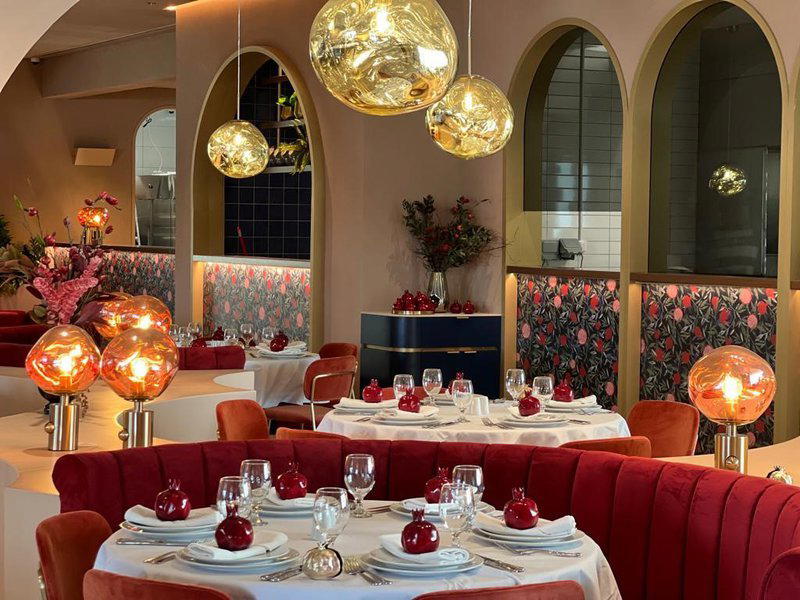
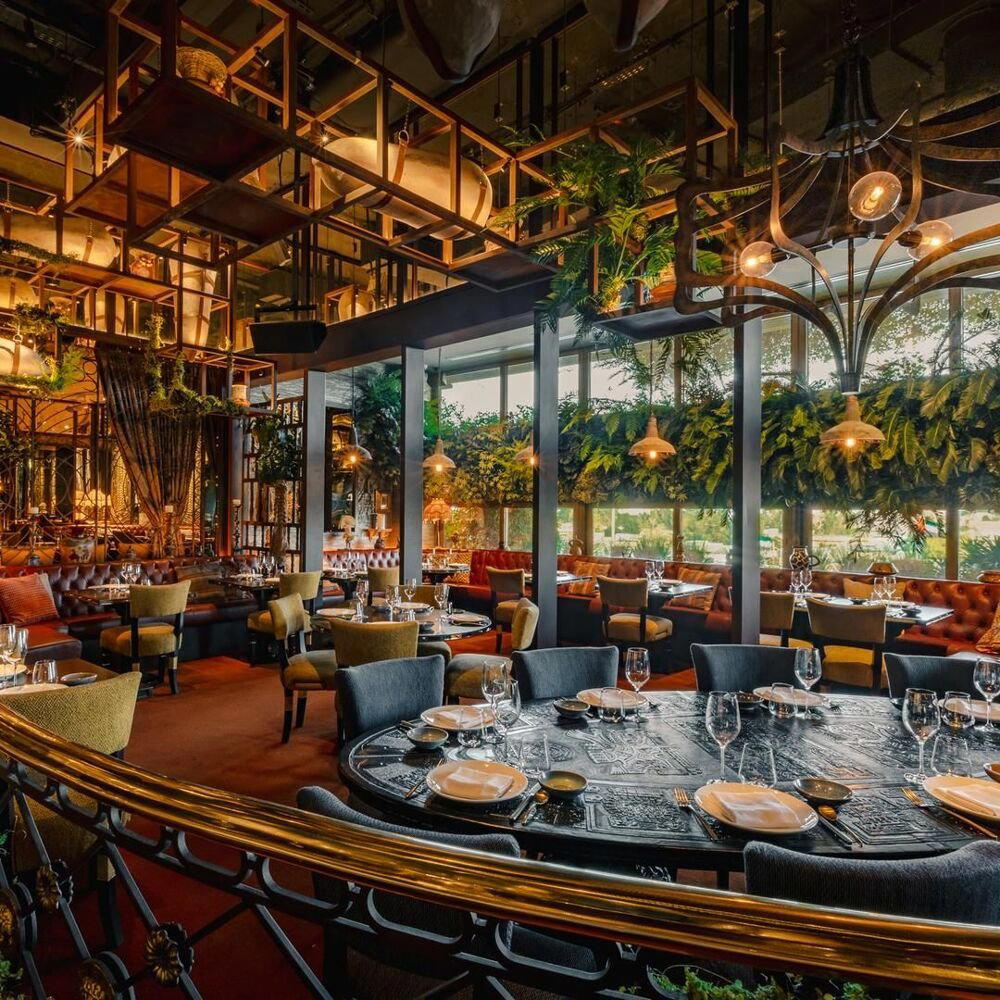
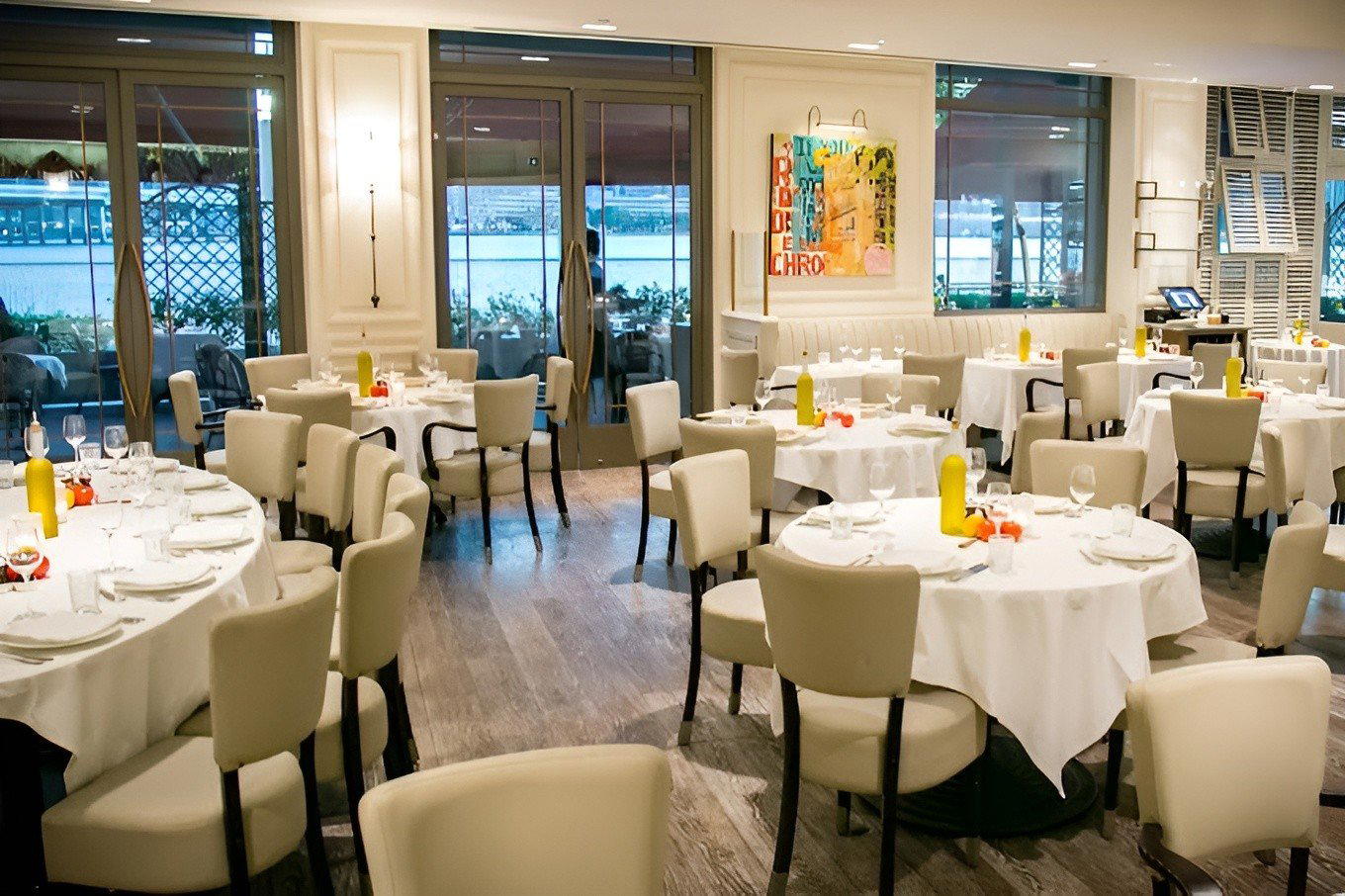
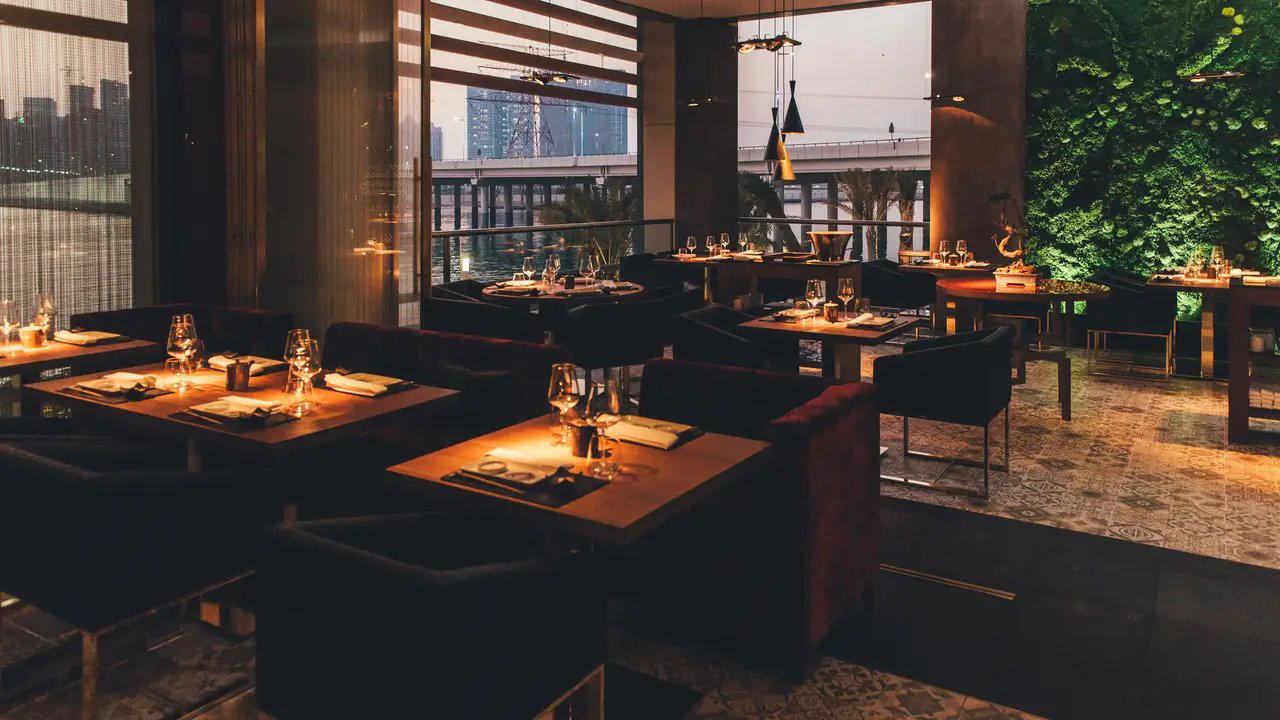
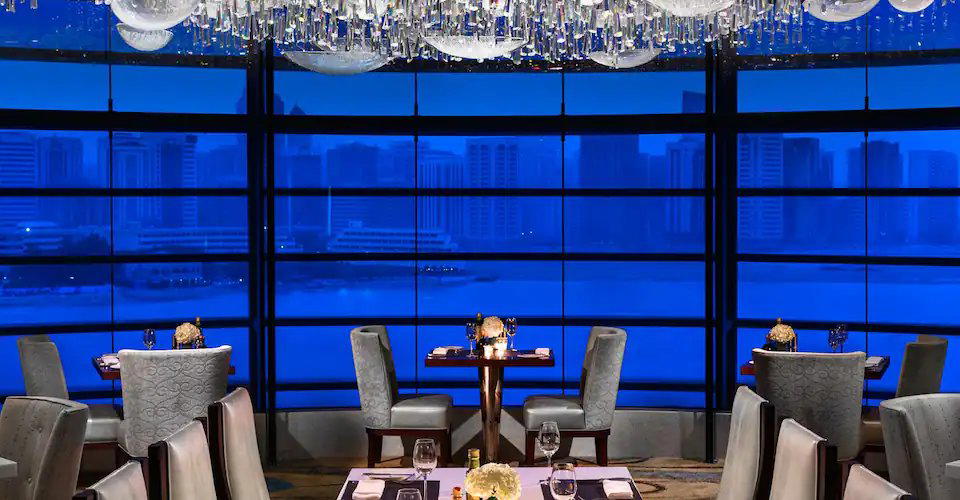
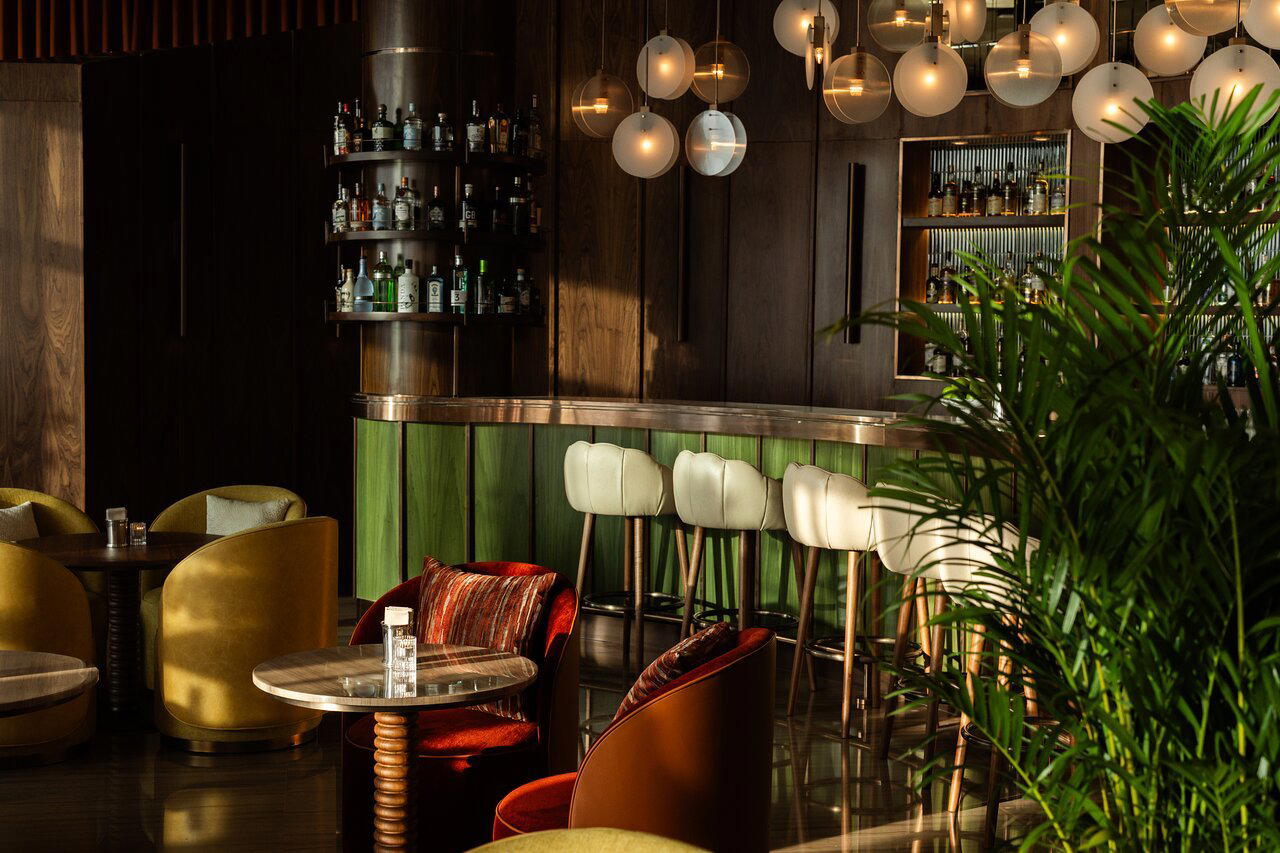
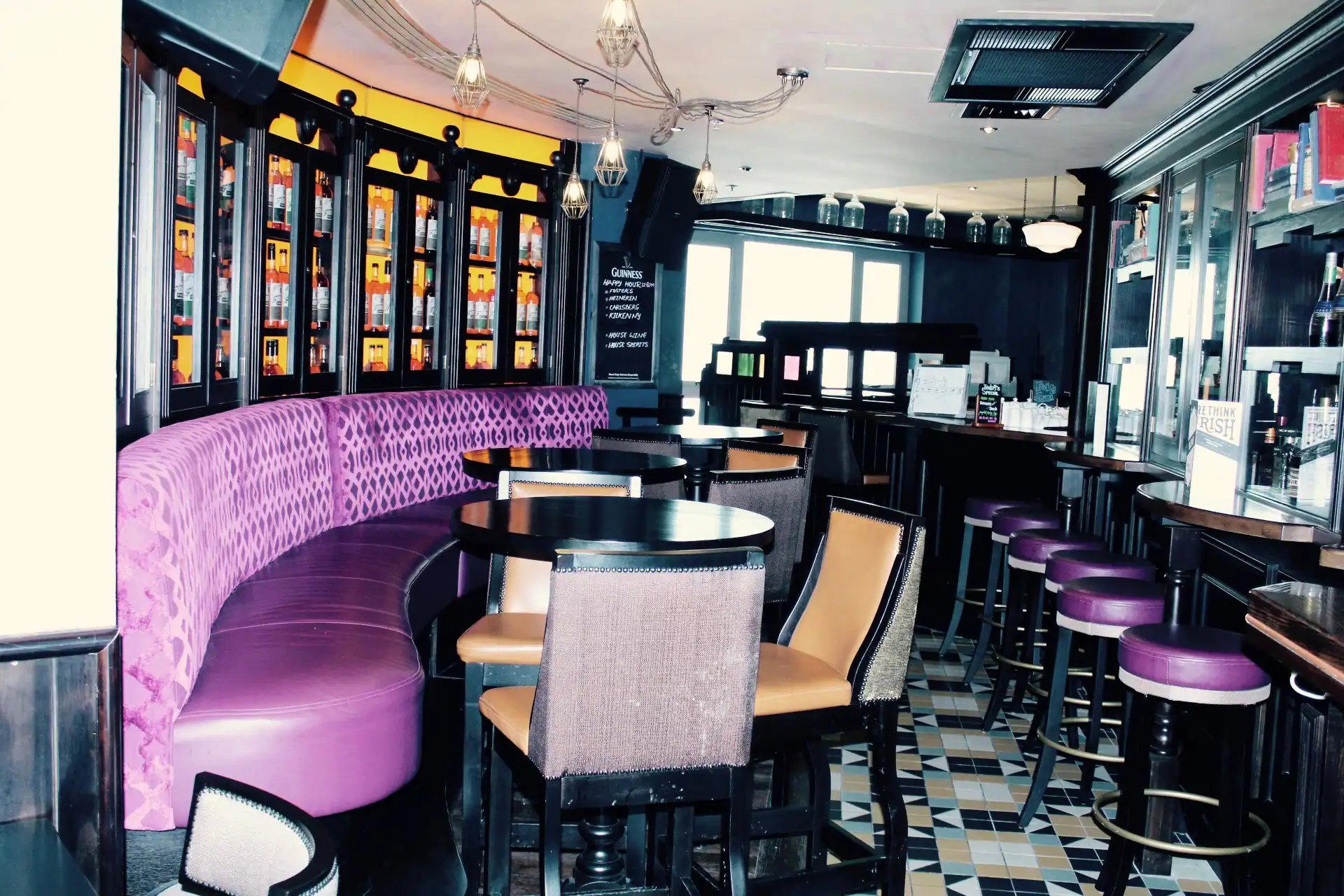
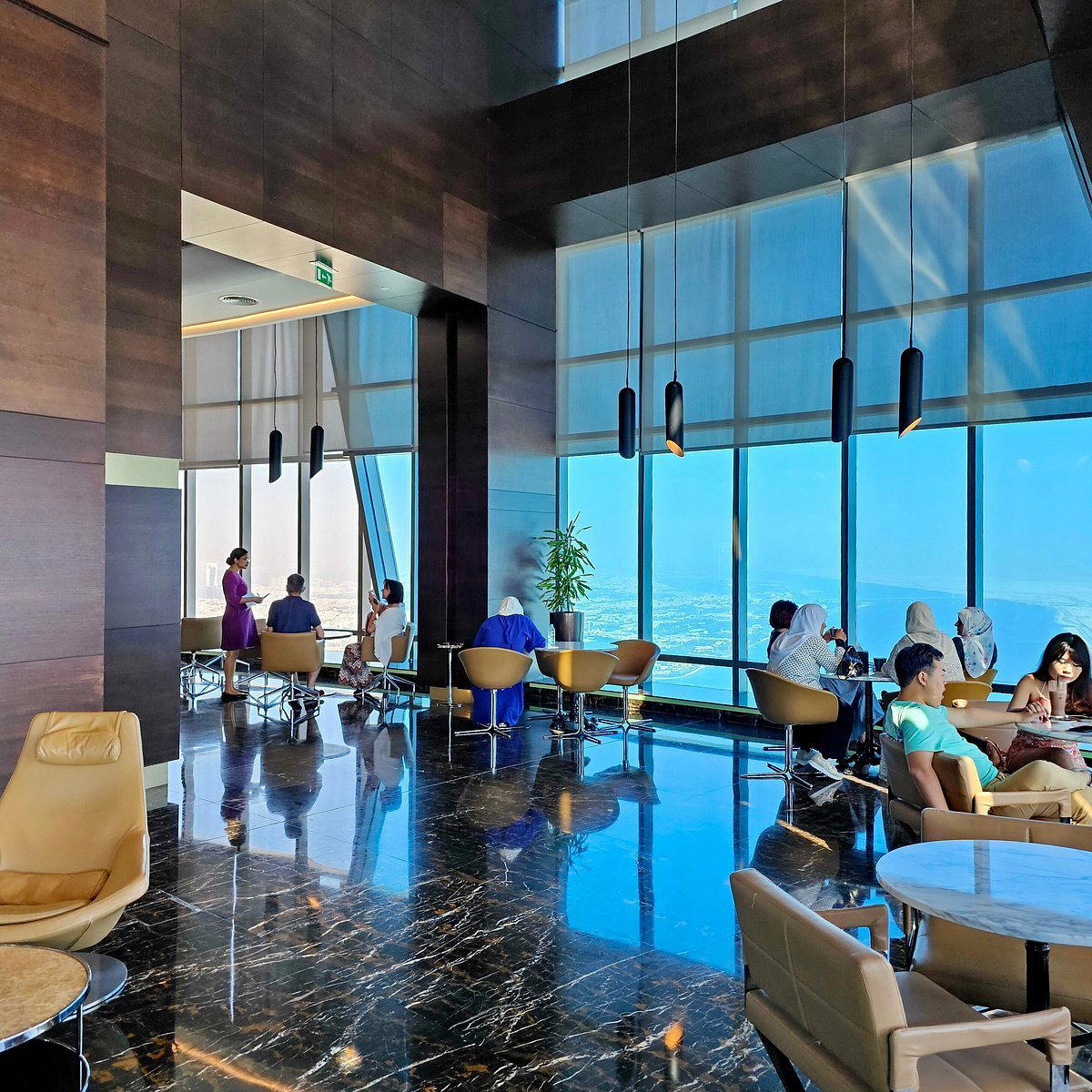
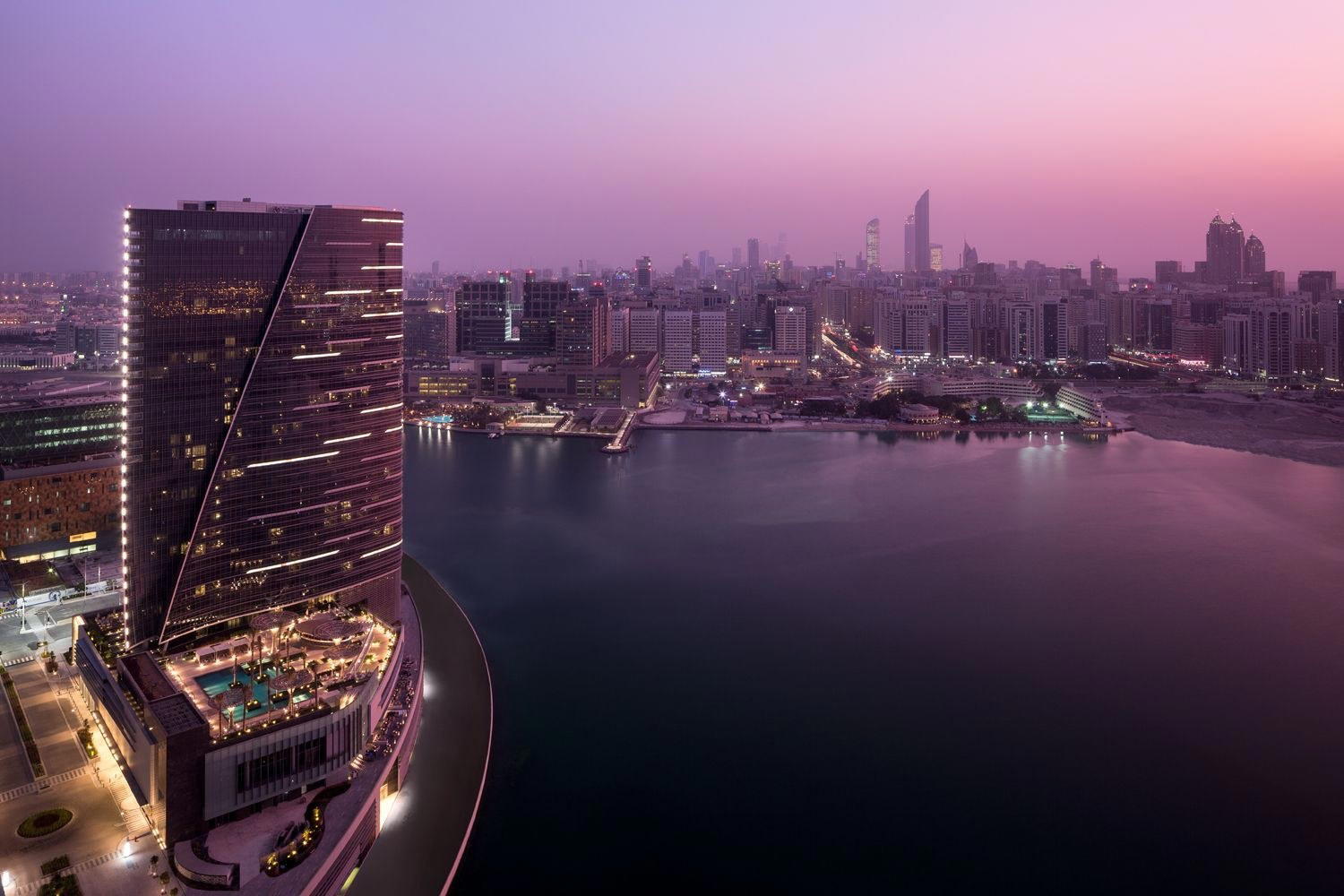
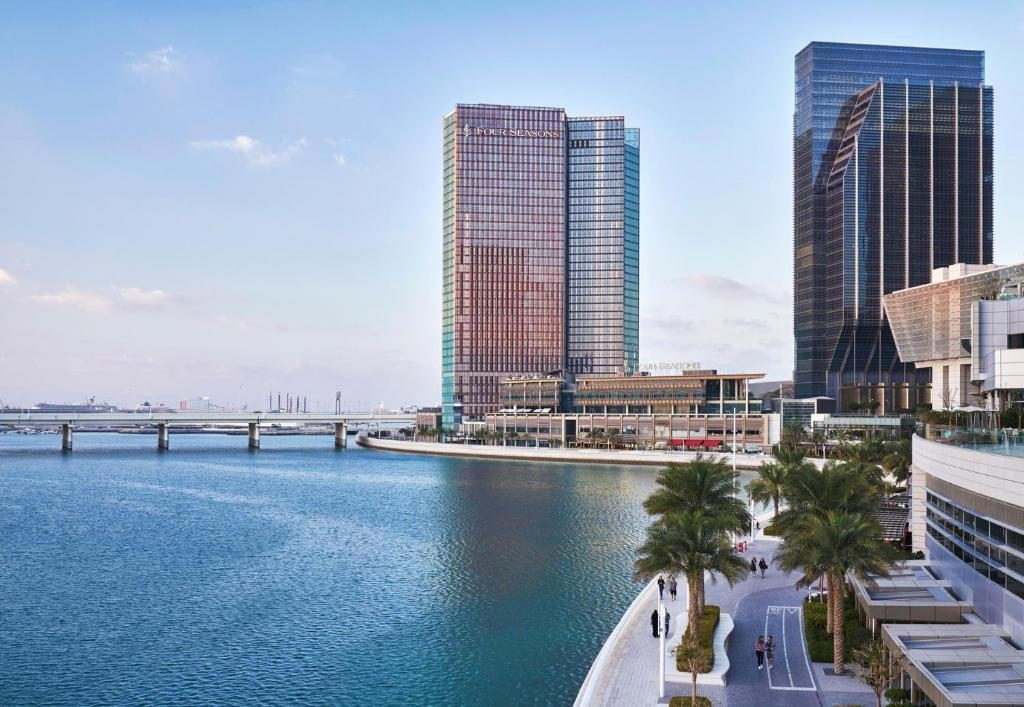
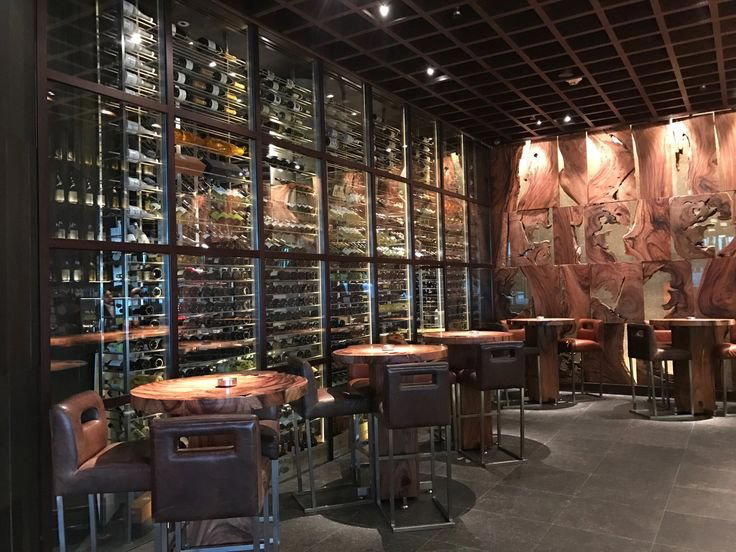
Zuma's Abu Dhabi address sits on the island, giving it a waterfront orientation that shapes how the evening feels before you've ordered anything. The interiors follow the format that has defined the brand across its international portfolio: exposed materials, a central robata grill, and a layout that distributes energy across bar, dining room, and lounge zones without collapsing into noise. The effect is deliberate. Contemporary Japanese izakaya dining was built around the idea of shared, informal pleasure, and Zuma's room design carries that logic forward at a scale that allows for both business dinners and group celebrations without either feeling misplaced. The wine bar component is a separate node within the space, with Wine Director Micah Clark and Sommelier team members Robert Mayo and Thanh Nguyen maintaining a list of 200 selections across approximately 1,900 inventory units, weighted toward France and California.
Where Zuma Sits in Abu Dhabi's Japanese Contemporary Scene
Japanese contemporary dining in Abu Dhabi does not have the depth of Tokyo or even Singapore, which makes competitive placement easier to read. Venues like NIRI and Otoro each occupy distinct positions in the city's Japanese offer, while Zuma operates as the incumbent in the higher-energy, higher-volume end of that category. Its Opinionated About Dining ranking at 286 among Asia's leading restaurants in 2024, alongside a recommendation in the Leading New Restaurants in Europe list in 2023, reflects how a brand with international reach accumulates cross-regional recognition. The Star Wine List number-one ranking in 2024 is the more operationally meaningful signal: at this price tier, the wine program is a real differentiator, and Zuma's list has been externally recognised for it.
For readers who want to compare across cuisine categories at the same price point, Hakkasan ($$$$ · Chinese) and Talea by Antonio Guida ($$$$ · Italian) represent the closest structural equivalents in terms of format ambition and spend. Erth (Modern Cuisine) occupies a different register but is worth considering alongside Zuma for readers building a multi-night Abu Dhabi itinerary.
The Menu Architecture
Zuma's format is built around sharing. The kitchen runs lunch and dinner services, with Chef Chris Heidenreich leading a kitchen divided across the main menu and the robata grill. The izakaya model means dishes arrive at different intervals rather than in Western-course sequence, and the wine program is designed to move with that rhythm rather than anchor to a fixed pairing structure. The cuisine pricing lands in the $$ band for a typical two-course equivalent, which places it below the top tier of Abu Dhabi's $$$$ venues on a per-dish basis, even as the overall spend can climb with shared plates and wine. That structure rewards groups who are willing to order broadly.
The wine list's France and California weighting is deliberate for a Japanese contemporary kitchen. Burgundy whites and lighter reds from both regions track well against the flavour profiles that define Zuma's cooking, and the sommelier team has the depth to navigate guests who want to push into less obvious pairings. With 200 selections in active rotation from an inventory of 1,900 bottles, the list operates at a scale that allows for genuine discovery rather than a curated shortlist of safe choices.
How the Booking Experience Works
General Manager James Adams oversees operations at a venue that draws both resident and tourist traffic, which creates real booking pressure on weekends and during Abu Dhabi's peak season, broadly October through April when the climate supports evening outdoor dining and the events calendar is fullest. Reservations are the practical starting point. Zuma Abu Dhabi does not operate as a walk-in venue at volume, and waiting for a table at the bar, while possible, is a secondary strategy rather than a reliable plan. For visitors aligning a Zuma booking with other Abu Dhabi plans, the restaurant's island location connects logically with the city's hotel and leisure corridor. The full Abu Dhabi hotels guide and Abu Dhabi bars guide are useful complements for structuring an evening or a stay around the booking.
Arriving underdressed at a venue of this type is a practical risk worth avoiding.
Japanese Contemporary Beyond Abu Dhabi
Mimi Kakushi and 3Fils in Dubai each represent distinct interpretations of the format at different price tiers, while Sankai by Nagaya in Istanbul and Eika in Taipei show how the category travels across Asia and Europe. The Japanese Restaurant in Andermatt and Izakaya in Zagreb mark the format's presence in less expected European settings, and Murakami in São Paulo anchors it in South America. Cross-referencing Trèsind Studio in Dubai is worth doing for readers interested in how premium tasting-format dining at the same Gulf price tier operates differently from Zuma's shared-plates model.
Planning Your Visit
Zuma Abu Dhabi serves lunch and dinner, and the two services have a different character: lunch tends to be quieter and more businesslike, while dinner builds toward the livelier, bar-driven atmosphere the brand is known for. The wine list operates at $$ pricing relative to its range, meaning there are accessible entry points alongside the higher-end selections. With 200 active selections and recognised depth in French and Californian categories, guests with specific producer preferences have a reasonable chance of finding something useful, but contacting the venue ahead of a visit to discuss wine priorities is the approach most likely to produce results at this level of service.
For a broader view of where Zuma sits in Abu Dhabi's dining picture, the full Abu Dhabi restaurants guide covers the city's range across cuisine types and price tiers. The Abu Dhabi experiences guide and Abu Dhabi wineries guide round out the planning picture for visitors building a full itinerary.
What should I eat at Zuma?
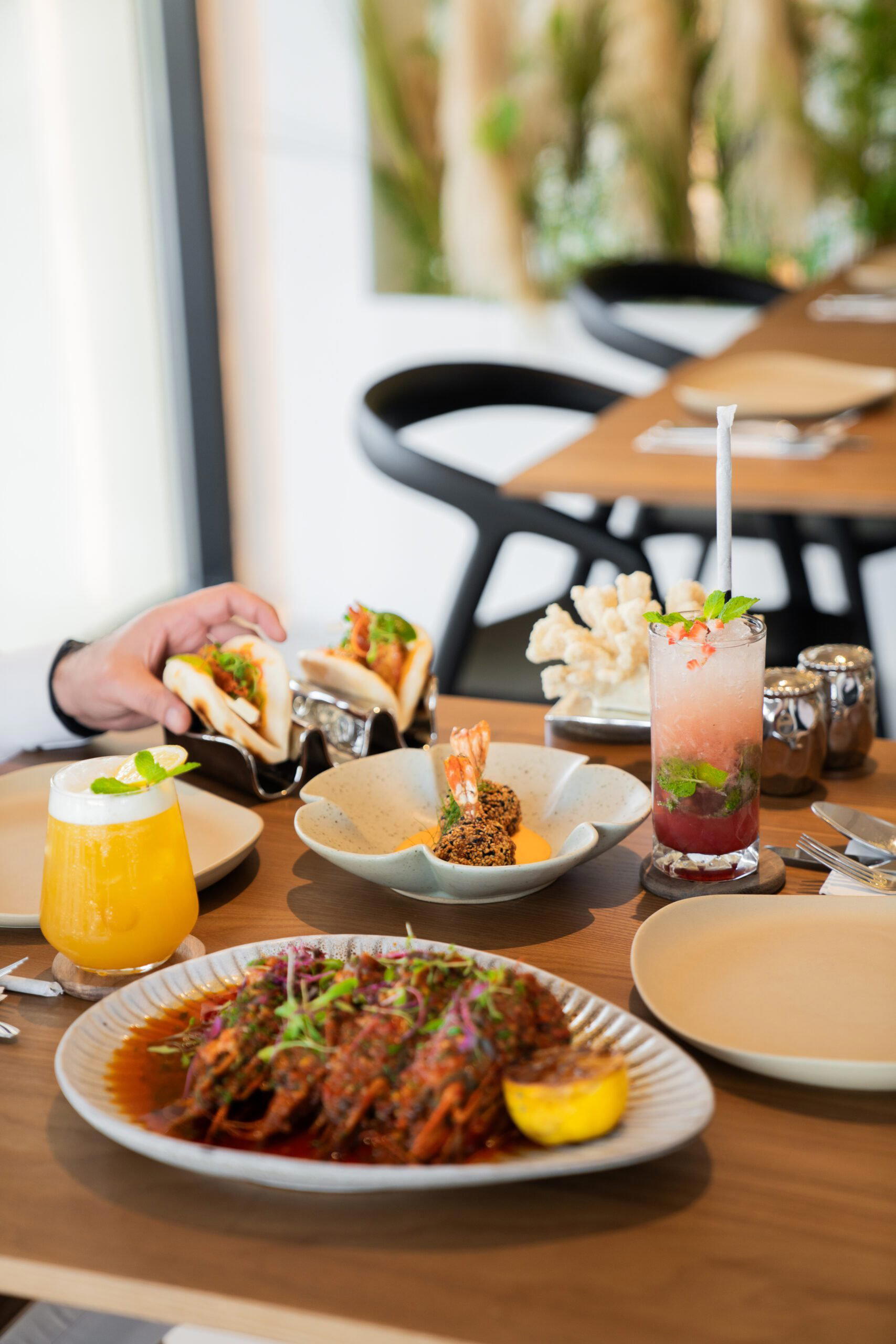
Zuma's menu is built around the izakaya sharing format, with the robata grill as the kitchen's structural centerpiece. Dishes arrive sequentially across the meal rather than in fixed Western courses, which means ordering broadly is the format's logic rather than an upsell. The kitchen, led by Chef Chris Heidenreich, runs both lunch and dinner with the same menu architecture. Specific dish recommendations are leading taken from the sommelier or front-of-house team on the night, as the menu evolves seasonally. What's consistent is that the pairing logic between the wine list and the kitchen, recognised by Star Wine List's number-one ranking in 2024, is a genuine part of the experience rather than an afterthought. If you're visiting with wine in mind, speaking to sommeliers Robert Mayo or Thanh Nguyen about the current list relative to what you're ordering is the most direct way to get value from one of Abu Dhabi's more seriously curated Japanese contemporary cellars.
Frequently asked questions
What kind of cuisine does Zuma serve?
What kind of recognition has Zuma received?
Zuma has received recognition including: It’s worthwhile discovering Zuma Abu Dhabi for its amazing vibes, where Japanese flavours dazzle alongside a superbly wine selection. Each bottle on the wine list perfectly complements the cu...; Michelin Plate (2025); WINE: Wine St….
What should I eat at Zuma?
The robata grill is the structural centerpiece of Zuma's kitchen, so dishes from that section anchor any visit. The menu follows the izakaya sharing format, with courses arriving sequentially across the table rather than as individual plated sets. Zuma holds a 2025 Michelin Plate, and the kitchen operates under Chef Chris Heidenreich across both lunch and dinner services.
How much does it cost to eat at Zuma?
Pricing at Zuma is listed as $$$$.
How do I find Zuma?
Zuma is located at Island, global market - Abu Dhabi - United Arab Emirates, Abu Dhabi.
Budget and Context
| Venue | Cuisine | Price | Awards | Notes |
|---|---|---|---|---|
| ZumaThis venue (the venue you are viewing) | Modern Japanese Izakaya | $150–200 | Michelin Plate · Star Wine List | Not listed |
| Talea by Antonio Guida | Michelin-Starred Italian Cucina di Famiglia | $100–150 | 1 Michelin Star · Gault & Millau UAE Selected Restaurant | Italian |
| Al Mrzab | Traditional Emirati and Kuwaiti | $20–30 | Michelin Bib Gourmand | Not listed |
| Almayass | Lebanese-Armenian Fusion | $50–100 | Michelin Bib Gourmand | Not listed |
| Bord Eau by Nicolas Isnard | Contemporary French with Global Influences | $100–150 | Michelin Plate · Gault & Millau UAE Selected Restaurant | Not listed |
| Mika | Mediterranean Fine Dining with Middle Eastern Influences | $50–100 | Michelin Bib Gourmand · Gault & Millau UAE Selected Restaurant | Not listed |
Recognition history
Dated appearances from independent guides and award organizations, with the underlying list record or original source where available.
Michelin Plate
Michelin
Star Wine List
Star Wine List
Gault & Millau UAE Selected Restaurant
Gault & Millau · Gault & Millau UAE 2026 - Selected Restaurant
Wine Spectator Award of Excellence
Wine Spectator
Opinionated About Dining Top Restaurants in Asia Ranked #286
Opinionated About Dining
Full recognition history (7 entries)
Star Wine List
Star Wine List
Opinionated About Dining Top New Restaurants in Europe Recommended
Opinionated About Dining