Hakkasan






1 Michelin Star · Star Wine List · Gault & Millau UAE Selected Restaurant
Our verdict
Hakkasan at Emirates Palace Mandarin Oriental holds a Michelin star and the top ranking from Star Wine List (2024), placing it among the most formally recognised Chinese restaurants in the Gulf. The kitchen serves Cantonese cooking in a format that ranges from weeknight dinner to Saturday dim sum lunch, backed by a 325-label wine list with 960 bottles in inventory. The setting is the kind of room that earns repeat visits from people who know exactly what they are returning for.

Pearl is the En Primeur Club membership app, where members save venues, book tables and use the concierge.
The menu
What to order
- Peking Duck with Caviar
- Jasmine Tea Smoked Wagyu Beef Ribs
- Crispy Duck Salad
- Charcoal Grilled Chilean Seabass with Honey
What the Room Tells You Before the Menu Arrives
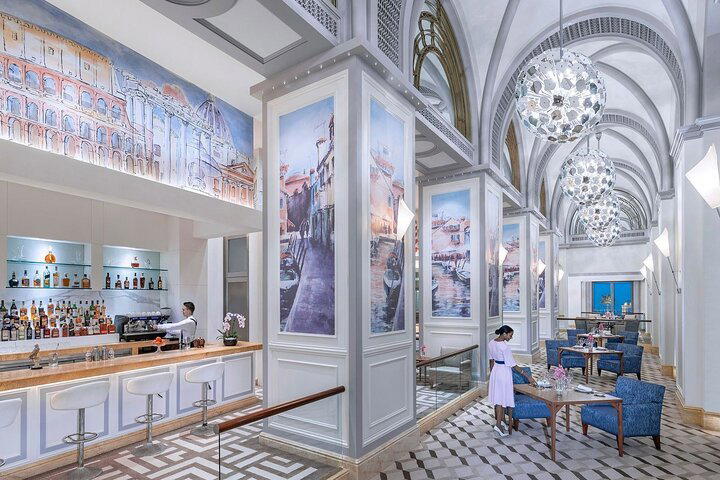
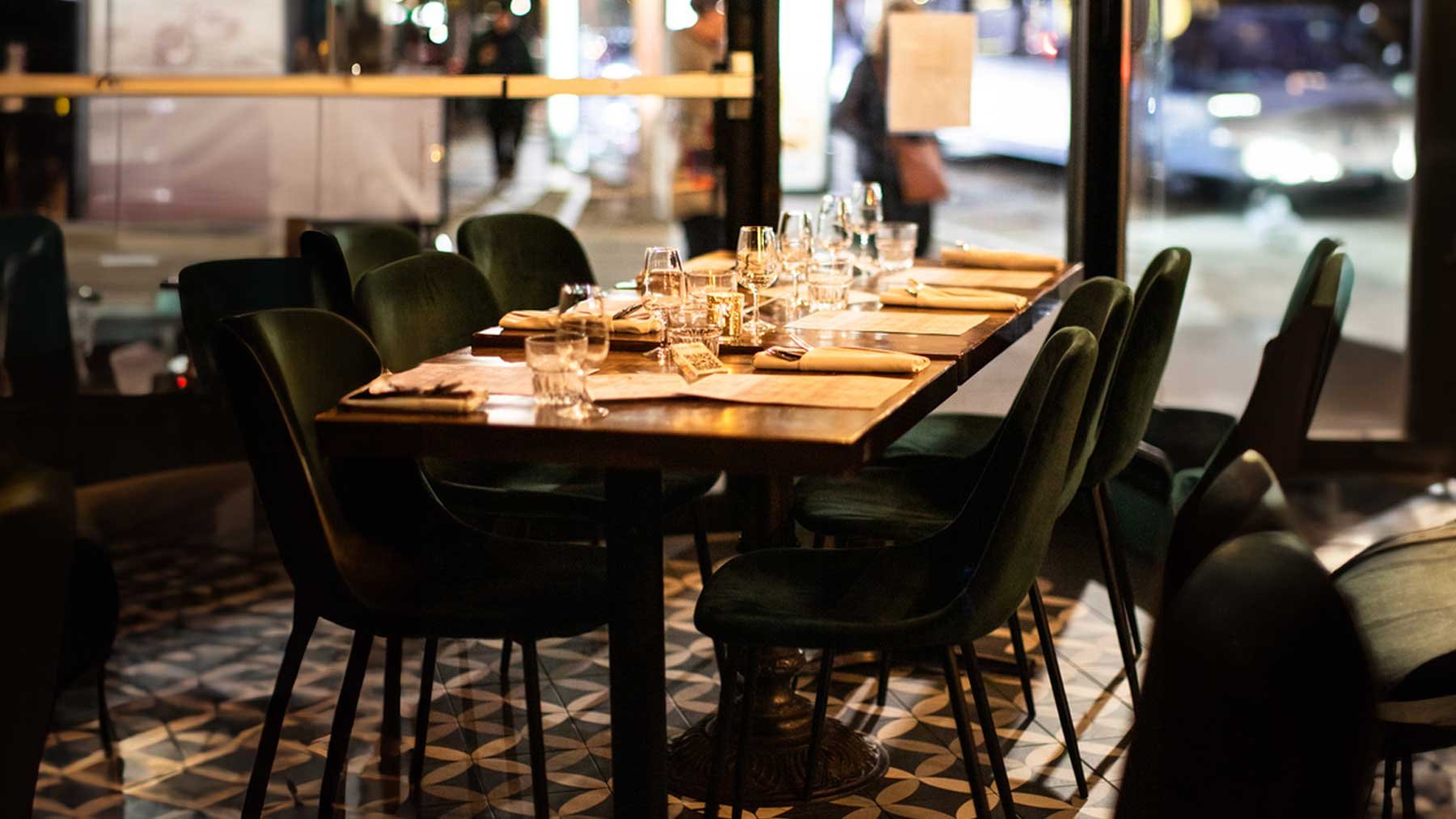
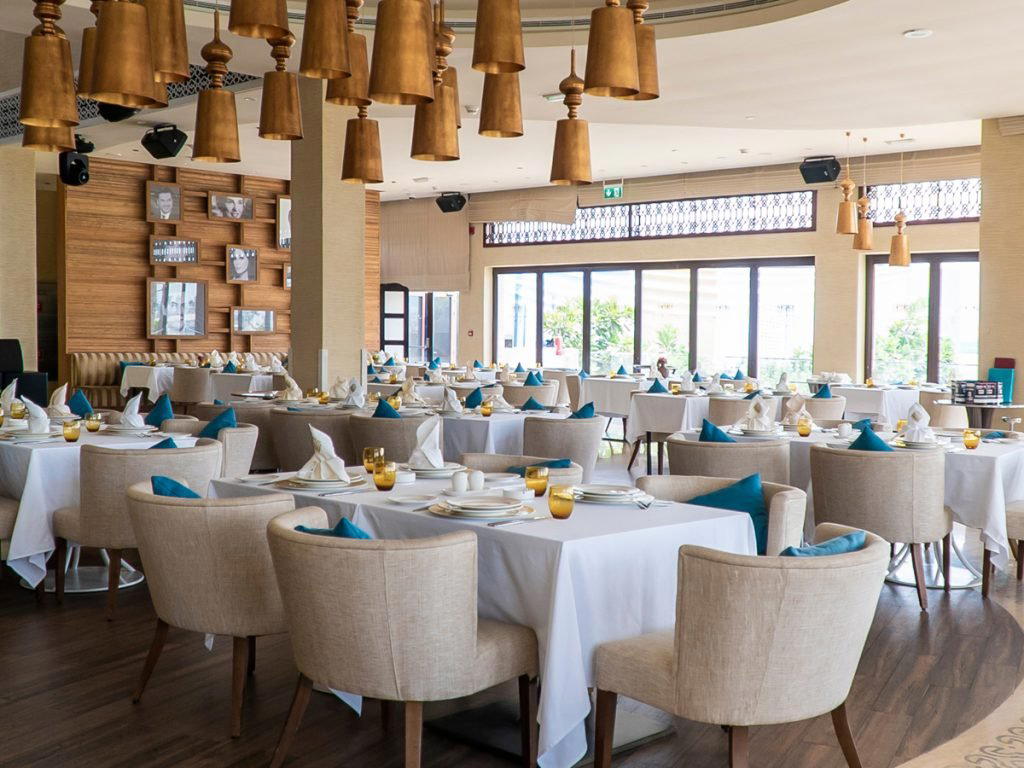
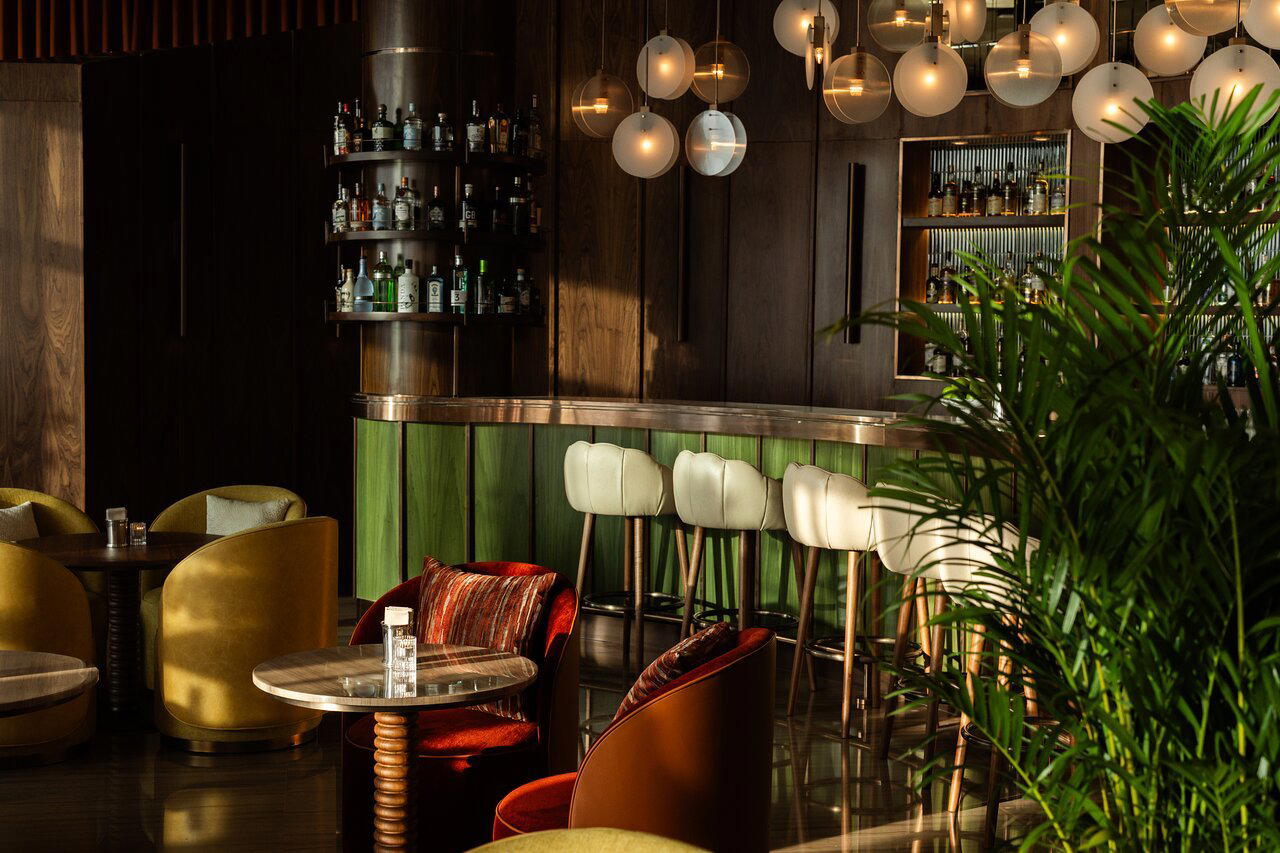
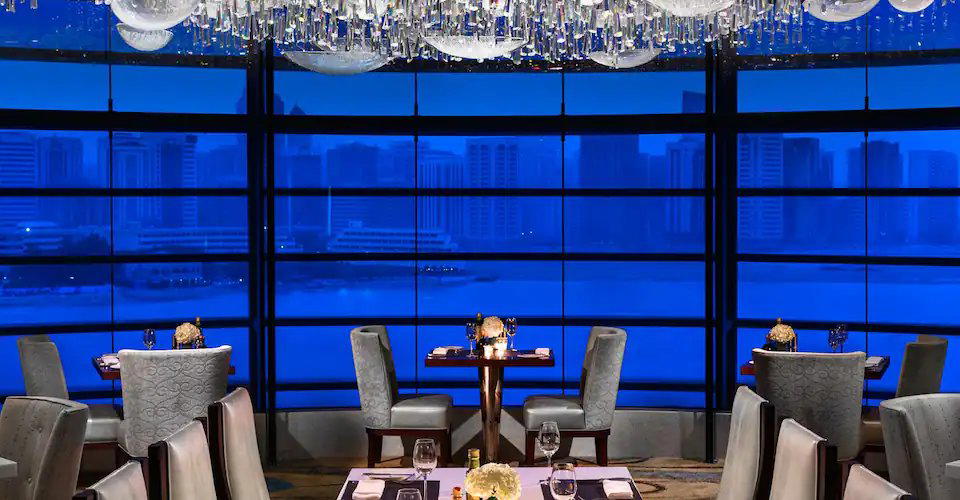
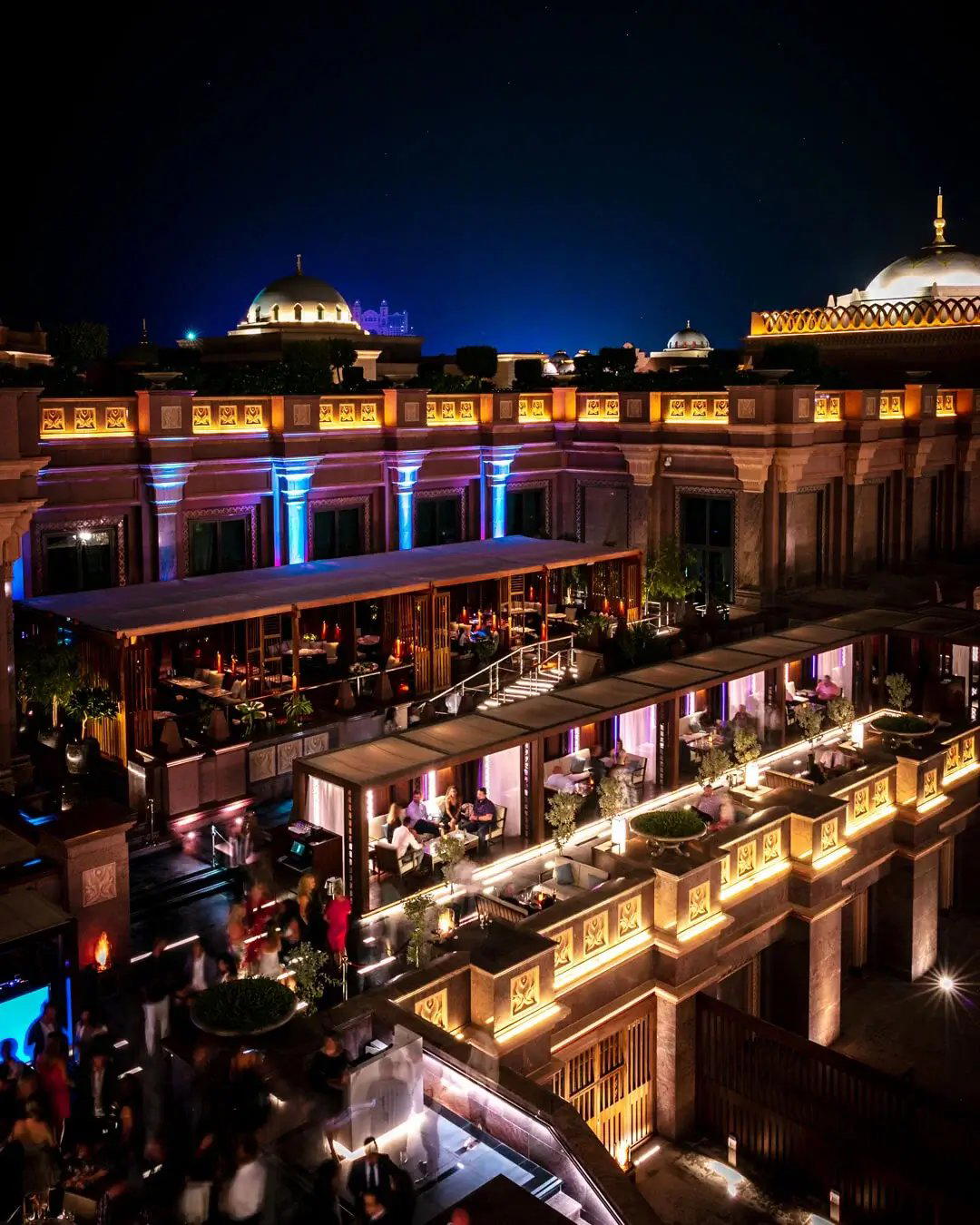
There is a particular kind of restaurant that a returning guest reads differently from a first-timer. The lighting level, the ceiling height, the distance between tables, these details register as comfort rather than novelty for someone on their third or fourth visit. At Hakkasan inside the Emirates Palace Mandarin Oriental, the sultry, low-lit interior with its oriental lacquerwork and screen detailing is designed precisely for that second reading. The room does not announce itself loudly. It is calibrated for people who already know what they want.
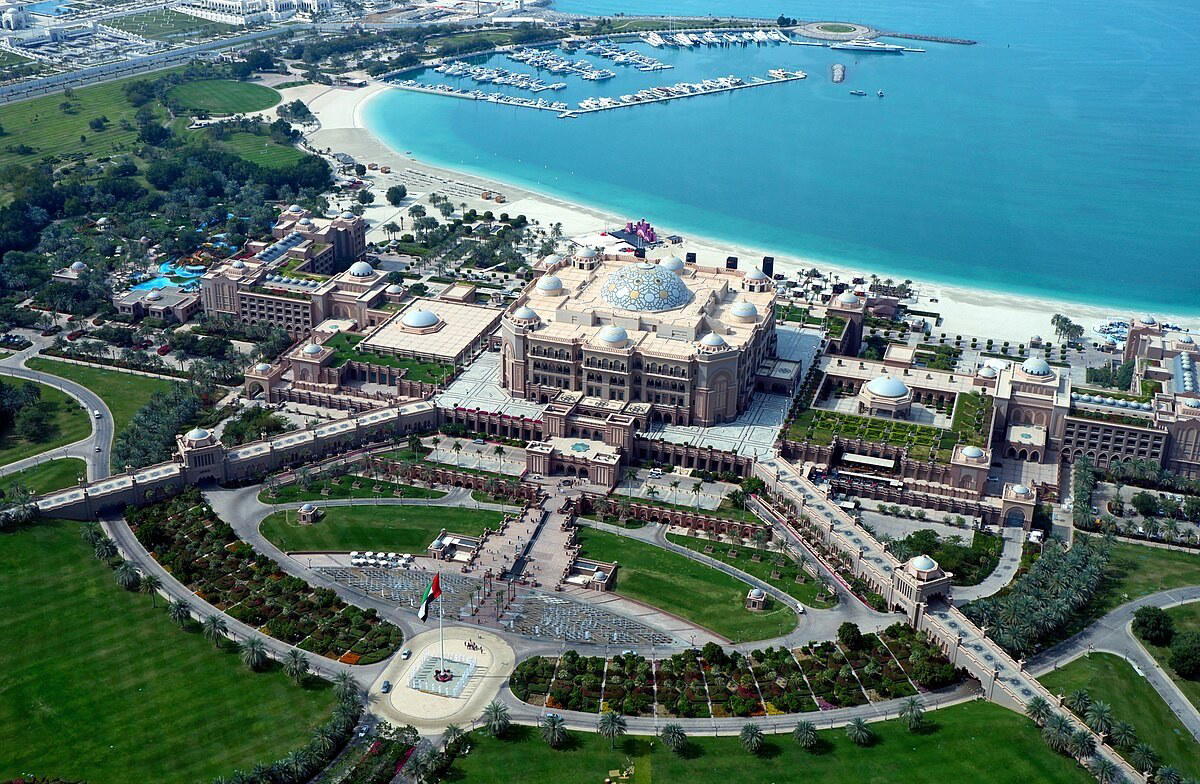
The address helps explain the clientele. Emirates Palace occupies a site on West Corniche Road that draws a mix of government visitors, long-haul tourists, and Abu Dhabi residents who treat the hotel as a neighbourhood institution. The dining room at Hakkasan draws from all three groups, but it is the regulars, the guests who know to arrive early enough to settle before the room fills on a Thursday or Friday evening, who define its atmosphere. For that cohort, the question is never whether to come. It is what to order this time.
The Cantonese Frame and Where Hakkasan Sits Within It
Cantonese cuisine occupies a specific position in the global luxury dining conversation. Among Chinese regional traditions, it is the one most frequently translated into international fine-dining formats, partly because its technique-led approach, precise heat control, restrained seasoning, high-quality primary ingredients, maps well onto the expectations of Michelin-style evaluation. The Hakkasan group understood this early; its London original earned a Michelin star and built a model that other operators spent years trying to replicate.
The comparison set for Hakkasan Abu Dhabi is not the city's broader Chinese restaurant offering. It sits closer to the tier occupied by 8 1/2 Otto e Mezzo Bombana (Hong Kong) in Hong Kong in terms of how formal recognition shapes guest expectations and prices the experience. Within Abu Dhabi itself, the comparable formal-dining bracket includes Talea by Antonio Guida ($$$$ · Italian) and Erth (Modern Cuisine), though those operate in entirely different culinary traditions.
Chef Toh Chye Siong leads the kitchen, with Gordana Josovic as Wine Director and Natan Yehuda as Sommelier, a team depth that reinforces the seriousness of the beverage program alongside the food. The kitchen's approach is described as blending traditional Cantonese flavours with contemporary technique, a phrase that in practice means classical dishes rendered at a precision level that justifies the four-dollar-sign pricing tier.
The Menu Logic: What Regulars Order and Why
The appeal of a venue like Hakkasan to repeat guests rests on a menu architecture that rewards familiarity. There are the signature dishes, items that appear on every Hakkasan menu globally and function as anchor points, and then there are the preparations that a knowledgeable guest learns to request or watch for. The published menu highlights certain items with a signature marker, and the advice from anyone who has eaten here more than twice is consistent: treat those markers seriously. They are the reference points around which everything else is built.
Peking duck and Chilean sea bass with honey are among the preparations that appear on the menu and have acquired reputations across the group's locations. These are not novelty items; they represent the Cantonese approach to premium ingredients, technique-forward, restrained in seasoning, precise in execution. The premium dim sum on Saturday lunch carries particular weight. Saturday dim sum at a Michelin-starred Cantonese counter is a different proposition from a weekday evening tasting; it tends to be the format through which regulars introduce guests to the restaurant, and the Saturday afternoon hours (noon to 3:30 PM) make it structurally different from any other service of the week.
For comparison, high-end Chinese restaurant groups operating at this level in other cities, such as iDen & QuanJuDe Beijing Duck House, $$$$ · Chinese in Vancouver or Chang'An, $$$$ · Chinese in Vancouver, each build their identity around a small number of anchor preparations that regulars return to repeatedly. Hakkasan operates on the same logic: the menu is wide enough for exploration but anchored by preparations that function as loyalty markers.
The Wine Program as a Reason to Return
Star Wine List ranked Hakkasan Abu Dhabi first in 2024, a distinction that reflects something specific: a 325-label list with 960 bottles in inventory, weighted toward France and priced in the premium tier (many bottles above $100). In a city where beverage programs at comparable restaurants often skew heavily toward safe international labels, a list with this depth and a dedicated Wine Director represents a material difference in what the room can offer over the course of a long dinner.
The wine-and-Cantonese pairing question is one that the leading Cantonese restaurants have been answering seriously for two decades. Burgundy and Alsace whites have long been cited as natural complements to the clean, delicate flavor profiles of dishes like steamed sea bass or prawn preparations. A France-weighted list at a Cantonese counter is not an accident; it reflects a specific understanding of how the food and wine interact. For regulars who have worked through the list across multiple visits, this depth is part of what keeps the experience from feeling static.
Abu Dhabi's Formal Dining Scene: The Broader Picture
Abu Dhabi's fine dining tier has developed unevenly. The city has a concentration of hotel-based restaurants operating at the four-dollar-sign level, a format that suits the guest profile, international visitors on expense accounts, residents celebrating occasions, and the hospitality infrastructure around government events. Within that tier, the diversity of cuisine types is notable: NIRI (Japanese Contemporary) operates in the Japanese contemporary space, LPM Abu Dhabi anchors a French Mediterranean position, and restaurants like Trèsind Studio in Dubai, just across the border, demonstrate how the broader Gulf luxury dining conversation has expanded.
What Hakkasan occupies is a specific gap: formally recognised Cantonese fine dining at the leading price tier, with a beverage program that has received independent acknowledgment. There is no direct local competitor in that exact position. For guests whose primary interest is Chinese cuisine at a Michelin level, the choice in Abu Dhabi is effectively made for them. The question shifts to format: weeknight dinner, or Saturday lunch dim sum.
Elsewhere in Abu Dhabi, a different register of eating is available, Marmellata Bakery represents the city's more casual end, but Hakkasan's context is always the top tier. For those building a broader itinerary, the Our full Abu Dhabi restaurants guide covers the full spread. The Our full Abu Dhabi hotels guide, Our full Abu Dhabi bars guide, Our full Abu Dhabi wineries guide, and Our full Abu Dhabi experiences guide provide additional layers for planning.
Planning a Visit: Format, Timing, and What to Know
Hakkasan Abu Dhabi operates dinner service Monday through Sunday from 6 PM to 11:30 PM, with the Saturday lunch service running noon to 3:30 PM as the only daytime option in the week. The Saturday dim sum format is where the kitchen's skill at small-format Cantonese preparations is most directly on display, and it is the service most frequently recommended to guests coming for the first time with a knowledgeable regular. Evening service runs later than comparable European-style fine dining rooms, reflecting Abu Dhabi's dining culture, where 8:30 or 9 PM arrivals are standard and the room typically fills toward the latter half of the evening window.
The restaurant sits within the Emirates Palace Mandarin Oriental, one of the most prominent hotel addresses in the Gulf, which means the physical approach, through the hotel's main entrance and grounds, is part of the experience. Guests arriving by car will be directed through the hotel's arrival sequence, which sets a particular tempo before the meal begins. Dress expectations align with the four-dollar-sign tier and the hotel context: smart and considered. The room's atmosphere rewards the same.
For reference points in other cities at comparable Michelin-level formal dining: Le Bernardin in New York City, Atomix in New York City, Lazy Bear in San Francisco, and Emeril's in New Orleans each represent what anchored, formally recognised restaurants look like in their respective cities. Hakkasan plays a similar structural role in Abu Dhabi's dining map, not the only formal option, but the reference point for Cantonese at this level.
Frequently asked questions
What kind of setting is Hakkasan?
Hakkasan occupies a room inside the Emirates Palace Mandarin Oriental on Abu Dhabi's Corniche, and the interior follows the brand's established format: low light, dark lacquered surfaces, and the kind of sultry oriental décor that returning guests recognise immediately. It holds a 2026 Michelin star and ranked first on Star Wine List in 2024, which positions it firmly within the city's formal, hotel-anchored dining tier. Dinner runs nightly from 6 PM to 11:30 PM; Saturday adds a lunch service from noon.
Where is Hakkasan located?
Hakkasan is located at Emirates Palace Mandarin Oriental - W Corniche Rd - Al Ras Al Akhdar - Abu Dhabi - United Arab Emirates, Abu Dhabi.
What's Hakkasan known for in terms of accolades?
Hakkasan has received recognition including: Cantonese food that blends traditional flavours with contemporary flair has always been close to my heart for many reasons, but, stepping into the world of Hakkasan Abu Dhabi, one can feel a solid syn...; Michelin 1 Star (2026); WINE: Wine ….
What dish is Hakkasan famous for?
Peking duck and Chilean sea bass with honey are among the dishes the kitchen consistently highlights as signatures, appearing on the menu alongside a celebrated dim sum programme that anchors the Saturday lunch service. The menu flags its own standouts explicitly, so regulars are advised to cross-reference the 'signatures' section when ordering.
Similar Picks
| Venue | Cuisine | Price | Awards | Notes |
|---|---|---|---|---|
| HakkasanThis venue (the venue you are viewing) | Modern Cantonese | $100–150 | 1 Michelin Star · Star Wine List | Not listed |
| Talea by Antonio Guida | Michelin-Starred Italian Cucina di Famiglia | $100–150 | 1 Michelin Star · Gault & Millau UAE Selected Restaurant | Italian |
| Al Mrzab | Traditional Emirati and Kuwaiti | $20–30 | Michelin Bib Gourmand | Emirati Cuisine |
| Almayass | Lebanese-Armenian Fusion | $50–100 | Michelin Bib Gourmand | Lebanese |
| Bord Eau by Nicolas Isnard | Contemporary French with Global Influences | $100–150 | Michelin Plate · Gault & Millau UAE Selected Restaurant | French |
| Mika | Mediterranean Fine Dining with Middle Eastern Influences | $50–100 | Michelin Bib Gourmand · Gault & Millau UAE Selected Restaurant | Mediterranean Cuisine |
Recognition history
Dated appearances from independent guides and award organizations, with the underlying list record or original source where available.
Michelin 1 Star
Michelin
Star Wine List
Star Wine List
Gault & Millau UAE Selected Restaurant
Gault & Millau · Gault & Millau UAE 2026 - Selected Restaurant
Wine Spectator Award of Excellence
Wine Spectator
World Culinary Awards Middle East's Best Chinese Cuisine Restaurant 2025 #1
World Culinary Awards
Full recognition history (12 entries)
Michelin 1 Star
Michelin
World's Best Wine Lists Awards WBWL 2-Star
World's Best Wine Lists Awards
World's Best Wine Lists Awards WBWL Category Winner
World's Best Wine Lists Awards
Star Wine List
Star Wine List
World's Best Wine Lists Awards WBWL Category Winner
World's Best Wine Lists Awards
World's Best Wine Lists Awards WBWL 2-Star
World's Best Wine Lists Awards
World's Best Wine Lists Awards WBWL 3-Star
World's Best Wine Lists Awards