Talea by Antonio Guida



1 Michelin Star · Gault & Millau UAE Selected Restaurant · We're Smart World 3 Radishes
Our verdict
Talea by Antonio Guida holds a Michelin star at the Emirates Palace in Abu Dhabi, presenting cucina di famiglia cooking anchored in plant-forward Italian tradition. The menu moves from simple, seasonal produce to refined pasta and fish preparations, with a 100% plant-based menu option available. Service runs Tuesday through Sunday for both lunch and dinner, closed Mondays.

Pearl is the En Primeur Club membership app, where members save venues, book tables and use the concierge.
The menu
What to order
- Truffle Bruschetta
- Spaghetti Carbonara
- Tiramisu
- Fettuccine all Nerano
Where the Emirates Palace Meets the Italian Kitchen
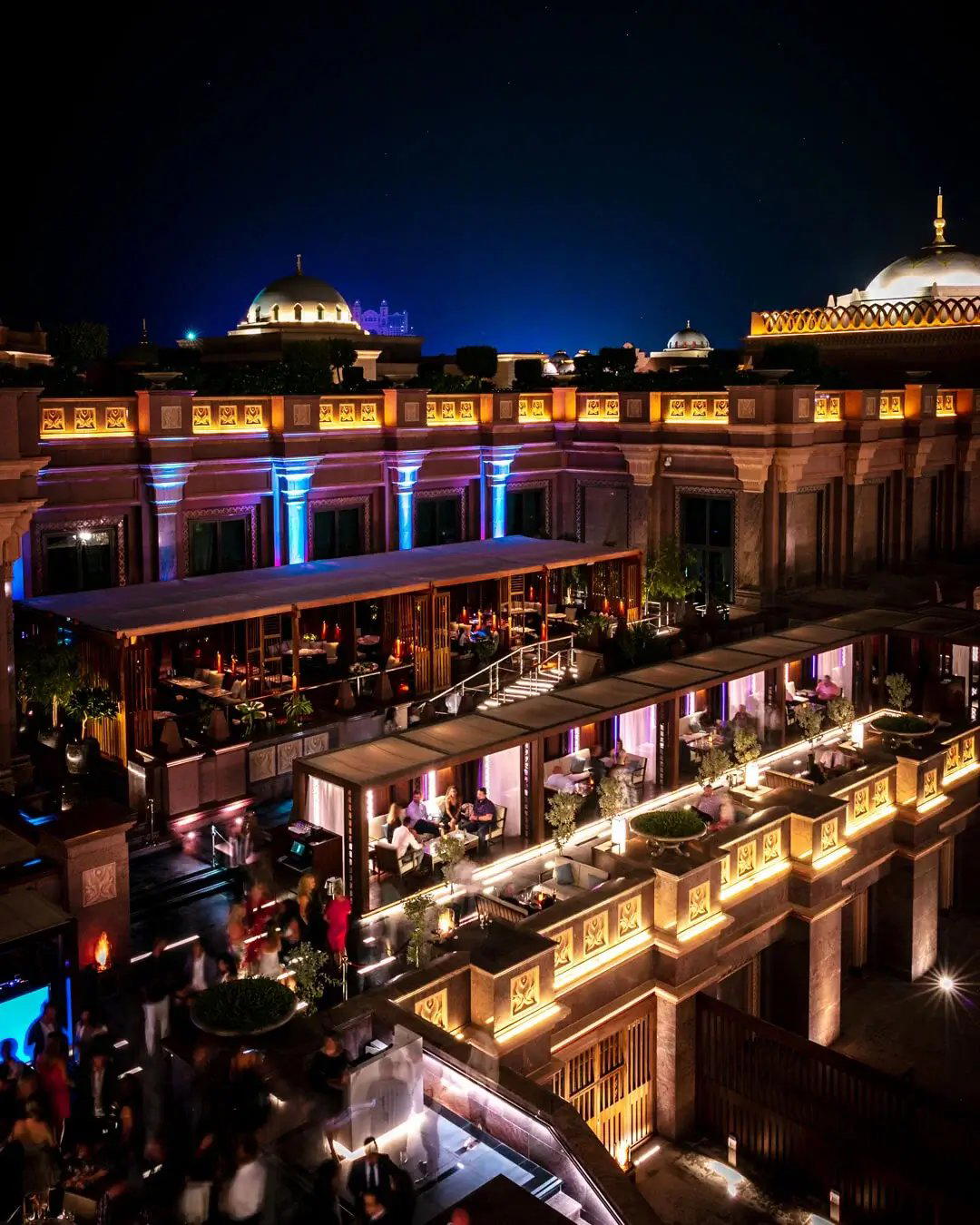
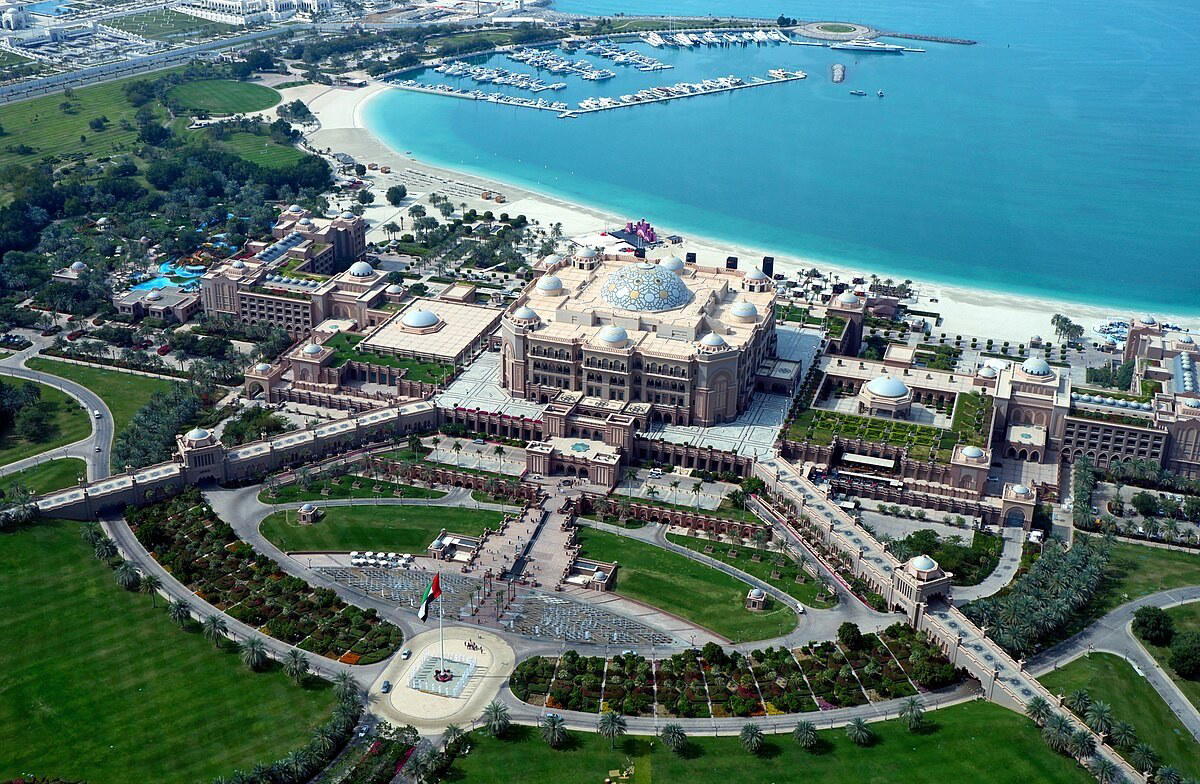
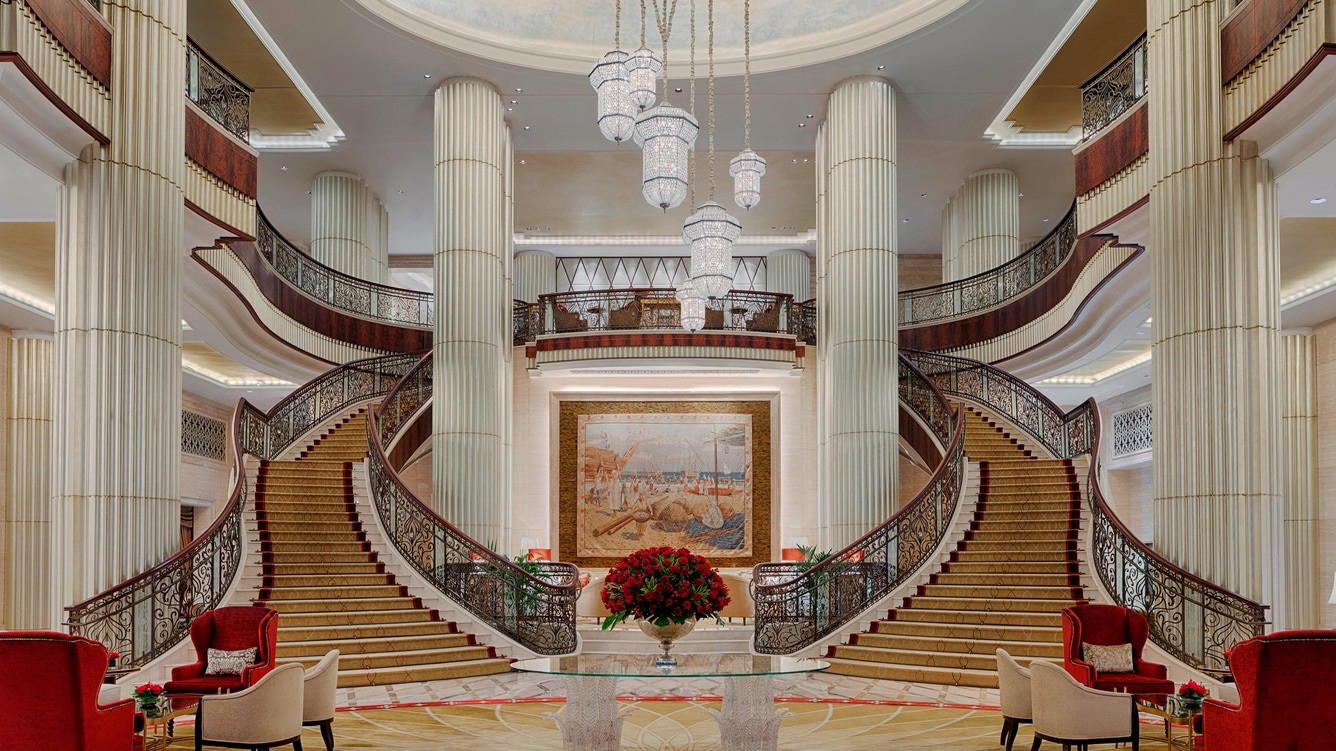
The approach to Emirates Palace sets a particular tone before you reach any restaurant inside it. The scale of the building, the width of the corridors, the deliberate formality of the address on Al Ras Al Akhdar, all of it cues an expectation of grandeur. What Talea by Antonio Guida does, within that context, is something quietly countercultural: it answers that architecture with restraint. Italian cucina di famiglia cooking, the kind organised around vegetables, legumes, dried fish, and slow technique, does not usually arrive in settings like this one. That tension, between palatial setting and domestic culinary tradition, is where the restaurant finds its identity.
Abu Dhabi's fine dining tier has expanded considerably over the past decade, with hotel-anchored restaurants at the leading end now competing across French, Japanese, and New European formats. The Michelin Guide entered the UAE market and immediately sharpened how that conversation is framed. Talea earned one Michelin star in 2024 and retained it in 2026, which places it in a small group of Abu Dhabi restaurants holding sustained recognition from the Guide. For comparison, the city's high-end French option at this tier, Bord Eau by Nicolas Isnard, competes at the same price point.
How the Menu Is Built
Italian restaurant menus often use region or season as their organising logic. Talea's architecture, as described in the Michelin citation and confirmed in its recognition, is structured around the Italian family kitchen: the idea that good cooking begins with produce that needs little intervention. The vegetable list that runs through the menu reads like a market walk in Lombardy or Puglia, tomatoes, cannellini beans, chicory, capers, olives, bell peppers, celery, rocket, courgette, cabbage, cauliflower, eggplant, lemon, truffle, watercress. These are not garnishes or supporting characters. The menu positions them as the substance of the cooking.
That philosophy has a structural consequence: the restaurant offers a fully plant-based menu as a complete dining option, not as a substitution workaround. In the Gulf, where meat-heavy tasting menus remain the default at the leading end, that is a considered editorial choice about what the kitchen believes constitutes a full meal. It also signals something about where Antonio Guida's culinary formation sits: his reputation was built in Milan, and northern Italian cooking has long understood that restraint with animal protein, offset by precision with vegetable preparation and pasta craft, is its own form of sophistication.
Pasta anchors the menu's mid-section in the way it would in any serious Italian kitchen. The linguine all'astice and the baccalà cod with cannellini beans, seaweed purée, and friggitelli both appear in the Michelin citation as representative dishes, preparations where the technique is in service of the ingredient rather than independent of it. A dessert described as Miele e Polline, using honey sourced from within the hotel grounds, shows a kitchen thinking about the full arc of a menu, not just its headline proteins. That kind of closing gesture, grounded in a hyper-local ingredient, is consistent with how the leading Italian kitchens close a meal, quietly, and with something that tastes like a specific place.
For those mapping Talea against comparable restaurant experiences elsewhere, the approach shares ground with how serious Italian cooking operates at the starred level in other major cities. Venues like 8½ Otto e Mezzo Bombana in Hong Kong or the broader European Italian-fine-dining tradition represented by Alain Ducasse's Louis XV in Monte Carlo all draw on classical roots while operating within hotel luxury contexts. The discipline is similar: let the ingredient do the work, and use the kitchen's skill to clarify rather than complicate.
Abu Dhabi's Fine Dining Context
The city's restaurant scene at the top tier is heavily hotel-dependent. Unlike Dubai, where a stronger street-level dining culture has developed alongside branded hotel restaurants, Abu Dhabi concentrates its highest-calibre cooking inside landmark properties. That shapes both the audience and the experience. The guests at Talea are likely to include hotel residents, corporate visitors, and Abu Dhabi residents who treat the Emirates Palace as a destination in itself rather than a neighbourhood choice.
The Michelin Guide's presence in Abu Dhabi since 2022 has formalised a hierarchy that locals already understood informally. Talea's sustained star places it in a different conversation from mid-market Italian options in the city, and from the broader casual Italian tier that includes places like Marmellata Bakery operating at a different price point and format. The peer comparisons at Talea's level are with other hotel fine dining anchors: Hakkasan at the same price tier for Chinese, LPM Abu Dhabi for Mediterranean-French bistro cooking, and NIRI for Japanese contemporary. Each occupies a different culinary lane; Talea's case for its position within that group rests on the Michelin recognition and on the specificity of its Italian identity, which is more tightly defined than the broader Mediterranean framing several of its peers use.
Abu Dhabi's dining profile also includes strong mid-market options worth knowing about: Erth for modern Emirati cooking and LPM for a less formal French-Mediterranean approach. Visitors building a multi-day itinerary might reasonably anchor one evening at Talea and use those alternatives for contrast at different price points. For a broader view of what the city offers, our full Abu Dhabi restaurants guide maps the scene across cuisines and price tiers. Complementary guides for hotels, bars, wineries, and experiences complete the picture.
The broader Gulf fine dining conversation connects to what has been happening in Dubai as well. Restaurants like Trèsind Studio in Dubai demonstrate that the region now sustains multi-starred ambition across multiple cuisines, and that Abu Dhabi's Michelin cohort is part of a wider Gulf shift toward restaurant culture that generates its own credentials rather than borrowing from European or Asian originals. Italian cooking in the Gulf has historically leaned on imported prestige; Talea's sustained recognition suggests it has earned its position on its own terms.
Practical Considerations
Talea operates Tuesday through Sunday, with lunch service from 12:30 PM to 3:00 PM and dinner from 6:30 PM to 11:00 PM. The restaurant is closed on Mondays. Its address on Al Ras Al Akhdar, within the Emirates Palace complex, means arrival involves the full approach to one of Abu Dhabi's most architecturally assertive buildings. The restaurant sits at the leading price tier ($$$$), consistent with its Michelin-starred peer group in the city. Those considering comparable international Italian fine dining at this level, from acquafarina in Vancouver to serious tasting-menu formats at places like Le Bernardin in New York or Atomix or Lazy Bear in San Francisco, will find Talea occupies a similar register of ambition and execution, adapted for its Gulf context. Reservations at this address, with Michelin recognition and a finite number of evening covers, are worth securing in advance. For those who prefer to plan with the full picture of what the Abu Dhabi hotel scene offers alongside the restaurant, the Abu Dhabi hotels guide gives relevant context on properties in the same area and price category.
Frequently asked questions
Is Talea by Antonio Guida a family-friendly restaurant?
The menu architecture leans toward it. The Michelin inspectors specifically noted the availability of a 100% plant-based menu alongside dishes built around vegetables, legumes, and pasta, which gives the table a range that works across different appetites and dietary preferences. That said, the four-dollar-sign price point and the Emirates Palace setting position this firmly as a special-occasion venue rather than a casual family outing.
How would you describe the vibe at Talea by Antonio Guida?
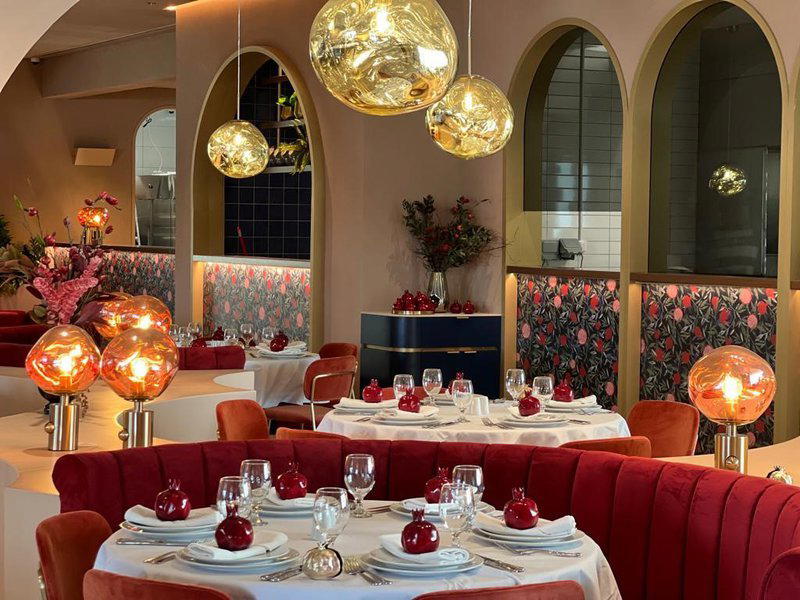
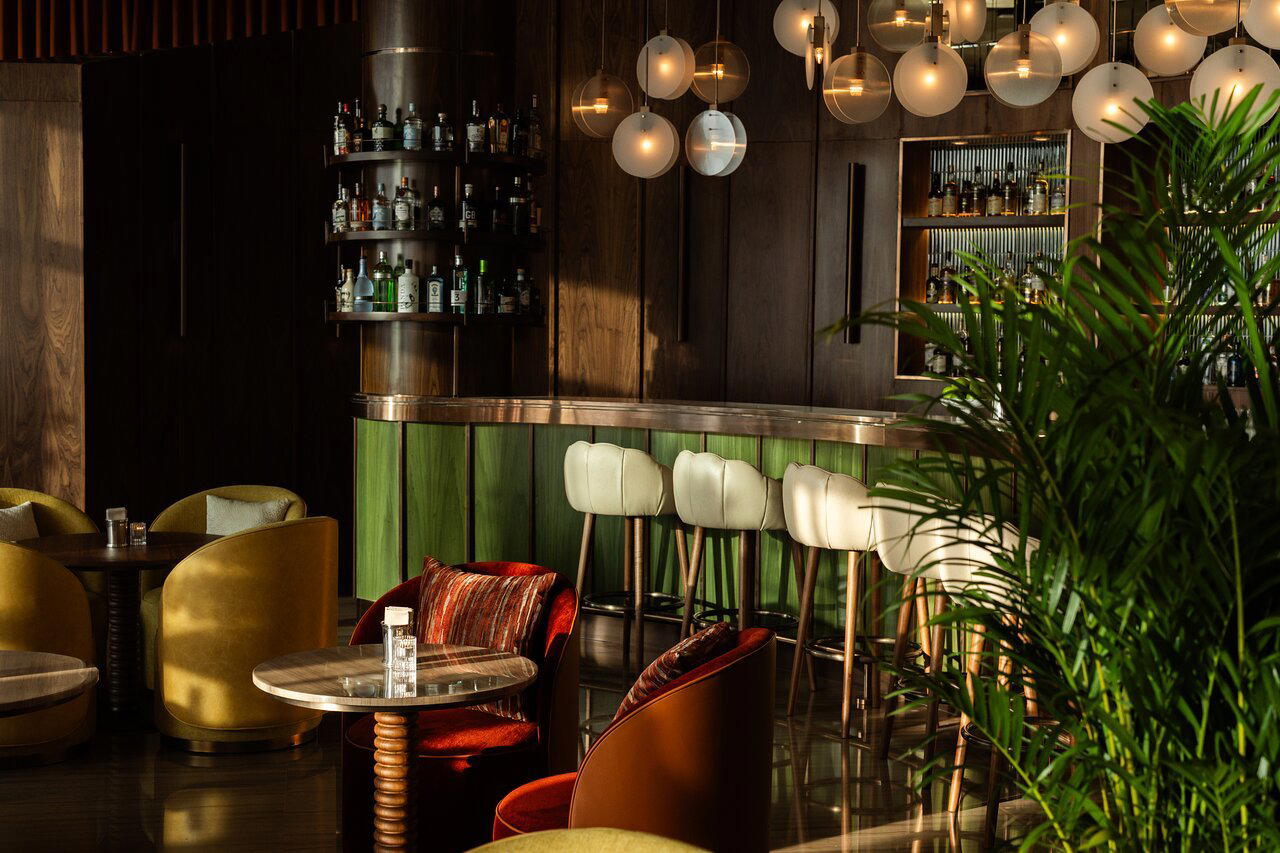
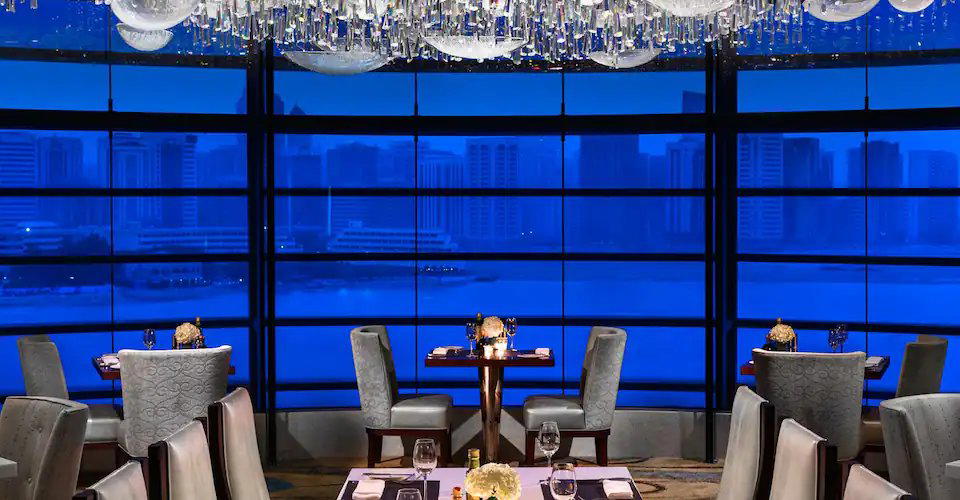
Composed and unhurried. The room sits inside Emirates Palace on Al Ras Al Akhdar, so the scale of the surroundings does the heavy lifting aesthetically, but the Italian kitchen philosophy keeps the tone grounded in something warmer than standard hotel formality. Michelin described it as 'understated sophistication,' which is accurate shorthand: the food drives the experience rather than the spectacle.
Is Talea by Antonio Guida Michelin-listed?
Talea by Antonio Guida has received recognition including: Michelin 1 Star (2026); Chef Antonio Guida brings the Italian family kitchen to Abu Dhabi and the Mandarin Oriental. We know that the Italian recipes have a lot of pure plant ingredients on a simple and natural way. In the list of creations….
What do people recommend at Talea by Antonio Guida?
The Michelin citation calls out three dishes by name: the linguine all'astice, the baccalà with cannellini beans, seaweed purée, and friggitelli, and the Miele e Polline dessert, which uses honey sourced from the hotel grounds. Those three illustrate the kitchen's range from pasta to preserved fish to hyper-local sourcing, and they are the clearest entry points into what the 2024 and 2026 Michelin stars were awarded for.
What cuisine category does Talea by Antonio Guida fall under?
Is Talea by Antonio Guida expensive?
Pricing at Talea by Antonio Guida is listed as $$$$.
Reputation First
A quick peer list to put this venue’s basics in context.
| Venue | Cuisine | Price | Awards | Notes |
|---|---|---|---|---|
| Talea by Antonio GuidaThis venue (the venue you are viewing) | Michelin-Starred Italian Cucina di Famiglia | $100–150 | 1 Michelin Star · Gault & Millau UAE Selected Restaurant | Not listed |
| Al Mrzab | Traditional Emirati and Kuwaiti | $20–30 | Michelin Bib Gourmand | Emirati Cuisine |
| Almayass | Lebanese-Armenian Fusion | $50–100 | Michelin Bib Gourmand | Lebanese |
| Bord Eau by Nicolas Isnard | Contemporary French with Global Influences | $100–150 | Michelin Plate · Gault & Millau UAE Selected Restaurant | French |
| Mika | Mediterranean Fine Dining with Middle Eastern Influences | $50–100 | Michelin Bib Gourmand · Gault & Millau UAE Selected Restaurant | Mediterranean Cuisine |
| Otoro | Modern Japanese Izakaya | $50–100 | Michelin Bib Gourmand | Japanese Contemporary |
Recognition history
Dated appearances from independent guides and award organizations, with the underlying list record or original source where available.
Michelin 1 Star
Michelin
Gault & Millau UAE Selected Restaurant
Gault & Millau · Gault & Millau UAE 2026 - Selected Restaurant
We're Smart World 3 Radishes
We're Smart World
Full recognition history (5 entries)
Michelin 1 Star
Michelin
Michelin 1 Star
Michelin