Our verdict
たかはし sits in Morishita, a Koto City neighbourhood that Tokyo's dining circuit has largely left to locals. The address alone signals a different operating logic from the Ginza or Minami-Aoyama belt. For visitors willing to plan around the booking, it represents a category of Tokyo dining that rewards patience over convenience.

Pearl is the En Primeur Club membership app, where members save venues, book tables and use the concierge.
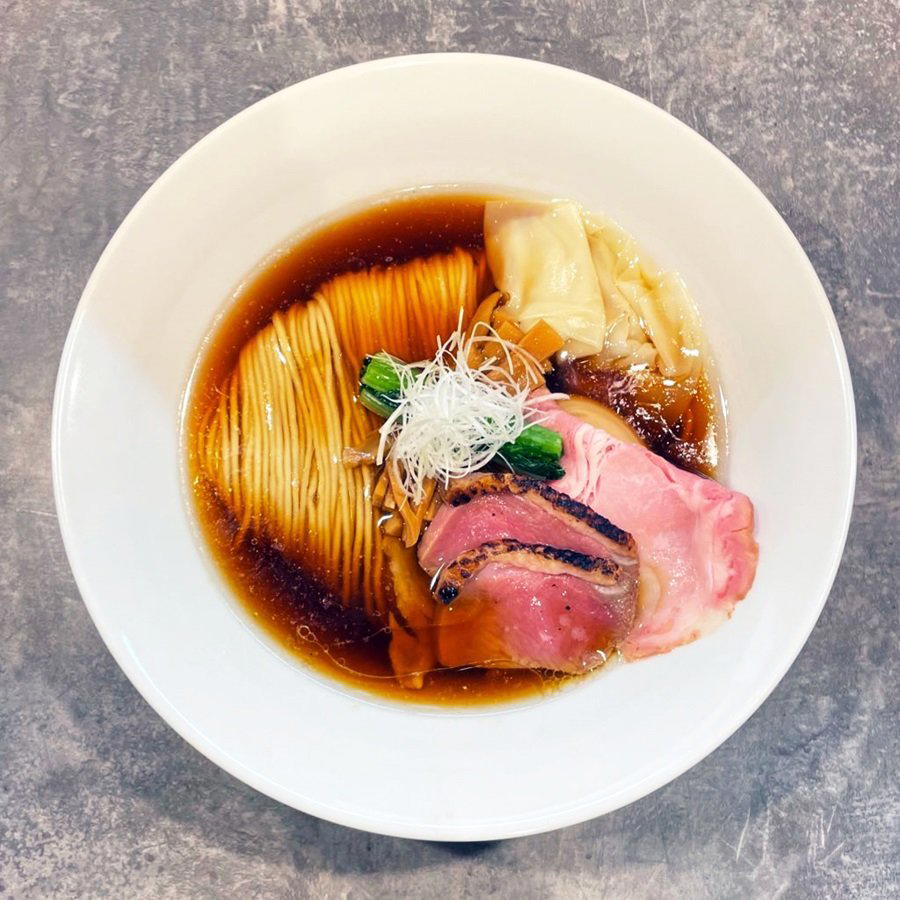
Morishita and the Geography of Tokyo's Overlooked Dining Addresses
Tokyo's premium restaurant geography clusters predictably: Ginza for high-ticket omakase, Minami-Aoyama for French-leaning tasting menus, Nishiazabu for the hybrid formats. Koto City's Morishita district sits well outside that circuit. The neighbourhood, east of the Sumida River, occupies a different register entirely, dense, residential, and largely absent from the international reservation trail that funnels diners toward the usual postcode suspects. たかはし operates at this address, on a 1-chome block in Morishita, and that location is the first piece of context any prospective visitor needs to sit with before considering a booking.
The east-of-river dining tradition in Tokyo has its own logic. These areas, Koto, Sumida, Katsushika, preserved a working Shitamachi character long after the western wards gentrified around their restaurant clusters. Venues that have built followings here typically do so through word-of-mouth loops that run slower and more deliberately than the Michelin-accelerated cycles that define recognition patterns in central Tokyo. For reference, Harutaka and RyuGin both operate within the more institutionally visible western and central ward corridors.
What the Booking Requires
The editorial angle that matters most for たかはし is not cuisine category or price tier, it is the booking reality. Venues at addresses like Morishita 1-chome, running without a published website or listed phone number, are not accessible through the standard international reservation infrastructure. Tableall, Omakase, and the various concierge-led booking platforms that Tokyo visitors typically rely on tend to index toward venues with English-language presence or agency relationships. A restaurant operating at this address, under a Japanese name, without a digital reservation window in the public record, sits in a category that requires a specific approach.
Practical path for international visitors generally runs through one of two routes: a hotel concierge with genuine local network depth (not simply a concierge who relays requests to the same online platforms you could reach yourself), or a Tokyo-based specialist who maintains direct relationships with neighbourhood restaurants that have chosen to stay off the main booking grid. The distinction matters. Many five-star hotel concierge desks in central Tokyo are excellent at securing tables at L'Effervescence or Sézanne, venues where the booking infrastructure already exists.
Visitors who do secure access should factor in the neighbourhood's transit position. Morishita is served by the Toei Shinjuku and Toei Oedo lines, making it reachable from central Tokyo in under twenty minutes from Shinjuku or Ryogoku interchange points, but it is not within walking distance of any major hotel cluster. Budget the travel time and plan the evening around a single destination rather than combining it with pre-dinner drinks in a different ward.
Where たかはし Sits Against Tokyo's Dining Spectrum
Tokyo's premium dining market has stratified sharply over the past decade. At the leading bracket sit the multi-Michelin counters and tasting-menu formats operating at ¥¥¥¥ pricing, venues like Crony in the innovative French tier, or the kaiseki establishments that have absorbed international reservation demand to the point where solo travellers often cannot book independently. Below that, a different category operates: smaller, neighbourhood-anchored, often without the awards infrastructure that drives global visibility. たかはし's Morishita address positions it structurally in that second category, not by default, but by design.
This is a dining pattern visible across Japan's major cities. Goh in Fukuoka and Gion Sasaki in Kyoto both operate with significant recognition, but each retains a local-first booking dynamic that international visitors must work around rather than simply transact with. The Japan dining experience, at its most textured, has always required this kind of friction. Venues that have resisted the aggregator ecosystem, no OpenTable, no English booking page, sometimes no website at all, tend to sustain a guest profile that skews toward regulars and referred visitors. That is not accidental.
For further context across the region, HAJIME in Osaka and akordu in Nara represent the contrast case: venues with international profiles that have built accessible booking structures for visiting audiences. たかはし, based on available data, has not moved in that direction.
Planning Considerations for Visiting Diners
The address (Morishita 1-chome-7-6, FIRST WOOD building, Koto City) is the confirmed anchor point. Everything else should be confirmed through direct local contact before building an itinerary around the venue.
This is not an unusual situation for Tokyo's neighbourhood dining tier. Restaurants operating in residential wards without a tourist-facing digital presence often change hours seasonally, close for irregular periods, or operate on reservation-only models where walk-in access is not realistic. The FIRST WOOD building address in Morishita is specific enough to locate, but specific enough also to suggest a small-scale operation rather than a destination venue with a full reservations team. Visitors planning around this address should treat the booking confirmation as the prerequisite, not the starting point.
Those building wider Japan itineraries can anchor the planning with more logistically transparent venues alongside. 一本木 名川製 in Nanao, 古代山乃 in Sapporo, and 湖邸庵 in Takashima each represent regional dining addresses with their own neighbourhood-specific character. Our full Tokyo restaurants guide maps the broader city dining picture for visitors sequencing a multi-venue visit.
For comparison reference, Atomix in New York City and Le Bernardin represent how destination restaurants at the other end of the accessibility spectrum handle international visitor demand: structured booking windows, English-language interfaces, documented tasting formats. The gap between those models and a Morishita address without a listed website is not a quality signal in either direction. It is a logistics signal, and it should be treated as such.
Practical Planning Reference
| Venue | Cuisine | Price Tier | Booking Access |
|---|---|---|---|
| たかはし (Morishita) | Not listed | Not confirmed | No public booking channel confirmed |
| Harutaka | Sushi | ¥¥¥¥ | Concierge / specialist booking |
| L'Effervescence | French | ¥¥¥¥ | Online and concierge |
| RyuGin | Kaiseki | ¥¥¥¥ | Online and concierge |
| Crony | Innovative French | ¥¥¥¥ | Online and concierge |
Frequently asked questions
Where is たかはし located?
たかはし is located at Japan, 〒135-0004 Tokyo, Koto City, Morishita, 1 Chome−7−6 FIRST WOOD, Tokyo.
Is たかはし in Morishita suitable for visiting diners unfamiliar with Koto City?
Morishita sits in Koto City on Tokyo's eastern side, roughly 20 minutes from central Ginza by train, making it logistically accessible but directionally unfamiliar to most first-time visitors to the city.
What do people recommend at たかはし?
Confirmed menu specifics for たかはし are not part of the public record, which itself signals something about the venue: word travels through direct experience, not press coverage. Located at Morishita 1-7-6 in Koto City, the address sits well outside Tokyo's standard dining-recommendation loop, which means visitors tend to arrive on the strength of personal referrals rather than aggregator lists. Until a cuisine category or signature dishes enter the documented record, the recommendation to make is this: secure a booking before asking what to order.
Should I book たかはし in advance?
Yes, and the reasoning is structural rather than speculative. Morishita is not a neighbourhood where restaurants maintain excess capacity for walk-in traffic, venues at addresses like 1 Chome-7-6 Koto City typically operate at intimate scale, and たかはし's absence from mainstream booking platforms means the path to a table runs through direct contact or local intermediaries. Plan lead time of several weeks at minimum, and verify current access channels before travel.
What's たかはし best at?
Without a published cuisine type, awarded category, or documented tasting format in the record, the honest answer is that たかはし's positioning in Morishita, a Koto City address well removed from the Ginza and Minami-Aoyama dining corridors, suggests a venue that earns its reputation without institutional support. In Tokyo's dining market, that geography tends to filter for operators with a specific, committed point of view rather than a broad commercial audience.
The Minimal Set
A quick snapshot of similar venues for side-by-side context.
| Venue | Cuisine | Price | Awards | Notes |
|---|---|---|---|---|
| たかはしThis venue (the venue you are viewing) | Modern Japanese Kaiseki Omakase | $20–30 | Not listed | Not listed |
| Harutaka | Edo-Style Omakase Sushi | $200–300 | 3 Michelin Stars · World's 50 Best #76 | Sushi |
| L'Effervescence | Modern French with Japanese Influences | $200–300 | 3 Michelin Stars · World's 50 Best #69 | French |
| RyuGin | Modern Kaiseki | $500+ | 3 Michelin Stars · World's 50 Best #41 | Kaiseki, Japanese |
| Crony | Modern French with Japanese Influences | $150–200 | 2 Michelin Stars · World's 50 Best #34 | Innovative, French |
| Florilège | Modern French-Japanese Plant-Based Fine Dining | $50–100 | 2 Michelin Stars · World's 50 Best #31 | French |
Continue exploring
More in Tokyo
Restaurants in Tokyo
All restaurants in Tokyo →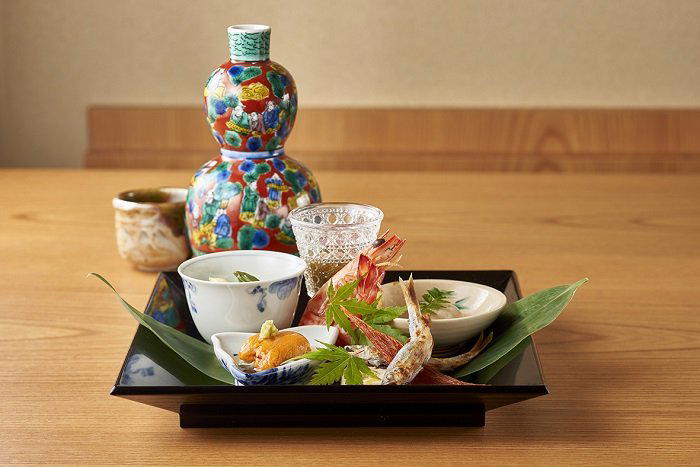
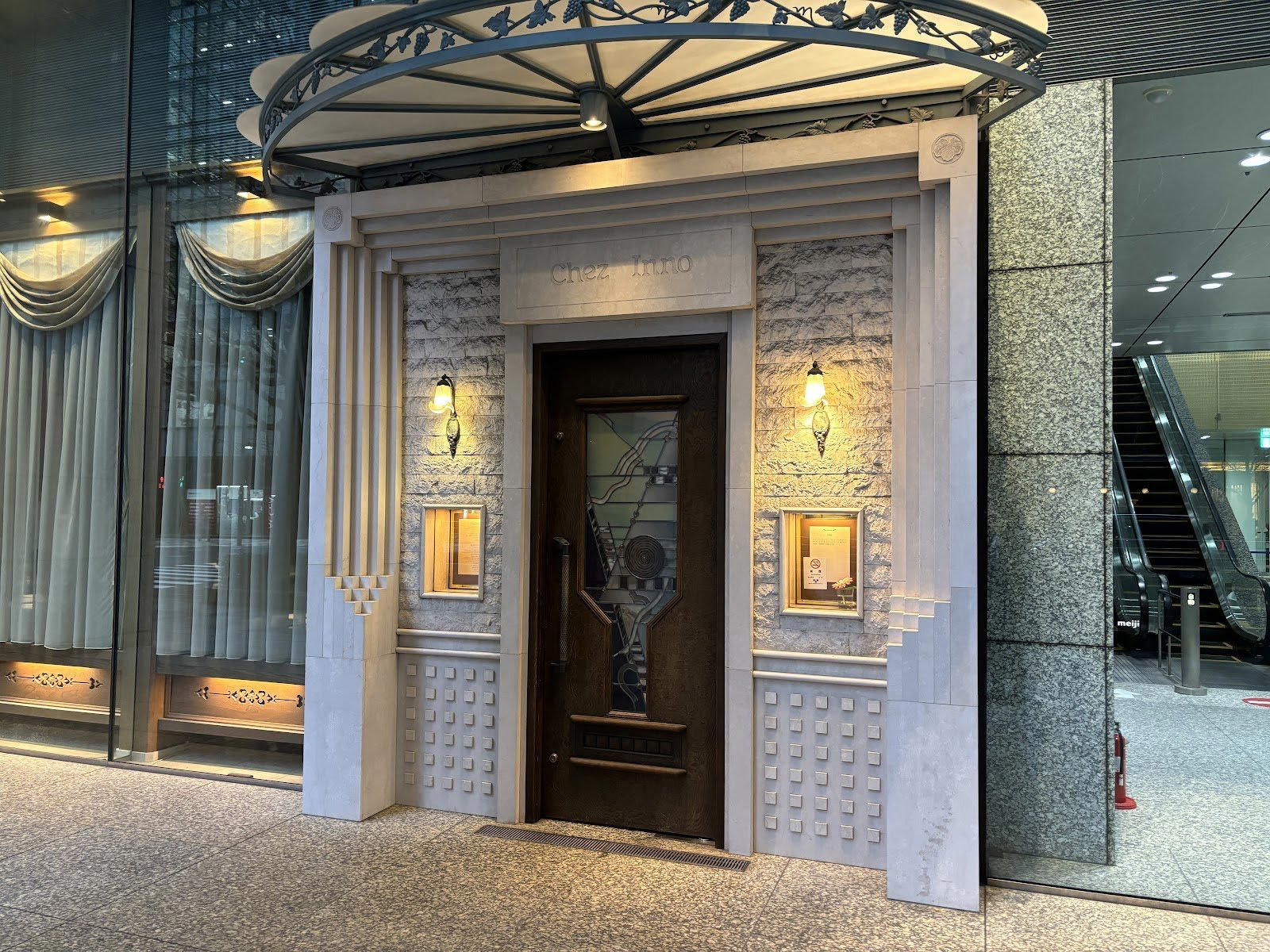

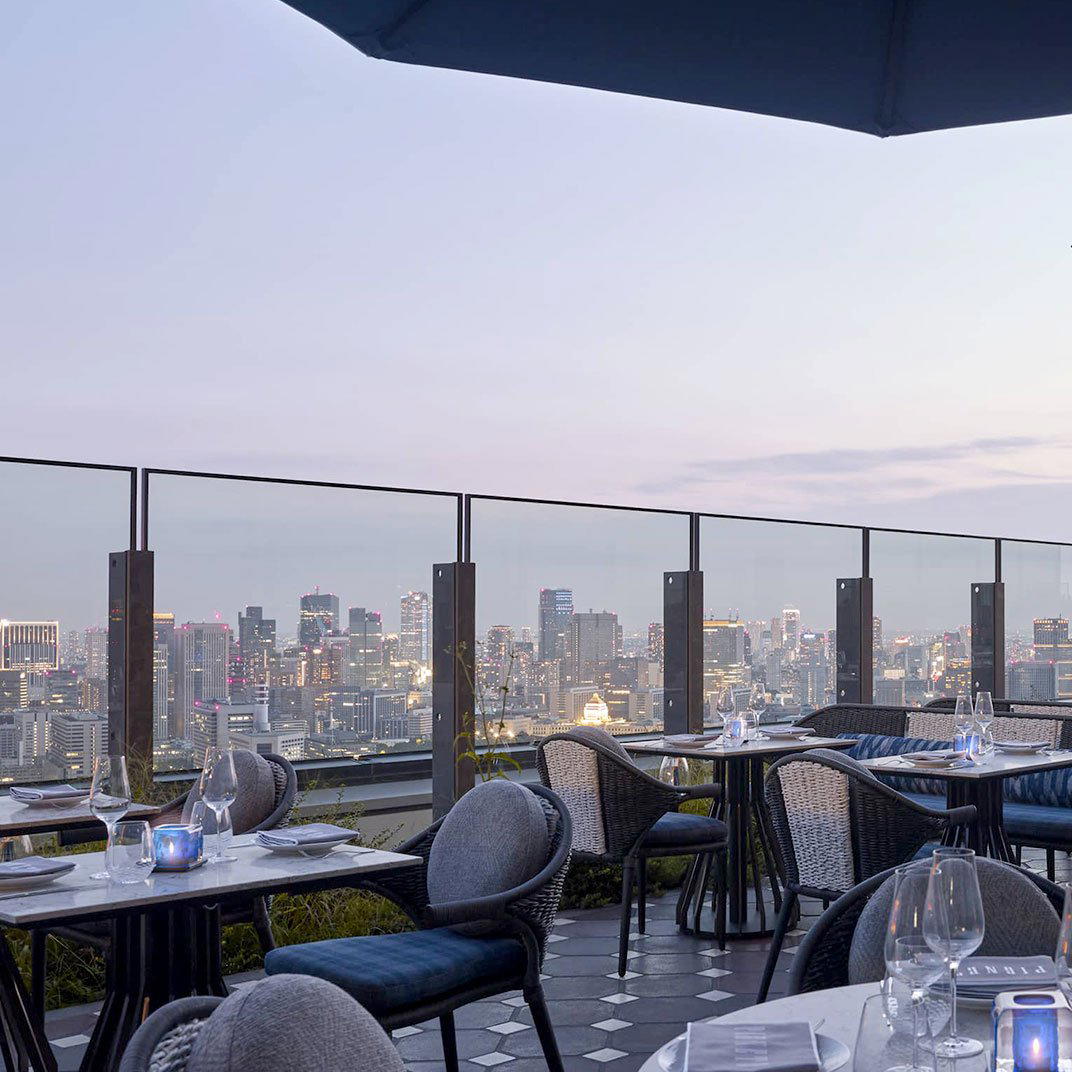



Details
- Elegant
- Intimate
- Sophisticated
- Special Occasion
- Date Night
- Chefs Counter
- Sake Program
- Omakase
Relaxing and stylish space with a focus on counter dining and refined atmosphere.