
Asakusa’s yakiniku scene is built for groups, smoke, grill timing, and a less formal kind of Tokyo meat culture than Ginza counters or hotel dining rooms. Hon to Saya belongs to that tradition, with Tabelog 100 Yakiniku Tokyo 2025 recognition and a large, table-led format that suits friends and families as much as serious beef-focused diners.
Pearl is the En Primeur Club membership app — saves, bookings, and concierge access live there. Same editors, same standards.
- Address
- 3 Chome-1-9 Nishiasakusa, Taito City, Tokyo 111-0035, Japan
- Phone
- +81 3-3845-0138
- Website
- hontosaya.com
 Saves & bookings on Pearl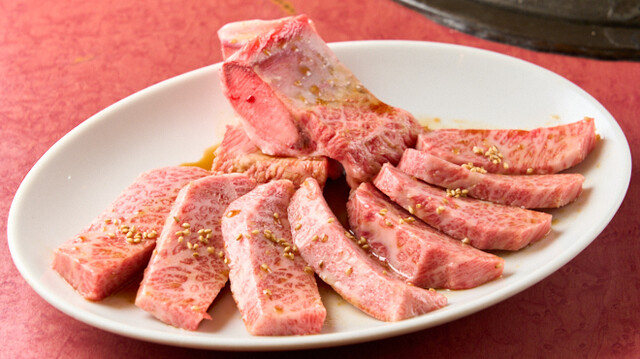
Approaching the grill tables of Asakusa, the mood changes from temple-side sightseeing to something more local and practical: coats over chair backs, groups negotiating cuts, and the steady rhythm of meat meeting heat. Tokyo’s yakiniku culture is not built around ceremony in the way sushi counters or kaiseki rooms are. It is social, smoky, pace-driven, and democratic, with the table controlling the final seconds of cooking. Hon to Saya sits squarely in that lineage, a Nishiasakusa address where the appeal is less about hushed luxury than about the shared grammar of beef, offal, sauces, drinks, and timing.
That matters in Asakusa because the area has always carried a different dining identity from Tokyo’s finance and fashion districts. Around the old entertainment quarter, restaurants tend to reward appetite and regularity rather than performance. Sukiyaki houses such as Asakusa Imahan Kokusai dori honten represent the polished, old-Tokyo meat tradition; yakiniku rooms answer with a looser, grill-at-the-table register. Compared with Ryuen, another Tokyo Japanese meat address, Hon to Saya reads as a larger, more communal proposition, closer to a multi-floor gathering place than a narrow specialist counter.
Asakusa yakiniku as group ritual, not chef theatre
Yakiniku in Tokyo has absorbed Korean barbecue roots, Japanese beef grading culture, and the city’s habit of turning casual formats into precision systems. The diner is not passive. Heat management, order sequencing, and the division between lean cuts, fatty cuts, tripe, and drinking food shape the meal. In that context, a room with 110 seats changes the experience. It can handle families, friends, and larger parties without abandoning the basic intimacy of a shared grill. Tatami rooms and sunken seating add a recognisably Japanese layer to a format often associated with fast turnover and urban noise.
The Tabelog 100 Yakiniku Tokyo 2025 selection gives the restaurant a useful external signal in a category where overseas visitors often struggle to separate serious local addresses from tourist-facing barbecue. Its Tabelog score of 3.71 places it in a competitive band where consistency matters more than novelty. The recognition history is also notable: selections appear across multiple recent years, including 2018 through 2025, which suggests durability in a Tokyo category that is crowded, price-sensitive, and unforgiving about meat handling.
The menu categories point beyond simple beef grilling. Yakiniku, tripe, and suppon place the restaurant inside a broader Japanese taste for texture and collagen-rich preparations, not just marbled meat. Drinks follow the same logic, with sake, shochu, and wine all listed rather than a purely beer-led model. That combination says something about contemporary Tokyo yakiniku: the format has kept its group-dining informality while becoming more flexible in how people drink and order around the grill.
Where it fits in a Tokyo meat itinerary
For visitors building a Tokyo dining week, the useful comparison is not with omakase or French tasting menus. It is with other forms of meat culture. Sukiyaki offers staff-guided sweetness and ceremony; yakitori reduces the animal to skewers and counter pacing; yakiniku gives control back to the table. Hon to Saya is strongest for diners who want that participatory style in an old-east Tokyo neighbourhood rather than a sleek central district room.
Asakusa Naniwaya, at a much lower spend level, reflects the area’s snack-and-sweets side; Asakusa Imahan Kokusai dori honten reflects its formal meat heritage. The restaurant occupies the middle ground: substantial enough for a planned dinner, informal enough for mixed groups, and local enough to make sense before or after time around Asakusa’s entertainment streets. The presence of English multilingual menus and photo menus also makes the format less opaque for travellers, without turning the experience into a simplified tourist script.
There is a practical editorial caveat. Large seating capacity does not mean the meal should be treated casually. Yakiniku rewards punctuality, especially when reservations are involved, because grill tables turn according to group timing rather than solo counter pacing. The house policy prioritises waiting guests if a party misses its scheduled time, which is sensible in a category where table occupancy is tied to equipment, ventilation, and staff flow.
How to read the room before choosing it
The decision point is clear. Choose this style of restaurant for sociability, appetite, and a Tokyo dining tradition that values hands-on cooking. Do not choose it expecting the quiet choreography of a chef-led tasting menu. The better mental model is a serious grill house with enough scale for families and groups, enough recognition to justify planning ahead, and enough Asakusa character to feel rooted in its district.
For a broader food map, use Our full Tokyo restaurants guide. Travellers pairing dinner with a longer stay can cross-reference Our full Tokyo hotels guide, while drink-led evenings sit in Our full Tokyo bars guide. Tokyo category browsing also includes Our full Tokyo wineries guide and Our full Tokyo experiences guide.
Other listings worth scanning across the network include. 鮪と炭火焼き うお炭 秋葉原店, 12/10 Shinjuku ten, 124. KAGURAZAKA (Yakitori), 2D Cafe, 3 Chome no Curry Ya San, -Grilled beef Sukiyaki- KAMAKURA TANUKIAN 鎌倉 たぬき庵 in Kamakura.cafe in Osaka.know in Kumamoto, (Shoku) Vietnam in Kawasaki, [Curry Senmon Ten] Maruyama Kyoju. in Sapporo, [ki:] in Kyoto, Jōdo Saké Bar in Los Angeles, and Onigiri Time in Pasadena.
At a Glance
Comparable venues for orientation by cuisine and category.
| Venue | Cuisine | Price | Notes |
|---|---|---|---|
| Hon to SayaThis venue — the venue you are viewing | Taitō, Traditional Charcoal Yakiniku | $$$ | Not listed |
| Yonekyu Honten | Taitō, Traditional Sukiyaki | $$$ | Not listed |
| Yamada Ya Nishinippori ten | Not listed | $$$ | Arakawa, Yakiniku (Japanese BBQ) & Offal Grill |
| Yakiniku Jambo Hongo | Not listed | $$$ | Bunkyō, Premium Yakiniku with A5 Wagyu |
| Sumiyaki Unafuji Yuurakuchou ten | Not listed | $$$ | Chiyoda, Traditional Nagoya-style unagi and hitsumabushi |
| Akasaka Oozeki Honten | Not listed | $$$ | Minato, Charcoal-grilled Japanese Yakiniku |
Recognition history
Dated appearances from independent guides and award organizations, with the underlying list record or original source where available.
Tabelog 100 #54 · No. 54
Tabelog · Tabelog 100 - Yakiniku - TOKYO - 2025







At a Glance
- Lively
- Cozy
- Classic
- Energetic
- Date Night
- Group Dining
- Family
- Celebration
- Casual Hangout
- After Work
- Standalone
- Sake Program
- Beer Program
Current opening hours
- Monday
- 12–3 PM, 5–11 PM
- Tuesday
- 12–3 PM, 5–11 PM
- Wednesday
- 12–3 PM, 5–11 PM
- Thursday
- 12–3 PM, 5–11 PM
- Friday
- 12–3 PM, 5–11 PM
- Saturday
- 12–3 PM, 5–11 PM
- Sunday
- 12–3 PM, 5–11 PM
Hours can change for holidays and private events. Last verified .
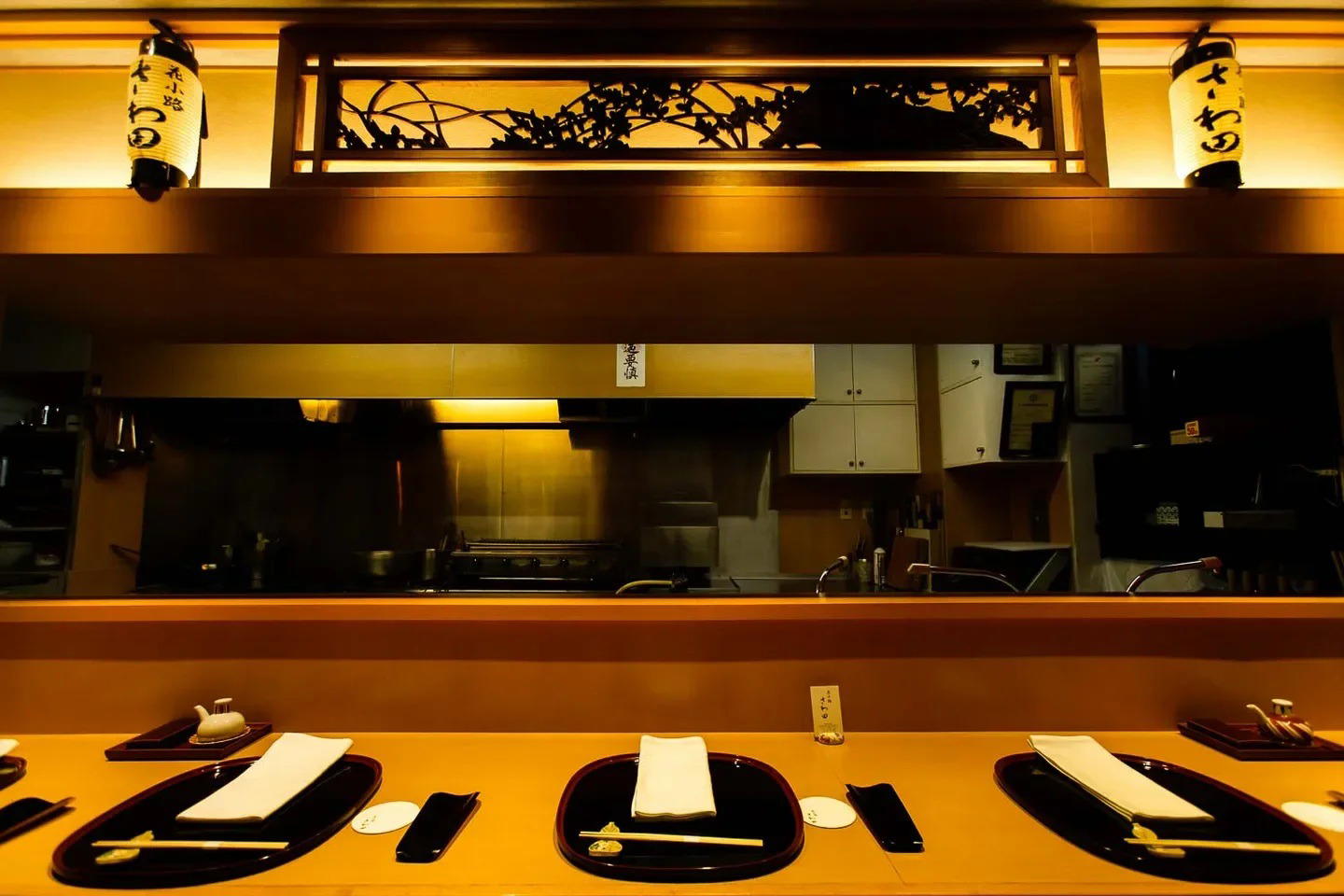
Bustling, smoky charcoal‑grill atmosphere in a traditional tatami house space, with close‑set tables, warm lighting, and the feel of an old‑school local institution packed with couples, families, and groups.