
A compact Nishinakasu izakaya with fish at the center of the table, Shin-shin Nishinakasu shop sits in Fukuoka’s serious drinking-and-dining lane rather than its ramen-tourist lane. The value proposition is clear: a higher izakaya spend buys Tabelog 100 Izakaya WEST 2025 recognition, counter seating, private-room option, and a drinks program built around sake, shochu, and wine.
Pearl is the En Primeur Club membership app — saves, bookings, and concierge access live there. Same editors, same standards.
- Address
- 福岡県福岡市中央区西中洲5-15 セントラルパークタワー 2F
- Phone
- +81927719333
- Website
- tabelog.com
 Saves & bookings on Pearl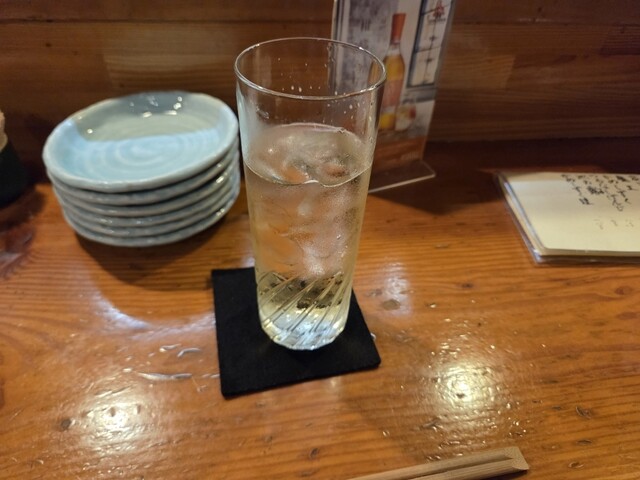
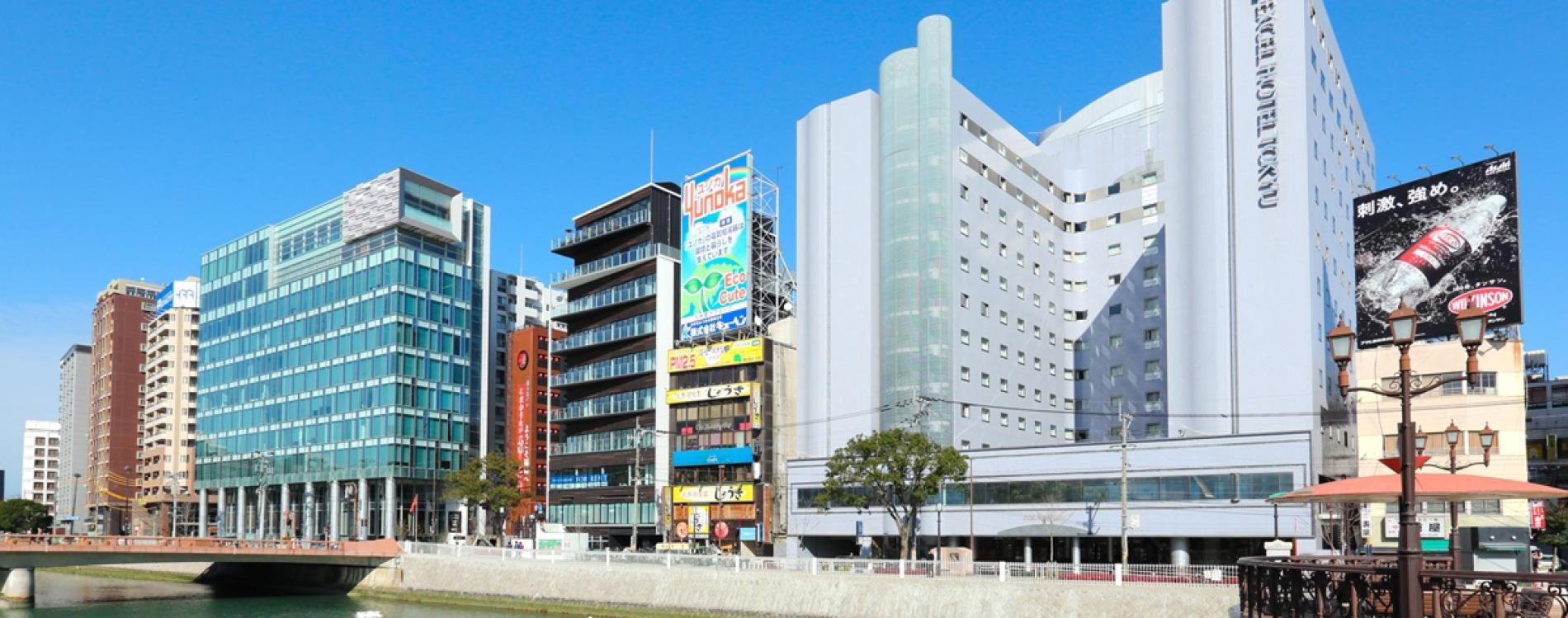
Nishinakasu after dark is Fukuoka in a lower register: river-adjacent streets, office towers giving way to small rooms, and restaurants built for conversation rather than spectacle. This is the city’s izakaya culture at a more serious pitch. Hakata’s casual drinking rooms remain essential, but the higher-spend izakaya tier has become a distinct category, where fish buying, sake depth, and room format matter as much as energy.
Shin-shin Nishinakasu shop belongs to that category. Its selection for Tabelog 100 Izakaya WEST 2025 puts it inside a regional list that rewards consistency across the western Japan izakaya field, not merely local popularity. For a traveler comparing Fukuoka dinners, the useful question is not whether this is cheap by izakaya standards. It is what the format delivers when the bill moves into a more serious bracket.
Fukuoka's premium izakaya tier is about fish, drink, and control of scale
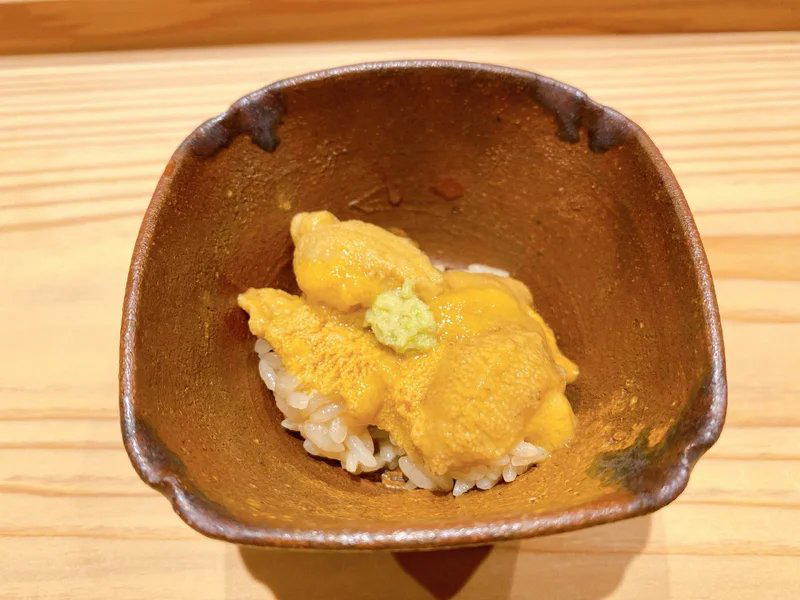
Fukuoka’s dining identity often gets flattened into tonkotsu ramen and yatai stalls, but the city’s stronger evening meals frequently sit in izakaya rooms that behave more like compact restaurants. The template is familiar: fish-led cooking, drinks chosen for repeat pouring rather than one celebratory bottle, and seating that keeps the room small enough for pacing to matter. That is where value becomes more interesting than raw price.
The useful comparison is with nearby Fukuoka peers at adjacent spend levels. ginmi sits lower on the dinner scale, while Raisin d’Or and Restaurant Arena occupy a higher tariff. Riki Hanten overlaps the same spend bracket, though its category context differs. Against that spread, Shin-shin Nishinakasu shop reads as a fish-centered izakaya positioned above casual drinking but below the city’s more expensive French-and-wine formats. That middle tier can be persuasive in Fukuoka because it keeps the meal anchored in local drinking culture rather than pushing it toward formal tasting-menu ceremony.
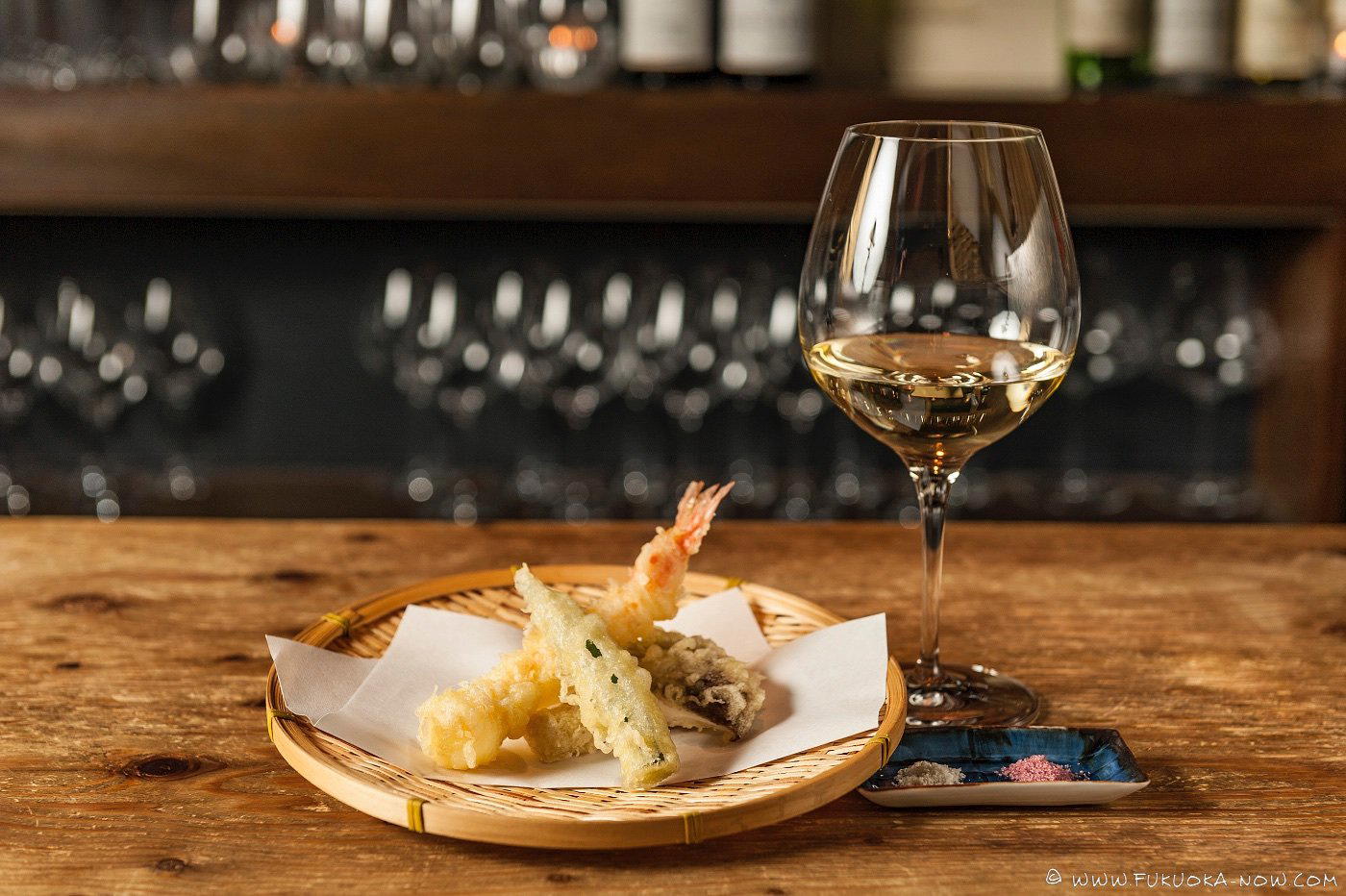
The drinks signal matters. Sake and shochu are not decorative categories in a Kyushu izakaya; they shape the tempo of the meal. Wine appears as well, but the stronger cultural fit is with nihonshu and shochu poured across fish and shared plates. The room format reinforces that. Counter seating suits solo diners or pairs who want to watch service rhythm, tables work for small groups, and the private room gives the restaurant a social register that many tighter counters lack.
For broader Fukuoka planning, this sits in a different lane from the city’s curry, South Indian, and fried-fish specialists. A visitor building a meal map could place it alongside 106 South Indian Fukuoka tenjin ten, Afterglow, Aji Dokoro Taro Gen Sougyou ten, Aji Furai Shokudo Kaba, and Aji no Katsueda to see how varied the city’s mid-to-upper casual dining spectrum is. The better move is not to treat them as substitutes. They answer different appetites.
The value case: paying for a tighter izakaya, not a formal restaurant
At this level, the buyer is paying for compression: fewer seats, more attention to fish, and a drinks list that supports a full evening. That is a different proposition from a large, high-turnover tavern where the appeal is volume and spontaneity. It is also different from a formal Japanese restaurant where the cost often includes ceremony, fixed sequencing, and quieter service codes. The appeal here is the controlled informality of an izakaya that has earned third-party recognition.
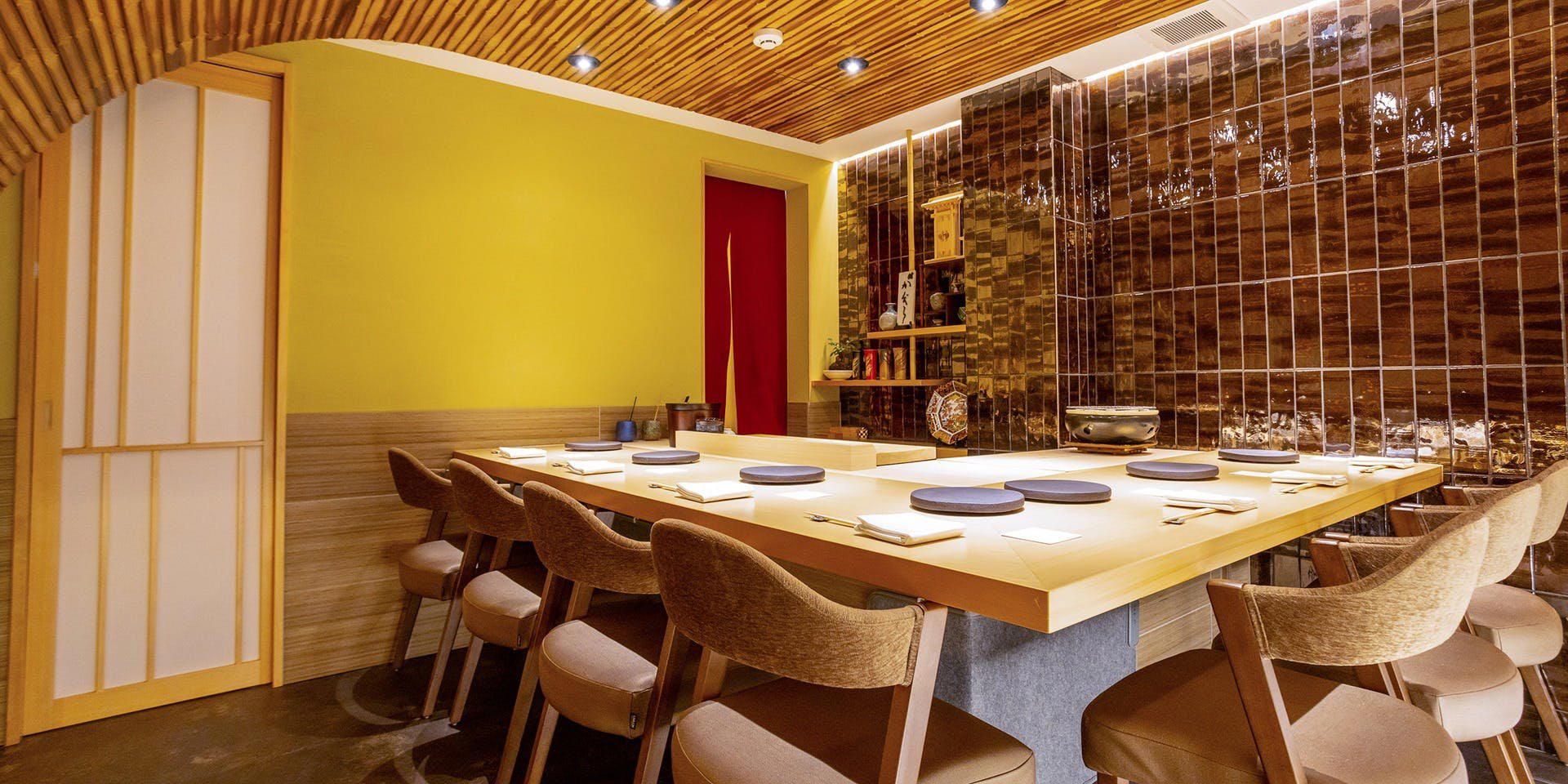
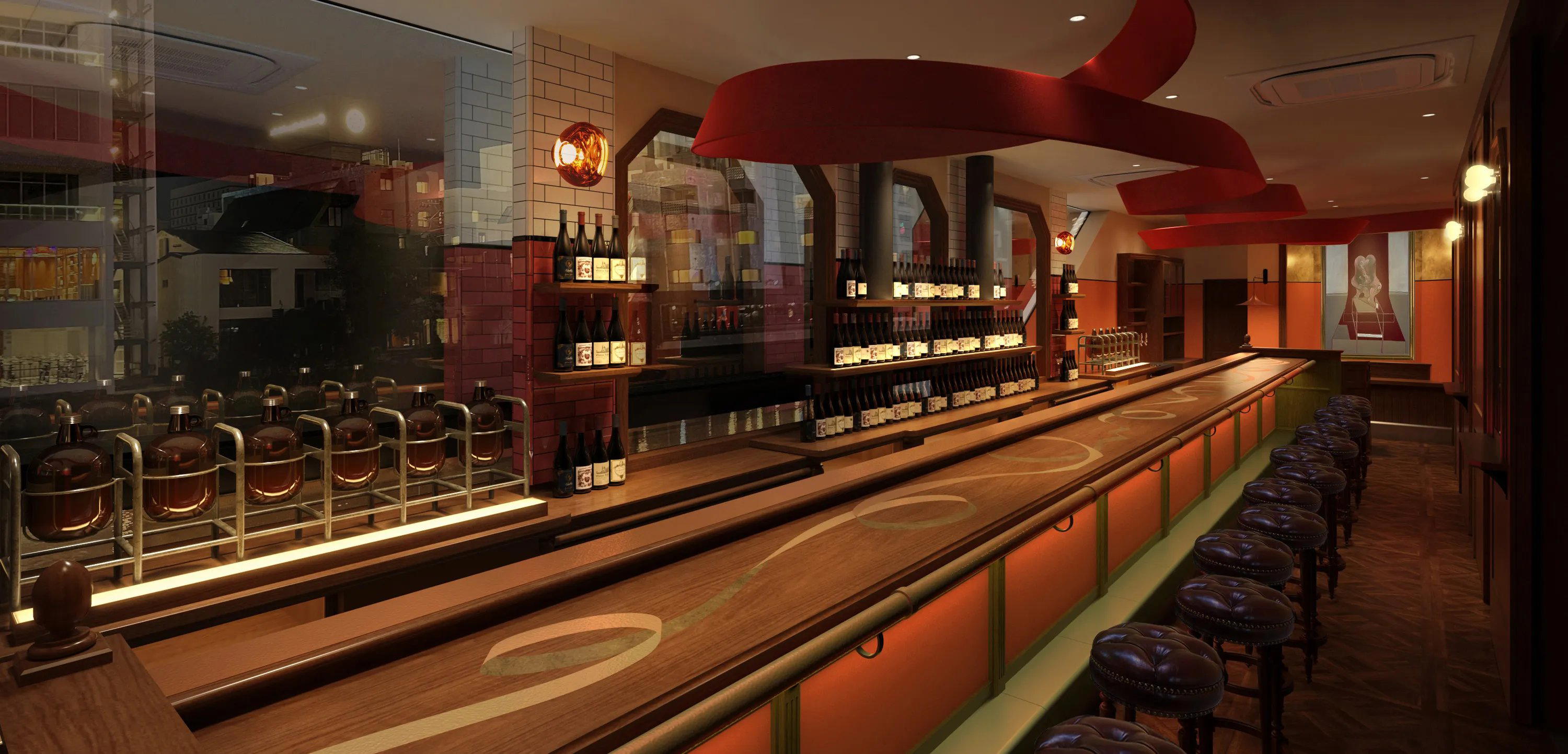
The seating mix is a practical clue to the experience. Seven counter seats create a narrow front-row format; two tables and a private room broaden the audience without turning the room into a banquet hall. That size profile favors diners who want an izakaya meal with more focus than a casual pub crawl, especially groups built around drinking and shared fish dishes. Smoking is allowed, which will be a positive or negative depending on the party. In Japan, that detail can change the feel of a meal as much as the menu category.
Nishinakasu also changes the calculus. Tenjin and Nakasu are close enough to make dinner logistics easy, but Nishinakasu has a more contained evening character than the larger entertainment corridors around it. For visitors, this matters: the neighborhood supports a two-stop night without turning dinner into a transit project. For locals, it preserves the sense that the meal belongs to Fukuoka’s adult dining circuit rather than a tourist route.
Readers planning a wider stay should use Our full Fukuoka restaurants guide for dining context, then pair dinner research with Our full Fukuoka hotels guide, Our full Fukuoka bars guide, Our full Fukuoka wineries guide, and Our full Fukuoka experiences guide. The wider Japan file can also be useful for calibrating category expectations, from -Grilled beef Sukiyaki- KAMAKURA TANUKIAN 鎌倉 たぬき庵 in Kamakura and. 鮪と炭火焼き うお炭 秋葉原店 in Tokyo to.cafe in Osaka,.know in Kumamoto, (Shoku) Vietnam in Kawasaki, and [Curry Senmon Ten] Maruyama Kyoju. in Sapporo. For Japanese drinking culture outside Japan, Jōdo Saké Bar in Los Angeles and Onigiri Time in Pasadena show how far the vocabulary travels, though Fukuoka’s izakaya grammar is its own thing.
Who should choose this dinner
This is a strong fit for travelers who want Fukuoka beyond ramen but do not want the stiffness of a formal kaiseki-style evening. The evidence points to a small izakaya with fish as the anchor, serious sake and shochu relevance, and enough seating variation to work for pairs or small groups. The Tabelog 100 Izakaya WEST 2025 selection is the trust signal; the value lies in getting a compact, drinks-aware Fukuoka dinner rather than paying for ceremony.
The trade-offs are clear. Diners seeking a non-smoking room, a broad family setup, or a casual drop-in tavern may prefer another address. Diners who measure value through ingredient focus, regional drinking culture, and a room scaled for attention will understand why this tier exists. In Fukuoka, that can be the smarter spend: not louder, not grander, just more concentrated.
Standing Among Peers
Comparable options at the same price tier.
| Venue | Cuisine | Price | Awards | Notes |
|---|---|---|---|---|
| Shin-shin Nishinakasu shopThis venue — the venue you are viewing | Traditional Japanese Izakaya | $$$ | , | |
| Taigen Honkan | Yakiniku & Teppanyaki with House-Raised Wagyu | $$$ | , | Chūō |
| Inakaan | Traditional Grilled Eel (Unagi) | $$$ | , | Kokura |
| Kuwaman | Traditional Japanese Izakaya & Sake Bar | $$$ | , | Chūō |
| Soba Kiri Kanbee | Traditional Japanese Soba | $$$ | , | Chūō |
| Zaisho | Seasonal Sushi Omakase by Sushi Sakai | $$$$ | , | Chūō |
At a Glance
- Cozy
- Hidden Gem
- Lively
- After Work
- Group Dining
- Casual Hangout
- Date Night
- Private Dining
- Standalone
- Sake Program
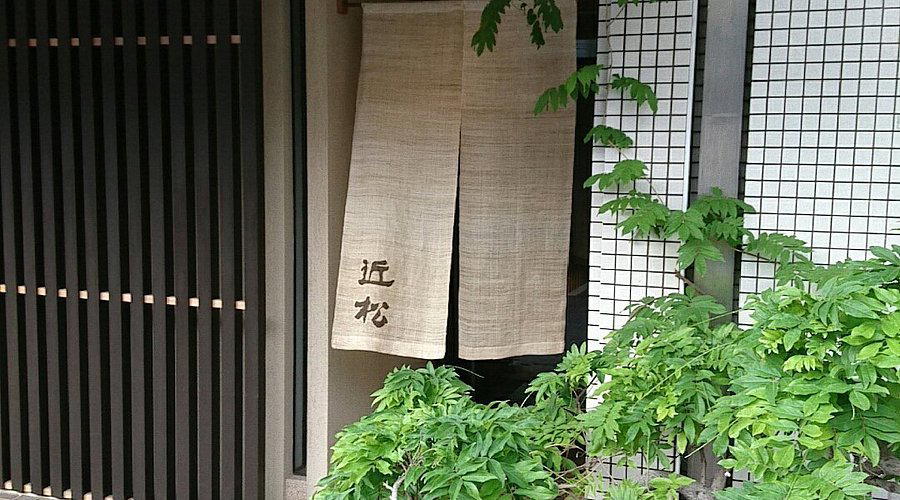
A relaxed, cozy izakaya "hideout" in Nishinakasu with a small counter, sunken seating and one private room; lighting and atmosphere are geared toward unwinding over drinks and shared plates rather than formal dining, and smoking is allowed, giving it a classic tavern feel.