海底撈火鍋 新竹店
Our verdict
Situated on Xida Road in Hsinchu City's East District, 海口掛包é æ°竹店 sits within a local tradition of Taiwanese street food that prioritises balance between slow-braised meat and fresh garnish. The restaurant occupies a neighbourhood corridor increasingly recognised for its casual dining depth. Visitors planning a stop should factor in the area's lunch-hour demand, which routinely outpaces available seating.

Pearl is the En Primeur Club membership app, where members save venues, book tables and use the concierge.
The menu
What to order
- Charcoal-grilled squid
- Fire BBQ prawns
- Grilled meats platter
Hsinchu's Guabao Tradition and Where Xida Road Fits
Taiwan's guabao, the steamed bun folded around braised pork belly, pickled mustard greens, crushed peanuts, and fresh cilantro, is one of the island's most structurally honest street foods. Every component is visible, every flavour accountable. The dish has roots in Fujian province, carried across the Taiwan Strait by Hokkien-speaking migrants and absorbed into Taiwanese food culture as a working-class staple before it gained the kind of culinary attention that now sends food-focused travellers to night markets in Taipei and Tainan alike. In Hsinchu, that tradition runs through neighbourhood shops rather than tourist corridors, and Xida Road in the East District represents that localised, non-performative version of the format. Dongmen Rice Noodle Soup anchors a similar local-staple ethos a short distance away, illustrating how East District has quietly sustained a cluster of shops operating at the intersection of affordability and culinary specificity.
海口掛包é æ°竹店, located at 323號4樓 on Xida Road, positions itself within that neighbourhood fabric. The name signals the guabao format directly, 掛包 (guabao) sits at the centre of the offer, and the 海口 prefix suggests a coastal or port-town reference that in Taiwanese food culture often implies a lineage connected to Hokkien fishing communities. That framing matters because it places the product inside a traceable culinary genealogy rather than the more generic "street food" category that has become overused in regional tourism copy.
The Cultural Weight of the Steamed Bun
Guabao's staying power in Taiwanese food culture has less to do with novelty and more to do with structural versatility. The bun itself, steamed, slightly sweet, soft enough to fold without splitting, acts as a neutral canvas. The braised pork belly, typically slow-cooked in soy, rice wine, and spices until the fat renders to near-translucency, provides the protein anchor. The pickled mustard greens cut through the fat with acidity. Crushed peanuts add texture. The result is a dish that achieves balance through contrast rather than complexity, which is partly why it has resisted the kind of modernist reinvention that has remade other Taiwanese street foods in high-end restaurant contexts.
That resistance to reinvention is not universal, of course. Across Taiwan, restaurants at various price points have experimented with guabao, swapping pork for duck confit, replacing peanuts with sesame praline, introducing brioche-adjacent doughs. Those experiments are most visible in Taipei, where venues like logy and the broader fine-dining circuit have pushed Taiwanese ingredients into European-inflected formats. The counterpoint to that movement is shops like the one on Xida Road, where the format stays anchored to its source material. Neither position is more correct; they address different readers in the dining conversation.
For context on how Taiwanese cuisine operates at its most technically ambitious, JL Studio in Taichung and GEN in Kaohsiung represent the award-recognised end of the spectrum, where indigenous ingredients and regional culinary history are reframed through tasting-menu architecture. The distance between those formats and a guabao shop on Xida Road is not a quality gap, it is a difference in intent, audience, and the kind of knowledge being transmitted.
East District, Hsinchu: A Food Corridor Worth Attention
Hsinchu City draws less food-travel attention than Taipei, Tainan, or Taichung, partly because its culinary identity is diffuse rather than concentrated in a single market or district. The city is better known internationally as the home of Taiwan's semiconductor industry, TSMC's headquarters sit within the Hsinchu Science Park, which has attracted a professional population with purchasing power but has not, until recently, generated the kind of food media coverage that Tainan's preserved culinary culture commands. That gap between the city's economic weight and its food-travel profile is narrowing, and the East District is among the areas where that shift is most legible.
Alongside 海口掛包é æ°竹店, the neighbourhood accommodates a range of formats: Cat House and Chang Chang Kitchen represent different registers of casual dining, while CHILLIESINE marks the city's growing appetite for non-Taiwanese cuisines. Garden.V extends the range further. That mix is characteristic of a mid-sized Taiwanese city where local staple shops and newer concept restaurants coexist without the market pressure that reshapes neighbourhoods in Taipei. For a fuller map of where to eat in the city, the EP Club Hsinchu City restaurants guide covers the full range across districts.
Beyond Hsinchu, the broader northwestern Taiwan region offers additional dining reference points. Bebu in Hsinchu County and Chi Yuan in New Taipei extend the geography, while Shen Yen in Yilan and Akame in Wutai Township represent the island's more remote dining propositions. For travellers building a longer Taiwan itinerary, Amei in Tainan and Volando Urai Spring Spa & Resort in Wulai District each occupy distinct positions in the island's hospitality range. For those with a broader international frame of reference, Le Bernardin in New York City and Lazy Bear in San Francisco illustrate how different culinary cultures treat the relationship between format, ingredient, and dining intent. Abura Yakiniku in Taichung City adds a Japanese-Taiwanese grilling format to the regional comparison.
Planning a Visit
The address, 323號4樓, Xida Road, East District, Hsinchu City 300, places the restaurant in a part of the city accessible by local bus routes from Hsinchu Train Station, with the East District sitting within a reasonable distance of the main rail hub. Lunch-hour demand at guabao shops in Taiwan typically peaks between 11:30 and 13:30; arriving outside that window reduces wait times without sacrificing freshness, since braised pork belly benefits from extended resting and tends to be held through service rather than cooked to order.
Frequently asked questions
Where exactly is æµ·åºæç«é æ°ç«¹åº?
æµ·åºæç«é æ°ç«¹åº is located at 300, Taiwan, Hsinchu City, East District, Xida Rd, 323è4æ¨, Hsinchu City.
What should I eat at 海底撈火鍋 新竹店?
The venue sits within the broader 海底撈 framework, where the central decision is broth base: most tables split a divided pot between a spiced Sichuan broth and a cleaner stock. From there, the selection spans thinly sliced meats, hand-formed beef balls, and seasonal vegetable additions. Given the East District, Hsinchu City location, the menu is likely calibrated to local preferences alongside the standard national offering.
Is æµ·åºæç«é æ°ç«¹åº reservation-only?
Reservations are recommended for æµ·åºæç«é æ°ç«¹åº in Hsinchu City. Confirm current policy via the venue's official channels.
What has æµ·åºæç«é æ°ç«¹åº built its reputation on?
æµ·åºæç«é æ°ç«¹åº is best approached by focusing on the core concept and signature offerings.
Price and Positioning
Comparable venues nearby, for context on price, style, and recognition.
| Venue | Cuisine | Price | Awards | Notes |
|---|---|---|---|---|
| 海底撈火鍋 新竹店This venue (the venue you are viewing) | Charcoal-Grilled Seafood (Haidilao Fire BBQ) | $10–20 | Not listed | Not listed |
| 弄味小廚 客家菜系 | Hakka Home-Style Cuisine | $10–20 | Not listed | East District, Hakka Home-Style Cuisine |
| Duan Chun Zhen | Traditional Taiwanese Beef Noodles with Sichuan Flavors | $10–20 | Not listed | East District, Traditional Taiwanese Beef Noodles with Sichuan Flavors |
| Ho Chu Yuan | Traditional Taiwanese Chinese | Not listed | Michelin Plate | North District, Traditional Taiwanese Chinese |
| 皿富器食 | Cozy Asian Eatery | $10–20 | Michelin Plate | East District, Modern Taiwanese Fine Dining |
| Kao Jai | Modern Thai Bistro | Not listed | Michelin Plate | East District, Modern Thai Bistro |
Continue exploring
More in Hsinchu City
Restaurants in Hsinchu City
All restaurants in Hsinchu City →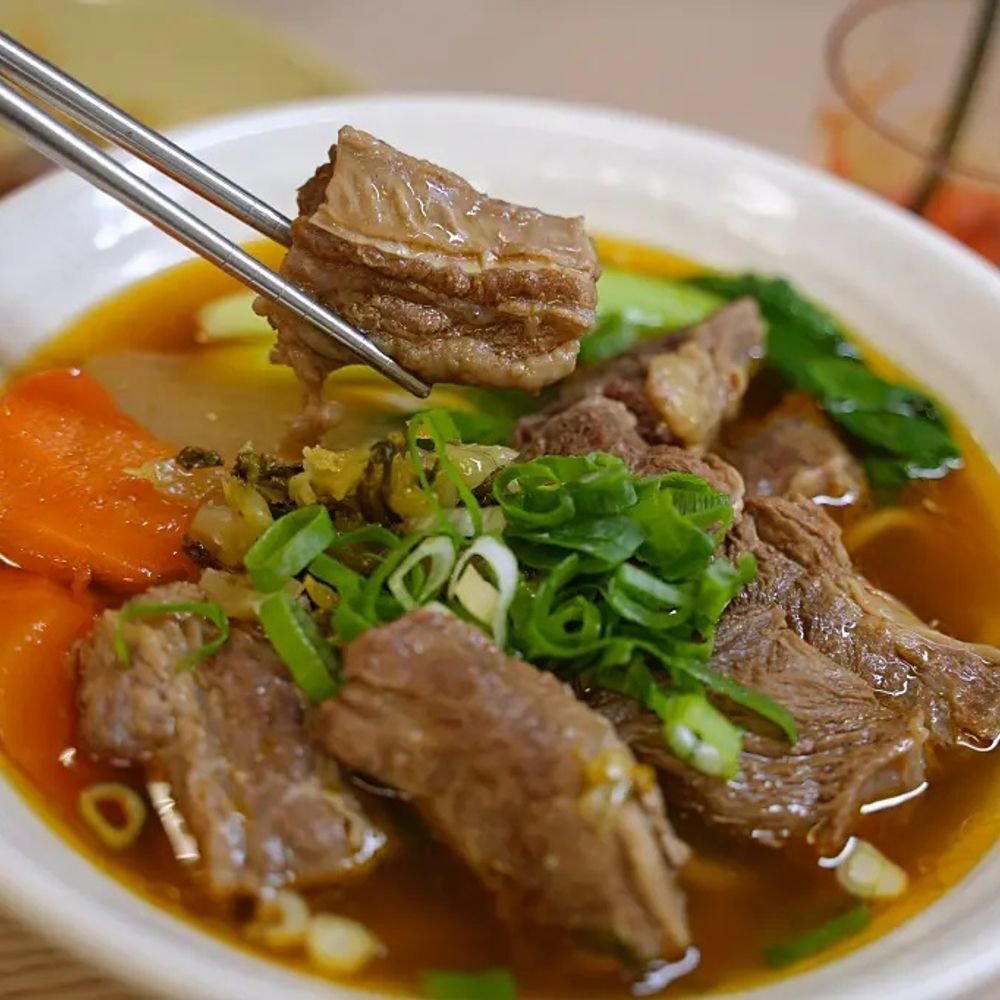
Bars in Hsinchu City
Browse all →
Details
- Lively
- Cozy
- Group Dining
- Casual Hangout
- Family
- Open Kitchen
- Beer Program
- Sake Program
- A La Carte
- Small Plates
- Beer
- Sake
- Pescatarian Friendly
Current opening hours
- Monday
- 11 AM–8:30 PM
- Tuesday
- 11 AM–8:30 PM
- Wednesday
- 11 AM–8:30 PM
- Thursday
- 11 AM–8:30 PM
- Friday
- 11 AM–9 PM
- Saturday
- 10:50 AM–9 PM
- Sunday
- 10:50 AM–8:30 PM
Hours can change for holidays and private events. Hours as of .
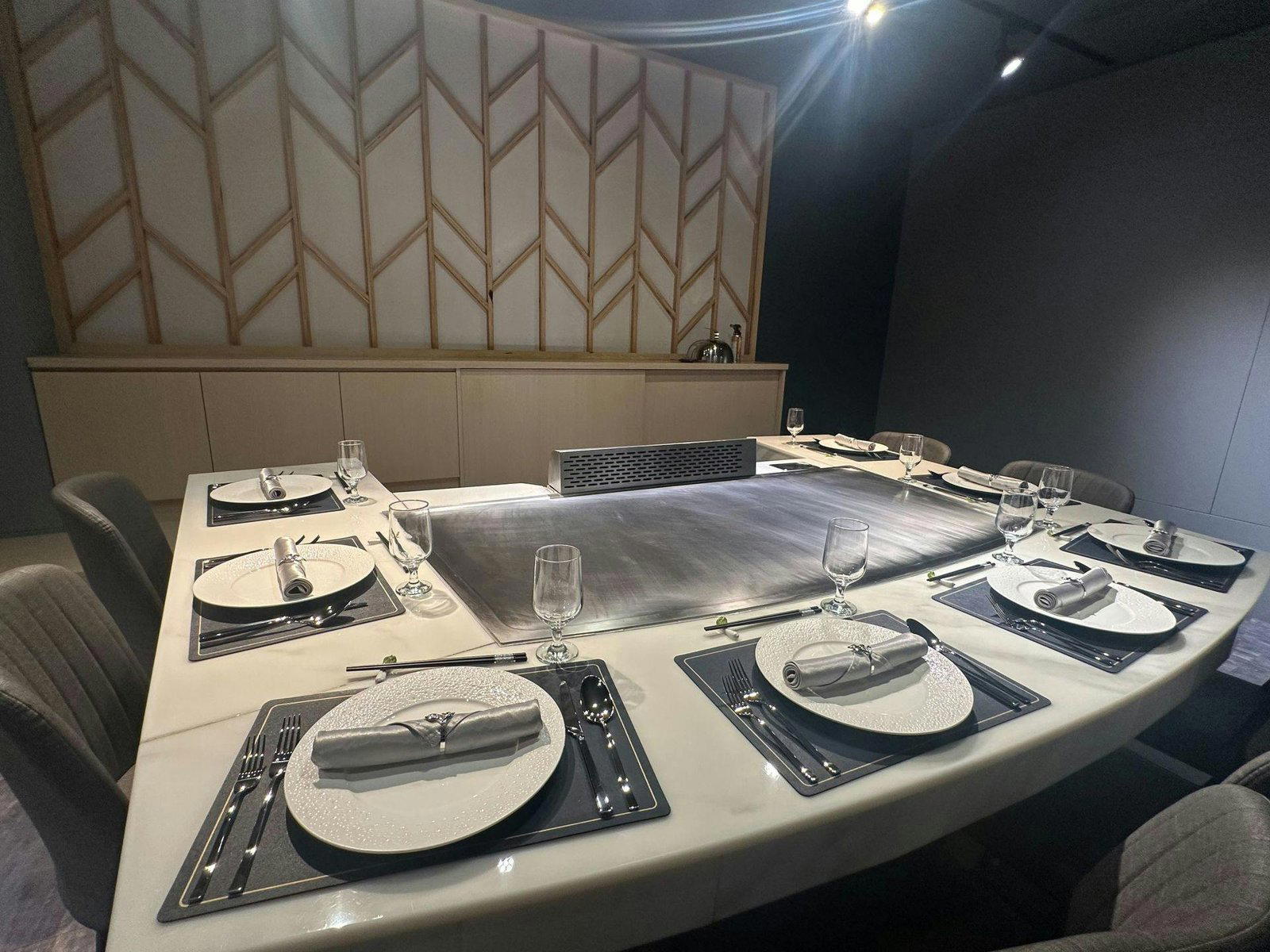
Casual and energetic atmosphere with open grill views, warm lighting, and the sizzle of charcoal fires.