奇園自然料理

A farm-and-sea-to-table spot in Gongliao District, New Taipei City, where the rugged Northeast Coast sets the sourcing agenda. The cooking draws on what the surrounding land and Pacific-facing shoreline produce, making geography the central argument on the plate. For travellers moving along Taiwan's northeastern corridor, it represents a grounding counterpoint to the island's more formal dining circuit.
Pearl is the En Primeur Club membership app — saves, bookings, and concierge access live there. Same editors, same standards.
- Address
- No. 22號, Neiliao St, Gongliao District, New Taipei City, Taiwan 228
- Phone
- +886976255882
- Website
- facebook.com
- Directions
- Get directions
 Saves & bookings on Pearl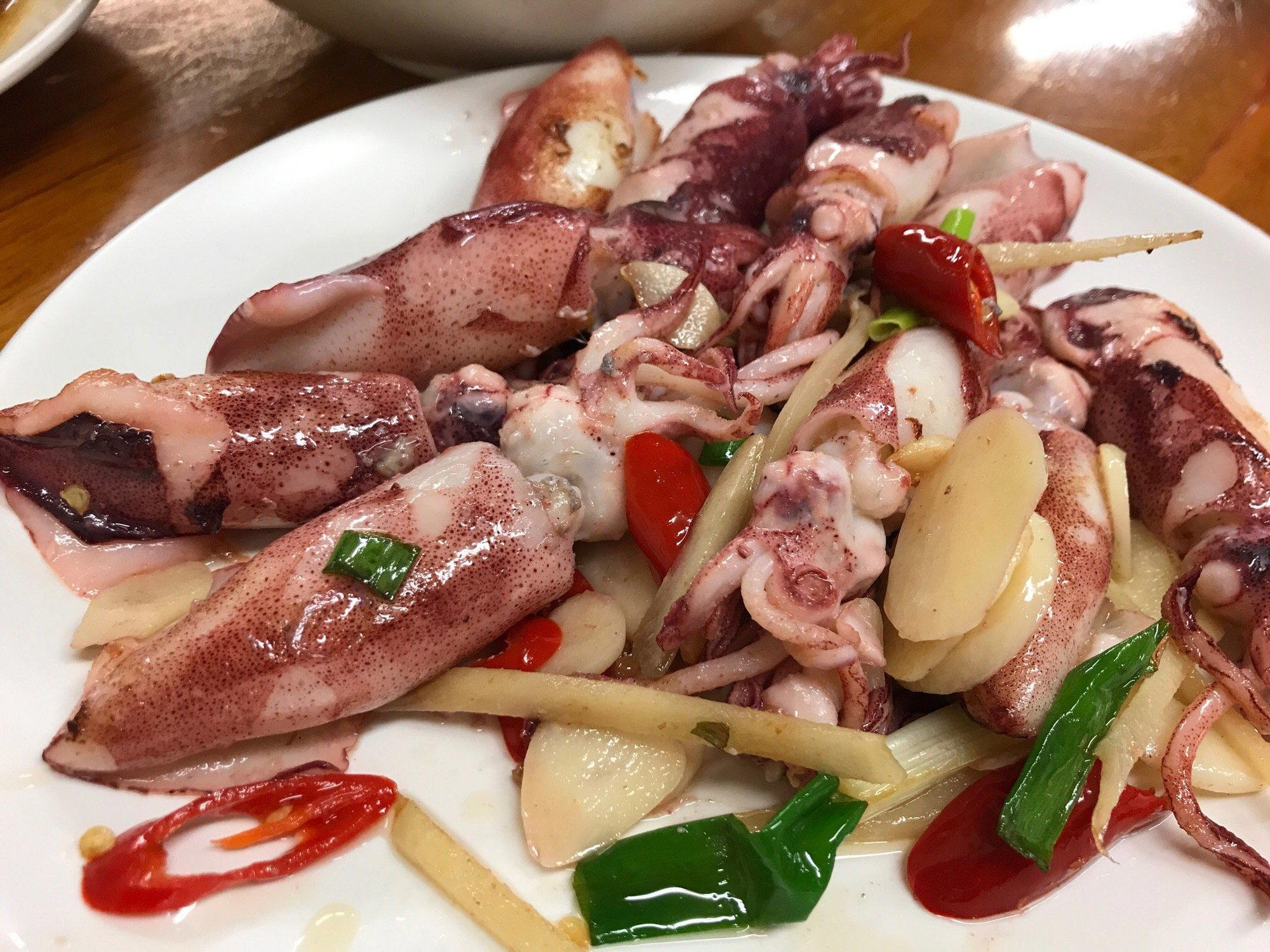
Where the Northeast Coast Determines What Ends Up on the Plate
Gongliao District sits at the northeastern tip of New Taipei City, where the island's mountain spine meets the Pacific and the coastline turns dramatic. The area is better known for Fulong Beach and the annual Sand Sculpture Festival than for its restaurants, which means the dining scene here operates on different terms than Taipei's competitive, award-tracked circuit. Restaurants in this part of the island tend to answer to geography first: the sea is close, the agricultural plots of the Shuangxi and Gongliao valleys are productive, and the logic of cooking what is nearby carries more weight than menu ambition for its own sake. 奉自然食堂 sits inside that framework, at No. 22號, Neiliao Street, an address that already signals distance from the city's restaurant density.
The broader Northeast Coast corridor is worth understanding as a dining region before zooming in on any single table. Taiwan's fine-dining conversation is largely concentrated in Taipei, Taichung, and Tainan, with Michelin-tracked venues like logy in Taipei and JL Studio in Taichung defining a certain register of precision-led, tasting-menu dining. What the northeast coastline offers is structurally different: proximity to fishing harbours, a slower seasonal rhythm, and a set of ingredients, Pacific seafood, mountain vegetables, locally grown rice, that resist the kind of highly technical treatment those urban kitchens favour. The cooking tradition here is less about technique as spectacle and more about sourcing as argument.
Ingredient Geography as the Central Idea
In a country where the farm-to-table framing has been thoroughly absorbed by urban marketing, the northeastern coast retains a more literal relationship between source and plate. Gongliao's fishing boats work the waters between the coast and the outlying islands, bringing in catch that rarely travels far before it is cooked. The agricultural land inland from Neiliao Street sits at low elevation, with the kind of microclimate that produces vegetables with concentrated flavour and rice that local cooks treat as a serious grain rather than a neutral base.
This sourcing geography is not incidental to what 奉自然食堂 does, it is the operating premise. The name itself signals it: 奉自然, roughly translating to honouring or serving nature, frames the kitchen's relationship to its ingredients as one of deference rather than transformation. In Taiwan's dining conversation, that position has genuine resonance. The island's indigenous food traditions, its Hakka agricultural heritage, and its Japanese-era culinary influence all place significant weight on ingredient quality and seasonal honesty. Restaurants like A Xia in Tainan and GEN in Kaohsiung have built serious reputations by working within Taiwan's ingredient traditions, though at a price point and formality level that places them in a different tier from what Gongliao's neighbourhood restaurants offer.
The specific sourcing logic of a restaurant operating on Neiliao Street connects it to a cluster of suppliers and producers that urban restaurants in Taipei actively court. Chefs at places like GARDENh in Yonghe District and Volcanic Rock in Zhubei City have increasingly looked to the northeastern coast for seafood and produce. A restaurant embedded in that geography operates with a supply chain advantage that is structural rather than aspirational.
The Setting and How to Use It
Neiliao Street is a quiet residential and agricultural corridor in the inner reaches of Gongliao District. Arriving here by car from Taipei takes roughly an hour via National Highway 5 and the coastal route, a drive that passes through the Xueshan Tunnel and descends toward the coast through Gongliao's low hills. The physical approach matters because it reframes expectations: this is not a destination restaurant in the urban sense, where the journey is measured in neighbourhoods crossed. It is a destination in the geographic sense, where distance from Taipei is the point.
For travellers using Gongliao as a base for the Northeast Coast Scenic Area, the cliffs at Longdong, the tide pools at Laomei, the surf break at Fulong, the restaurant fits naturally into a day organised around the landscape rather than a dining itinerary. The nearby åéæµ·é®®å°é¤¨ represents another local option worth considering alongside it.
Taiwan's broader restaurant scene rewards travellers who move beyond the Taipei-Taichung axis. Spots like Chenggong Douhua in Chenggong and Ah Zhen Rou Bao in Lukang demonstrate that the island's most instructive eating often happens at a remove from its award-tracked restaurant economy. 奉自然食堂 belongs to that pattern.
Planning Your Visit
Arriving with a degree of flexibility is advisable. The restaurant is walk-in friendly, a common arrangement for neighbourhood restaurants in rural New Taipei districts. Visiting on a weekday reduces the pressure of weekend day-trippers from Taipei who use the Gongliao coast as a leisure destination, particularly during the warmer months from May through September when Fulong Beach draws significant visitor numbers. Outside that window, the northeastern coast in autumn and winter has a particular quality, the Pacific wind is present, the tourist density drops, and the coastal ingredients shift toward what the season produces rather than what the beach crowd expects.
For reference points across Taiwan's dining range, the formal end of the island's restaurant spectrum, venues like Golden Formosa Taiwanese Cuisine in Shilin or 壢壁館香飯 in Hsinchu City, operates at a different register entirely. 奉自然食堂 is better understood alongside neighbourhood-scale Taiwanese restaurants where the sourcing story is the credential, not the awards wall. Internationally, the philosophy shares more with farm-anchored dining in other coastal contexts than with the tasting-menu world of Le Bernardin in New York City or Atomix, though the underlying commitment to ingredient integrity is a value those kitchens would recognise.
Side-by-Side Snapshot
Comparable venues nearby, for context on price, style, and recognition.
| Venue | Cuisine | Price | Notes |
|---|---|---|---|
| 奇園自然料理This venue — the venue you are viewing | Middle Eastern | $$ | Not listed |
| 嘉邑海鮮小館 | Traditional Taiwanese Coastal Seafood | $$ | Gongliao District |
| the old royal thai 老 泰國古典餐廳 | 老皇家泰國古典料理 | $$ | Lukang |
| Cingjing Lumama Restaurant | Authentic Yunnan Shan Cuisine | $$ | Ren'ai Township |
| Uncle Pete's Pizza | Thin-Crust Pizza | $$ | Taitung City |
| 鼎泰豐 Din Tai Fung | Taiwanese Dim Sum | $$ | Xinyi District |
Recognition history
Dated appearances from independent guides and award organizations, with the underlying list record or original source where available.
Michelin Plate
Michelin
Continue exploring
More in Gongliao District
Restaurants in Gongliao District
Browse all →
Bars in Gongliao District
Browse all →

Hotels in Gongliao District
Browse all →
Wineries in Gongliao District
Browse all →
At a Glance
- Casual Hangout
Current opening hours
- Monday
- Closed
- Tuesday
- Closed
- Wednesday
- Closed
- Thursday
- Closed
- Friday
- Closed
- Saturday
- 11 AM–6:30 PM
- Sunday
- 11 AM–5:30 PM
Hours can change for holidays and private events. Last verified .