min food

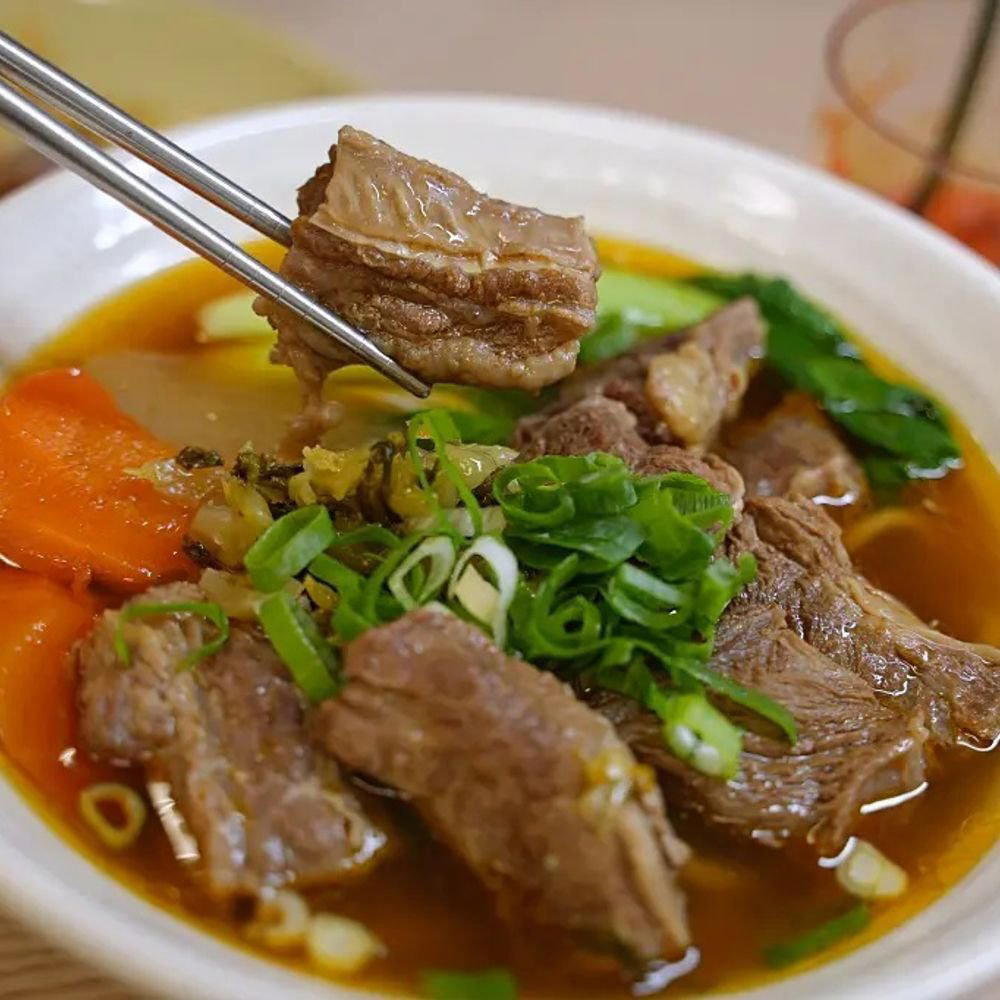
In Hsinchu City's East District, min food makes a case for health-conscious dining that doesn't read as austere. The restaurant's set meals pair a protein anchor, grilled Australian beef tongue among them, with soup, salad, pickles, multigrain rice, fruit, and a small dessert, each component presented with evident care. For anyone eating in Taiwan who wants nutritional balance alongside considered presentation, the sets are the format to order.
Pearl is the En Primeur Club membership app — saves, bookings, and concierge access live there. Same editors, same standards.
- Address
- 22, Lane 18, Jinhua Street, East District
- Phone
- +886 3 535 0908
- Website
- inline.app
- Directions
- Get directions
 Saves & bookings on Pearl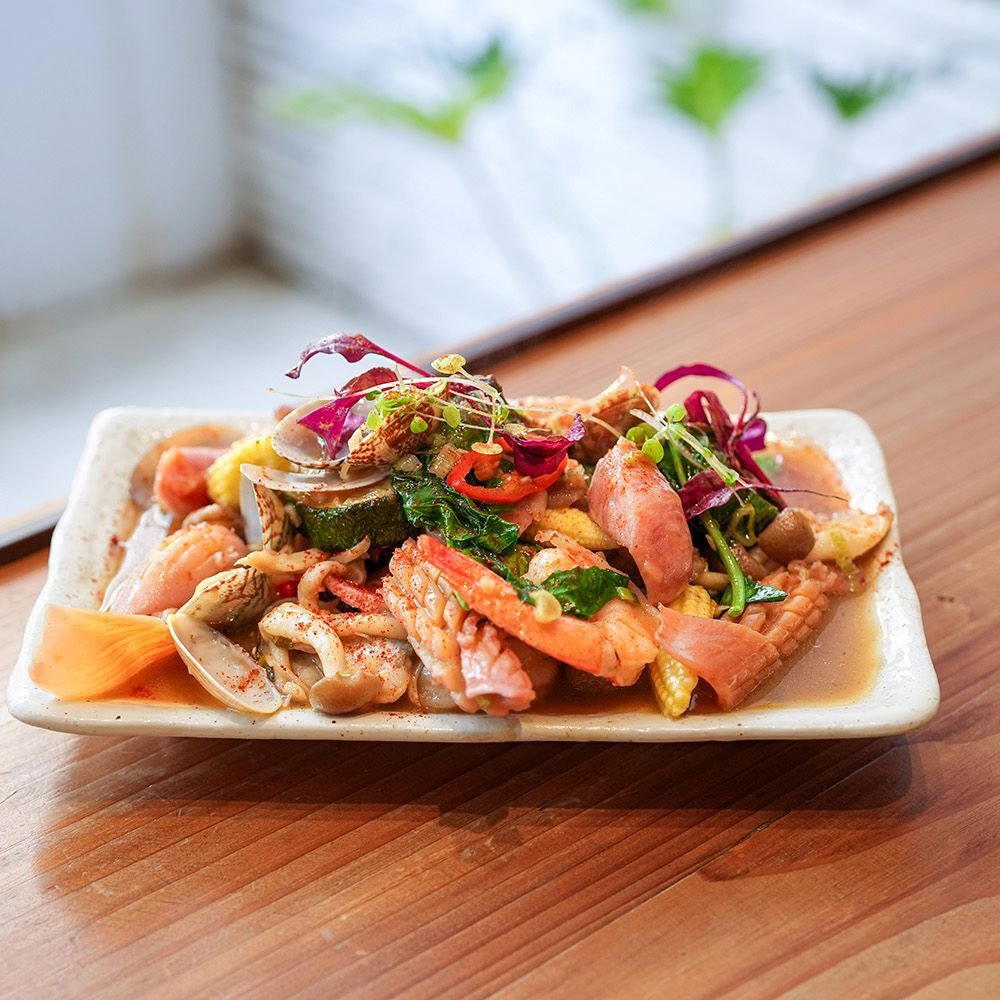
Where Hsinchu's Health-Conscious Dining Finds Its Footing
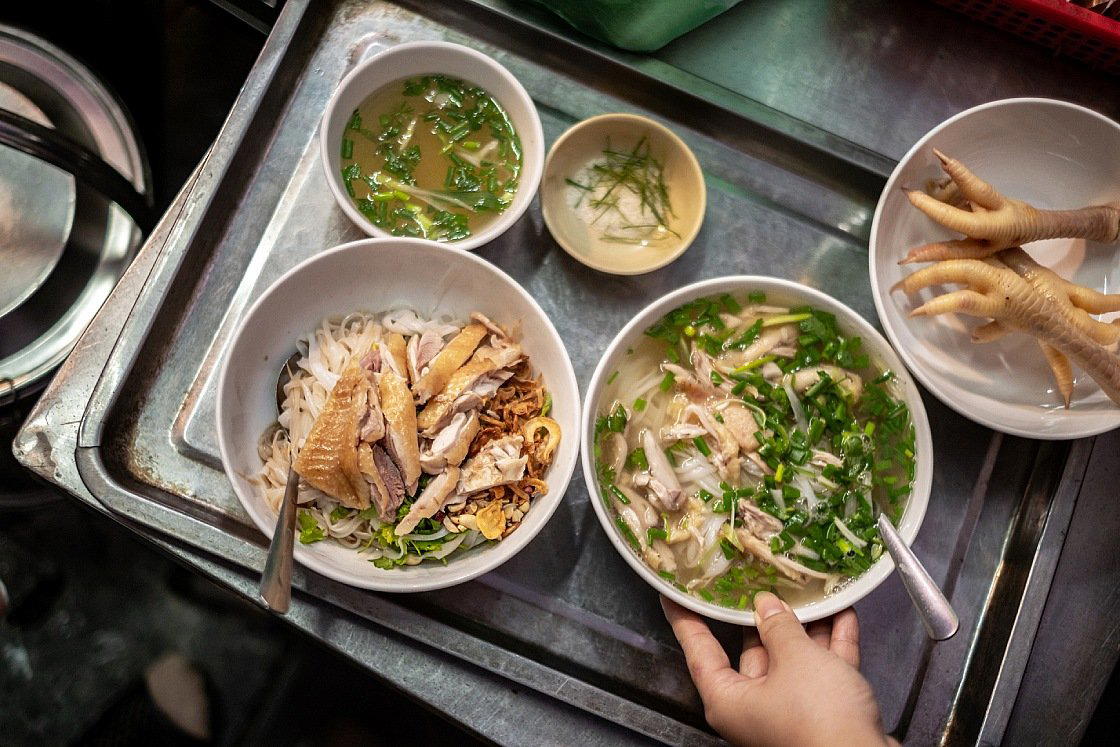
Hsinchu City's dining scene includes rice noodle soups, guabao stalls, and lunch counters that reward regulars with muscle memory rather than menus. That culture has real depth, as places like Dongmen Rice Noodle Soup and Hai Kou Guabao demonstrate. But for those who eat out frequently in Taiwan and want a meal structured around nutritional intention rather than convenience, the options narrow considerably. min food, at 22 Lane 18 Jinhua Street in the East District, occupies that gap directly.
The premise isn't complicated: a set meal format where a protein anchor arrives with soup, salad, pickles, multigrain rice, fruit, and a small dessert. Soup. Salad. Pickles. Multigrain rice in place of white. Fruit. A small dessert. The architecture of the meal is deliberate, and it shows. This is home-style cooking applied with intention, the kind of format that Taiwan's bento tradition gestures toward but rarely delivers at min food's level of presentational care.
The Progression of a Set Meal
The editorial case for set meals in this category of restaurant is simple: à la carte ordering tends to pull toward comfort choices, and the nutritional logic of the meal collapses. min food's sets resist that drift. Each course arrives in a sequence that builds toward satiety without tipping into excess, the portion discipline is part of the format, not a compromise of it.
Grilled Australian beef tongue represents what the kitchen is doing with its protein selections. Sourcing from Australian producers signals a preference for a specific fat profile and texture standard, and beef tongue grilled correctly holds a caramelised exterior against a yielding centre that leaner cuts rarely achieve. Set against the multigrain rice, which carries more fibre and a nuttier register than white rice, and the acidity of the pickles, the meal develops a genuine tasting arc: richness introduced, cut, and resolved. The salad and soup serve as bracketing elements, the fruit and small dessert as a deliberate wind-down rather than an afterthought.
This kind of structural thinking is more common in higher-price-point tasting formats. The restaurant applies a version of that logic to a more accessible register. In that sense, it sits in an interesting position within Taiwan's broader dining culture, which has increasingly split between high-concept fine dining and unreconstructed street formats, with relatively little in between.
Presentation as a Signal
The detail noted most consistently about the restaurant is that every component is beautifully presented, a claim that deserves unpacking rather than simple acceptance. In set-meal formats, presentation tends to slide once the operational volume picks up. The pickles get scooped rather than arranged. The salad arrives compressed in a side bowl. The dessert is an afterthought on a shared plate. The fact that restaurant maintains presentational care across the whole set suggests a kitchen operating with standards applied uniformly, not selectively to the anchor protein alone.
For context, this level of plating discipline is more commonly associated with Taipei's health-focused café-restaurants, where Instagram visibility creates a commercial incentive for visual consistency. Hsinchu, a city more defined by its technology industry than its food culture, has fewer such venues. Places like Garden.V and Chang Chang Kitchen represent different points on Hsinchu's dining range, but health-forward presentation at this level of consistency is the restaurant's specific territory.
How to Eat Here
The recommendation is direct: order the sets. This isn't a place to construct a meal piecemeal; it's a place to let the kitchen's logic run.
The restaurant sits at 22 Lane 18 Jinhua Street in Hsinchu's East District, an address that places it within the residential and commercial fabric of a neighbourhood that doesn't rely on dining tourism for footfall. That's worth noting: the kitchen here is serving a local constituency with regular habits, not a passing visitor trade. Arriving without confirmation carries the risk of a closed door.
Elsewhere in Taiwan, the range of approaches to considered, structured dining is broad. Akame in Wutai Township applies indigenous ingredients to a tasting format with a distinct regional logic. Zhu Xin Ju in Tainan and GEN in Kaohsiung each represent their cities' approaches to thoughtful, structured eating. Volando Urai Spring Spa and Resort in Wulai District packages that logic into a resort dining context. And for international reference points where multi-course sequencing is the central discipline, Le Bernardin in New York City and Emeril's in New Orleans sit at different ends of the American fine dining tradition. Cat House rounds out the Hsinchu options worth knowing.
Peers in This Market
Comparable venues nearby, for context on price, style, and recognition.
| Venue | Cuisine | Price | Notes |
|---|---|---|---|
| min foodThis venue — the venue you are viewing | Cozy Asian Eatery | $$ | Not listed |
| Chang Chang Kitchen | Taiwanese Home-Style | $$ | North District |
| Yeh Shu | Creative Taiwanese | $$ | East District |
| Shih Fang Hsiao Ching | Taiwanese Contemporary | $$ | North District |
| Jun | Modern Japanese | $$$ | Hsinchu City |
| Miao Kou Ya Xiang Fan (Zhongshan Road) | Taiwanese Smoked Duck Rice | $ | North District |
Recognition history
Dated appearances from independent guides and award organizations, with the underlying list record or original source where available.
Michelin Plate
Michelin
Continue exploring
More in Hsinchu City
Restaurants in Hsinchu City
Browse all →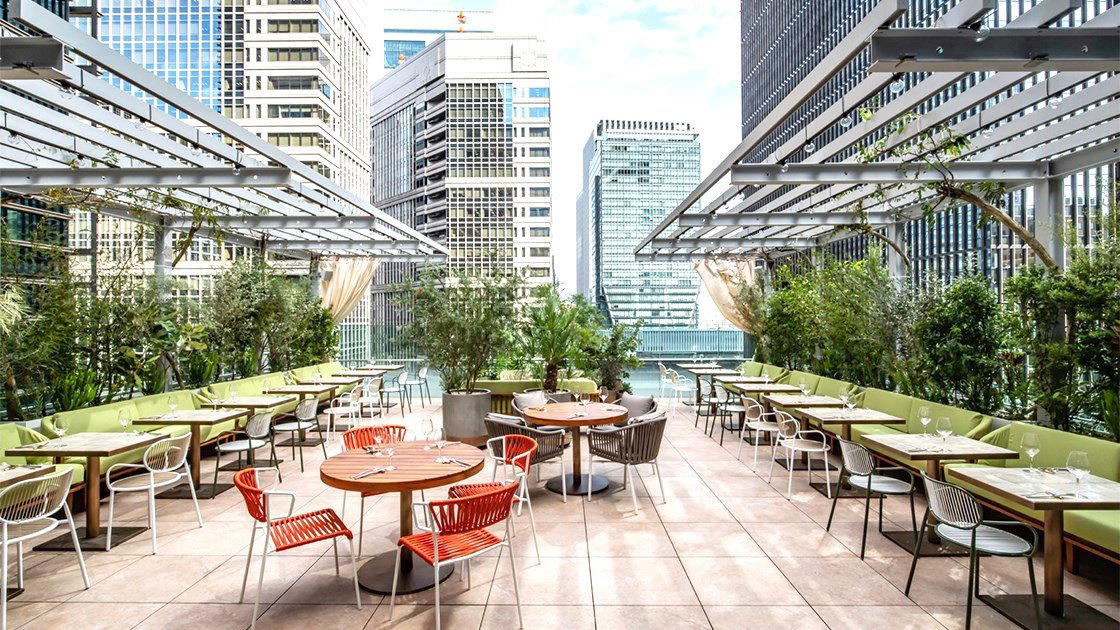
Bars in Hsinchu City
Browse all →
At a Glance
- Cozy
- Modern
- Minimalist
- Casual Hangout
Current opening hours
- Monday
- 11 AM–3 PM, 5:30–9 PM
- Tuesday
- Closed
- Wednesday
- 11 AM–3 PM, 5:30–9 PM
- Thursday
- 11 AM–3 PM, 5:30–9 PM
- Friday
- 11 AM–3 PM, 5:30–9 PM
- Saturday
- 11 AM–3 PM, 5–9 PM
- Sunday
- 11 AM–3 PM, 5–9 PM
Hours can change for holidays and private events. Last verified .
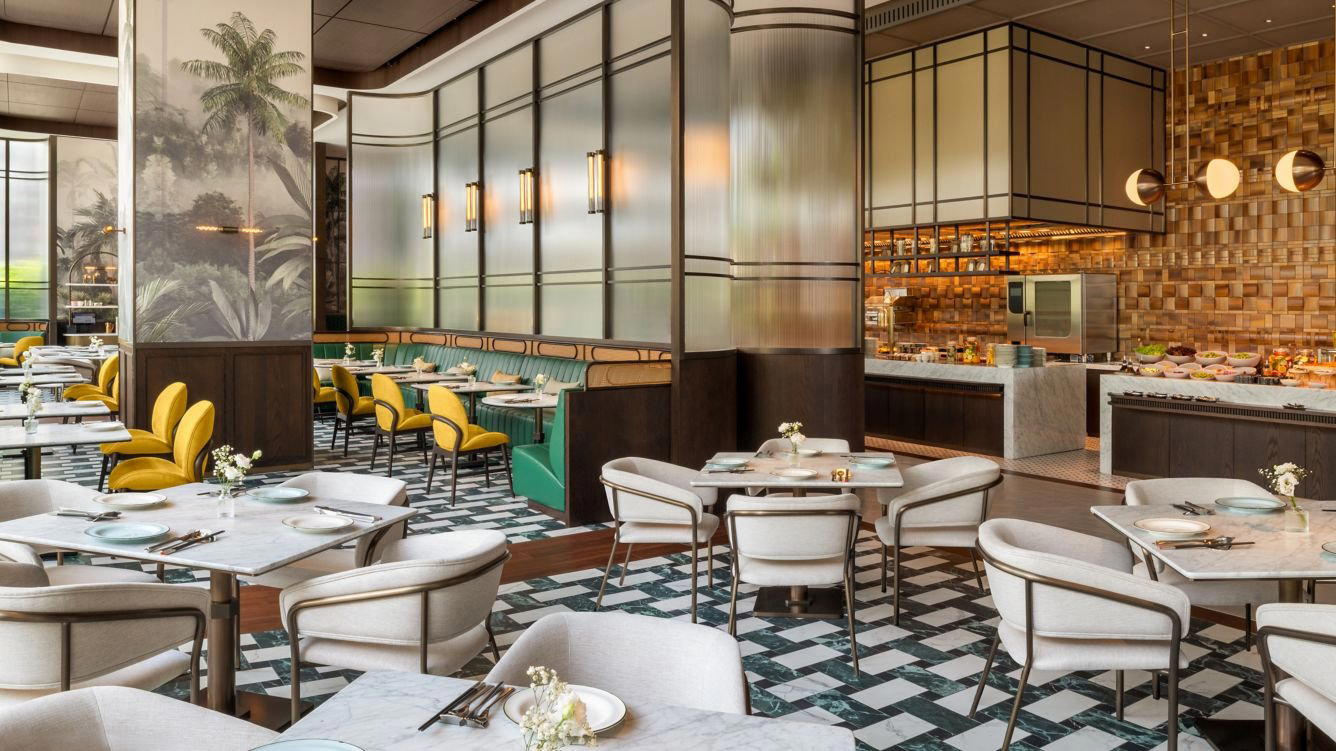
Cozy and refined atmosphere with a palette of gray, white, and wood tones and some greenery, great for photos.