Kao Jai

A Taiwanese chef's dedication to authentic Thai cooking gives Hsinchu City a rare address for the cuisine. The rotating menu at Kao Jai on Shijie Street draws on both local and Thai produce, with the shrimp paste chilli dip acting as the house constant across changing plates. Counter seats put you close to the action.
Pearl is the En Primeur Club membership app — saves, bookings, and concierge access live there. Same editors, same standards.
- Address
- 92 Shijie Street, East District
 Saves & bookings on Pearl
A Counter in Hsinchu That Keeps Pulling People Back
Kao Jai is a Modern Thai Bistro in Hsinchu City, with a price tier of 2 and a counter-focused format. Shijie Street in Hsinchu's East District is not a dining corridor in the way that Taipei's Zhongshan or Taichung's Xitun have become known for concentrated restaurant culture. It is a quieter stretch, and Kao Jai sits on it without fanfare: no elaborate signage campaign, no tasting menu reveal on a PR wire. What the room does offer, particularly from the counter seats the house recommends, is the kind of visibility into a working kitchen that builds repeat custom faster than any other format. You watch the preparation, you ask questions, and the next visit starts before the current one ends.
That dynamic, a small space structured around direct engagement rather than ambient dining, has become one of the defining traits of specialist restaurants in Taiwan's secondary cities. Hsinchu is a city better known internationally for its science park than its dining scene, but addresses like Kao Jai, alongside Garden.V and Chang Chang Kitchen, point to a local scene with genuine convictions about food. The regulars at the restaurant are not casual walk-ins on a first visit. They are people who have oriented a lunch or dinner around this specific address.
What Thai Cooking Looks Like Through a Taiwanese Lens
Taiwan has a long history of absorbing and reinterpreting Southeast Asian cuisines, partly through diaspora communities and partly through the curiosity of local cooks who have spent serious time in source countries. The result is a category of restaurant that sits between strict authenticity and full localisation, and particularly serious examples lean toward sourcing discipline as the measure of fidelity. The restaurant works with both local and Thai produce, which places it in that disciplined middle tier: unwilling to substitute everything, but grounded enough in Taiwanese supply chains to remain practical.
The menu changes, which means checking the restaurant's social media before visiting is not a suggestion but a logistical requirement. Dishes reported to have appeared include satay skewers with a spicy peanut sauce and pickled cucumber relish, a combination that asks for balance rather than heat dominance, and where the relish functions as a reset between bites rather than a garnish. The framing of these dishes rewards attention: this is Thai cooking that understands the structural logic of the cuisine rather than one that reproduces surface flavours.
The element that regulars return to most consistently is the Thai shrimp paste chilli dip, which the kitchen positions as an essential condiment rather than a side option. Across a rotating menu, it acts as the house constant, the flavour signature that makes a second or third visit feel continuous even when the surrounding dishes have changed entirely. That kind of anchor item is a deliberate strategic choice: it gives the regulars something to orient around while the kitchen retains flexibility to change everything else.
The Rotating Menu as a Commitment Device
A changing menu at this scale operates differently from the seasonal revisions that fine dining kitchens run as part of their editorial cycle. At a smaller, more accessible address, the rotation is faster and less announced. The practical implication for first-time visitors is that the specific dishes that drew them in from a social media post may not be present on the night. The implication for regulars is the opposite: returning frequently enough means encountering the full range of what the kitchen can do, building familiarity with the repertoire rather than a single greatest-hits visit.
This format has a parallel in how Taiwanese diners relate to local staples. Places like Dongmen Rice Noodle Soup and Hai Kou Guabao build loyalty through consistency of a single format; the restaurant builds loyalty through the inverse logic of consistent change held together by a stable flavour identity. Both approaches produce the same outcome: a clientele that returns not because they have no other options but because the specific experience is not replicable elsewhere in the city.
For those tracking the broader development of Thai food in Taiwan, the restaurant belongs to a cohort distinct from the large Thai restaurant chains operating in Taipei's commercial zones. The comparison point is not a high-profile tasting menu address like JL Studio in Taichung or logy in Taipei, where the frame is fine dining with Southeast Asian ingredient influence. The restaurant is operating in a more direct register: a specialist cook applying serious sourcing and technique to dishes that are meant to taste like the cuisine they reference, not to comment on it.
Planning a Visit
The restaurant is at 92 Shijie Street in Hsinchu's East District. Because the menu rotates and the format is compact, checking the restaurant's social media ahead of any visit is the standard operating procedure for those who have been before, and it should be for first-timers as well. Counter seats are the recommended position if available: they provide a direct line of sight to the kitchen and the interaction that defines the experience at this kind of address. The absence of a listed phone number or booking website suggests that contact and reservations run through social channels, which is consistent with how smaller specialist restaurants in Taiwan's regional cities tend to operate.
Hsinchu has a wider dining circuit worth mapping alongside any visit. Cat House offers a different register entirely, and the full Hsinchu City restaurants guide covers the breadth of the local scene. For those extending the trip, the Hsinchu City hotels guide, bars guide, wineries guide, and experiences guide cover the surrounding options. Elsewhere in Taiwan, GEN in Kaohsiung, Zhu Xin Ju in Tainan, and Akame in Wutai Township represent other specialist approaches worth considering in the same trip. Further afield, Volando Urai Spring Spa and Resort in Wulai District offers a contrast in format and setting.
The Minimal Set
Comparable venues nearby, for context on price, style, and recognition.
| Venue | Cuisine | Price | Notes |
|---|---|---|---|
| Kao JaiThis venue — the venue you are viewing | East District, Modern Thai Bistro | $$ | Not listed |
| Chang Chang Kitchen | North District, Taiwanese Home-Style | $$ | Not listed |
| min food | East District, Cozy Asian Eatery | $$ | Not listed |
| Yeh Shu | East District, Creative Taiwanese | $$ | Not listed |
| Cat House | Not listed | $$ | Hsinchu City, Chinese Provincial Vegetarian Noodles |
| TAIVII | Not listed | $$$ | East District, Modern Hakkanese Taiwanese |
Recognition history
Dated appearances from independent guides and award organizations, with the underlying list record or original source where available.
Michelin Plate
Michelin · 2026 Michelin Plate
Continue exploring
More in Hsinchu City
Restaurants in Hsinchu City
Browse all →
Bars in Hsinchu City
Browse all →
At a Glance
- Lively
- Cozy
- Trendy
- Casual Hangout
- Date Night
- Open Kitchen
- Local Sourcing
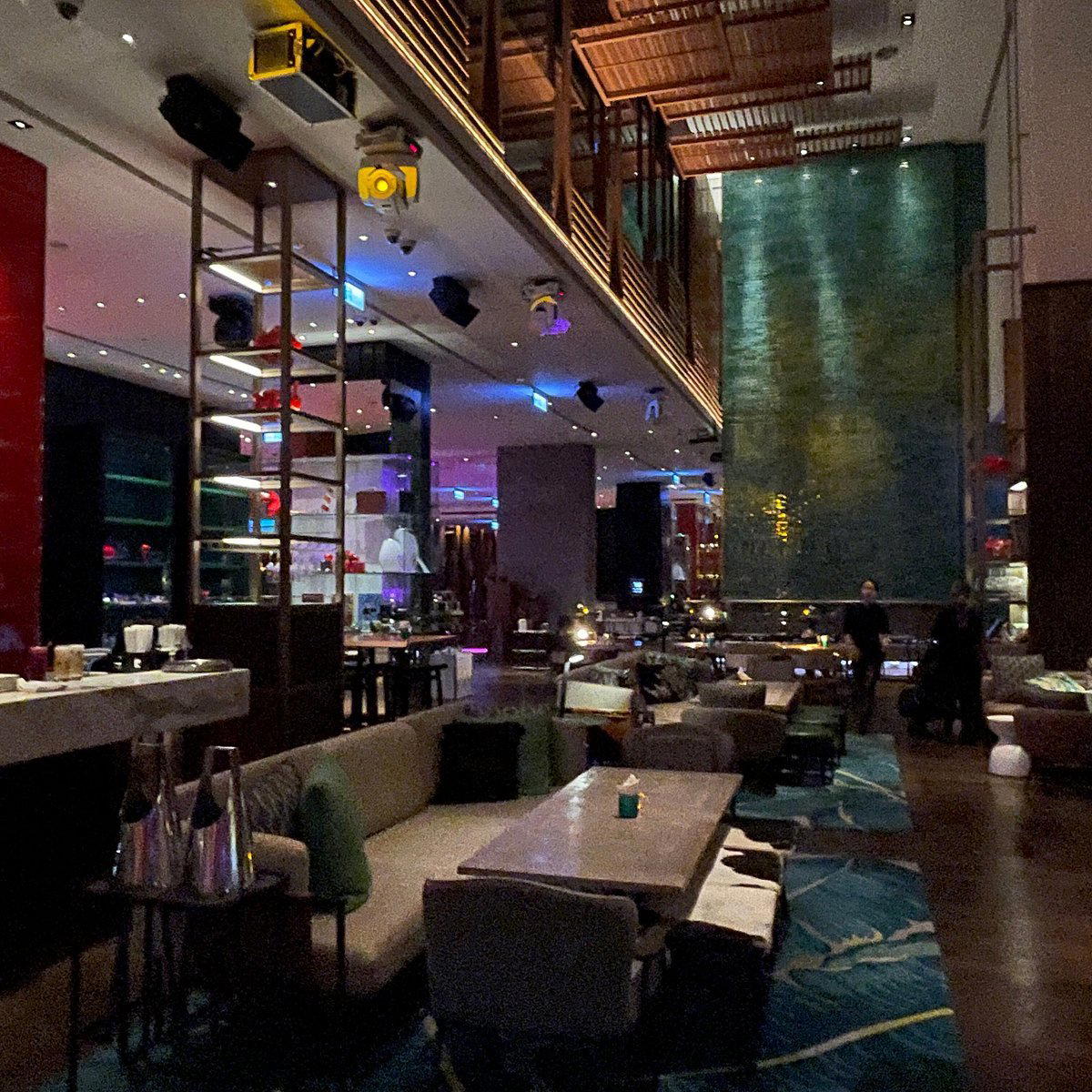
Lively counter experience with homey Thai decor including artifacts, ornate tablecloths, and flowery enamelware.