
On a quiet stretch of Zhongzheng Road in Beipu Township, this retro-styled shop has become a reference point for chhau-a-koe, the traditional Hakkanese sticky rice bun. The savoury version is packed with shredded white radish, dried shrimps, lard, and ground pork; the sweet version incorporates Chinese mugwort for a distinctive herbal note. A working model of how Hakka street food survives on recipe fidelity rather than reinvention.
Pearl is the En Primeur Club membership app — saves, bookings, and concierge access live there. Same editors, same standards.
- Address
- 49 Zhongzheng Road, Beipu Township
- Phone
- +886 3 580 5835
- Website
- zeugi.co
- Directions
- Get directions
 Saves & bookings on Pearl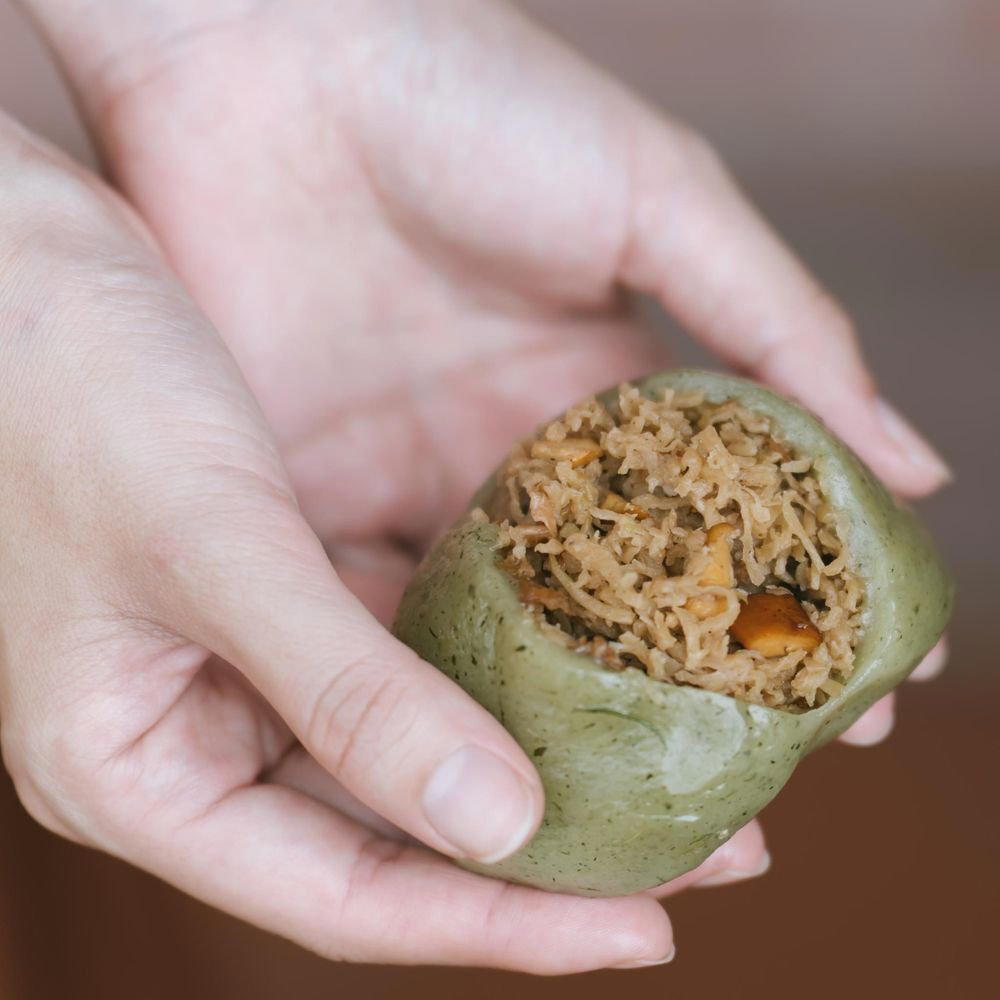
Where Beipu's Hakka Street Food Tradition Holds Its Ground
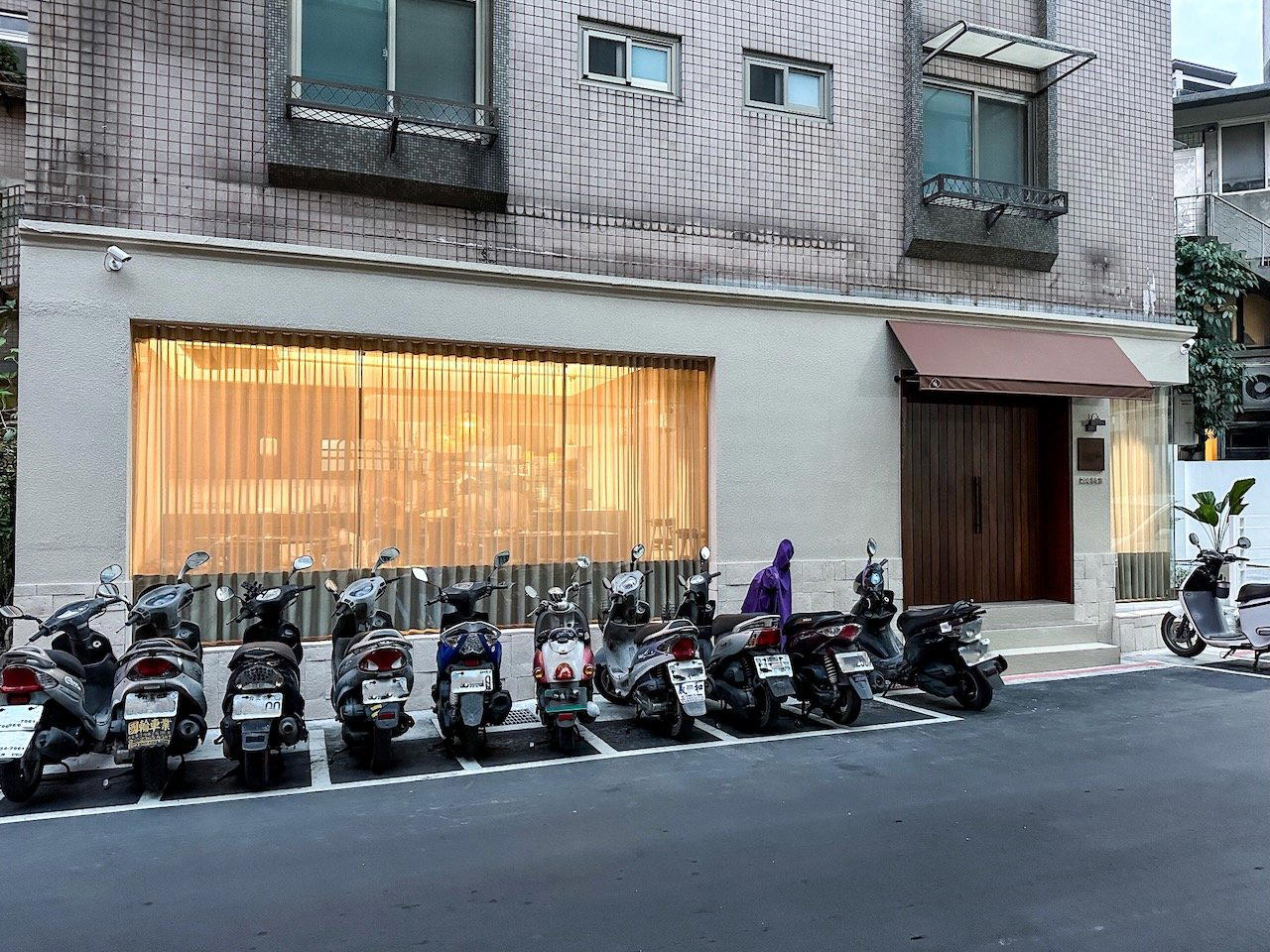
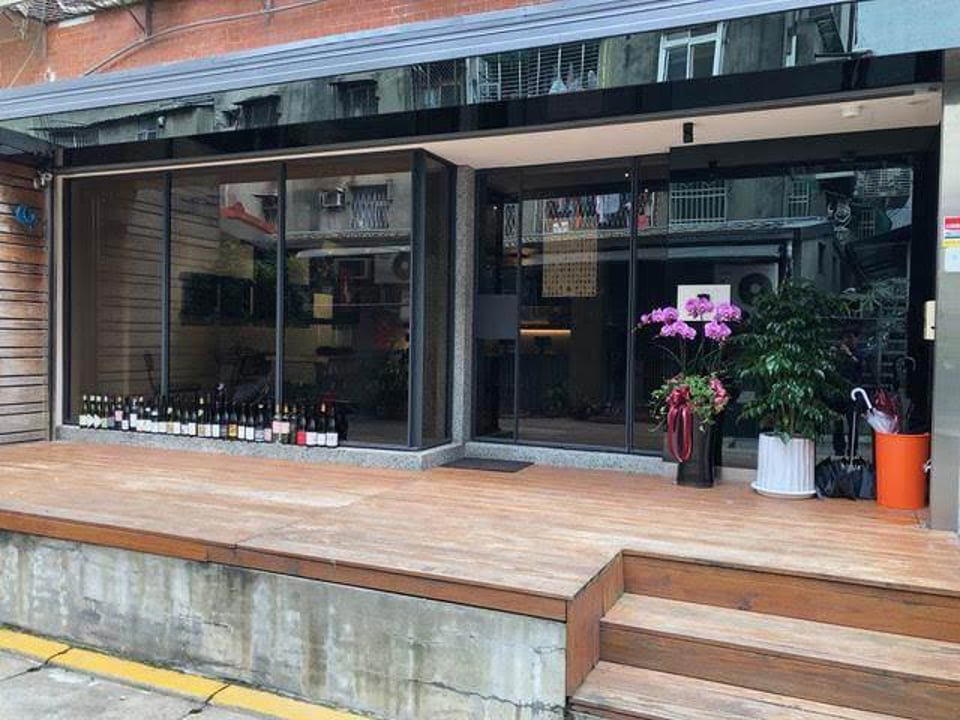
Beipu Township sits in the hills of Hsinchu County, among the more concentrated pockets of Hakka culture in northern Taiwan. The food here sustains a community that has eaten the same dishes across generations, and the shops along Zhongzheng Road reflect that continuity with little ceremony. Tsou Chi Cai Bao occupies a modest space on that strip, dressed in a retro aesthetic that sits somewhere between nostalgic and self-aware, wood surfaces, faded signage, the kind of visual shorthand that signals respect for what came before. The chhau-a-koe coming out of this kitchen, however, earns its reputation on substance rather than styling.
Chhau-a-koe and What It Represents in Hakka Food Culture
Across Hakka communities in Taiwan, chhau-a-koe occupies a specific role: a practical, portable food made from what the land and the pantry offered. The dough combines sticky rice flour and long-grain rice flour, producing a texture that is both yielding and resilient, soft enough to fold without cracking but with enough body to hold a generous filling. This is not the gossamer dumpling skin of Shanghainese tradition, nor the dense wheat wrapper of northern Chinese bao. It belongs to a rice-farming culture where the ingredient itself was the point.
The savoury version at Tsou Chi Cai Bao follows the traditional formula: shredded white radish, dried shrimps, lard, and ground pork. Each component has a job. The radish provides bulk and a mild bitterness; the dried shrimps concentrate umami without overwhelming the filling; the lard binds and enriches; the ground pork anchors the whole thing in familiar, clean protein. This is a recipe built for sustenance, not spectacle, and the proportions here are described as generous, a choice that communicates confidence in the product rather than a calculation about margin.
Taiwan's broader food scene has spent the past decade finding ways to reframe traditional Hakka cooking for a new generation of diners. JL Studio in Taichung and logy in Taipei operate at the fine-dining end of that conversation, taking inherited flavours into tasting menu formats. GEN in Kaohsiung and Zhu Xin Ju in Tainan approach regional tradition through different lenses. Tsou Chi Cai Bao sits at the opposite end of that spectrum: it makes the case that the original format does not need upgrading.
The Mugwort Detail and Why It Matters
The sweet version of chhau-a-koe offers a second reading of the same dough-and-filling logic, with taro or red bean as the filling options. What separates Tsou Chi Cai Bao's approach here is the use of Chinese mugwort in the dough for the sweet version. Mugwort, known in Mandarin as aicao, has deep roots in Hakka and broader Taiwanese food culture. It turns the dough green and introduces a herbal, slightly bitter aromatic that cuts through the sweetness of the filling. The practice traces directly to the shop's grandmother-derived recipe, which places it in the category of transmitted knowledge rather than creative invention.
That distinction matters in a food culture increasingly attentive to provenance. The mugwort detail is not a differentiating flourish added to a generic recipe. It is the recipe, the thing that was there before, being held in place. In a regional food scene where Hakka cooking risks being reduced to a checkbox on a heritage tourism itinerary, shops that maintain ingredient-level fidelity to a specific family lineage carry a different kind of authority.
Beipu as a Food Destination
Beipu is a short drive or bus ride from Hsinchu City, and its Old Street area draws visitors specifically for Hakka food and preserved shophouse architecture. The concentration of traditional food producers here means that a visit to Tsou Chi Cai Bao fits naturally into a broader exploration of the township's food culture. Ang Gu, Bebu, Chuan Fu, Firoo, and Geng Ye Yue Mei represent the wider range of eating in Hsinchu County, from traditional formats to newer entries. For anyone building a deeper picture of the region's food, our full Hsinchu County restaurants guide maps the full range.
The kind of recipe fidelity on display here finds a counterpart in the commitment to classical foundations at Le Bernardin in New York City and Emeril's in New Orleans, where the weight of a culinary tradition shapes every decision on the plate.
Budget and Context
Comparable venues nearby, for context on price, style, and recognition.
| Venue | Cuisine | Price | Awards | Notes |
|---|---|---|---|---|
| Tsou Chi Cai Bao (Zhongzheng Road)This venue — the venue you are viewing | Beipu Township, Hakkanese Small Eats | $ | Bib Gourmand | Not listed |
| Lao Tou Pai | Beipu Township, Traditional Hakkanese | $$ | Michelin Plate | Not listed |
| Bebu | Beipu Township, Hakka | $$ | Bib Gourmand | Not listed |
| Ko Chia Pen Se | Beipu District, Hakkanese | $$ | Michelin Plate | Not listed |
| Mud Brick House | Beipu Township, Hakka | $$$ | Michelin Plate | Not listed |
| Dongmen Rice Noodle Soup | Not listed | $ | Bib Gourmand | East District, Traditional Taiwanese Thick Rice Noodle Soup |
Recognition history
Dated appearances from independent guides and award organizations, with the underlying list record or original source where available.
Michelin Bib Gourmand
Michelin

At a Glance
- Retro
- Cozy
- Casual Hangout
Current opening hours
- Monday
- Closed
- Tuesday
- Closed
- Wednesday
- Closed
- Thursday
- Closed
- Friday
- Closed
- Saturday
- 10:30 AM–5 PM
- Sunday
- 10:30 AM–5 PM
Hours can change for holidays and private events. Last verified .
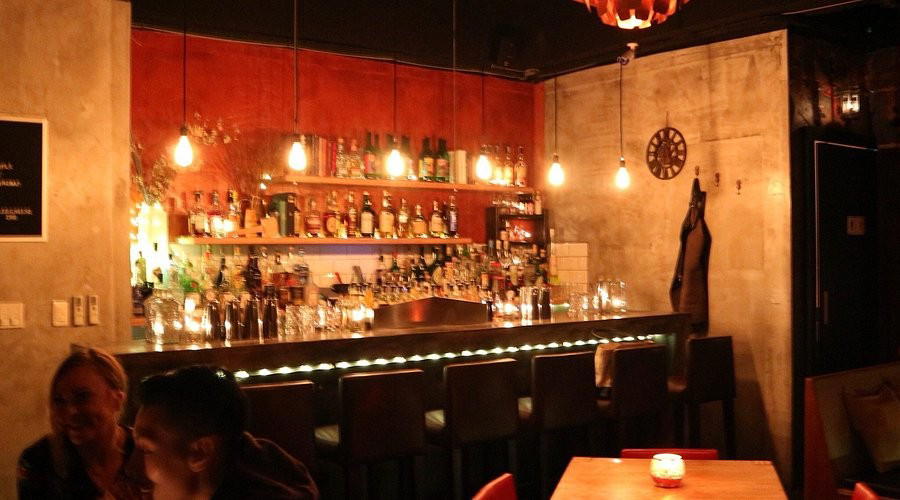
Retro hipster vibe.