壽山 occupies a quiet address in Sapporo's Chuo Ward, where the dining pace slows to match Hokkaido's seasonal rhythms. The restaurant sits within a broader tier of Sapporo establishments that prioritise ritual and restraint over spectacle, drawing guests who arrive knowing the meal will be as much ceremony as sustenance. Booking and planning ahead is advised for this address.
Pearl is the En Primeur Club membership app — saves, bookings, and concierge access live there. Same editors, same standards.
- Address
- Japan, 〒060-0042 Hokkaido, Sapporo, Chuo Ward, Odorinishi, 17 Chome−2−8 グラシアス大通 1階
- Phone
- +815058704555
- Website
- hitosara.com
- Directions
- Get directions
 Saves & bookings on Pearl
The Rhythm of a Meal in Hokkaido's Finest Dining Rooms
In Sapporo's Chuo Ward, the streets west of Odori Park grow quieter as they reach the 17-chome end of Odori Nishi. The density of neon thins, the foot traffic settles, and what remains are addresses where the point is the meal itself — its pacing, its sequence, its etiquette. 壽山 sits on this quieter stretch, inside the Gracia Odori building, at the kind of remove from the city's louder precincts that tells a diner something before they even step inside: this is not a place designed around convenience or volume.
Sapporo occupies an unusual position in Japan's fine dining hierarchy. It is far enough from Tokyo, Kyoto, and Osaka to have developed its own culinary identity, and close enough to Hokkaido's primary producers — its fishing ports, dairy farms, and vegetable fields, to claim genuine proximity to the source. That proximity shapes the ritual of eating here in ways that differ from the capital. In Tokyo, the leading omakase and kaiseki counters often compete through technique and lineage. In Sapporo, the ingredient itself carries more weight in the room, and the meal's pacing tends to reflect that: more attention to provenance, more silence around the plate.
Where 壽山 Sits in Sapporo's Dining Order
Sapporo's premium dining tier has diversified considerably over the past decade. Sushi-focused rooms like Arima (Sushi) hold one position in the hierarchy; kaiseki traditions are anchored by addresses like Hanakoji Sawada (Kaiseki); and a younger generation of chefs, represented in part by aki nagao and Higebozu, has pushed the city's ambitions toward a more contemporary register. Within this landscape, 壽山 occupies territory where dining is understood primarily as structured ceremony: a meal with a fixed arc, a clear beginning and end, and a set of unspoken expectations about how a guest participates in that arc.
For comparison, the kaiseki tradition in Kyoto, exemplified by rooms like Gion Sasaki in Kyoto, is built on a centuries-old codified sequence. Sapporo's equivalent is younger and less formally codified, but the underlying logic is similar: the kitchen controls the tempo, the guest follows it, and the quality of the evening depends in large part on both parties honouring that contract. 壽山's position within this category places it alongside establishments where arriving late, requesting heavy modifications, or rushing a course would register not merely as inconvenient but as a misunderstanding of what the room is for.
The Dining Ritual: Pacing, Etiquette, and What the Meal Asks of You
The ritual of eating at a Sapporo establishment of this tier begins before the first course arrives. Reservations at addresses in this bracket typically require advance planning, sometimes weeks, sometimes longer, and the booking process itself signals the register of the experience to come. Walk-ins are not the model here. The meal is constructed in advance, staffed to a specific count, and calibrated to a sequence that cannot easily absorb a late addition or a last-minute departure. Guests who have dined at comparable counters in Japan, whether at Harutaka in Tokyo or HAJIME in Osaka, will recognise the convention: the room runs on trust between kitchen and diner, and the logistics of that trust are established at the point of booking.
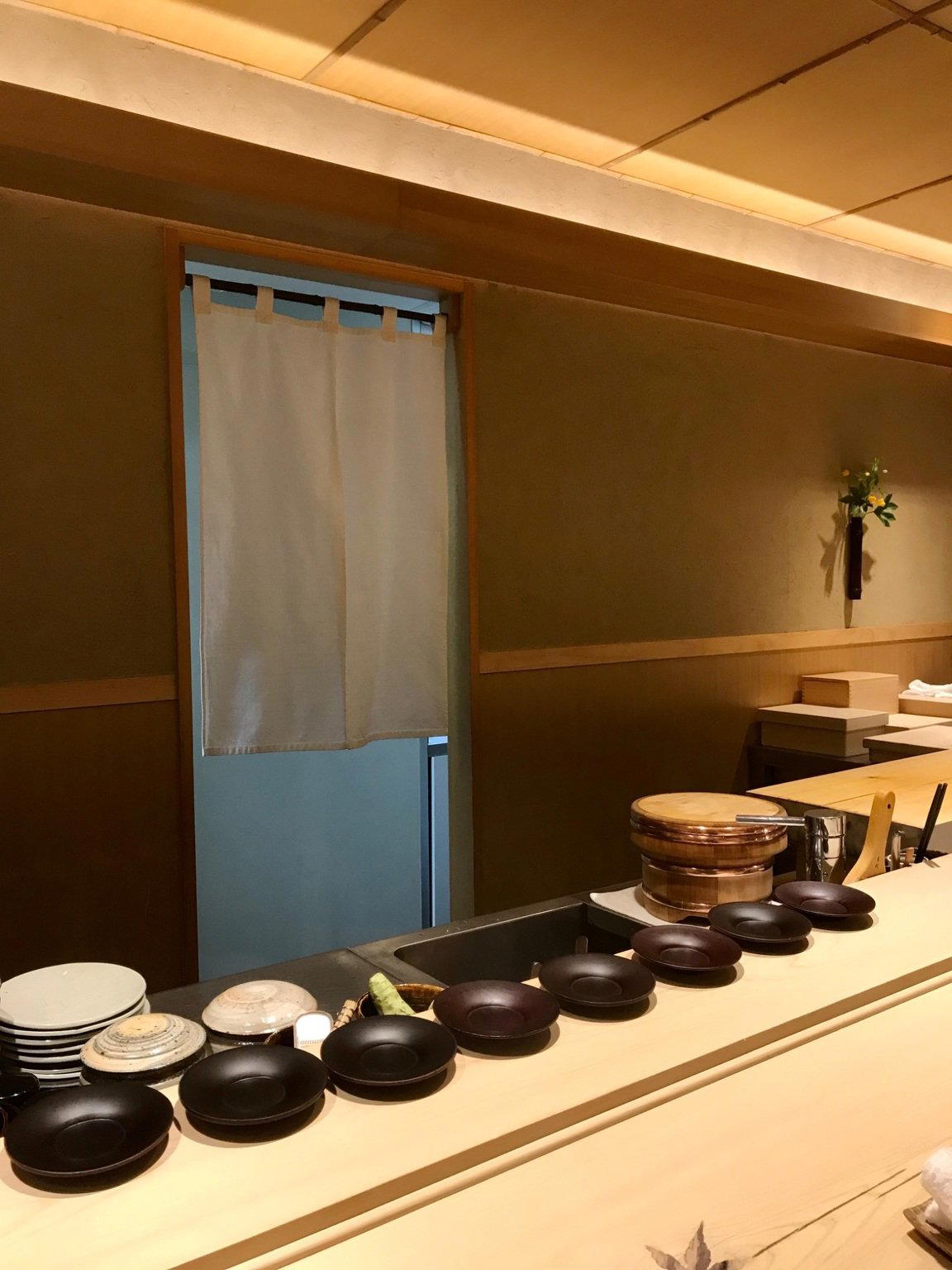
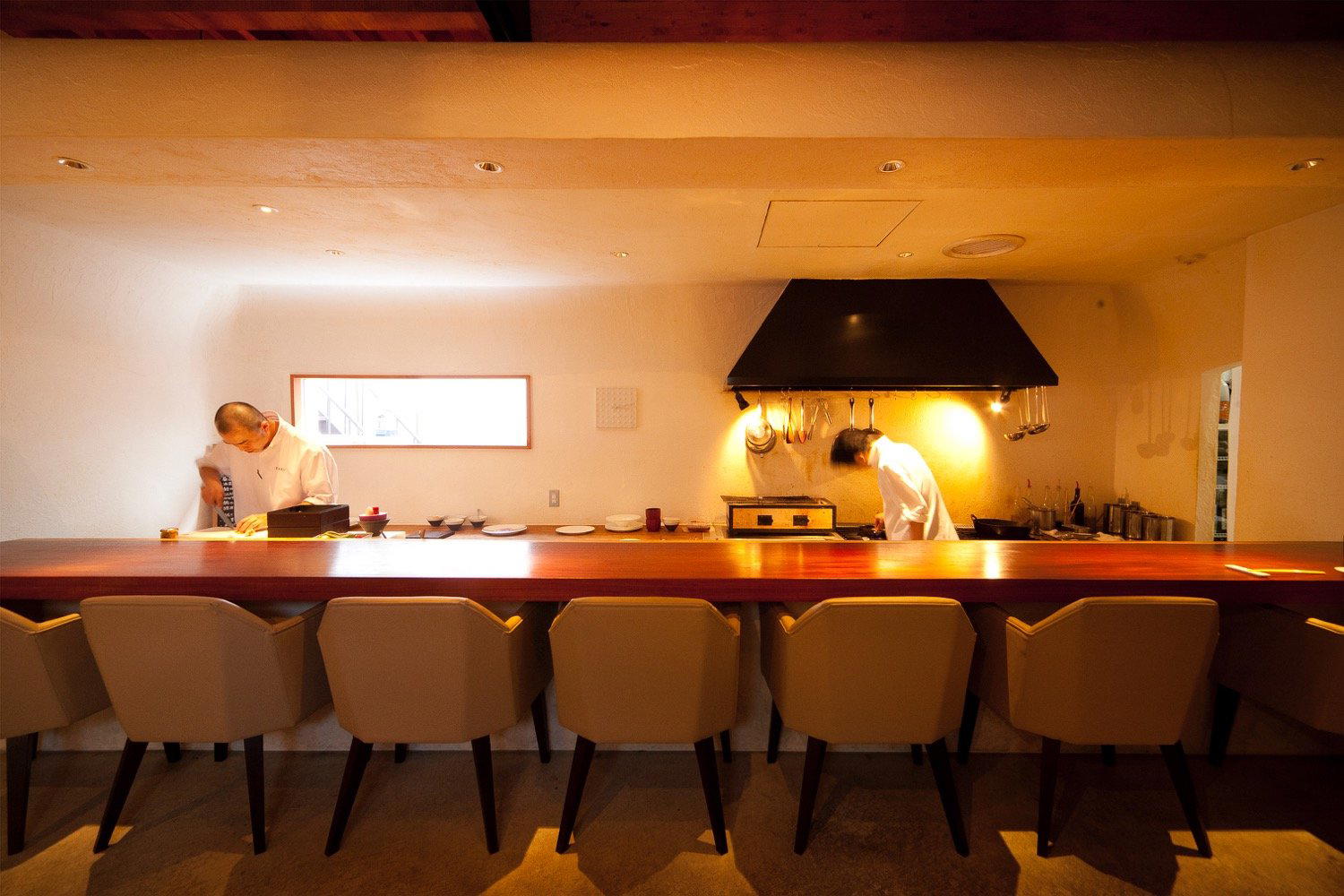
Inside, the pacing is deliberate. Courses arrive when the kitchen determines they should, not when a diner signals impatience. This is not slow service in the pejorative sense; it is the opposite of the rushed, transactional meal. Each interval between courses is functional, allowing digestion, conversation, and the kind of attention that makes the next plate register more clearly. Diners who approach this format as passive recipients tend to leave satisfied but slightly disoriented. Those who understand the ritual as participatory, who arrive having eaten lightly, who engage with the sequence rather than fighting it, find the format rewards that engagement proportionally.
The Hokkaido ingredient calendar shapes the meal's content in ways that have no equivalent in more southerly Japanese cities. Crab seasons, scallop runs, the brief windows when particular mountain vegetables appear, these are not abstractions in Sapporo dining rooms. They are the actual structure of the menu. Establishments in this tier, including 壽山, operate inside that seasonal logic in ways that mean the meal in February and the meal in August are not merely variations on a theme but genuinely different constructions. This is a further reason why a single visit, timed around a particular season, carries more weight here than in cities where year-round supply chains flatten the calendar.
Sapporo in the Broader Context of Japanese Culinary Ambition
Sapporo is not yet as internationally recognised as Kyoto or Tokyo in the fine dining conversation, but the gap has been narrowing. The city now draws visitors who specifically structure itineraries around its dining rooms, rather than treating those rooms as secondary to other attractions. Peers in Japan's regional scene, including Goh in Fukuoka and akordu in Nara, demonstrate that Japan's most considered dining experiences are no longer exclusively concentrated in the three major urban centres. Sapporo fits that pattern, and 壽山 fits within Sapporo's contribution to it.
For those building a broader Japan itinerary around serious dining, the city also functions as a point of departure for Hokkaido's more remote culinary traditions. Addresses like 一本木 川島製 in Nanao and 羽根屋 in Nishikawa Machi, along with regional outliers such as 琵琶湖荘 in Takashima, illustrate how Japan's regional dining infrastructure extends well beyond the obvious cities. Sapporo sits at the accessible end of that spectrum, offering the logistical ease of a large city alongside the sourcing advantages of a northern island with distinct seasons and distinct produce. Rooms like Hidetaka and comparators further afield, including Birdland in Sakai and Bistro Ange in Toyohashi, reinforce how varied Japan's regional fine dining has become at the tier just below its most internationally cited names.
Planning a Visit to 壽山
壽山 is located at 17-chome 2-8, Odori Nishi, Chuo Ward, Sapporo, inside the Gracia Odori building, first floor. The Chuo Ward address puts it within reach of central Sapporo, accessible from the Odori subway station without significant transit difficulty. Given the format, contacting the restaurant in advance to confirm current availability and any dietary considerations is the appropriate approach, the meal's structure makes late-stage adjustments difficult, and any dietary requirements are leading communicated at the point of reservation rather than on arrival. Those planning around a specific Hokkaido season will find that aligning the visit with the ingredient calendar, rather than treating the timing as incidental, produces a materially different experience. For a full picture of where 壽山 sits in the city's dining order, our full Sapporo restaurants guide maps the broader scene.
Category Peers
A quick peer reference to anchor this venue in its category.
| Venue | Cuisine |
|---|---|
| 壽山This venue — the venue you are viewing | Not listed |
| Arima | Sushi |
| Hanakoji Sawada | Kaiseki |
| Le Musee IDEA | French |
| Nukumi | Crab |
| Menya Saimi | Ramen |
Continue exploring
More in Sapporo
Restaurants in Sapporo
Browse all →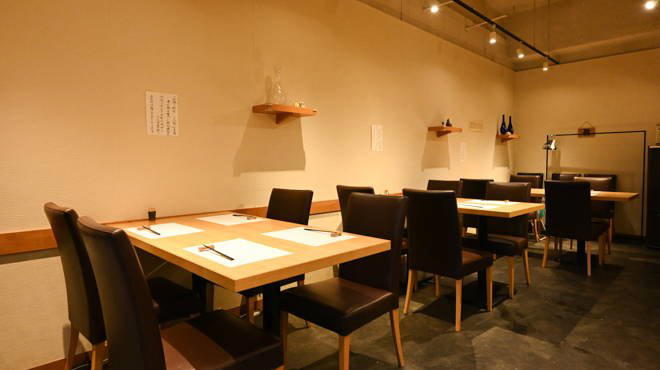
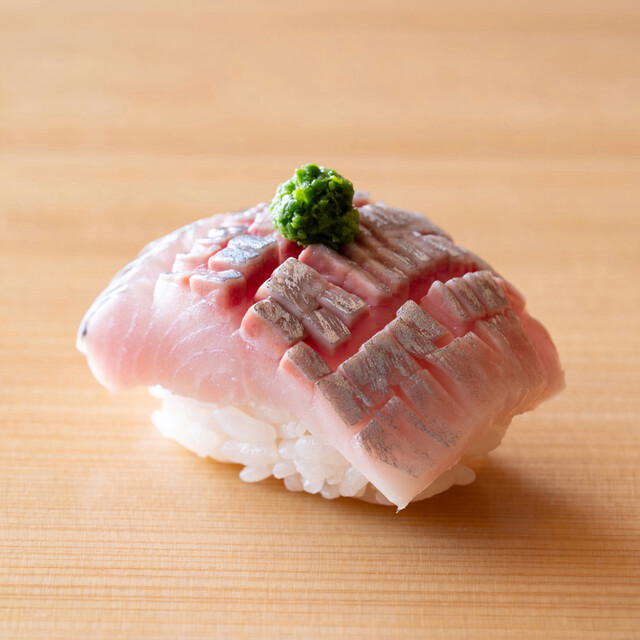
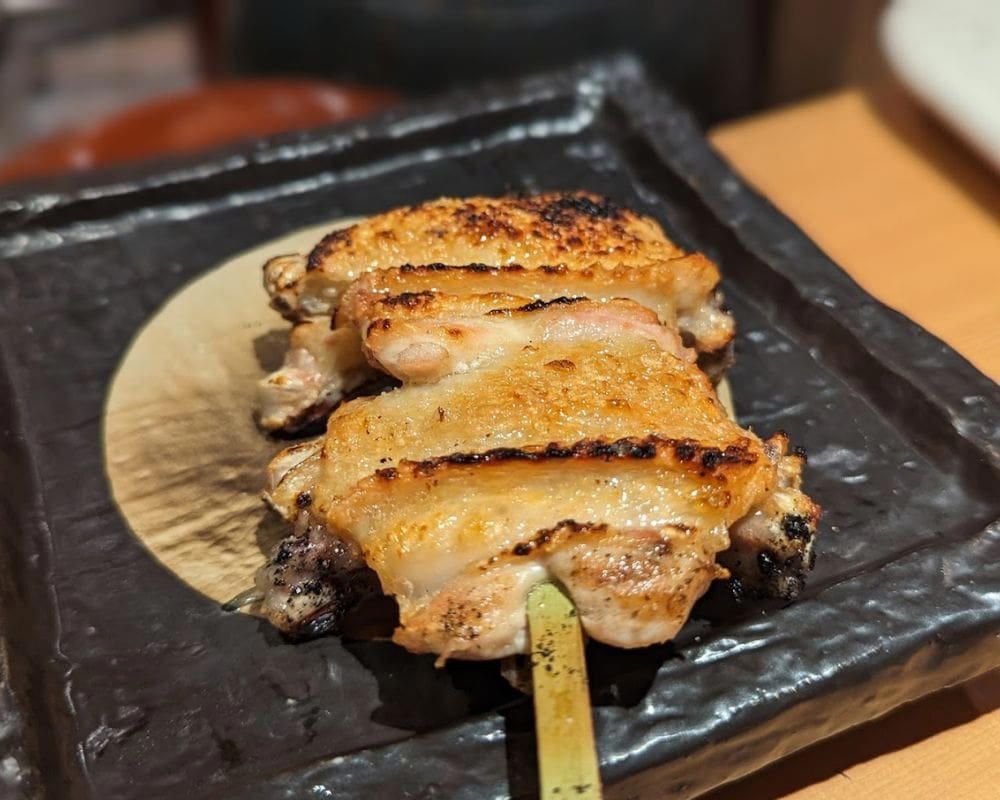
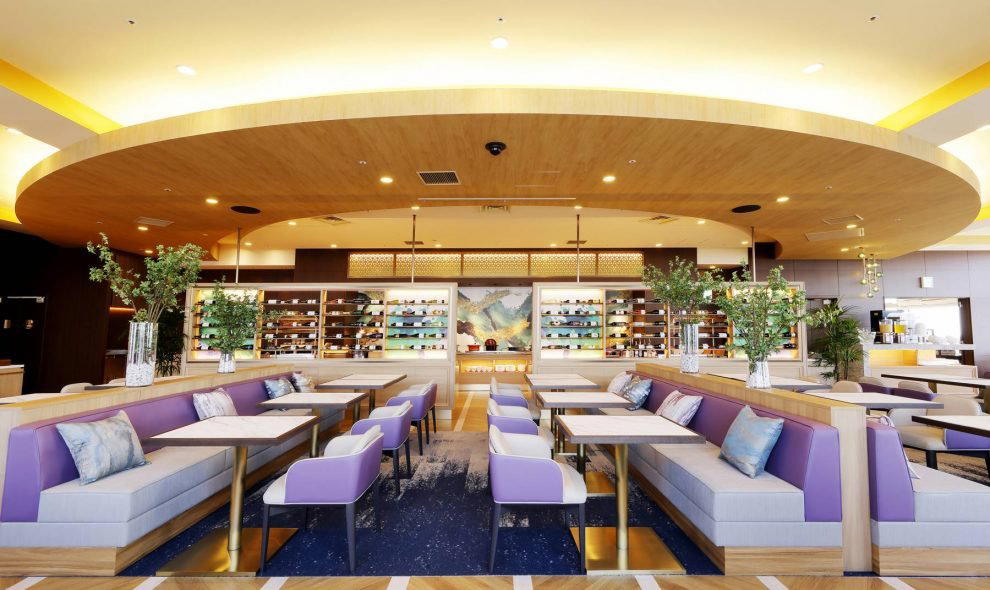
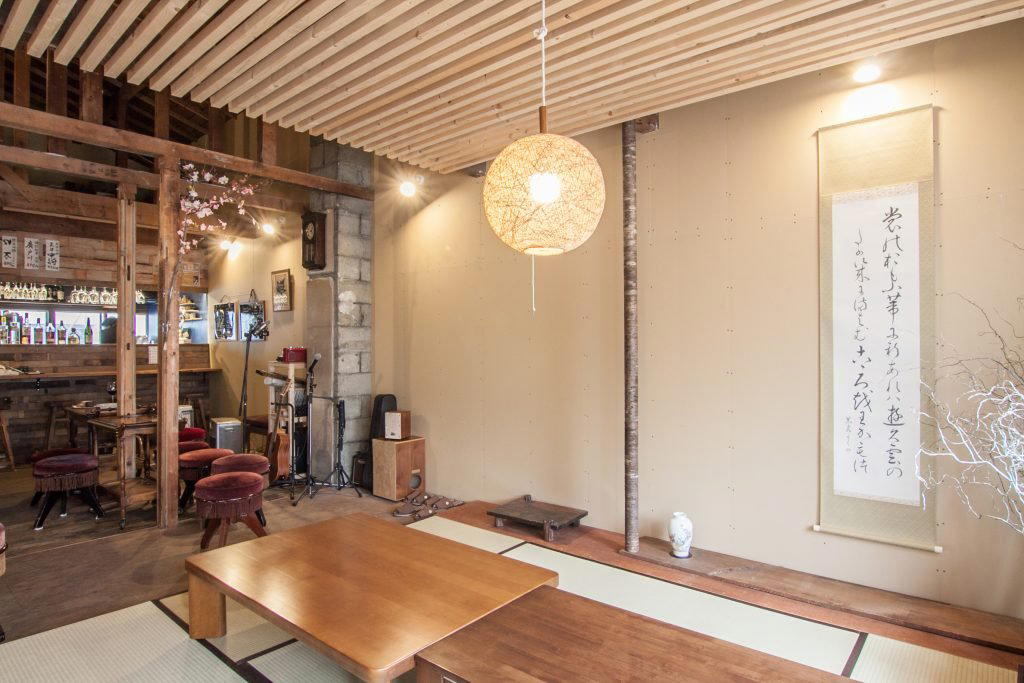
At a Glance
Casual dining atmosphere.
Know Before You Go
- Getting there
- Japan, 〒060-0042 Hokkaido, Sapporo, Chuo Ward, Odorinishi, 17 Chome−2−8 グラシアス大通 1階