
Our verdict
6 serves innovative French dinner in Kouri, with formal, quiet pacing and local sourcing; The Japan Times Destination Restaurants put it at #10 in 2023.

Pearl is the En Primeur Club membership app, where members save venues, book tables and use the concierge.
Kouri Island and the Sourcing Logic of Okinawa's Northern Tables
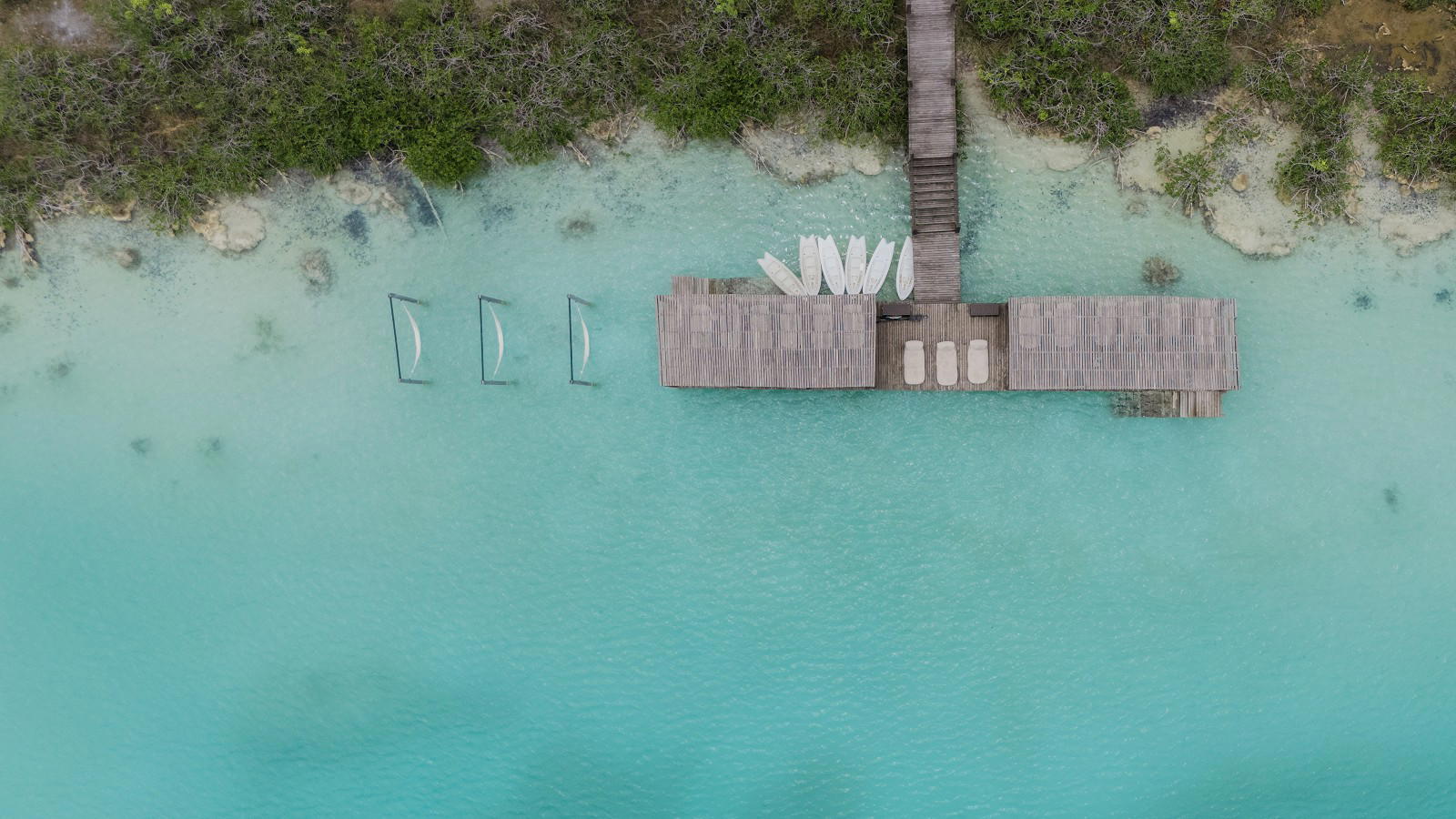
The road to Kouri Island crosses a bridge that stretches nearly two kilometres over water so shallow and clear that the seabed reads in shifting bands of aquamarine and white sand. By the time you arrive at the address in Nakijin, Kunigami District, the setting has already done considerable editorial work. Okinawa's northern coast, known locally as Yanbaru, operates on a different agricultural and ecological rhythm than the tourist-dense south. The prefecture's most compelling dining propositions in this region tend to anchor themselves to that difference, drawing on ingredients that are geographically specific to the point where substitution would change the dish fundamentally.
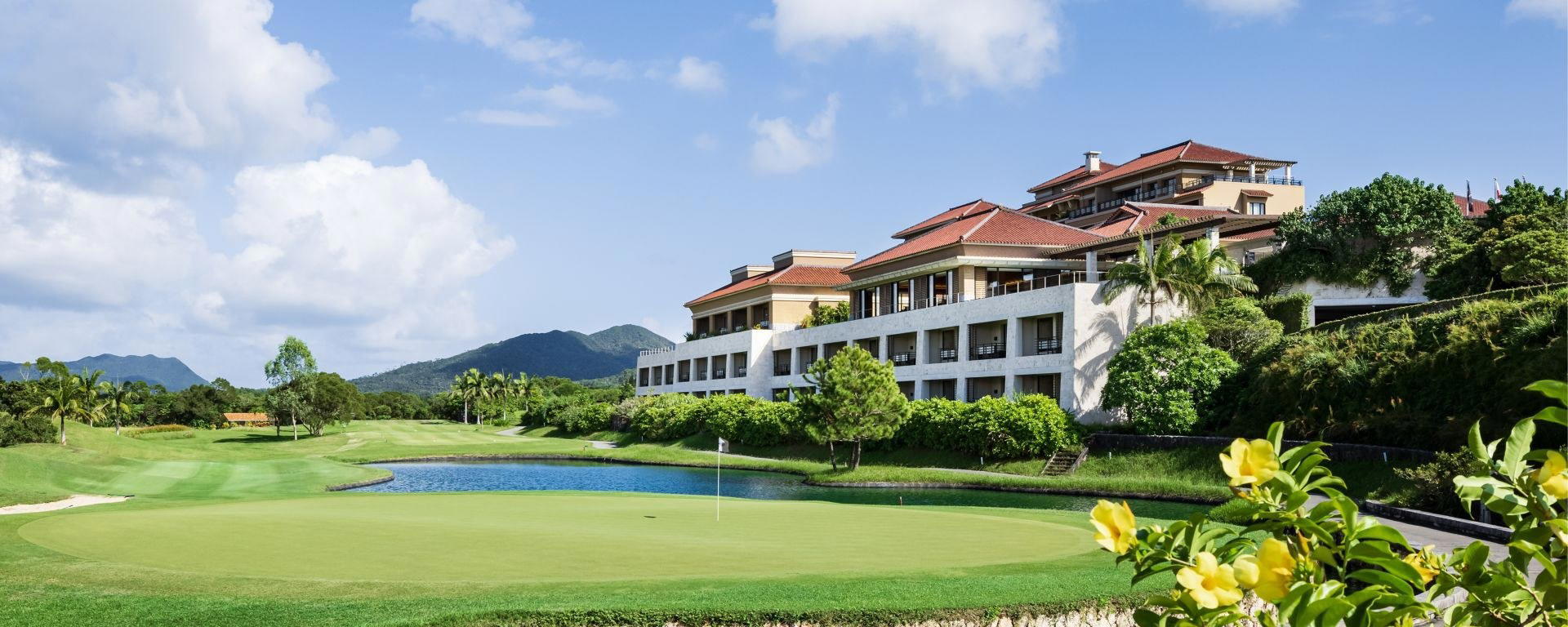
Restaurant 6, located at 499-1 Kouri in Nakijin, sits inside that context. The address alone places it within reach of some of the prefecture's more carefully tended local produce: Okinawa's coral-rich waters supply sea urchin and reef fish that differ measurably from what arrives at mainland Japanese counters, and the island's subtropical soil produces bitter melon, purple sweet potato, and island pork varieties with flavour profiles shaped by climate and feed that the industrial supply chains of Honshu cannot easily replicate. At the most serious tables in this part of Japan, those distinctions become the menu.
What Ingredient Sourcing Looks Like at This Latitude
Okinawa occupies a singular position in Japan's food geography. Its cuisine tradition, Ryukyuan cooking, developed in relative isolation from mainland Japanese technique for centuries, absorbing influences from China, Southeast Asia, and the trade routes that ran through Naha's port. The result is a culinary register that prizes fermented flavours, slow-cooked pork, and the structural use of ingredients like konbu and goya that appear in mainland cuisine as accents but carry load-bearing roles in Okinawan kitchens.
In the Kunigami District specifically, the proximity to Yanbaru National Park, a UNESCO-designated subtropical forest and wetland system, creates conditions for wild-gathered and small-farm ingredients that rarely appear outside the region. Restaurants that position themselves seriously in this area, whether in the yakiniku tradition like Ryukyu No Ushi or the regional grill format of Yakiniku Ryukyunoushi Onnabekkan, tend to make that geographic specificity explicit. The island's Agu pork, a heritage breed nearly extinct by the 1980s before being revived through dedicated breeding programmes, has become a marker of provenance credibility at Okinawan tables in the same way that Iberico breed designation functions in Spanish charcuterie.
For context on how Japan's broader fine dining scene handles ingredient provenance, it is worth looking at how restaurants like Gion Sasaki in Kyoto or HAJIME in Osaka treat regional sourcing as a structural argument rather than a marketing note. At that tier, where a dish comes from is inseparable from what the dish means. The most thoughtful dining in Okinawa's northern coast is beginning to make a similar case, with the island's geography doing work that no imported ingredient could replicate.
The Kouri Address and What It Implies
Being located on or adjacent to Kouri Island places a restaurant in a specific visitor profile. The island draws a mix of domestic Japanese tourists, honeymooners, and a smaller cohort of travellers who have come specifically for the Yanbaru region's ecological credentials. That mix shapes what serious dining here has to offer: it is not competing with the dense restaurant neighbourhoods of Naha or the polished kaiseki corridors of Kyoto, but it is operating in a setting where the view across the East China Sea and the quality of what arrives on the plate can function as complementary arguments.
Comparable coastal positioning in Japan tends to reward restaurants that commit to the local supply chain. Tables in Ishikawa Prefecture like those in Nanao draw their credibility from Noto Peninsula seafood in much the same way that an Okinawan address on the northern coast draws credibility from access to coral-water fish, Agu breed pork, and the specific vegetables of Yanbaru's subtropical agriculture.
The contrast with restaurants in more urban Japanese settings is instructive. A counter like Harutaka in Tokyo operates within a dense competitive set where technique and lineage are the primary differentiators. Out here, geography is the differentiator, and the most coherent restaurants in this part of Okinawa make that legible from the first course.
Planning a Visit to Kouri and the Kunigami District
Reaching Nakijin from Naha requires roughly ninety minutes by car, with no direct public transit link to Kouri Island itself. The bridge to Kouri is accessible by private vehicle or taxi, and most visitors to this part of the prefecture combine a meal with time at the island's beaches or the adjacent Kouri Ocean Tower viewpoint. Given the remote character of the address, planning ahead is practical: arriving without a booking in peak season, which runs from late spring through the Obon holiday period in August, risks finding limited availability at the northern coast's more considered dining options. The broader Kunigami District restaurant scene rewards visitors who treat the region as a destination in itself rather than a day trip appendix to Naha.
For those building a wider Okinawa itinerary, Shimabutaya Onna in the Onna area and Blue Ocean Steak in Nakagami District represent the southern spread of the island's dining corridor, while the northern Kunigami addresses sit in a quieter, more ecologically focused tier. Travellers who have experience with Japan's broader regional dining circuit, whether through akordu in Nara, Goh in Fukuoka, or the Hokkaido tables like those in Sapporo, will recognise the pattern: Japan's most coherent regional restaurants are not trying to replicate what Tokyo or Kyoto do, but to make the strongest possible case for the ingredients that only their specific geography can supply.
The comparison holds internationally too. The discipline of letting place determine menu, rather than technique override location, is what separates a counter like Le Bernardin in New York from restaurants that use premium ingredients as decoration. In Okinawa's north, the conversation is younger and less formalised, but the underlying logic is the same. See also: Atomix in New York for how Korean heritage ingredients have been reframed within a fine dining argument, a process Ryukyuan cuisine is beginning, more quietly, to undergo in its own terms. Further regional comparisons can be drawn from tables like those in Takashima, Nishikawa Machi, Birdland in Sakai, and Bistro Ange in Toyohashi, each of which illustrates the range of approaches Japan's regional dining scene brings to the question of local sourcing.
Frequently asked questions
Can I bring kids to 6?
The Kouri Island location at 499-1 Kouri, Nakijin makes this a natural stop for families already touring the Yanbaru coast. Reaching the island requires crossing a nearly two-kilometre bridge, which is itself a draw for younger visitors.
What's the overall feel of 6?
The Kunigami District setting does most of the atmospheric work here. Kouri Island restaurants at this address draw from a visitor mix of domestic Japanese tourists and international travellers coming specifically for the northern coastline, meaning the pace and tone differ noticeably from Naha's urban dining circuit. Geography, not interior design, is the primary frame of reference.
Is 6 on Kouri Island accessible without a car?
There is no direct public transit link to Kouri Island from Naha or central Okinawa; the journey to Nakijin takes roughly ninety minutes by car. The bridge to Kouri Island is road-only, so visitors without a rental vehicle will need to arrange private transport or join a guided tour covering the Yanbaru region. Planning the visit as part of a broader northern Okinawa itinerary makes the logistics considerably more practical.
What dish is 6 famous for?
Restaurants operating at this latitude in Okinawa typically anchor their cooking in Ryukyuan tradition, drawing on ingredients specific to the Nakijin area and the surrounding coastal waters. That sourcing context is the most reliable starting point for understanding what arrives on the table.
Fast Comparison
Comparable venues nearby, for context on price, style, and recognition.
| Venue | Cuisine | Price | Notes |
|---|---|---|---|
| 6This venue (the venue you are viewing) | Innovative French | $150–200 | Not listed |
| Ryukyu No Ushi | Okinawan Yakiniku | $50–100 | Onna-son |
| Yakiniku Ryukyunoushi Onnabekkan | Okinawa Wagyu Yakiniku | $50–100 | Onna |
| Shimabutaya Onna | Okinawan Agu Pork Steamed Cuisine | $30–50 | Onna Village, Kunigami District |
| à nu Shohei Shimano | French Fine Dining | Not listed | Hiroo |
| The French Kitchen (フレンチ キッチン) | Classic French Bistro | $50–100 | Roppongi |
Recognition history
Dated appearances from independent guides and award organizations, with the underlying list record or original source where available.
The Japan Times Destination Restaurants Destination Restaurants Selection #10
The Japan Times Destination Restaurants

Continue exploring
More in Kunigami District
Restaurants in Kunigami District
All restaurants in Kunigami District →

Details
- Sophisticated
- Elegant
- Modern
- Special Occasion
- Date Night
- Chefs Counter
- Local Sourcing
- Tasting Menu
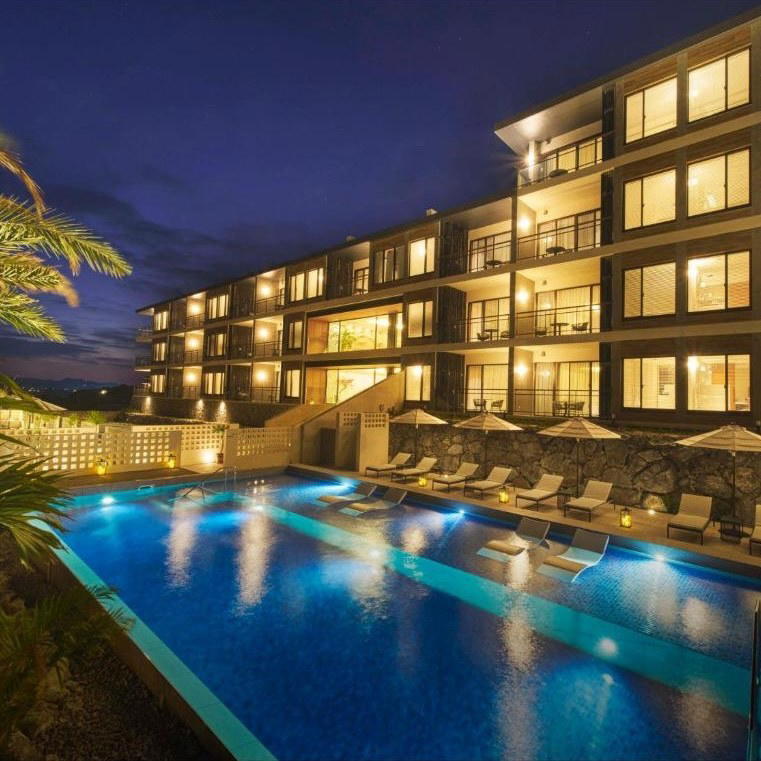
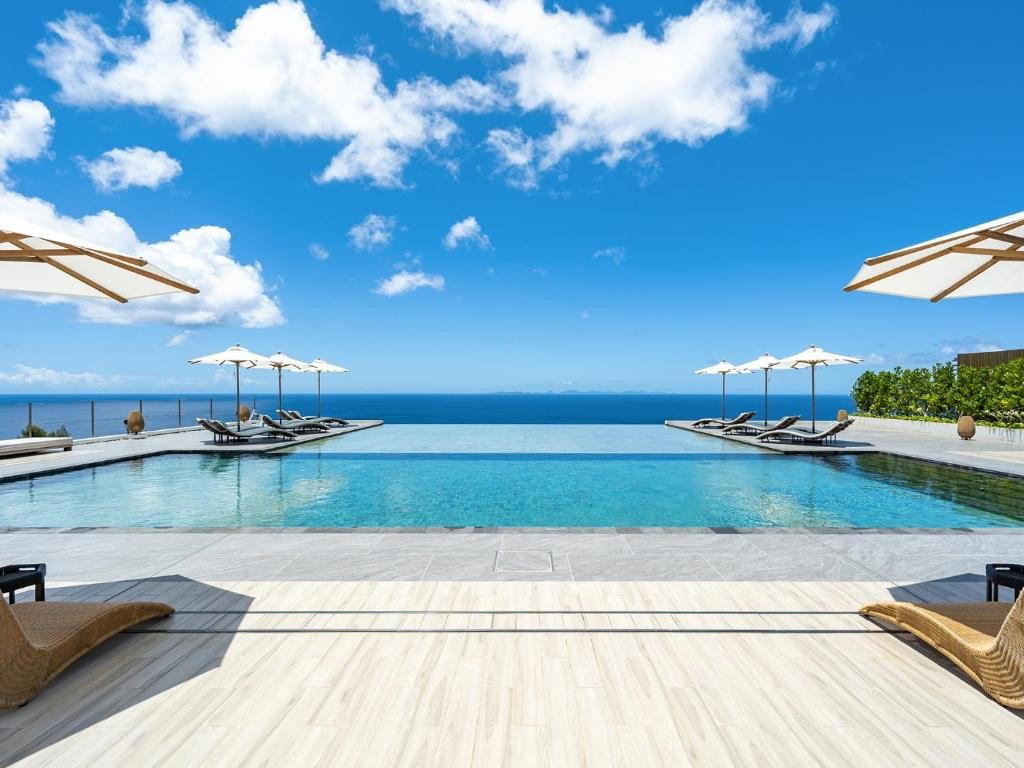
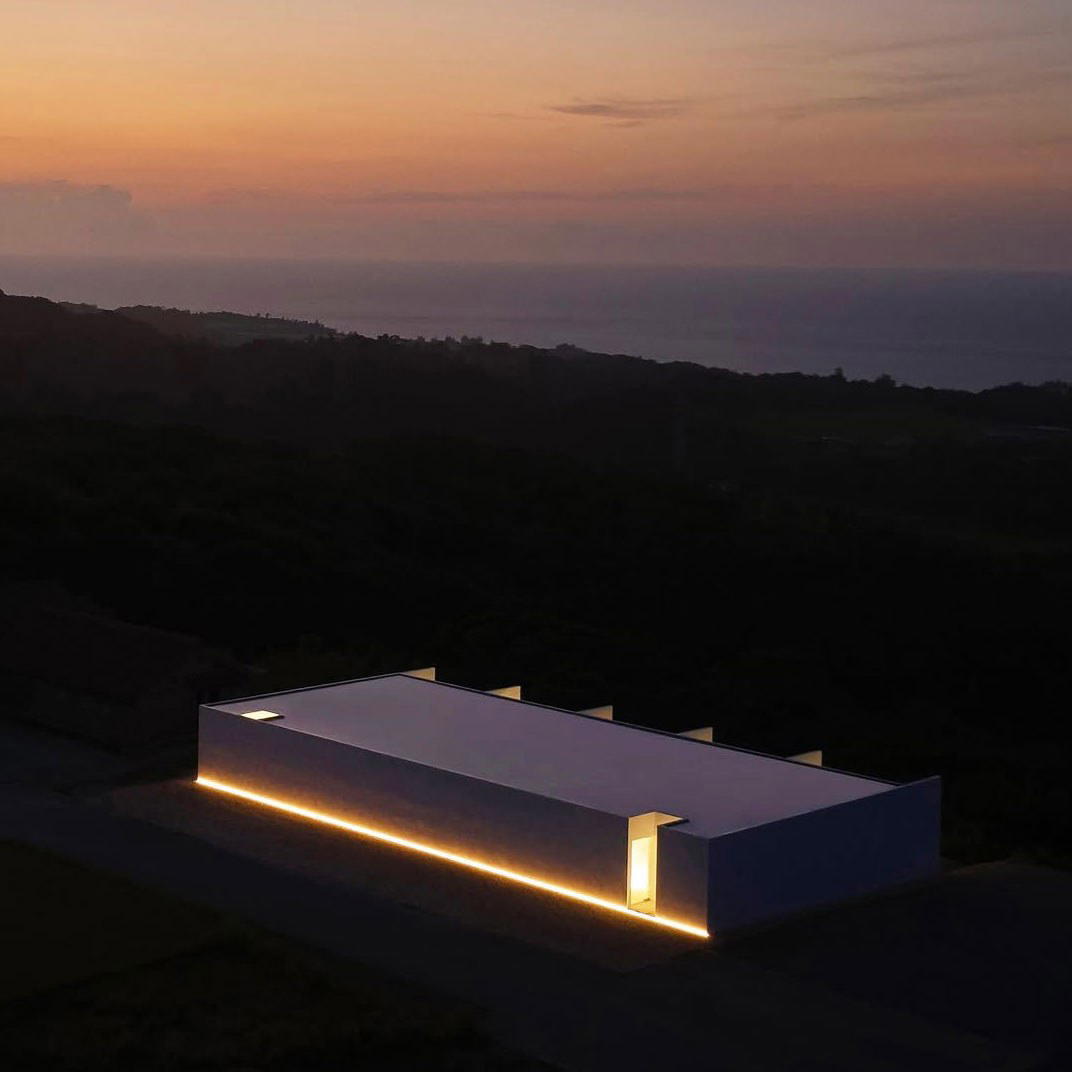
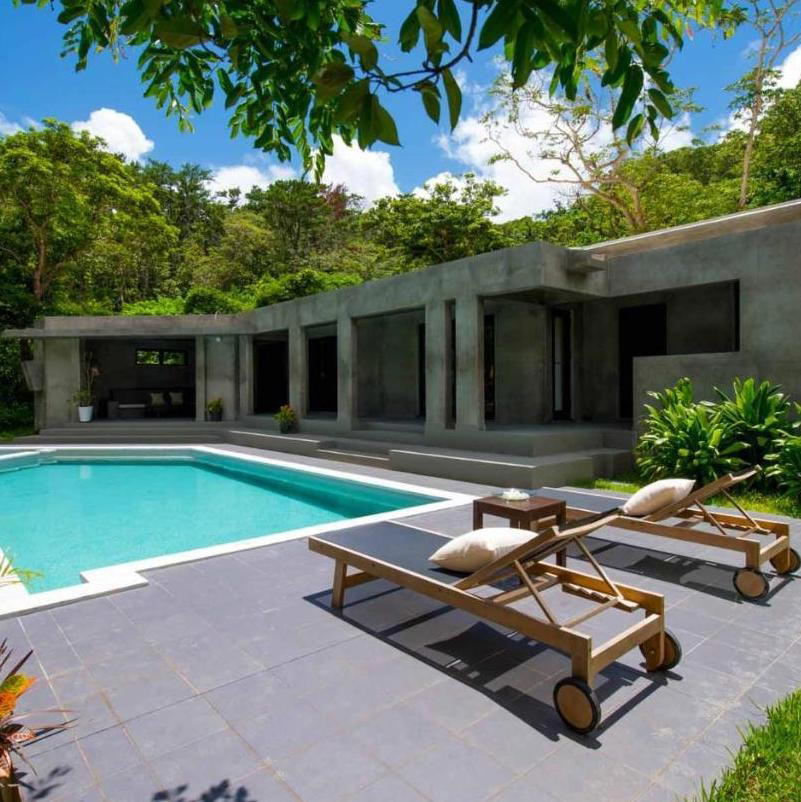
Plush dining room with a calm, immersive atmosphere overlooking scenic views.