Skip to Main Content
Exquisite Sichuan Cuisine

Google: 4.3 · 131 reviews

← Collection
Tokyo, Japan

4000 Chinese Restaurant

CuisineChinese
Executive ChefKinya Komoda
Price≈$250
Dress CodeSmart Casual
ServiceUpscale Casual
NoiseConversational
CapacityIntimate
Tabelog
Opinionated About Dining

A reservation-only Sichuan restaurant in Minami-Aoyama, 4000 Chinese Restaurant has held the Tabelog Bronze Award every year from 2020 through 2026 and carries a score of 4.16 on Japan's most-used restaurant database. With just 20 seats across a counter and two tables, the format favours precision over scale. Dinner runs JPY 30,000–39,999, placing it firmly in Tokyo's premium Chinese tier.

4000 Chinese Restaurant restaurant in Tokyo, Japan
About

Where Sichuan Sits in Tokyo's Premium Dining Tier

Tokyo's high-end Chinese restaurant scene occupies a position that requires some explanation to visitors more familiar with the city's Japanese fine-dining reputation. The same infrastructure that produces three-Michelin-star kaiseki counters like Gion Sasaki in Kyoto and destination French like HAJIME in Osaka has also produced a cohort of premium Chinese restaurants in Tokyo operating at dinner price points above JPY 30,000 per head, competing on kitchen precision rather than spectacle. Within that cohort, Sichuan specialists represent a narrower tier still: the cuisine's heat and complexity demand a different technical vocabulary than Cantonese banquet cooking, and the restaurants that handle it at this level are few. 4000 Chinese Restaurant, in the Minami-Aoyama district of Minato, has held Tabelog's Bronze Award every year from 2020 through 2026, with a current score of 4.16, placing it consistently among the most peer-reviewed Chinese restaurants in the capital.

The Room and the Table: A Counter That Changes the Logic of Sharing

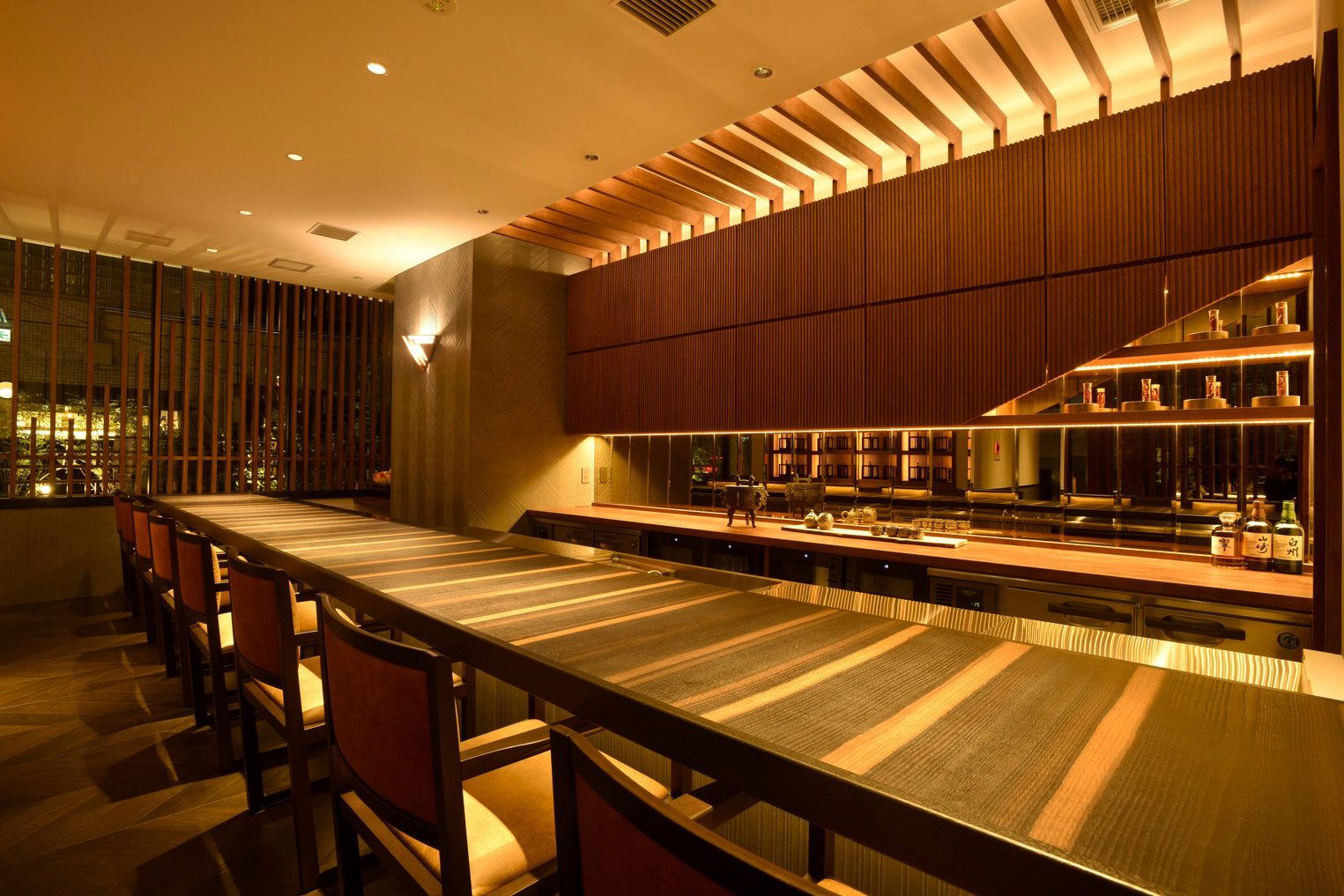
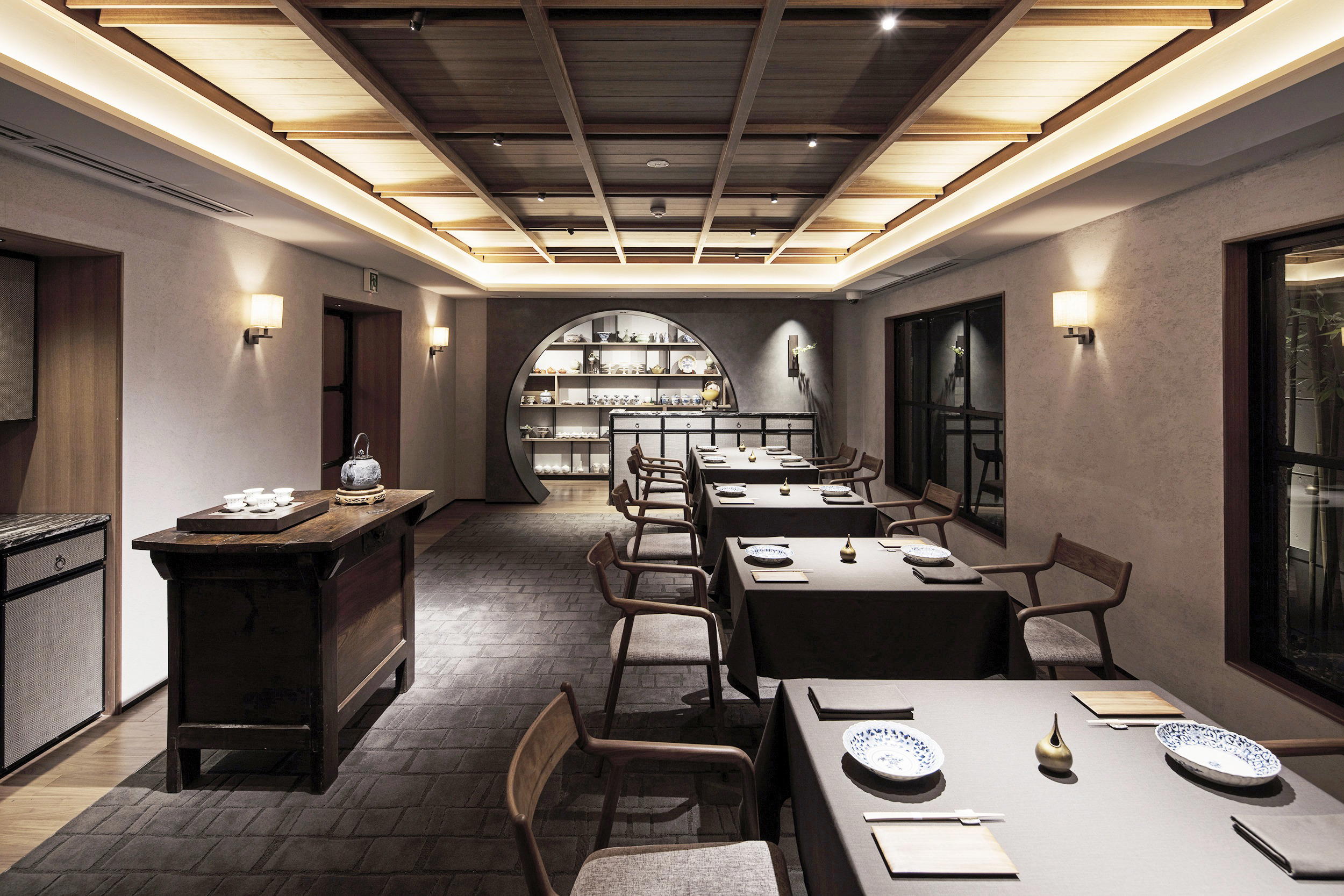
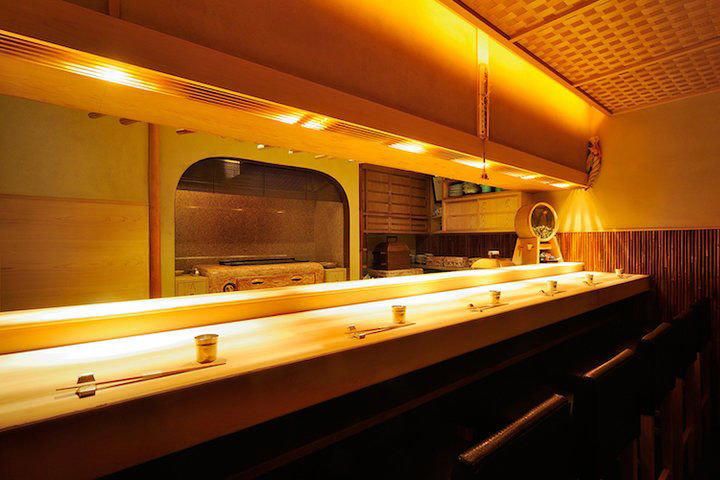
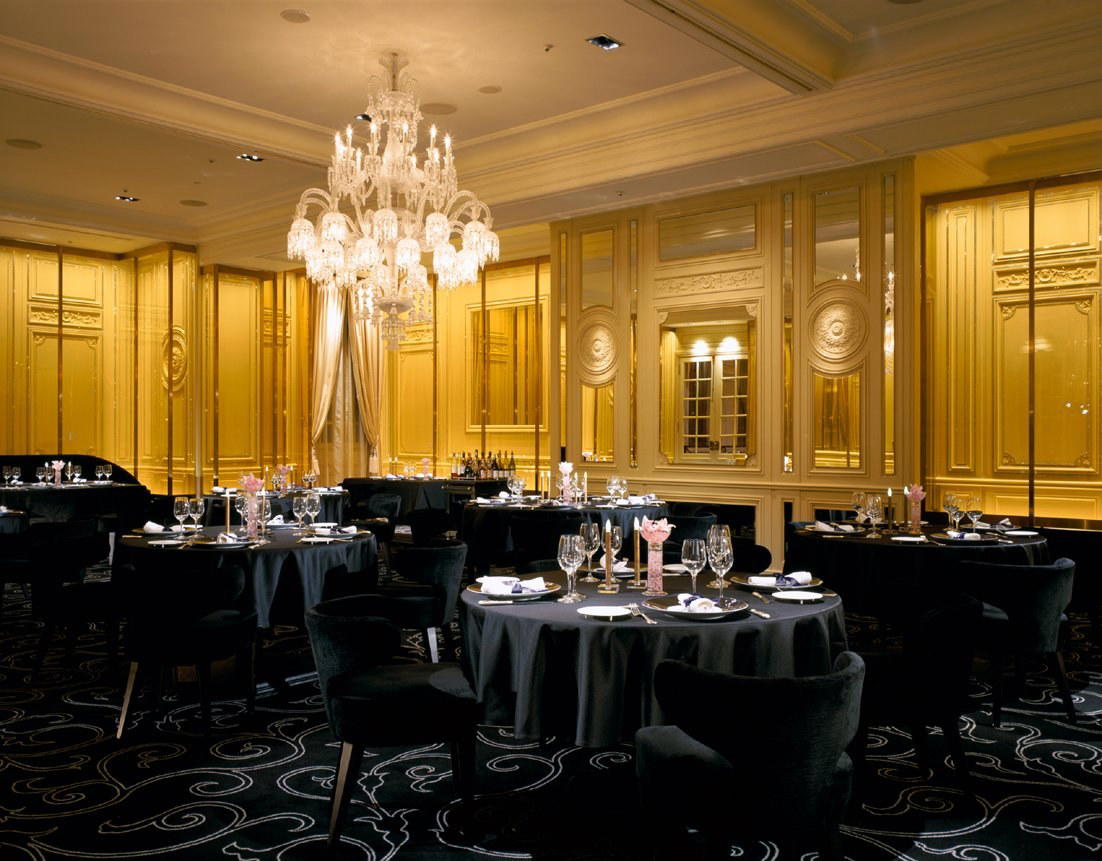
Sichuan cuisine is traditionally built around communal eating: shared plates arriving in sequence, lazy Susans turning with mapo tofu and twice-cooked pork, the whole table calibrated around a collective experience of heat, numbing spice, and relief. What 4000 Chinese Restaurant does is compress that logic into a 20-seat room with a counter for eight and two tables accommodating four to six guests each. The geometry matters. At a counter, the choreography of a multi-course shared meal becomes something closer to theatre: dishes arrive in front of you, not across a large round table, and the sequencing is controlled with the same deliberateness you'd expect from a kaiseki progression. A private room is available for up to eight guests, which restores the full banquet-table dynamic for groups willing to plan accordingly.

The space is described in venue listings as stylish and relaxing, with generous seating proportions that prevent the counter format from feeling cramped. Counter seating at a Sichuan restaurant of this calibre is unusual in Tokyo, where the format is more commonly associated with sushi or tempura. The decision to include it signals something about how the kitchen wants the meal experienced: closely, with attention to each dish's arrival, rather than amid the clatter and cross-talk of a larger room. For context on how Tokyo's Chinese restaurant scene handles similar decisions across different formats and price points, see Chugoku Hanten Fureika and Chugoku Hanten Kohakukyu (Amber Palace), both of which approach the communal Chinese dining tradition from a different structural position.

Seven Years of Consistent Recognition

The Tabelog Award system is Japan's most scrutinised restaurant ranking outside the Michelin Guide, drawing on aggregated reviewer scores rather than anonymous inspector visits. A Bronze Award on Tabelog requires sustained performance across a large volume of genuine user reviews, and the threshold is competitive enough that many restaurants with strong reputations fail to hold it year over year. 4000 Chinese Restaurant has won the Bronze consecutively from 2020 to 2026, a seven-year run that places it in a small group of Chinese restaurants maintaining that consistency in Tokyo. It has also been selected for the Tabelog Chinese TOKYO "Tabelog 100" list in 2021, 2023, and 2024, a separate curatorial process that identifies the hundred most notable Chinese restaurants in the capital.

Current score of 4.16, with an average review-based spend of JPY 20,000–29,999 at dinner, tracks slightly below the listed price range of JPY 30,000–39,999, which is a common pattern when reviewer cohorts include both full-menu and shorter-visit experiences. Either way, the price point positions this restaurant above mid-market Chinese dining in Tokyo and within the same rough tier as serious Japanese specialty restaurants in comparable neighbourhoods. Dinner at Ippei Hanten or a progression through the menu at Koshikiryori Koki serve as useful peer references for how Tokyo calibrates this upper-middle tier across different Chinese sub-cuisines.

Sichuan at This Price: What the Format Implies

Sichuan cooking at JPY 30,000+ per head is not Sichuan cooking as most people have encountered it. The cuisine's popular identity, shaped by its spread through casual restaurants globally, is built around strong heat, generous portions, and accessibility. What premium Sichuan practitioners in Tokyo and other major cities have developed over the past decade is a version of that tradition that applies fine-dining discipline to sourcing, technique, and sequencing without flattening the cuisine's defining characteristics. The mala (numbing-spicy) profile that defines Sichuan cooking at its core doesn't disappear in these contexts; it gets handled with more precision, appearing in dishes where its intensity is calibrated against other elements. This is a harder technical problem than it sounds.

The decision to make reservations available exclusively through the OMAKASE platform, and to operate the room at 20 seats, both point toward a kitchen that has chosen depth of experience over volume. The reservation-only format is standard at this tier in Tokyo, but the small capacity means the room is effectively booked around discrete groups rather than continuous table turns. Lunch runs JPY 15,000–19,999, which represents a meaningful entry point for guests who want to experience the kitchen's approach at a lower price threshold. The service charge is 10 percent, standard for Tokyo restaurants at this level.

Wine in a Sichuan Room

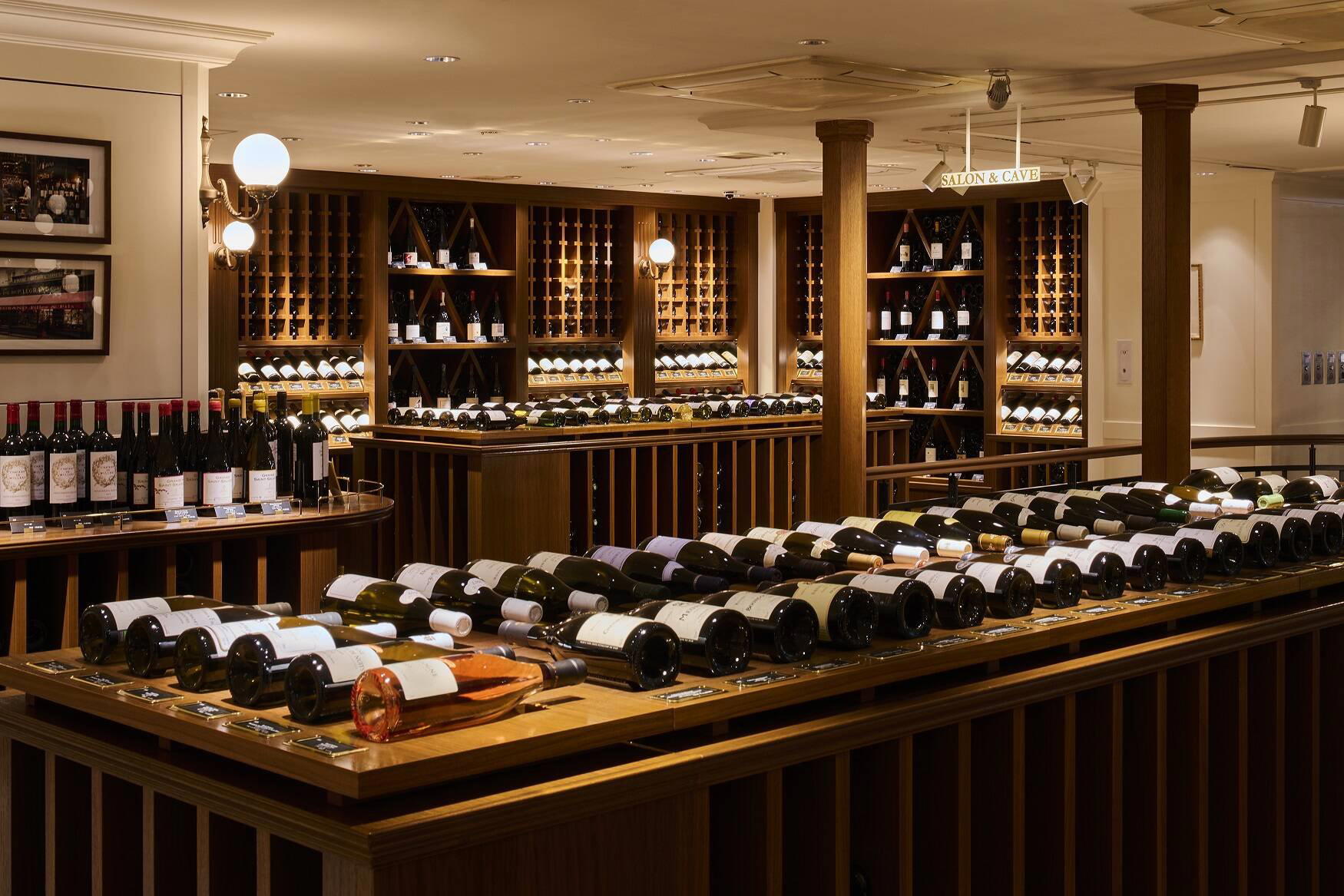
A sommelier-led wine program at a Sichuan restaurant is not the obvious pairing choice, but it reflects a broader shift in how Tokyo's premium Chinese restaurants approach the beverage question. The venue notes a particular focus on wine, with a sommelier available, which places it closer to the French-influenced fine-dining infrastructure of Minato than to the tea-service tradition more common in mainland Chinese fine dining. For visitors accustomed to navigating wine pairings with delicate French or Japanese cuisine, the challenge here is different: Sichuan flavours at intensity tend to demand wines with specific structural characteristics, and a dedicated sommelier indicates the pairing is taken seriously rather than appended as an afterthought.

Minami-Aoyama as Context

The location in Minami-Aoyama's 7-chome puts this restaurant at the quieter southern end of one of Tokyo's most design-conscious neighbourhoods. Aoyama's main thoroughfares carry the flagship architecture of international fashion houses and the city's gallery infrastructure; the side streets toward Hiroo, where 4000 Chinese Restaurant is located approximately 838 meters from Hiroo Station, are residential and low-key. The nearest practical access is the bus from Shibuya Station (line 51, Miyamasuzaka Exit, alight at Minami Aoyama 7-chome, then a three-minute walk), or the shorter walk from Hiroo Station on the Hibiya Line. The area rewards visitors who pair a meal here with time in the neighbourhood rather than treating it as a transit point.

For visitors planning a broader Tokyo dining itinerary, our full Tokyo restaurants guide maps the city's major dining tiers and neighbourhoods. Complementary resources include our Tokyo hotels guide, Tokyo bars guide, and Tokyo experiences guide for a complete picture of the city. For those exploring Japan more broadly, akordu in Nara, Goh in Fukuoka, 1000 in Yokohama, and 6 in Okinawa represent a range of regional approaches to serious dining. For international comparisons in high-end Chinese cooking outside Japan, Restaurant Tim Raue in Berlin and Mister Jiu's in San Francisco offer contrasting takes on how the tradition translates into other fine-dining contexts. Those interested in Tokyo's broader contemporary restaurant scene can also read about itsuka, and our Tokyo wineries guide rounds out the picture for wine-focused visitors.

Planning Your Visit

4000 Chinese Restaurant is reservation-only, bookable through the OMAKASE website. The 20-seat room, open seven days a week from noon through midnight, operates on a format where demand reliably exceeds supply at the counter. Booking lead time at this tier of Tokyo Chinese dining typically runs several weeks to a month or more, particularly for counter seats. The private room, available for up to eight guests, requires advance arrangement. Credit cards are accepted; electronic money and QR code payments are not. There is no on-site parking. The dress code is not formally specified, but the neighbourhood and price point suggest smart-casual as a practical baseline.

FAQ

What do regulars order at 4000 Chinese Restaurant?

The restaurant does not publish a fixed menu, and the reservation-only, counter-led format suggests the kitchen controls the sequence and selection. The Tabelog listing identifies the cuisine specifically as Sichuan, which means the core cooking tradition centres on mala (numbing-spicy) preparations, wok technique, and the layered heat profiles distinctive to Sichuan province. At a dinner price of JPY 30,000–39,999, the progression will span multiple courses rather than a selection of individual dishes, and the wine program with sommelier service indicates pairings are built into the experience. Specific dish details are not available in public records; guests should expect the kitchen to set the direction, in keeping with the omakase-adjacent format implied by the booking platform used.

Signature Dishes
gyozamapo tofuSichuan hotpot
Frequently asked questions

The Short List

A quick comparison pulled from similar venues we track in the same category.

At a Glance
Vibe
  • Elegant
  • Relaxed
  • Cozy
  • Sophisticated
Best For
  • Date Night
  • Business Dinner
  • Special Occasion
Experience
  • Private Dining
Drink Program
  • Sake Program
  • Extensive Wine List
Sourcing
  • Local Sourcing
Dress CodeSmart Casual
Noise LevelConversational
CapacityIntimate
Service StyleUpscale Casual
Meal PacingLeisurely

Stylish and relaxing space with counter seating and tables, perfect for lively conversations in a cozy high-end atmosphere.

Signature Dishes
gyozamapo tofuSichuan hotpot