
Ino Cantonese Nihonbashi Takase sits in Tokyo’s modern Chinese conversation rather than the city’s Cantonese nostalgia lane, pairing Chinese and seafood categories with a Japanese produce sensibility. Its Tabelog Chinese TOKYO 100 selections in 2023, 2024, and 2026, 18-seat scale, counter format, private room, and wine-focused drinking options place it in the city’s small-format, technique-led dining tier.
Pearl is the En Primeur Club membership app — saves, bookings, and concierge access live there. Same editors, same standards.
- Address
- Japan, 〒103-0012 Tokyo, Chuo City, Nihonbashihoridomecho, 1 Chome−8−11 Nihonbashi Ningyocho Square, 1F
- Phone
- +81 3-6810-8883
- Website
- ino-cantonese-kt.jp
 Saves & bookings on Pearl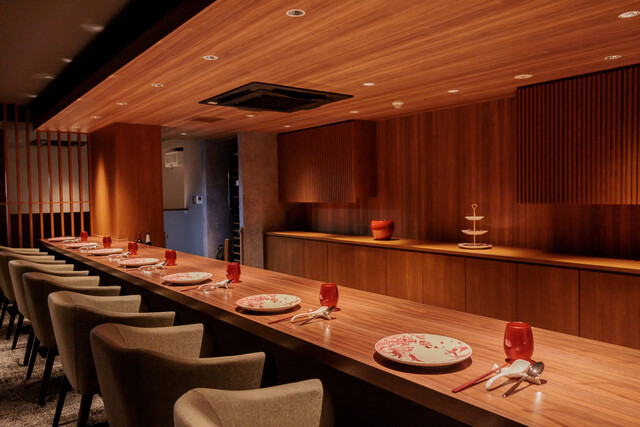
Ningyocho moves at a different tempo from Ginza’s polished dining corridors or Aoyama’s design-led rooms. Around Nihonbashi-Horidomecho, the streets are lower, more workaday, and suited to restaurants that reveal themselves quietly: a counter, a few tables, a private room, and a close-range kitchen. In that setting, Ino Cantonese Nihonbashi Takase reads less like imported Cantonese dining than a Tokyo answer to Cantonese structure, seafood discipline, and Japanese seasonality.
Tokyo’s Chinese dining scene is increasingly split. At one end are neighbourhood ramen-adjacent and gyoza houses; at the other, small rooms using Chinese technique with the sourcing logic of kappo, sushi, and contemporary seafood counters. This address belongs to the latter group. Its categories are Chinese and seafood, with a stated emphasis on fish, and that matters: Cantonese cuisine has long valued clarity, timing, and marine products, while Tokyo dining applies pressure around season, texture, and temperature. The interest is in that overlap, not banquet-room nostalgia.
Cantonese technique filtered through Tokyo seafood culture
Read this restaurant through method, not theatre. Cantonese cooking prizes controlled heat, clean stocks, steaming, wok timing, and restraint around seafood; Tokyo adds ingredient scrutiny that can make Chinese fine dining feel closer to a counter-led Japanese meal than a conventional multi-dish spread. Ino Cantonese Nihonbashi Takase was selected for Tabelog Chinese TOKYO 100 in 2023, 2024, and 2026, signalling that Japanese diners place it within the city’s serious Chinese category rather than treating it as novelty crossover.
The room reinforces that argument. Eighteen seats is small for Chinese dining, and the layout changes the guest’s relationship to the cuisine: eight counter seats, three dining tables, and a private room for up to four. Counter seating suits a style where timing and progression matter as much as abundance. Private-room dining keeps the restaurant useful for business meals, still central to Tokyo’s high-end Chinese audience. The format sits between omakase intimacy and Chinese hospitality, a hybrid common among Tokyo restaurants borrowing precision from Japanese dining without abandoning another culinary grammar.
Price places it in a clear bracket. Dinner is listed at JPY 15,000 to JPY 19,999, while lunch sits lower, a meaningful gap for travelers assessing value in Tokyo. This is not an everyday Ningyocho stop, but it is priced below the city’s highest luxury tasting-menu tier. Compared with nearby casual addresses such as Ogawa or UNISON TAILOR Coffee and Beer NINGYOCHO, it operates in another dining category; compared with Yakiniku Akami Nikugatou Ningyouchou honten, it trades grilled-meat directness for seafood-led Chinese composition. Come here for a composed meal, not a quick neighbourhood bite.
Ningyocho gives the restaurant its restraint
Ningyocho’s dining character is quieter than central Tokyo’s destination zones. Long associated with old commercial Tokyo, small specialist shops, and restaurants serving office workers, residents, and regulars rather than international dining pilgrims, the area suits a Chinese seafood restaurant built on control rather than spectacle. The address is close to Ningyocho Station, with Kodemmacho and Bakuroyokoyama also within practical reach, so it works when a traveler wants a serious dinner without building the night around Ginza or Roppongi.
The drinks structure adds another clue. Wine and shochu are listed, and BYO wine is allowed with a stated corkage fee. In Tokyo’s higher-end Chinese rooms, wine has become a serious conversation because Cantonese sauces, steamed seafood, and lighter broths can work with white Burgundy, Champagne, sake-adjacent profiles, or aromatic whites rather than only beer and Shaoxing. BYO also suggests a clientele arriving with bottles chosen for the meal, a habit more common in confident dining rooms than casual Chinese restaurants.
Practical boundaries shape the experience. The restaurant is non-smoking, accepts credit cards, does not take electronic money or QR-code payments, and recommends smart casual dress. Children are limited to guests over 15 who can take the same course as adults. Broad allergies or dislikes may be difficult to accommodate, and late arrival can affect course service. This is normal in Tokyo’s small-format dining, but it defines the meal: structured, adult, and paced around the kitchen’s progression.
How to place it in a Tokyo itinerary
For a Tokyo food week, this is a counterpoint to sushi, tempura, yakitori, and kaiseki rather than a replacement. The appeal is seeing how Chinese technique has been absorbed into Tokyo’s product-first dining culture. A meal here makes most sense after a day around Nihonbashi, Kanda, or eastern Ginza, not as a cross-city detour from the west side, though transport keeps it manageable.
Readers comparing categories can use Our full Tokyo restaurants guide for the wider dining map, with city context extended through Our full Tokyo hotels guide, Our full Tokyo bars guide, Our full Tokyo wineries guide, and Our full Tokyo experiences guide. For nearby or contrasting restaurant references, see. 鮪と炭火焼き うお炭 秋葉原店, 12/10 Shinjuku ten, 124. KAGURAZAKA (Yakitori), 2D Cafe, and 3 Chome no Curry Ya San. Wider Japan and diaspora comparisons include -Grilled beef Sukiyaki- KAMAKURA TANUKIAN 鎌倉 たぬき庵 in Kamakura,.cafe in Osaka,.know in Kumamoto, (Shoku) Vietnam in Kawasaki, [Curry Senmon Ten] Maruyama Kyoju. in Sapporo, [ki:] in Kyoto, Jōdo Saké Bar in Los Angeles, and Onigiri Time in Pasadena.
The editorial case is narrow and persuasive: choose this restaurant when the point is not simply “Chinese in Tokyo,” but Cantonese technique interpreted through Japanese seafood expectations. Tabelog 100 recognition gives it a trust signal; the small room and counter seats give it focus; Ningyocho gives it a quieter frame than the city’s flashier dining districts.
Price and Positioning
Comparable venues for context, by category and price tier.
| Venue | Cuisine | Price | Awards | Notes |
|---|---|---|---|---|
| Ino Cantonese Nihonbashi TakaseThis venue — the venue you are viewing | $$$$ | , | ||
| Ren | $$$$ | , | Minato, Modern Chinese with French influence tasting menu | |
| Fureika (中国飯店 富麗華) | $$$$ | , | Higashiazabu, Traditional Shanghai & Cantonese Chinese | |
| Shaoxiong Hanten | $$$$ | , | Shibuya, Seasonal Shanghai Chinese Fine Dining | |
| 旬華なか村 | Chūō, Modern Cantonese Kappo | $$$$ | , | |
| 赤坂 桃の木 | Chiyoda, Modern Cantonese Chinese | $$$$ | , |






At a Glance
- Elegant
- Cozy
- Hidden Gem
- Intimate
- Sophisticated
- Date Night
- Business Dinner
- Special Occasion
- Celebration
- Solo
- Chefs Counter
- Private Dining
- Standalone
- Design Destination
- Extensive Wine List
- Corkage Allowed
- Local Sourcing
- Sustainable Seafood
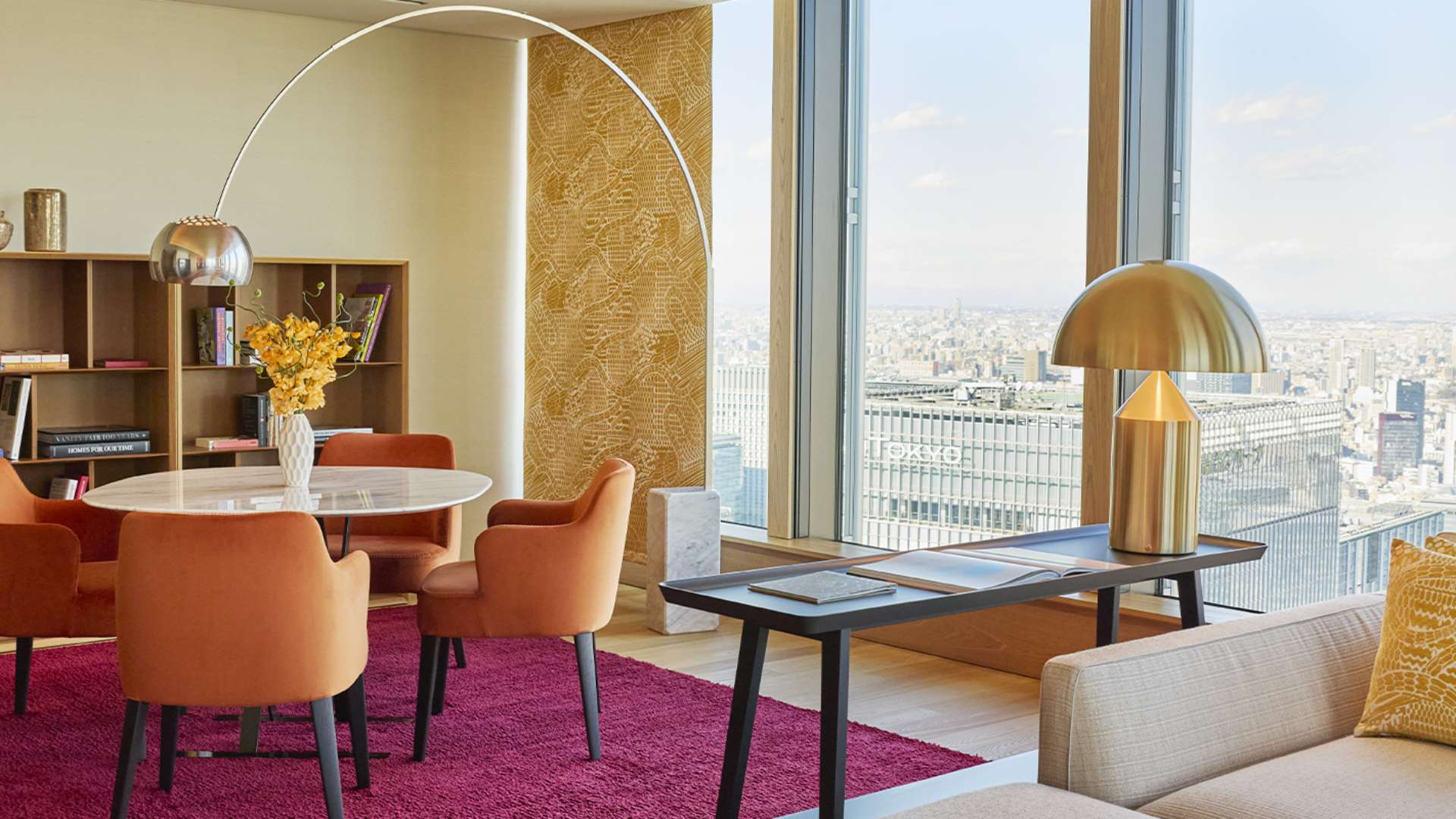
Calm, low-key and refined, with a small counter and a few dining tables creating a relaxed, adult atmosphere suited to lingering over multi-course Cantonese cuisine.