
In Higashisakura, prospero puts Nagoya’s polished Italian scene into a compact, seafood-led frame: 12 seats, a wine-bar register, and recognition in Tabelog Italian EAST 100 for 2025 and 2023. The appeal is less grand dining-room theatre than neighbourhood precision, with Shinsakae Machi close by and a format built for diners who want Italian cooking filtered through Japan’s appetite for seasonality and restraint.
Pearl is the En Primeur Club membership app — saves, bookings, and concierge access live there. Same editors, same standards.
- Address
- 愛知県名古屋市中区東桜2-18-24 サンマルコビル 2F
- Phone
- +81529333740
- Website
- tabelog.com
 Saves & bookings on Pearl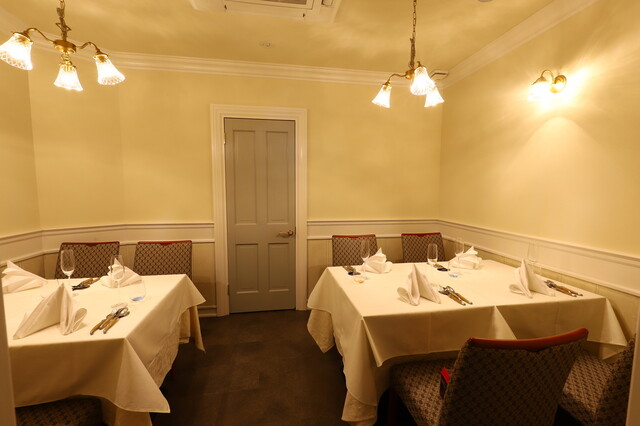
Higashisakura changes tone quickly after dark. The office rhythm of central Nagoya softens into smaller second-floor rooms, narrow staircases, wine glasses, and restaurants that work at a quieter scale than the city’s hotel dining rooms. In that setting, prospero belongs to a particular Nagoya category: compact Italian cooking with serious wine ambitions, close enough to the centre for business dinners, removed enough to feel chosen rather than incidental.
Nagoya is often reduced by visitors to miso katsu, hitsumabushi, and kishimen, but its higher-spend dining culture has long been broader than local specialties. Italian restaurants occupy a strong position in Japanese cities because they adapt well to the country’s seasonal produce habits: pasta can carry regional seafood, wine service gives the evening structure, and the room can stay small without feeling austere. prospero sits in that lane, listed as Italian, pasta, and wine bar, with a stated emphasis on fish and wine rather than red-sauce nostalgia or trattoria volume.
Higashisakura Italian, scaled for 12 seats rather than spectacle
The room size matters here. Twelve seats, including counter, table, and sofa seating, place the restaurant in the small-format tier where timing, pacing, and table control shape the meal as much as the cooking category. This is not the casual-pasta bracket represented by lower-priced neighbourhood rooms such as Lucca, nor the broader everyday lunch appeal seen at Maruko. It prices closer to Otsuaji Asai at lunch and dinner, while kibi occupies a higher dinner band. That positioning tells experienced diners what to expect: not an entry-level Italian night out, but also not the maximal ceremony of a grand tasting-menu house.
The Tabelog Italian EAST 100 selections in 2025 and 2023 give prospero a useful external signal. Tabelog’s Hyakumeiten lists are not Michelin substitutes; they are more revealing as local popularity-and-quality markers within a cuisine category. For travellers, that distinction is useful. A restaurant selected in this format has traction with Japan-based diners who compare within genre, not only with inbound visitors chasing international guide language.
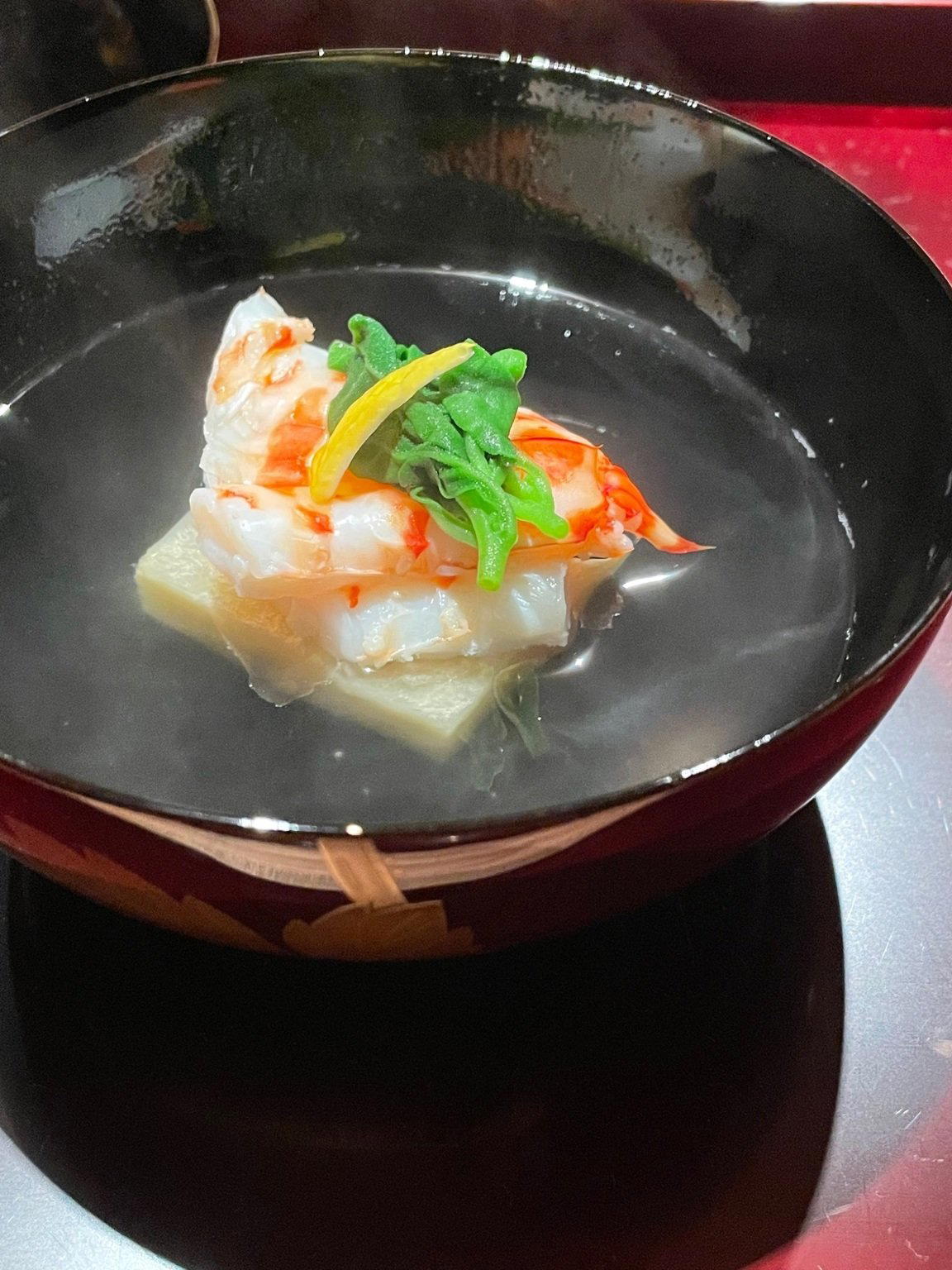
Seafood emphasis also places the cooking inside a Japanese-Italian tradition that has its own logic. Across Japan, Italian kitchens often read the market more closely than the textbook: shellfish, white fish, seasonal vegetables, and lighter sauces can carry the meal without abandoning Italian structure. prospero’s note that it cannot accommodate diners who cannot eat fresh fish or seafood is not a minor footnote. It defines the address as a poor fit for seafood-averse guests and a better fit for diners who understand fish as central rather than optional.
Wine-bar instincts and a business-dinner cadence
Wine-bar classification is a clue to the evening’s tempo. Nagoya has plenty of places designed for fast turnover near major stations; Higashisakura rewards slower rooms that suit conversation, client dinners, and couples who want a smaller register. The listed use of the venue for business occasions aligns with that neighbourhood function. Central enough for access, discreet enough to avoid the performative feel of a large dining floor.
There is a practical edge to the format. A 10 percent service charge applies, there is no seating fee, and the table-use limit is three and a half hours. Those details point to a restaurant designed for a full meal rather than a quick glass of wine, but also one that manages a small number of seats carefully. Private use is available for up to 20 people, and an eight-person semi-private room gives the address another role in Nagoya’s dining economy: intimate corporate meals or celebrations where a full buyout is not required.
For a city guide, the comparison is more instructive than a simple recommendation. Maruko’s pricing structure makes it easier to approach as a lunch or flexible dinner option; Yagumo’s lunch band is lower; kibi pushes into a more expensive dinner tier. prospero occupies the middle-premium space, with lunch and dinner both carrying intent. That makes it better suited to diners who want Italian as the main event, not a pause between bars or sightseeing stops.
How to place it in a Nagoya dining itinerary
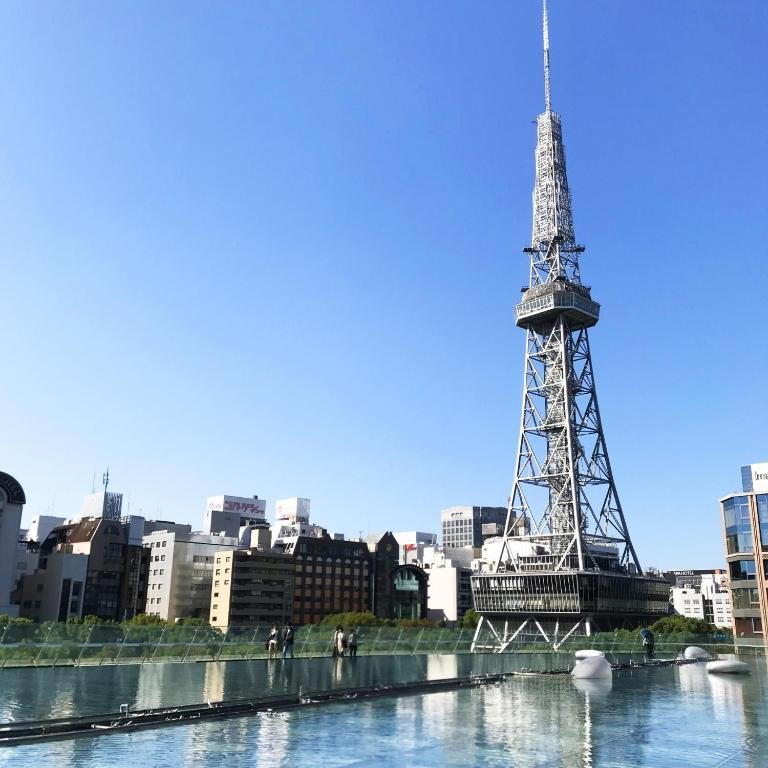
Higashisakura and Shinsakae Machi work well for travellers who prefer one carefully chosen dinner over a crawl. The area is not the first postcard image of Nagoya, which is precisely its value: it shows the city’s adult dining rhythm rather than its headline foods. For broader planning, Our full Nagoya restaurants guide is the natural companion, while hotel positioning can be checked against Our full Nagoya hotels guide. Drink-led evenings belong with Our full Nagoya bars guide, and regional context can be expanded through Our full Nagoya wineries guide and Our full Nagoya experiences guide.
Within Nagoya’s restaurant set, useful nearby editorial cross-checks include 1022, 451, Aaron, Alan., and All Day Dining Montmartre. Readers building a wider Japan dining map can compare the country’s range through -Grilled beef Sukiyaki- KAMAKURA TANUKIAN 鎌倉 たぬき庵 in Kamakura. 鮪と炭火焼き うお炭 秋葉原店 in Tokyo.cafe in Osaka.know in Kumamoto, (Shoku) Vietnam in Kawasaki, and [Curry Senmon Ten] Maruyama Kyoju. in Sapporo. For an international counterpoint to Japan’s drinking-and-dining crossover, see Jōdo Saké Bar in Los Angeles and Onigiri Time in Pasadena.
The editorial case for prospero is clear: it represents Nagoya’s small-room Italian tier, where seafood, wine, and neighbourhood discretion carry more weight than spectacle. Its Tabelog Italian EAST 100 recognition confirms category relevance, while the 12-seat scale makes the decision more pointed. Choose it when the night calls for measured Italian cooking in Higashisakura, especially with diners comfortable placing fish at the centre of the meal.
Credentials Lens
Comparable options at the same price tier.
| Venue | Cuisine | Price | Notes |
|---|---|---|---|
| prosperoThis venue — the venue you are viewing | Modern Italian | $$$ | Not listed |
| Siculamente | Sicilian Italian | $$$ | Naka |
| Shokudo chisan | Modern local-sourcing Italian (pasta & steak) | $$$ | Nakamura |
| SOLAMENT'UNO | Modern Italian Course Dining | $$$ | Higashi |
| ガストロノミーソール ヤナギヤ | 本格イタリアン | $$$$ | Naka |
| Yakitori Kissho | High-end Yakitori (Nagoya Cochin) | $$$ | Higashi |
Recognition history
Dated appearances from independent guides and award organizations, with the underlying list record or original source where available.
Tabelog 100 #46 · No. 46
Tabelog · Tabelog 100 - Italian - EAST - 2025
Continue exploring
More in Nagoya
Restaurants in Nagoya
Browse all →
At a Glance
- Intimate
- Sophisticated
- Quiet
- Elegant
- Business Dinner
- Celebration
- Special Occasion
- Date Night
- Private Event
- Private Dining
- Standalone
- Design Destination
- Extensive Wine List
- Sommelier Led
- Local Sourcing
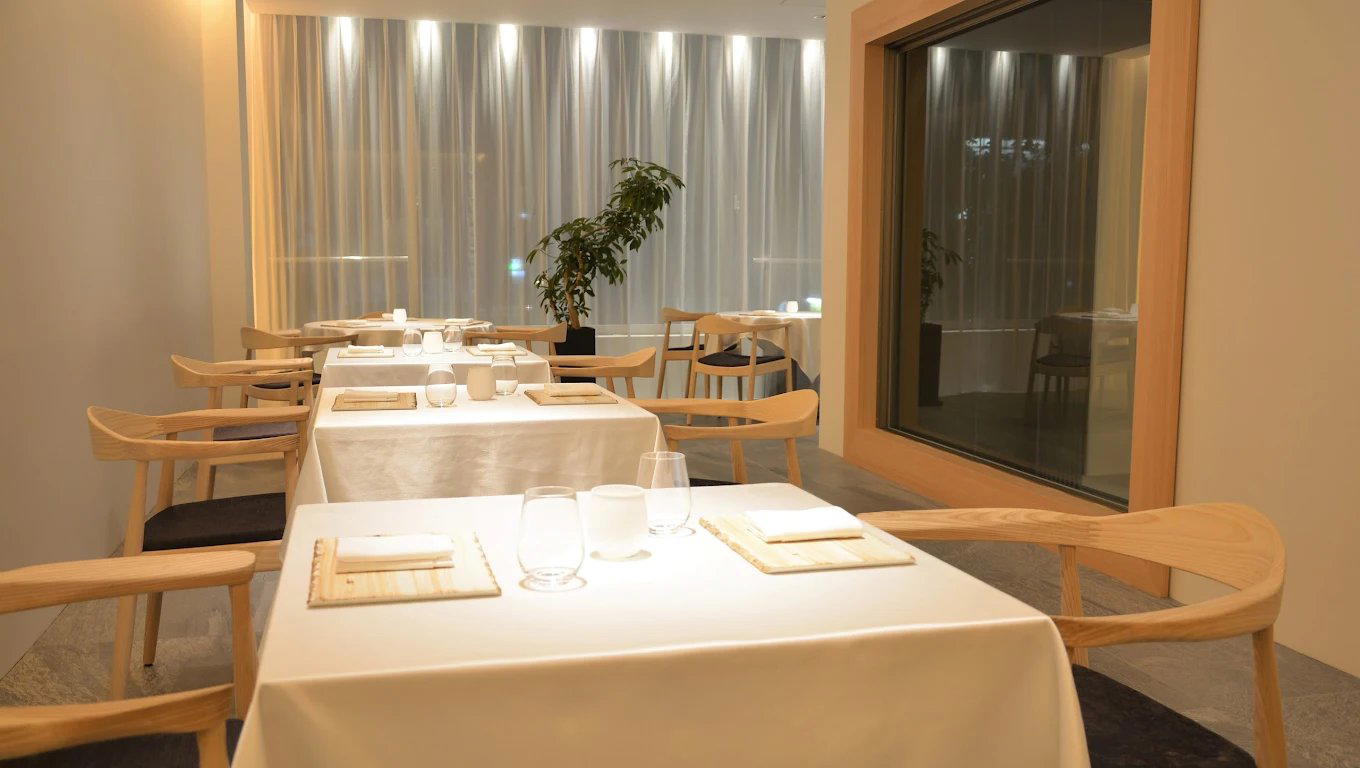
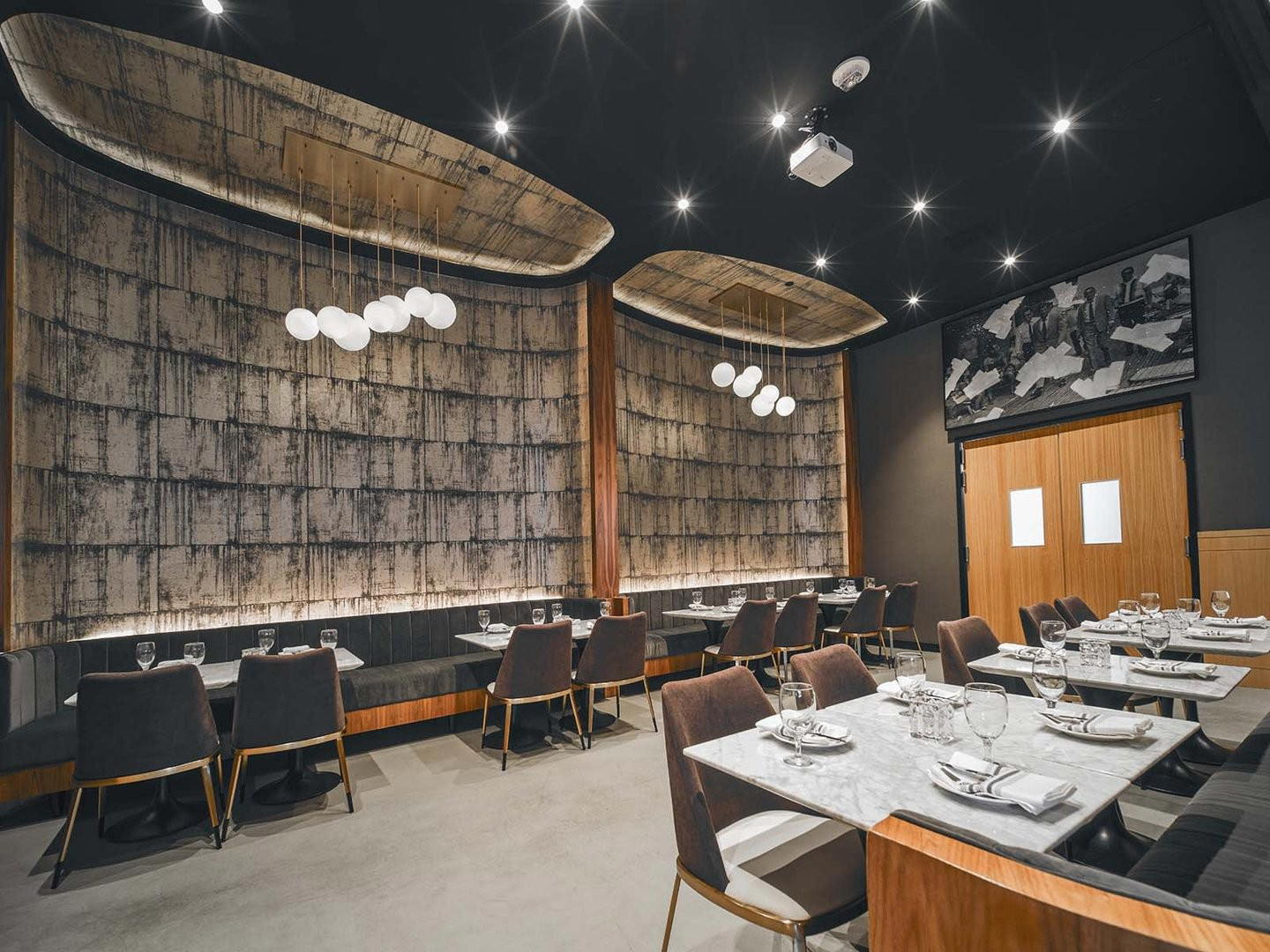
An adult-oriented, stylish, relaxing space with counter and sofa seating; the atmosphere reads as intimate and refined rather than lively.