
Aroma-fresca Nagoya brings Italian cooking into Sakae’s department-store dining culture, with a 38-seat room, private rooms, sommelier service, and repeat Tabelog Italian EAST 100 selections in 2021, 2023, and 2025. Its appeal is less about spectacle than calibration: polished enough for celebrations, accessible enough for lunch, and positioned carefully between casual mall dining and formal destination Italian.
Pearl is the En Primeur Club membership app — saves, bookings, and concierge access live there. Same editors, same standards.
- Address
- 松坂屋本館, 10F, 3 Chome-16-1 Sakae, Naka Ward, Nagoya, Aichi 460-0008, Japan
- Phone
- +81 52-264-3688
- Website
- nagoya.aromafresca.com
- Directions
- Get directions
 Saves & bookings on Pearl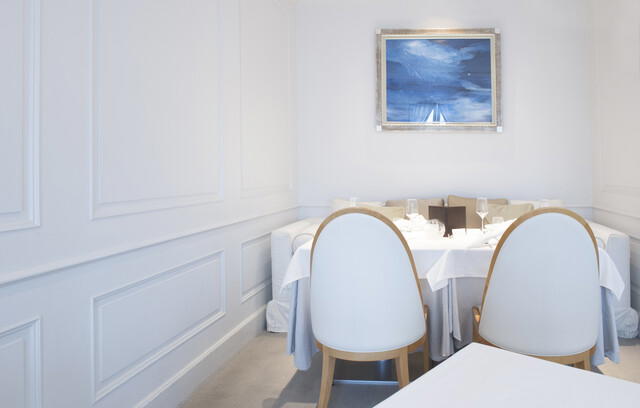
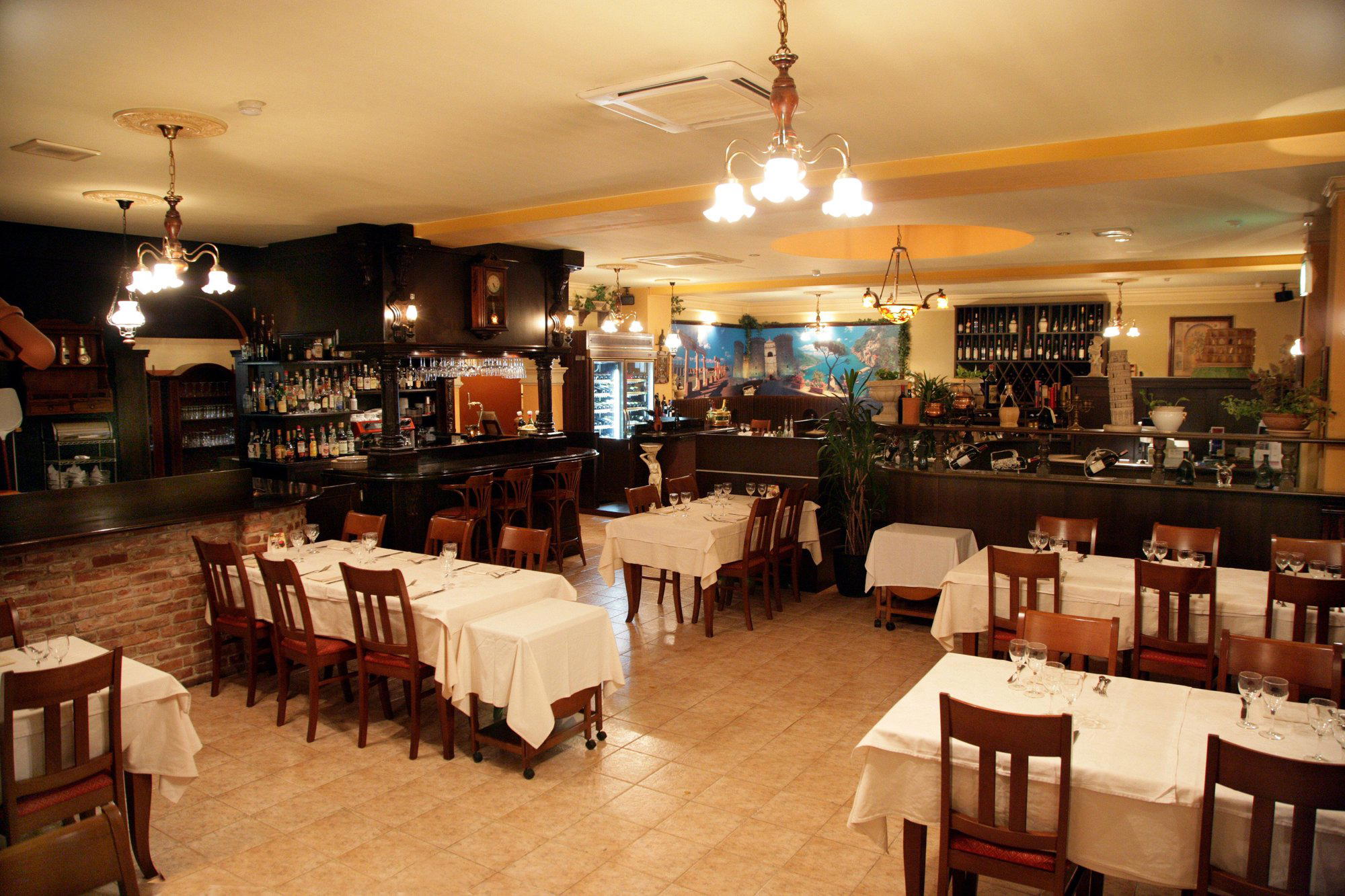
The approach is pure Sakae: escalators, retail floors, then a quieter restaurant level where department-store dining becomes something more deliberate. In Nagoya, that setting matters. The city’s serious dining is not confined to freestanding houses or hotel towers; it often appears above shopping floors, beside family rooms, and within buildings designed for repeat local use rather than theatrical arrival. Aroma-fresca Nagoya fits that pattern, giving Italian cooking a polished room without asking diners to treat the evening as a ceremony.
The value proposition sits in that middle ground. Nagoya has restaurants built around regional ritual, from eel specialists such as Atsuta Houraiken Matsuzakaya ten to higher-ticket Japanese counters such as Koran and Hanamaru Kichijitsu. Italian dining occupies a different lane: wine service, course structure, fish-led cooking, and a room flexible enough for dates, family meals, and business dining. Selection for Tabelog Italian EAST 100 in 2021, 2023, and 2025 gives the restaurant a public credibility marker inside Japan’s user-driven dining culture, but the stronger point is how the format works for the city. It offers recognisable Italian grammar without the stiffness or cost signals attached to the rarefied end of Nagoya dining.
Italian polish inside Nagoya's department-store dining culture
Department-store restaurants in Japan can be misread by visitors as convenience dining. In major cities, the better examples operate more like contained neighbourhood dining rooms: climate-controlled, easy to reach, and designed for diners who return across occasions. That is the context for Aroma-fresca Nagoya. Its Matsuzakaya setting places it inside Sakae’s commercial centre, close to the city’s shopping rhythm rather than the nightlife pattern around bar districts or the hotel dining circuit.
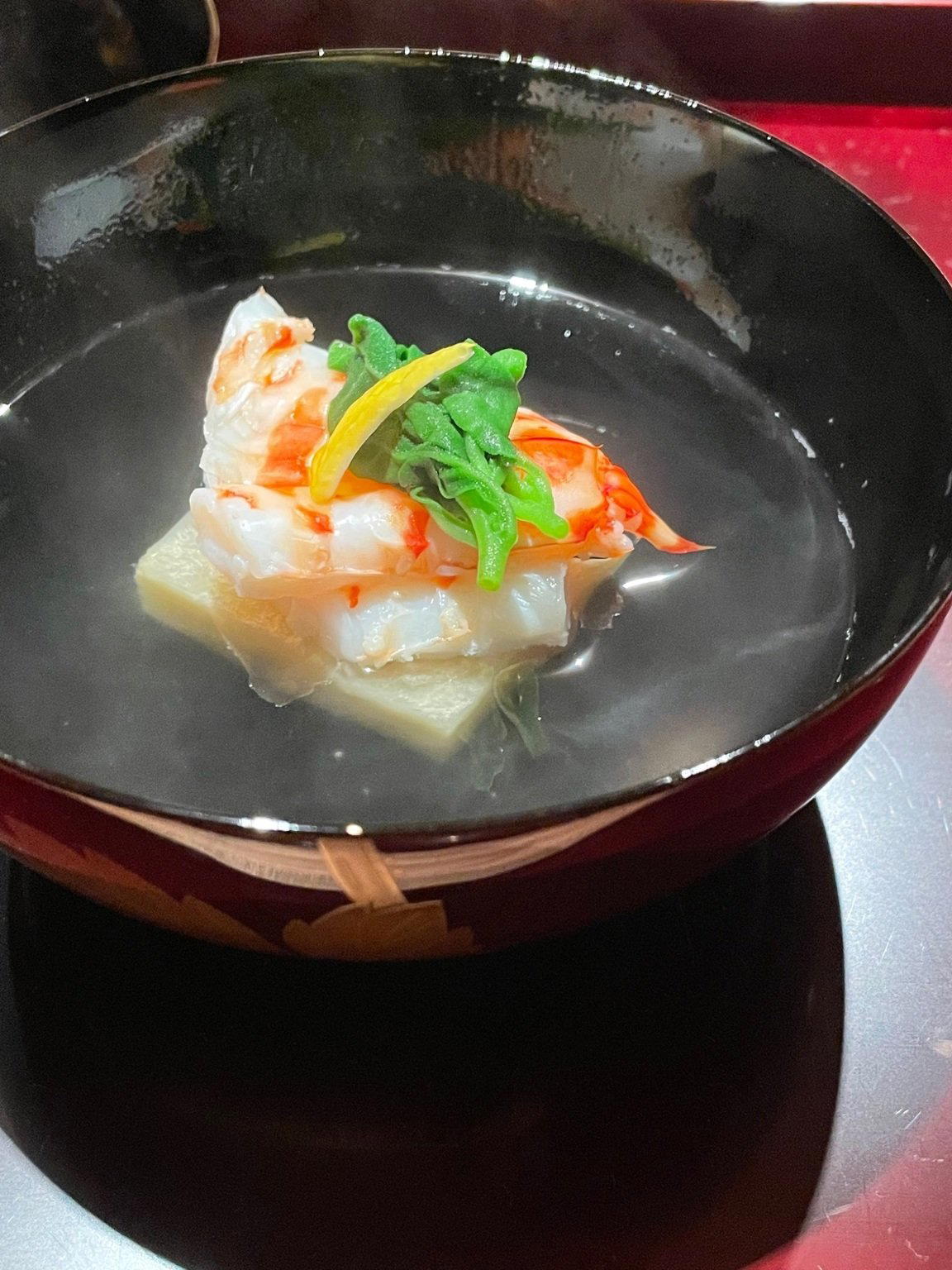
The Italian category also carries a specific expectation in Japan. It is not simply pasta and wine; at this tier, diners expect seasonal Japanese produce filtered through Italian technique, restrained pacing, and a wine program with enough structure to support a course meal. The restaurant’s listed strengths point in that direction: fish-focused cooking, wine and cocktails, sommelier availability, non-smoking dining, and private rooms for small groups. Those details define the experience more clearly than a chef biography would. The room is built for controlled comfort, not counter drama.
That matters for travellers deciding where Italian fits into a Nagoya itinerary. For local food identity, the city’s gravitational pull remains miso katsu, kishimen, hitsumabushi, tebasaki, and café culture. Italian dining here is not the first cultural shorthand; it is the alternative when the evening calls for wine, a quieter dining room, and service that can handle a celebration without turning theatrical. Compared with casual formats such as Suzume Odori Sohonten, or single-purpose specialisation elsewhere in the city, this is a broader restaurant proposition: adaptable, adult, and more formal in pacing.
What the recognition says, and what it does not
Tabelog’s Italian EAST 100 selection places the restaurant within a competitive eastern Japan Italian cohort rather than merely a local Nagoya list. That distinction is useful, because Nagoya’s dining reputation is often discussed through regional comfort food and long-running local institutions. Recognition across the Italian category signals that the restaurant is being judged against a wider field, where consistency, room management, and category fit matter alongside cooking.
The score attached to the listing, 3.68, should be read with Japanese dining-site literacy. Tabelog ratings cluster tightly, and a mid-to-high 3 range can indicate serious local approval rather than modest performance. The repeated selections across non-consecutive years are more telling than a single badge. They suggest durability in a category where trends move quickly: Italian restaurants in Japan frequently rise on fashionable minimalism, counter formats, or chef-led tasting rooms, then fade as attention shifts. Here, the appeal appears steadier, supported by accessibility, private-room utility, and a dining style that suits Nagoya’s practical streak.
There is also a ceiling to the claim. This is not a page built on named signature dishes, a published chef mythology, or an international awards circuit. The stronger editorial read is functional: this restaurant gives travellers a credible Italian option in Sakae with enough recognition to justify choosing it over a generic department-store meal, while avoiding the commitment level of a destination-only dinner. That is a useful category, especially in a city where meals often need to fit between shopping, business, family schedules, and late-afternoon transit.
Who should choose it, and how to frame the meal
The restaurant makes the clearest sense for diners who want a composed meal rather than a local-food checklist. A sommelier-backed wine program and fish emphasis pull it toward adult dining, while the private-room structure broadens the audience to families and business groups. The child policy is also revealing: younger children are directed toward private rooms, while the open dining area is better suited to older children and adults. That is less a restriction than a statement of room discipline.
For travellers building a Nagoya plan, this is a Sakae anchor rather than a cross-town pilgrimage. It pairs naturally with the area’s retail and cultural circuit, then leaves space for the rest of the city’s dining identity on other meals. Use Our full Nagoya restaurants guide to compare it with regional Japanese choices, or broaden the itinerary through Our full Nagoya hotels guide, Our full Nagoya bars guide, Our full Nagoya wineries guide, and Our full Nagoya experiences guide.
Readers comparing Japanese dining styles beyond Nagoya can look at how different cities solve the same question of value and format: 1022, 451, Aaron, Alan., and All Day Dining Montmartre sit in the same wider conversation about restaurant purpose, pricing signal, and occasion. For a broader Japan-and-beyond lens, compare formats at -Grilled beef Sukiyaki- KAMAKURA TANUKIAN 鎌倉 たぬき庵 in Kamakura. 鮪と炭火焼き うお炭 秋葉原店 in Tokyo.cafe in Osaka.know in Kumamoto, (Shoku) Vietnam in Kawasaki, [Curry Senmon Ten] Maruyama Kyoju. in Sapporo, Jōdo Saké Bar in Los Angeles, and Onigiri Time in Pasadena.
Accolades, Compared
Comparable venues for orientation by cuisine and category.
Recognition history
Dated appearances from independent guides and award organizations, with the underlying list record or original source where available.
Tabelog 100 #29 · No. 29
Tabelog · Tabelog 100 - Italian - EAST - 2025
At a Glance
- Elegant
- Classic
- Romantic
- Sophisticated
- Date Night
- Business Dinner
- Celebration
- Special Occasion
- Group Dining
- Wine Cellar
- Design Destination
- Hotel Restaurant
- Standalone
- Private Dining
- Extensive Wine List
- Sommelier Led
- Corkage Allowed
- Local Sourcing
- Street Scene
Current opening hours
- Monday
- 11 AM–9 PM
- Tuesday
- 11 AM–9 PM
- Wednesday
- 11 AM–9 PM
- Thursday
- 11 AM–9 PM
- Friday
- 11 AM–9 PM
- Saturday
- 11 AM–9 PM
- Sunday
- 11 AM–9 PM
Hours can change for holidays and private events. Last verified .
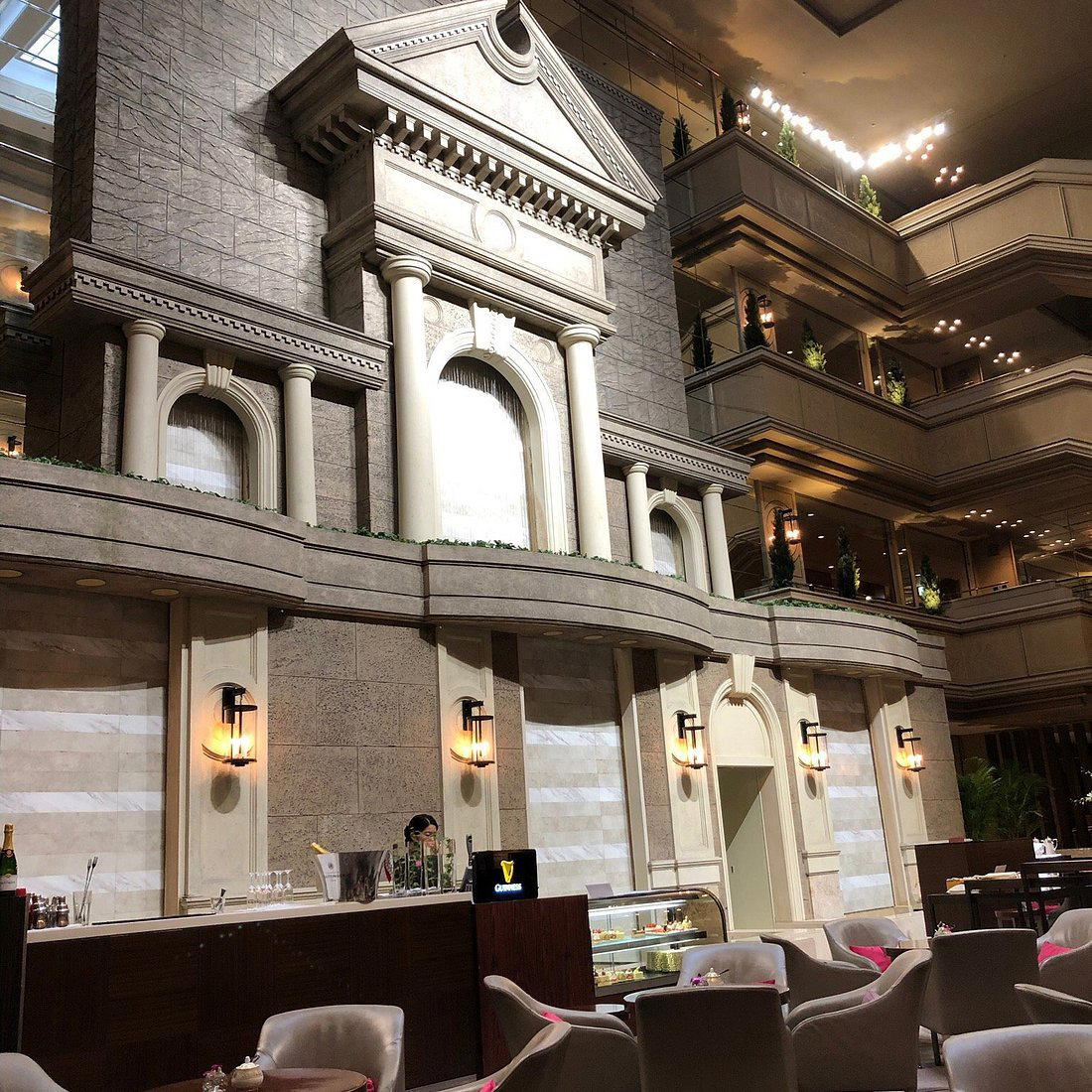
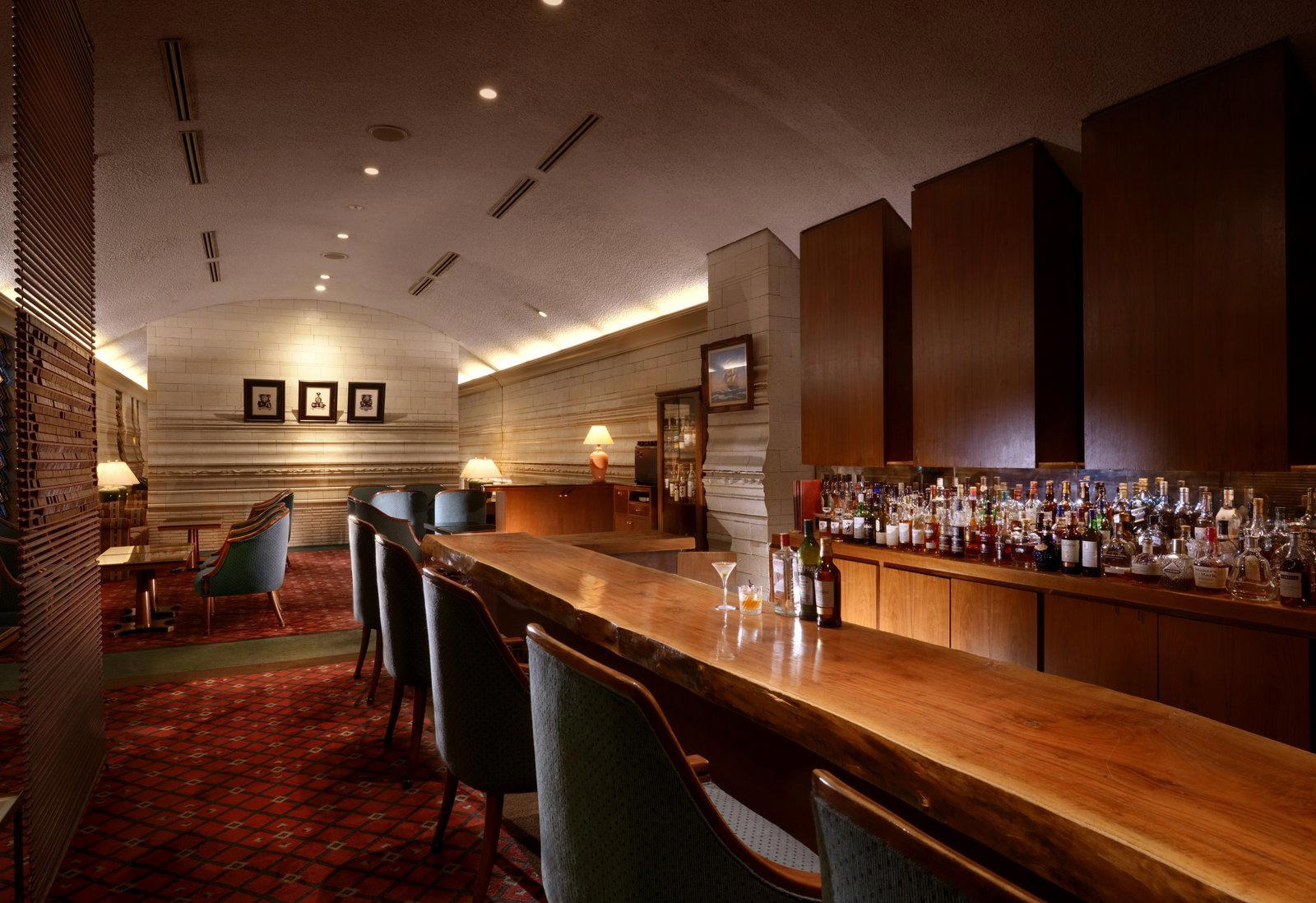
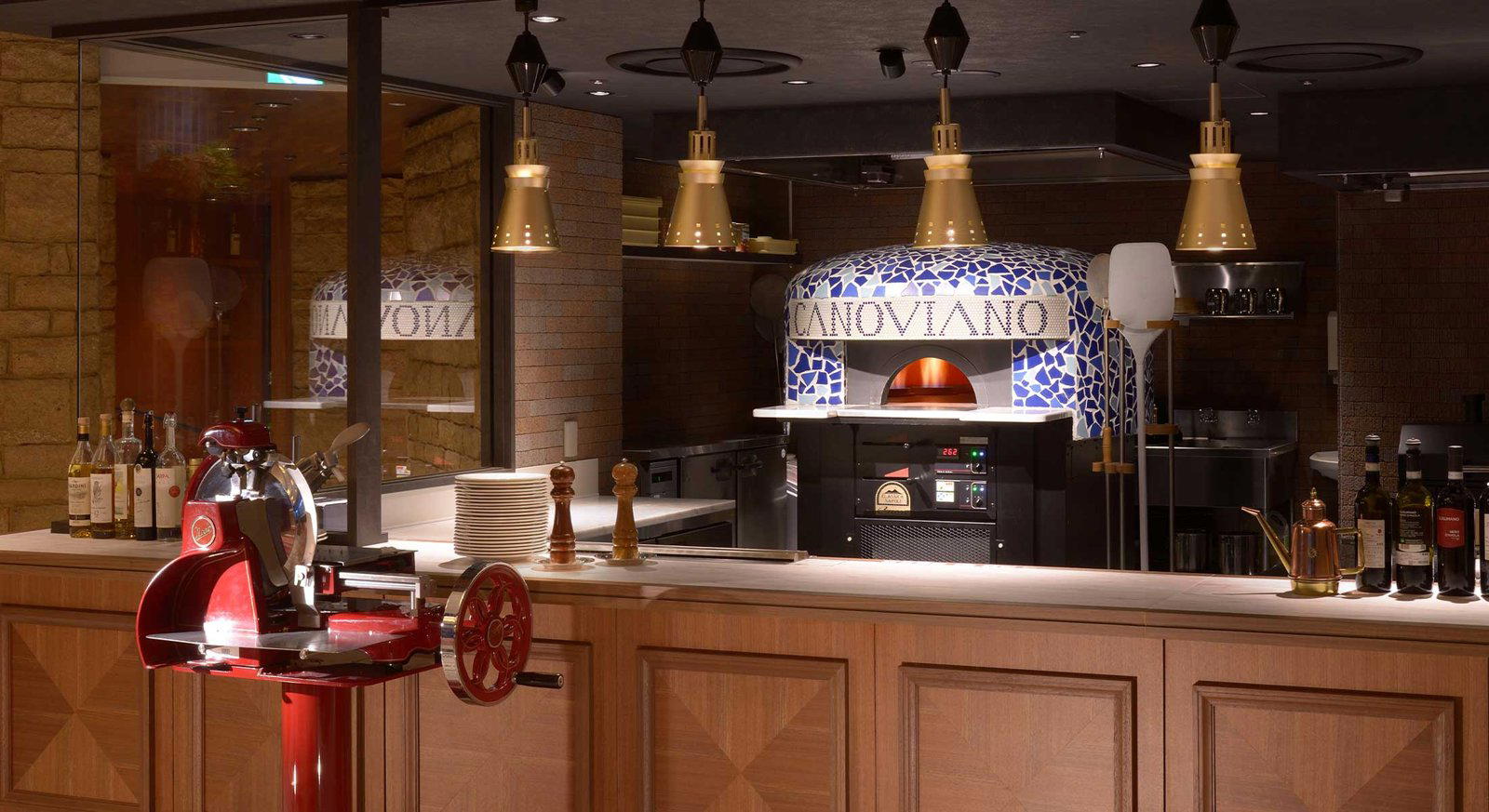
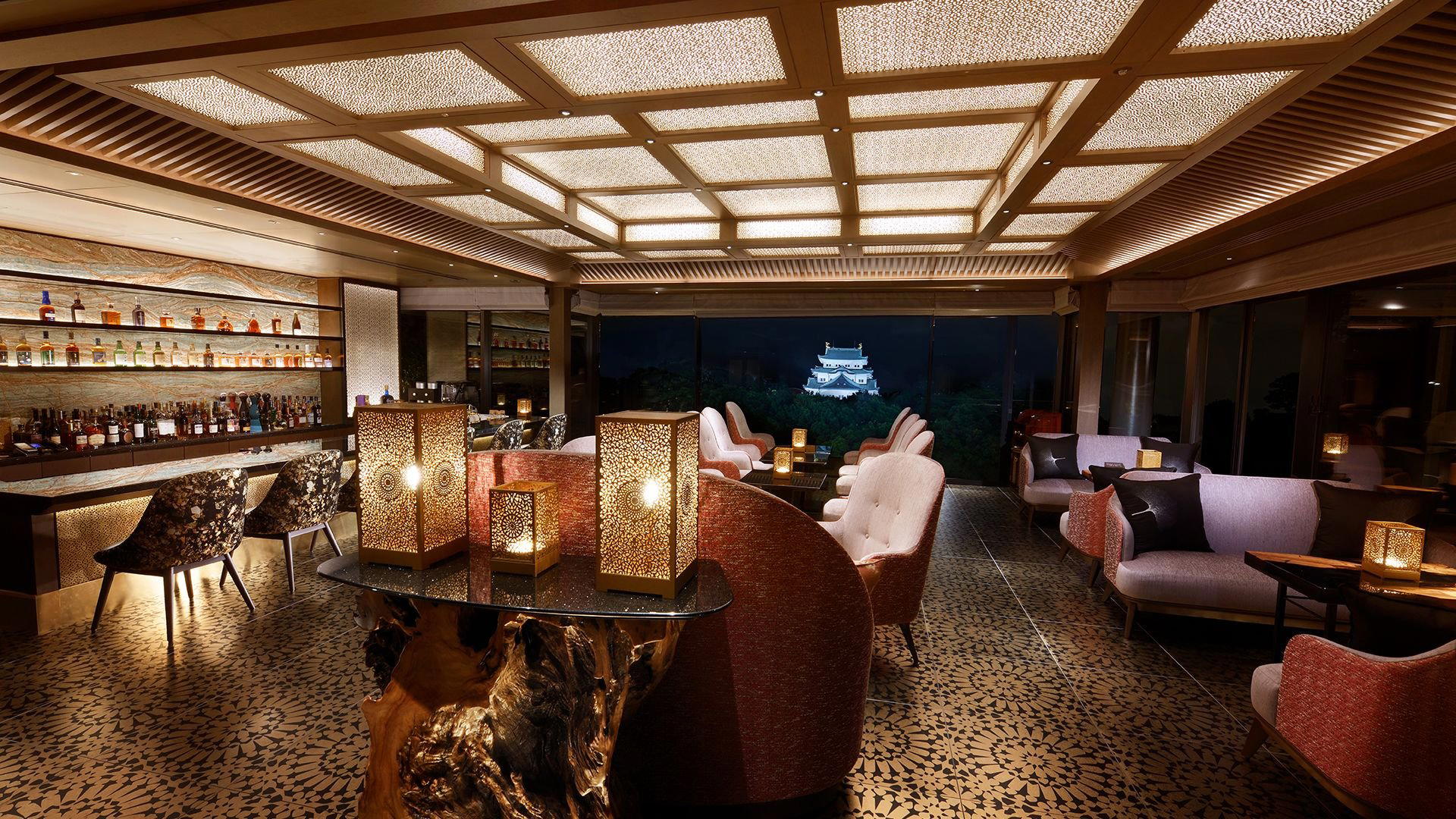
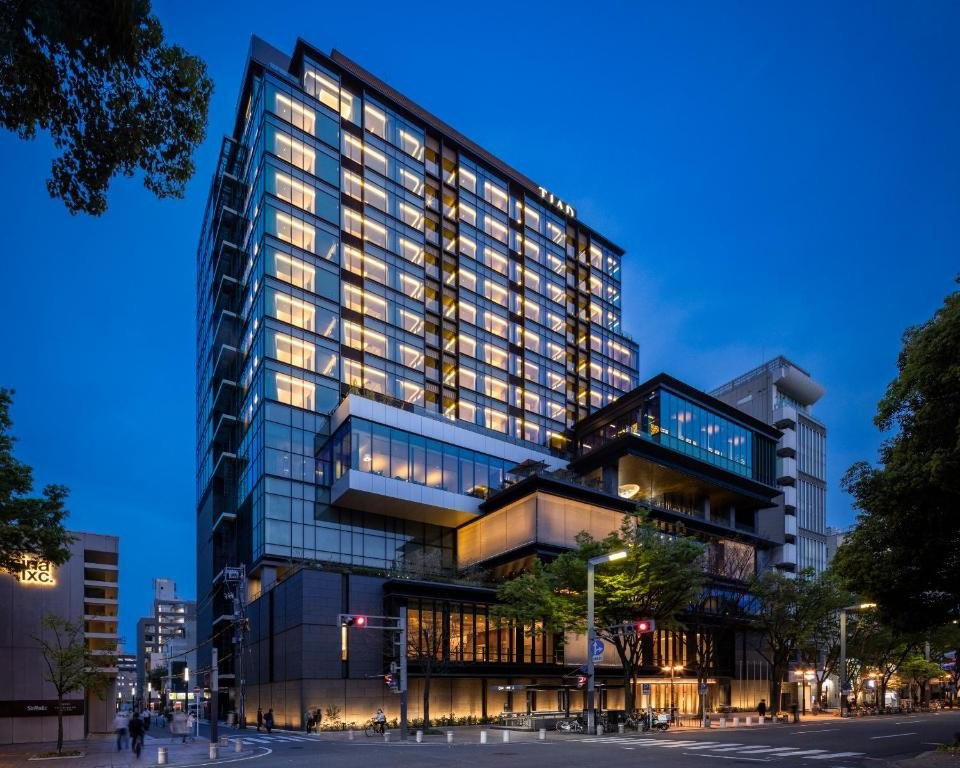
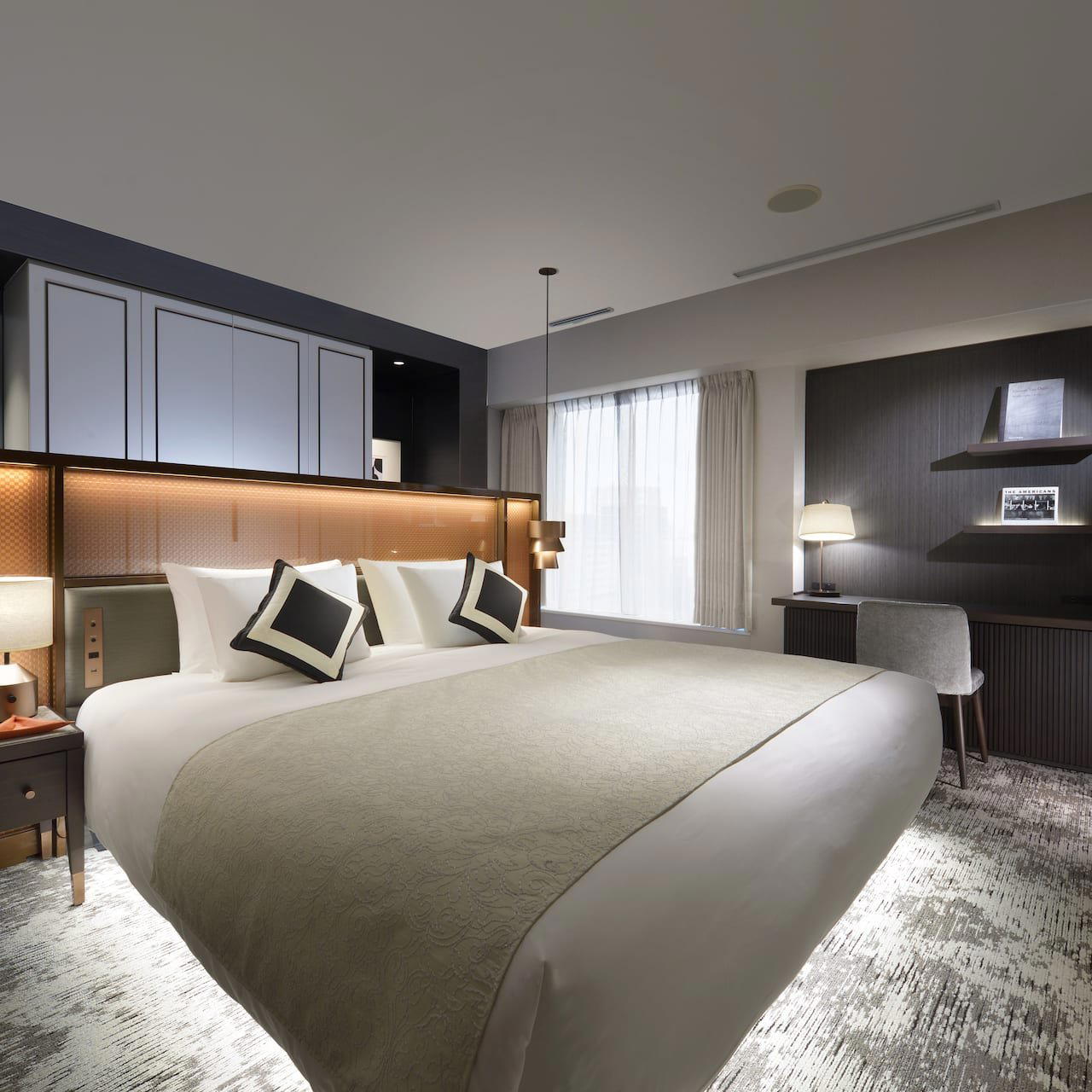
Neo-classical, elegant interior with comfortable sofa seating and cushions, offering a refined yet relaxed atmosphere and city views of Nagoya’s orderly streets and greenery for leisurely course dining.