Situated on Mariannenplatz in Kreuzberg, 3 Sisters occupies a corner of Berlin where the neighbourhood's layered cultural history meets a dining scene increasingly defined by the tension between imported technique and local produce. The address alone positions it within one of the city's most curated blocks for serious eating, drawing a crowd that arrives with purpose rather than by accident.
Pearl is the En Primeur Club membership app — saves, bookings, and concierge access live there. Same editors, same standards.
- Address
- Mariannenpl. 2, 10997 Berlin, Germany
- Phone
- +49 30 600318600
- Website
- 3schwestern.com
- Directions
- Get directions
 Saves & bookings on Pearl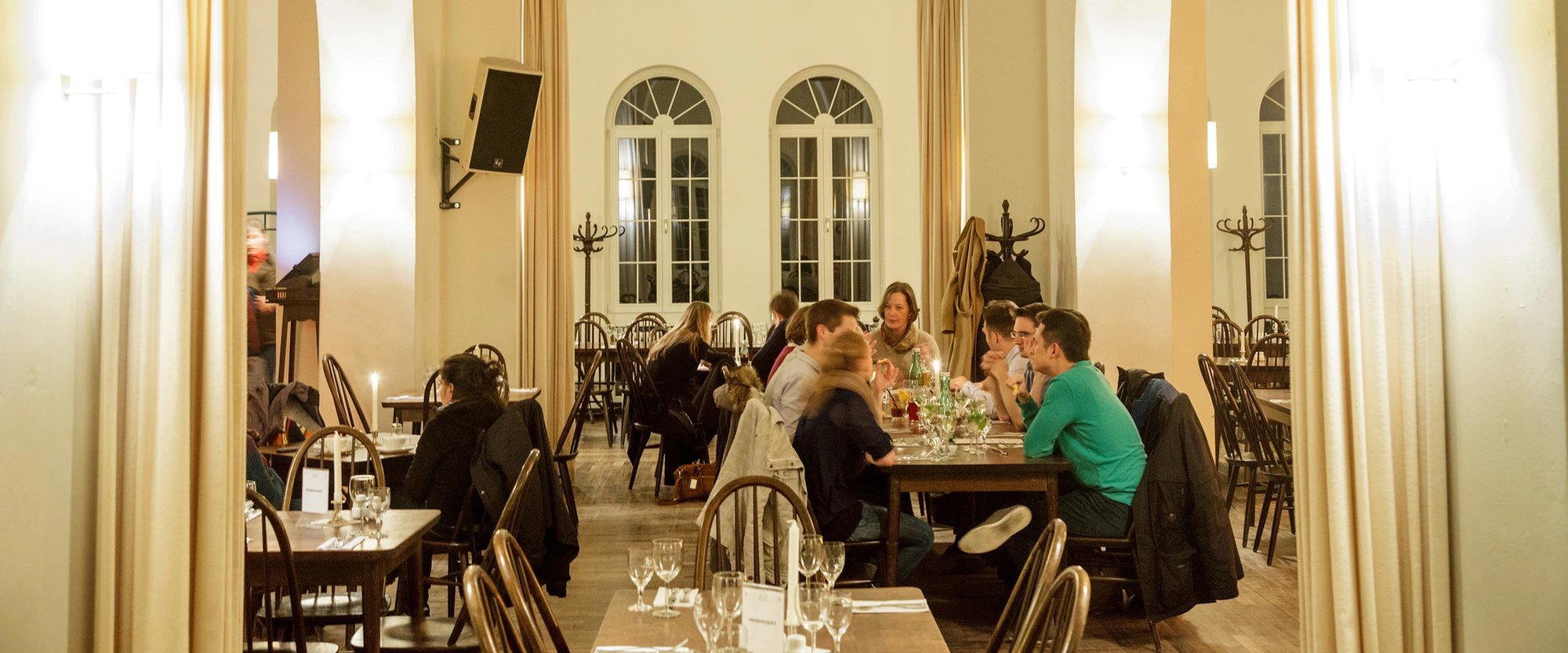
Kreuzberg's Table: Where Technique Meets Territory
Mariannenplatz is one of those Berlin addresses that carries weight without advertising it. The square in Kreuzberg has long functioned as a social and cultural pivot point for a neighbourhood that absorbed successive waves of migration and reinvention, and the dining establishments that have taken root around it tend to reflect that layered character. Restaurants here do not generally traffic in nostalgia for a single culinary tradition; they sit at the intersection of several, shaped by the ingredients available in Brandenburg and the Spreewald, the techniques that arrived with cooks trained across Europe and Asia, and a local dining public that has grown considerably more demanding over the past decade. 3 Sisters is a restaurant in Berlin's Kreuzberg district, serving German Regional Seasonal cuisine at a price tier of 2. 3 Sisters, at Mariannenpl. 2, occupies that intersection.
The Kreuzberg Dining Context
Berlin's most discussed restaurant neighbourhood has shifted several times in the past fifteen years. Mitte held the formal fine-dining conversation for a long time, anchored by addresses like Restaurant Tim Raue and Rutz, both of which built internationally recognised programmes on the premise that German produce could carry a kitchen operating at the highest technical level. Prenzlauer Berg attracted a different tier, leaning toward neighbourhood bistro energy. Kreuzberg, meanwhile, developed a reputation for creative risk: venues like CODA Dessert Dining, which restructured the sequence of a meal around patisserie logic, and Nobelhart and Schmutzig, which made radical localism a curatorial act, demonstrated that Kreuzberg restaurants were not interested in following conventions set elsewhere. That creative density is the environment into which 3 Sisters steps.
What distinguishes the better restaurants in this part of the city is not a single cuisine flag but a method: bring in technical vocabulary from wherever it was developed most rigorously, apply it to what grows or raises well in the immediate region, and let the tension between those two pressures generate something that feels neither imported nor artificially rustic. The editorial angle that applies across Kreuzberg's more serious tables is precisely that friction between global method and local material.
Local Ingredients, Imported Logic
The broader pattern across Berlin's premium dining tier in the 2020s involves a deliberate reorientation toward German-grown produce handled with techniques that owe as much to Tokyo or Copenhagen as to any Central European tradition. FACIL at the Mandala Hotel represents one version of this in the contemporary European idiom; Nobelhart and Schmutzig represents a more dogmatic version, in which the sourcing radius itself becomes the creative constraint. Between those poles, several Kreuzberg tables have found a less doctrinaire position: rigorous about produce, open about technique, and willing to let a dish show its influences rather than conceal them.
This approach is not distinctive to Berlin. Across Germany's serious dining circuit, from Aqua in Wolfsburg to JAN in Munich and Schwarzwaldstube in Baiersbronn, the conversation has moved from whether German kitchens can compete internationally to whether they can articulate something that is specifically, recognisably German while using the full technical toolkit available to a cook in 2024. Addresses like Vendôme in Bergisch Gladbach, ES:SENZ in Grassau, and Victor's Fine Dining by Christian Bau in Perl have each answered that question differently. In Berlin, the answer tends to come back through the city's pluralism: no single answer, but many concurrent experiments.
Mariannenplatz as Address
The specific location on Mariannenplatz matters for logistical and atmospheric reasons. The square itself is flanked by the Bethanien arts complex, which has housed cultural institutions and artist studios since the 1970s, and the surrounding streets draw a foot traffic mix that includes long-term Kreuzberg residents, a design and creative-industries crowd, and visitors who have done enough research to know that the neighbourhood's most interesting eating is not on the tourist-facing corridors. Arriving at Mariannenpl. 2 puts you in a part of Berlin where the dining room is rarely the loudest thing in the block, which tends to shape the atmosphere inside: quieter, more focused, less self-congratulatory than venues that occupy more conspicuous real estate.
For context on how this part of the German dining scene relates to its counterparts elsewhere, it is worth noting how kitchens at Waldhotel Sonnora in Dreis, Restaurant Haerlin in Hamburg, and Schanz in Piesport have handled the same tension between European classical grounding and regional produce specificity. Each found a different equilibrium. Berlin's version, shaped by the city's cosmopolitanism and its relative distance from Germany's established fine-dining corridors in the southwest and Rhine regions, tends to lean harder into that cosmopolitan openness. You are as likely to find fermentation logic borrowed from Scandinavian kitchens or precision sauce work derived from French classical training as you are to find anything that announces itself as traditionally German. That is a feature, not a deficit.
Internationally, the comparison set for this kind of cooking extends beyond Germany. Le Bernardin in New York City demonstrated decades ago that technical rigour and produce specificity could coexist without one flattening the other; Atomix in New York City showed more recently that imported cultural logic applied to produce from a different geography could generate something that felt neither derivative nor confusing. The better Kreuzberg kitchens are operating in a comparable register: not fusion in the diluted sense, but a clear-eyed deployment of multiple technical lineages in service of what is actually available, locally and seasonally.
Know Before You Go
- Address: Mariannenpl. 2, 10997 Berlin, Germany
- Neighbourhood: Kreuzberg, close to Bethanien arts complex and Görlitzer Park
- Phone: Not currently listed
- Website: Not currently listed
- Price range: about $25 per person
- Hours: Mon: 5-11 PM; Tue: 5-11 PM; Wed: 5-11 PM; Thu: 5-11 PM; Fri: 5-11 PM; Sat: 4-11 PM; Sun: 11 AM-11 PM
- Booking: recommended
- Dress code: casual
Cuisine Lens
Comparable venues nearby, for context on price, style, and recognition.
| Venue | Cuisine | Price | Notes |
|---|---|---|---|
| 3 SistersThis venue — the venue you are viewing | German Regional Seasonal | $$ | Not listed |
| Knödelwirtschaft NORD | German Knödel Dumplings | $$ | Prenzlauer Berg |
| qnorke | Modern German Steakhouse | $$ | Hakenfelde |
| Luna D'Oro | Modern Traditional German | $$ | Mitte |
| Lieschen Mueller | Traditional German and Berliner Cuisine | $$ | Mitte |
| Gaumenfreund | International with German influences | $$ | Mitte |
Continue exploring
More in Berlin
Restaurants in Berlin
Browse all →
Bars in Berlin
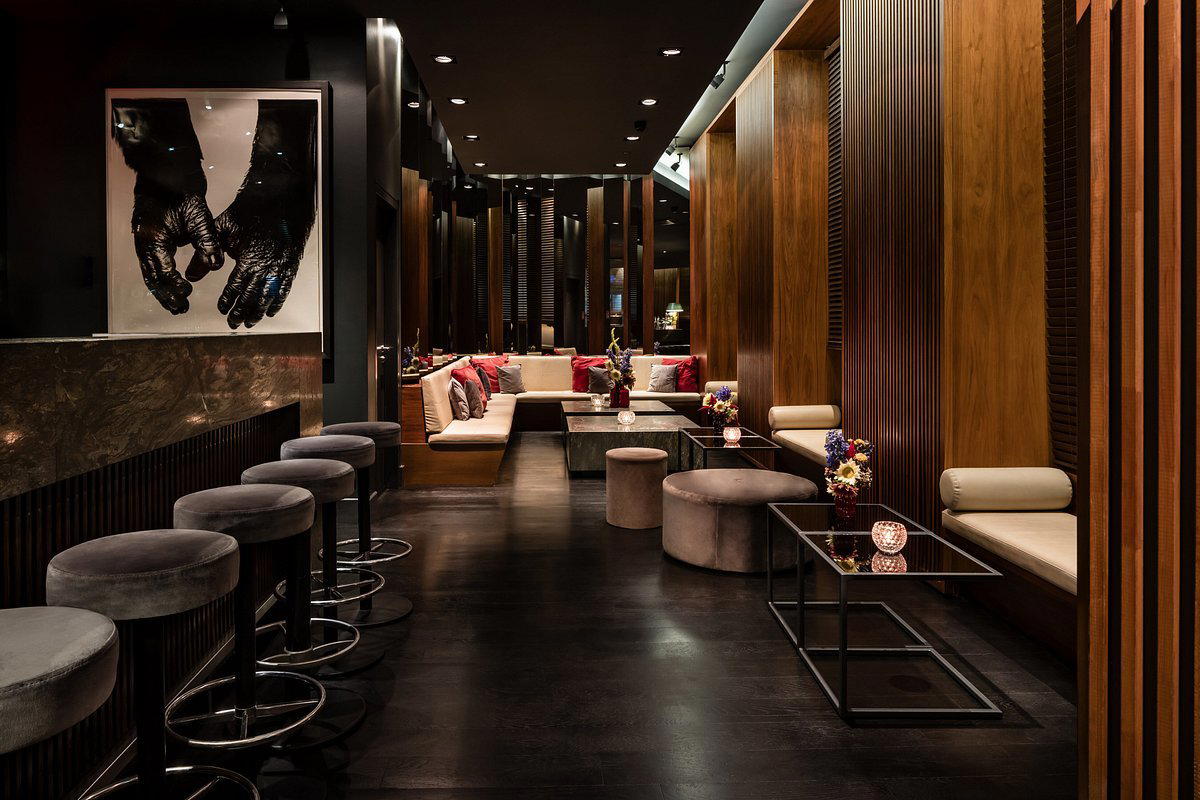
Browse all →
Hotels in Berlin
Browse all →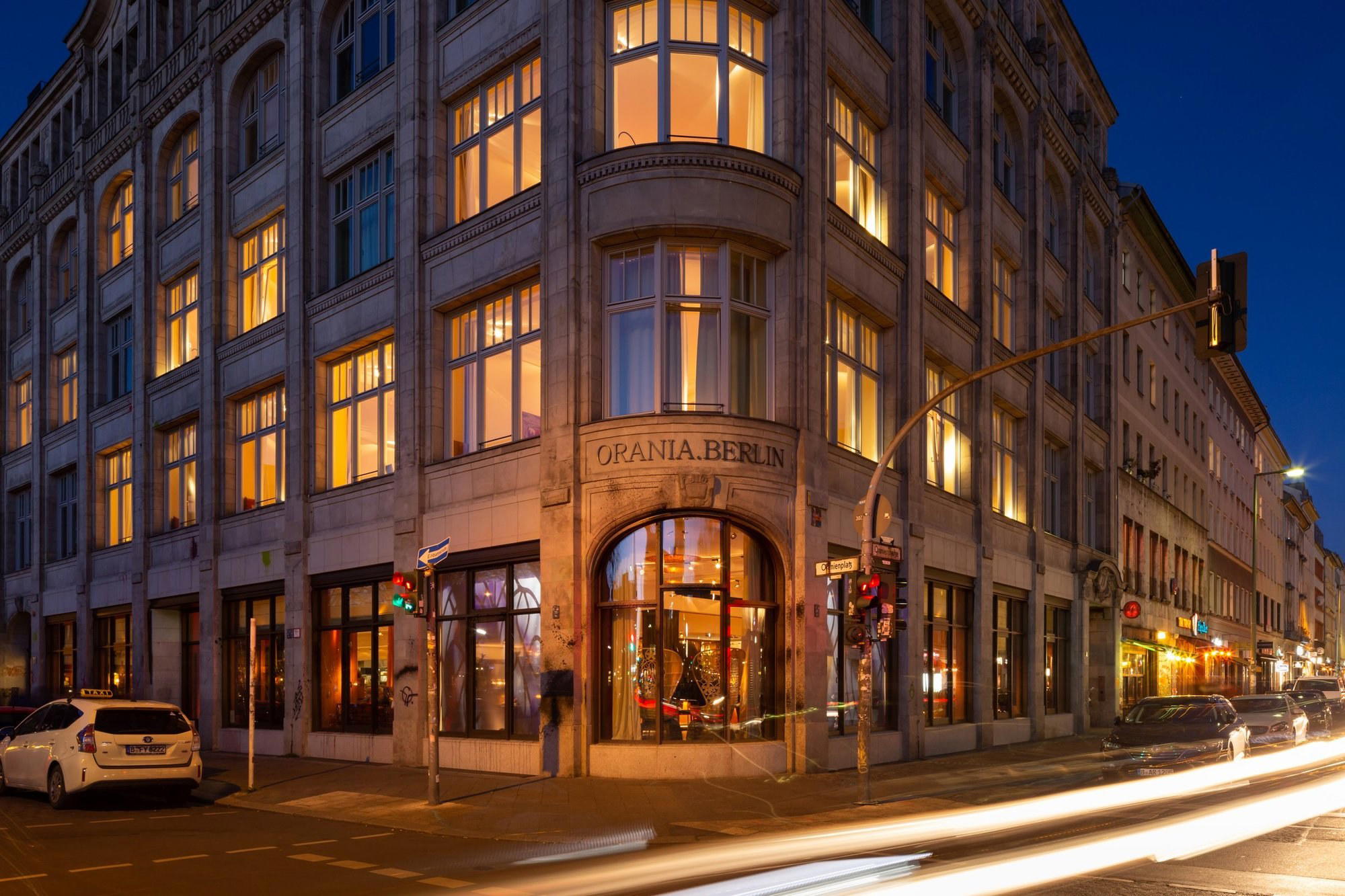
Wineries in Berlin
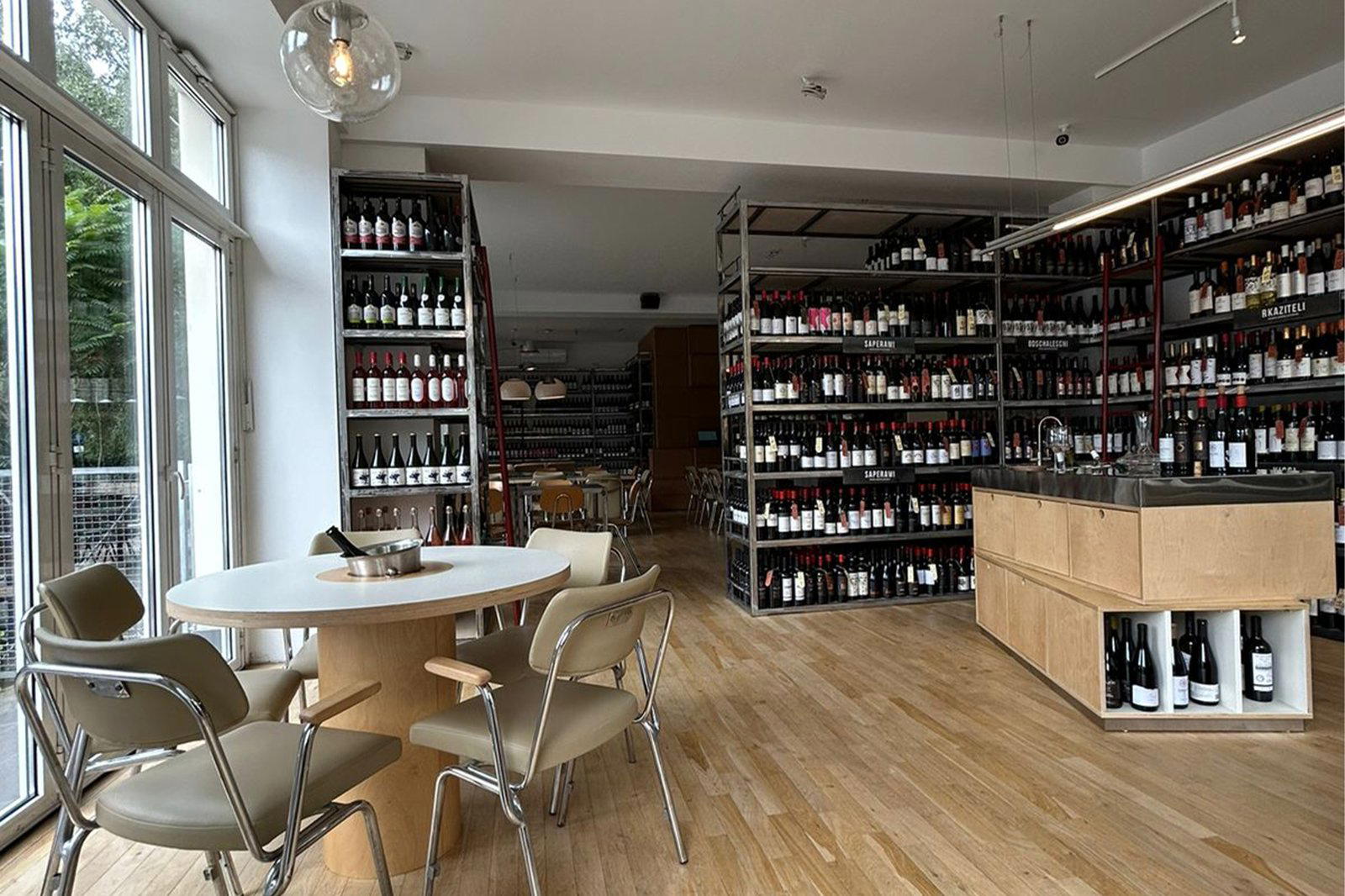
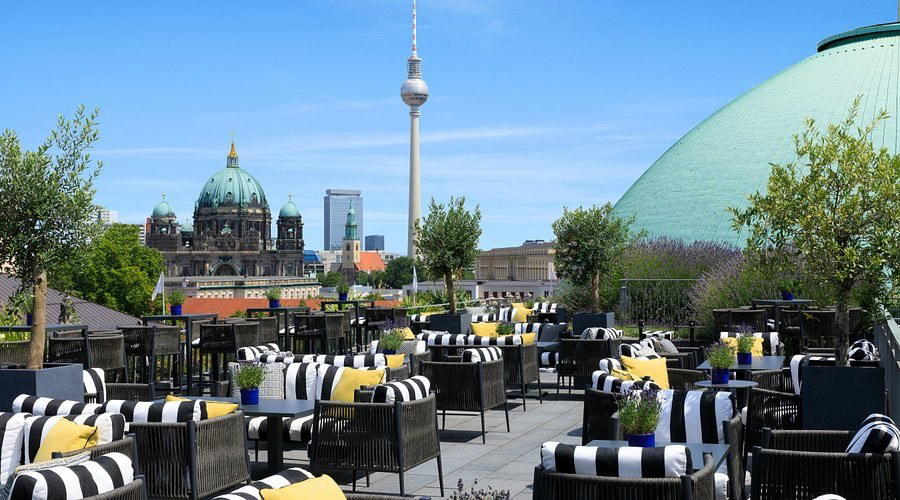
Browse all →
At a Glance
- Bohemian
- Cozy
- Elegant
- Lively
- Casual Hangout
- Group Dining
- Date Night
- Celebration
- Garden
- Historic Building
- Live Music
- Courtyard
- Beer Program
- Local Sourcing
- Organic
- Garden
Current opening hours
- Monday
- 5–11 PM
- Tuesday
- 5–11 PM
- Wednesday
- 5–11 PM
- Thursday
- 5–11 PM
- Friday
- 5–11 PM
- Saturday
- 4–11 PM
- Sunday
- 11 AM–11 PM
Hours can change for holidays and private events. Last verified .
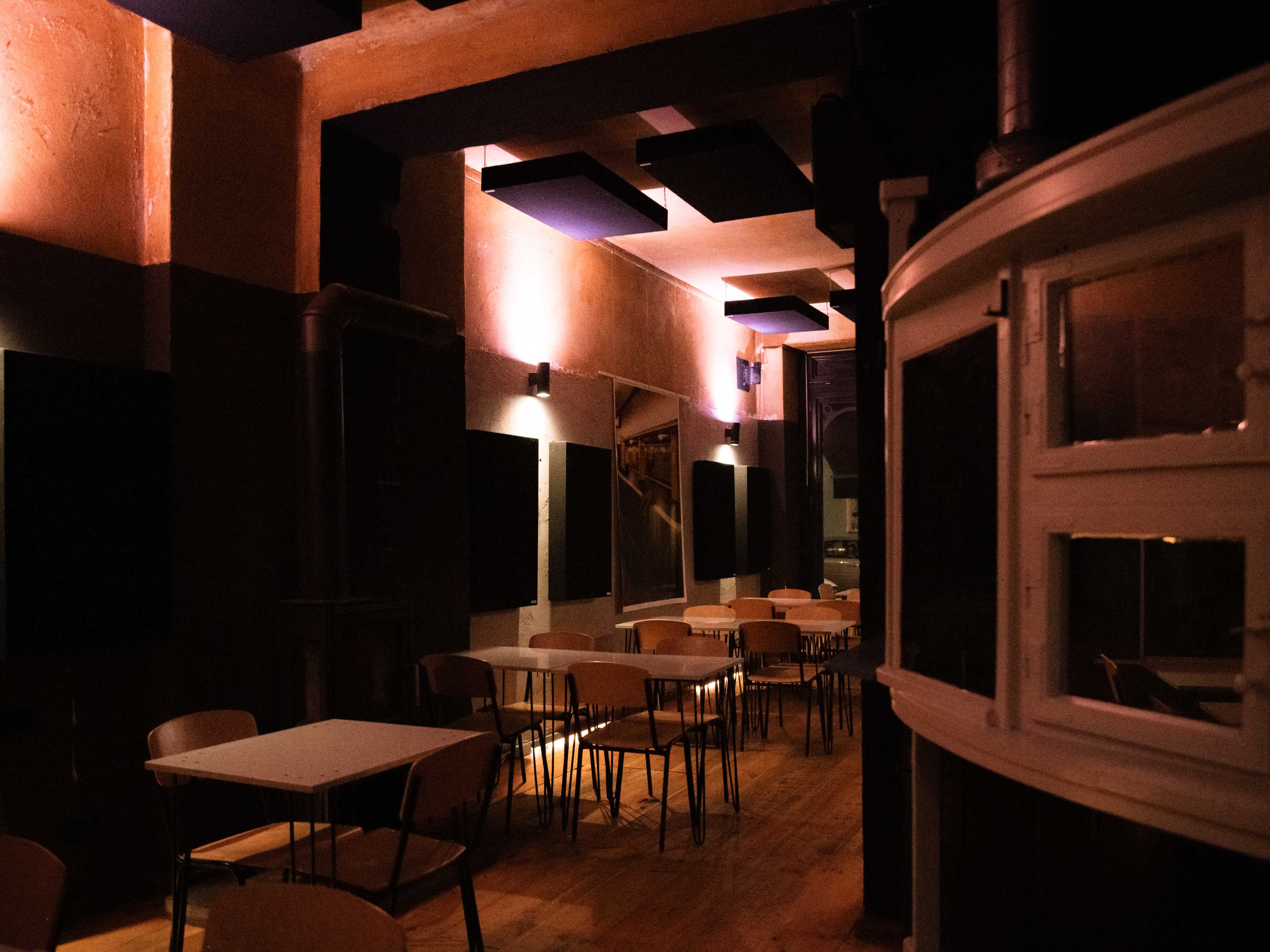
Spacious dining room with high ceilings, simply but tastefully furnished, excellent lighting and temperature control in a charming former nunnery setting.