Located at Am Maselakepark 12 in Berlin's western Spandau district, qnorke occupies territory well outside the city's established fine-dining corridor. The address alone signals a deliberate departure from the Mitte-to-Kreuzberg axis where Berlin's Michelin-recognised restaurants cluster. What that departure means in practice is the central question for anyone considering the journey.
Pearl is the En Primeur Club membership app — saves, bookings, and concierge access live there. Same editors, same standards.
- Address
- Am Maselakepark 12, 13587 Berlin, Germany
- Phone
- +4915141324729
- Website
- qnorke.de
- Directions
- Get directions
 Saves & bookings on Pearl
Out West: What Spandau's Dining Scene Signals
Berlin's restaurant geography has long operated on an implicit hierarchy. Berlin's Michelin-starred tier, Rutz in Mitte, Nobelhart & Schmutzig in Kreuzberg, FACIL in Tiergarten, and CODA Dessert Dining in Neukölln, cluster in a band running through the city's central and southern neighbourhoods. The address at Am Maselakepark 12, in the Spandau district to the far northwest, places qnorke outside that geography entirely. Spandau is older Berlin: a borough with its own civic identity, its own medieval Altstadt, and a dining scene that has historically served residents rather than destination visitors. A restaurant operating there carries different expectations from the start.
That positional choice is itself a statement about what kind of dining operation this aims to be. In cities like Berlin, where the restaurant ecosystem has become increasingly self-referential, chefs training under peers, spaces designed for industry insiders as much as guests, venues that locate deliberately away from the cluster often do so to establish a different relationship with their audience. The question is whether qnorke has used that distance as a design decision or whether it simply reflects where the operation found affordable space.
The Evolution of Peripheral Dining in Berlin
Berlin's outer-borough restaurant scene has changed considerably over the past decade. What was once a clear divide between the central destination tier and neighbourhood-only operations has begun to blur, particularly as rents in Mitte, Prenzlauer Berg, and Kreuzberg have risen to levels that push ambitious independent operators outward. This is not distinctive to Berlin, the same pattern reshaped London's dining geography through the 2010s, with Peckham and Dalston absorbing the overflow from Soho and Shoreditch, and it is visible in New York, where outer-borough addresses now hold two-Michelin-star counters that would have been implausible in Brooklyn a generation ago.
In the German context, this decentralisation has produced some of the country's most discussed openings. Destination dining in Germany has never been exclusively urban in the way it is in France or the United Kingdom, Schwarzwaldstube in Baiersbronn, Waldhotel Sonnora in Dreis, and Schanz in Piesport demonstrate that the country's serious food audience will travel for a table that justifies the journey. In that framework, an outer-Spandau address is unusual but not inherently disqualifying. The more relevant question is whether the format and cooking merit the displacement.
Reading the Address as Context
The Maselake park reference in the address points toward the Maselakesee area, a lake-flanked corner of Spandau associated more with weekend walkers than with the restaurant-focused visitor. Dining near water in Berlin carries its own set of associations, summer terraces, casual Kaffee-und-Kuchen culture, the kind of relaxed pace that suits a neighbourhood rather than a destination. Whether qnorke works with or against those associations shapes how it is likely to read on arrival.
Across Germany's dining tier, the venues that have successfully built destination audiences from non-central addresses share a common trait: format clarity. Aqua in Wolfsburg is unambiguously a three-Michelin-star tasting menu operation. Victor's Fine Dining by Christian Bau in Perl, positioned near the Luxembourg border, similarly offers no ambiguity about its register. ES:SENZ in Grassau and Vendôme in Bergisch Gladbach both operate within hotel contexts that provide the infrastructure for a longer stay. Without that kind of format signal, peripheral addresses require the cooking itself to carry the entire argument for the journey.
Comparable operations in other major cities suggest this is achievable. Le Bernardin in New York City built its audience on culinary authority rather than neighbourhood cachet, and Atomix has demonstrated that a specific, committed format can drive destination traffic regardless of zip code. The principle holds in Berlin: the outer-borough address becomes irrelevant once the cooking makes the case for itself.
Where qnorke Sits in Berlin's Current Tier Structure
Berlin's recognised fine-dining set currently includes five Michelin-starred addresses, with Rutz holding two stars and a broader cluster at one star that spans cuisines from modern German to creative dessert-focused formats. The city's €€€€ tier is relatively compact compared with Munich or Hamburg, Restaurant Haerlin in Hamburg and JAN in Munich each operate within cities where the top tier is denser and the competition for the same guest more acute.
That relative scarcity in Berlin means the city's dining public is, in some ways, more open to discovering operations outside the established cluster than comparable audiences in Paris or Tokyo would be. It also means that a Spandau address does not carry the stigma it might in a city with a more saturated central dining scene. The conversation in Berlin's food community about where to eat next has always been more geographically open than the city's reputation for east-west cultural division might suggest.
Bagatelle in Trier offers a Rhineland-Palatinate base for exploring the Moselle wine corridor alongside serious food. The point is that Berlin's fine-dining geography rewards strategic planning: the venues worth the journey are spread across a larger physical footprint than in most comparable European capitals.
Planning a Visit
| Venue | District | Format | Price Tier |
|---|---|---|---|
| qnorke | Spandau | Not confirmed | Not confirmed |
| Rutz | Mitte | Tasting menu | €€€€ |
| Nobelhart & Schmutzig | Kreuzberg | Fixed menu | €€€€ |
| FACIL | Tiergarten | À la carte / tasting | €€€€ |
| CODA Dessert Dining | Neukölln | Dessert-led tasting | €€€€ |
The address at Am Maselakepark 12, 13587 Berlin is verified.
Recognition Snapshot
Comparable venues nearby, for context on price, style, and recognition.
| Venue | Cuisine | Price | Notes |
|---|---|---|---|
| qnorkeThis venue — the venue you are viewing | Modern German Steakhouse | $$ | Not listed |
| Diener Tattersall | Traditional Berlin Hausmannskost | $$ | Charlottenburg |
| Lokal | Modern German | $$ | Mitte |
| Georgbraeu | Traditional German Brewery | $$ | Mitte |
| Försters | Vegan German Home Cooking | $$ | Prenzlauer Berg |
| Café Liebig | Classic German Bistro | $$ | Grünau |
Continue exploring
More in Berlin
Restaurants in Berlin
Browse all →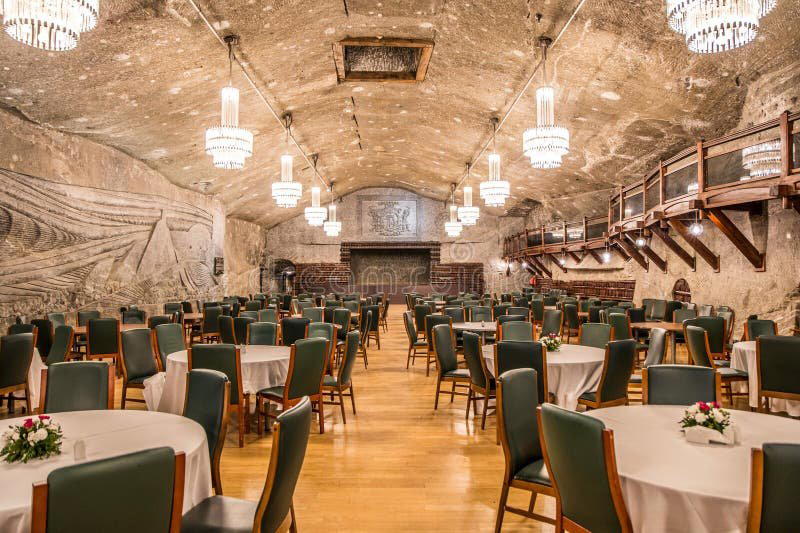
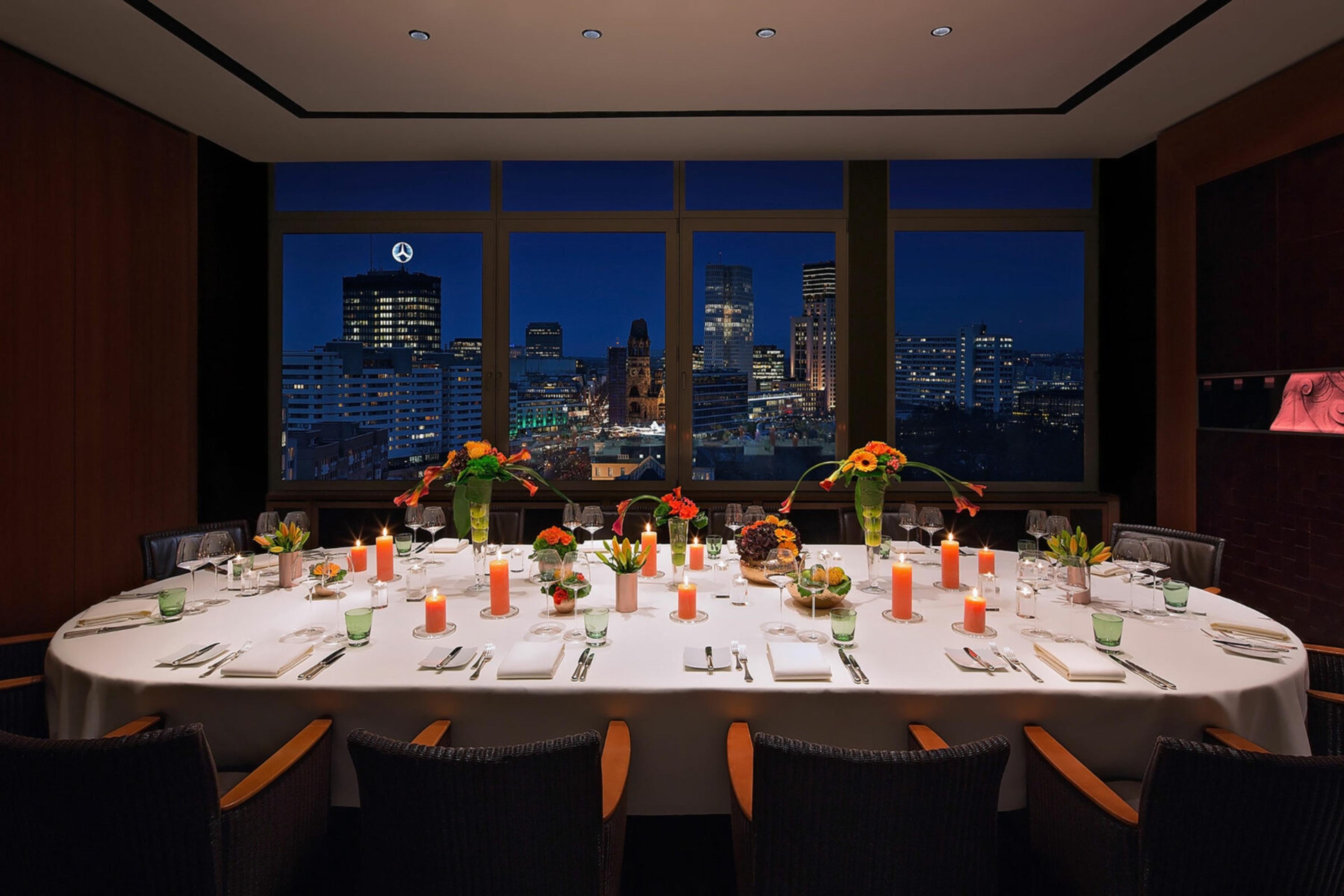
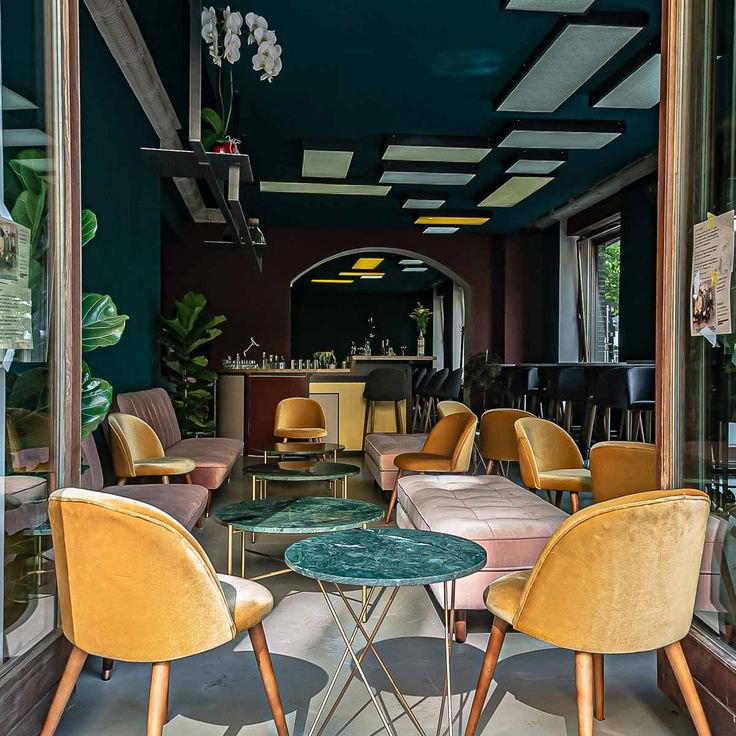
Bars in Berlin
Browse all →
Hotels in Berlin
Browse all →
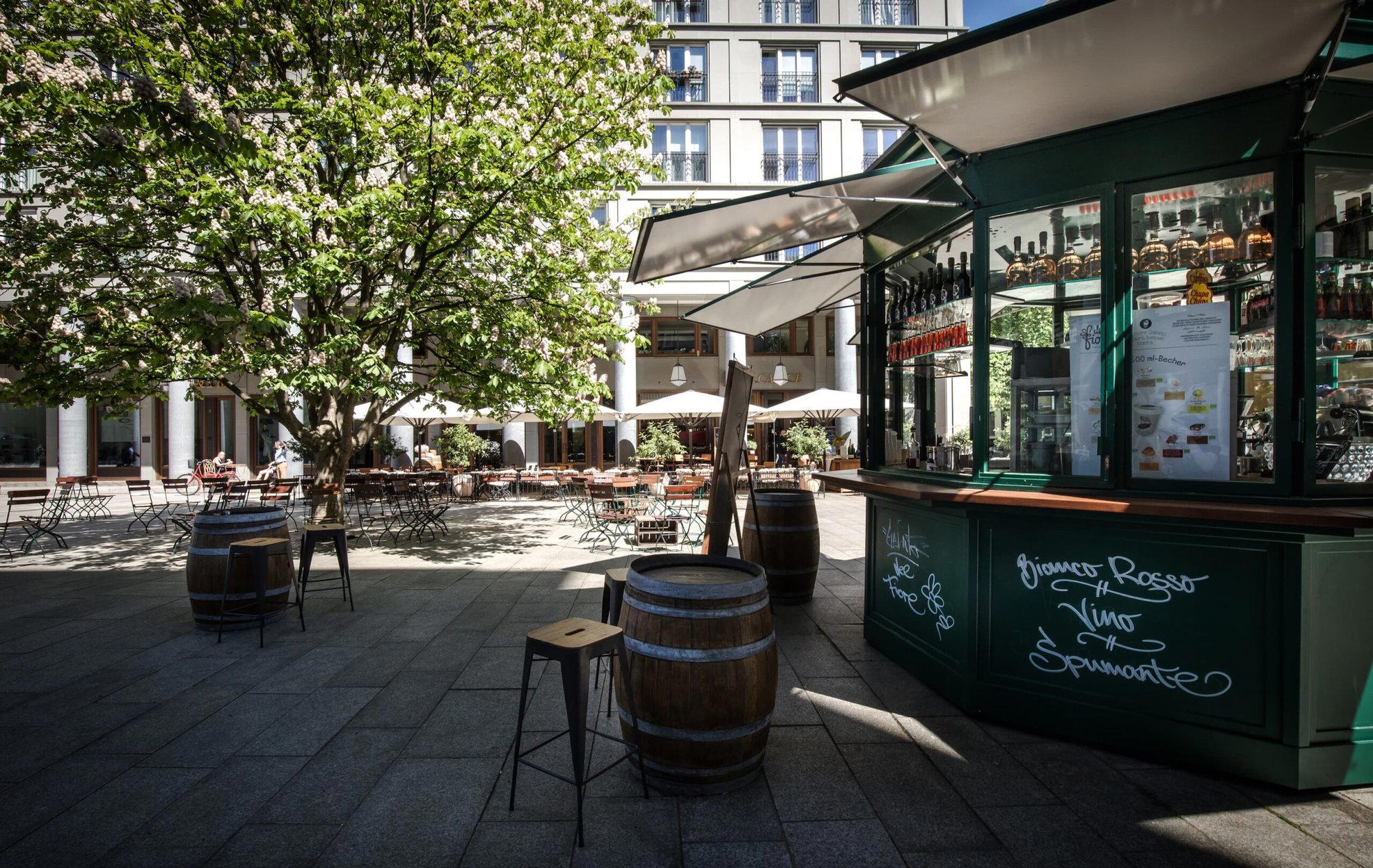
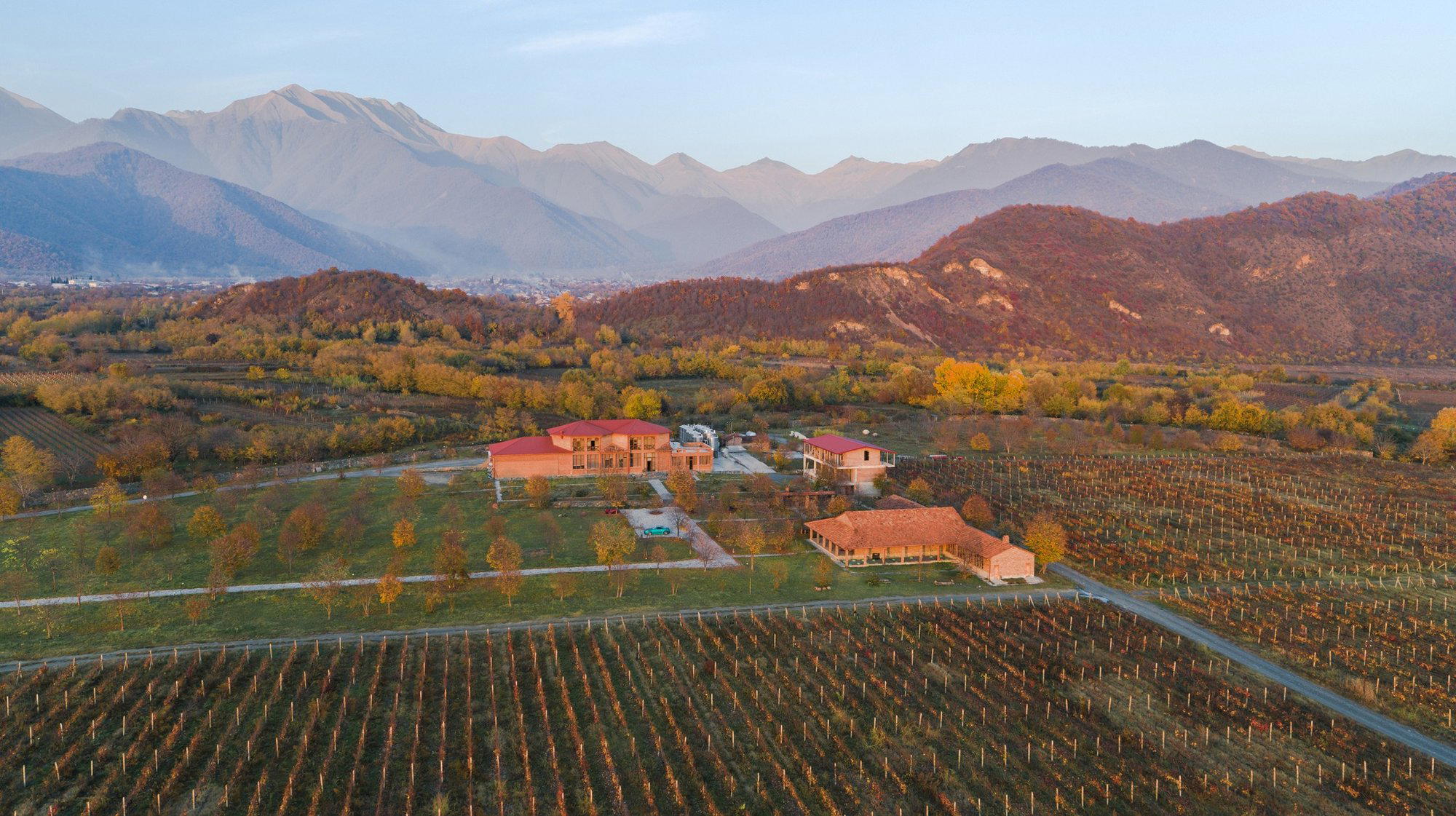
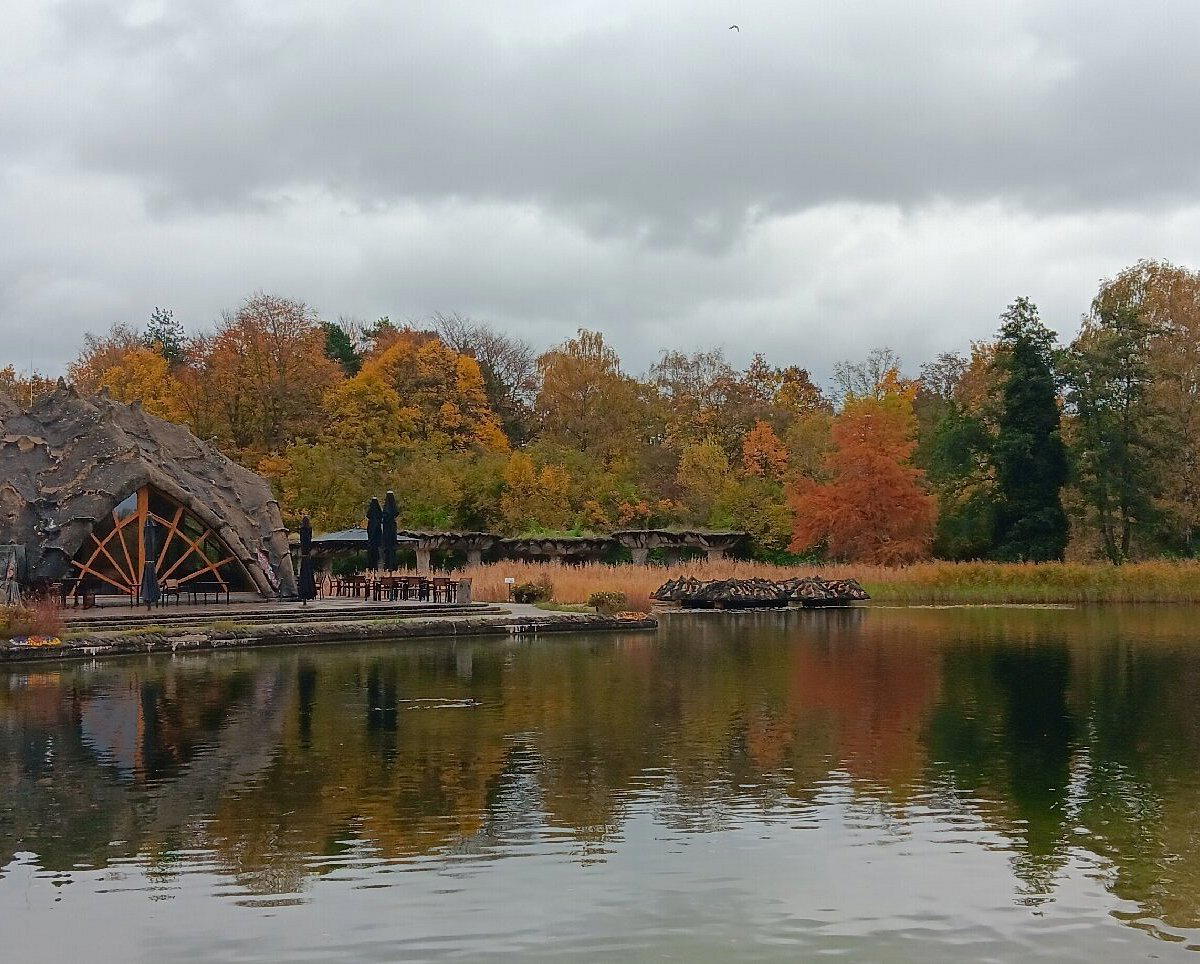

At a Glance
- Modern
- Cozy
- Historic
- Scenic
- Brunch
- Family
- Casual Hangout
- Waterfront
- Open Kitchen
- Craft Cocktails
- Beer Program
- Waterfront
- Garden
Current opening hours
- Monday
- Closed
- Tuesday
- 3–10 PM
- Wednesday
- 3–10 PM
- Thursday
- 3–10 PM
- Friday
- 3–10 PM
- Saturday
- 3–10 PM
- Sunday
- 10 AM–4 PM
Hours can change for holidays and private events. Last verified .
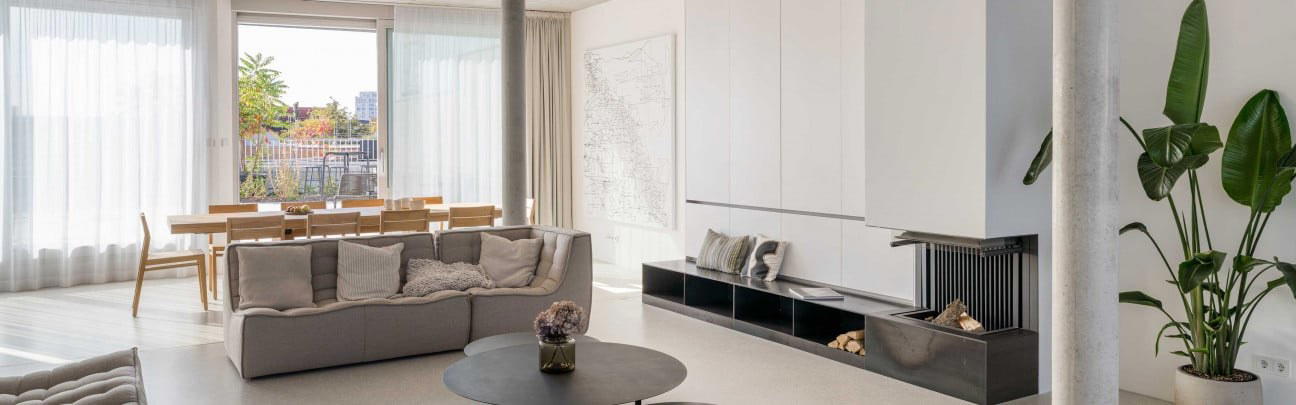
Calm and comfortable with natural elegance, moderate noise, and historic charm featuring indoor fireplace.