
A Reykjavík institution on Baldursgata, 3 Frakkar has served traditional Icelandic seafood under chef Úlfar Eysteinsson for decades, earning consecutive recognition from Opinionated About Dining in 2023 and 2024. The kitchen treats Icelandic waters as its larder, working with cod, catfish, and whale in preparations that owe more to local tradition than to New Nordic trend-chasing. For visitors wanting context alongside their catch, few tables in the city deliver it as honestly.
Pearl is the En Primeur Club membership app — saves, bookings, and concierge access live there. Same editors, same standards.
- Address
- Baldursgata 14, 101 Reykjavík, Iceland
- Phone
- +354 552 3939
- Website
- 3frakkar.is
- Directions
- Get directions
 Saves & bookings on Pearl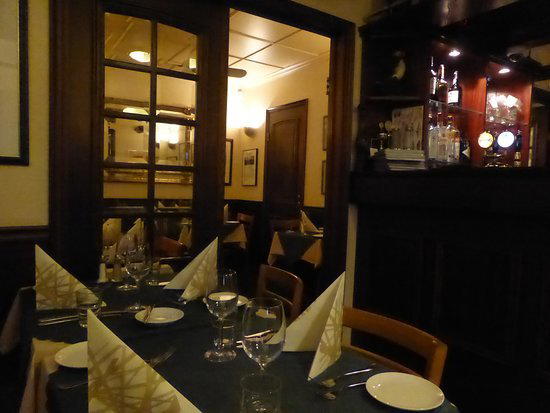
Baldursgata and the Tradition It Kept
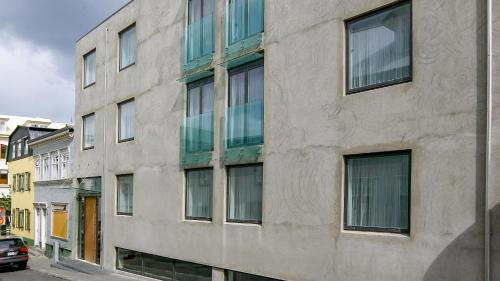
Walk along Baldursgata in the 101 postal district and the neighbourhood signals something specific: residential Reykjavík, the low-rise, painted-concrete kind that predates the city's tourist infrastructure by several generations. Number 14 sits in that register too. No dramatic signage, no design intervention on the facade. The building looks like it has always been there, which is more or less accurate. In a city that has added wine bars, tasting menus, and New Nordic concept restaurants at speed since the mid-2010s, 3 Frakkar represents the counter-position: a dining room that has stayed in its lane because its lane was correct to begin with.
That lane is traditional Icelandic seafood, prepared with reference to what arrives from Icelandic waters rather than what trends are circulating in Copenhagen or London. The comparison matters, because Reykjavík's contemporary restaurant scene has largely oriented itself toward the New Nordic model. DILL holds a Michelin star and works within that creative tradition. ÓX operates as an intimate omakase-format counter at the Michelin level. Brút and Hosiló push modern cuisine at premium price points. 3 Frakkar sits outside that bracket by design, focusing on the seafood traditions that Icelandic households have long eaten.
Iceland's Waters as the Menu
The editorial angle for understanding 3 Frakkar is sourcing, not decoration. Iceland's fishing grounds, particularly the cold North Atlantic shelf surrounding the island, produce particularly substantive seafood in Europe. Atlantic cod from these waters has carried Icelandic export identity for centuries. Arctic char runs through Icelandic rivers and lakes with a flavour profile that differs meaningfully from farmed alternatives. Catfish, minke whale, and skate appear on traditional Icelandic tables not as curiosities but as staples, reflecting a culture that used what the sea offered rather than importing a culinary vocabulary from elsewhere.
A kitchen operating in this tradition is making a statement about port-to-plate directness. Reykjavík's fishing harbour sits within the city itself. The logistics of fresh delivery in Iceland are, by European standards, abbreviated: the distances between catch and kitchen are short, the supply chain relatively transparent. That physical geography shapes what is possible on the plate. Restaurants along the Atlantic coast working from similar first principles include Aux Pesked in Saint-Brieuc, where Breton fishing tradition anchors the menu, and Angler in London, which pursues sustainable British sourcing at a higher price point. The philosophical alignment across these kitchens, sourcing discipline over culinary spectacle, is more significant than the individual differences in style or format.
For visitors who have arrived in Iceland having already eaten at Moss in Grindavík, which operates in a geothermal-landscape context with tasting menus, or at Matur og Drykkur, which reconstructs historical Icelandic recipes, 3 Frakkar offers a third register: neither geological theatre nor culinary archaeology, but the working-restaurant version of what Icelanders have eaten from these waters across generations.
Where 3 Frakkar Sits in the Reykjavík Tier
Opinionated About Dining included the restaurant in its Casual Europe list in 2024, following a Recommended citation in 2023. OAD's casual category covers restaurants where the experience prioritises substance and informality over formal service or theatrical presentation. A ranking at that level, sustained across two consecutive assessment years, places the restaurant in a peer group where consistency is the primary criterion.
Within Reykjavík specifically, this positioning is significant. The city's Michelin-starred options (DILL, ÓX) operate at a price point and formality level that not every meal calls for. The restaurant occupies the space below that tier but above generic tourist restaurants, offering a cooking tradition that requires genuine skill and local knowledge without requiring the visitor to commit to a tasting menu format. For travellers building a week across multiple restaurants, the OAD recognition signals this as the credible casual option in the seafood category.
Comparable seafood restaurants with similar sourcing-first philosophies across Europe include Cañabota in Seville, Gambero Rosso in Marina di Gioiosa Ionica, and Bistrot in Forte dei Marmi. Each operates within its own coastal tradition; the restaurant's specific value is that no equivalent restaurant in the world is working from the same body of water with the same cultural inheritance.
Chef Úlfar Eysteinsson and the Long Argument for Staying Put
Chef Úlfar Eysteinsson has been the consistent figure behind the restaurant across the restaurant's lifespan. In Reykjavík's restaurant history, that kind of tenure matters. The city's dining scene has turned over substantially since tourism volumes began climbing in the 2010s, with new openings, format experiments, and concept-driven projects arriving and departing with regularity. A kitchen that has continued producing traditional Icelandic seafood across that period, earning OAD recognition rather than fading into tourist-trap territory, reflects a deliberate choice about what the restaurant is for.
Eysteinsson's position in local culinary culture aligns him with the generation that built Icelandic restaurant identity before international attention arrived, rather than the generation that responded to it. That is not a judgment about which approach produces better food; it is a description of two different projects. The restaurant's project is continuity with Icelandic seafood tradition, and OAD's recognition suggests that project has been executed with sufficient rigour to earn critical attention alongside commercial longevity.
Planning a Meal
The restaurant operates lunch and dinner from Monday through Friday, with lunch service running from 11:30am to 2pm and dinner from 6pm to 10pm on weeknights, extending to 10:30pm on Fridays. Saturday runs dinner only, from 6pm to 10:30pm. Sunday dinner service covers 6pm to 10pm, with no lunch sitting. The address is Baldursgata 14, 101 Reykjavík, in the residential district northwest of the city centre. The location sits away from the primary tourist concentration around Laugavegur, which means the walk is short from central hotels but the immediate surroundings feel genuinely local rather than commercial.
For visitors building a broader picture of Reykjavík's food and hospitality scene, EP Club's guides cover the full range: restaurants, hotels, bars, wineries, and experiences. For those whose travel extends to comparable seafood-forward destinations, Alici on the Amalfi Coast and Conchas de Piedra in Valle de Guadalupe offer points of reference for how coastal kitchens operate when the sourcing relationship with their specific body of water is the central organising principle.
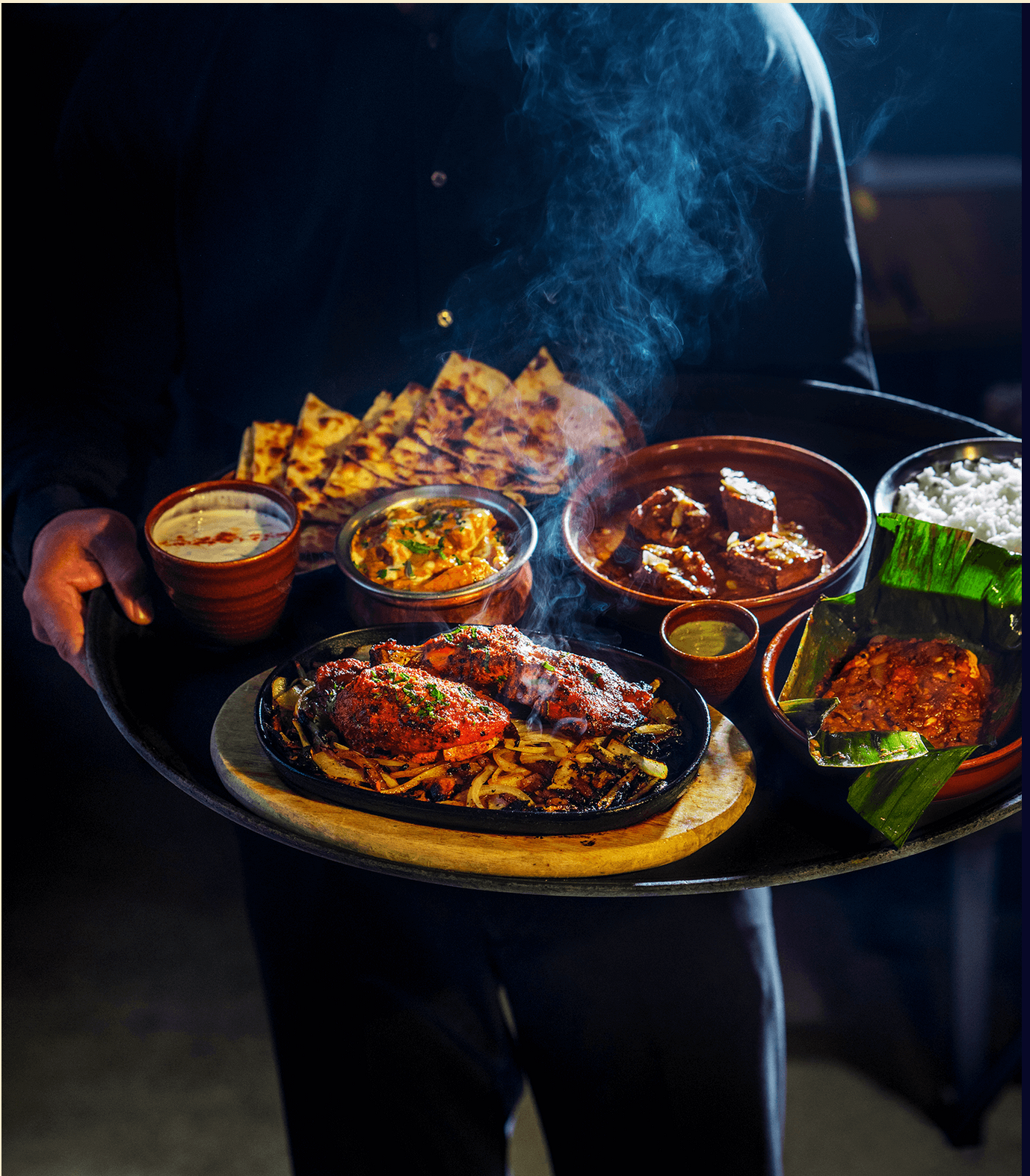
- Smoked Puffin Breast with Mustard Sauce
- Roast Whale
- Whale Pepper Steak with Pepper Sauce
- Butter-fried Fillet of Plaice with Shrimp Gratin
- Skyr Brûlée
- Fried Lemon Spiced Fillet of Redfish with Wasabi Sauce
Comparable Spots, Quickly
Comparable venues nearby, for context on price, style, and recognition.
| Venue | Cuisine | Price | Awards | Notes |
|---|---|---|---|---|
| 3 FrakkarThis venue — the venue you are viewing | Traditional Icelandic Seafood | $$$ | Not listed | Not listed |
| Hjá Jóni | Contemporary Icelandic with International Influences | $$$ | Not listed | Reykjavíkurborg |
| Sjávargrillið | Modern Icelandic Seafood Grill | $$$ | Not listed | Reykjavíkurborg |
| Hosiló | Modern Nordic Seasonal | $$$ | Michelin Plate | Reykjavíkurborg |
| Höfnin Restaurant | Classic Icelandic Seafood | $$$ | Not listed | Reykjavíkurborg |
| Brút | Modern Icelandic Seafood | $$$$ | Not listed | Reykjavíkurborg |
Recognition history
Dated appearances from independent guides and award organizations, with the underlying list record or original source where available.
Opinionated About Dining Casual in Europe Recommended
Opinionated About Dining
Opinionated About Dining Casual in Europe Ranked #380
Opinionated About Dining
Opinionated About Dining Casual in Europe Recommended
Opinionated About Dining
Continue exploring
More in Reykjavík
Restaurants in Reykjavík
Browse all →
Bars in Reykjavík
Browse all →



At a Glance
- Cozy
- Classic
- Intimate
- Date Night
- Group Dining
- Solo
- Family
- Special Occasion
- Standalone
- Beer Program
- Local Sourcing
Current opening hours
- Monday
- 11:30 AM–2 PM, 6–10 PM
- Tuesday
- 11:30 AM–2 PM, 6–10 PM
- Wednesday
- 11:30 AM–2 PM, 6–10 PM
- Thursday
- 11:30 AM–2 PM, 6–10 PM
- Friday
- 11:30 AM–2 PM, 6–10:30 PM
- Saturday
- 6–10:30 PM
- Sunday
- 6–10 PM
Hours can change for holidays and private events. Last verified .
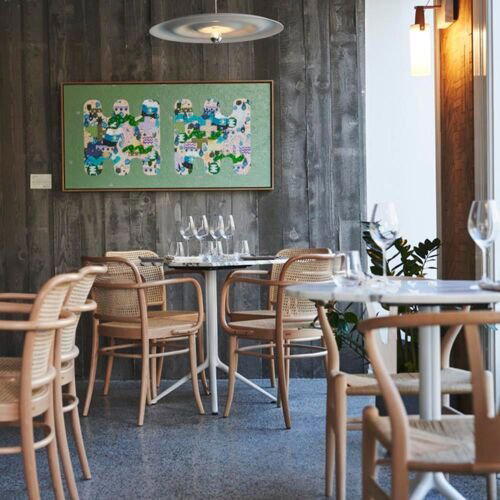
Homey and cozy with nautical décor, mounted fish and game heads on walls, lace-covered windows, wood furniture with leather seats, fresh roses on tables, and low background music creating an intimate bistro atmosphere.