Conchas de Piedra

Conchas de Piedra holds a Michelin star for the second consecutive year (2024 and 2025), making it one of a small number of seafood-focused restaurants in Baja California to achieve that recognition. Set along the Ensenada–Tecate corridor in San Antonio de las Minas, Chef Bradyn Kawcak's kitchen works within a raw-forward seafood idiom that sits apart from the fire-and-smoke registers that dominate Valle de Guadalupe dining.
Pearl is the En Primeur Club membership app — saves, bookings, and concierge access live there. Same editors, same standards.
- Address
- Carretera Ensenada Tecate Kilometro 93.5, San Antonio de las Minas, 22761 Francisco Zarco, B.C., Mexico
- Phone
- +52 646 162 8306
- Website
- conchasdepiedra.com
- Directions
- Get directions
 Saves & bookings on Pearl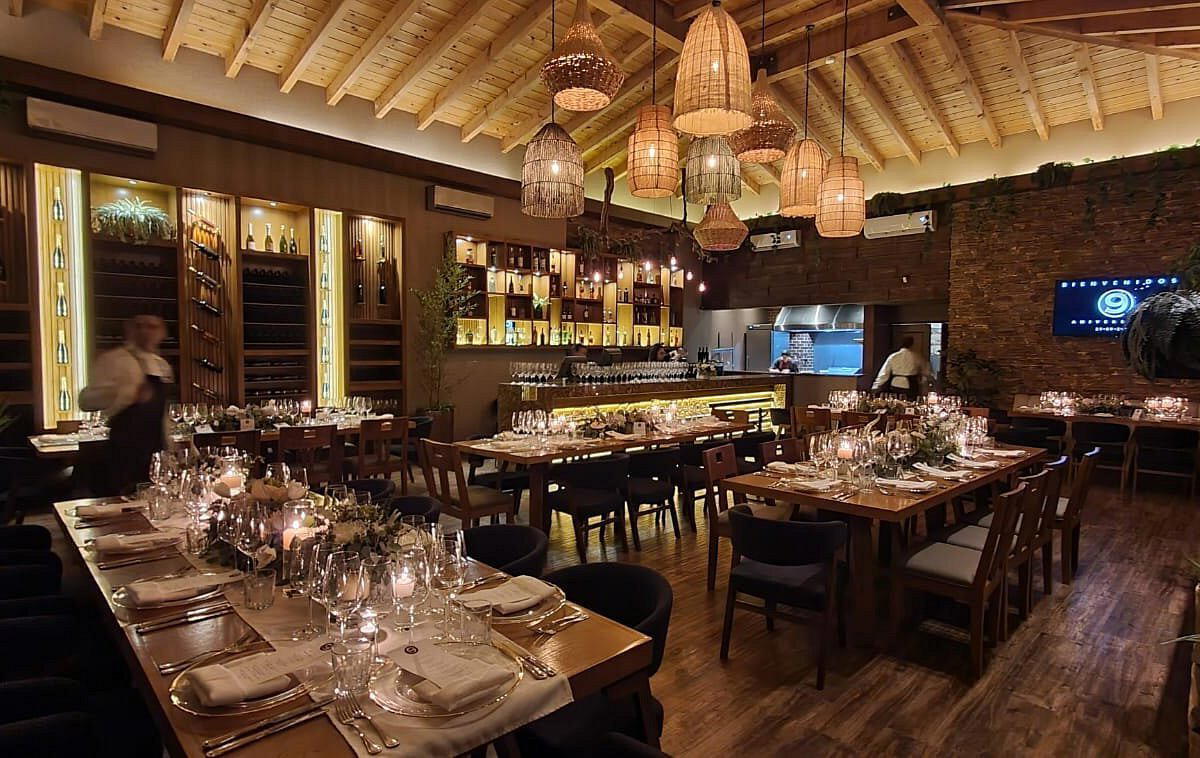
Where Baja's Wine Country Meets the Pacific
The road between Ensenada and Tecate carries more gastronomic weight per kilometre than almost any rural corridor in Mexico. At Kilometer 93.5, where the San Antonio de las Minas microclimate softens the dry Baja heat, Conchas de Piedra occupies a position that is both geographically and conceptually distinct from its neighbours. Valle de Guadalupe built its international reputation on open-fire cooking, heritage-grain tortillas, and the kind of wood-smoke theatrics that photograph well against vineyard backdrops. A Michelin-starred seafood counter operating in that same territory makes a different argument: that the Pacific, just over the coastal hills, is as defining an ingredient as any barrel-aged Nebbiolo or local tomato.
In a valley where the dominant register is land, fire, soil, ferment, and grain, a kitchen organised around raw preparation is a deliberate counter-position. It belongs to a broader pattern visible across Mexico's Michelin-recognised restaurants: the 2024 and 2025 guides have rewarded precision and restraint as much as spectacle, and Conchas de Piedra's star places it in that disciplined category alongside other starred Mexican addresses like Pujol in Mexico City, HA' in Playa del Carmen, and Le Chique in Puerto Morelos.
The Craft of Raw: Ceviche, Crudo, and the Cold Counter
Raw seafood preparation is, in technical terms, one of the more demanding disciplines a kitchen can claim. Unlike fire cookery, where heat can mask imprecision, a crudo or ceviche exposes every variable: the hour the fish was landed, the salinity of a cure, the acid balance of a citrus marinade, the temperature at which shellfish hits the plate. The margin between a raw dish that reads as fresh and one that reads as merely uncooked is narrow, and it is controlled entirely by sourcing discipline and technical calibration.
Across the leading seafood counters working in this mode, from the tiled bars of coastal Calabria at Gambero Rosso in Marina di Gioiosa Ionica to the Amalfi approach at Alici Restaurant, the common thread is that rawness functions as a statement of confidence rather than a default. The product has to be good enough to be left alone. In Baja California, that confidence is underwritten by proximity: the Pacific coastline running south from Ensenada produces sea urchin, clams, oysters, and fish species that can reach a kitchen in San Antonio de las Minas within hours of harvest.
Chef Bradyn Kawcak's position in this tradition is as a practitioner working in a geography that, until recently, was not on the international map for this kind of cooking. The valley's dining scene has been shaped primarily by chefs drawing on Mexican land traditions. A kitchen foregrounding raw shellfish and cold preparations introduces a different sourcing logic, a different pace of service, and a different set of technical benchmarks. That the Michelin inspectors recognised it in consecutive years suggests the execution is meeting those benchmarks consistently.
Conchas de Piedra in Valle de Guadalupe's Competitive Field
Valle de Guadalupe's restaurant field has stratified over the past decade into recognisable tiers. At the higher end of the price spectrum, Animalón and Fauna have established themselves as fire-forward, produce-driven kitchens with international recognition. Deckman's En El Mogor has long anchored the wood-grill tradition on the valley floor. Further along the spectrum, Damiana and Kous Kous represent more accessible price points and distinct culinary idioms.
Conchas de Piedra, priced at the $$$ tier, sits between the valley's most expensive tasting-menu formats and its casual midrange. That positioning reflects the economics of a seafood-forward kitchen: premium raw product carries cost, but the format, without the extended labour of multi-course tasting menus or live-fire infrastructure, can hold a price point that remains accessible relative to the top tier. Among valley restaurants, it is the only Michelin-starred address operating with a seafood-primary focus, which narrows its direct comparable set considerably. For broader comparison within Mexico's seafood-specialist tier, HA' in Playa del Carmen and coastal kitchens like KOLI Cocina de Origen in Monterrey share some of the same sourcing logic, though the Baja Pacific context gives the restaurant a distinct product base.
Michelin-starred venues in unusual locations sometimes generate divided responses when walk-in traffic arrives without context; a 4.5 average at this volume suggests the audience is largely self-selecting, arriving with appropriate expectations.
Baja California's Seafood Geography
The culinary geography of Baja California is often reduced to its wine valley, but the peninsula's Pacific coast has its own distinct identity. Ensenada, forty-odd kilometres to the west of Francisco Zarco, is one of Mexico's most important fishing ports, with a wholesale fish market that feeds restaurant kitchens throughout the region. The cold California Current running down the coast sustains cold-water species, sea urchin, abalone, rock cod, various bivalves, that differ markedly in flavour from the warmer Gulf of California and Pacific coastal species further south.
This geographical specificity matters in a kitchen like Conchas de Piedra's. Raw preparations amplify terroir in seafood just as they do in wine: an oyster from the Pacific coast of Baja registers differently from one farmed in warmer Mexican waters, and a sea urchin from Ensenada's licensed divers is a different object from its Japanese or Pacific Northwest counterparts. A kitchen working in raw and cold modes in this location is, in effect, making an argument about Baja's Pacific identity, positioning the valley not just as wine country but as the inland edge of a coastal culinary system.
That argument has been gaining traction in Baja's broader dining conversation, and the restaurant's consecutive Michelin stars have given it institutional weight. Other Baja California addresses in the starred category, such as Lunario in El Porvenir and Levadura de Olla Restaurante in Oaxaca, confirm that Michelin's Mexico programme is engaging with regional specificity rather than concentrating recognition in the capital. The restaurant fits that pattern: a restaurant whose identity is inseparable from its specific geography.
Planning Your Visit
The restaurant sits on the main Ensenada-Tecate highway (Carretera Ensenada Tecate, Kilometer 93.5) in Francisco Zarco, making it accessible by car from both Ensenada and the main cluster of Valle de Guadalupe wineries. Most visitors combine a meal here with winery visits; the valley's harvest season runs from late August through October, when the restaurant operates within a landscape that is actively producing. Arriving without a reservation at a Michelin-starred address on a high-season weekend is a reliable way to find it full. The price point of $$$ sits comfortably below the valley's most expensive tasting-menu formats, making it one of the more accessible entry points into the starred tier.
Budget Reality Check
Comparable venues nearby, for context on price, style, and recognition.
| Venue | Cuisine | Price | Awards | Notes |
|---|---|---|---|---|
| Conchas de PiedraThis venue — the venue you are viewing | Seafood | $$$ | Michelin 1 Star | Not listed |
| Animalón | Not listed | $$$$ | Michelin 1 Star | Valle de Guadalupe, Contemporary Mexican Fine Dining |
| Damiana | Not listed | $$$$ | Michelin 1 Star | Valle de Guadalupe, Contemporary Mexican Tasting Menu |
| Fireside Mountain Top Restaurant | Francisco Zarco, Baja Comfort Food | $$$ | Not listed | Not listed |
| Primitivo | Not listed | $$$$ | Michelin Plate | Valle de Guadalupe, Contemporary Mexican Grill |
| Kous Kous | Not listed | $$$ | Michelin Plate | Valle de Guadalupe, Moroccan Family-Style |
Recognition history
Dated appearances from independent guides and award organizations, with the underlying list record or original source where available.
Michelin 1 Star
Michelin
Michelin 1 Star
Michelin
Michelin 1 Star
Michelin
Continue exploring
More in Valle de Guadalupe
Restaurants in Valle de Guadalupe
Browse all →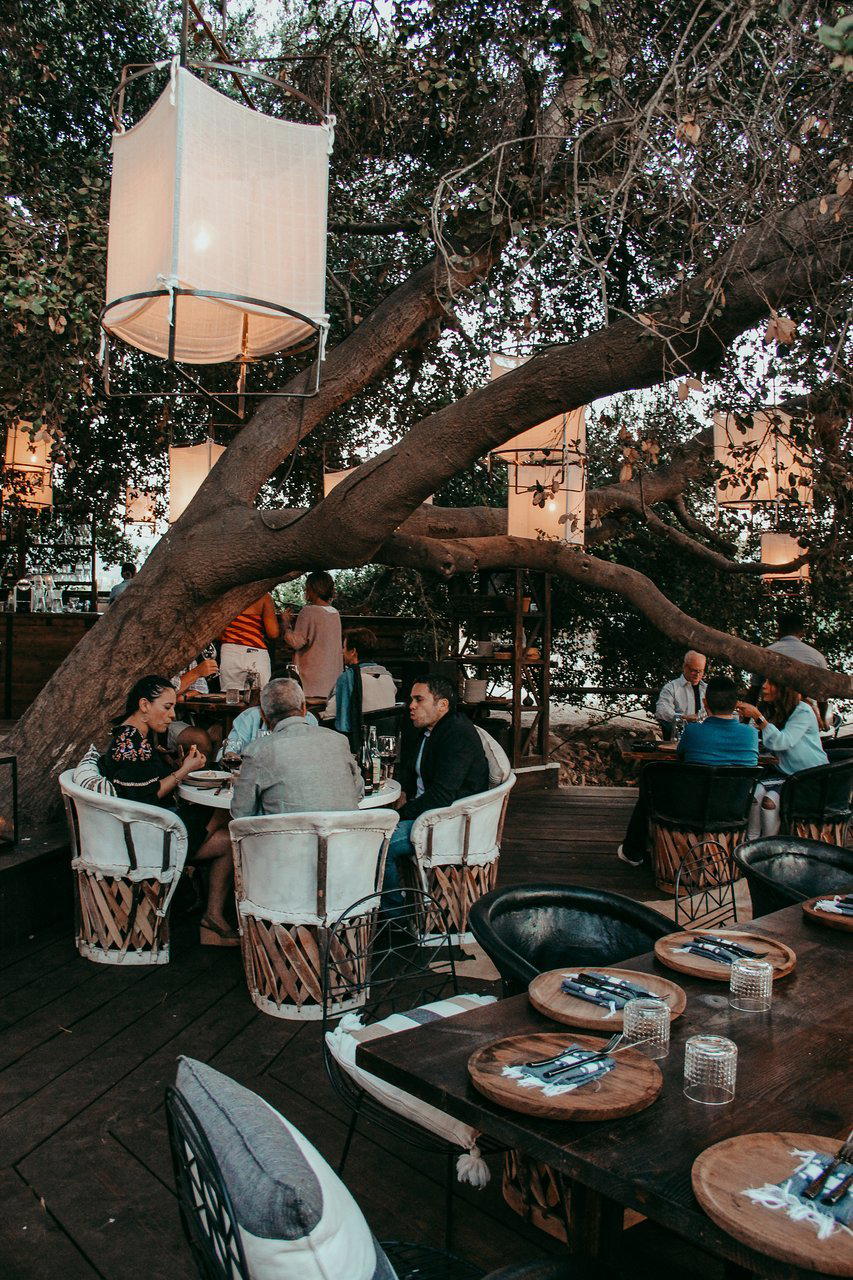
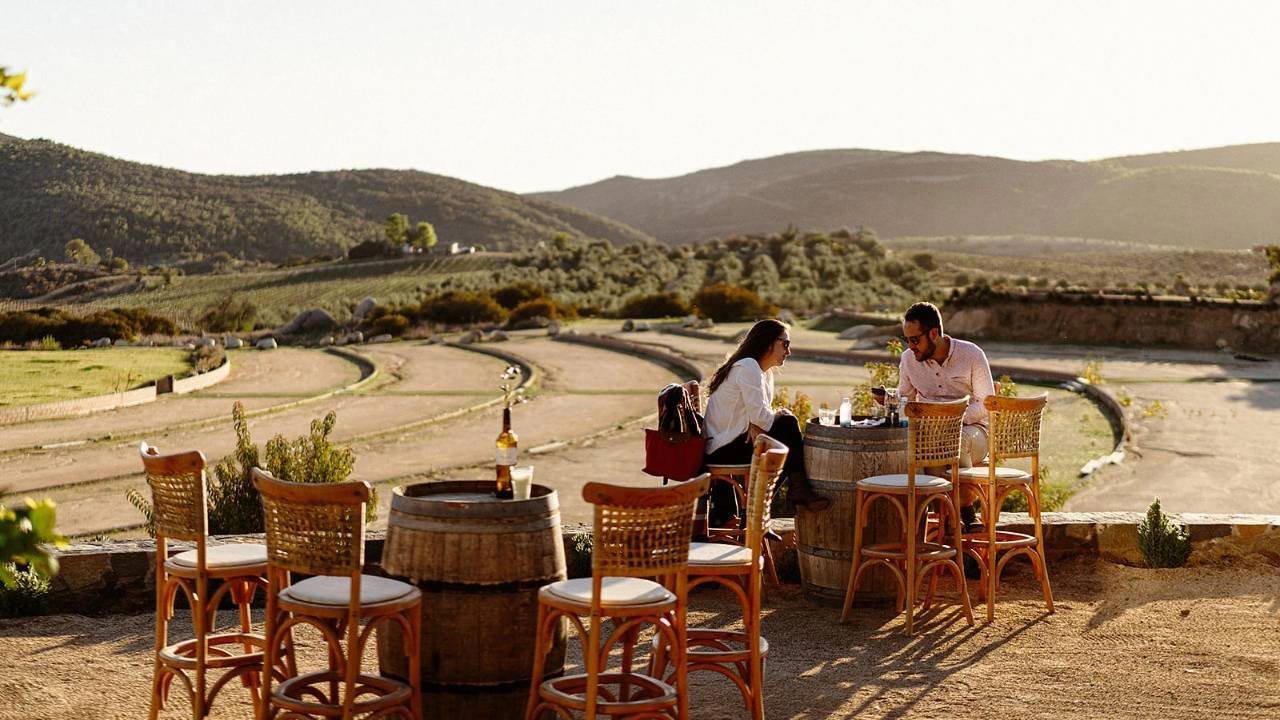
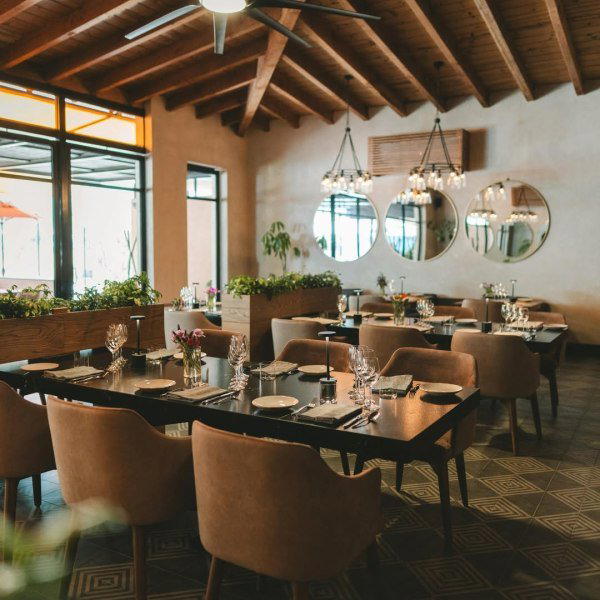
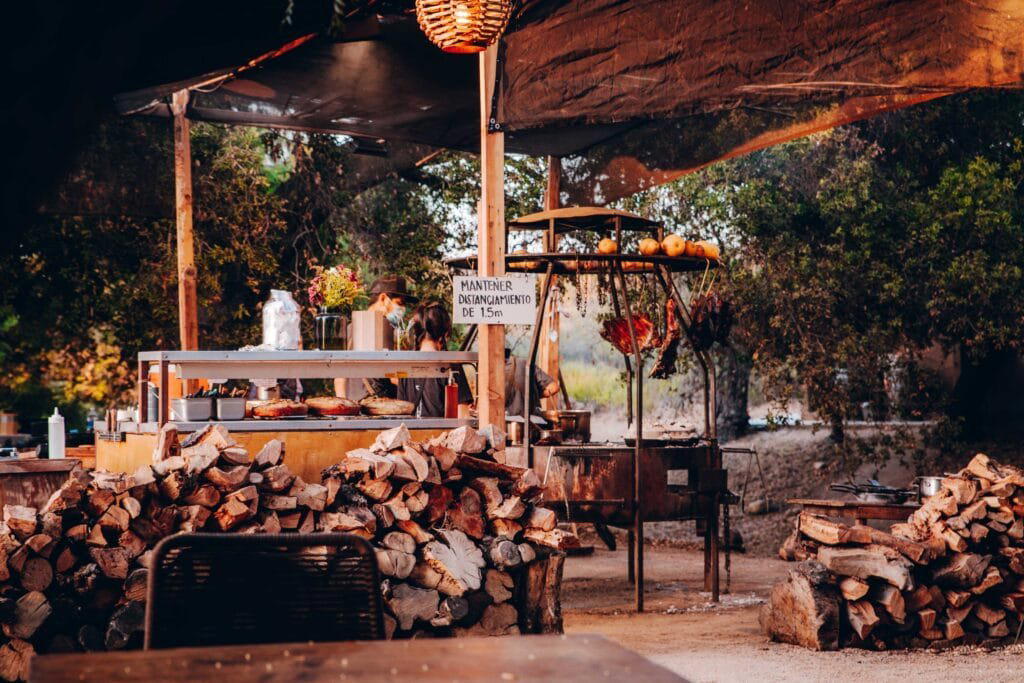
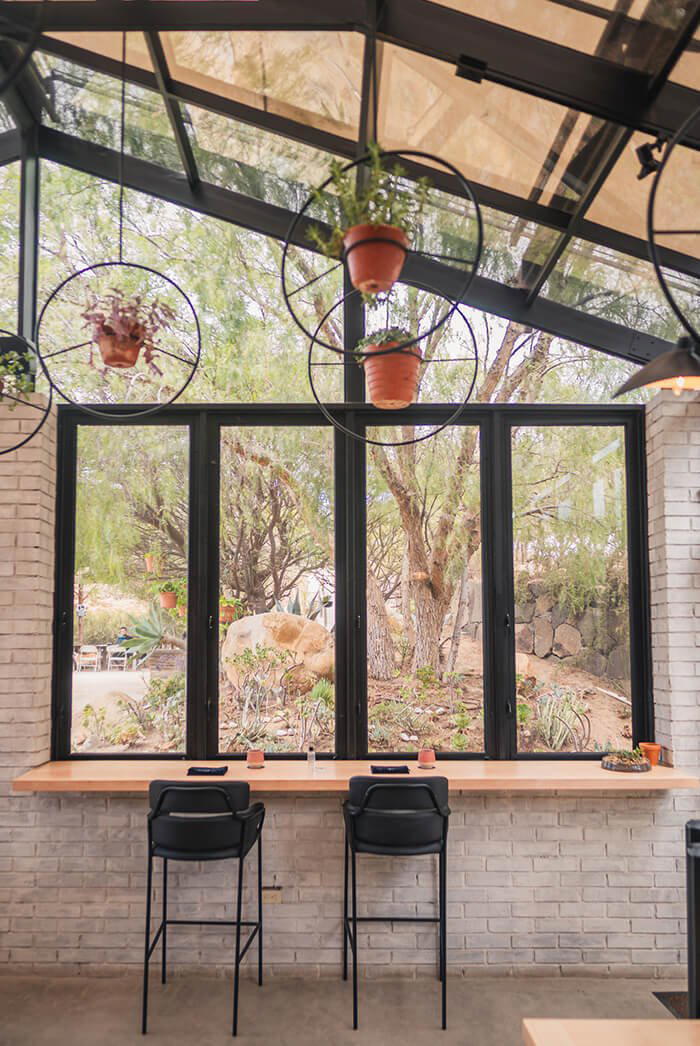
Bars in Valle de Guadalupe
Browse all →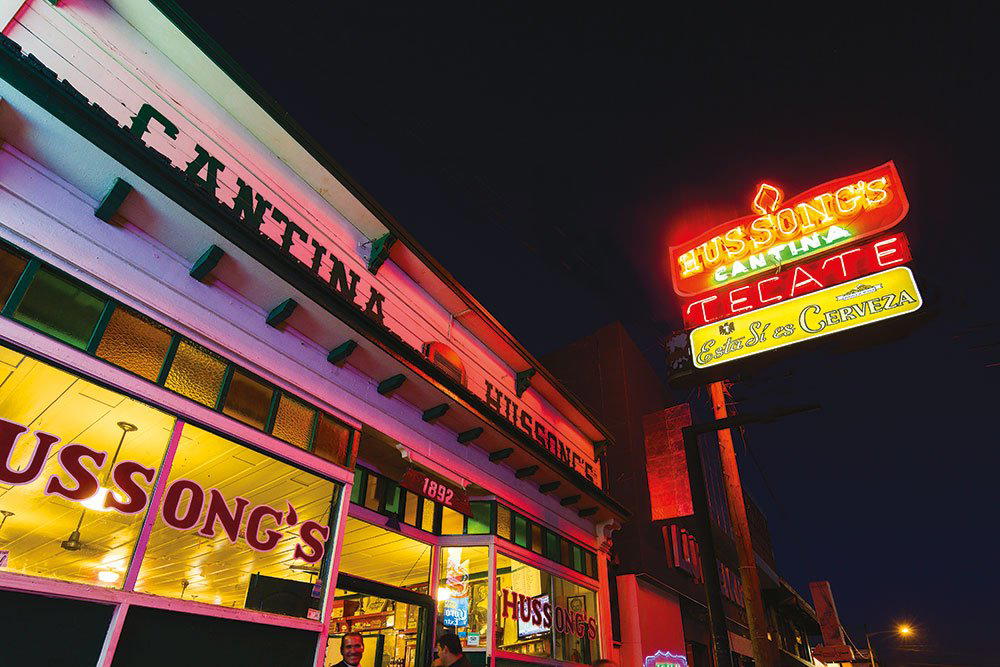
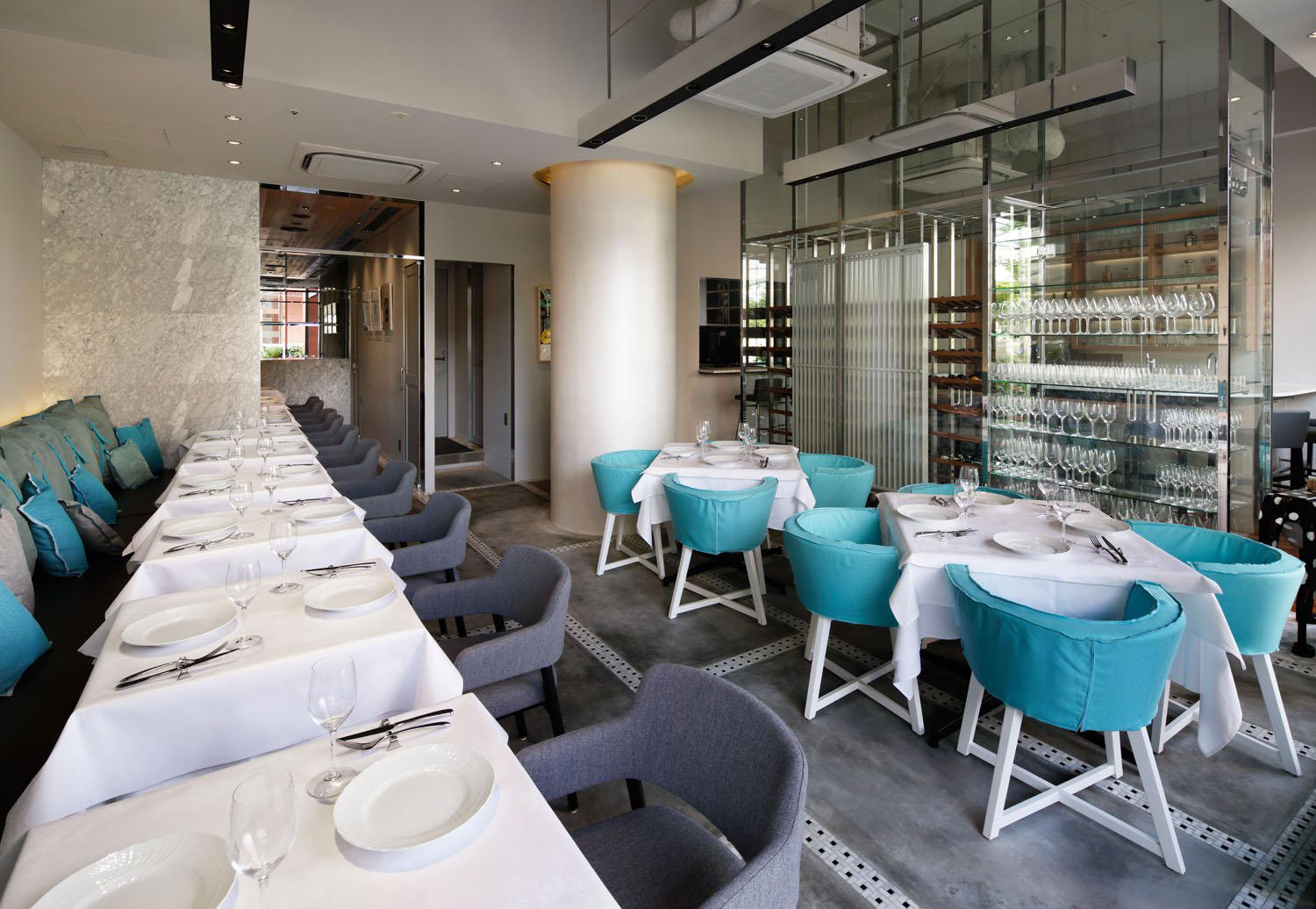
Hotels in Valle de Guadalupe
Browse all →

At a Glance
- Rustic
- Cozy
- Scenic
- Elegant
- Date Night
- Brunch
- Casual Hangout
- Open Kitchen
- Terrace
- Standalone
- Extensive Wine List
- Farm To Table
- Local Sourcing
- Sustainable Seafood
- Vineyard
- Mountain
Current opening hours
- Monday
- 12–6 PM
- Tuesday
- Closed
- Wednesday
- Closed
- Thursday
- 11 AM–6 PM
- Friday
- 11 AM–6 PM
- Saturday
- 11 AM–6 PM
- Sunday
- 12–6 PM
Hours can change for holidays and private events. Last verified .
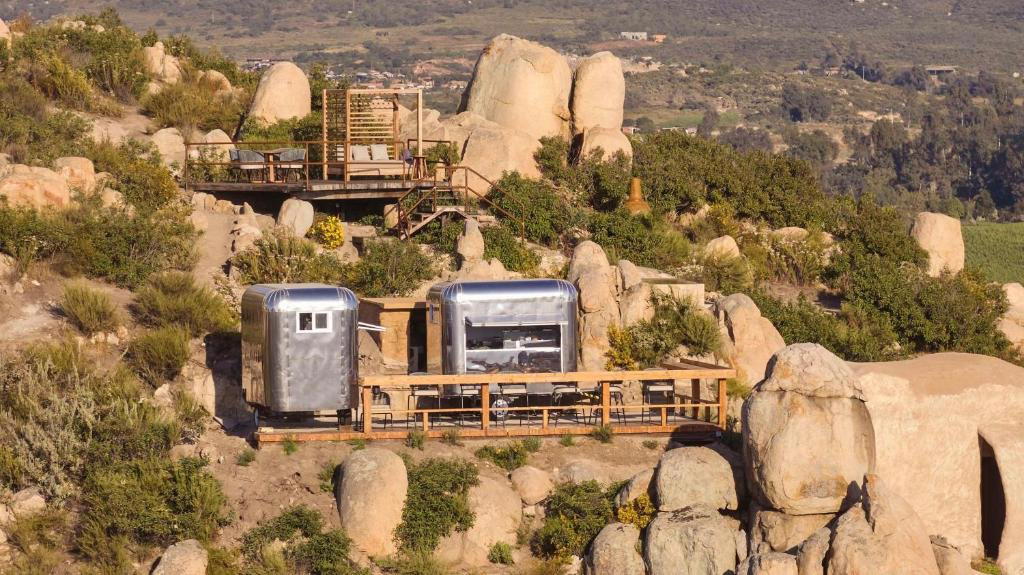
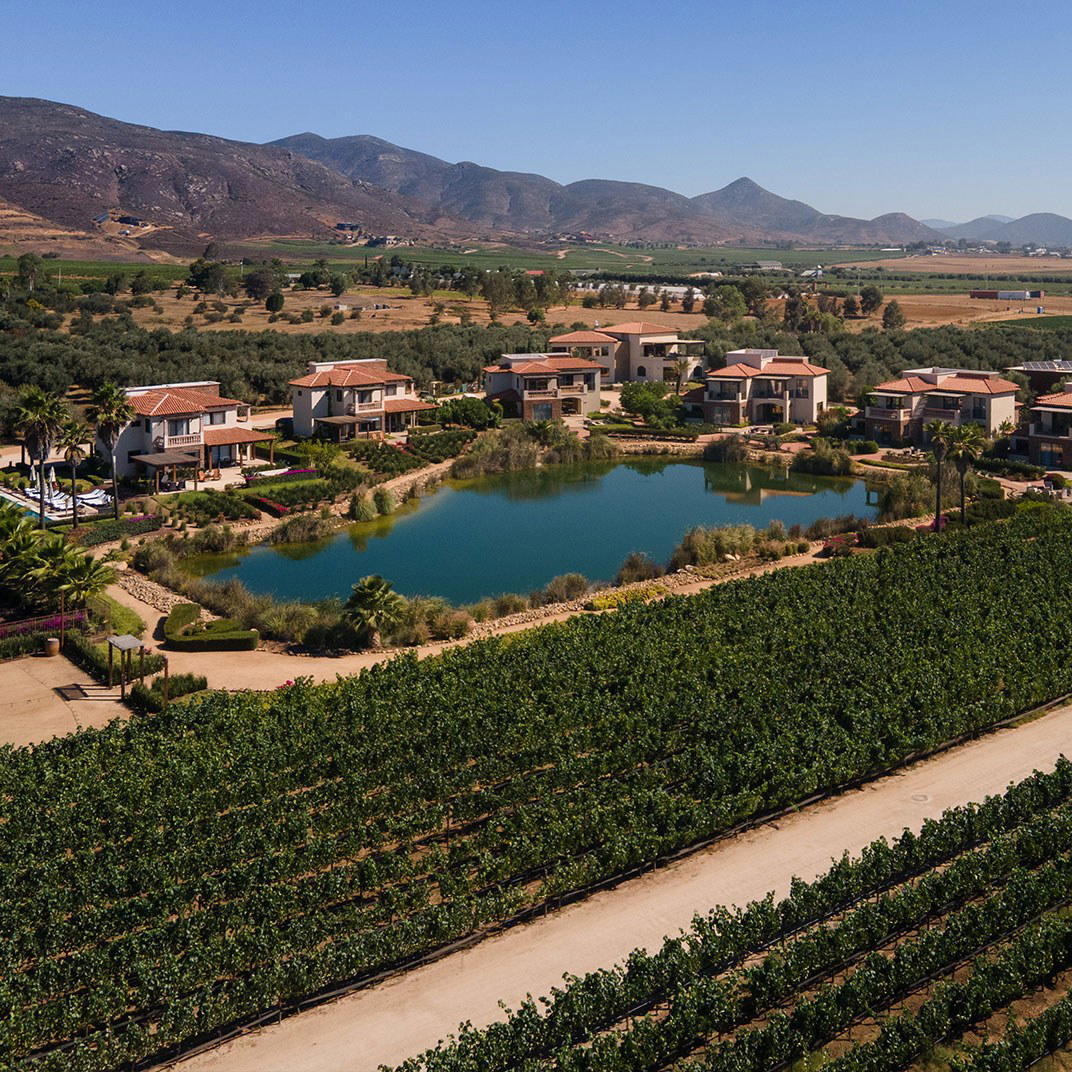
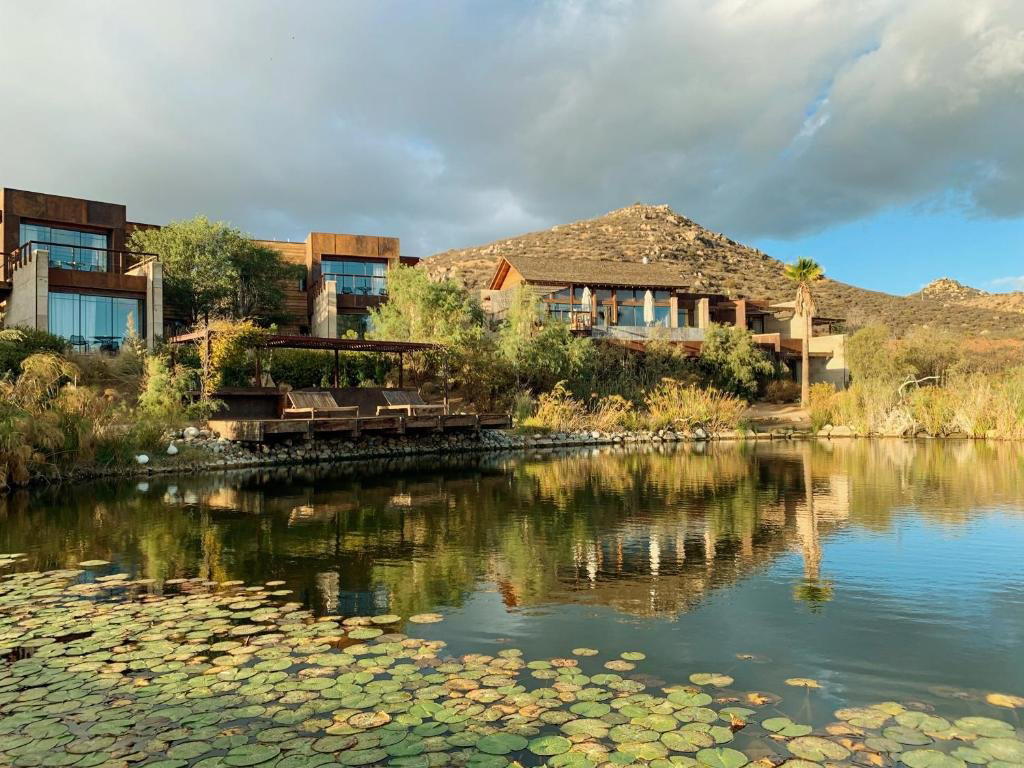
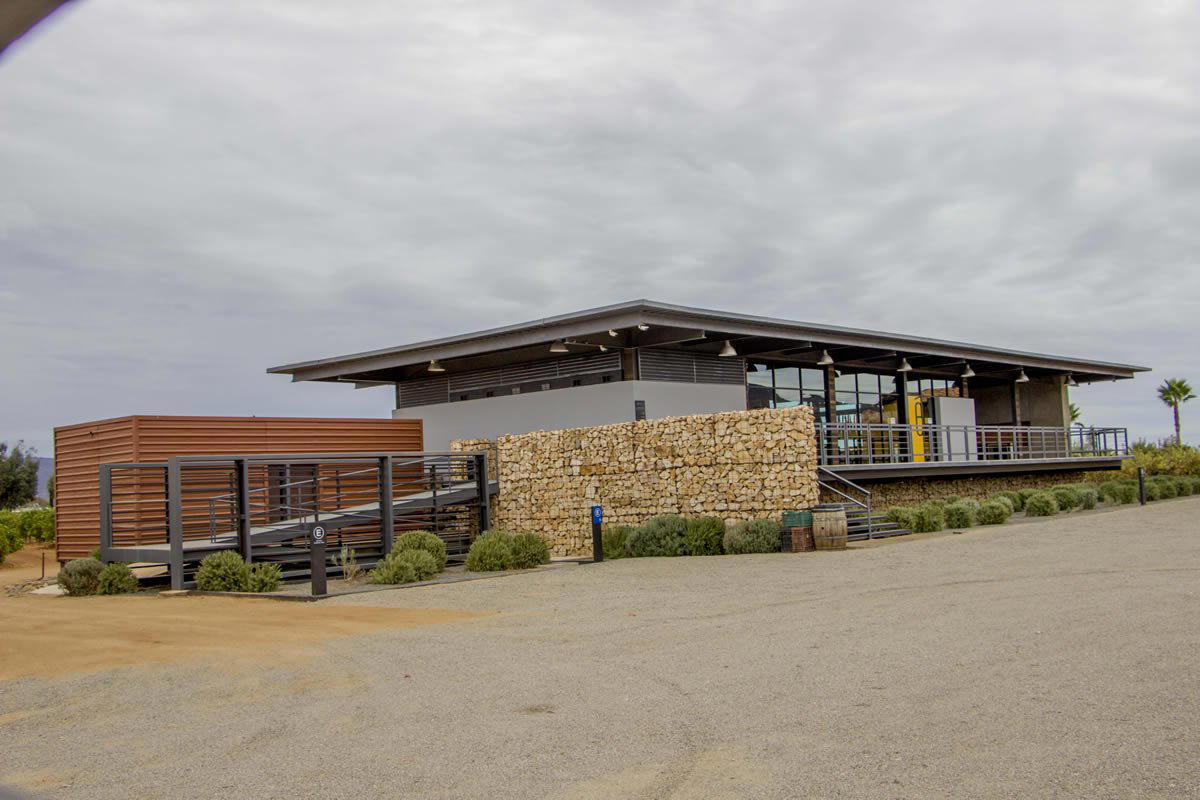
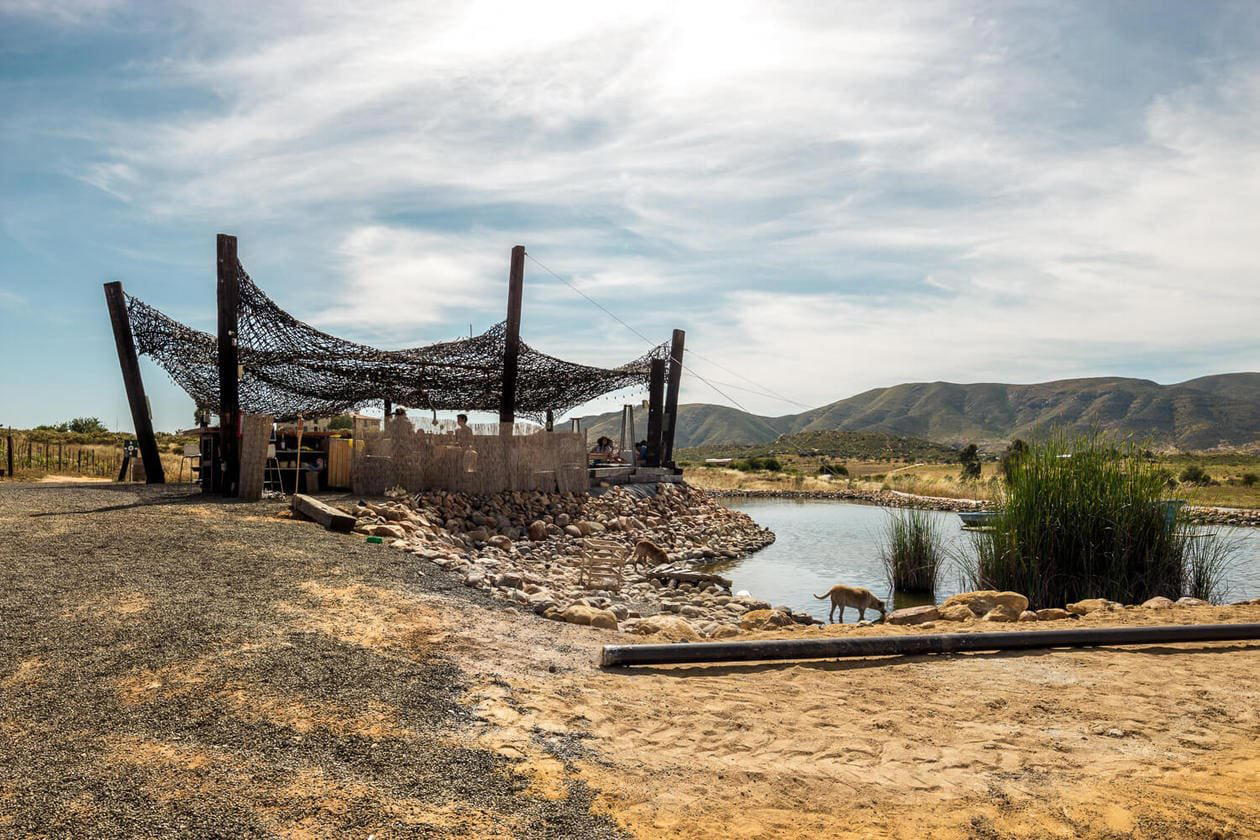
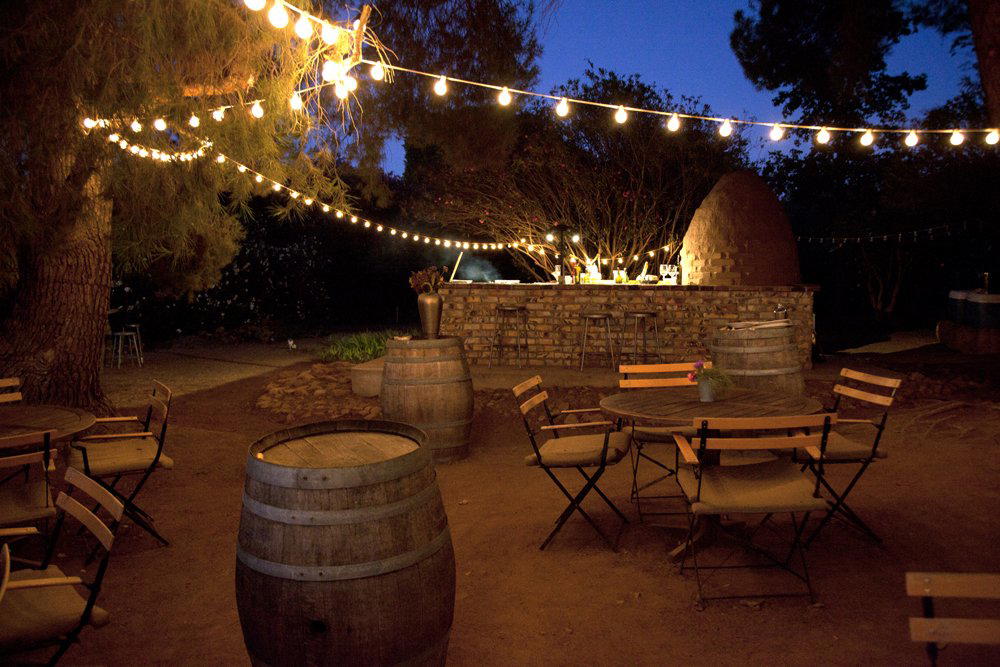
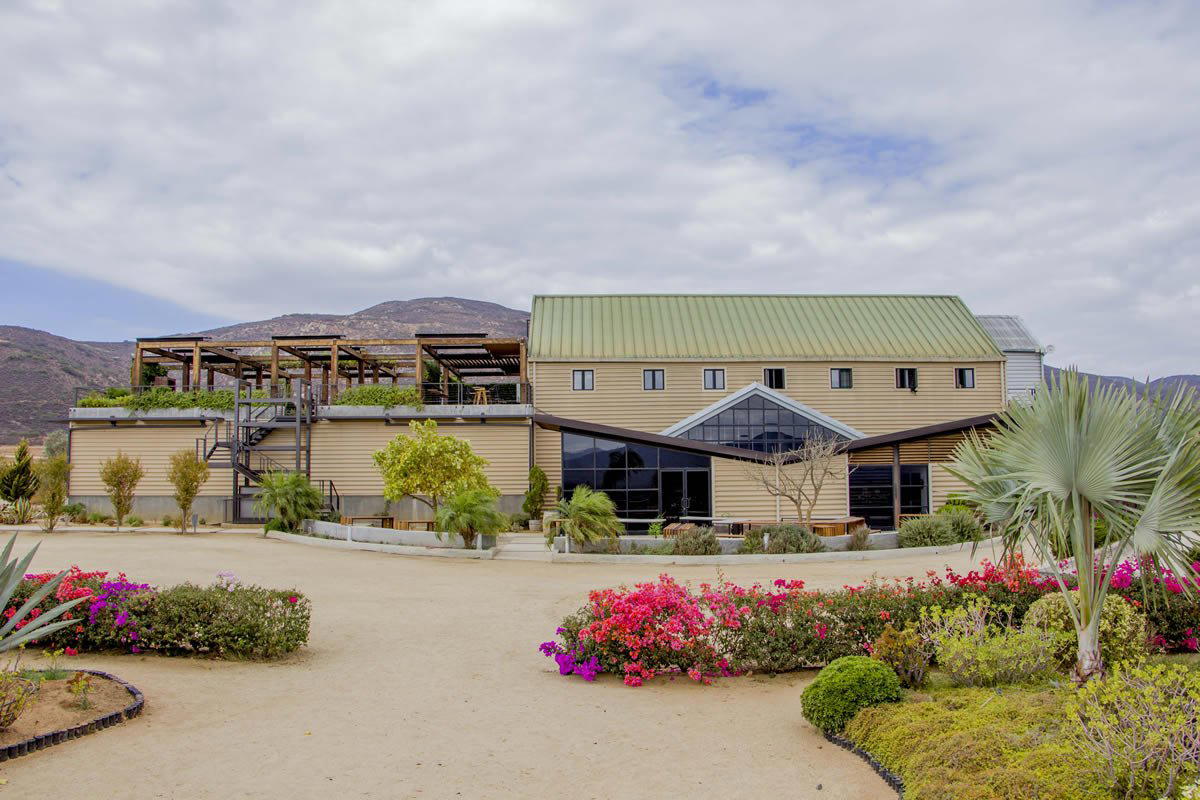
Warm outdoor space with communal tables, café lights, guirnaldas, and instrumental music creating a cozy, inviting atmosphere amid vineyards.