Bistrot



A Michelin-starred seafood address in Forte dei Marmi, Bistrot earns its single star through rigorous Tyrrhenian sourcing and a kitchen that handles wood-fired technique with as much discipline as it does raw ingredients. The wine cellar runs to nearly 2,000 labels, with notable depth in Champagne and Burgundy. At the €€€€ tier, it sits among the resort town's most serious dining commitments.
Pearl is the En Primeur Club membership app — saves, bookings, and concierge access live there. Same editors, same standards.
- Address
- Via Achille Franceschi, 14, 55042 Forte dei Marmi LU, Italy
- Phone
- +39 0584 89879
- Website
- ristorantebistrot.it
- Directions
- Get directions
 Saves & bookings on Pearl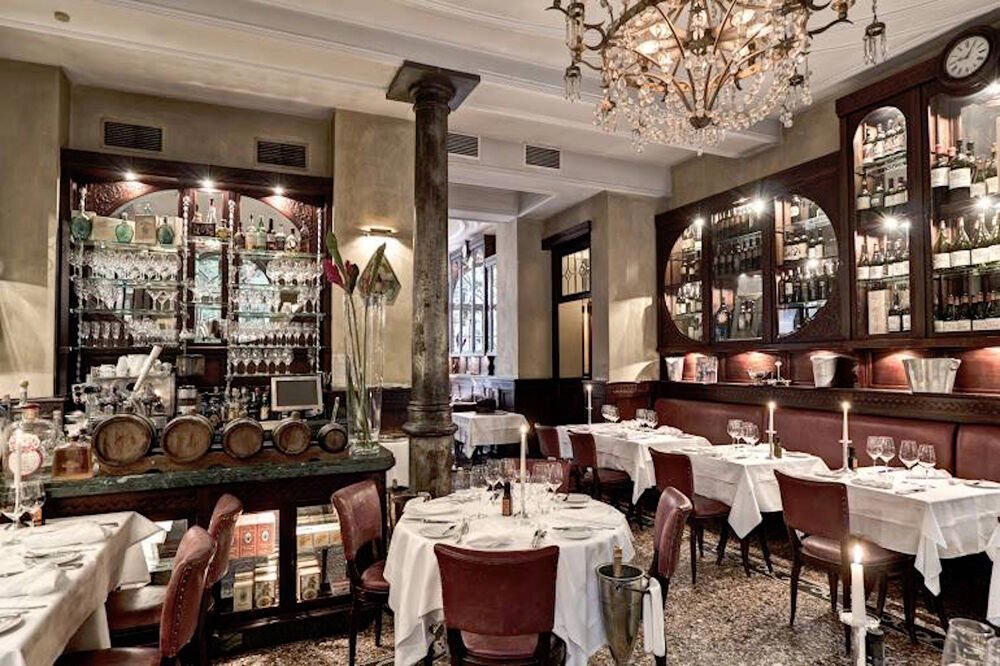
A Square in Forte dei Marmi, and What It Tells You About the Town
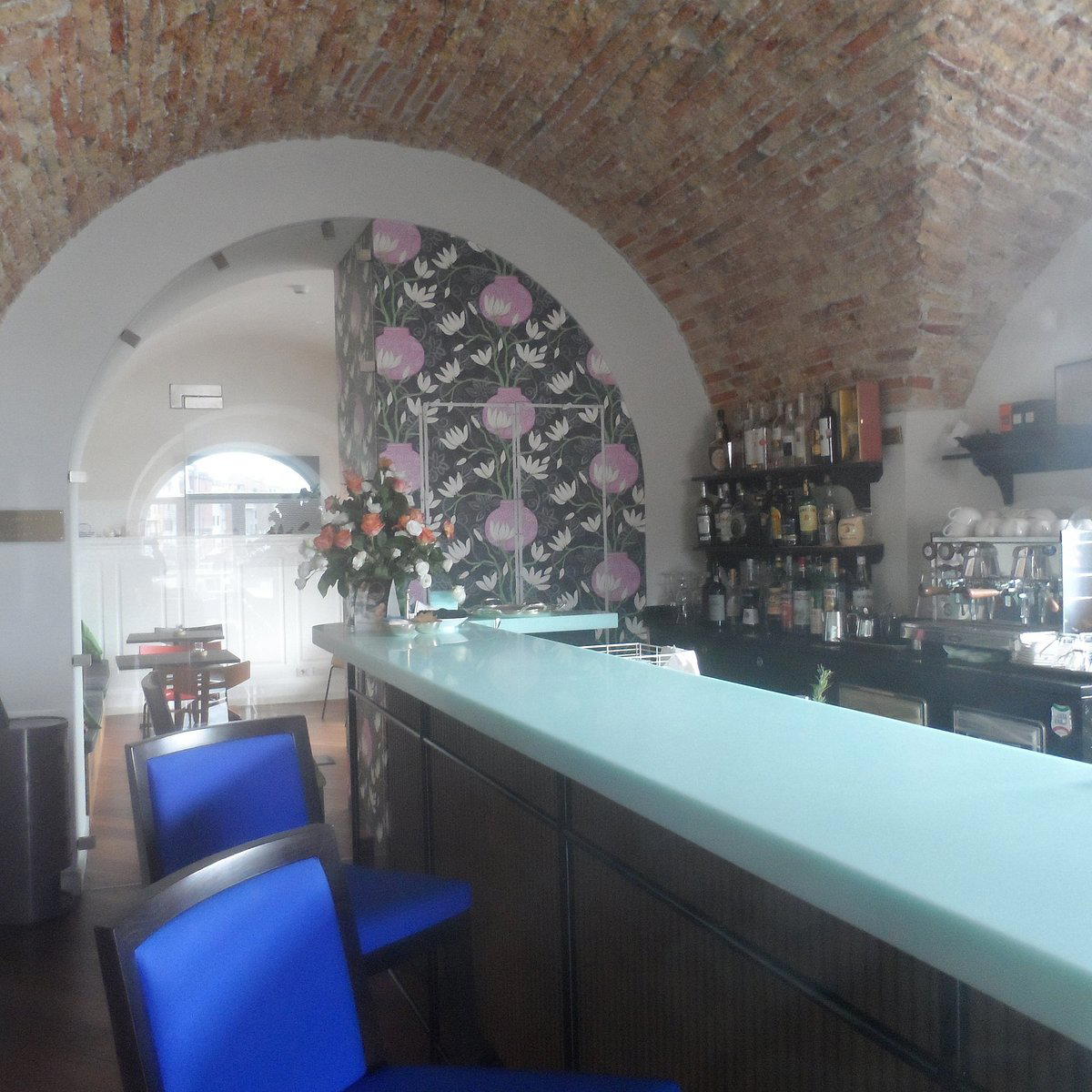
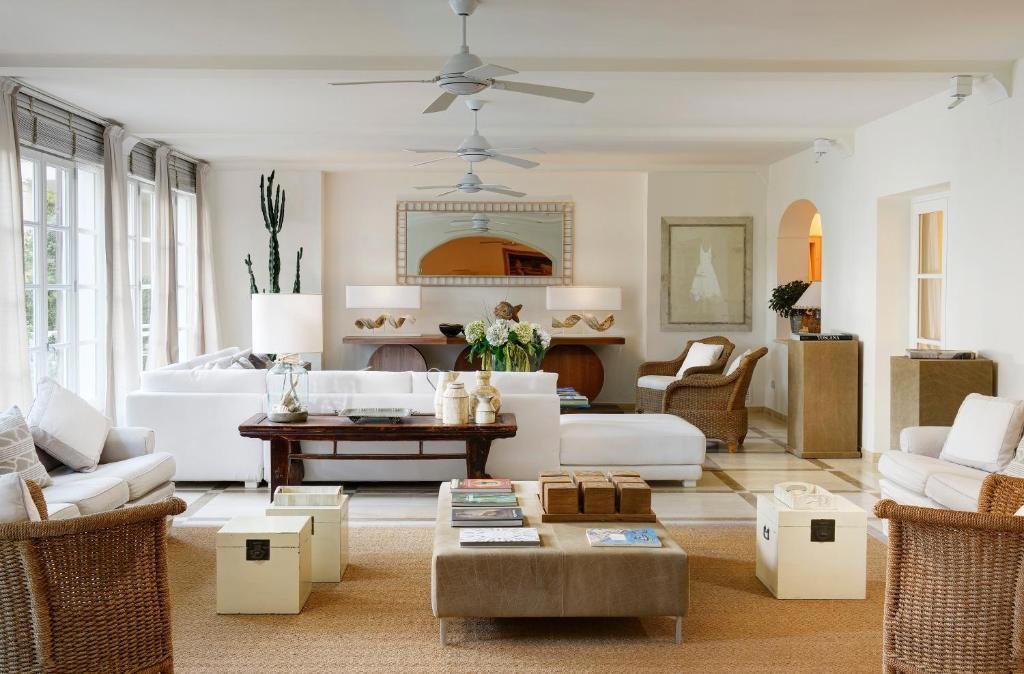
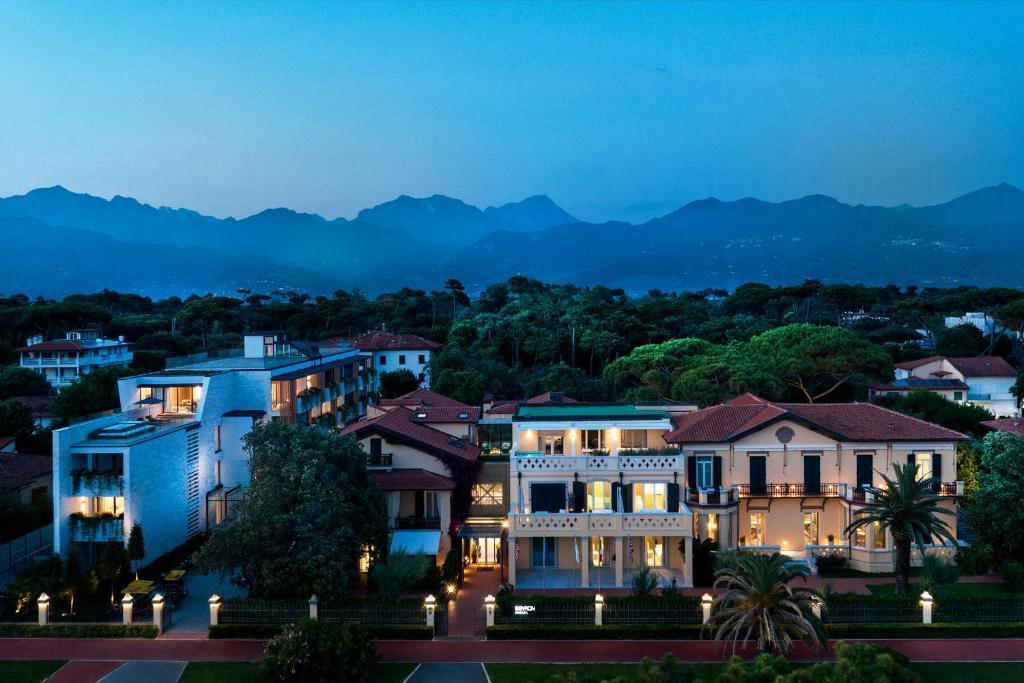
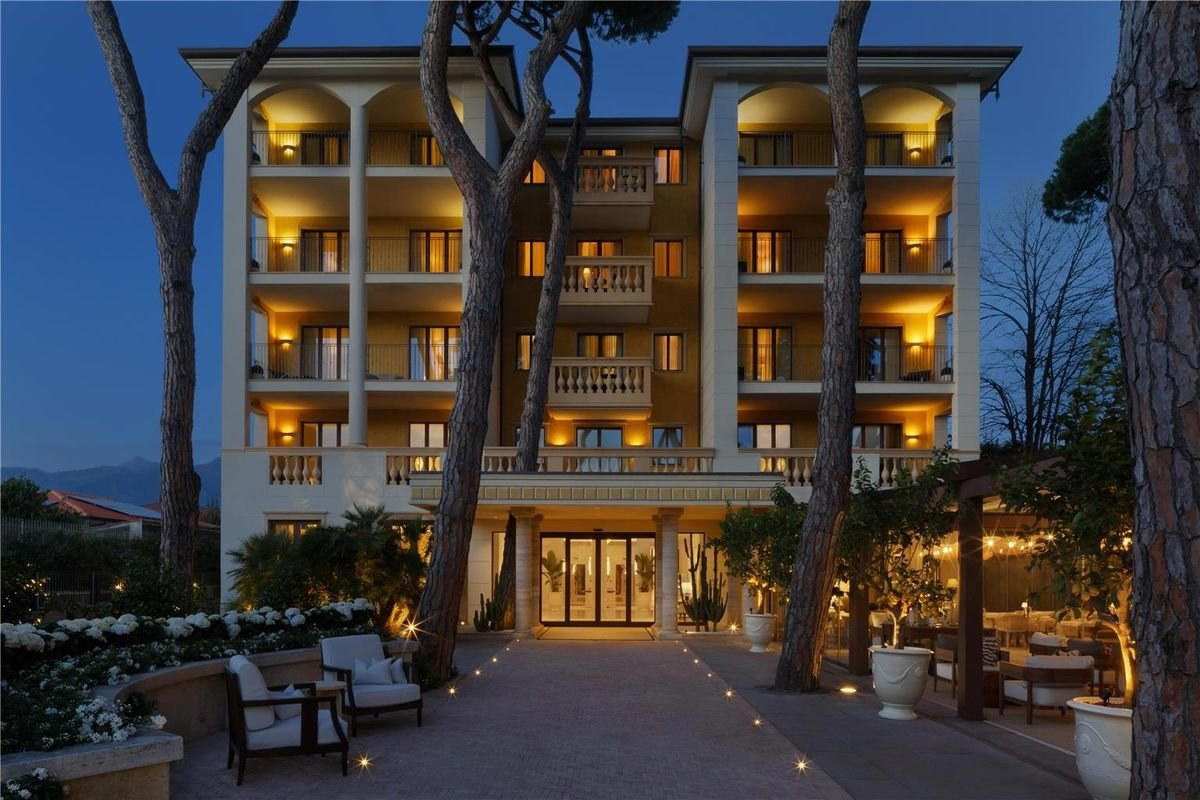
The approach to Bistrot sets expectations accurately. Via Achille Franceschi opens onto a quiet, low-traffic square, the kind of space that Forte dei Marmi has preserved precisely because the town has always traded on a certain version of understated affluence. There is no signage competition here, no pavement theatre. The restaurant occupies that square with the confidence of an institution that does not need to perform its status from the outside. Bistrot is a one-Michelin-star restaurant in Forte dei Marmi, serving modern Italian seafood bistro cooking at the €€€€ price tier. Inside, the register shifts: the room reads as a serious dining operation, the kind where the table spacing tells you something about how long the kitchen expects you to stay.
Forte dei Marmi's dining scene is narrower than its reputation might suggest. The town draws a wealthy summer clientele, northern Italian industrialists, international visitors with Versilia habits, and the restaurant tier has organised itself accordingly. At the €€€€ level, Bistrot competes with a small cohort of addresses, including Lux Lucis and La Magnolia, each of which approaches the same price bracket from a different culinary angle. What separates Bistrot within that set is a combination of seafood sourcing discipline and wood-fired technique, two things that, in practice, are harder to execute consistently than any single menu concept.
The Tyrrhenian as a Sourcing Address
Italian coastal cooking divides, broadly, into two schools: the approach that treats the sea as a backdrop for elaboration, and the approach that treats proximity to the water as an obligation to handle ingredients with restraint. Bistrot sits firmly in the second camp. The kitchen's identity is built around seafood sourced largely from the Tyrrhenian Sea, the body of water that runs along this stretch of Tuscan coast, and the premise that quality of raw materials should remain the absolute protagonist of a plate.
This is a position with real competitive implications. Italy's Michelin-starred seafood addresses have become an increasingly defined peer group. Restaurants like Uliassi in Senigallia on the Adriatic and Quattro Passi in Marina del Cantone operate in the same conversation, each anchored in a specific coastal geography, each making sourcing legibility central to the offer. Bistrot's Tyrrhenian emphasis places it in that tradition, where the name of the sea in the menu notes is not decoration but a provenance claim with accountability attached. For context on how other Italian coastal kitchens approach the same sourcing discipline from different coastlines, Gambero Rosso in Marina di Gioiosa Ionica and Alici on the Amalfi Coast offer useful reference points.
The maltagliati pasta with 'Bistrot' sauce has become the kitchen's most-noted dish, a handmade pasta format that sits at the intersection of inland Tuscan tradition and coastal flavour. That pairing is exactly the kind of editorial statement that a kitchen makes when it wants to signal where it sits culturally: rooted in the region, not merely adjacent to it.
Wood-Fired Discipline as a Distinct Kitchen Position
The two wood-fired ovens at Bistrot are worth dwelling on as a technical commitment rather than an aesthetic flourish. In an era when many high-end kitchens default to precision equipment, immersion circulators, combi ovens, induction, maintaining and working with live fire at the level required for a Michelin-starred service demands a different kind of skill set. Wood-fired cooking introduces variables that precision equipment removes: heat management, timing intuition, the behaviour of different woods and combustion stages. Using those ovens for leavened products as well as for cooking dishes adds another layer of technical discipline, since bread and pizza-adjacent work requires different temperature management than protein cookery.
This is not a new idea in Italian dining, wood-fired tradition runs deep across the peninsula, but its presence at the €€€€ tier, combined with Michelin recognition, places it in a different register than the rustic trattoria version of the same technique. The 2024 Michelin star suggests the ovens are being operated with the kind of consistency the guide requires, not just as a romantic detail.
The Wine Cellar at This Price Point
Nearly 2,000 labels is a serious commitment for a restaurant in a town of Forte dei Marmi's scale. Wine cellars of that depth tend to appear in urban fine dining, at addresses like Enoteca Pinchiorri in Florence, where the cellar is effectively the primary offer, or at destination restaurants with the volume and clientele to justify the investment. At a single-starred seafood restaurant in a Versilia resort town, a 2,000-label list suggests the family is building a serious dining institution rather than a seasonal operation.
The specific callout for Champagne and Burgundy is editorially significant. Both regions are natural pairing territory for refined seafood, the acidity and minerality of blanc de blancs Champagne, the texture and weight of white Burgundy, but curating depth in those two areas signals that the cellar is organised around the kitchen's idiom rather than assembled for general prestige. It also signals the guest profile: visitors who come to Forte dei Marmi for a week and want to drink seriously through multiple bottles, not the casual summer diner ordering a carafe. For more on what a serious Italian wine list looks like at the upper end of the market, Osteria Francescana in Modena provides a useful reference point for how wine programmes interact with a kitchen's identity at starred level.
Where Bistrot Sits in the Forte dei Marmi Picture
Forte dei Marmi's €€€€ dining tier is small but coherent. Lorenzo occupies the Italian seafood space with its own decades-long standing. Lux Lucis approaches modern Italian creativity from a hotel-anchored base. Bistrot sits between those poles: more technically ambitious than a traditional seafood house, more ingredient-focused than a creative Italian concept. The 2024 Michelin star is the clearest signal of where the guide places it, within the Italian starred scene that runs from Enrico Bartolini in Milan to Atelier Moessmer Norbert Niederkofler in Brunico, Bistrot belongs to the regional-identity strand: places whose authority derives from knowing their specific territory rather than from abstract culinary innovation. Dal Pescatore in Runate represents a comparable generational commitment to place and ingredient, in a different regional register.
6 across 616 reviews is a useful data point here: it reflects a broad guest base, not just the Michelin inspector's visit, and suggests the kitchen maintains a standard that translates across different expectations and occasions. That consistency at scale is harder to achieve than a single polished service.
Planning a Visit
Bistrot sits at Via Achille Franceschi, 14 in Forte dei Marmi, and operates at the €€€€ price tier, expect a spend consistent with Michelin-starred dining in Tuscany. Given the restaurant's recognition, reservations are essential. The Sciabola listing is also worth noting for those building a wider itinerary in the area.
What Should I Eat at Bistrot?
The kitchen's sourcing argument begins with seafood from the Tyrrhenian Sea, so the starting point is whatever the menu has built around that day's catch. The maltagliati pasta with 'Bistrot' sauce has emerged as frequently discussed dish in the restaurant's public record, a handmade pasta format that grounds the seafood kitchen in Tuscan pasta tradition. Dishes cooked through the wood-fired ovens carry a technical signature that distinguishes them from the rest of the menu, and represent the clearest expression of the kitchen's dual identity: coastal ingredients, fire-based technique. Given the depth of the Champagne and Burgundy cellar, asking for a pairing recommendation aligned with the seafood direction is a reasonable way to engage the floor team's expertise.
Comparable Spots, Quickly
Comparable venues nearby, for context on price, style, and recognition.
| Venue | Cuisine | Price | Awards | Notes |
|---|---|---|---|---|
| BistrotThis venue — the venue you are viewing | Modern Italian Seafood Bistro | $$$$ | Michelin 1 Star | Not listed |
| Lux Lucis | Michelin-Starred Contemporary Italian | $$$$ | Michelin 1 Star | Forte dei Marmi |
| Lorenzo | Classic Italian Seafood | $$$$ | Michelin 1 Star | Forte dei Marmi |
| La Magnolia | Modern Italian Fine Dining | $$$$ | Michelin 1 Star | Forte dei Marmi |
| Sciabola | Modern Mediterranean Seafood Fine Dining | $$$$ | Michelin 1 Star | Forte dei Marmi |
| Antica Corte Pallavicina | Emilian Farmhouse with Culatello | $$$$ | Michelin 1 Star | Polesine Parmense |
Recognition history
Dated appearances from independent guides and award organizations, with the underlying list record or original source where available.
Michelin Plate
Michelin
Wine Spectator Best of Award of Excellence
Wine Spectator
Michelin 1 Star
Michelin
We're Smart World 4 Radishes
We're Smart World
Michelin 1 Star
Michelin
Continue exploring
More in Forte dei Marmi
Restaurants in Forte dei Marmi
Browse all →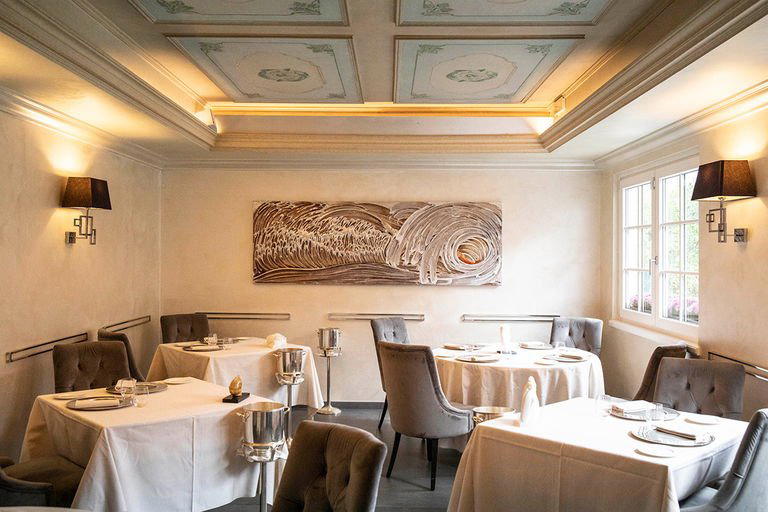
Bars in Forte dei Marmi
Browse all →
Hotels in Forte dei Marmi
Browse all →

At a Glance
- Elegant
- Sophisticated
- Romantic
- Date Night
- Special Occasion
- Open Kitchen
- Terrace
- Extensive Wine List
- Farm To Table
- Local Sourcing
- Street Scene
Current opening hours
- Monday
- Closed
- Tuesday
- Closed
- Wednesday
- Closed
- Thursday
- Closed
- Friday
- Closed
- Saturday
- Closed
- Sunday
- Closed
Hours can change for holidays and private events. Last verified .
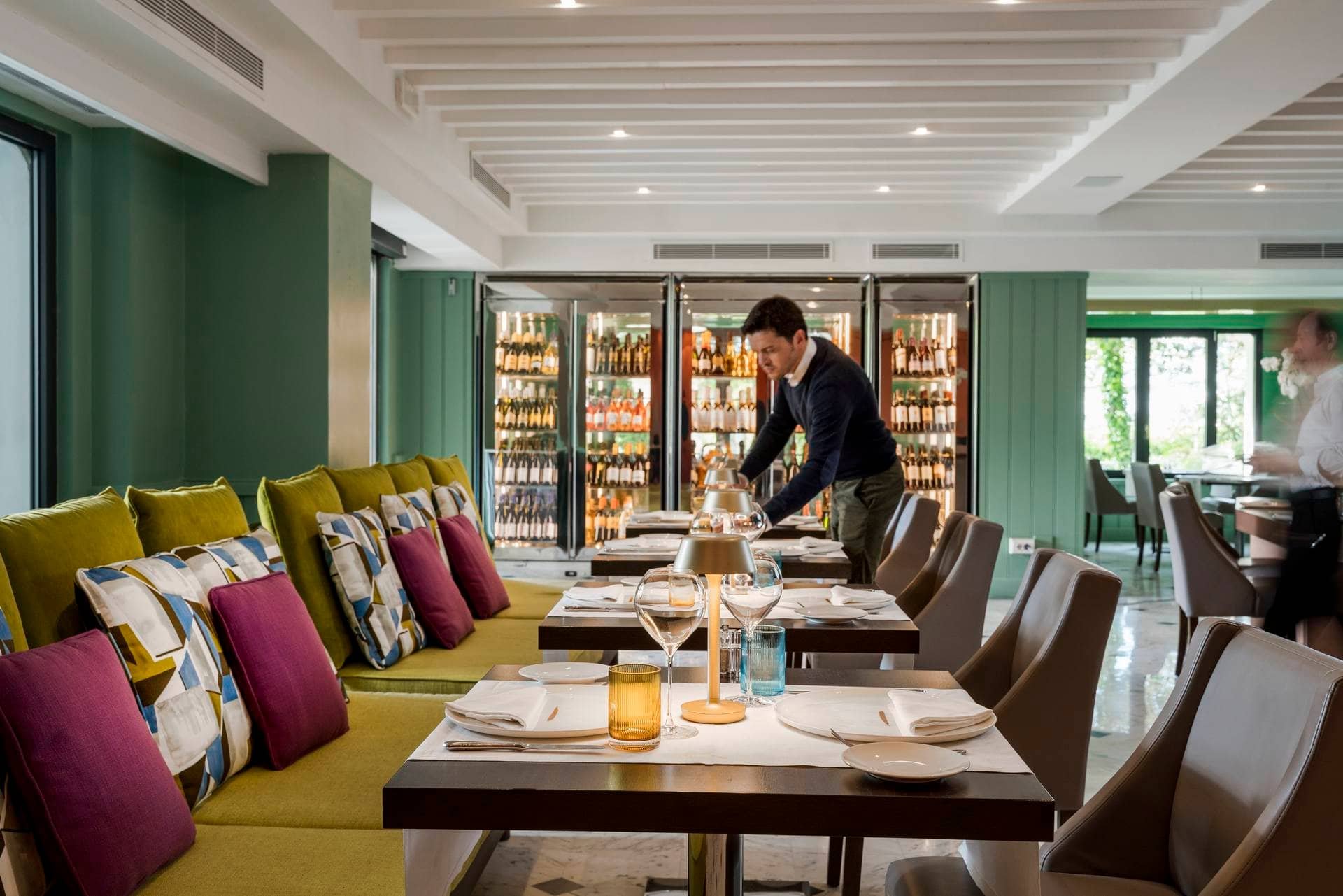
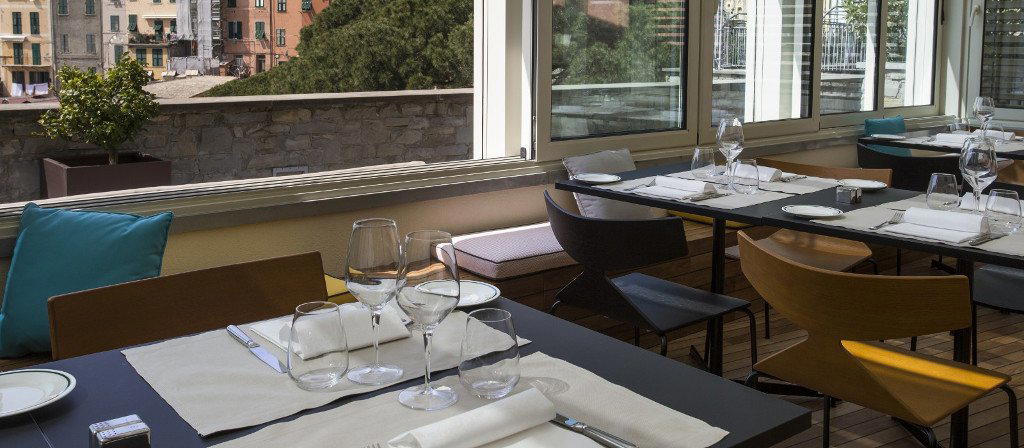
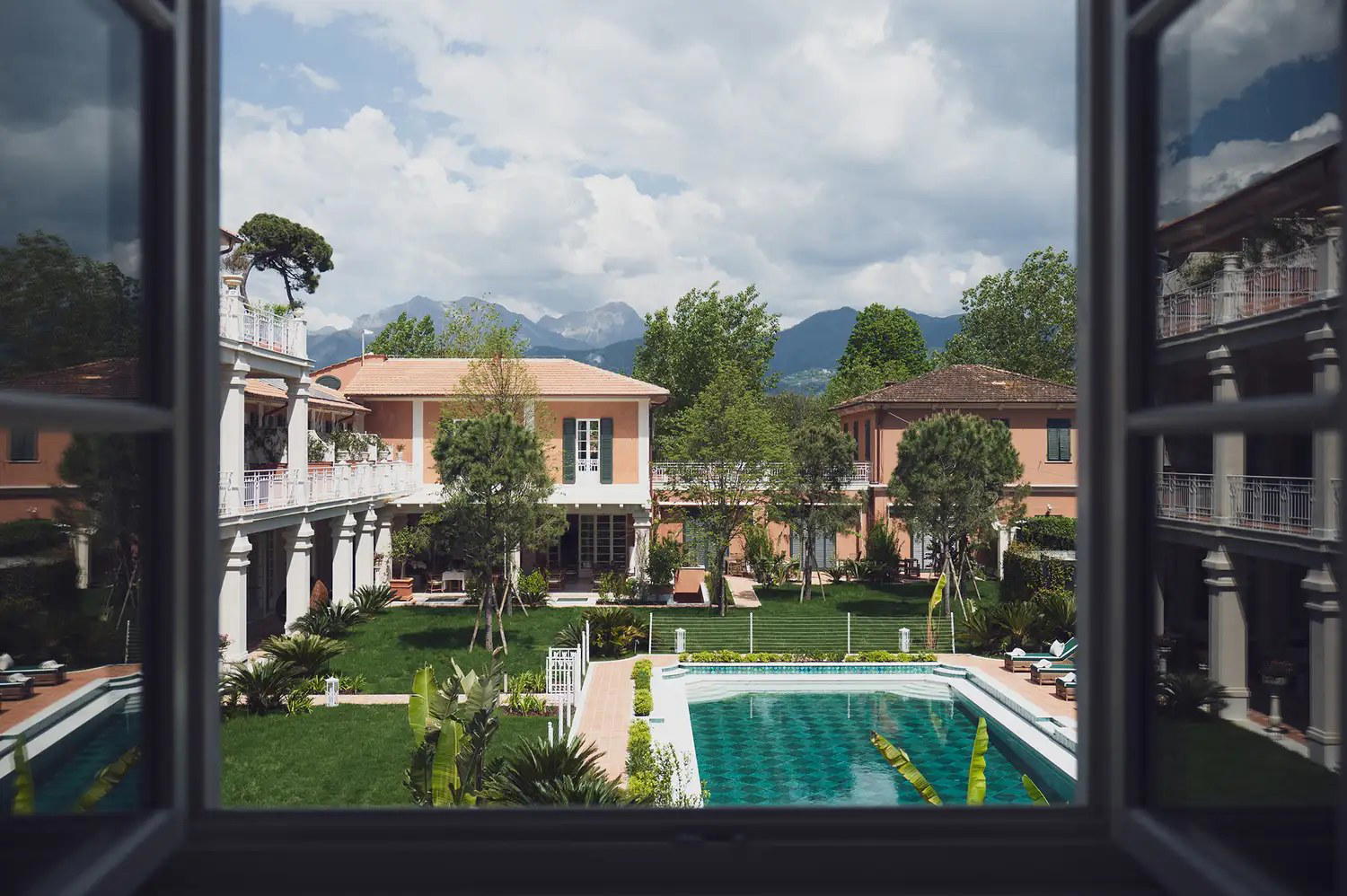
Contemporary, elegant setting on one level with various environments, just steps from the sea, blending smart sophistication with warm hospitality.