
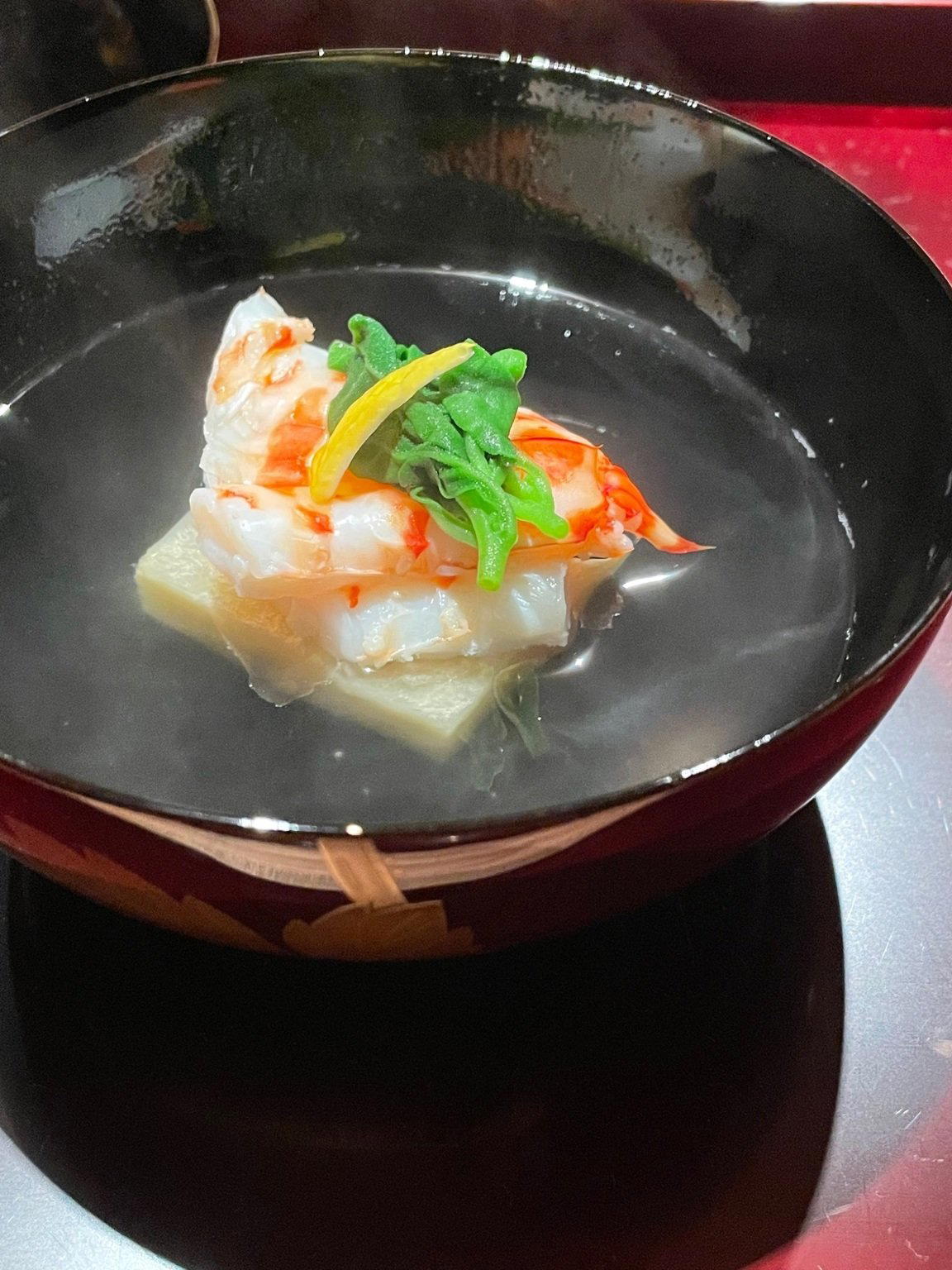
SOLAMENT'UNO gives Nagoya’s Italian scene a compact, fish-led counterpoint to heavier luxury dining. Its Tabelog Italian EAST 100 selections in 2021, 2023, and 2025 place it in a serious regional bracket, while the format stays intimate: Italian cooking, wine focus, and a scale that rewards diners looking beyond the city’s better-known Japanese dining lanes.
Pearl is the En Primeur Club membership app — saves, bookings, and concierge access live there. Same editors, same standards.
- Address
- 愛知県名古屋市東区代官町10-7 山本ビル 1F
- Phone
- +81525086721
- Website
- tabelog.com
 Saves & bookings on Pearl
Daikancho has the feel of Nagoya between appointments: low-rise blocks, office workers moving toward the subway, and restaurants that reveal themselves at street level rather than through spectacle. In that setting, Italian dining reads differently from Tokyo’s grand-room theatre or Kyoto’s temple-adjacent quiet. The interest is in how a small urban room absorbs local habits: course-led meals, careful wine service, and a preference for restaurants that work for repeat regulars as much as visiting diners.
Nagoya’s serious Italian restaurants have never needed to imitate Ginza or Aoyama to matter. The city’s dining culture is practical, quality-conscious, and less dependent on media choreography than the capital. SOLAMENT'UNO fits that pattern. Its recognition in Tabelog Italian EAST 100 in 2021, 2023, and 2025 gives it a measurable place in the regional Italian conversation, but the more useful point is what that recognition signals: consistency over several selection cycles, not a single-season spike.
Fish-led Italian in a city that rewards restraint
Japanese Italian cooking has spent decades moving away from red-sauce nostalgia and toward something more local: seafood, vegetables, lighter sauces, and wine lists that support rather than dominate the meal. In Nagoya, that evolution has an extra layer because the city sits between coastal supply routes, manufacturing wealth, and a dining public that is comfortable with both formal courses and casual counter culture. A fish-focused Italian restaurant here is not a novelty; it is part of a mature category where precision matters more than novelty.
The restaurant’s public positioning around fish and wine places it in that modern Japanese-Italian lane. That matters for travelers because Italian in Japan can vary sharply, from trattoria comfort to dégustation-style rooms built around seasonal produce. This address belongs closer to the latter camp, with course structure and wine attention doing much of the work. The editorial value is not that the restaurant is Italian in Nagoya; it is that Nagoya now has enough Italian depth for a small, long-running room to be judged against regional specialists rather than merely against local convenience dining.
That also explains the price bracket. Dinner sits in the JPY 10,000 to JPY 14,999 range, while lunch is listed at JPY 4,000 to JPY 4,999. In Nagoya terms, that puts the restaurant above everyday pasta houses but below the city’s more expensive special-occasion rooms such as Bon Kichi, which is listed at JPY 15,000 to JPY 19,999 for dinner. It is a useful middle-upper tier: serious enough to plan around, not priced as trophy dining for its own sake.
A small-room format shaped by longevity
Restaurants that opened in 2009 and continue to appear in current regional award lists have usually done one thing well: adjust without turning reinvention into branding. The Japanese Italian scene has changed considerably since then. Natural wine, counter dining, shorter course menus, and seafood-led menus all became more prominent through the 2010s and early 2020s. SOLAMENT'UNO’s current reputation sits inside that evolution, with a compact room and a format that suits diners who want a controlled meal rather than a sprawling night out.
The scale is part of the argument. Sixteen seats, split between four counter seats and twelve table seats, create a room where pacing and staff attention can remain tight. That is not automatically better than a larger dining room, but it changes the decision for the traveler. A small Italian restaurant in Nagoya asks for a different rhythm than an izakaya crawl or a department-store meal: fewer seats, more dependence on timing, and a menu structure that rewards settling in.
Comparisons inside Nagoya sharpen the point. il AOYAMA sits in the same Italian category but occupies its own lane; Tsutsui Shogetsu and Hamburger Steak Shokudo Enomoto Yoshihiro Shoten speak to the city’s broader appetite for lower-priced everyday meals; Shaotsai Iedie shows how mid-priced regional dining can sit outside Western categories altogether. Against that spread, this restaurant is not competing for casual frequency. It is competing for the dinner or lunch where Italian technique, wine, and small-room discipline are the reason to cross town.
How to place it in a Nagoya itinerary
The restaurant sits near Kurumamichi, an area that works well for travelers who want Nagoya beyond station-front convenience and Sakae’s brighter commercial corridors. The surrounding Higashi-ku address gives the meal a quieter frame, which suits the category. It is not the obvious first stop for a visitor chasing Nagoya-meshi signatures; it is the more pointed choice after those boxes are already checked, when the question becomes how the city handles non-Japanese fine dining at a serious local level.
For editorial planning, pair it with a broader read of the city rather than treating it as an isolated destination. Our full Nagoya restaurants guide gives the wider dining frame, while Our full Nagoya hotels guide, Our full Nagoya bars guide, Our full Nagoya wineries guide, and Our full Nagoya experiences guide help build the rest of the trip around it. Nearby editorial references such as 1022, 451, Aaron, Alan., and All Day Dining Montmartre show how varied the city’s non-traditional dining map has become.
The wider Japan file is useful too, because Nagoya’s appeal often becomes clearer beside other cities. For contrast, see -Grilled beef Sukiyaki- KAMAKURA TANUKIAN 鎌倉 たぬき庵 in Kamakura. 鮪と炭火焼き うお炭 秋葉原店 in Tokyo.cafe in Osaka.know in Kumamoto, (Shoku) Vietnam in Kawasaki, and [Curry Senmon Ten] Maruyama Kyoju. in Sapporo. Internationally minded readers can also compare format and drink culture through Jōdo Saké Bar in Los Angeles and Onigiri Time in Pasadena.
The verdict is simple: this is a Nagoya Italian address for diners who care about category maturity. The awards record gives the external proof, the fish-and-wine emphasis gives the culinary direction, and the small format gives the experience its shape. It is not the meal to choose for a survey of local comfort food; it is the one to choose when Nagoya’s quieter, more technically minded restaurant culture is the point.
How It Stacks Up
Comparable options at the same price tier.
| Venue | Cuisine | Price | Notes |
|---|---|---|---|
| SOLAMENT'UNOThis venue — the venue you are viewing | Modern Italian Course Dining | $$$ | Not listed |
| Osteria Orcadoro | Seasonal Italian Osteria with Extensive Wine List | $$$ | Nishi |
| Aroma-fresca Nagoya | Seasonal Italian Fine Dining with Extensive Wine List | $$$ | Naka |
| Trattoria Tope | Italian Trattoria | $$ | Higashi |
| ミオオルト | Authentic Italian Regional | $$$ | Nishi |
| Baci | Italian Fine Dining | $$$ | Higashi |
Recognition history
Dated appearances from independent guides and award organizations, with the underlying list record or original source where available.
Tabelog 100 #2 · No. 2
Tabelog · Tabelog 100 - Italian - EAST - 2025
Continue exploring
More in Nagoya
Restaurants in Nagoya
Browse all →

At a Glance
- Modern
- Elegant
- Cozy
- Intimate
- Sophisticated
- Date Night
- Business Dinner
- Celebration
- Special Occasion
- Group Dining
- Family
- Standalone
- Design Destination
- Extensive Wine List
- Sommelier Led
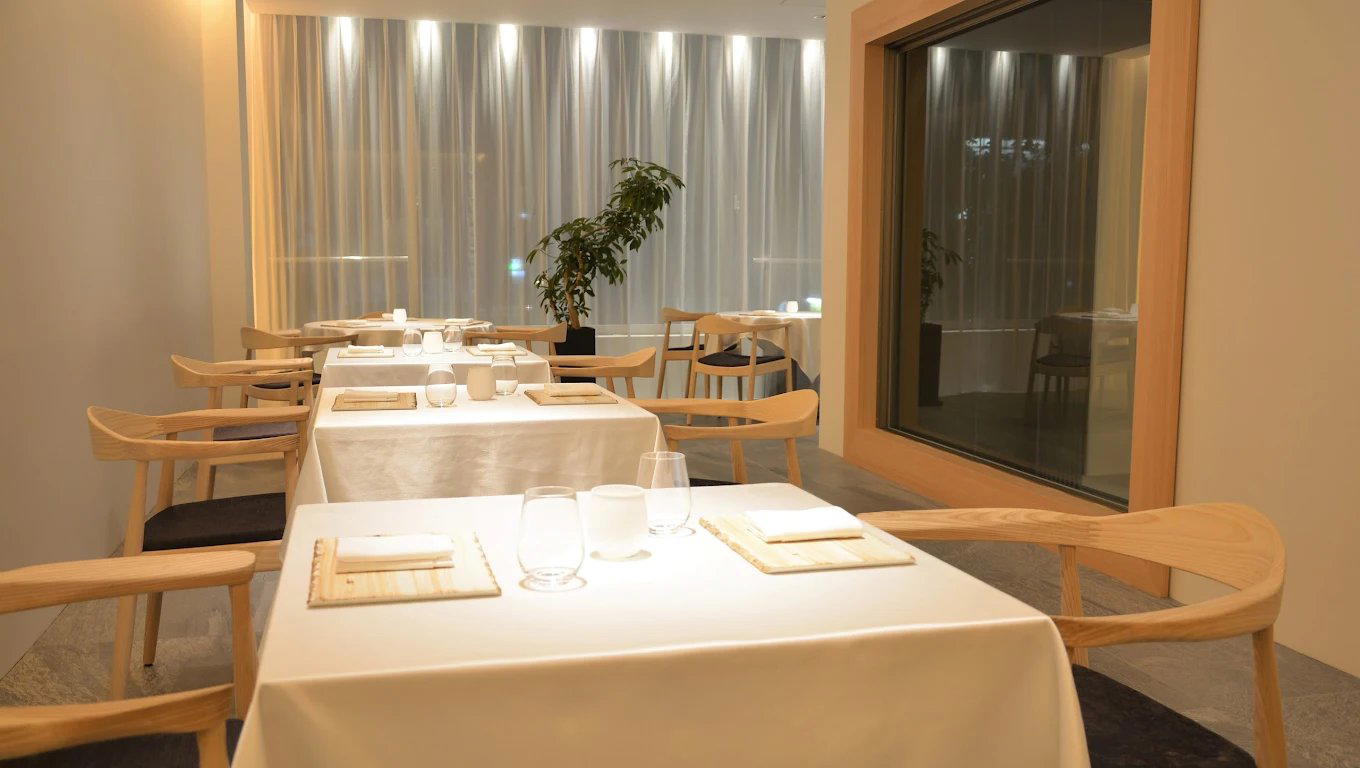
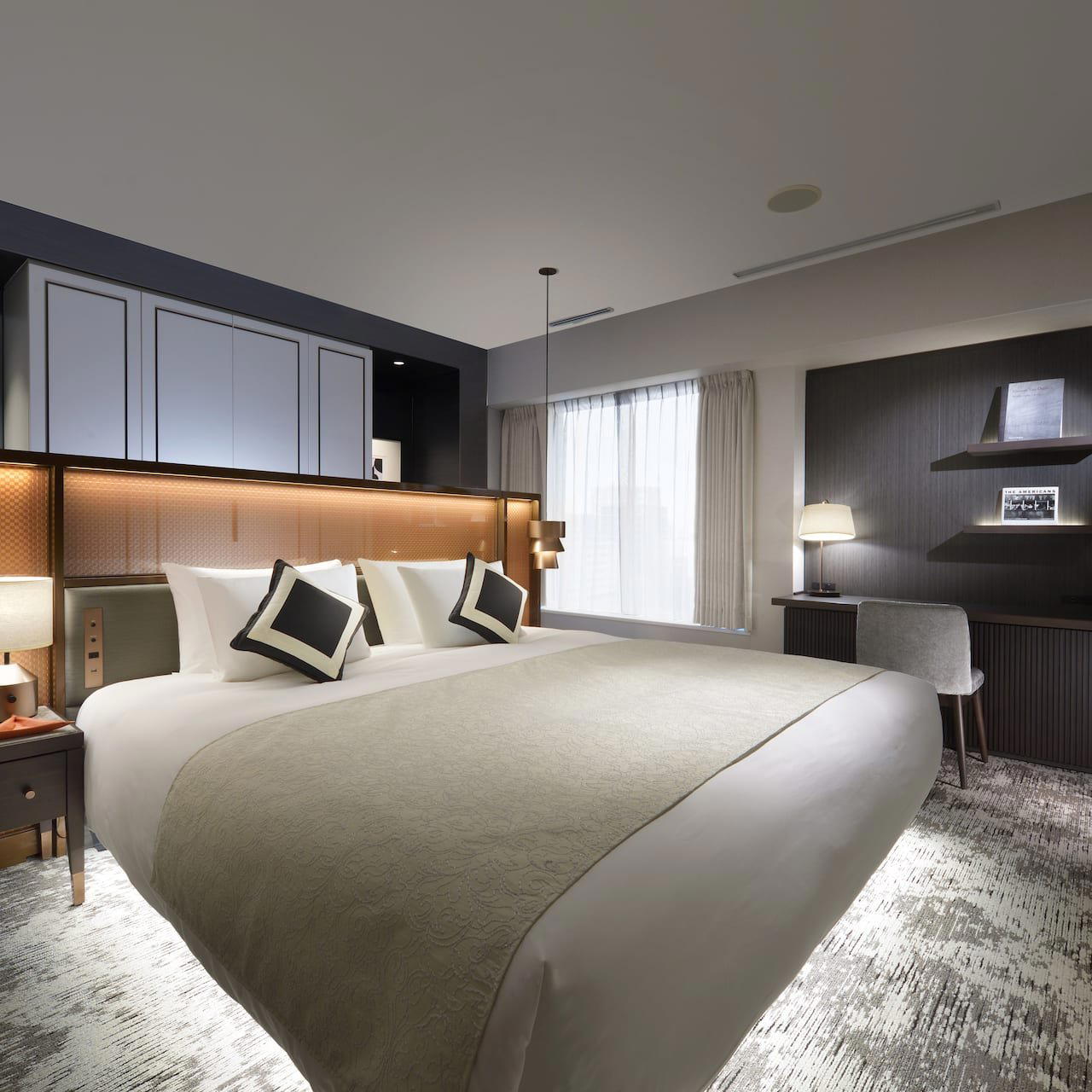
Bright, modern and stylish with immaculate white tablecloths and spacious, relaxing seating, creating a refined yet cozy atmosphere that feels like a small Italian hideout suited for important meetings or celebrations.