
Osteria Orcadoro is a Nagoya Italian restaurant in Hananoki, selected for Tabelog Italian EAST “Tabelog 100” in 2021, 2023, and 2025. The appeal is not novelty for its own sake, but the way a compact osteria format in Nagoya can translate Italian technique through local and seasonal Japanese ingredients, with wine treated as part of the meal rather than an afterthought.
Pearl is the En Primeur Club membership app — saves, bookings, and concierge access live there. Same editors, same standards.
- Address
- 愛知県名古屋市西区花の木2-17-9
- Phone
- +81525326262
- Website
- tabelog.com
 Saves & bookings on Pearl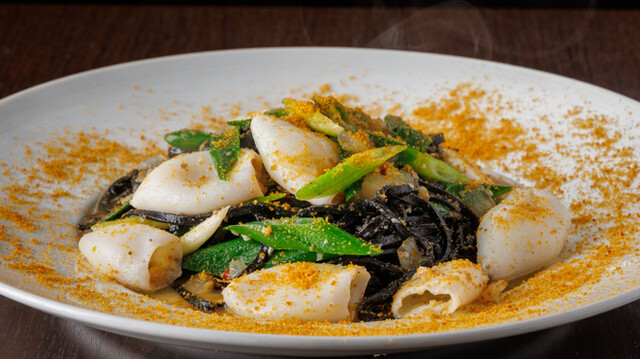
Approaching the Hananoki address, the rhythm is residential Nagoya rather than restaurant-district theatre: a smaller street, a close-set room, and dinner for people who know the evening they want. In Japan, Italian dining has long been absorbed into local habits, not preserved as a museum piece. Pasta, wine, seasonal vegetables, seafood, and a concise room can feel as native to a city’s dining culture as sushi counters or kappo rooms when the cooking has discipline.
That frames Osteria Orcadoro. Nagoya’s Italian scene runs from neighbourhood pasta shops to polished special-occasion dining, with a middle tier where imported technique meets Japanese sourcing and service norms. This room sits there: serious enough for repeated Tabelog Italian EAST “Tabelog 100” selections in 2021, 2023, and 2025, but not a hushed luxury temple. Think compact independent restaurants where seasonality, wine, and pacing form the meal’s architecture, not grand hotel Italian dining.
Italian technique, Nagoya scale, Japanese seasonality
Japanese Italian cooking works when it stops imitating Italy too literally. Stronger restaurants in this category use Italian grammar, pasta structure, olive oil, wine logic, and course pacing, while local produce and a Japanese preference for clarity shape the result. The cooking can be lighter and more ingredient-led than old-school trattoria cooking, especially where diners expect precision without tasting-menu formality.
Osteria Orcadoro’s public positioning points that way: à la carte Italian cooking with seasonal and local ingredients, and serious wine. The format matters. À la carte dining lets a restaurant serve regulars, friends, and returning locals differently from a fixed-menu counter. It also makes the wine program more consequential, because the meal can move in several directions rather than follow one pre-set route.
Nagoya is often reduced to hitsumabushi, miso katsu, kishimen, and tebasaki, but that misses the city’s comfort with non-Japanese dining at a high local standard. Its strongest independent restaurants need no Tokyo glare; they build loyalty through consistency, access, and a clear idea of occasion. Repeated inclusion in Tabelog’s Italian EAST selection signals not just a convenient neighbourhood address, but part of the regional conversation around Italian cooking in eastern Japan.
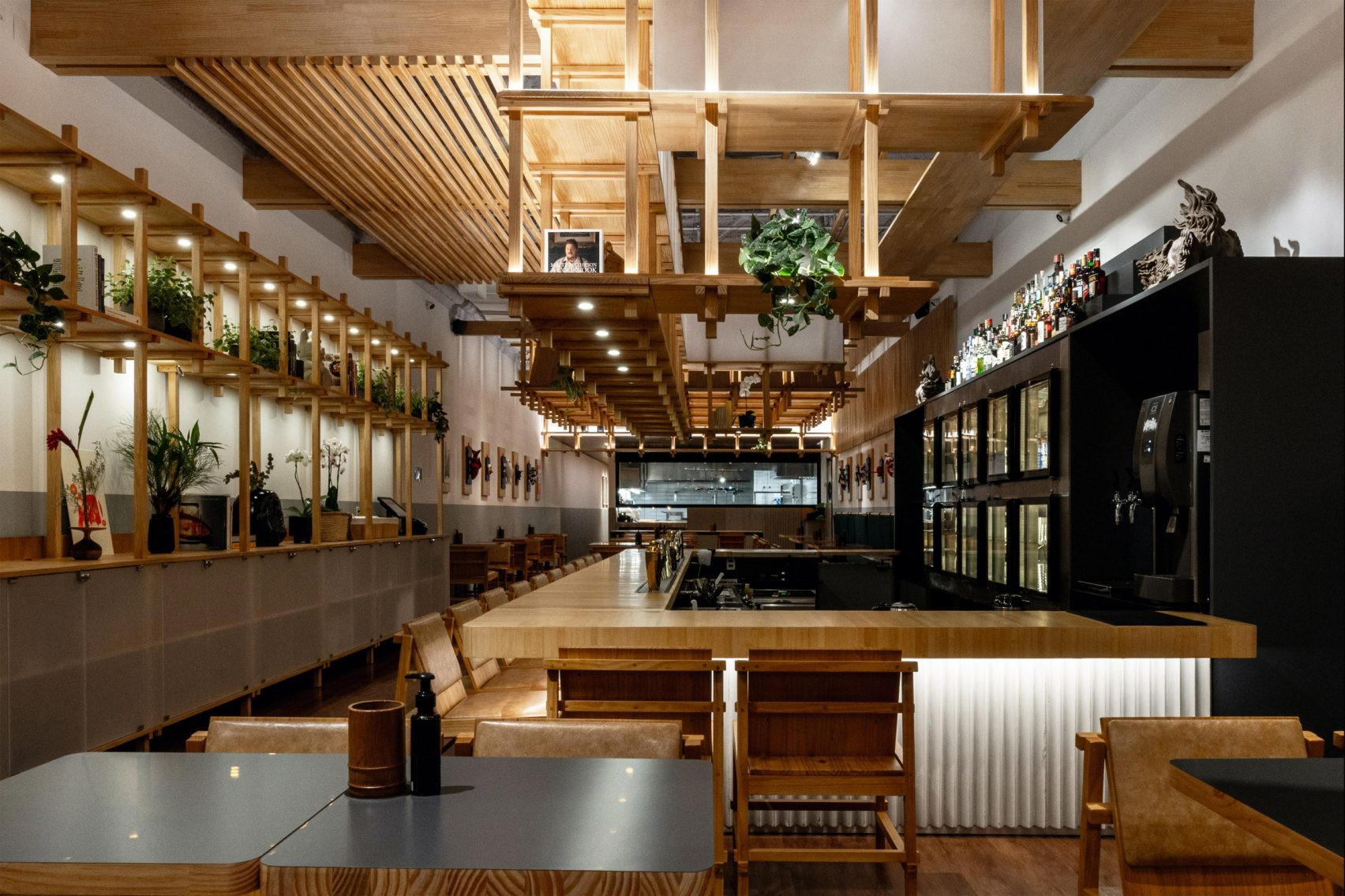
The city’s scale changes the experience. Tokyo Italian can split between global luxury and casual pasta density. Nagoya leaves room for restaurants personal in scale without biography as the main selling point. The 26-seat format, with tables and counter seats, suits that middle ground, holding couples, small groups, and regulars without turning the room into a stage.
Where it sits in Nagoya's independent dining culture
Read the restaurant against Nagoya’s practical seriousness. Diners here reward craft without excess explanation. An osteria model offers structure for a proper meal, looseness for conversation, and enough wine focus to feel considered. Compared with Chambre d'enfants, in a higher dinner budget bracket among Nagoya peers, Osteria Orcadoro occupies a more accessible special-occasion lane. Compared with a low-budget casual address such as Don Hyara, it asks for different attention: less quick utility, more time at the table.
That middle position matters for visitors. A city’s dining character is often clearest in restaurants locals can return to, not rooms built mainly for destination diners. Nagoya’s best-known dishes explain its palate; independent Italian restaurants explain its modern habits: wine with friends, seasonal cooking without ceremony, and foreign technique folded into everyday urban life. For a broader map, Our full Nagoya restaurants guide gives the wider context; for travellers building a full itinerary, Our full Nagoya hotels guide, Our full Nagoya bars guide, Our full Nagoya wineries guide, and Our full Nagoya experiences guide place dinner inside the rest of the trip.
The Tabelog score of 3.70 is useful in Japan, where scores are conservative and category lists carry weight with domestic diners. The “Tabelog 100” Italian EAST selection is not a Michelin star and should not be read as one. It is more telling as regional recognition, especially outside Tokyo. For international visitors, the attraction is not a trophy-room dinner, but a local Italian address with enough critical recognition to stand apart.
There is also a translation point. An “osteria” in Japan may be less rustic than the Italian word suggests, more controlled in service, and more precise in plating, while retaining à la carte flexibility and wine-driven dining. That hybrid is part of the pleasure. The restaurant is not reproducing a village dining room in Italy; it operates in Nagoya, for Nagoya diners, using Italian technique as a shared language.
How to plan the meal without overcomplicating it
The strongest reason to seek out this address is its combination of recognition, scale, and category. A small Italian restaurant in Nagoya with repeated Tabelog Italian EAST selections gives visitors a different read on the city than another round of local specialties. It shows how Japanese diners have internalised Italian food: not as foreign decoration, but as a flexible format for seasonal products, wine, and conversation.
The experience suits travellers who prefer local traction over heavily staged destination dining, and a night that feels deliberate but not ceremonial. No private rooms point to an open dining-room experience rather than a sealed-off business dinner. The no-smoking policy and counter seating are useful clues, especially for solo diners or pairs who like a closer view of the room’s rhythm.
For comparison inside EP Club’s wider restaurant coverage, Nagoya listings such as 1022, 451, Aaron, Alan., and All Day Dining Montmartre show how varied the city’s independent dining register can be. Across Japan and beyond, the contrast widens with -Grilled beef Sukiyaki- KAMAKURA TANUKIAN 鎌倉 たぬき庵 in Kamakura. 鮪と炭火焼き うお炭 秋葉原店 in Tokyo.cafe in Osaka.know in Kumamoto, (Shoku) Vietnam in Kawasaki, [Curry Senmon Ten] Maruyama Kyoju. in Sapporo, Jōdo Saké Bar in Los Angeles, and Onigiri Time in Pasadena.
The editorial call is simple: place this in an itinerary when Nagoya needs dinner that speaks to contemporary local dining rather than regional-food checklist tourism. The reward is the city seen through an Italian lens, with Japanese seasonality and a compact osteria format doing the quiet work.
Budget Reality Check
Comparable venues by category and price.
| Venue | Cuisine | Price | Notes |
|---|---|---|---|
| Osteria OrcadoroThis venue — the venue you are viewing | Not listed | $$$ | Not listed |
| Aroma-fresca Nagoya | Not listed | $$$ | Naka, Seasonal Italian Fine Dining with Extensive Wine List |
| OLMO | Not listed | $$$$ | Nishi, Seasonal Italian in a renovated Nagoya kominka |
| prospero | Naka, Modern Italian | $$$ | Not listed |
| Cucina Italiana Selvaggio | Not listed | $$$ | Higashi, Japanese-Style Italian Fine Dining |
| Bottegon | Not listed | $$$$ | Higashi, Innovative Italian with a fish-focused tasting menu |
Recognition history
Dated appearances from independent guides and award organizations, with the underlying list record or original source where available.
Tabelog 100 #36 · No. 36
Tabelog · Tabelog 100 - Italian - EAST - 2025
Continue exploring
More in Nagoya
Restaurants in Nagoya
Browse all →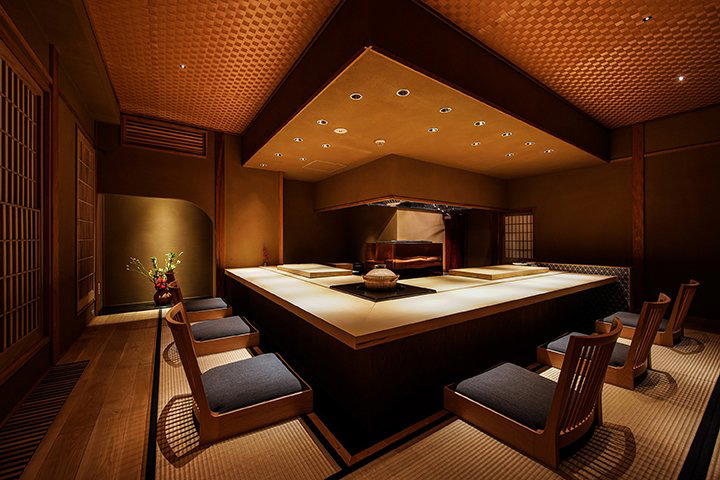


At a Glance
- Cozy
- Casual
- Intimate
- Lively
- Celebration
- Date Night
- Group Dining
- Special Occasion
- Casual Hangout
- After Work
- Standalone
- Wine Cellar
- Extensive Wine List
- Sommelier Led
- Local Sourcing
A casual yet stylish osteria with a relaxing, intimate atmosphere, featuring counter and table seating where guests share large plates and enjoy attentive service, often chosen for anniversaries and special gatherings.