
Tsukiji’s bread culture sits between market pragmatism and Tokyo’s exacting bakery scene. ORIMINE BAKERS Tsukiji nanachome ten belongs to the takeout-specialist side of that world, with Tabelog Bread TOKYO 100 selections in 2020 and 2022 and a format built around bread, sandwiches, and bagels rather than café lingering.
Pearl is the En Primeur Club membership app — saves, bookings, and concierge access live there. Same editors, same standards.
- Address
- 東京都中央区築地7-10-11
- Phone
- +81362284555
- Website
- oriminebakers.com
 Saves & bookings on Pearl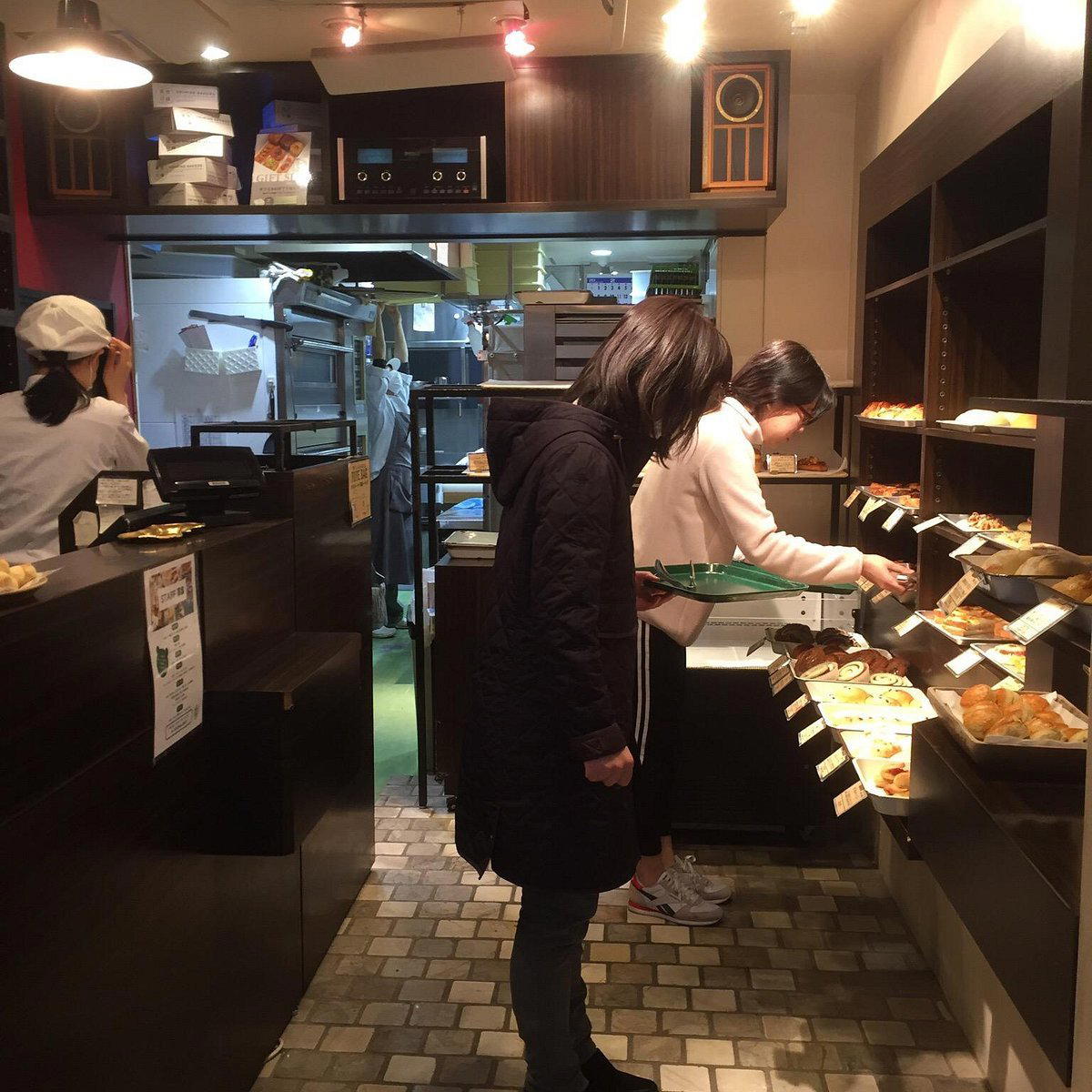
Tsukiji remains a morning district: shutters rising, bicycles threading narrow streets, and the old market’s appetite for portable food spilling into surrounding blocks. Here, bread is working food, bought to carry, share, or eat between errands. ORIMINE BAKERS Tsukiji nanachome ten fits that rhythm as a takeout bakery, not a sit-down café. Tokyo has many bakeries with French polish; Tsukiji rewards bread that survives in a paper bag and still makes sense after a walk.
The bakery’s public recognition gives it context. Tabelog selected it for Bread TOKYO 100 in 2020 and 2022, placing it in a city category where small shops compete on consistency, range, and neighborhood demand rather than dining-room theatre. Its Tabelog score of 3.62 is not a luxury-restaurant signal; it is a bakery signal, pointing to repeat local use and enough critical attention to register beyond the immediate block.
Tsukiji bread culture favors produce, portability, and daily buying
Tokyo’s strongest bakeries often reveal their neighborhoods. In Aoyama or Daikanyama, the category can tilt toward viennoiserie display and café seating. Around Tsukiji, the logic is practical: bread sits near fishmongers, prepared-food stalls, office workers, and apartment kitchens. Sandwiches and bagels belong here because they connect bakery technique with the district’s habit of eating on the move.
That ingredient-sourcing angle is not about a named farm or romantic claim. It is proximity to a food district where freshness is expected daily and buyers have little patience for decorative excess. A Tsukiji bakery competes with onigiri, tamagoyaki, seafood bowls, curry, soba, and convenience-store efficiency. Bread earns its place through structure, price discipline, and enough variety to justify a specific stop.
ORIMINE BAKERS is categorized across bread, sandwiches, and bagels, which says more than a long tasting note. The range places it between classic boulangerie and casual lunch counter. For travelers, that makes it useful on a Tokyo itinerary already heavy with reservation-led dining. A morning or midday bakery stop is often smarter than another formal meal, especially in a district where the pleasure lies in grazing.
That logic separates it from the city’s higher-friction restaurant tier. A sushi counter such as . 鮪と炭火焼き うお炭 秋葉原店 or a yakitori room like 124. KAGURAZAKA (Yakitori) asks the traveler to plan around service. A bakery asks the reverse: how can Tokyo eating fold into the day without surrendering half of it to a table?
The takeout format is the point, not a compromise
Tokyo dining coverage often overvalues counters, courses, and chef biographies. Bakeries show another excellence: repetition. The same product must hold through the day, the price band must stay accessible, and the shop must serve regulars without turning every purchase into an event. Tabelog’s Bread TOKYO 100 list is a meaningful trust signal because the benchmark is not ceremony but reliability under daily demand.
Here, the lack of seating helps. Takeout sharpens the decision: bread, sandwich, or bagel; breakfast, snack, or train provisions; a quick stop before Tsukiji pulls attention elsewhere. The format also pairs easily with the neighborhood’s broader food circuit, where small purchases often make a better day than one destination meal.
That corrects how visitors often approach Tokyo. Not every worthwhile address needs to be rare, expensive, or chef-led. Some of the city’s clearest food experiences sit in daily categories: curry shops such as 3 Chome no Curry Ya San, visual cafés like 2D Cafe, or casual specialists such as 12/10 Shinjuku ten. Tsukiji’s bakery scene belongs in that practical register, with a stronger morning pulse.
The comparison clarifies what this stop is not. It is not the formal Japanese dining world represented by Sushi Keita, Rokkan, Fugu Club miyawaki Bettei, or Sakuragi, nor the higher-spend neighborhood meal implied by Tsukiji Nagaya 6-7-7. It is a low-friction food stop with credible category recognition, which is exactly its value.
How to fold it into a Tokyo eating day
Treat the bakery as part of a neighborhood sequence, not the centerpiece of a cross-city detour. Tsukiji rewards movement: a market-side snack, a bakery purchase, then a walk toward Ginza, Shintomicho, or the Sumida-side edges of Chuo. Because it is takeout, the visit works especially well when the rest of the day includes heavier restaurant commitments.
Planning should account for Tokyo’s category spread. A bakery stop in Tsukiji can sit before dinner built around sushi, grilled beef, or modern Japanese cooking, giving the day more local texture than stacking only reservation restaurants. Travelers building a broader route can cross-reference Our full Tokyo restaurants guide, then balance meals with Our full Tokyo hotels guide, Our full Tokyo bars guide, Our full Tokyo wineries guide, and Our full Tokyo experiences guide.
For context beyond Tokyo, Japan’s casual specialist culture travels across categories and cities: -Grilled beef Sukiyaki- KAMAKURA TANUKIAN 鎌倉 たぬき庵 in Kamakura.cafe in Osaka.know in Kumamoto, (Shoku) Vietnam in Kawasaki, [Curry Senmon Ten] Maruyama Kyoju. in Sapporo, and [ki:] in Kyoto all show how focused formats can carry as much cultural information as formal dining. Even outside Japan, compact food specialists such as Jōdo Saké Bar in Los Angeles and Onigiri Time in Pasadena underline the same point: specificity often matters more than scale.
ORIMINE BAKERS Tsukiji nanachome ten is strongest as a morning-to-midday food move in a district built for appetite rather than lingering. Its Bread TOKYO 100 recognition, takeout structure, and bread-sandwich-bagel range make it a useful counterweight to Tokyo’s reservation economy. The editorial case is simple: when a city eats this well at the casual end, serious travelers should leave room for bread.
- baguette
- pan de mie
- cheese focaccia
- chocolate croissant
- caramel bread
- savory mini pizzas
At-a-Glance Comparison
Comparable venues for orientation by cuisine and category.
| Venue | Cuisine | Price | Notes |
|---|---|---|---|
| ORIMINE BAKERS Tsukiji nanachome tenThis venue — the venue you are viewing | Neighborhood bakery & bread shop | $ | Not listed |
| Turret Coffee | Specialty coffee & café snacks | $ | Chūō |
| Mon Cher Touyouchou koujou | Artisan Bread Bakery (Factory Shop) | $ | Kōtō |
| L'Atelier du pain | Artisanal Japanese-French bakery & café | $ | Minato |
| kalala | Japanese-style curry & cafe | $ | Shinjuku |
| LAITIER | Soft Serve Ice Cream Cafe | $ | Shibuya |
Recognition history
Dated appearances from independent guides and award organizations, with the underlying list record or original source where available.
Tabelog 100 #12 · No. 12
Tabelog · Tabelog 100 - Bread - TOKYO - 2022





At a Glance
- Cozy
- Classic
- Solo
- After Work
- Casual Hangout
- Family
- Standalone
A petite, take-out only neighborhood bakery with a cozy, simple interior, shelves neatly lined with a wide variety of breads and pastries, and the warm feel of bread being baked in the back throughout the day.