
Oomura places Shizuoka’s everyday tavern culture in a sharper frame: chicken dishes, oden, sake and shochu, with Tabelog 100 Chicken Cuisine 2025 recognition giving the room a national signal rather than a purely local one. The appeal is not luxury theater; it is the way regional drinking food, group seating and ingredient-led comfort cooking sit inside a serious Japanese chicken-cuisine category.
Pearl is the En Primeur Club membership app — saves, bookings, and concierge access live there. Same editors, same standards.
- Address
- 静岡県静岡市葵区井宮町96
- Phone
- +81542713334
- Website
- tabelog.com
 Saves & bookings on Pearl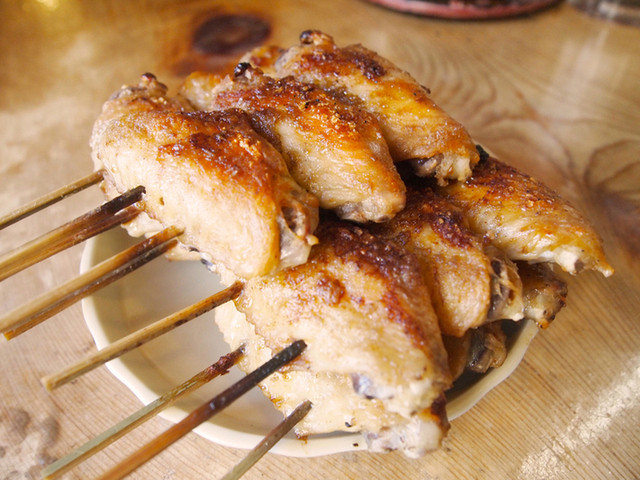
Approaching a neighborhood izakaya in Shizuoka differs from arriving at a counter temple in Tokyo or Kyoto. The cues are plainer: a room for repeat visits, a drinks list that treats sake and shochu as food partners, and a menu where chicken, oden and tavern cooking carry the evening rather than support it. Oomura belongs to that register, and its selection for Tabelog 100 Chicken Cuisine 2025 gives it a national marker in a category visitors often judge too casually.
Chicken cuisine as Shizuoka drinking food, not luxury performance
Japan’s chicken restaurants divide into camps. Yakitori counters turn the bird into sequence and precision. Mizutaki and torisuki houses build around broth, fat and shared pots. Izakaya kitchens absorb chicken into a broader repertoire of drinking food, where pace, salt, heat and portion size matter as much as knife work. Oomura’s public category mix, chicken dishes, oden and izakaya, places it in the third camp. That matters for travelers reading awards lists: recognition here does not imply a hushed tasting menu, but a tavern format that has earned attention in a competitive national chicken-cuisine field.
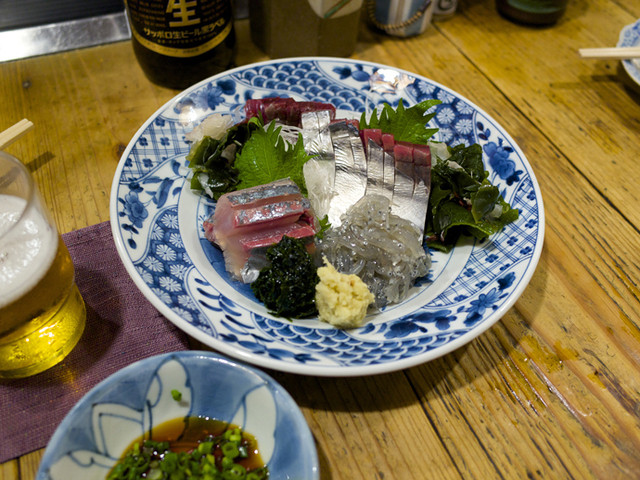
Shizuoka adds its own logic. The prefecture is better known outside Japan for tea, seafood and views of Fuji, yet its dining culture is deeply practical: local fish, simmered dishes, casual counters, family-run rooms and group meals sit beside formal cooking. The listing notes attention to fish alongside chicken, which is not a contradiction. In coastal and inland Shizuoka, sourcing rarely follows the narrow genre lines of city dining guides. A good tavern can be serious about poultry while local fish, oden and drinks shape the table.
That breadth is the useful lens. Chicken cuisine here is less about rarity than how a kitchen handles familiar materials repeatedly, for mixed groups, across drinking sessions rather than fixed courses. The drinks clarify the meal: sake, shochu and wine are all part of the program, with particular attention to sake and shochu. That points toward food with enough salt, smoke, broth or fat to justify another glass, not a menu built around one prestige pairing.
Award recognition without the formality trap
Tabelog’s Hyakumeiten lists are not Michelin-style stars and should not be read that way. Their value is separating strong category specialists from Japan’s mass of everyday restaurants. A 2025 Tabelog 100 Chicken Cuisine selection places Oomura among a national cohort of chicken-focused addresses, while its Tabelog score of 3.63 signals steady support in a market where scores above the mid-threes can already show meaningful local traction. For travelers, that is more relevant than polished branding.
The room format reinforces the point. Seventy seats across counter, table and banquet seating make this a social restaurant rather than a tiny chef-facing counter. That scale changes expectations: value lies in conviviality, ordering flexibility and a kitchen able to feed drinkers, friends and groups without turning the meal ceremonial. Private-room and banquet capacity on the second floor extend that role. In Japan, these details often reveal more about a restaurant’s function than a menu headline.
Shizuoka’s higher-profile dining pulls in several directions. Tempura Naruse represents the city’s specialist counter tradition, while 成生 occupies a different conversation around ingredient-led Japanese cooking. At the casual end, Kawachi Ya and Ooyakiimo show how tightly priced local addresses define everyday eating. Oomura sits between those poles: more recognized than an anonymous neighborhood stop, less formal than specialist counters, and built around the old izakaya equation of drink, protein, simmered comfort and group usefulness.
That is why the restaurant belongs in a broader Shizuoka itinerary rather than as an isolated trophy meal. Readers comparing local options can use Our full Shizuoka restaurants guide for the wider map, then cross-check neighboring styles through Aozora, Asaba (Kaiseki), Blue Label, Chabo and Chinese Muramatsu. The point is not ranking them together, but seeing how Shizuoka spreads serious eating across kaiseki, Chinese, casual tavern cooking and category specialists.
How to read the room before planning the rest of the trip
The practical character is clear from the service signals: counter seating for solo or close-up dining, tables for small groups, tatami space, take-out and longer party use. Credit cards are not accepted, while electronic money is accepted, so cash planning remains sensible as it often does outside Japan’s largest luxury districts. Smoking is allowed, important for travelers who assume contemporary Japanese dining rooms are uniformly non-smoking. Parking is available in six spaces, and the nearest rail reference is Shin Shizuoka, with bus access to the Inomiya Kyoku-mae stop placing the restaurant in a more local rhythm than the station-front cluster.
The reader decision is simple. Choose this for a Shizuoka evening prioritizing ingredient-led tavern food, drinks and local atmosphere over ceremonial pacing. Do not approach it as a chef-biography restaurant; no public chef narrative is needed to understand its role. Its credibility comes from category recognition, seating format, drinking-food grammar and the way chicken cuisine folds into a Shizuoka izakaya table. For a fuller trip, pair dinner planning with Our full Shizuoka hotels guide, Our full Shizuoka bars guide, Our full Shizuoka wineries guide and Our full Shizuoka experiences guide.
Travelers building a wider Japan food route can use contrast to sharpen the point: -Grilled beef Sukiyaki- KAMAKURA TANUKIAN 鎌倉 たぬき庵 in Kamakura shows a beef-led regional meal, 鮪と炭火焼き うお炭 秋葉原店 in Tokyo frames tuna and charcoal in the capital,.cafe in Osaka shifts the register,.know in Kumamoto brings another regional city into view, (Shoku) Vietnam in Kawasaki adds a Vietnamese-Japanese urban angle, and [Curry Senmon Ten] Maruyama Kyoju. in Sapporo shows how single-category casual cooking carries seriousness. Across the Pacific, Jōdo Saké Bar in Los Angeles and Onigiri Time in Pasadena underline how Japanese drinking and comfort-food formats translate abroad, often with less local context than a Shizuoka room like this provides.
In Context: Similar Options
Comparable venues by cuisine and price in the same metro.
| Venue | Cuisine | Price | Awards | Notes |
|---|---|---|---|---|
| OomuraThis venue — the venue you are viewing | Shizuoka chicken wings & oden izakaya | $$ | , | |
| Suien Dosai Honten | Traditional Tonkatsu (Japanese Pork Cutlet) | $$ | , | Aoi Ward |
| Aozora | Japanese cafeteria specializing in local sakura shrimp | $ | , | Shimizu-ku (Yui Station area) |
| 台湾味 | Taiwanese | $$ | , | Shizuoka Station area |
| Taihei | Traditional Japanese Izakaya & Seafood | $$$ | , | Aoi Ward (Ryougaemachi) |
| Sakume | Traditional Unagi (Grilled Eel) | $$ | , | Mikkabichosakume, Kita-ku |
Continue exploring
More in Shizuoka
Restaurants in Shizuoka
Browse all →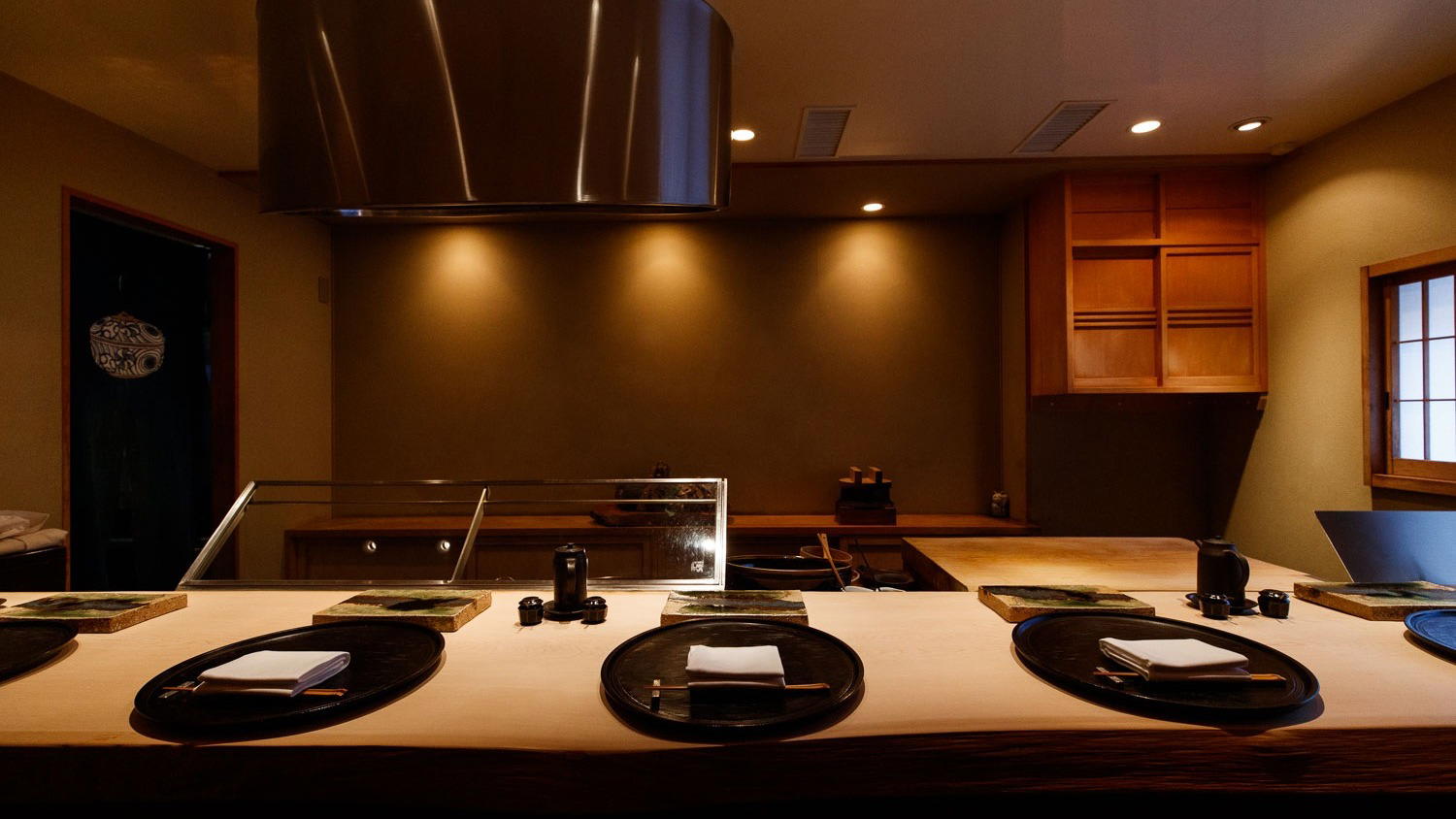
Hotels in Shizuoka
Browse all →

Wineries in Shizuoka
Browse all →
At a Glance
- Lively
- Cozy
- Classic
- Energetic
- Group Dining
- Family
- Casual Hangout
- After Work
- Celebration
- Private Event
- Private Dining
- Standalone
- Sake Program
- Beer Program
Warm, smoky izakaya atmosphere with a mix of counter and tatami seating, creating a relaxed, bustling setting suitable for families and after-work gatherings.