Ginza
Ginza occupies a considered address on Aptekarskiy Prospekt in Saint Petersburg's Petrograd Side, positioning itself within a neighbourhood that has drawn a generation of serious restaurants away from the tourist corridors of the historic centre. The venue sits in a city where premium dining has split decisively between heritage-room formality and a newer, more technically focused tier, and Ginza reads as part of that second wave.
Pearl is the En Primeur Club membership app — saves, bookings, and concierge access live there. Same editors, same standards.
- Address
- Aptekarskiy Prospekt, 16, St Petersburg, Russia, 197022
- Phone
- +78126401616
- Website
- ginza.ru
- Directions
- Get directions
 Saves & bookings on Pearl
The Petrograd Side and Where Ginza Sits Within It
Aptekarskiy Prospekt runs through one of Saint Petersburg's more residential and increasingly restaurant-dense districts, the Petrograd Side, a neighbourhood that has absorbed much of the city's serious dining ambition over the past decade. The area sits across the Neva from the gilded heritage corridors of Nevsky Prospekt, and that distance is part of its character: restaurants here tend to attract locals and return visitors rather than first-time tourists working through the guidebook. Ginza's address at number 16 places it in that current, away from the concentrated hotel dining of the city centre and closer to the kind of neighbourhood-anchored dining that defines Saint Petersburg's restaurant scene.
Saint Petersburg's premium dining has progressively split into two identifiable cohorts. The first is the formal heritage room, high ceilings, white tablecloths, and menus that gesture toward imperial-era Russian cooking. Venues like 1913 and Astoria Cafe represent that tradition. The second cohort is more recent: technically oriented restaurants operating with tighter formats, ingredient-led menus, and a sensibility closer to what you'd find in Moscow's more progressive dining rooms than to the chandeliered grandeur of the centre. Blok and Bellevue occupy different corners of this second wave. Ginza on the Petrograd Side sits somewhere within this evolving tier, drawing from a district that rewards the diner who plans rather than wanders.
Planning Your Visit: What to Know Before You Go
The Petrograd Side is not a walk-in neighbourhood in the way that the area around Palace Square might be. Reaching Aptekarskiy Prospekt typically means a short metro ride to Petrogradskaya station or a taxi from the centre, a journey of roughly fifteen to twenty minutes depending on traffic and your starting point. This is the kind of address that filters its clientele by intent: the visitors who end up here have made a decision, which tends to concentrate the room around people who know why they came.
Saint Petersburg's better-regarded independent restaurants operate within reservation cultures that vary considerably from Western European norms. Some prioritise phone or in-person contact; others have moved toward online systems. A reservation made several days ahead is the minimum sensible buffer, and peak periods will require more lead time.
For the broader context of booking dining in Saint Petersburg's premium tier, a useful comparison is the approach required at venues like COCOCO Bistro or Birch, both of which operate with tight capacities and defined service windows that reward advance planning. Ginza's position on Aptekarskiy Prospekt suggests a similar operating logic: a neighbourhood restaurant with a defined local following, where spontaneous arrival is a gamble rather than a strategy.
The Dining Context: What Ginza Tells You About the City
Saint Petersburg's restaurant scene has matured considerably since the mid-2010s, and the Petrograd Side has been a consistent site of that development. The neighbourhood pattern mirrors what has happened in comparable European cities where premium dining has migrated from central tourist corridors into residential districts with lower rents and more self-selecting clientele. Moscow set an earlier template for this shift, Twins Garden in Moscow represents how far that city's fine dining conversation has developed, and Saint Petersburg has tracked a version of the same trajectory, if more gradually and with a stronger pull toward local ingredient narratives.
The Russia-wide picture adds further context. Serious dining in Russian cities has diversified geographically: Leo Wine and Kitchen in Rostov, Restaurant Baran-Rapan in Sochi, and SEASONS in Kaliningrad each reflect regional ambitions that were largely absent a decade ago. Saint Petersburg, as the country's second city with a strong cultural identity and a visitor economy built around its imperial and arts heritage, sits at the more established end of this spectrum. Restaurants here operate within a city that receives international visitors year-round and that has a resident dining public with genuine expectations about quality and format.
Within the city, the comparable set worth understanding includes addresses across different format tiers. BeefZavod represents the more casual, protein-focused end of the premium casual spectrum. Bourgeois Bohemians occupies a different register, closer to the wine-forward bistro model that has spread from Western Europe into Russian cities. Primorskiy Prospekt, 72 in Staraya Derevnya extends the city's dining geography further toward the Gulf of Finland. Understanding where Ginza sits relative to these addresses, by neighbourhood, format, and likely price register, is the more useful exercise than treating any single venue in isolation.
For visitors whose frame of reference runs to international fine dining at the level of Le Bernardin in New York City or Lazy Bear in San Francisco, the Saint Petersburg scene operates at a different scale and with different pressures, currency fluctuations, import restrictions on certain ingredients, and a guest mix that skews more local than in comparable European cities. These factors shape what restaurants here can offer and how they position themselves, and they're worth holding in mind when calibrating expectations before arrival.
Saint Petersburg's dining scene spans neighbourhoods and format tiers, and Ginza sits within that wider map. For those also considering the countryside outside the city, La Colline in Bolshoye Sareyevo and Tsarskaya Okhota in Zhukovka represent the dacha-adjacent dining tradition that sits at the edge of the metropolitan experience.
How It Stacks Up
Comparable venues nearby, for context on price, style, and recognition.
| Venue | Cuisine | Price | Notes |
|---|---|---|---|
| GinzaThis venue — the venue you are viewing | Japanese-Italian-Uzbek Fusion | $$$$ | Not listed |
| Taleon | Modern European Fine Dining | $$$$ | Admiralteisky |
| Sintoho | Modern Pan-Asian Fusion | $$$$ | Admiralteisky |
| Terrassa | Global Fusion Rooftop | $$$$ | Nevskiy |
| Mansarda | Modern European with Asian Influences | $$$ | Admiralteyskiy District |
| Serbish | Traditional Serbian & Dalmatian Grill | $$ | Liteyny |
Continue exploring
More in Saint Petersburg
Restaurants in Saint Petersburg
Browse all →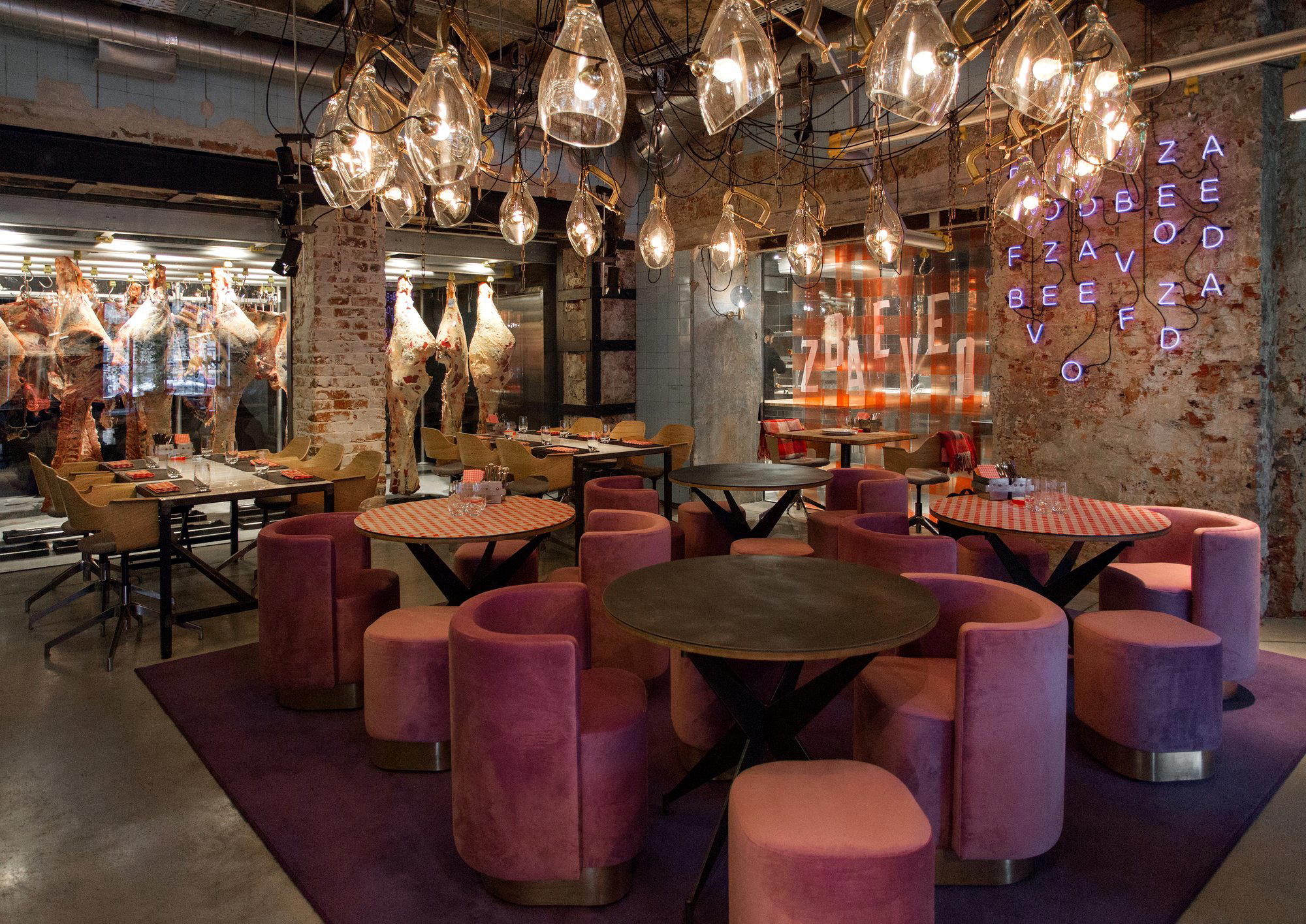
Bars in Saint Petersburg
Browse all →

At a Glance
- Elegant
- Sophisticated
- Minimalist
- Date Night
- Special Occasion
- Business Dinner
- Open Kitchen
- Sake Program
- Waterfront
Current opening hours
- Monday
- 12 PM–1 AM
- Tuesday
- 12 PM–1 AM
- Wednesday
- 12 PM–1 AM
- Thursday
- 12 PM–1 AM
- Friday
- 12 PM–1 AM
- Saturday
- 12 PM–1 AM
- Sunday
- 12 PM–1 AM
Hours can change for holidays and private events. Last verified .
Laid-back Zen minimalism with natural materials like volcanic rock and wood, located in a small park with relaxed lighting and serene atmosphere.