Il Milanese
Il Milanese occupies a measured address on Liteyniy Avenue in Saint Petersburg, one of the city's most historically layered thoroughfares. The restaurant plants Italian dining traditions firmly inside a Russian context where European cuisine has long held a serious presence. For visitors tracing the city's dining culture from imperial-era influences to the contemporary table, this address rewards attention.
Pearl is the En Primeur Club membership app — saves, bookings, and concierge access live there. Same editors, same standards.
- Address
- Liteyniy Ave, 7, St Petersburg, Russia, 191187
- Phone
- +79627248940
- Website
- ilmilanese.ru
- Directions
- Get directions
 Saves & bookings on Pearl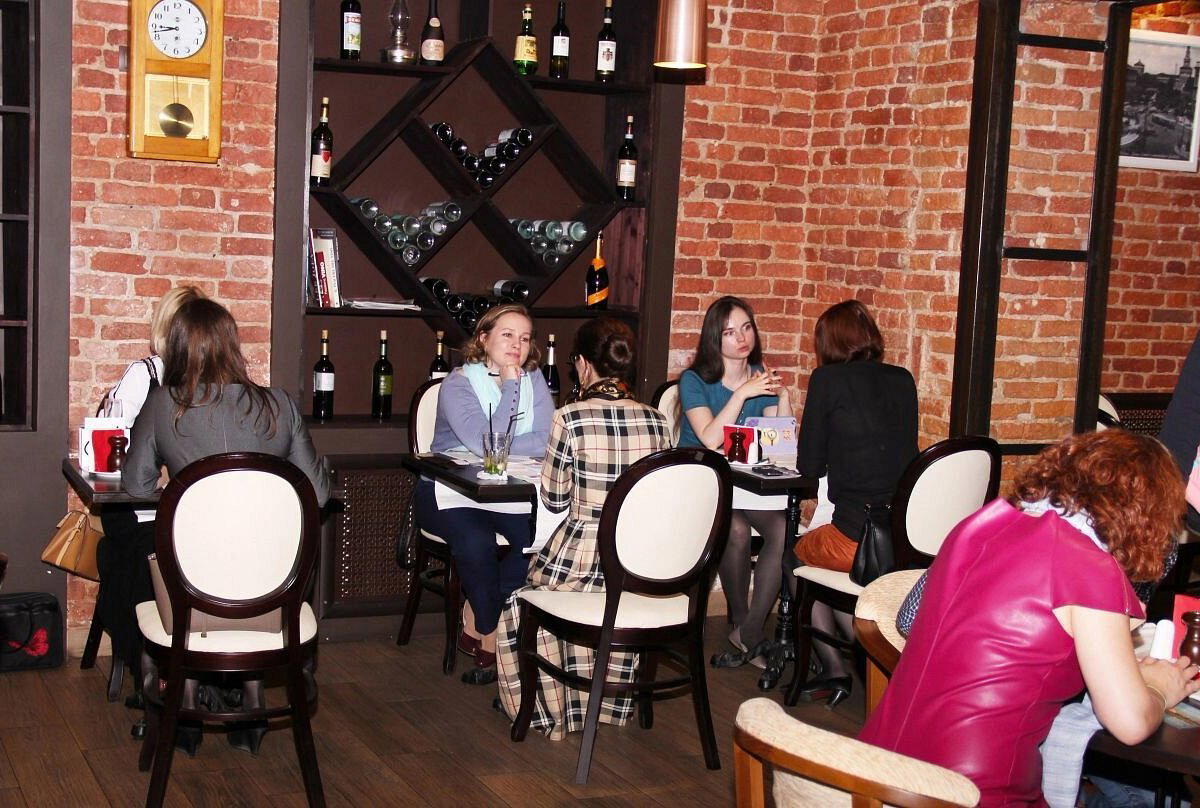
Liteyniy Avenue and the Long Italian Presence in Saint Petersburg
Liteyniy Avenue has always carried a certain civic weight in Saint Petersburg. Running south from the Neva toward Nevsky Prospekt's orbit, it is a street of tsarist-era facades, literary associations, and a resident population that expects its neighbourhood restaurants to hold themselves to a standard. Italian cuisine has occupied a particular position in this city since at least the nineteenth century, when European cooking traditions arrived alongside architects, engineers, and courtiers from across the continent. The dining rooms that survive on and around this avenue today carry some residue of that long negotiation between Italian culinary instinct and Russian appetite.
Il Milanese sits at Liteyniy Ave, 7, placing it at the northern, river-adjacent end of the street where the architecture is densest and the foot traffic more purposeful than touristic. The address alone signals a certain kind of diner: one who lives or works nearby, who returns on a rhythm rather than on occasion, and for whom a meal here fits inside a broader relationship with the neighbourhood rather than a one-off city visit. Il Milanese is a traditional Italian trattoria in Saint Petersburg, with a reservation recommendation and a price point of about $40 per person.
The Ritual of the Italian Meal in a Russian Context
In Italy, the architecture of a proper meal is not optional. Antipasto gives way to primo, then secondo, then dolce, with each transition carrying its own pacing logic. The meal is not a delivery mechanism for calories but a structured social ritual with understood rules about when to rush and when to slow. Italian restaurants in Russia have historically adapted this structure with varying degrees of fidelity. The more casual end compresses everything into a main and a dessert; the more committed addresses hold the sequence and expect the diner to follow.
Where Il Milanese positions itself within that spectrum is part of what makes it worth understanding as a dining address. The name references Milan specifically, which within Italian culinary geography signals a northern kitchen: risotto over pasta as a primary starch, braised meats over grilled fish as a winter default, a preference for butter alongside olive oil, and a general inclination toward richness tempered by technique. Milanese cooking is not especially theatrical of Italy's regional traditions, but it is among the more considered. A cotoletta alla milanese, for instance, is a dish whose apparent simplicity conceals a series of small technical decisions that separate competent execution from something genuinely worth the plate price.
Saint Petersburg's Italian dining scene has enough depth to offer meaningful comparison. Addresses like 1913 and Astoria Cafe represent the European-inflected, historically conscious end of the city's dining options, while places like BeefZavod and Blok occupy a more contemporary, format-driven tier. Bellevue operates at the luxury hotel end of the spectrum. Il Milanese's Liteyniy positioning suggests it is neither chasing the hotel-dining crowd nor the experimental contemporary format, but addressing a diner who wants a recognisable European meal executed with consistency.
How Russian Diners Approach the European Table
Russia's relationship with European fine dining is longer and more complicated than many visitors expect. Saint Petersburg was specifically designed as a European-facing city, and its dining culture has always been more oriented toward French and Italian traditions than Moscow's, which historically skewed toward the grand Soviet canteen aesthetic and only later toward European finesse. The city's Italian restaurants have benefited from this orientation: there is a local audience that understands the structure of a northern Italian meal and does not need it translated into something more familiar.
This context matters for how you approach a restaurant like Il Milanese. The pacing expectation here is likely closer to how you would eat in Milan or Turin than in a mid-range Italian chain elsewhere. Courses are distinct. Wine is ordered by the bottle as a matter of course rather than by the glass as an afterthought. The meal is expected to take time. For visitors from outside Russia accustomed to more performative European restaurant culture, this can feel refreshingly unselfconscious. For those coming from Moscow's more trend-driven dining scene, as seen at addresses like Twins Garden, the register here is noticeably quieter and more residential in character.
Placing Il Milanese in Its comparable set
Across Russia's restaurant cities, there is a category of European-cuisine address that serves a professional local clientele, holds a consistent kitchen, and operates without the marketing apparatus of a concept restaurant. These are not the addresses that generate international press coverage or win major award citations, but they are often the ones that locals return to most reliably. In Tomsk, Kukhterin occupies a comparable neighbourhood-anchor role. In Nizhny Novgorod, Dzhani Restorani serves a similar function. In Saint Petersburg itself, Lev I Ptichka and Made in China demonstrate how the city absorbs both European and Asian formats into its dining fabric.
The restaurant belongs in that first category: a restaurant whose value proposition rests on consistency and address rather than on provocation or novelty. The Liteyniy location, the Milanese reference in its naming, and the kind of diner the neighbourhood attracts all point toward a dining room that measures itself against a standard of execution rather than a standard of innovation. In a city with as much culinary range as Saint Petersburg, that positioning is a choice with a clear logic behind it.
Planning Your Visit
The restaurant is located at Liteyniy Ave, 7, Saint Petersburg, 191187. The address is walkable from several central metro stations and sits within reasonable distance of the Summer Garden and the Russian Museum, making it a practical lunch or dinner option for those moving through the cultural centre of the city. Contacting the restaurant directly before visiting is advisable, particularly for weekend evenings when neighbourhood Italian restaurants in this part of the city tend to fill by early evening. Dress expectations at addresses of this type on Liteyniy Avenue generally run toward smart casual: the neighbourhood skews professional and the dining room tone follows accordingly.
- Sicilian cannoli
- Risotto alla Milanese
- Spaghetti with clams
- Tiramisu
- Ossobuco
- Sea bass
What It’s Closest To
Comparable venues nearby, for context on price, style, and recognition.
| Venue | Cuisine | Price | Notes |
|---|---|---|---|
| Il MilaneseThis venue — the venue you are viewing | Traditional Italian Trattoria | $$$ | Not listed |
| Банщики | Modern Russian | $$$ | Central District |
| Bellevue | European with Russian Accents | $$$$ | Nevskiy |
| Astoria Cafe | Modern Russian-European | $$$$ | Admiralteisky |
| Royal Beach | Modern European Fine Dining | $$$ | Krestovsky Island |
| GREBESHKI Bistro&Shop | Modern Northern Seafood Bistro | $$$ | Arsenalnaya Emb. |
Continue exploring
More in Saint Petersburg
Restaurants in Saint Petersburg
Browse all →
Bars in Saint Petersburg
Browse all →

Hotels in Saint Petersburg
Browse all →

At a Glance
- Romantic
- Cozy
- Elegant
- Classic
- Date Night
- Celebration
- Special Occasion
- Group Dining
- Family
- Live Music
- Open Kitchen
- Extensive Wine List
- Sommelier Led
- Local Sourcing
Current opening hours
- Monday
- 12–11 PM
- Tuesday
- 12–11 PM
- Wednesday
- 12–11 PM
- Thursday
- 12–11 PM
- Friday
- 12–11 PM
- Saturday
- 1–11 PM
- Sunday
- 1–11 PM
Hours can change for holidays and private events. Last verified .
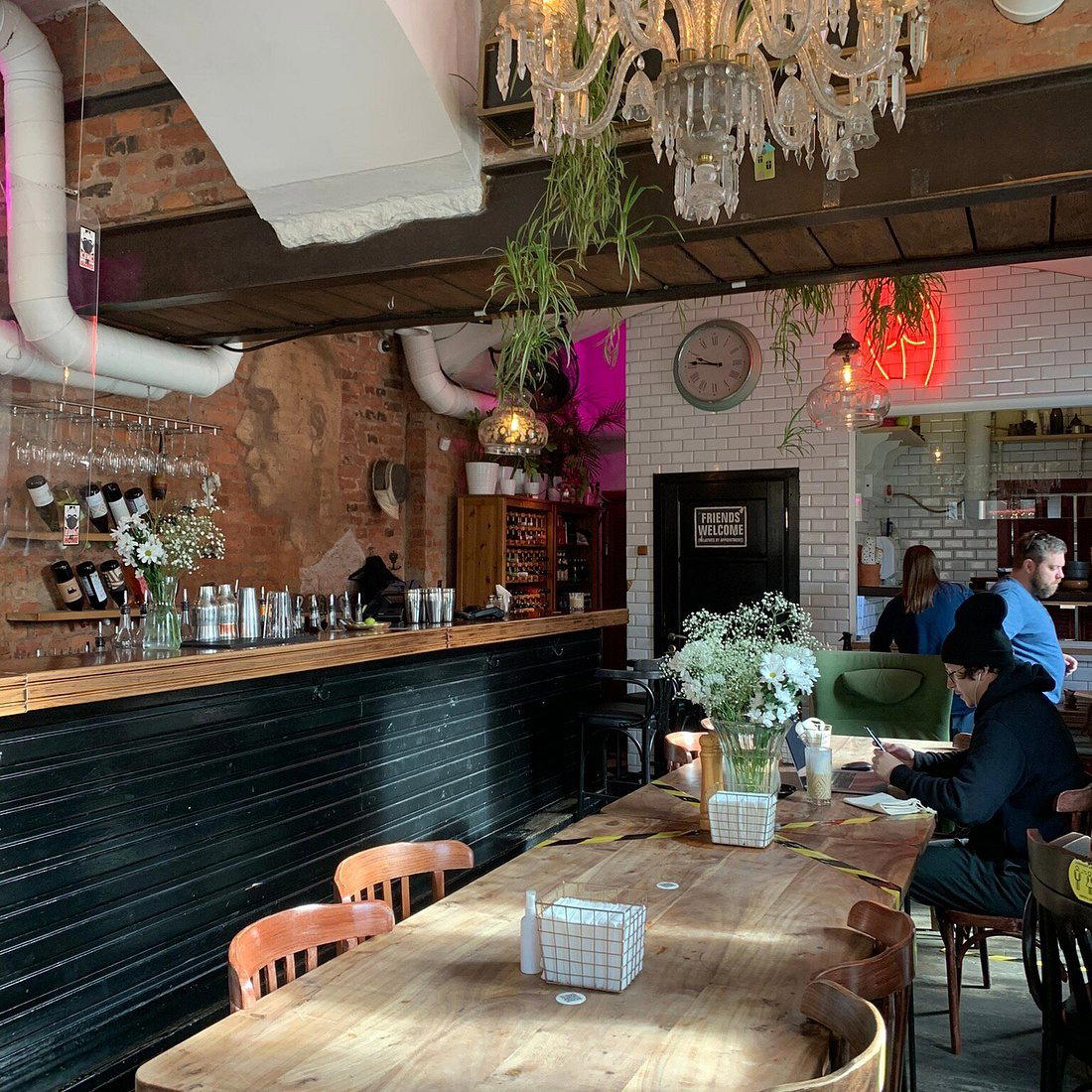
Warm and intimate with exposed brick walls, bottles displayed throughout, cozy interior with soft lighting, often featuring live Italian music in the evenings that encourages dancing.