1811 Carmelo Riccardo Cali
In the quiet streets of Hofheim am Taunus, 1811 Carmelo Riccardo Cali represents the kind of Italian-rooted address that the Rhine-Main region rarely produces outside Frankfurt proper. The restaurant draws on sourcing traditions that treat provenance as a non-negotiable rather than a marketing note, placing it in a distinct tier among Hessian dining options. Booking ahead is advisable for this Pfarrgasse address.
Pearl is the En Primeur Club membership app — saves, bookings, and concierge access live there. Same editors, same standards.
- Address
- Pfarrgasse 24, 65719 Hofheim am Taunus, Germany
- Phone
- +4961929588260
- Website
- das1811.de
- Directions
- Get directions
 Saves & bookings on Pearl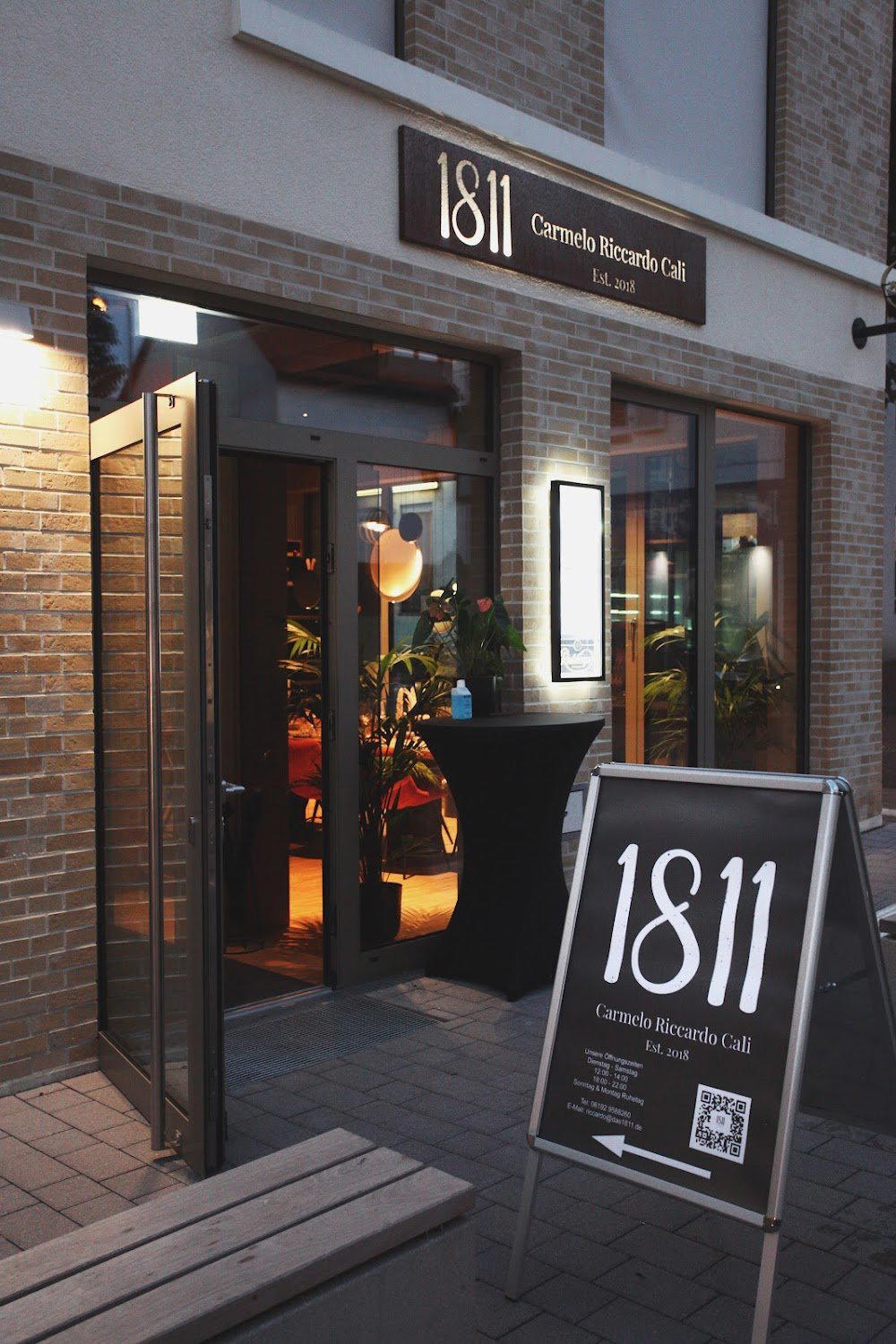
Hofheim's Quiet Ambition
The towns that ring Frankfurt's western edge tend to get overlooked by visitors who treat the city as a base rather than a gateway. Hofheim am Taunus sits roughly twenty kilometres from the Frankfurt city centre, close enough for a day's commute, far enough that it has retained a pace and character the metropolis surrendered decades ago. Pfarrgasse, a narrow old-town street that runs past the parish church, is exactly the kind of address where you might expect a bakery or a wine merchant. Finding a serious restaurant there requires some recalibration of expectation.
That reorientation is the point. Dining in smaller German towns has moved in two directions over the past decade: either toward rustic regional formats (see Die Scheuer's country cooking nearby) or toward ambitious, often Italian-inflected kitchens that treat the lack of metropolitan competition as an opportunity rather than a handicap. 1811 Carmelo Riccardo Cali belongs to the second category. The name itself signals an identity. It asks to be taken seriously before you have sat down.
What the Name Implies About the Kitchen
Italian-named restaurants in German provincial towns occupy a peculiar position. The category spans everything from neighbourhood pizza operations to kitchens that source directly from specific Italian producers and treat the supply chain as central to the food's identity. The distance between those two poles is enormous, and the ideal way to read any given address is through its sourcing logic.
Across Italy's more considered restaurant culture, the ingredient-first approach has long been non-negotiable: the DOP designation, the named producer, the seasonal constraint that makes a dish unavailable in November because the thing it requires only arrives in June. That discipline, when applied rigorously in a German context, creates a different kind of dining experience from the Franco-German fine dining that defines stronger examples from Germany's awards system. Addresses like Aqua in Wolfsburg, Schwarzwaldstube in Baiersbronn, and Vendôme in Bergisch Gladbach operate at the summit of classical European technique; 1811 Carmelo Riccardo Cali operates from a different tradition entirely, one where the cook's authority is partially delegated to the farmer, the fisherman, and the artisan producer.
That distinction matters when deciding where to eat and what to expect. The rhythm of a menu shaped by Italian sourcing tradition tends to be lighter, more seasonal in the literal sense, and less dependent on the kind of architectural plating that defines modern European tasting menus at venues like CODA Dessert Dining in Berlin or ES:SENZ in Grassau.
Sourcing as the Editorial Argument
The broader shift in how serious kitchens talk about ingredients has made sourcing claims harder to evaluate. Every restaurant in Germany now mentions regional suppliers; the meaningful question is whether that relationship is structural or decorative. In Italian culinary tradition, the structural version tends to show up in specific, sometimes inconvenient ways: a pasta that changes shape because the flour behaves differently in winter, a fish course that disappears from the menu when the catch is wrong, a cheese selection that rotates not by design but because the affinage schedule of a named producer dictates the timeline.
Germany's most awarded kitchens have absorbed some of this thinking. JAN in Munich and Schanz in Piesport each represent a version of ingredient-forward cooking that has earned sustained recognition. But those addresses sit within well-established dining circuits. A restaurant on Pfarrgasse in Hofheim operates with fewer of the infrastructural advantages, less press attention, a narrower local diner base for a specialist format, which means the sourcing commitment, if genuine, is harder won.
For visitors arriving from Frankfurt, the practical read is this: Hofheim am Taunus is served by the S-Bahn S2 line, which runs direct from Frankfurt Hauptbahnhof in under thirty minutes. That accessibility makes the town a viable dinner destination rather than a detour, and 1811 Carmelo Riccardo Cali sits close enough to the Hofheim station that the journey requires no car.
Where It Sits in the Wider German Scene
The Hessian dining scene is anchored by Frankfurt but not defined by it. Beyond the city, the region supports a range of formats from the deeply traditional to the quietly ambitious, and particularly interesting addresses tend to be the ones that resist easy categorisation. The restaurant, with its Italian name and its location in a historic old-town street, sits in that harder-to-classify tier.
Germany's premium dining circuit, documented across venues like Waldhotel Sonnora in Dreis, Victor's Fine Dining in Perl, and Restaurant Haerlin in Hamburg, operates within a well-mapped awards structure. Addresses in smaller towns that haven't yet entered that circuit are harder to calibrate but often more interesting to visit, precisely because the experience hasn't been shaped by the pressure to perform for a particular kind of recognition. The same dynamic appears internationally: Le Bernardin in New York and Atomix in New York operate within a fully mapped prestige system; the more marginal address offers a different kind of proposition.
For context on the wider south-west German circuit, Bagatelle in Trier, ammolite in Rust, ATAMA by Martin Stopp in Sankt Ingbert, and AUGUST in Augsburg each represent a version of regional ambition operating outside the obvious metropolitan centres.
The restaurant is located at Pfarrgasse 24 in Hofheim am Taunus, a walkable distance from the old town centre. The S2 S-Bahn connection from Frankfurt makes an evening visit practical without a car.
At-a-Glance Comparison
Comparable venues nearby, for context on price, style, and recognition.
| Venue | Cuisine | Price | Awards | Notes |
|---|---|---|---|---|
| 1811 Carmelo Riccardo CaliThis venue — the venue you are viewing | Modern Italian Fine Dining | $$$ | Not listed | Not listed |
| Die Scheuer | Swabian-French Fine Dining | $$$$ | Michelin Plate | Hofheim am Taunus historic city center |
| Restaurant Costa Smeralda | Authentic Italian Sardinian | $$$ | Not listed | Schwetzinger Straße |
| Il Mondo GmbH | Authentic Regional Italian | $$$ | Not listed | Mainz |
| Forissimo Ristorante Italiano | Authentic Italian Ristorante | $$$ | Not listed | Zentrum |
| Oggi | Traditional Italian | $$$ | Not listed | Gablenberg |
Continue exploring
More in Hofheim am Taunus
Restaurants in Hofheim am Taunus
Browse all →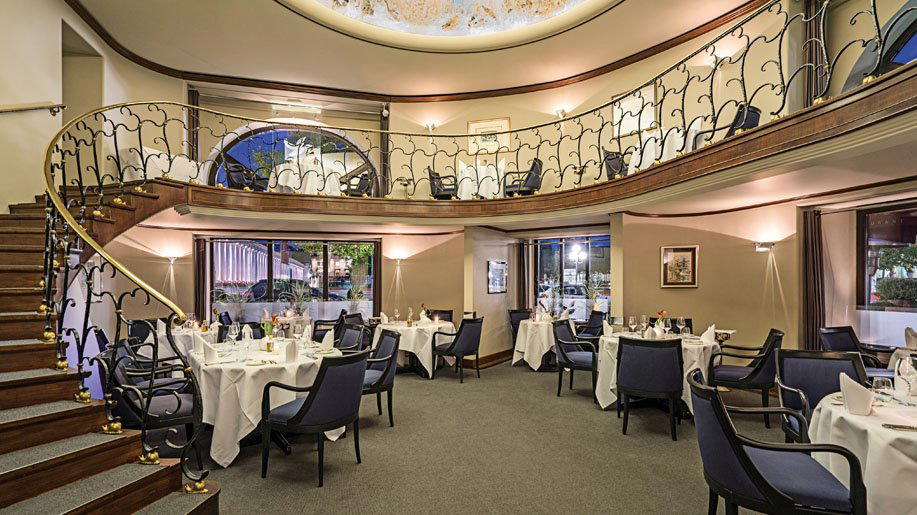
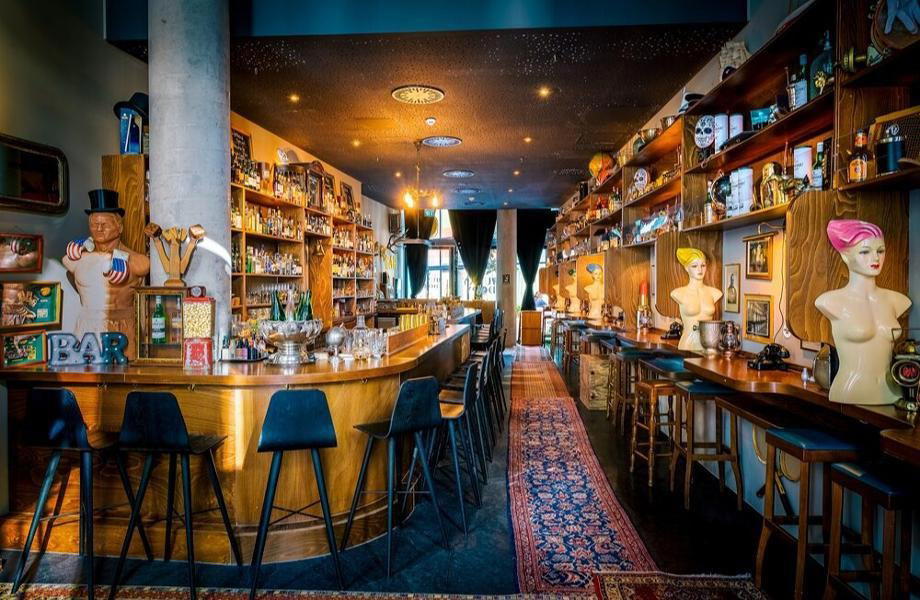
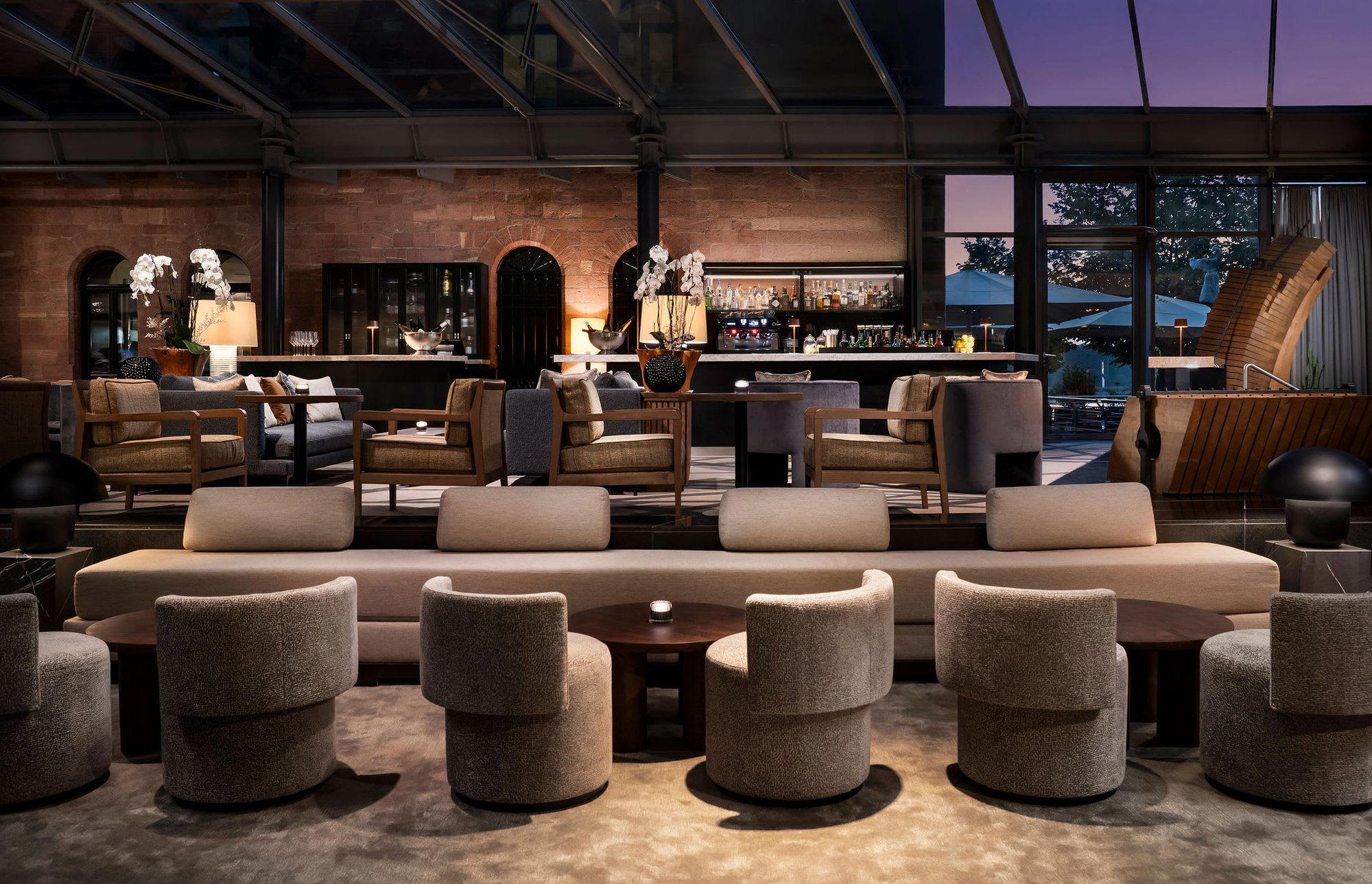
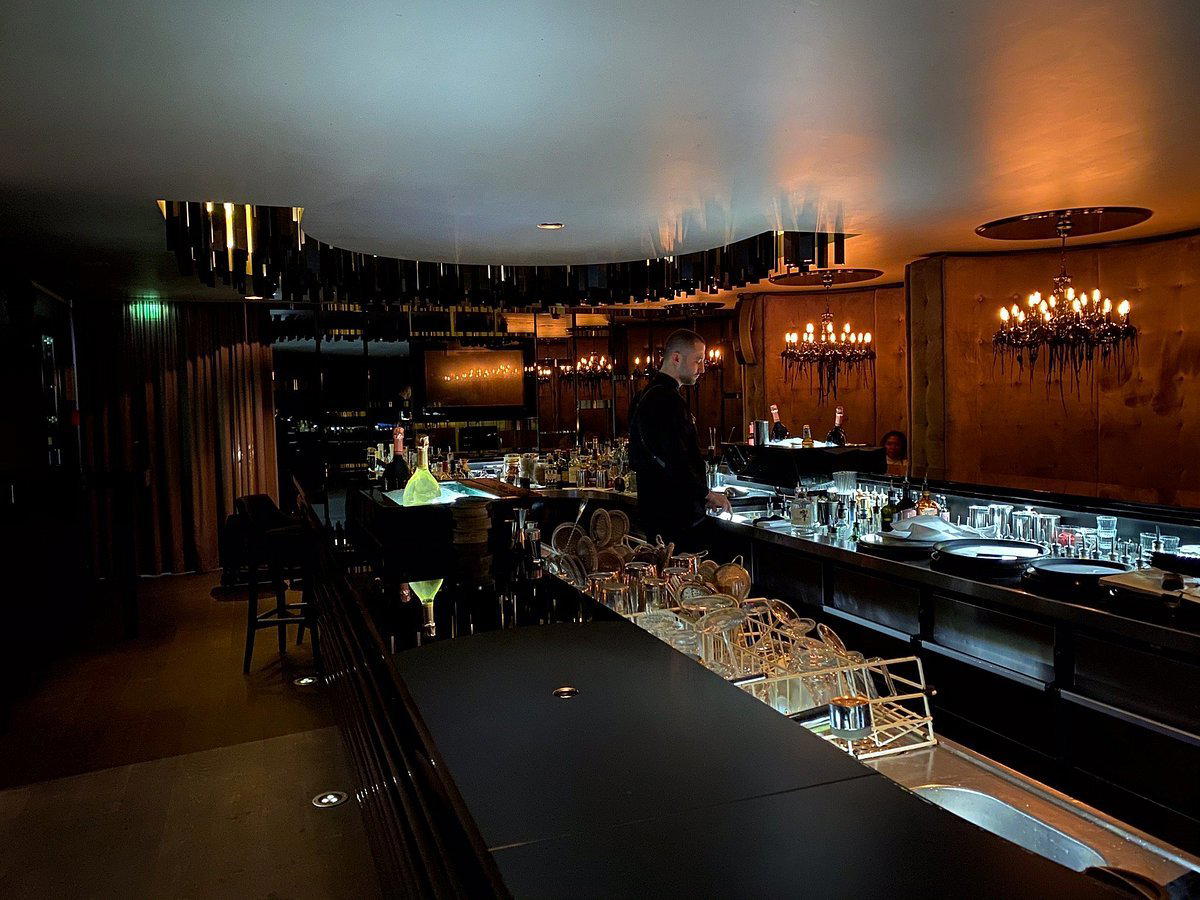
Bars in Hofheim am Taunus
Browse all →
Hotels in Hofheim am Taunus
Browse all →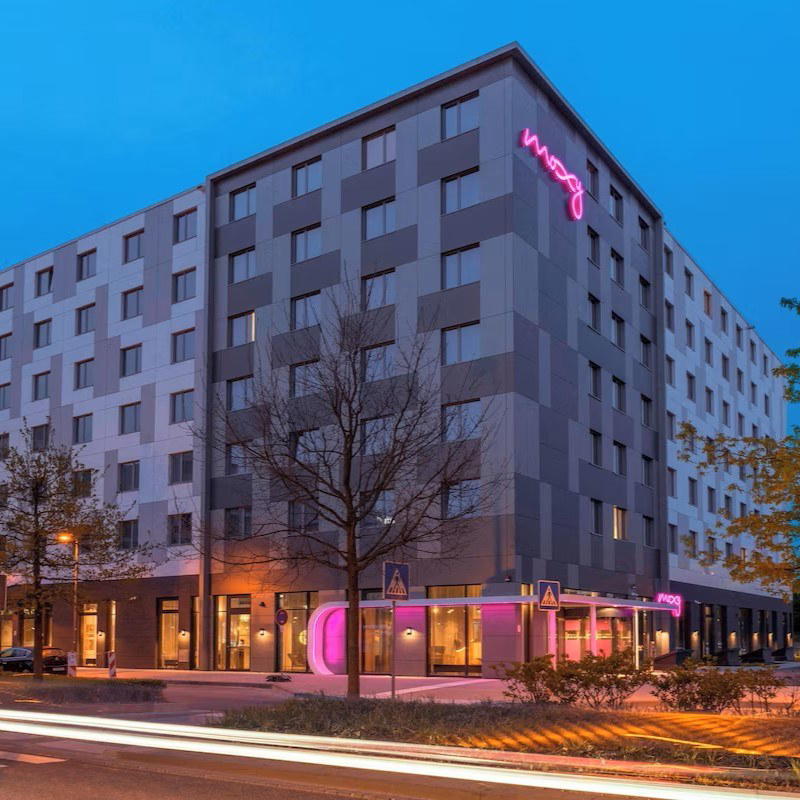
At a Glance
- Elegant
- Cozy
- Sophisticated
- Date Night
- Special Occasion
- Family
- Open Kitchen
Current opening hours
- Monday
- Closed
- Tuesday
- 12–2 PM, 6–10 PM
- Wednesday
- 12–2 PM, 6–10 PM
- Thursday
- 12–2 PM, 6–10 PM
- Friday
- 12–2 PM, 6–10 PM
- Saturday
- 12–2 PM, 6–10 PM
- Sunday
- Closed
Hours can change for holidays and private events. Last verified .
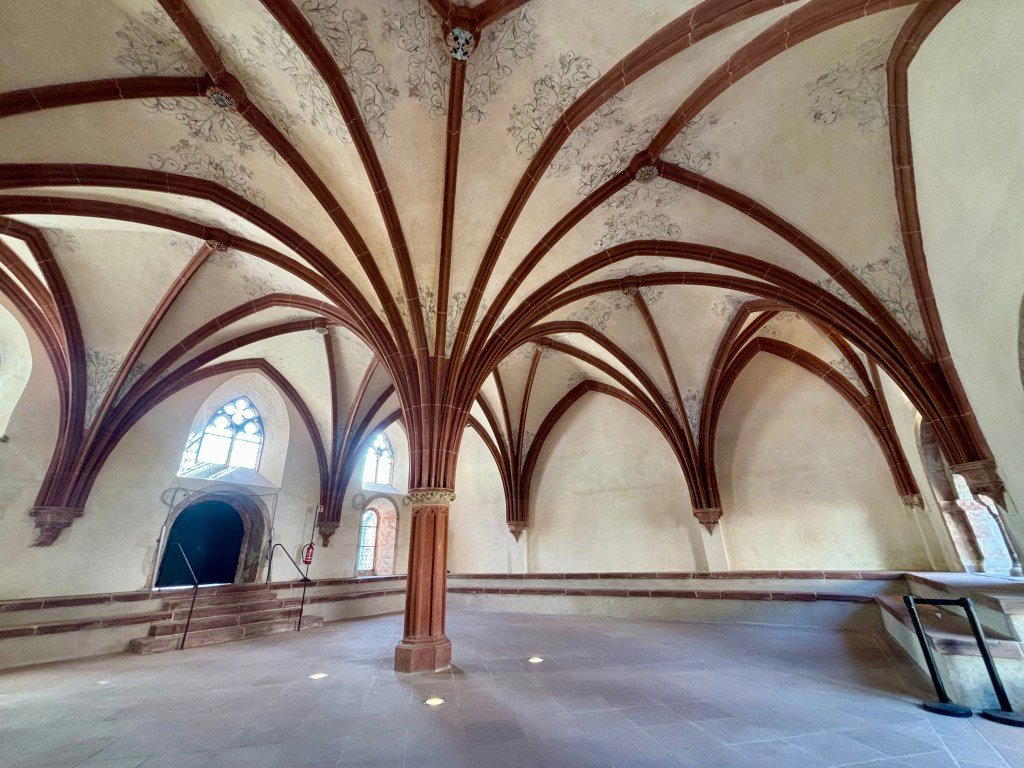
Relaxed and pleasant atmosphere with stylish decor, open kitchen view, and attentive service.