Our verdict
山形座 飛粋 1/365 sits in Nanyo, Yamagata — a region where rice agriculture and seasonal produce shape the local food culture more than any restaurant trend. With sparse public data available, the venue draws interest precisely because it operates outside the usual metropolitan dining circuits, placing it in a category of regional Japanese dining that rewards direct enquiry and advance planning.

Pearl is the En Primeur Club membership app — saves, bookings, and concierge access live there. Same editors, same standards.
- Address
- 3005 Akayu, Nanyō, Yamagata 999-2211, Japan
- Phone
- +81238436111
- Website
- takinami.co.jp
- Directions
- Get directions
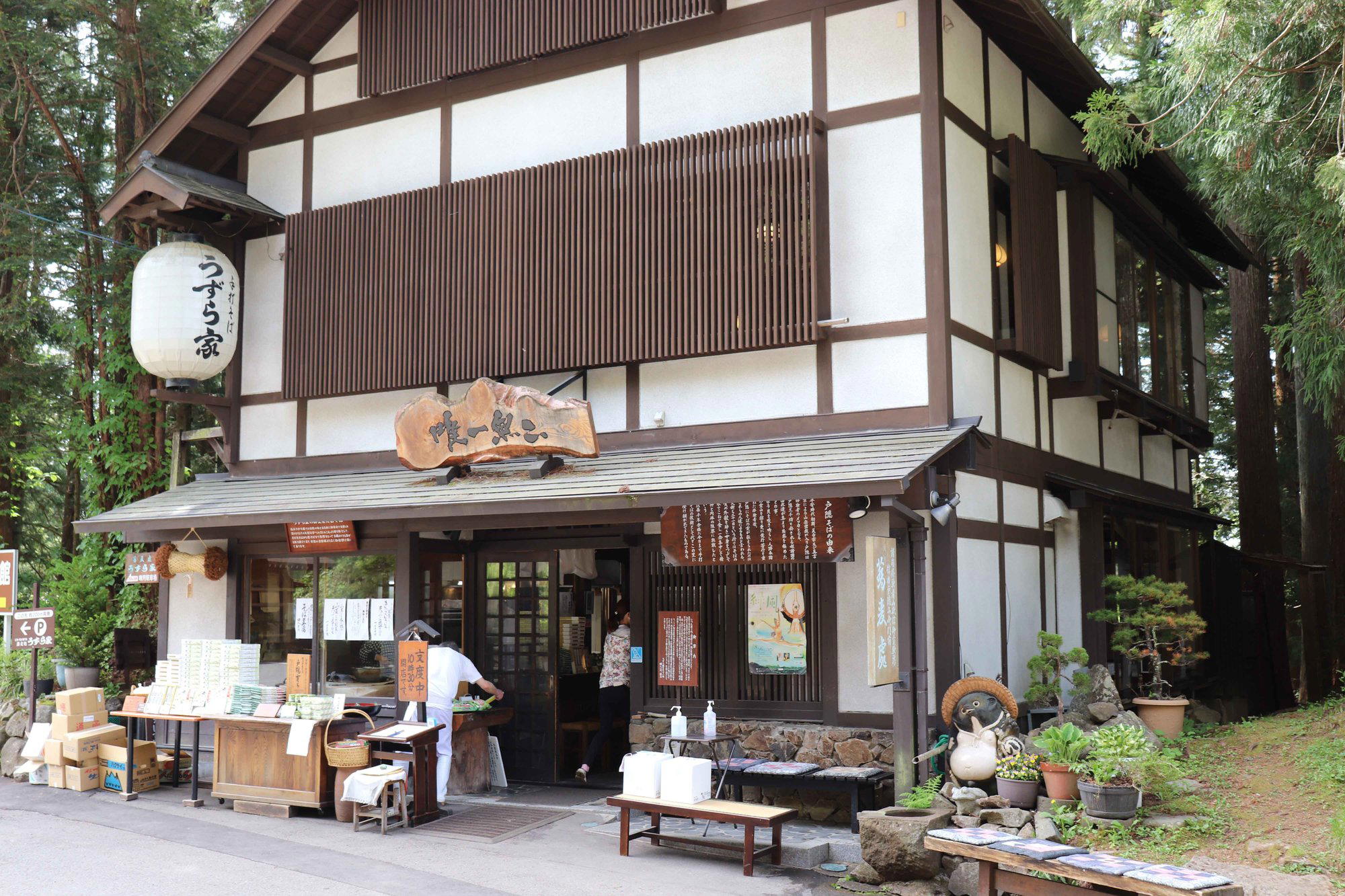
Yamagata's Regional Dining Context and Where 山形座 飛粋 1/365 Fits
Southern Yamagata Prefecture operates on a different culinary register than Osaka or Tokyo. The Okitama Basin, where Nanyo sits, is defined by its rice paddies, cold-water rivers, and the agricultural rhythms of a region that has fed northern Honshu for centuries. Dining here is not organised around Michelin circuits or metropolitan restaurant culture. It answers to seasonal supply chains, local producer relationships, and the kind of food-producing tradition that cities only ever approximate. That context is worth establishing before any single venue comes into focus.
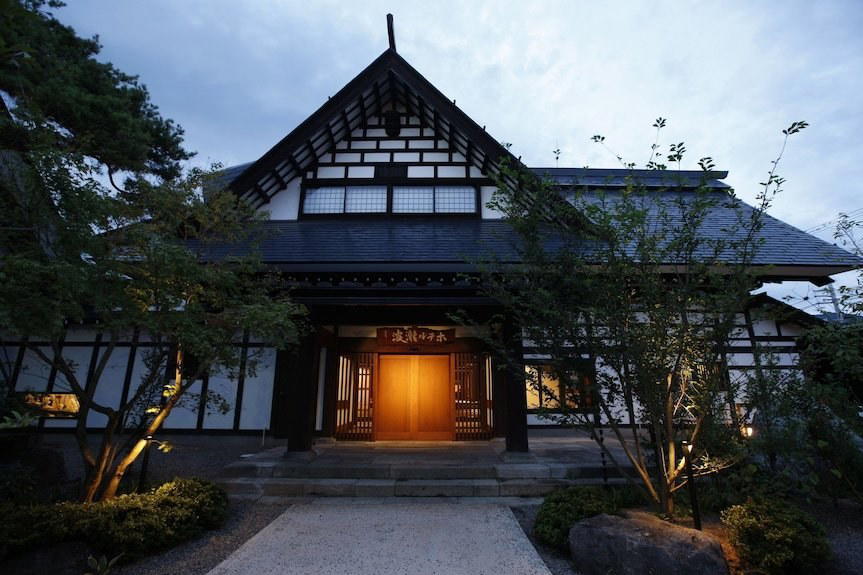
Within that setting, 山形座 飛粋 1/365 occupies an address at 3005 Akayu, in the Akayu hot spring district of Nanyo. Akayu is known first as an onsen town — a working spa destination with a longer history than its restaurant scene — which positions any serious dining here as something of a deliberate contrast to the retreat-and-soak framework that most visitors bring to the area. The name itself, combining 山形座 (Yamagata-za, suggesting a seated Yamagata identity) with 飛粋 (hisui, implying a kind of refined flight or distillation) and the date-like suffix 1/365, signals a considered identity rather than a casual local operation.
Ingredient Sourcing in Yamagata: Why Provenance Matters Here
Japan's regional ingredient culture is not uniform. Hokkaido gets the dairy and the seafood headlines; Kyoto gets the refined vegetable traditions of kyo-yasai; Tokyo gets everything because it can pay for everything. Yamagata's agricultural identity is more specific and, to the right audience, more interesting. The prefecture produces some of Japan's most praised short-grain rice varieties, including Tsuyahime and Haenuki, both of which carry Protected Geographical Indication status and represent serious breeding and cultivation programs rather than marketing efforts. The region's cherries, Yamagata supplies the majority of Japan's domestic cherry crop, are a seasonal signal that shapes what the prefecture's hospitality culture puts on a table in early summer.
Cold winters and hot summers in the Okitama Basin push produce toward intensity. Mountain vegetables, or sansai, foraged from the ranges that flank the basin, appear in regional kitchens from spring through early summer. River fish from the Mogami system, fermented and pickled preparations that reflect a pre-refrigeration preservation culture, and local sake brewing traditions (Yamagata is a designated sake production region with its own yeast strain, Yamagata KA) all provide the raw material for a cuisine that has depth if someone chooses to use it. For venues in Akayu that orient themselves toward ingredient-led cooking, the supply infrastructure exists. The question, with any specific restaurant, is how deliberately they engage it. For further context on how Japanese regional fine dining engages local sourcing, the editorial on Gion Sasaki in Kyoto traces a comparable relationship between seasonal produce and formal Japanese dining frameworks.
How 山形座 飛粋 1/365 Sits in the Regional Dining Picture
Japan's fine dining tiers are well-mapped in its major cities. Counters like Harutaka in Tokyo or destination restaurants like HAJIME in Osaka operate inside dense peer sets with documented awards, structured booking systems, and established critical records. Regional venues operate differently. The verification process is thinner, the critic infrastructure is lighter, and the venues themselves often have less incentive to broadcast in the channels that generate English-language recognition. That obscurity is not evidence of lesser quality, it reflects a different set of priorities and a different audience.
Nanyo's dining scene, covered more broadly in our full Nanyo restaurants guide, includes a small number of notable addresses. Stanza della SINCERITA, an Italian-influenced option in the same city, illustrates the range of what Nanyo's dining culture holds beyond its onsen-adjacent regional reputation. For anyone travelling from further afield in Japan, points of comparison include akordu in Nara, which similarly operates a deliberate, ingredient-forward program outside a major metropolitan center, and Goh in Fukuoka, where regional Kyushu ingredient sourcing drives a format with national recognition. Other regional Japanese dining worth cross-referencing includes 一本杉 川島制 in Nanao, 古往今来 in Sapporo, 湖粼庵 in Takashima, and 庄羽屋 in Nishikawa Machi, each of which operates within a similar logic of provincial sourcing and reduced metropolitan noise. For contrast at the international level, Le Bernardin in New York City and Atomix in New York City represent what happens when ingredient sourcing programs are built at scale with full critical infrastructure behind them.
Planning a Visit: What the Available Record Supports
Akayu is accessible from Yamagata City by train on the Yamagata Railway Flower Nagai Line, with Akayu Station serving as the local hub. Nanyo is also reachable from Fukushima via the Yamagata Shinkansen connection at Yonezawa, making it a logical stopover on a northern Honshu itinerary rather than a purely standalone destination. The Akayu onsen district itself is compact enough to cover on foot, with the hot spring bath culture providing the structural logic for most visitors' stays.
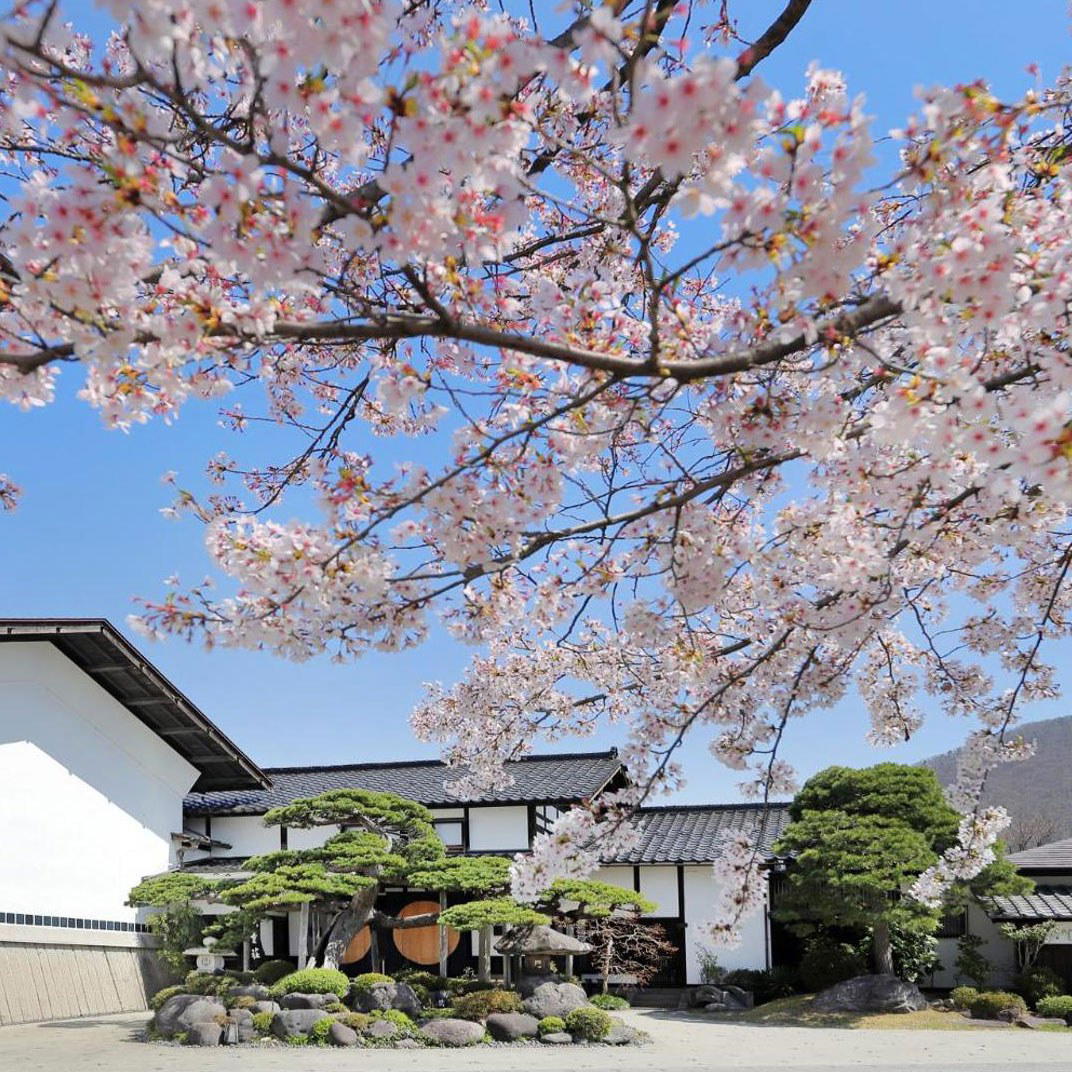
Direct contact via the venue's physical address or through local tourism information for Nanyo is the practical path for anyone planning a visit. For a regional dining destination of this type, arriving with a reservation rather than attempting to walk in is the lower-risk approach, onsen-area restaurants in Japan frequently operate at full capacity on weekends and during peak foliage and cherry blossom seasons. Additional dining options within a similar regional context include Birdland in Sakai, Bistro Ange in Toyohashi, Blue Ocean Steak in Nakagami District, bodai, and Cafe Naoshima Konichiwa in Naoshima, each reflecting the breadth of Japan's regional dining outside major urban centers.
Frequently asked questions
Is 山形座 飛粋 1/365 good for families?
The venue sits in Akayu, Nanyo — a spa town rather than a commercial dining district — which suggests an atmosphere oriented toward intentional, often adult-led visits rather than casual family outings. No children's menu or family-specific facilities are documented in the available record. Families travelling to Nanyo would do well to confirm suitability directly before booking, given the destination-dining nature of the address.
Where exactly is 山形座 ç§æ³¢ 1/365?
山形座 ç§æ³¢ 1/365 is located at 3005 Akayu, Nanyō, Yamagata 999-2211, Japan, Nanyo.
Can I walk in to 山形座 ç§æ³¢ 1/365?
Reservations are recommended for 山形座 ç§æ³¢ 1/365 in Nanyo. Confirm current policy via the venue's official channels.
What has 山形座 ç§æ³¢ 1/365 built its reputation on?
山形座 ç§æ³¢ 1/365 is best approached by focusing on the core concept and signature offerings.
| Venue | Cuisine | Price | Awards | Notes |
|---|---|---|---|---|
| 山形座 ç§æ³¢ 1/365This venue — the venue you are viewing | Seasonal Kappo Kaiseki | $200–300 | Not listed | Not listed |
| HAJIME | Avant-Garde Japanese Fine Dining | $300–500 | 3 Michelin Stars · World's 50 Best #83 | French, Innovative |
| Harutaka | Edo-Style Omakase Sushi | $200–300 | 3 Michelin Stars · World's 50 Best #76 | Sushi |
| L'Effervescence | Modern French with Japanese Influences | $200–300 | 3 Michelin Stars · World's 50 Best #69 | French |
| RyuGin | Modern Kaiseki | $500+ | 3 Michelin Stars · World's 50 Best #41 | Kaiseki, Japanese |
| Crony | Modern French with Japanese Influences | $150–200 | 2 Michelin Stars · World's 50 Best #34 | Innovative, French |
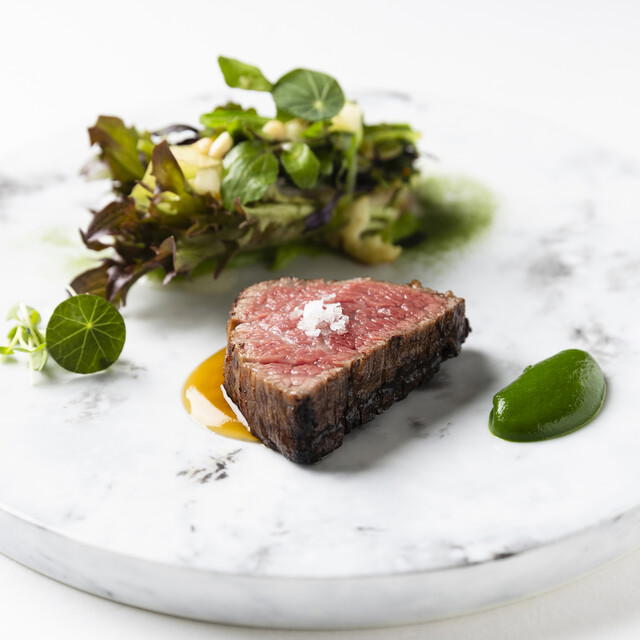
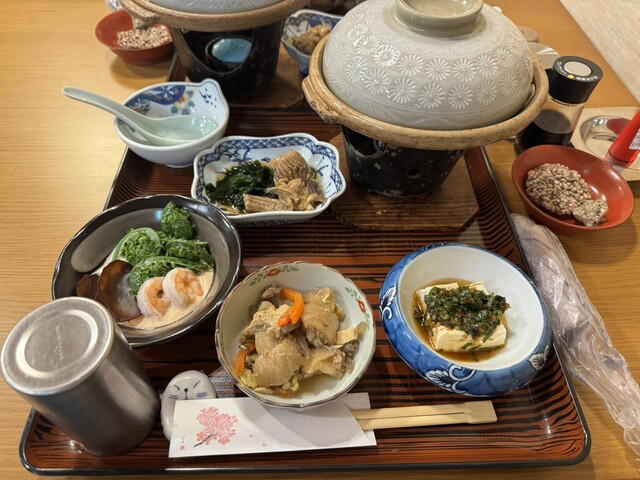
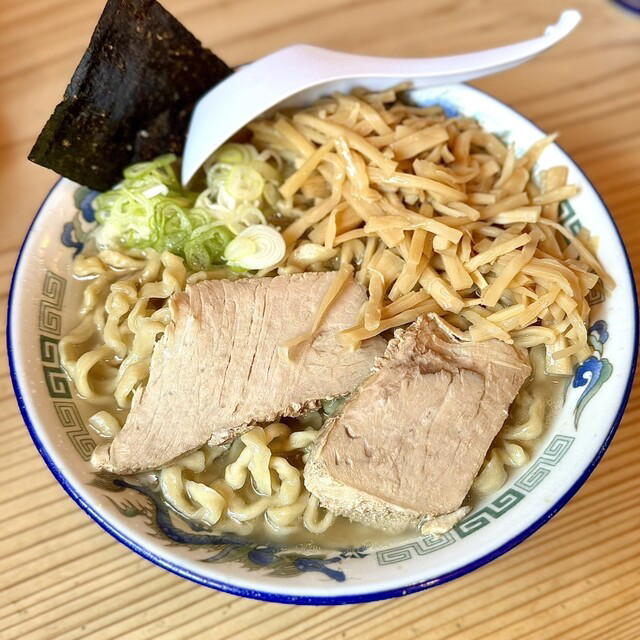


Details
- Intimate
- Elegant
- Minimalist
- Special Occasion
- Date Night
- Solo
- Chefs Counter
- Open Kitchen
- Sake Program
- Local Sourcing
- Counter Dining
- Set Menu
- Sake
- Vegetarian Friendly
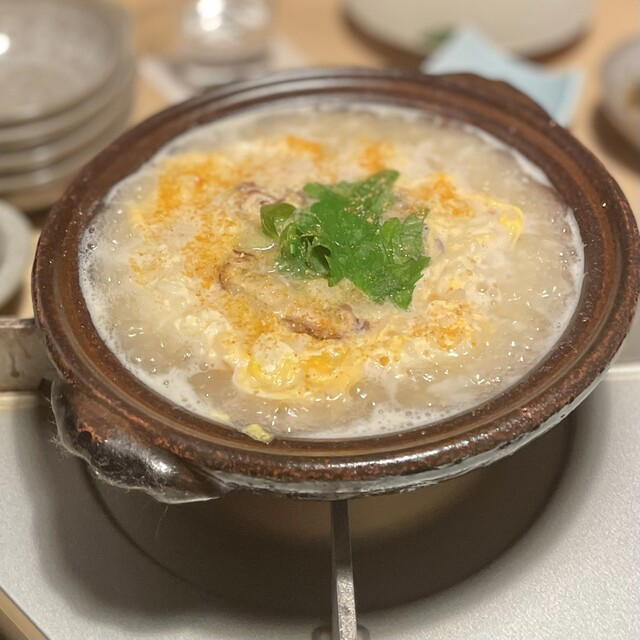
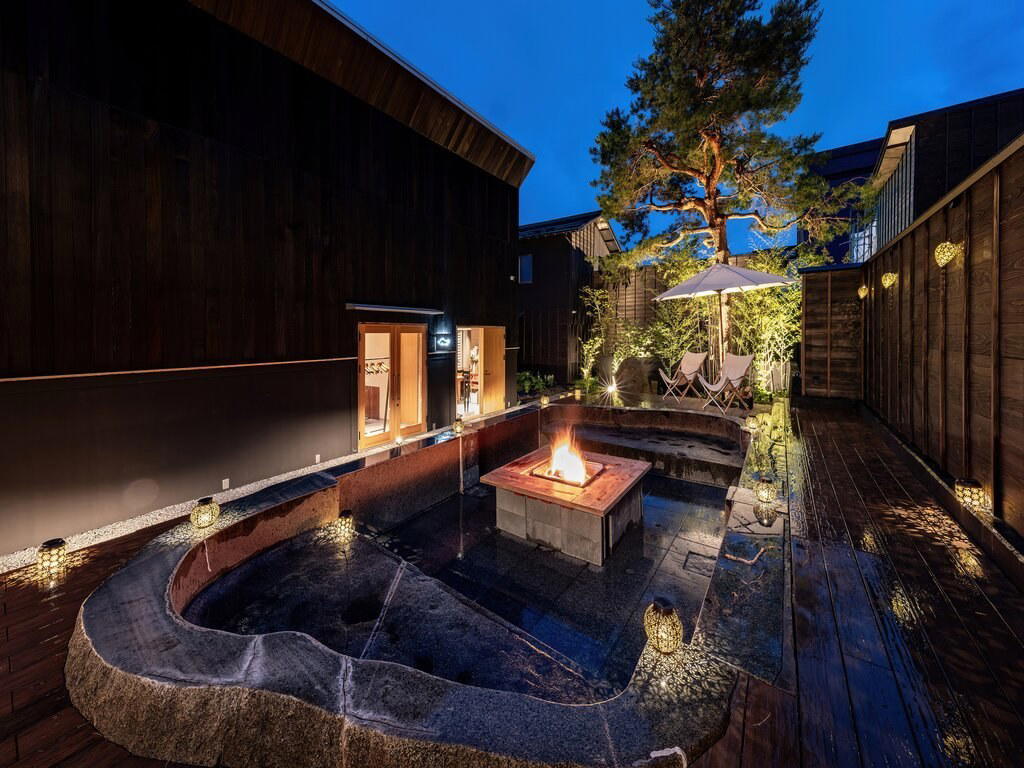
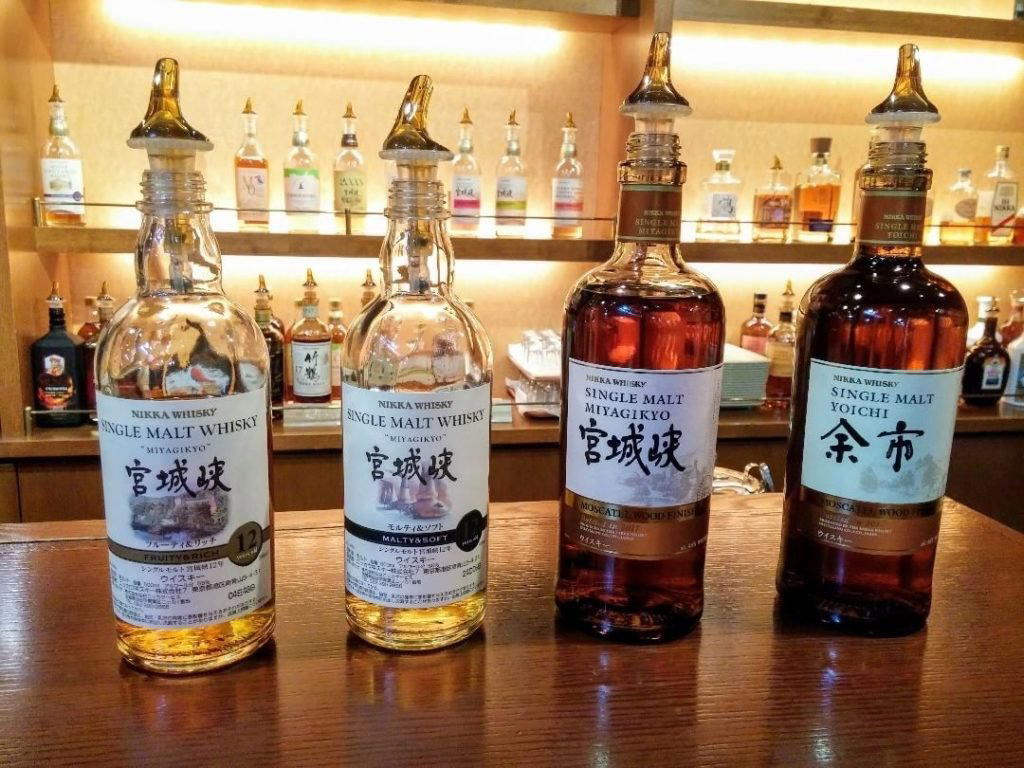
Intimate counter seating with soft lighting and serene, minimalist decor emphasizing the chef's craft.