
Yonezawa beef culture is built around comparison: steak, sukiyaki, shabu shabu, and yakiniku all read the same cattle through different rituals. Yonezawa Gyutei Good sits in that local conversation with steak, sukiyaki, and shabu shabu, plus repeat Tabelog 100 Steak / Teppanyaki EAST recognition that places it beyond a routine regional beef stop.
Pearl is the En Primeur Club membership app — saves, bookings, and concierge access live there. Same editors, same standards.
- Address
- 1 Chome-3-4 Shimohanazawa, Yonezawa, Yamagata 992-0023, Japan
- Phone
- +81 238-22-6729
- Website
- yonezawagyutei.com
- Directions
- Get directions
 Saves & bookings on Pearl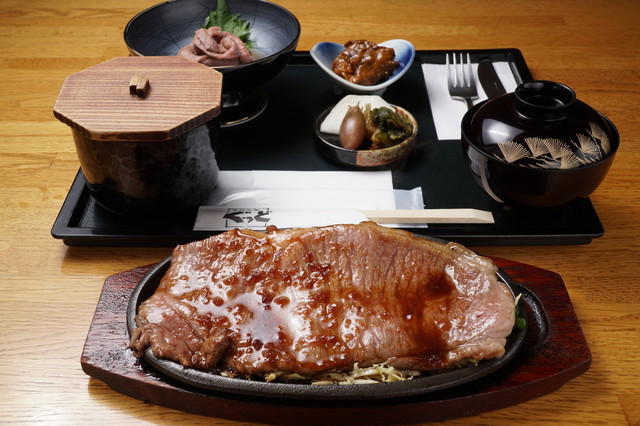
Approaching a Yonezawa beef meal, the first cue is not theatre but order: shoes, seating, heat source, shared plates, and the quiet division between dishes that require attention and dishes that reward patience. In Yamagata’s inland beef country, dinner is often less about a chef’s performance than the ritual of choosing a cut and a cooking method. Steak gives the clearest reading of fat and texture. Sukiyaki brings sweetness, soy, and egg into the frame. Shabu shabu turns the meal into timing, broth, and restraint.
Yonezawa Gyutei Good belongs to that older style of Japanese beef dining, where the room is part family restaurant, part destination table, and the meal works across formats rather than as a single tasting-menu argument. The restaurant’s categories are steak, sukiyaki, and shabu shabu, a useful spread in a city where visitors often arrive with one question: how should Yonezawa beef be eaten here, rather than merely sampled?
Yonezawa beef as ritual, not spectacle
Yonezawa is one of Japan’s serious wagyu names, but the city’s restaurant culture is not built like Ginza’s counter economy or Kyoto’s kaiseki circuit. The defining habit is comparison within a narrow ingredient world. A traveller can move from yakiniku to sukiyaki to steak and learn how the same regional identity changes with heat, seasoning, and pace. That is the point of eating beef in Yonezawa: repetition sharpens judgment.
Within that local pattern, Yonezawa Gyutei Good has a broad grammar. Steak asks for direct appraisal; sukiyaki is a social dish with a sweeter register; shabu shabu is more restrained, built around dipping and timing. None of those formats needs ornament to make sense. The interest lies in how the meal slows the table down: diners cook, share, compare, and return to the beef from another angle.
The trust signal is concrete. The restaurant was selected for Tabelog 100 Steak / Teppanyaki EAST in 2025, with earlier selections in 2024 and 2022. For a regional beef house, that matters because the category is not a general popularity badge; it places the restaurant inside an eastern Japan steak and teppanyaki cohort where meat quality, consistency, and customer judgment carry weight.
The broader Yonezawa field gives the choice sharper edges. Yakiniku Miyoshi and Yonezawa Gyuu Yakiniku Sakano frame beef through grilling and group pacing. Yonezawa Gyuu Tokiwa sits in a higher spend bracket, while Meatopia reads more casual in price position. Torikatsu Gyuniku Ten pushes the local comparison toward a costlier meal structure. Against those peers, this address is useful for diners who want multiple classic beef formats under one roof rather than a single-method meal.
The room supports the meal's old-fashioned pacing
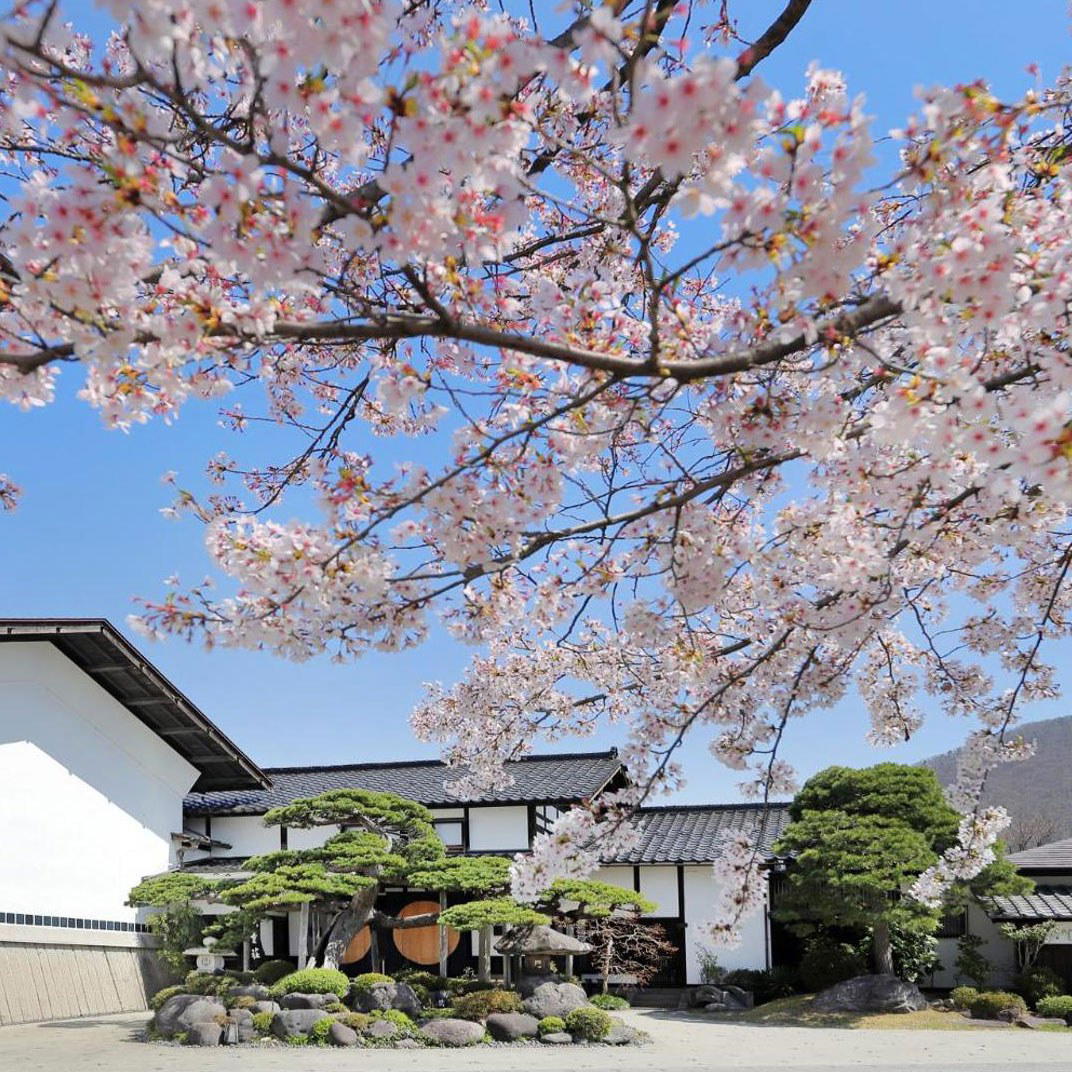
Physical format matters because wagyu dining can become oddly abstract when stripped of its social setting. Here, the room is listed as a house restaurant with 60 seats, divided between table seating and tatami seating, with private rooms available. That configuration says a great deal about the intended meal. This is not a narrow counter built for silence. It is a place for families, friends, and small groups to settle into a full beef lunch or dinner without treating the table as a stage.
Tatami seating changes the rhythm. Meals with hotpot or shared beef dishes benefit from a lower, slower register: serving, waiting, passing, and adjusting the pace as a table. Private rooms also align with sukiyaki and shabu shabu customs, where conversation and cooking are bound together. Children are welcome, which further separates the experience from Japan’s more rigid high-end beef rooms.
The drinks list keeps to familiar companions: sake, shochu, and wine. That mix suits the formats. Sake can sit comfortably with sukiyaki’s sweetness; shochu cuts through richer beef; wine gives steak a conventional pairing route. The choice is less about novelty than covering the main ways diners handle fat, broth, soy, and char across a single meal.
For travellers building a Yonezawa itinerary, the restaurant fits into a wider local food day rather than requiring the whole trip to bend around it. The broader city guide is useful for mapping the beef circuit: see Our full Yonezawa restaurants guide, then pair the meal with stays from Our full Yonezawa hotels guide or later drinks from Our full Yonezawa bars guide. The city’s surrounding travel context is narrower but still worth scanning through Our full Yonezawa wineries guide and Our full Yonezawa experiences guide.
How to place it in a Japan beef itinerary
The strongest reason to eat here is not novelty. It is fluency. Japan has many beef restaurants that specialize in a single performance: charcoal grilling, counter steak, sukiyaki service, or luxury teppanyaki. Yonezawa Gyutei Good is more useful as a regional translator, because it lets the diner read Yonezawa beef across several established forms.
That distinction matters for travellers comparing beef meals across Japan. A sukiyaki specialist such as -Grilled beef Sukiyaki- KAMAKURA TANUKIAN 鎌倉 たぬき庵 in Kamakura makes sense through a tighter format. Tokyo and larger-city dining often pull attention toward sharper concepts, from seafood and charcoal at. 鮪と炭火焼き うお炭 秋葉原店 in Tokyo to casual genre specificity at.cafe in Osaka.know in Kumamoto, (Shoku) Vietnam in Kawasaki, and [Curry Senmon Ten] Maruyama Kyoju. in Sapporo. Even overseas Japanese-leaning formats, including Jōdo Saké Bar in Los Angeles and Onigiri Time in Pasadena, show how tightly a meal can be defined by category.
Yonezawa’s advantage is different. The city gives beef enough local gravity that a restaurant can be traditional, practical, and serious without dressing itself as a luxury temple. For diners who want the customs around the meat as much as the meat itself, that is the right lens: choose the format, respect the pace, and let the comparison do the work.
Style and Standing
Nearby venues at a similar price tier for orientation.
| Venue | Cuisine | Price | Notes |
|---|---|---|---|
| Yonezawa Gyutei Good | Yonezawa beef steak, sukiyaki & shabu-shabu | $$ | / Shimohanazawa |
| Yonezawa Gyuu Tokiwa | Traditional Yonezawa Beef Restaurant | $$$ | Chuo |
| Torikatsu Gyuniku Ten | Japanese Beef Hotpot / Sukiyaki | $$ | Yonezawa |
| Meatopia | Yonezawa beef steak, sukiyaki & shabu‑shabu | $$ | Chuo, Yonezawa |
| Yonezawa Gyuu Yakiniku Sakano | Yonezawa beef yakiniku, sukiyaki & steak | $$ | Chuo, Yonezawa |
| Yakiniku Miyoshi | Traditional Yonezawa Beef Yakiniku | $$$ | Ekimae |
Recognition history
Dated appearances from independent guides and award organizations, with the underlying list record or original source where available.
Tabelog 100 #47 · No. 47
Tabelog · Tabelog 100 - Steak / Teppanyaki - EAST - 2025
Continue exploring
More in Yonezawa
Restaurants in Yonezawa
Browse all →
At a Glance
- Cozy
- Classic
- Family
- Group Dining
- Casual Hangout
- Date Night
- After Work
- Standalone
- Sake Program
- Beer Program
- Local Sourcing
Current opening hours
- Monday
- Closed
- Tuesday
- Closed
- Wednesday
- 11 AM–2:30 PM, 5–7:30 PM
- Thursday
- 11 AM–2:30 PM, 5–7:30 PM
- Friday
- 11 AM–2:30 PM, 5–7:30 PM
- Saturday
- 11 AM–2:30 PM, 5–7:30 PM
- Sunday
- 11 AM–2:30 PM, 5–7:30 PM
Hours can change for holidays and private events. Last verified .
A relaxed, homey house-restaurant setting with simple décor, bright but comfortable lighting, and a casual atmosphere focused on enjoying Yonezawa beef without formality or high prices.