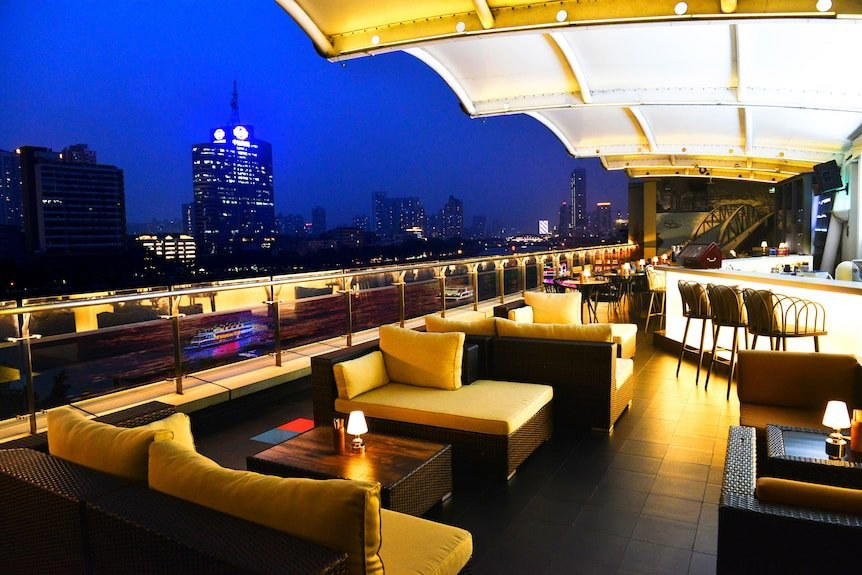
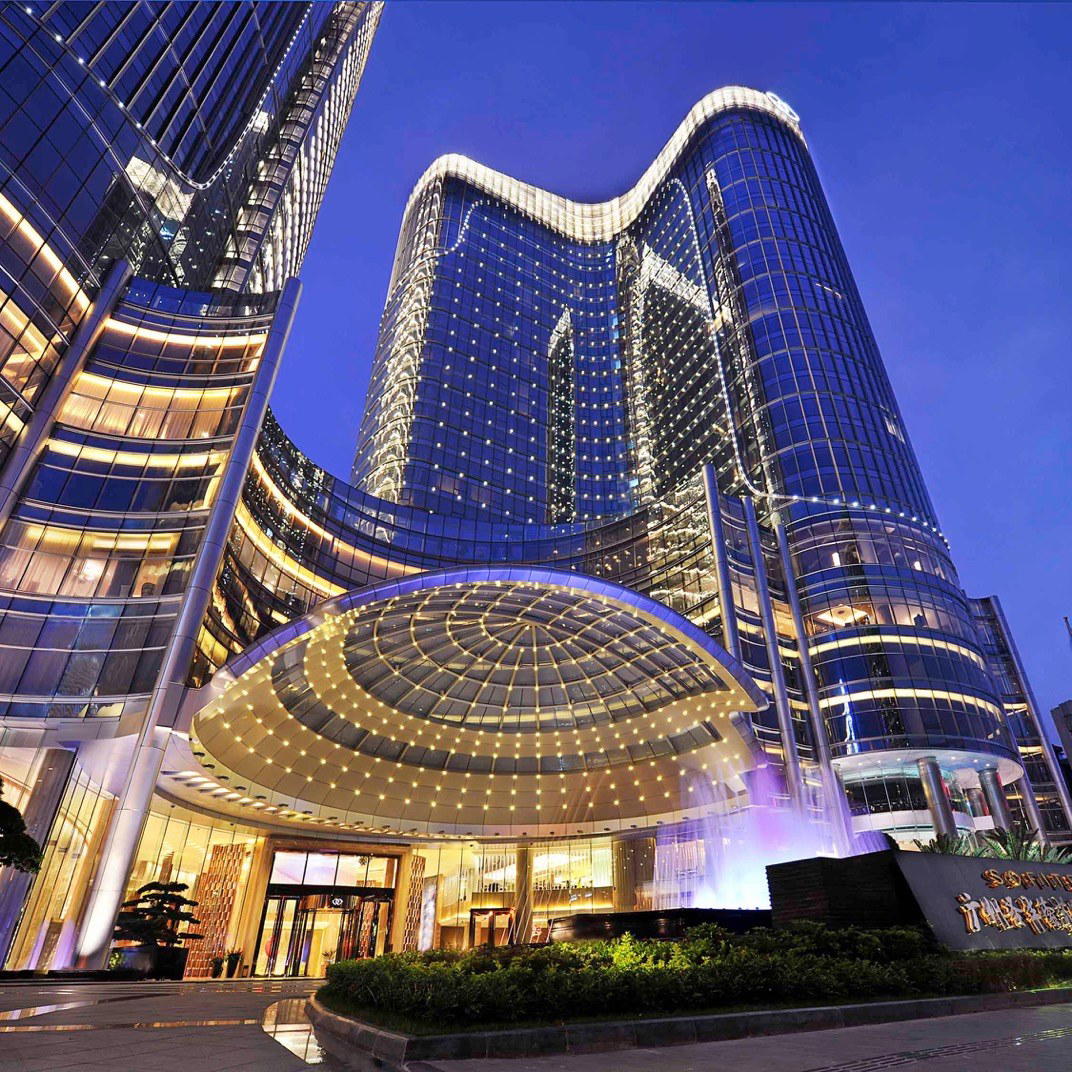
Sited on Guangfu North Road in Liwan District, 三品超级餐厅 occupies one of Guangzhou's older commercial corridors, where Cantonese dining tradition runs deep and the morning tea culture that defines the city's eating rhythm is still practised seriously. The address places it inside a neighbourhood where the question is less whether a kitchen can cook than how precisely it reads the local canon.
Pearl is the En Primeur Club membership app — saves, bookings, and concierge access live there. Same editors, same standards.
- Address
- 512 Guangfu N Rd, ä¸å±±ä¸å «è·¯ Liwan District, Guangzhou, Guangdong Province, China, 510145
- Phone
- +862081881915
- Directions
- Get directions
 Saves & bookings on Pearl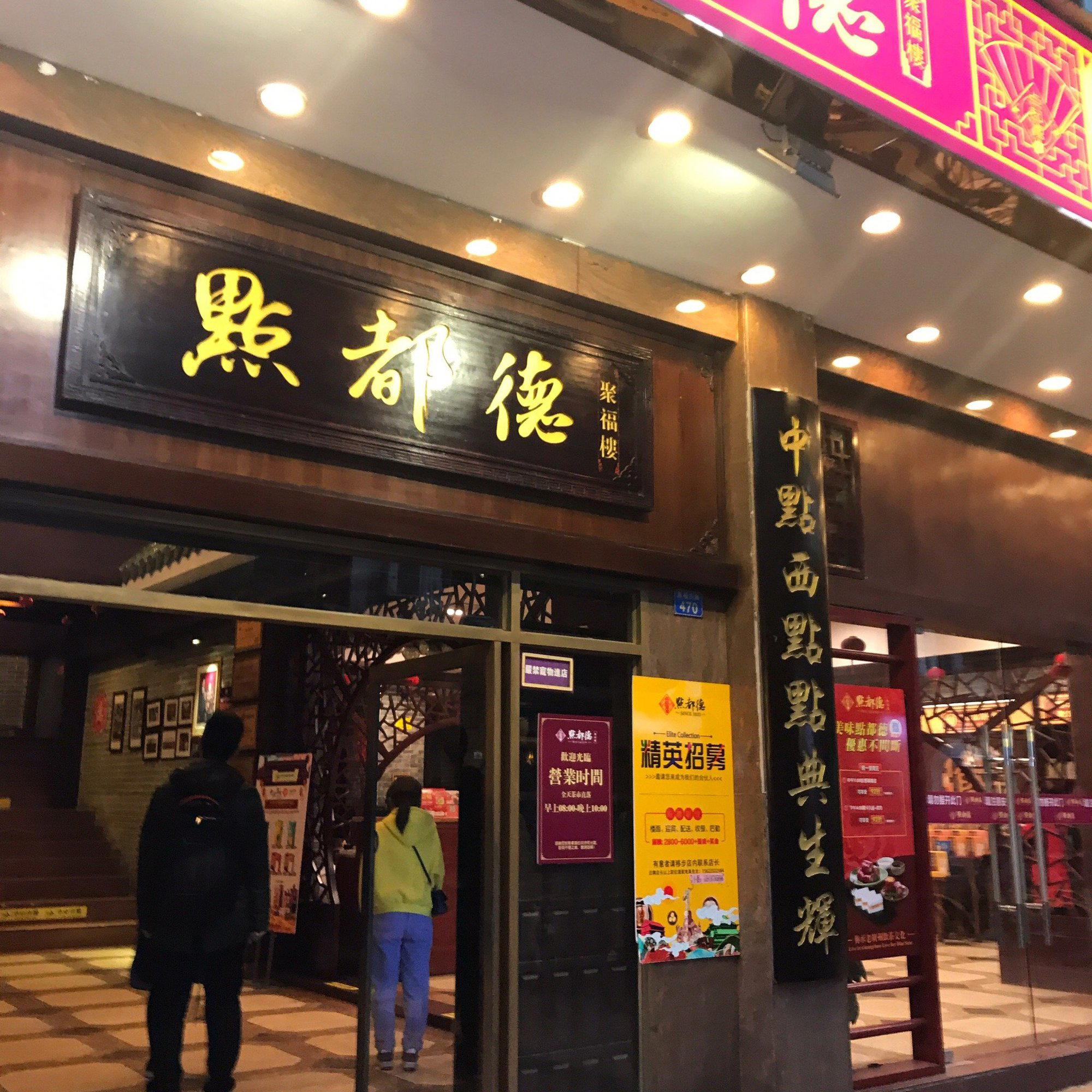
Liwan District and the Weight of Cantonese Precedent
Guangfu North Road sits in Liwan, the district that most Guangzhou residents would nominate as the city's culinary conscience. The streets around this stretch retain the compressed commercial character of older Canton: shophouses, wholesale tea traders, and restaurants that have been feeding the same families across multiple generations. For any kitchen operating at this address, the neighbourhood itself functions as a standard of comparison. Liwan's dining public is among the more technically literate in China when it comes to Cantonese cooking, and that audience tends to have low tolerance for approximation.
That context matters when assessing 三品超级餐厅. The Liwan postcode signals a particular kind of ambition: not the internationalist positioning you find in Tianhe's tower restaurants, and not the tourist-facing Cantonese of Shamian Island. This is cooking aimed at a local audience that already knows what the benchmark looks like. For comparison, venues such as BingSheng Mansion (Xiancun Road) and Hongtu Hall occupy different price and format positions within the same broader tradition, and the spread across those tiers shows how varied the Cantonese dining offer in Guangzhou has become.
How the Menu Reads the Room
In Guangzhou's established Cantonese restaurants, the menu structure itself is a form of communication. The ordering of dishes, from light soups and delicate seafood preparations through to roasted meats and congee, follows a logic that mirrors the progression of a formal Chinese meal and signals how seriously a kitchen takes the classical architecture of the cuisine. Restaurants that collapse this sequence into a single undifferentiated list are usually optimising for turnover. Those that maintain it are making a statement about who they are cooking for.
The Cantonese tradition that Liwan restaurants inherit places particular weight on ingredients that are seasonal and sourced with attention to provenance. Freshwater fish from the Pearl River Delta, live seafood, and produce from Guangdong's agricultural interior have defined the cooking of this city for centuries, and the leading kitchens in the district still build their menus around what is available rather than around a fixed offering that never changes. That seasonal discipline is one of the clearest separating lines between restaurants operating at the summit of the Cantonese tradition and those producing a more static version of it.
Across the broader Guangzhou scene, particularly discussed menus tend to be those that hold the classical structure intact while updating individual preparations with precision. Jiang by Chef Fei and Imperial Treasure Fine Chinese Cuisine both operate in this register at the ¥¥¥ price tier, providing a useful reference point for what formal Cantonese looks like at the upper end of the market. Chōwa, by contrast, uses an innovative format that deliberately departs from classical Cantonese structure, which positions it in an entirely different conversation.
Dim Sum, Morning Tea, and the Ritual Calendar
Any restaurant on Guangfu North Road exists in the shadow of yum cha culture, and that culture shapes how diners in Liwan think about the morning and early afternoon hours. In Guangzhou, morning tea is not a casual meal: it is a social institution with its own vocabulary, its own pacing, and its own quality indicators. The texture of a har gow skin, the ratio of filling to wrapper in a siu mai, the char on a cheung fun, these are not minor details. They are the criteria by which a kitchen's technical competence is assessed by people who eat this food several times a week.
The strongest dim sum operations in the city maintain a dedicated team for the breakfast and lunch service, separate from the evening kitchen, which reflects the genuine craft complexity of producing these preparations at volume without degradation. Hongtu Hall is one Guangzhou address that takes this division seriously. The quality gap between kitchens that treat dim sum as a distinct discipline and those that fold it into a general menu is visible in the detail work.
Positioning Within a Competitive City
Guangzhou is not a city that lacks for serious restaurants. The dining market here runs from street-level congee shops that have been operating since before most of the current restaurant generation opened, through to internationally recognised fine dining addresses. The middle tier, where most neighbourhood restaurants in Liwan sit, is where competition is most dense and where differentiation has to come from something more specific than a broad claim to Cantonese authenticity.
Within that tier, the credibility signals that matter most in this market are longevity, a loyal local following, and consistency across service periods. A restaurant that fills during the weekend dim sum rush but empties for dinner is telling you something about where its strength lies. One that maintains occupancy across all dayparts has typically built a more complete offer. For visitors assessing where 三品超级餐厅 fits within the Guangzhou scene, the full Guangzhou restaurants guide provides the comparative frame.
For those travelling across mainland China's major dining cities, the same structural questions about menu architecture and tradition apply in different regional registers. Xin Rong Ji in Beijing and Ru Yuan in Hangzhou illustrate how other Chinese culinary traditions approach similar questions of formality and menu sequence. Further afield, Chef Tam's Seasons in Macau and Dai Yuet Heen in Nanjing show how Cantonese technique travels and adapts across different markets.
Planning a Visit
The 512 Guangfu North Road address places the restaurant within Liwan District, accessible from central Guangzhou by metro (Liwan has multiple stations nearby on Lines 1 and 5) or by taxi, which remains one practical option for visitors unfamiliar with the neighbourhood's narrower streets. Given the walk-in-friendly policy on record, visitors should plan accordingly.
Credentials Lens
Comparable venues nearby, for context on price, style, and recognition.
| Venue | Cuisine | Price | Awards | Notes |
|---|---|---|---|---|
| ååè¶é¤åThis venue — the venue you are viewing | Tea Restaurant | Not listed | Not listed | Not listed |
| è °è®°é¥åº | Chinese Restaurant | $ | Not listed | Panyushi |
| 东山利苑 | Chinese Casual Restaurant | $ | Not listed | Guangzhoushi |
| BingSheng Private Kitchen | Fine Cantonese Private Kitchen | $$$ | Not listed | Tianhe |
| ååé 家 | Traditional Cantonese | $$$ | Not listed | Guangzhoushi |
| Cheers (Kaichuang Avenue) | Hunanese | $$ | Michelin Plate | Zengchengshi |
Continue exploring