
Located on the third floor of the White Swan Hotel on Shamian Island, Flavors of China brings Huaiyang cuisine to one of Guangzhou's most historically layered addresses. The restaurant has held a Michelin Plate in both 2024 and 2025, placing it within the city's recognised dining tier without competing directly against the Cantonese-dominant starred set. For those who follow China's classical regional traditions, a dedicated Huaiyang kitchen in Guangzhou remains a considered choice.
Pearl is the En Primeur Club membership app — saves, bookings, and concierge access live there. Same editors, same standards.
- Address
- China, 1, Liwan District, Shamian S St, 1号CN 广东省 广州市3楼 White Swan Hotel 邮政编码: 510130
- Phone
- +86 20 8188 6968
- Website
- whiteswanhotel.com
- Directions
- Get directions
 Saves & bookings on Pearl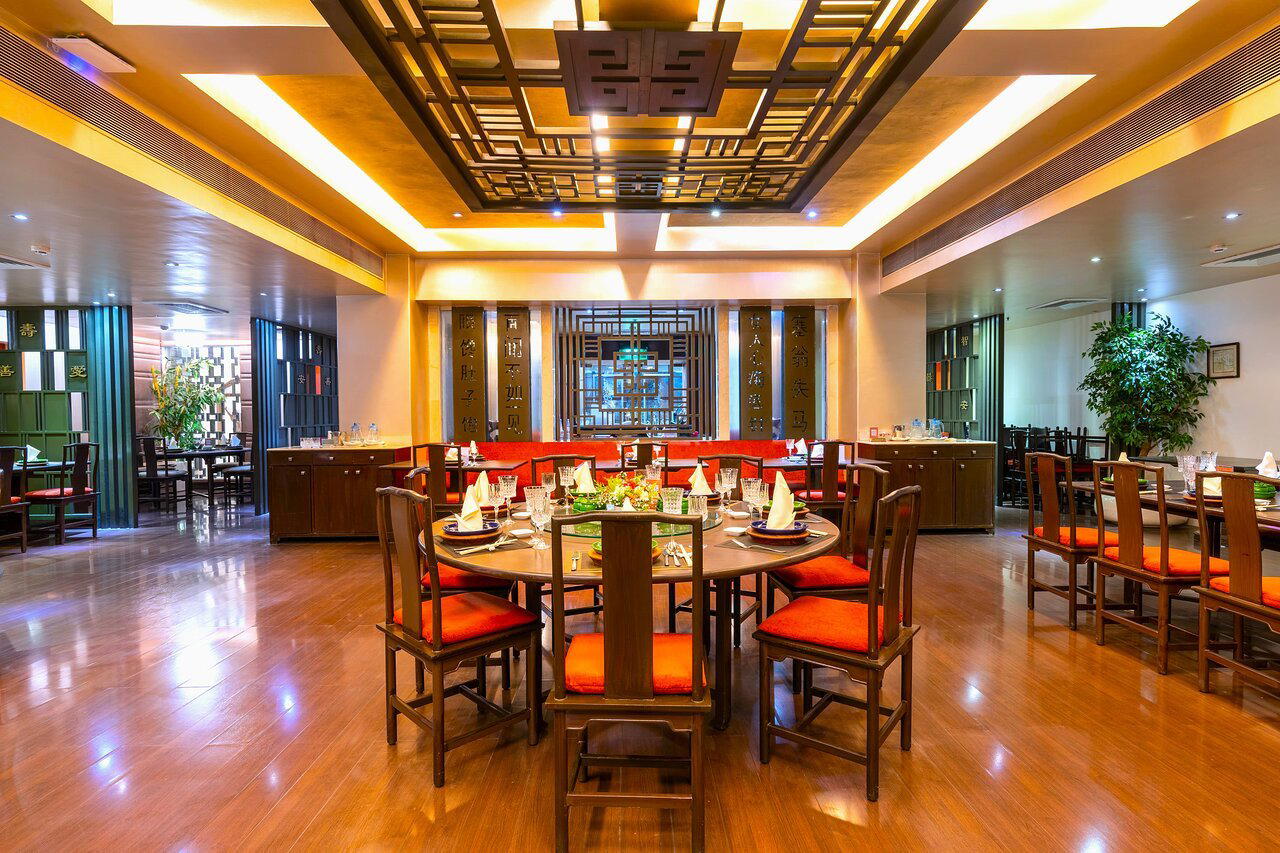
A Northern Kitchen on the Pearl River
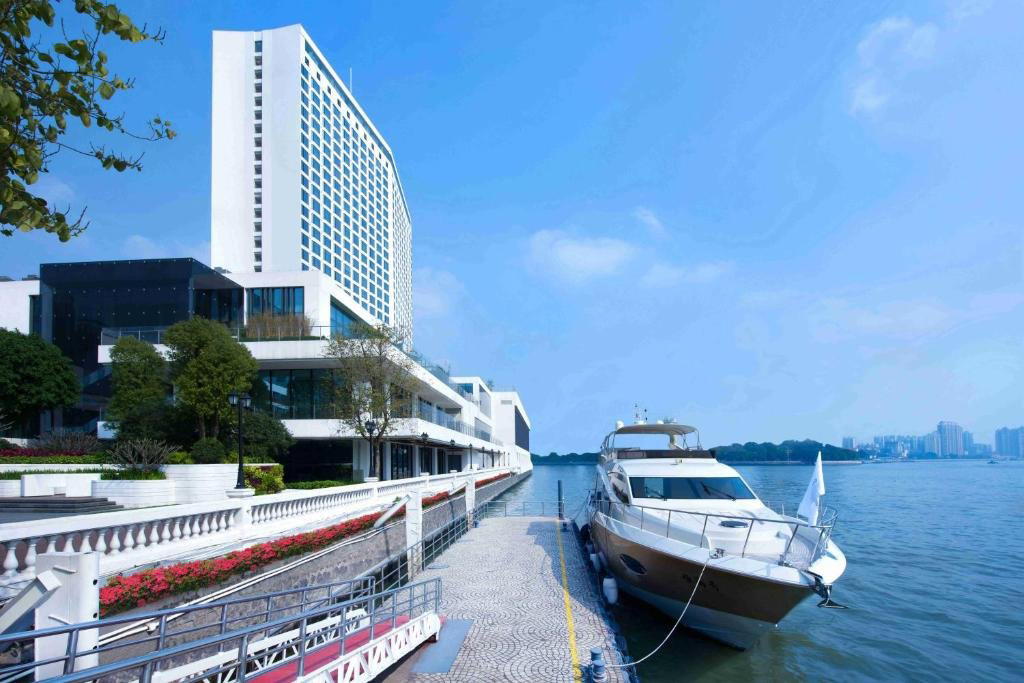
Shamian Island occupies a particular register in Guangzhou's urban memory. The former colonial concession, separated from the city proper by narrow canals, retains its nineteenth-century European architecture and a pace that feels deliberately detached from the Tianhe towers to the east. The White Swan Hotel, which anchors the island's southern edge, has been a landmark of the reform-era city since the 1980s, a period when Guangzhou was the first point of contact for much of China's outward-facing commerce. On the third floor of that building, Flavors of China occupies a position that says something about the restaurant's relationship with its audience: it is not a street-level discovery, but a destination that regulars return to with purpose.
That regularity matters here. Huaiyang cuisine, the classical tradition of Jiangsu province centred on Yangzhou and Huai'an, does not generate the casual drop-in traffic that a good roast goose stall in Liwan might. Its appeal is to diners who understand the patience involved: the slow-braised lion's head meatball, the precisely cut wensi tofu, the clear broths built over hours rather than minutes. In Guangzhou, where Cantonese cooking dominates and where restaurants like Imperial Treasure Fine Chinese Cuisine and Jiang by Chef Fei represent the Cantonese tradition at its most decorated, a kitchen committed to Huaiyang technique occupies a genuinely distinct position. The regulars here are not defaulting to a familiar local genre; they are making a specific choice.
What the Michelin Plate Signals
Flavors of China has carried a Michelin Plate in both 2024 and 2025. In practical terms, it places the restaurant within the recognised dining tier of Guangzhou's broader restaurant map without positioning it against the starred competition. For comparison, Chōwa holds a single Michelin Star at the same ¥¥¥ price point, while Taian Table operates at ¥¥¥¥ with two stars in the modern European register. Flavors of China prices at ¥¥¥, consistent with its peer tier.
The consecutive Plate recognition also signals consistency, which is a different quality from ambition. In a city that has seen considerable restaurant turnover in the post-pandemic period, two successive Michelin acknowledgements at the same address suggest a kitchen that has found its level and holds it. For the returning guest, that consistency is precisely the point.
Huaiyang in Context: A Regional Tradition Worth Understanding
Huaiyang cooking is one of the Four Great Traditions of Chinese cuisine, alongside Cantonese, Shandong, and Sichuan. Its defining characteristics are knife work of notable precision, a preference for fresh water fish and river ingredients, and a restraint in seasoning that allows the quality of ingredients to carry the dish. Sweetness appears, but it is a background note rather than a feature. The tradition prizes clarity, in broth, in cut, in colour.
Guangzhou is not a natural home for this cuisine, which developed along the Yangtze delta far to the north. That geographic displacement means the ingredient supply chain involves real logistics: the specific river fish, the Jinhua ham used in certain preparations, the soft tofu calibrated to hold its shape under the chef's knife. Dedicated Huaiyang kitchens elsewhere in China, including Huaiyang Fu in Beijing's Dongcheng district and The Huaiyang Garden in Macau, operate within the same constraints. The fact that restaurant maintains Michelin recognition while operating outside the cuisine's home region indicates a kitchen managing those supply demands with some seriousness.
For those following Huaiyang traditions across China's major dining cities, the comparison set is instructive. Xin Rong Ji in Beijing and Xin Rong Ji in Chengdu represent the Zhejiang-adjacent tradition at a high level, while 102 House in Shanghai and Ru Yuan in Hangzhou operate closer to the cuisine's geographic origin. Dai Yuet Heen in Nanjing and Chef Tam's Seasons in Macau round out the regional picture for diners building an informed view of where classical Chinese cooking sits across the country.
The Regulars' Logic
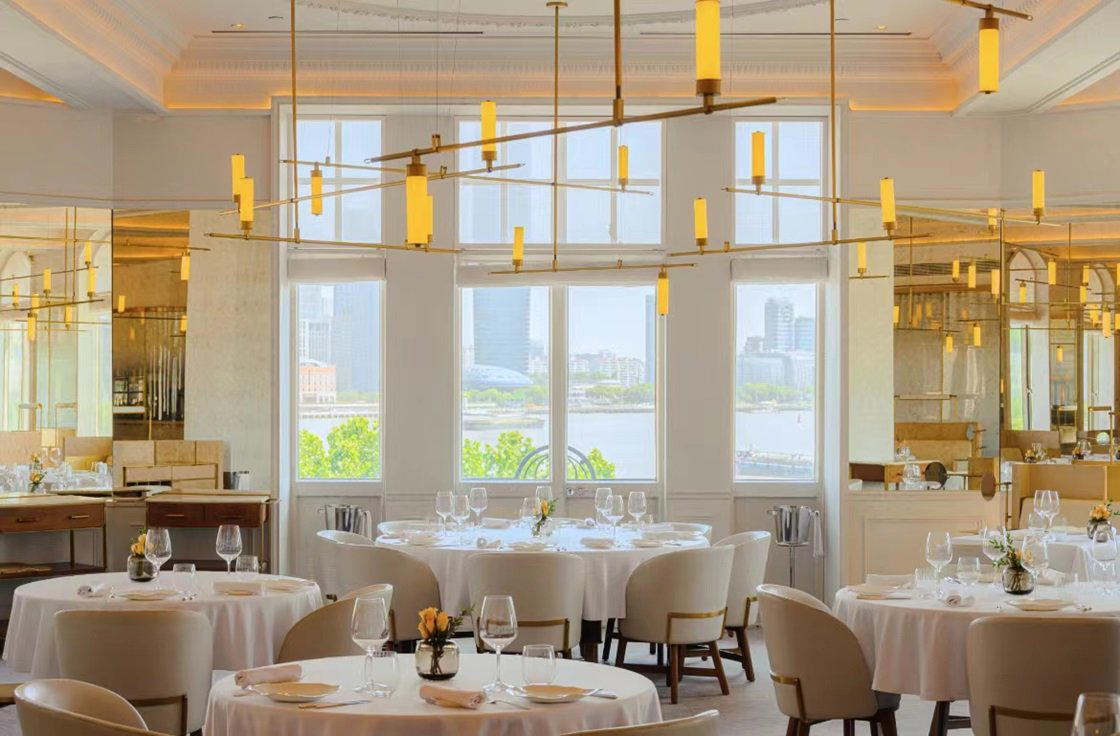
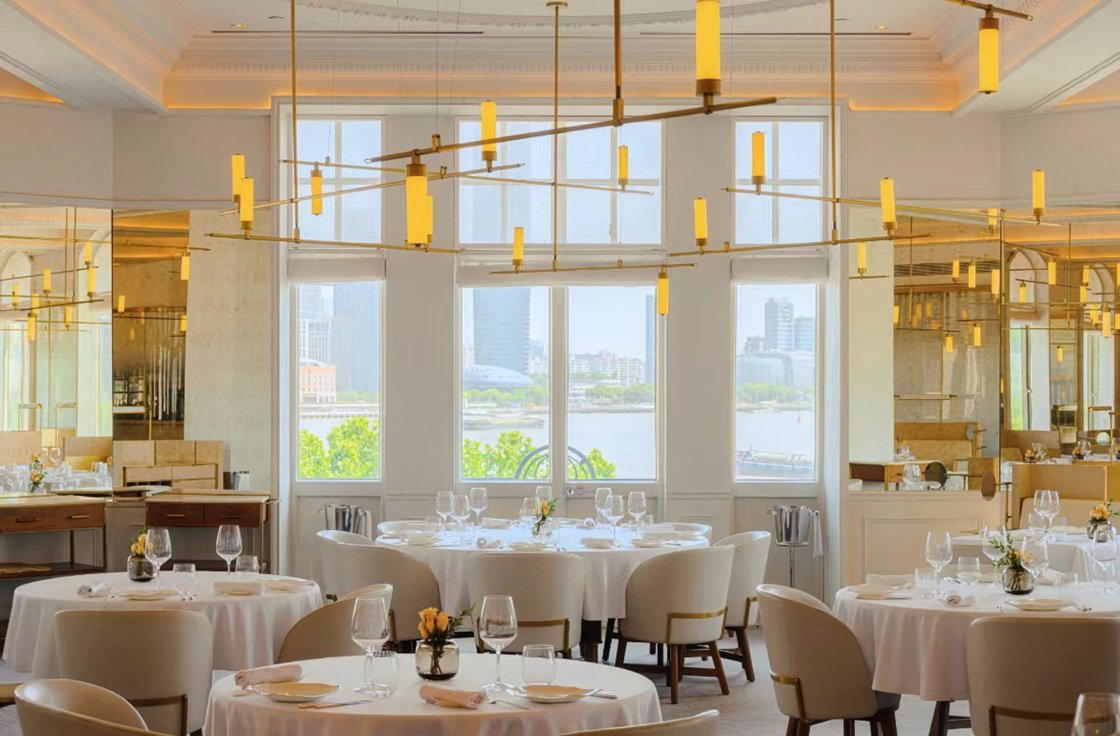
Guests who return to the restaurant do so, in part, because of where it sits: inside a landmark hotel with river-facing orientation on an island that sees relatively little of the city's daily rush. The White Swan Hotel has its own historical weight in Guangzhou, and dining here carries a sense of occasion that does not require manufactured drama. The setting does not need to announce itself.
The repeat visitor pattern at this type of restaurant also reflects something about Huaiyang cuisine itself. Unlike the immediacy of a Cantonese roast kitchen or the charged flavours of a Sichuan hotpot, Huaiyang cooking rewards familiarity. The more you understand what the cuisine is reaching for, the precision of a knife cut, the transparency of a stock, the more you see in a well-executed dish. Regulars are not returning for novelty; they are returning to measure the kitchen's execution against the tradition's standard.
For the Guangzhou visitor whose itinerary already covers the Cantonese tier, through BingSheng Mansion or the starred Cantonese addresses, the restaurant offers a deliberate change of register. It asks something different of the diner, and in doing so, it extends what Guangzhou's dining picture can show you.
Planning a Visit
The restaurant is on the third floor of the White Swan Hotel at 1 Shamian South Street, Liwan District. Shamian Island is accessible from the city centre and sits alongside the Pearl River, making it a logical anchor for an afternoon that includes the island's walkable colonial streetscape. The ¥¥¥ price range places the meal in the mid-to-upper bracket for Guangzhou dining, consistent with comparable Michelin-recognised addresses in the city. Booking through the hotel is the direct approach. For context on the city's wider dining and hospitality options, EP Club covers Guangzhou hotels, bars, wineries, and experiences separately.
Comparable Venues
Comparable venues nearby, for context on price, style, and recognition.
| Venue | Cuisine | Price | Notes |
|---|---|---|---|
| Flavors of ChinaThis venue — the venue you are viewing | Provincial Chinese with Huaiyang and Sichuan Specialties | $$$ | Not listed |
| Tao Gie Mie Zhou | Authentic Chaozhou | $$$ | Guangzhoushi |
| Deli Boutique・Uncle De Abalone | Fine Dining Cantonese Abalone Specialist | $$$ | Guangzhoushi |
| Ersha No.1 | Modern Cantonese with Lingnan flair | $$$ | Guangzhoushi |
| He Yuan (Tianhe) | Premium Cantonese with Abalone Specialization | $$$ | Guangzhoushi |
| Yushan Soup (Liede Xipu Street) | Cantonese Soup Specialist | $$ | Guangzhoushi |
Recognition history
Dated appearances from independent guides and award organizations, with the underlying list record or original source where available.
Michelin Plate
Michelin
Michelin Plate
Michelin
Continue exploring
More in Guangzhou
Restaurants in Guangzhou
Browse all →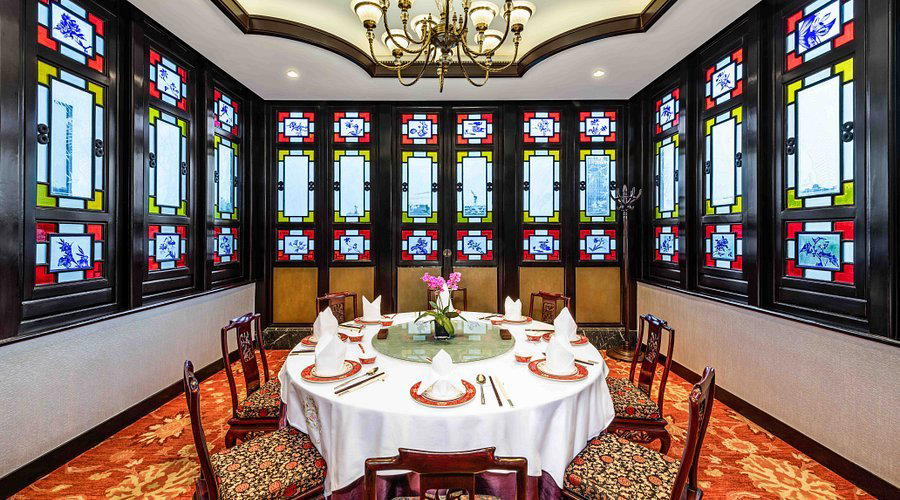
Bars in Guangzhou
Browse all →

At a Glance
- Elegant
- Scenic
- Sophisticated
- Business Dinner
- Group Dining
- Special Occasion
- Panoramic View
- Hotel Restaurant
- Waterfront
- Extensive Wine List
- Local Sourcing
- Waterfront
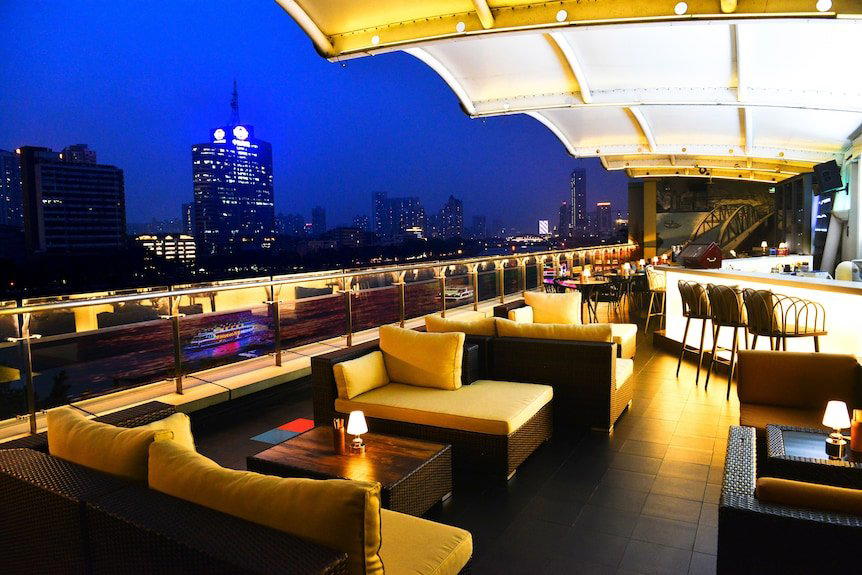
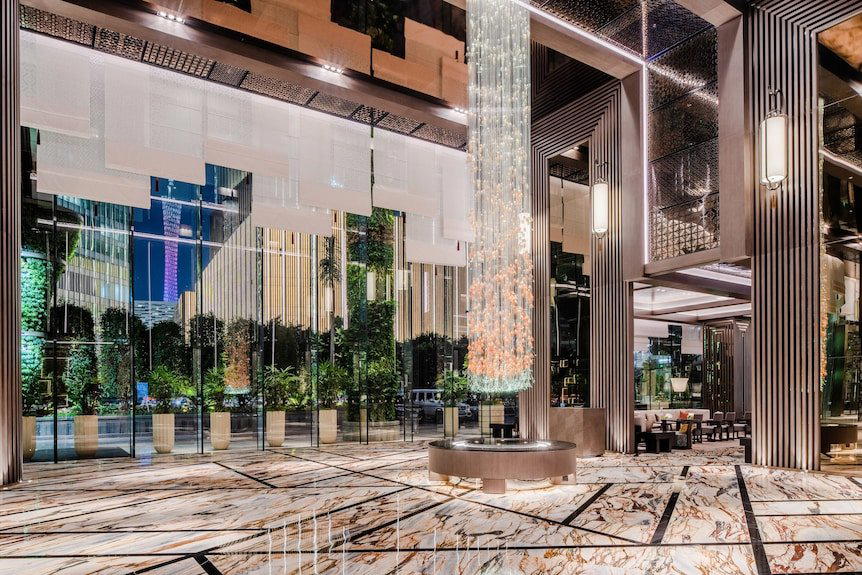
Graceful and generously adorned with glass work and art, creating an upscale atmosphere that befits the prestigious hotel setting with gorgeous river views.