Zoku Copenhagen

Zoku Copenhagen holds Michelin Selected status in the 2025 Michelin Hotels guide, placing it within a comparable set defined by design coherence and a considered approach to extended stays. Located in Copenhagen's Amager district at Amagerfælledvej 108, the property operates on a hybrid living-working model that sits outside the city's traditional hotel formats. A practical base with editorial recognition behind it.
Pearl is the En Primeur Club membership app — saves, bookings, and concierge access live there. Same editors, same standards.
- Address
- Amagerfælledvej 108, 2300 København, Denmark
- Phone
- +45 89 88 24 22
- Website
- livezoku.com
- Directions
- Get directions
 Saves & bookings on Pearl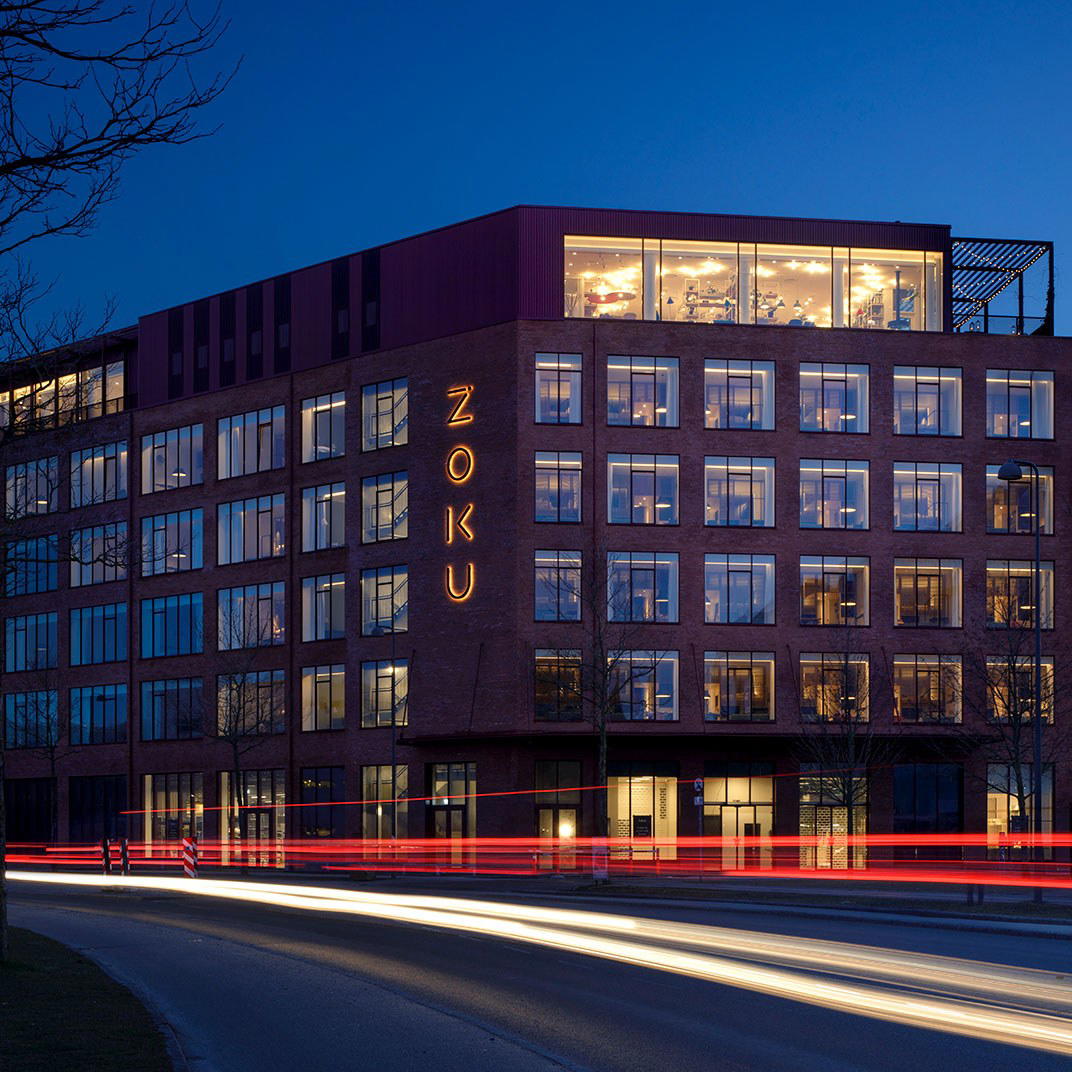
A Different Format for Copenhagen's Hotel Scene
Copenhagen's accommodation market has, over the past decade, split into recognisable tiers: the grand hotels anchored to Nyhavn and the inner city, the design-forward independents competing on atmosphere, and a newer cohort of properties built around extended-stay formats that blur the boundary between hotel and furnished apartment. Zoku Copenhagen belongs firmly to that third category. Its address on Amagerfælledvej 108 places it in Amager, a neighbourhood that sits outside the historic centre's gravitational pull and attracts a guest profile less interested in proximity to Strøget than in having a functioning workspace, a proper kitchen, and the kind of vertical separation between sleeping and living areas that standard hotel rooms never quite achieve.
The Michelin Selected distinction in the 2025 Michelin Hotels guide confirms that the property meets a threshold of quality and consistency that the guide's hotel editors consider worth flagging to readers. That recognition places Zoku Copenhagen in a comparable set that includes other Copenhagen properties earning Michelin hotel recognition, among them a range of formats from historic flagships to boutique independents. What distinguishes Zoku's position within that comparable set is its format: where properties like 71 Nyhavn Hotel or the Admiral Hotel trade on heritage and waterfront positioning, Zoku's proposition is structural and spatial.
The Loft Format and What It Actually Means
The format Zoku has built its brand around, operating across multiple European cities, centres on what it calls a loft: a compact but vertically organised unit with a sleeping area accessed by a short staircase above a ground-level work and dining space. The design logic is that a single-occupancy traveller on an extended stay, or a couple working from the same room, needs more than a desk chair and a bedside table. Whether that spatial logic translates into genuine utility depends on your travel pattern. For a weekend stay, the format may feel like an interesting design exercise. For stays of a week or more, the functional payoff becomes clearer.
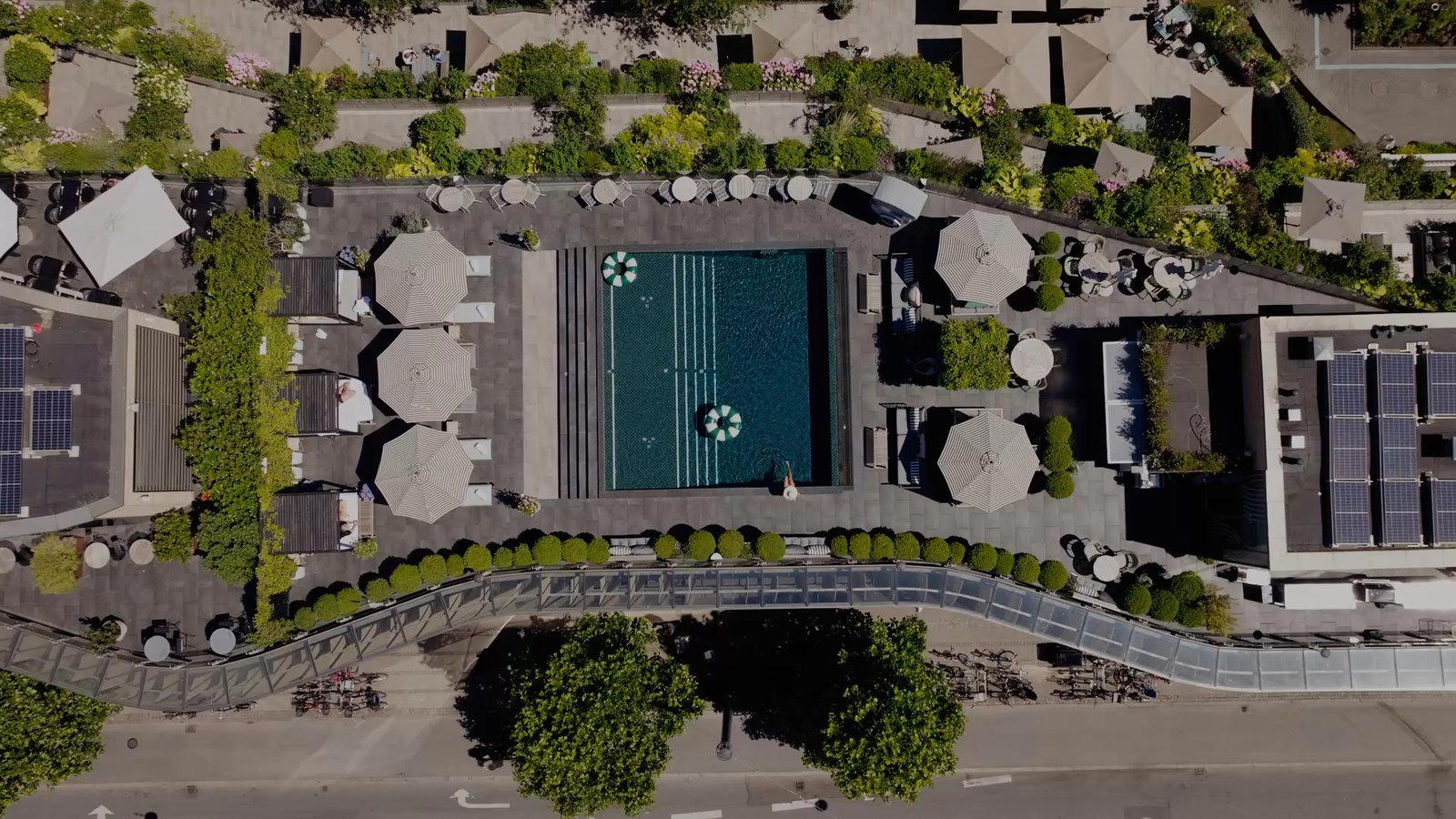
Social infrastructure that Zoku layers on top of the loft units, including communal kitchen and co-working areas typically found on the rooftop level, reflects a broader trend in extended-stay design: the idea that a hotel can function as a soft-landing community for the mobile professional rather than simply a sequence of private rooms. Properties such as 25hours Hotel Indre By and 25hours Hotel Paper Island have approached a similar challenge from the lifestyle-hotel angle, building communal programming into their offering. Zoku's approach is more functionality-led than atmosphere-led, though the two are not mutually exclusive.
Food and Drink in the Context of the Format
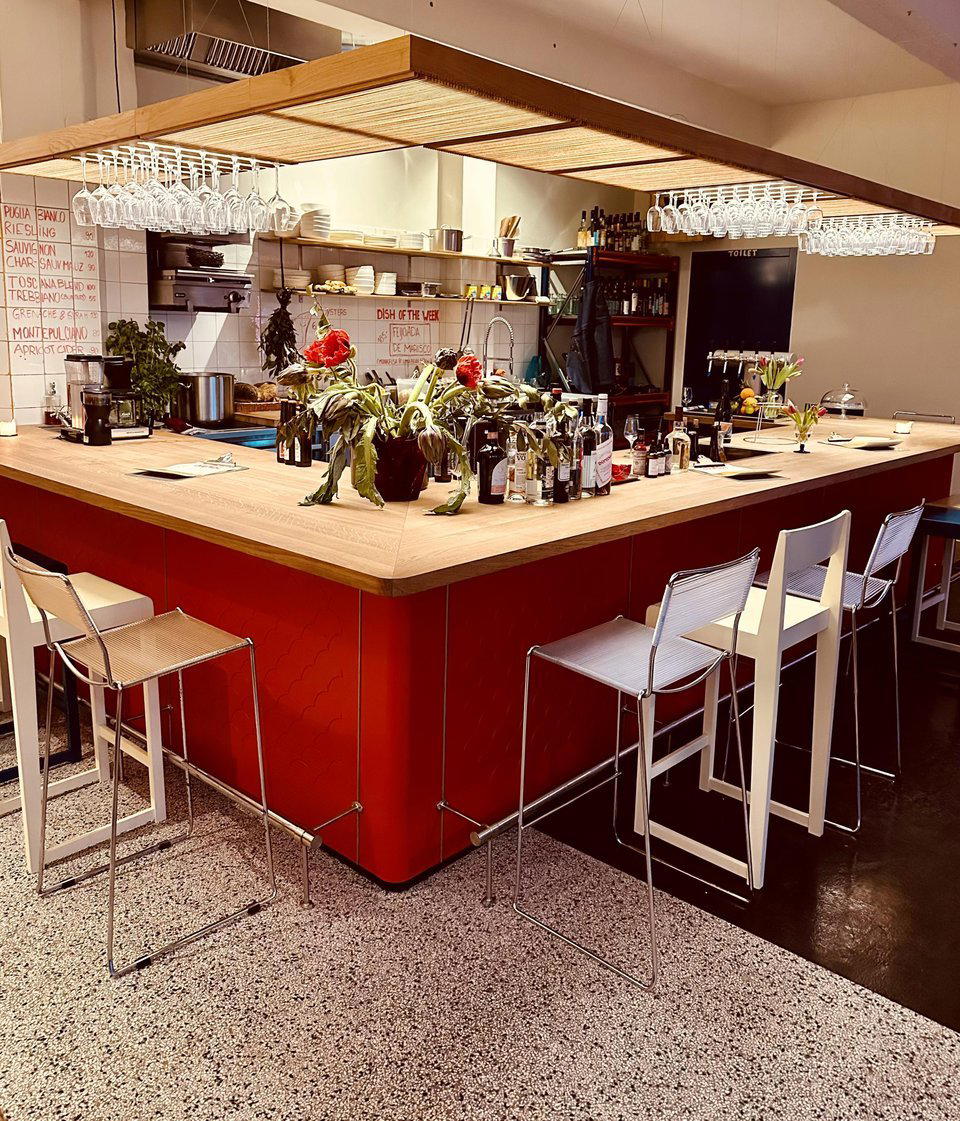
Editorial angle on Zoku's dining programme requires some honesty about the format's logic. Extended-stay properties built around in-unit kitchens are, by design, proposing that guests cook for themselves at least some of the time. The communal kitchen on the rooftop, where guests can prepare meals alongside other residents, is part of that social architecture. This is a hotel anchored to communal kitchen spaces rather than a destination restaurant. It is a property where the food and drink proposition is embedded in the communal spaces rather than built around a formal restaurant programme.
That positioning is, in Copenhagen's context, entirely coherent. The city's restaurant scene is formidable and well-served enough that a guest staying in Amager has access, via Metro, to everything from Noma alumni projects to neighbourhood wine bars in Vesterbro. The expectation that a hotel in this format category will compete on restaurant credentials against Copenhagen's standalone dining operations misreads the product. The relevant comparison is whether the communal food offer supports the extended-stay lifestyle, not whether it earns a Bib Gourmand.
Where Zoku Sits Among Copenhagen's Options
Understanding Zoku's position requires mapping it against what Copenhagen's hotel market actually offers at different price points and with different ambitions. At the grand-hotel end, properties like Andersen Boutique Hotel and Absalon Hotel serve a more conventional traveller looking for central Copenhagen positioning with a curated but familiar hotel experience. The 1 Hotel Copenhagen operates in a sustainability-forward niche with a stronger food and beverage programme. Andersen Hotel offers another boutique-independent option with city-centre proximity.
For travellers drawn to Denmark's wider accommodation range, the comparison extends beyond Copenhagen. Properties like Kokkedal Castle Copenhagen in Hørsholm or Dragsholm Slot in Hørve represent the country-estate end of the Danish hotel spectrum, where food and setting are deeply intertwined. Falsled Kro in Falsled occupies a similar position in rural Funen. These are properties where the dining programme is central to the guest experience in a way that is structural, not incidental. Zoku's format makes a different argument entirely.
Internationally, the Michelin Selected comparable set for design-forward city hotels includes properties with different ambitions: from Aman Venice and Bvlgari Hotel Tokyo at one extreme to the extended-stay and co-living formats that Zoku represents at another. The Michelin recognition spans that full range, which is worth keeping in mind when using the distinction as a quality proxy.
Planning a Stay
Zoku Copenhagen is located at Amagerfælledvej 108, in Amager. The Metro provides a reliable connection to central Copenhagen, making the neighbourhood's distance from the historic centre manageable for most stay patterns. The property is most coherent as a base for stays longer than two nights, where the loft format and communal spaces have time to function as intended rather than as novelties. Booking is recommended. Readers considering this property alongside rural Danish options might also look at Helenekilde Badehotel or Dyvig Badehotel in Nordborg for a contrast in format and pace, or Park Lane Copenhagen in Hellerup for a quieter residential-district base closer to the city's northern neighbourhoods.
Cost Snapshot
Comparable venues nearby, for context on price, style, and recognition.
| Venue | Cuisine | Price | Notes |
|---|---|---|---|
| Zoku CopenhagenThis venue — the venue you are viewing | Not listed | $$$ | Not listed |
| 71 Nyhavn Hotel | Not listed | $$$ | Indre By, Historic warehouses with modern Scandinavian comfort |
| Ruby Hotel Copenhagen | Not listed | Not listed | Frederiksberg, Urban lifestyle ‘lean luxury’ hotel in a converted office building with lively shared spaces and city views. |
| Central Hotel & Café | Not listed | $$ | Vesterbro-Kongens Enghave, Single-room boutique in historic cobbler's workshop |
| Copenhagen Jazz Festival | Indre By, Hotel | $$ | Not listed |
| TheKrane | Not listed | $$$$ | Østerbro, Repurposed industrial crane into multi-level luxury hideaway |
Recognition history
Dated appearances from independent guides and award organizations, with the underlying list record or original source where available.
Michelin Selected
Michelin
At a Glance
- Modern
- Trendy
- Minimalist
- Business Trip
- Weekend Escape
- Design Destination
- Wi Fi
- Street Scene
- Wi Fi
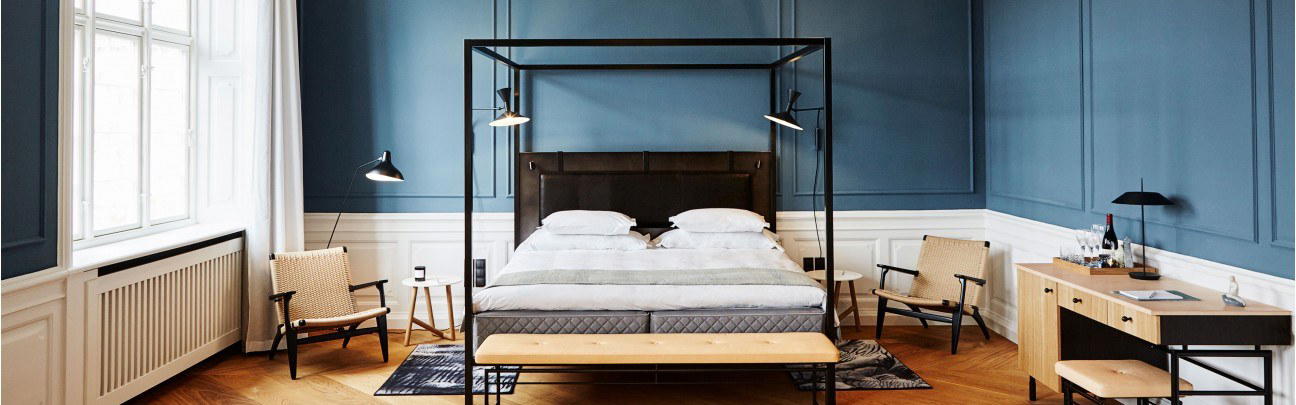
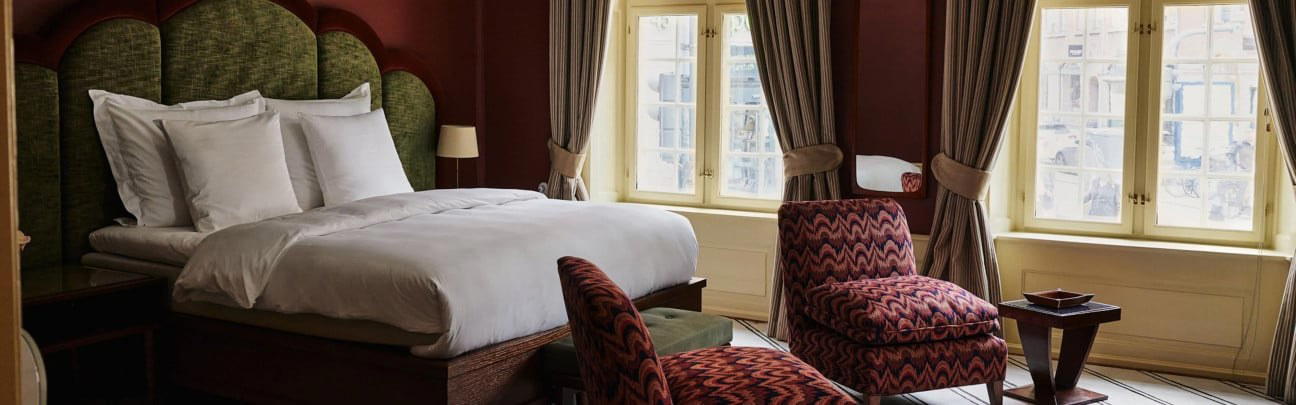
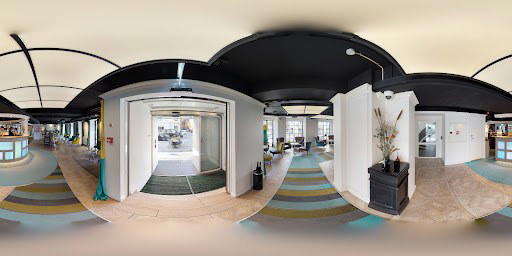
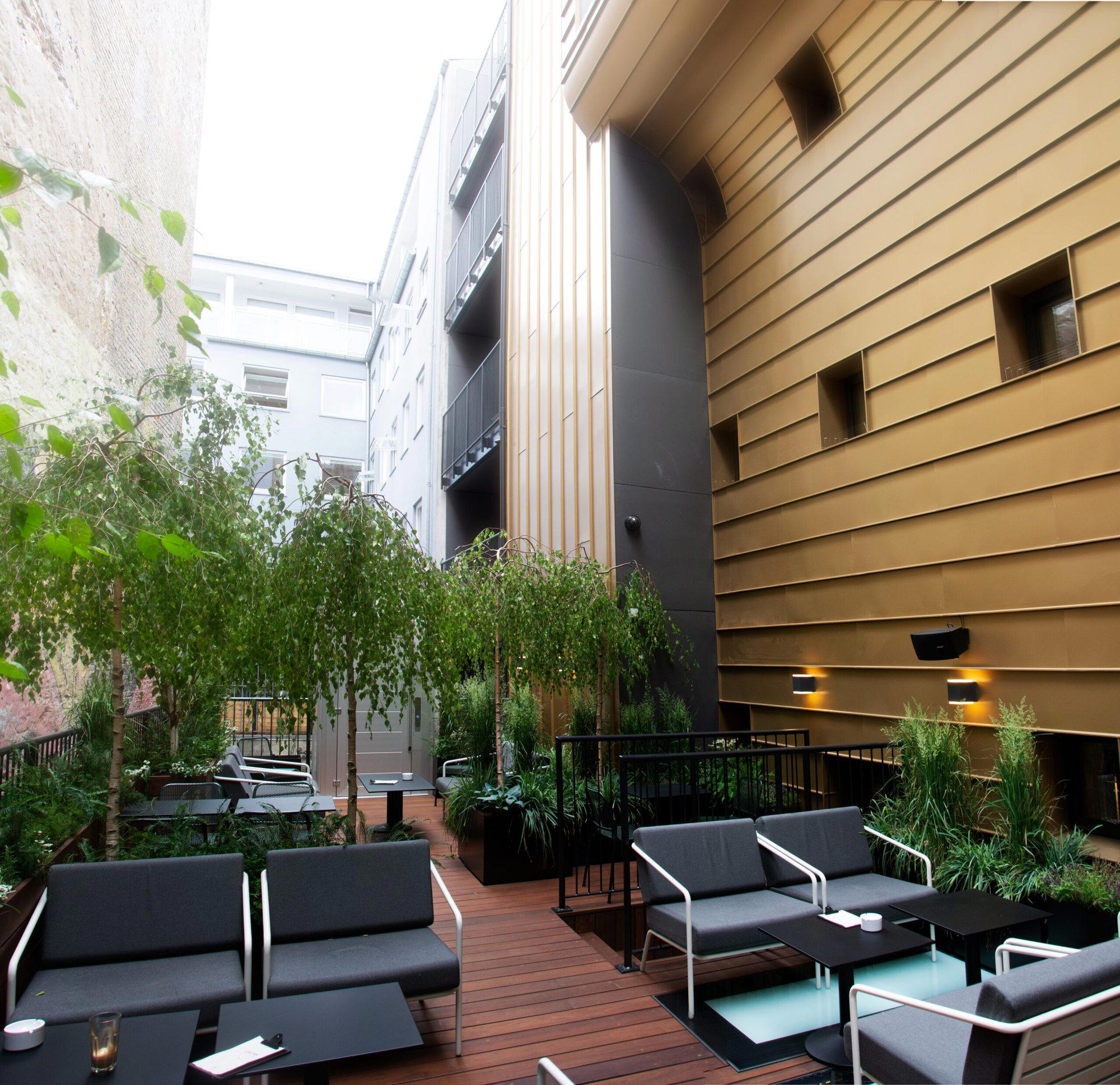
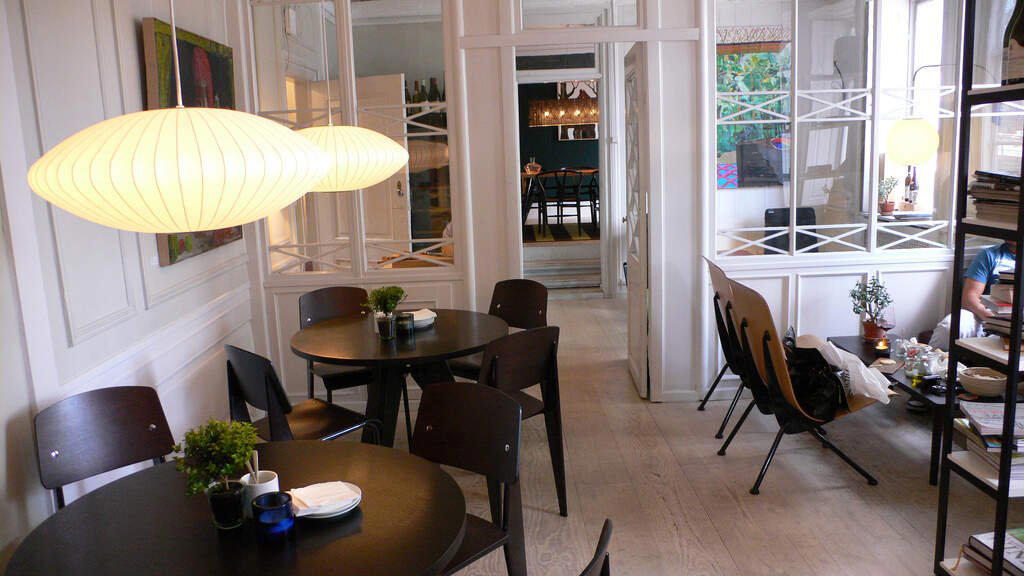
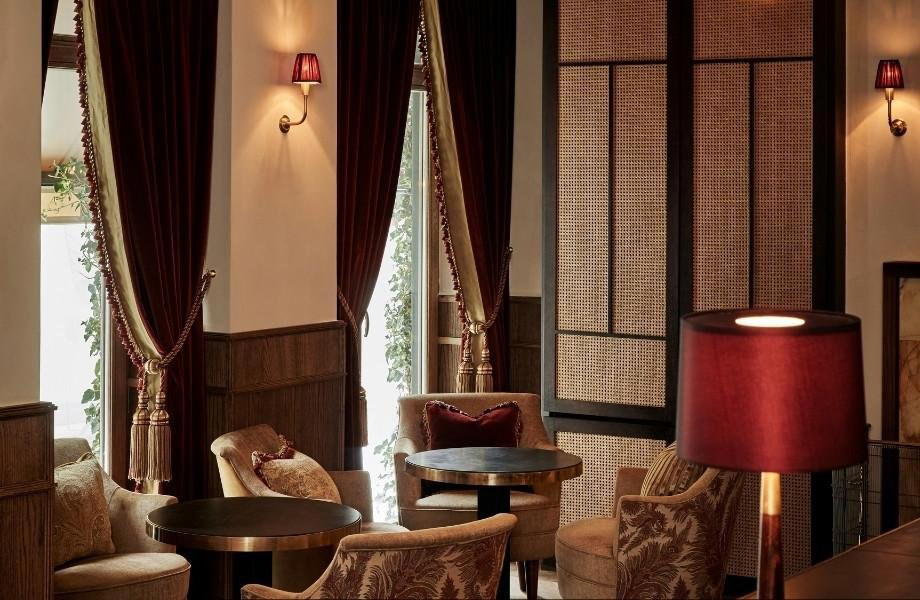
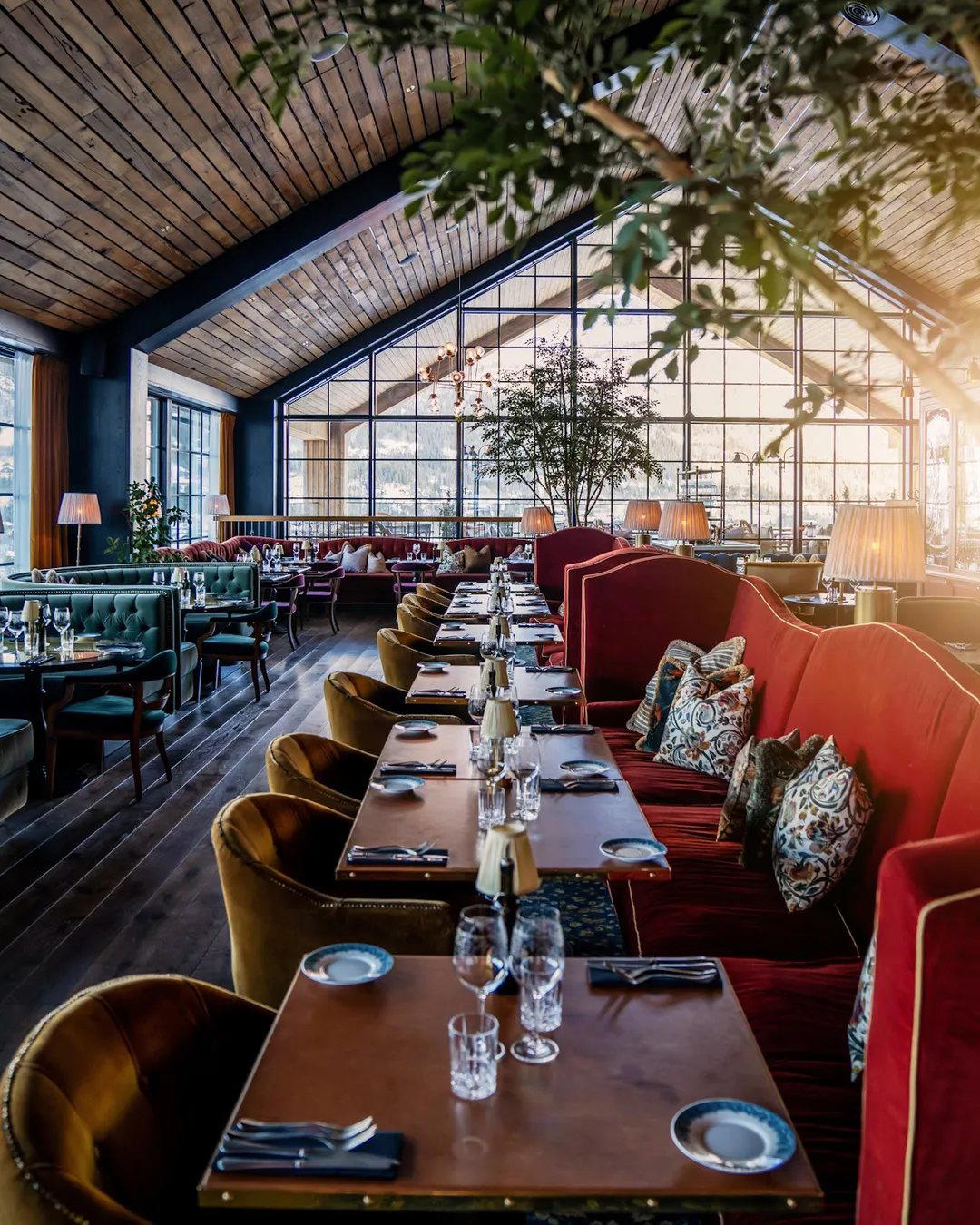
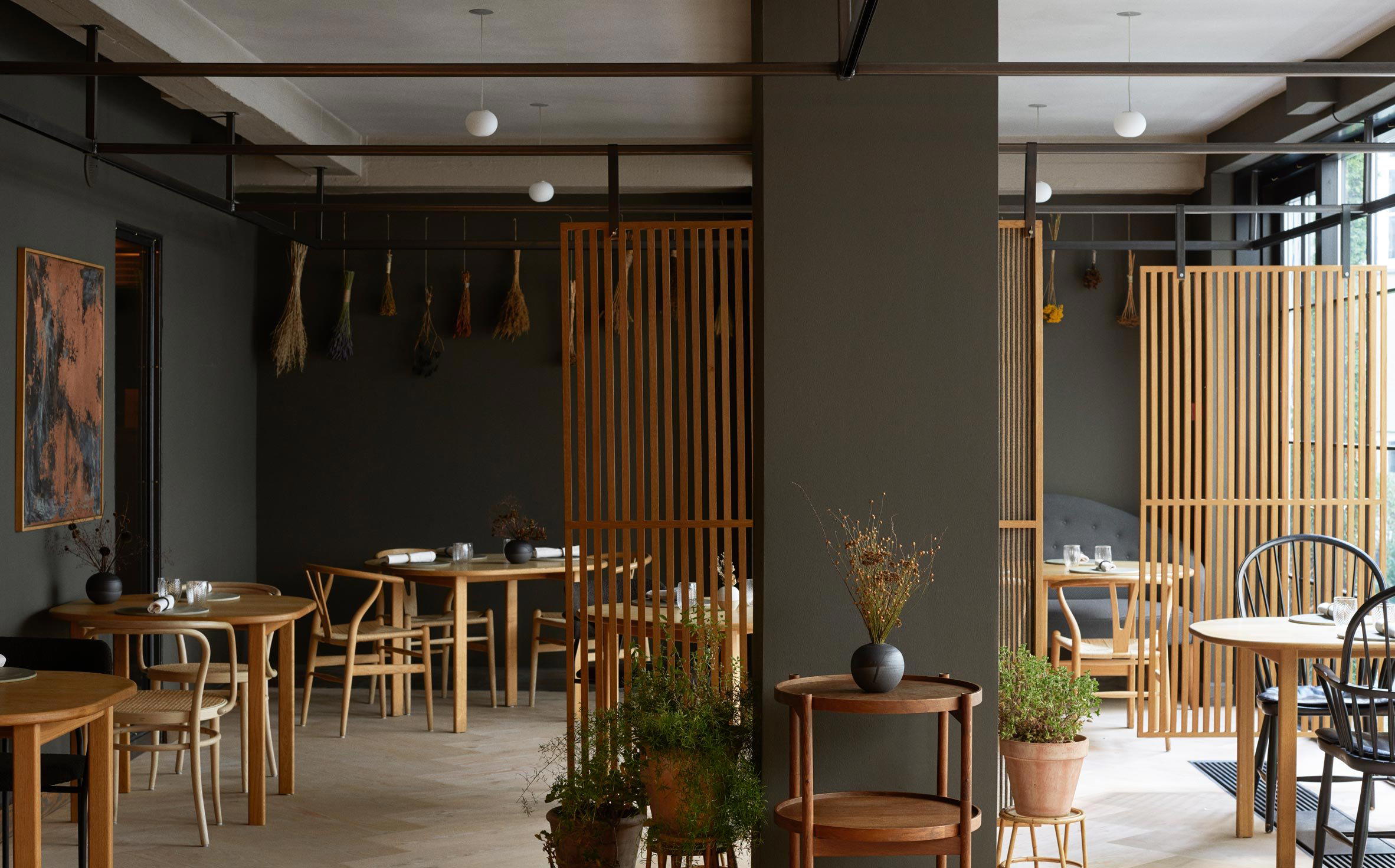
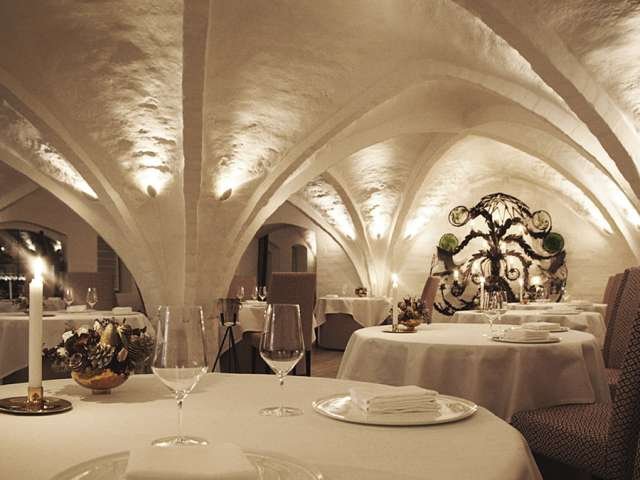
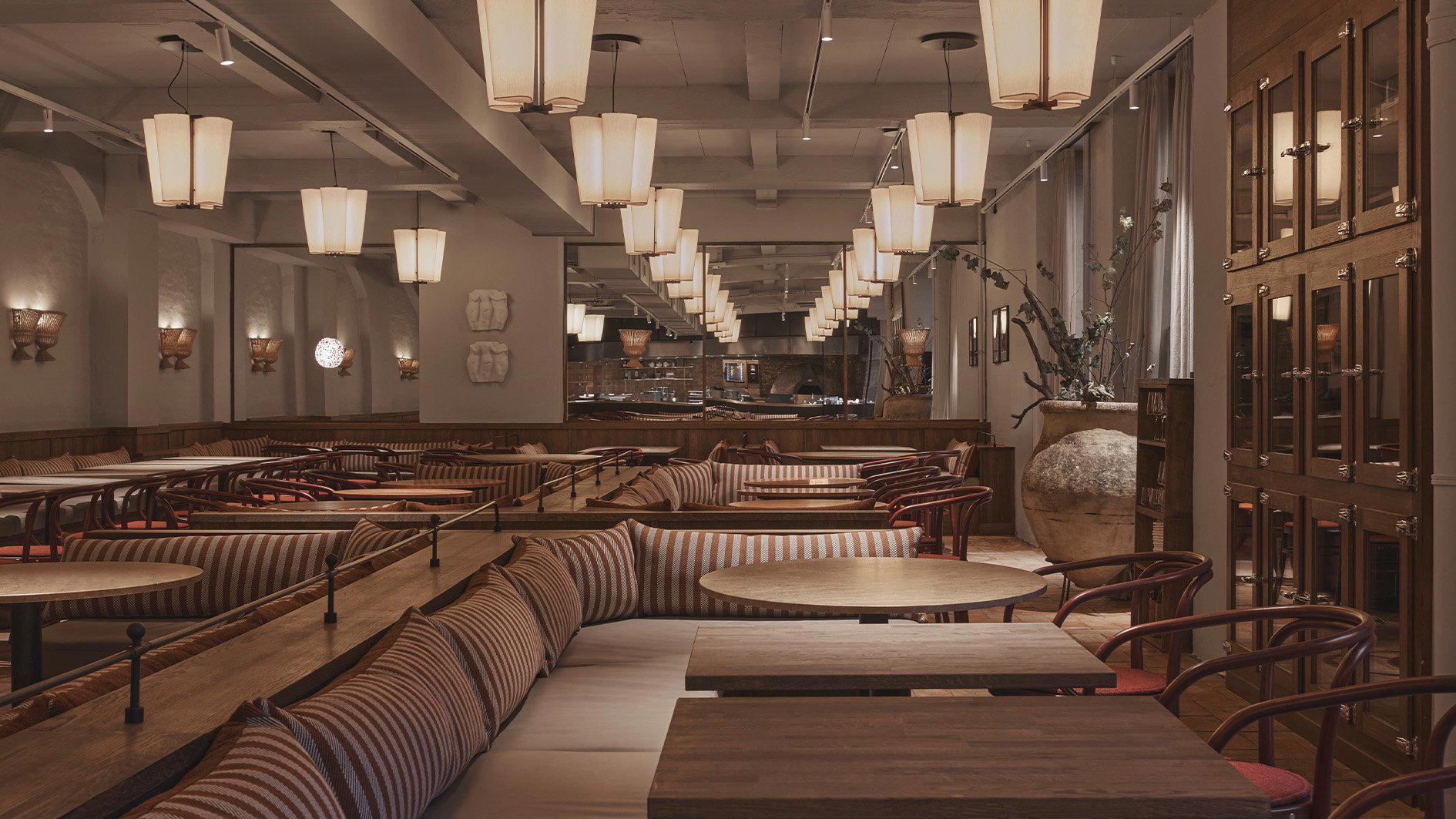
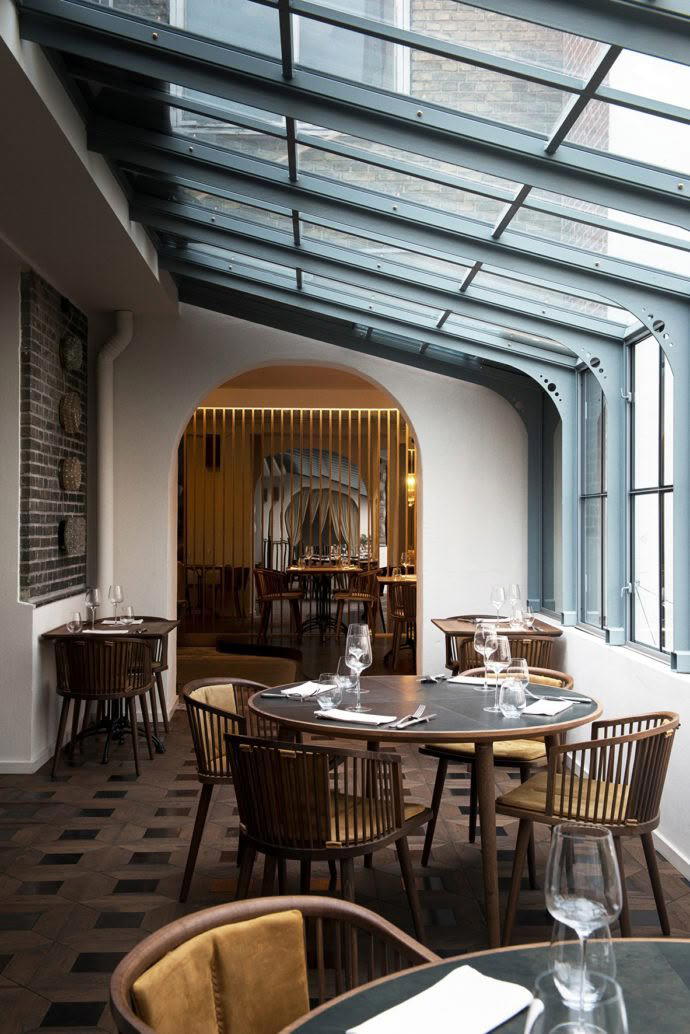
Serene and sophisticated with natural wood, soft neutral tones, warm lighting, and leafy corners creating a home-like refuge.