TheKrane
TheKrane occupies a converted industrial crane structure on Copenhagen's Østerbro waterfront at Kalkbrænderiløbskaj 10, placing it within the city's broader shift toward adaptive reuse hospitality. The harbour-edge position defines the experience before guests cross the threshold, with the Øresund stretching out beyond the industrial scaffolding that frames every view. For visitors tracking Copenhagen's sustainability-led hospitality tier, this is a property worth examining closely.

Pearl is the En Primeur Club membership app — saves, bookings, and concierge access live there. Same editors, same standards.
- Address
- Kalkbrænderiløbskaj 10, 2150 København, Denmark
- Phone
- +45 44 44 21 50
- Website
- thekrane.dk
- Directions
- Get directions
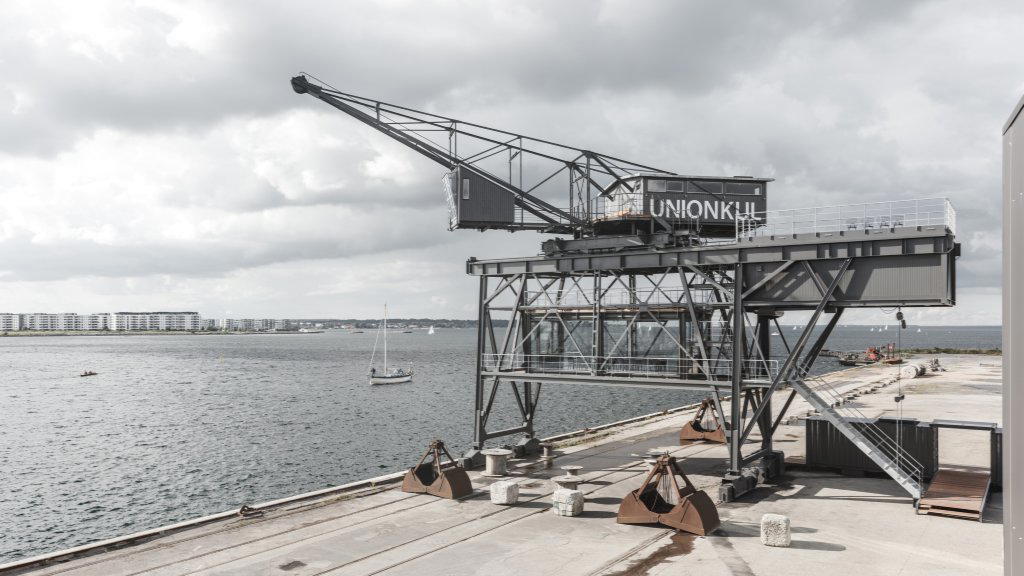
A Harbour Structure Repurposed
Copenhagen's waterfront has undergone a quiet transformation over the past decade. Where industrial infrastructure once defined the harbour edge at Kalkbrænderiløbskaj in the Østerbro district, a different category of hospitality has taken hold: properties that treat their structural origins as the primary design statement rather than something to conceal behind conventional finishes. TheKrane at address Kalkbrænderiløbskaj 10 belongs to this cohort. The crane structure itself, retained rather than demolished, frames a guest experience that is built around verticality, water proximity, and the visual weight of repurposed industrial form.
This approach is not incidental to Copenhagen's broader hospitality identity. The city has positioned itself as a reference point for adaptive reuse and low-impact design across Northern Europe, and properties that foreground their structural inheritance rather than paper over it sit squarely within that civic conversation. TheKrane participates in that tradition in one of its more literal expressions: the architecture is the argument.
The Sustainability Frame in Copenhagen's Hotel Tier
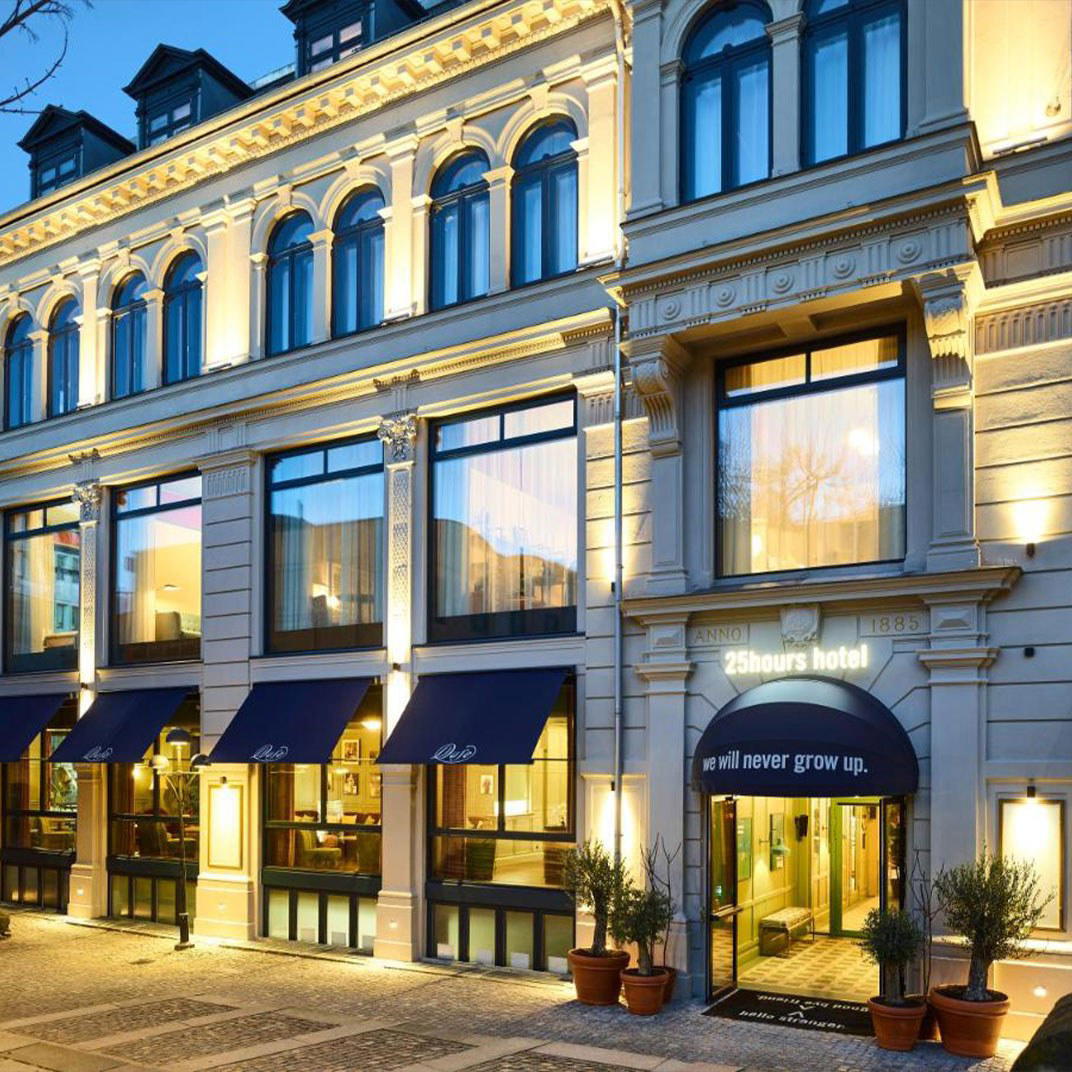
Copenhagen's premium hospitality market has split along a clear axis in recent years. On one side sit internationally branded properties with large footprints and conventional luxury credentials; on the other, a smaller cluster of design-specific and ecologically conscious properties where the physical concept carries most of the identity weight. 1 Hotel Copenhagen represents the more programmatic end of this second group, with its sustainability branding integrated at the group level. 25hours Hotel Paper Island occupies a similar position through its Paper Island cultural context. TheKrane operates at a different register entirely: the sustainability case here is structural and spatial rather than brand-led.
Adaptive reuse, when executed with integrity, is among the lower-impact forms of hospitality development. It avoids the material intensity of ground-up construction, preserves embodied carbon already locked into existing structures, and ties the property to a specific site in a way that global hotel brands rarely achieve. At TheKrane, the crane itself is not a decorative motif but the functional container of the guest experience, which places it in a different ethical and aesthetic position relative to properties that use industrial imagery as wallpaper.
For context on how Copenhagen's waterfront compares to international adaptive reuse projects in the premium tier, properties like Aman Venice and Castello di Reschio demonstrate how historic structural preservation can anchor a high-end hospitality identity without requiring conventional luxury signifiers. TheKrane operates in that same conceptual register, at a different scale and in a Nordic context.
What the Harbour Position Actually Means
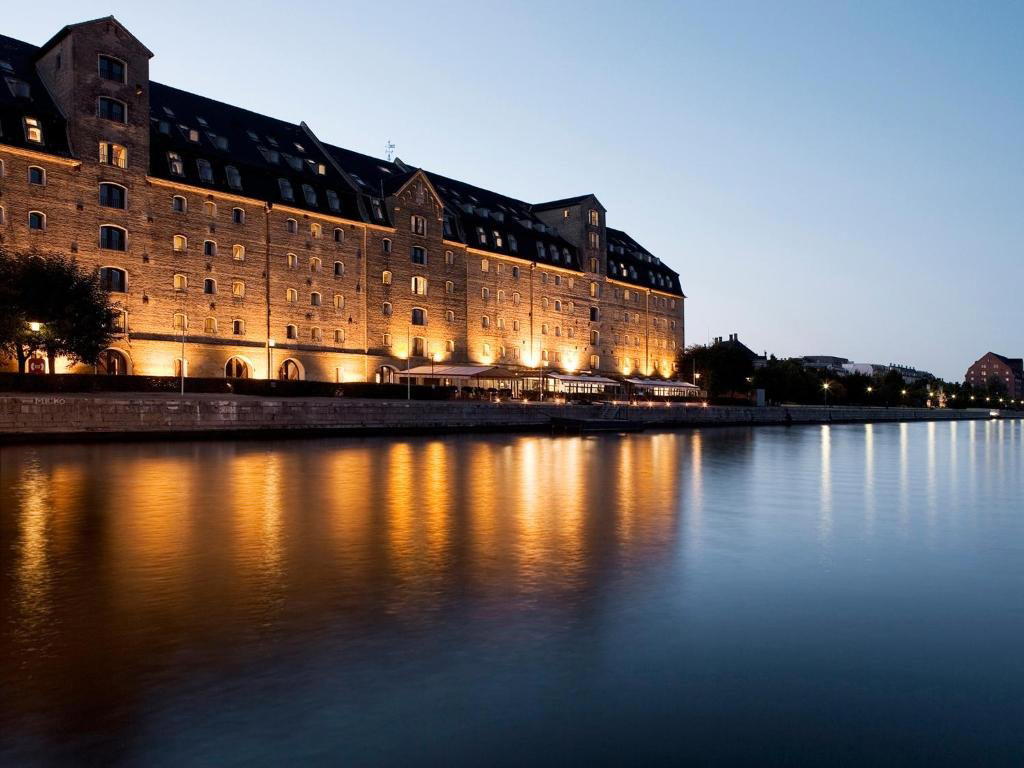
The Kalkbrænderiløbskaj address is in Østerbro, north of the city centre, along a stretch of harbour that still carries traces of its industrial past. This is not the tourist-dense Nyhavn waterfront, which properties like 71 Nyhavn Hotel and the Admiral Hotel occupy, nor is it the inner-harbour creative cluster where 25hours Hotel Paper Island is located. Østerbro's harbour edge is quieter, more residential in character, and the views across the water carry less urban noise than the central city positions.
That distance from the centre is worth factoring into a visit. Copenhagen's public transport system connects Østerbro efficiently to the city's dining and cultural core, but guests staying at TheKrane for the experience of the structure itself will find that the harbour position reinforces rather than undermines the proposition: the crane was always a working object at the water's edge, and that is where it remains.
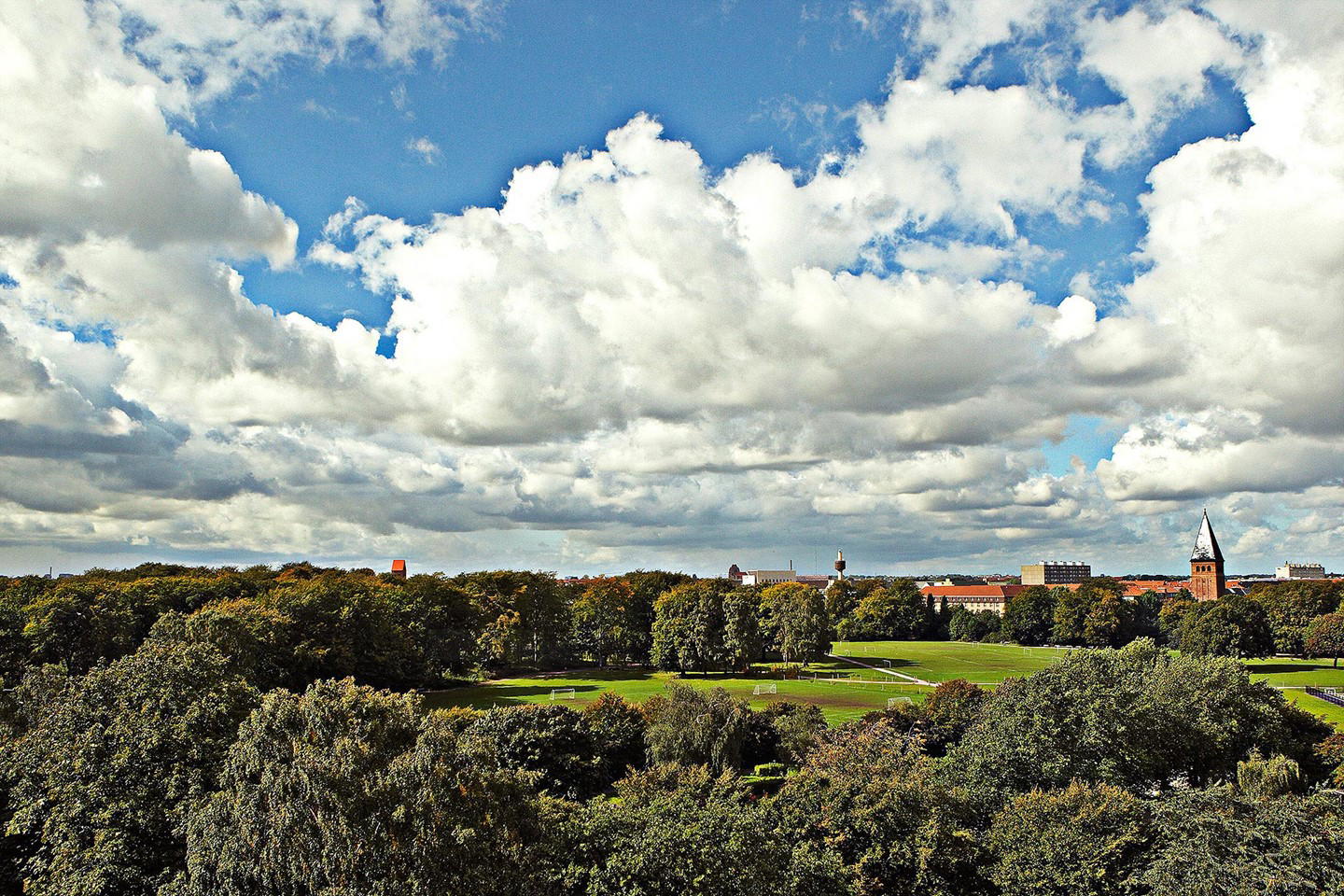
For visitors arriving in Copenhagen's warmer months, between May and September, the waterfront position has obvious advantages. The light at this latitude in summer is long and particular, and a structure refined above the harbour plane makes the most of it. Winter visits offer a different register: the Øresund in low light, the industrial skeleton of the crane against a Nordic sky, and the compressed daylight that makes interior spaces feel more deliberate.
Placing TheKrane Within Copenhagen's Wider Options
Copenhagen's hotel market covers a range of formats and positions that are worth mapping before booking. At the design-boutique end, Andersen Boutique Hotel and Central Hotel & Café offer compact, personality-led stays in the city's more central neighbourhoods. For larger-format stays, Absalon Hotel covers a broad spectrum of travellers. Capsule Hotel Copenhagen - Vesterbro represents the efficient, space-minimal end of the range.
TheKrane's position is distinct from all of these. In international terms, properties like Amangiri in Utah demonstrate how a single strong site proposition can define an entire hospitality identity; TheKrane operates at a smaller scale but with comparable conceptual coherence.
For travellers already committed to Copenhagen's design and sustainability scene, the full Copenhagen restaurants and hotels guide maps the broader range of where to eat, drink, and stay across the city's varied districts. Denmark's wider hotel options, including Dragsholm Slot, Kokkedal Castle Copenhagen, and Falsled Kro, provide useful contrast: the country's hospitality tradition runs from historic estate properties to coastal badehotels like Allinge Badehotel and Dyvig Badehotel, with Park Lane Copenhagen covering the suburban northern fringe. TheKrane is the urban industrial counterpoint to all of them.
Planning a Stay
TheKrane is located at Kalkbrænderiløbskaj 10 in the 2150 postcode, which places it in Østerbro on the eastern harbour rim of Copenhagen. Given the property's structural specificity and limited accommodation format, availability tends to be constrained in ways that larger city-centre hotels are not, making advance planning advisable. For context on Copenhagen's broader travel timing, the shoulder seasons of April to May and September to October combine manageable visitor volumes with strong daylight and active cultural programming.
Peers You’d Cross-Shop
| Venue | Cuisine | Price | Awards |
|---|---|---|---|
| TheKraneThis venue — the venue you are viewing | This venue | Not listed | Not listed |
| Hotel d'Angleterre Copenhagen | Not listed | $500–750 | 2 Michelin Keys · La Liste Top Hotels |
| Hotel Sanders | Not listed | $500–750 | 1 Michelin Key · Forbes Recommended |
| Nimb Copenhagen | Not listed | $500–750 | 1 Michelin Key · La Liste Top Hotels |
| 1 Hotel Copenhagen | Not listed | Not listed | 1 Michelin Key · Travel + Leisure It List Hotels |
| 25hours Hotel Paper Island | Not listed | Not listed | 1 Michelin Key |
Continue exploring
More in Copenhagen
Hotels in Copenhagen
Browse all →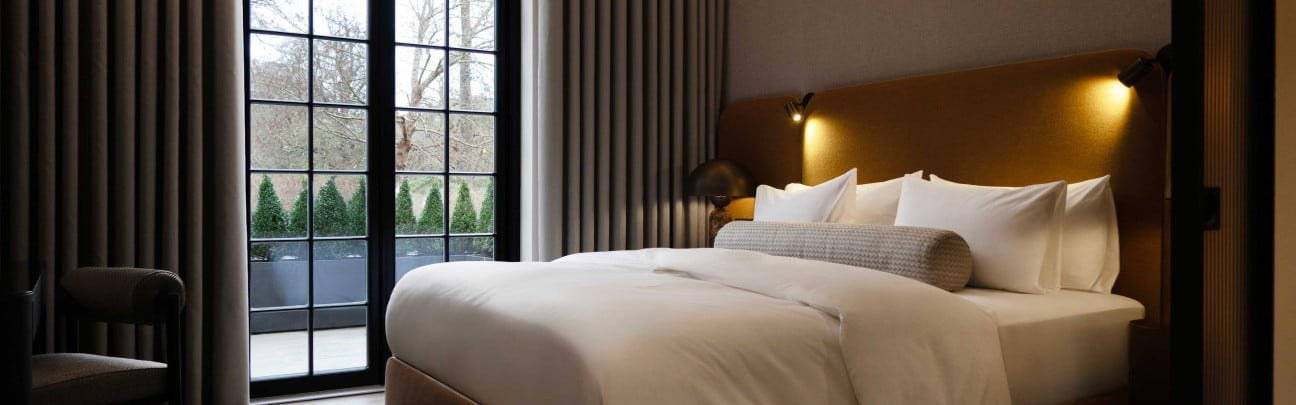
Bars in Copenhagen
Browse all →
Restaurants in Copenhagen
Browse all →

Details
- Modern
- Minimalist
- Industrial
- Sophisticated
- Intimate
- Romantic Getaway
- Anniversary
- Weekend Escape
- Panoramic View
- Terrace
- Wi Fi
- Spa
- Sauna
- Breakfast Included
- Concierge
- Air Conditioning
- Waterfront
- Skyline
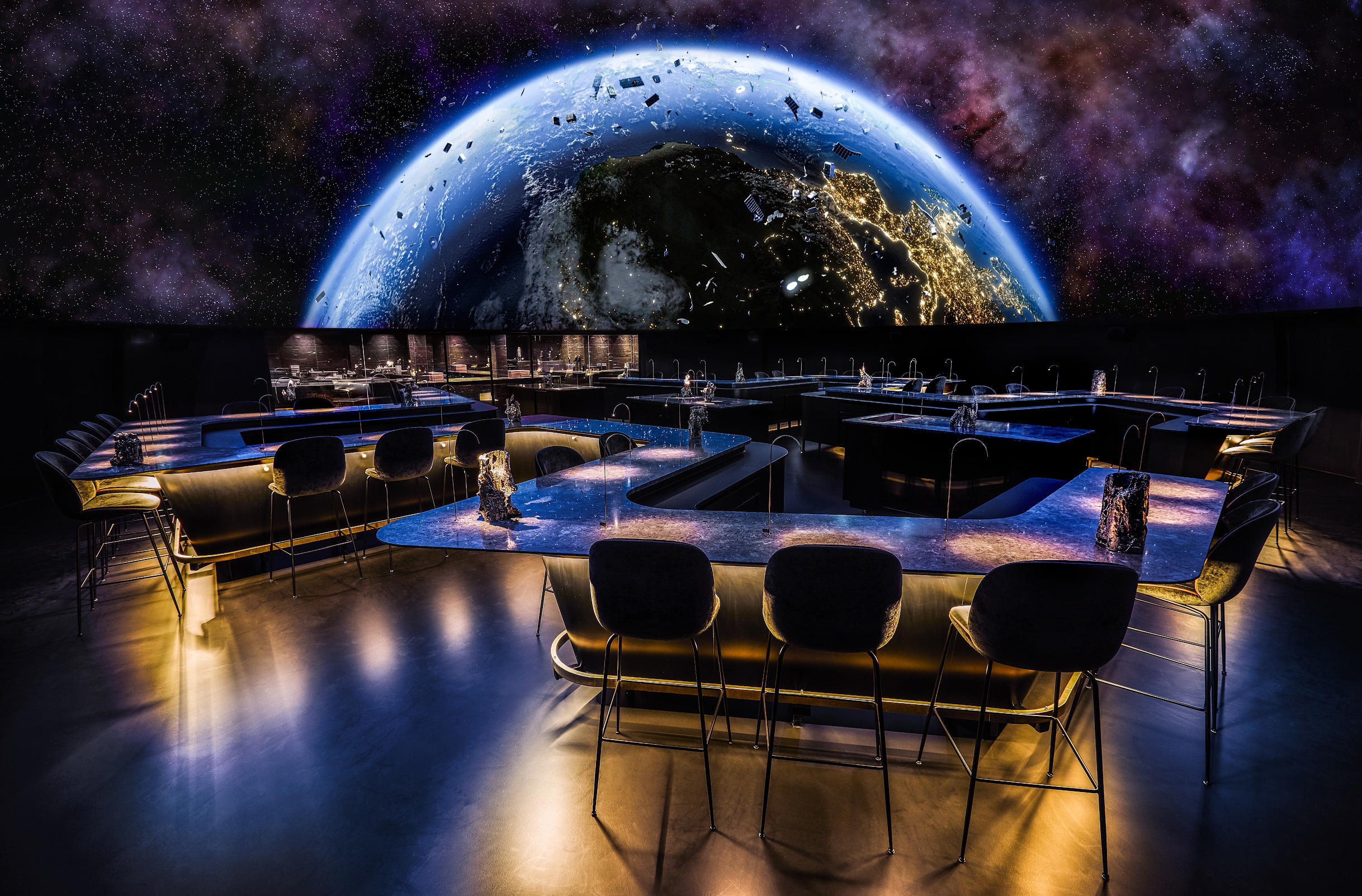
Subdued black minimalist Danish design with dark industrial elements framing far-reaching panoramic harbour views through large windows, fostering serene escapist luxury.