a|o|c







a|o|c holds two Michelin stars and a La Liste score of 93 points (2026), operating from the vaulted 17th-century cellars of Moltkes Palæ near Kongens Nytorv. Chef Søren Selin runs a creative small-plates format with a fully plant-based option, open Wednesday through Saturday from 6 pm. One of Copenhagen's most architecturally distinctive fine-dining addresses at the €€€€ price tier.
Pearl is the En Primeur Club membership app — saves, bookings, and concierge access live there. Same editors, same standards.
- Address
- Dronningens Tværgade 2, 1302 København, Denmark
- Phone
- +45 33 11 11 45
- Website
- restaurantaoc.dk
- Directions
- Get directions
 Saves & bookings on Pearl
Cellars, Small Plates, and the Copenhagen Fine-Dining Moment
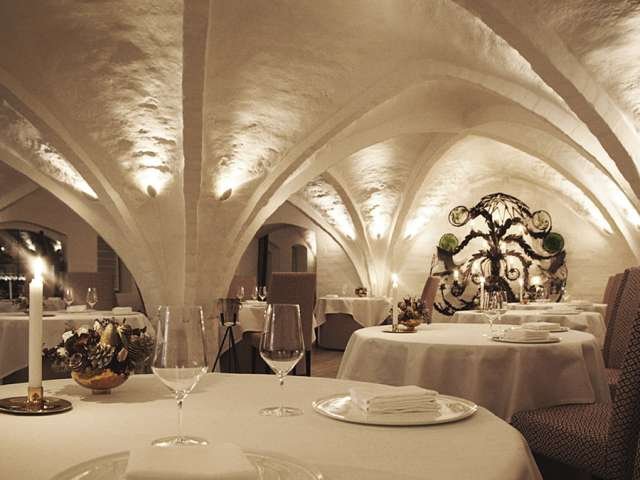
Copenhagen's upper tier of fine dining has, over the past decade, sorted itself into two broad camps: the tasting-menu monolith, where a single long sequence dominates the evening, and the more fluid small-plates format, where sharing and repetition are built into the architecture of the meal. a|o|c sits firmly in the second camp. Situated in the vaulted cellars of Moltkes Palæ, a 17th-century mansion a short walk from Kongens Nytorv, the room itself does much of the work before a single plate arrives. Low stone arches, centuries of compressed history overhead, a dining room that feels excavated rather than constructed — this is the physical environment into which Chef Søren Selin places a menu that draws from New Nordic instinct and Mediterranean small-plates tradition in equal measure.
That combination is less contradictory than it sounds. The sharing-plate format has long been a southern European proposition, shaped by meze culture across Greece, Turkey, and the Levant, and by cicchetti in Venice, tapas in Spain. What Copenhagen's leading kitchens have done is strip that format back to its core logic: smaller portions, faster rhythm, more decisions for the table, and a structure that rewards curiosity over certainty. At the €€€€ price point, a|o|c is priced against the city's full-commitment tasting-menu houses, but its format is fundamentally more conversational — you are building the meal rather than receiving it.
What the Small-Plates Format Actually Means Here
The sharing tradition at this level of cooking is not about generosity of volume. It is about the intelligence of the edit. A kitchen operating at two-Michelin-star level with a small-plates structure has to solve a harder compositional problem than a kitchen with a fixed sequence: every dish must work both as a standalone proposition and as a component in whatever combination the table assembles. The We're Smart Green Guide, which assesses plant-forward kitchens across Europe, specifically notes that the 100% plant-based option at a|o|c is executed without compromise, and that the culinary creations are consistently considered and visually deliberate. That the kitchen can maintain this across both omnivore and fully plant-based menus simultaneously is a structural achievement, not just a dietary accommodation.
The sommelier relationship noted in the We're Smart assessment is worth taking seriously in this context. Small-plates dining is harder to pair than a fixed sequence precisely because the table is in partial control of the order and composition of dishes. A wine program that can operate fluidly across that structure, rather than simply pairing course by course in a predetermined arc, requires a different kind of attention. That coordination between kitchen and cellar, what the assessment describes as the chef and sommelier being perfectly attuned to each other, is part of what holds the format together at this price and award level.
Where a|o|c Sits in Copenhagen's Two-Star Tier
Copenhagen's Michelin map at the two-star level places a|o|c in a competitive set that includes some of the most discussed kitchens in northern Europe. Geranium operates at three stars and a more theatrical tasting-menu format. Noma has operated in iterative pop-up form since closing its fixed-address operation. Alchemist is in a category of its own, running a multi-hour multi-course immersive format that is closer to performance than to dinner. Koan blends New Nordic and kaiseki logic into a fixed omakase structure. Against these peers, a|o|c's small-plates model is the most accessible in terms of meal architecture, even if the price and quality tier are identical.
The Opinionated About Dining ranking of 53rd in Europe (2025) provides the most useful cross-border calibration. OAD rankings are aggregated from a community of frequent high-level diners rather than anonymous inspectors, which means the score reflects repeated experience rather than a single visit. The La Liste score of 93 points in 2026 (94 in 2025) corroborates that positioning.
For readers building a broader sense of Denmark's fine-dining geography, the country's high-end kitchens extend well outside the capital. Jordnær in Gentofte operates just north of Copenhagen. Frederikshøj in Aarhus, Henne Kirkeby Kro in Henne, Alimentum in Aalborg, ARO in Odense, and Domæne in Herning represent the spread of serious cooking across Danish regions. For New Nordic small-plates specifically, Kadeau in Copenhagen is the closest peer in format philosophy, drawing from Bornholm's produce with a similarly fluid structure.
The Room and the Rhythm
The physical space at a|o|c is an argument for the format in a way that a conventional dining room is not. Vaulted cellars impose a particular kind of intimacy, low ceilings, curved stone, an acoustic quality that absorbs rather than amplifies. The room does not encourage the kind of hushed reverence that attaches to the grande salle of classical French fine dining. It encourages conversation, which is precisely what a sharing-plate meal requires. You are making decisions together at the table, which means the room needs to support that negotiation rather than suppress it.
Operating Wednesday through Saturday from 6 pm, with Monday, Tuesday, and Sunday closed, a|o|c runs a tight four-night week. That schedule is common among Copenhagen's leading kitchens at this tier, where kitchen labour and produce sourcing are managed with the same precision as the menu. For visitors, it means planning around a Wednesday-to-Saturday window, with Thursday and Friday evenings typically the hardest to secure.
Moltkes Palæ's location near Kongens Nytorv puts a|o|c in a part of central Copenhagen that is dense with cultural weight: the Royal Theatre is nearby, the canal at Nyhavn is a short walk east, and the address sits at a point where the old city's architecture is most concentrated. For visitors staying in the city centre, the location is walkable from most hotel clusters. Those building a broader Copenhagen itinerary can reference our full Copenhagen hotels guide, our full Copenhagen bars guide, our full Copenhagen wineries guide, and our full Copenhagen experiences guide, as well as our full Copenhagen restaurants guide for the broader dining picture.
For international reference points, the small-plates fine-dining model at a|o|c operates in a similar structural register to Atomix in New York City, which runs a Korean-inflected sharing format at a comparable price and award level, and sits at a different end of the spectrum from sequence-driven kitchens like Le Bernardin in New York City, where the fixed procession of the meal is intrinsic to the dining proposition.
Planning Your Visit
Reservations at two-star level in Copenhagen typically require advance planning of several weeks, and a|o|c's four-night operating window compresses availability further. The address is Dronningens Tværgade 2, 1302 København, accessible on foot from Kongens Nytorv, which is served by the Metro. The price tier is €€€€, consistent with Copenhagen's upper bracket of fine dining. For visitors committed to a fully plant-based menu, the kitchen accommodates that format at the same quality level as the standard menu, which is less common at the two-star tier than the Green Guide recognition implies.
What is the signature dish at a|o|c?
a|o|c does not publish a fixed signature dish, and the small-plates format means the menu composition shifts with season and produce availability. What the kitchen is consistently recognised for, across the Michelin assessment, the We're Smart Green Guide, and the OAD community rankings, is the visual and compositional quality of its plates and the coherence of the fully plant-based menu option. At the two-star level with a creative small-plates structure, the kitchen's defining characteristic is the range and precision of the format rather than a single anchoring dish. The sommelier pairing, noted specifically in the We're Smart assessment, is part of the experience in a way that is worth committing to rather than opting out of.
Cost and Credentials
| Venue | Cuisine | Price | Awards |
|---|---|---|---|
| a|o|cThis venue — the venue you are viewing | New Nordic, Mediterranean Small Plates, Creative | €€€€ | Michelin 2 Stars |
| Geranium | New Nordic, Creative | €€€€ | Michelin 3 Star |
| Noma | Creative | €€€€ | Michelin 3 Star |
| Alchemist | Progressive, Creative | €€€€ | Michelin 2 Star |
| Koan | New Nordic, Kaiseki, Creative | €€€€ | Michelin 2 Star |
| Jatak | Chinese, Modern Cuisine | €€€ | Michelin 1 Star |
Recognition history
Dated appearances from independent guides and award organizations, with the underlying list record or original source where available.
Falstaff Restaurant - 94 Falstaff Points
Falstaff
La Liste Top Restaurants
La Liste
Michelin 2 Stars
Michelin
Opinionated About Dining Top Restaurants in Europe Ranked #71
Opinionated About Dining
Star Wine List
Star Wine List
White Guide Denmark Restaurants - Global Masters Level
White Guide
La Liste Top Restaurants
La Liste
Michelin 2 Stars
Michelin
Opinionated About Dining Top Restaurants in Europe Ranked #53
Opinionated About Dining
We're Smart World 4 Radishes
We're Smart World
Michelin 2 Stars
Michelin
Opinionated About Dining Casual in North America Ranked #336
Opinionated About Dining
Opinionated About Dining Gourmet Casual Dining in North America Ranked #141
Opinionated About Dining
Opinionated About Dining Casual in North America Highly Recommended
Opinionated About Dining
Continue exploring
More in Copenhagen
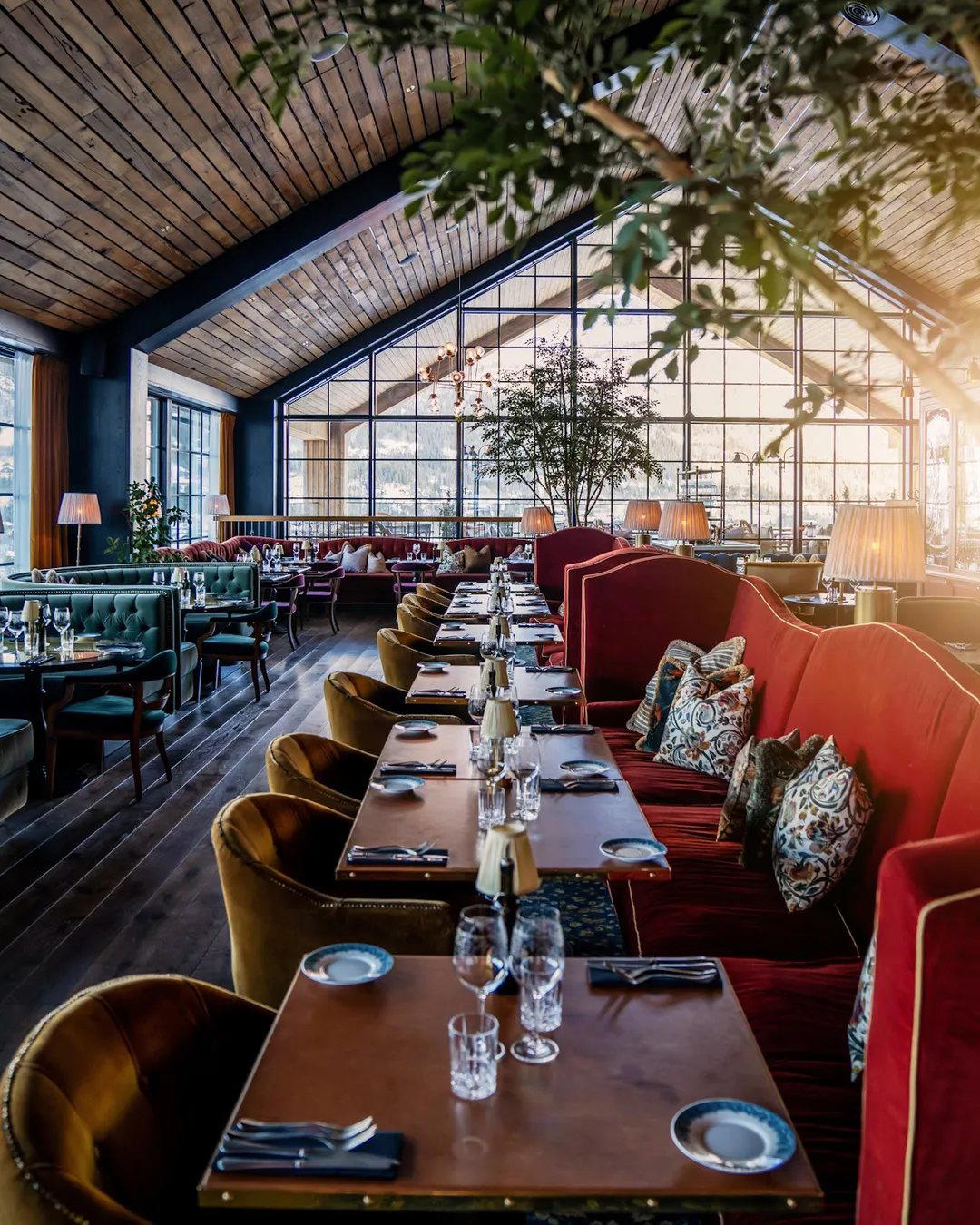
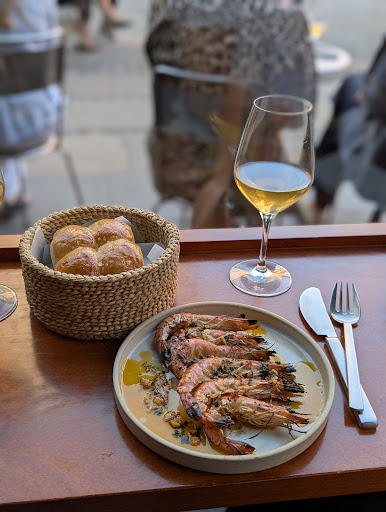
Restaurants in Copenhagen
Browse all →
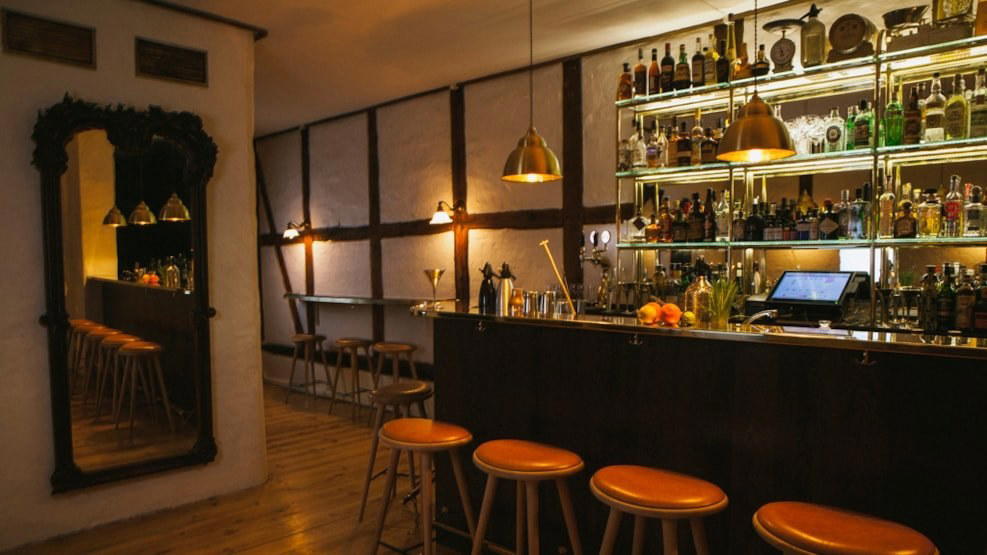
Bars in Copenhagen
Browse all →
Hotels in Copenhagen
Browse all →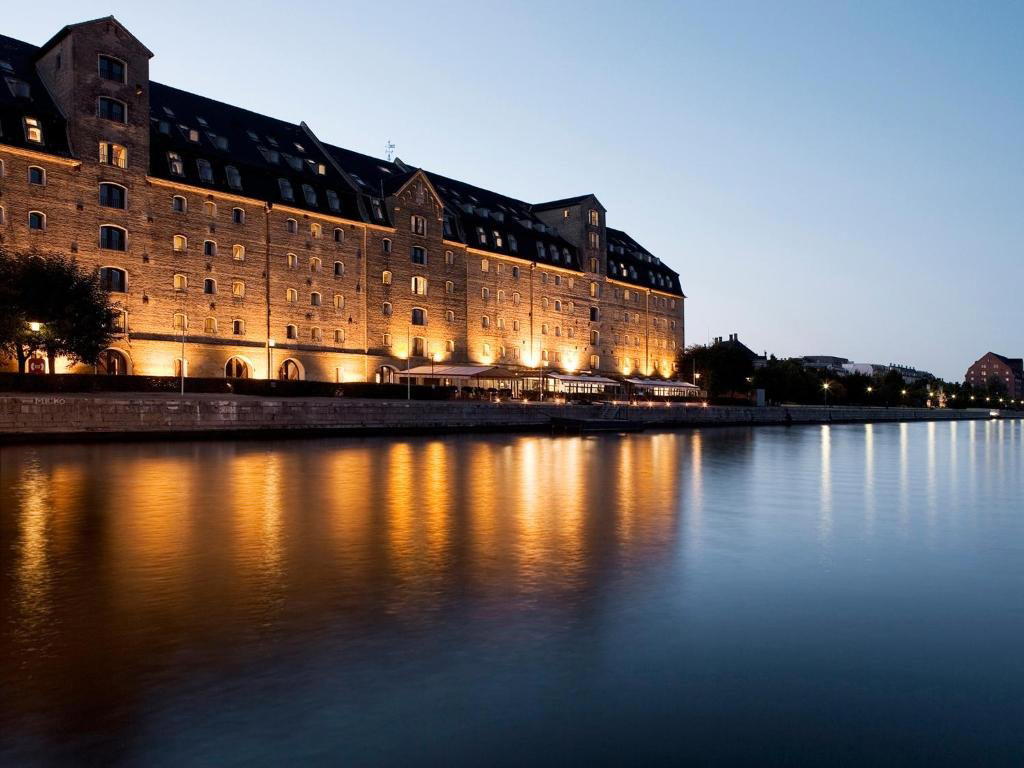

At a Glance
- Elegant
- Sophisticated
- Intimate
- Classic
- Date Night
- Special Occasion
- Business Dinner
- Private Dining
- Historic Building
- Extensive Wine List
- Sommelier Led
- Local Sourcing
Current opening hours
- Monday
- Closed
- Tuesday
- 6 PM–12 AM
- Wednesday
- 6 PM–12 AM
- Thursday
- 6 PM–12 AM
- Friday
- 6 PM–1 AM
- Saturday
- 6 PM–1 AM
- Sunday
- Closed
Hours can change for holidays and private events. Last verified .
Cozy and comfortable with stylish lighting, original vaults and stone floors, elegant design including handcrafted oak chairs and soft designer lighting.
Know Before You Go
- Getting there
- Dronningens Tværgade 2, 1302 København, Denmark