Ruby Hotel Copenhagen
Copenhagen’s hotel scene rewards design literacy: old maritime warehouses, Nordic minimalism, compact boutique formats, and newer lifestyle brands all compete for the same culture-led traveller. Ruby Hotel Copenhagen should be read inside that context, as a city hotel whose value depends less on resort-style facilities and more on how its physical setting, neighbourhood access, and design discipline fit a Copenhagen stay.
Pearl is the En Primeur Club membership app — saves, bookings, and concierge access live there. Same editors, same standards.
- Address
- Gammel Kongevej 74A, Copenhagen, Denmark
- Website
- ruby-hotels.com
 Saves & bookings on Pearl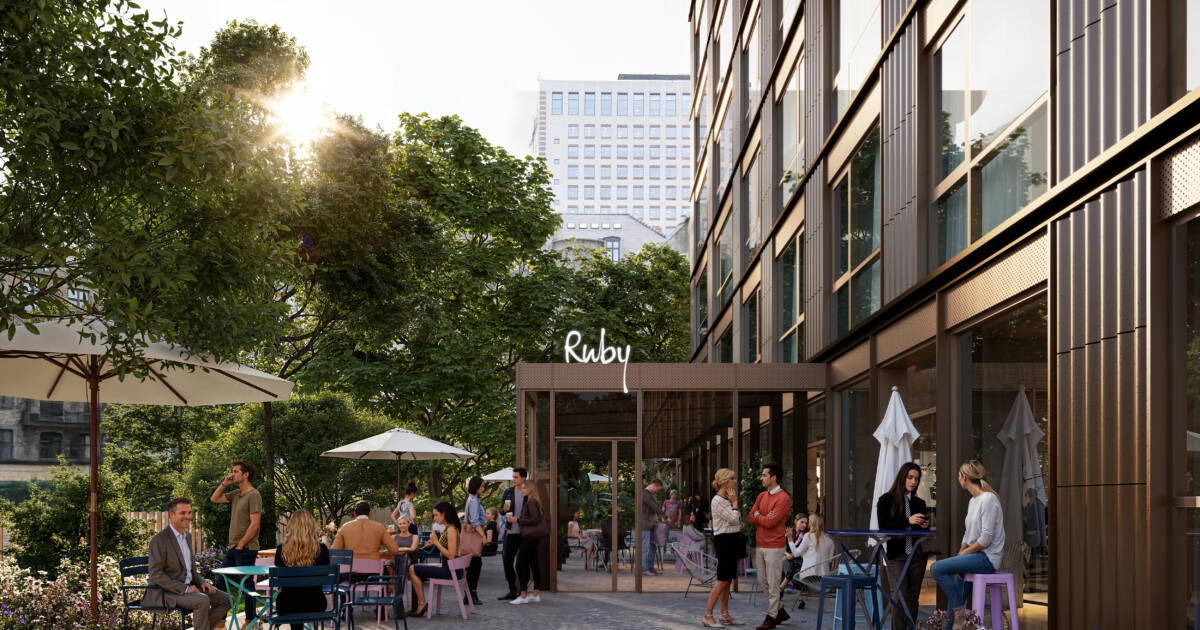
First impressions: Copenhagen through the built environment
Copenhagen hotels announce themselves quietly compared with grand European palace properties. The city’s hospitality grammar is more controlled: brick, timber, water, bicycles, compact lobbies, restrained lighting, and a preference for buildings that feel connected to their street rather than sealed off from it. Ruby Hotel Copenhagen belongs in that conversation. With no published database detail on star rating, room count, awards, architect, address, price band, restaurant, bar, or opening date, the sensible way to assess it is through the category it enters: Copenhagen design-led accommodation, where atmosphere is judged by spatial intelligence and urban fit rather than by marble volume or formal ceremony.
This matters in Copenhagen because the city has a particular relationship with hotels. Visitors often arrive expecting a capital defined by hygge clichés, but the stronger read is architectural: converted port buildings along the harbour, 19th-century streets around the centre, post-industrial islands becoming cultural districts, and residential neighbourhoods where cafés, bakeries, and design shops set the daily rhythm. A hotel succeeds here when it gives access to that urban texture without pretending to be the entire destination. Ruby Hotel Copenhagen, by name and placement in the city hotel category, should be considered against peers in that practical-design tier, not against countryside inns or Alpine grande-dame properties.
The Copenhagen hotel scene is unusually design-conscious
Copenhagen’s reputation for design is not an accessory to its hotel market. Danish modernism, functional domestic interiors, and public-space planning shape how guests read a property before any amenity list enters the conversation. The strongest city hotels tend to understand scale: rooms may be smaller than travellers expect from resort markets, but common areas, circulation, materials, and neighbourhood position carry more weight. That is why comparisons inside the city are useful. 25hours Hotel Indre By sits in the lifestyle-hotel lane, while 71 Nyhavn Hotel draws power from harbour architecture and historic warehouse character. Admiral Hotel works a similar maritime register at a larger scale.
That competitive set clarifies the reader decision. Copenhagen does not require every traveller to chase formal luxury. The better question is whether a hotel supports the way the city is actually experienced: walking between neighbourhoods, using the metro, spending more time in restaurants and museums than in a spa, and returning to a room that feels calm rather than theatrical.
Architecture over spectacle
The assigned lens for Ruby Hotel Copenhagen is architecture and design, and that is the right lens for the city. Copenhagen rarely rewards decorative excess. Its more convincing hotel interiors tend to use proportion, lighting, and tactile materials to create atmosphere. The reliable editorial point is broader: a Copenhagen hotel in this category is judged by how well it handles the transition from street to room, whether public spaces feel usable rather than staged, and whether the design language feels tied to the city rather than imported wholesale.
Design-led travel in Copenhagen has also become more international. The arrival of brands and concept hotels has broadened the field beyond classic boutique addresses. 1 Hotel Copenhagen points toward sustainability-led luxury positioning, while 25hours Hotel Paper Island reflects the city’s newer interest in reclaimed waterfront districts and cultural redevelopment. Against that backdrop, Ruby Hotel Copenhagen reads as part of a market where design is not a decorative category; it is the mechanism by which a hotel signals price tier, guest type, and neighbourhood attitude.
How to judge atmosphere without over-reading the brochure
Atmosphere in Copenhagen is built from restraint. A hotel lobby does not need to perform as a members’ club to feel convincing, and a room does not need heavy decoration to feel considered. The risk for any new or lesser-documented hotel is that guests rely too heavily on brand language and too little on the measurable elements: location, room size, noise exposure, bedding quality, breakfast format, transport access, and the way public areas are actually used during the day. If the property sits near the central districts, its value will likely come from walkability and efficient access to restaurants, shops, and transport. If it sits farther out, the value case should depend on stronger rooms, quieter surroundings, or a more distinctive design proposition.
This is where Copenhagen differs from cities where hotels operate as self-contained destinations. In the Danish capital, the city does much of the work. Dining, drinking, and cultural itineraries pull guests outward. A hotel with modest public programming can still function well if it is spatially calm and connected to the right urban grid.
Peer comparisons inside and outside the capital
Absalon Hotel, Andersen Boutique Hotel, and Andersen Hotel all sit in the city-break category where interiors, transport convenience, and approachable service tend to matter more than resort amenities. The decision between these properties is usually not philosophical. It is a matter of neighbourhood, price on the exact travel dates, room category, and how much visual character a traveller wants after a day in the city.
The comparison changes once the stay extends beyond Copenhagen. Denmark’s hotel culture includes castle hotels, coastal inns, and countryside dining destinations that satisfy a different impulse. Kokkedal Castle Copenhagen in Hørsholm and Dragsholm Slot in Hørve shift the emphasis toward estate setting and historical fabric. Falsled Kro in Falsled, Dyvig Badehotel in Nordborg, Helenekilde Badehotel in Denmark, and Allinge Badehotel in Allinge belong to a slower Danish tradition of inns, coast, and short domestic escapes. Ruby Hotel Copenhagen is a city proposition, so it should not be judged by the emotional vocabulary of those rural and seaside addresses.
Who the hotel is likely to suit
The hotel makes the strongest sense for travellers who treat the hotel as a design-literate base rather than as a resort. Copenhagen rewards guests who spend the day moving: galleries, harbour walks, design shops, bakeries, restaurants, bars, and the occasional train ride to a museum or coastal district. In that rhythm, the room needs to work cleanly, the building needs to feel coherent, and the location needs to reduce friction.
Solo travellers and couples on a culture-led itinerary may find the category better aligned, provided the chosen room type matches the length of stay. A single overnight in Copenhagen tolerates compact rooms; a four-night stay asks more from storage, seating, daylight, and acoustic comfort. These practical details often matter more than brand adjectives in the city’s mid-to-premium hotel bracket.
Planning a Copenhagen stay around design, food, and movement
The practical logic of Copenhagen is simple: stay where daily movement is easy. The city is compact by European-capital standards, but weather and season change the experience. Summer rewards long walking days, harbour swimming culture, outdoor cafés, and late light. Winter shifts value toward transport access, warm common areas, and a room that feels pleasant during longer indoor stretches. Spring and autumn are often strong for museum-heavy itineraries and restaurant travel, when the city feels active without the highest-pressure visitor patterns.
Food planning should sit beside hotel planning, not after it. Copenhagen’s restaurant calendar can dictate the trip, particularly for tasting-menu venues and smaller counters. The city’s wine culture also deserves more attention than casual visitors give it, with natural wine bars, Nordic cellars, and restaurant pairings shaping evening itineraries. Our full Copenhagen wineries guide is useful for wine-focused planning, while Our full Copenhagen experiences guide helps connect hotels to museums, design routes, harbour time, and day plans beyond restaurant reservations.
How Ruby Hotel Copenhagen compares with European design hotels
European luxury has split into several tracks. Palace hotels preserve ceremony, service density, and historic social status. Lifestyle hotels trade on social spaces, graphic identity, and flexible public areas. Design-led boutiques focus on proportion, neighbourhood fit, and a more edited version of comfort. Copenhagen usually performs strongest in the latter two lanes. That makes it different from Hôtel de Paris Monte-Carlo in Monte Carlo or Badrutt's Palace Hotel in St. Moritz, where the hotel itself can dominate the trip through history, scale, and social theatre.
The hotel should also not be read through the same lens as Aman Venice in Venice, where palazzo architecture and canal arrival define the proposition, or The Fifth Avenue Hotel in New York City, where maximal interior expression and urban glamour form a different hotel language. Copenhagen’s appeal is less theatrical. Its hotels succeed when they let the city’s design intelligence remain visible. Regional comparisons also help: Hotel Oasia Aarhus in Aarhus reflects Denmark’s wider appetite for calm interiors and city-scale hospitality, while Park Lane Copenhagen in Hellerup points toward a more residential, northern edge of the capital region.
Editorial verdict
The hotel is best approached as a design-and-location decision within a city that takes interiors seriously. The stronger conclusion is contextual: in Copenhagen, the right hotel is rarely the one with the longest amenity list. It is the one whose architecture, room comfort, and neighbourhood position support the trip the traveller actually intends to take.
For culture-led travellers, that means checking the property against a practical matrix: exact location, transport access, room size, cancellation terms, breakfast needs, and proximity to planned dinners. If the hotel prices near larger lifestyle hotels, compare its design character and room category carefully. If it prices below the city’s more established design addresses, it may function as a sharper base for travellers who want to spend more of the budget on restaurants, bars, and experiences. In Copenhagen, that trade-off often makes sense.
Planning notes
- City: Copenhagen, Denmark.
- Trust signal: Copenhagen itself provides the contextual authority here: the city is internationally associated with design, cycling infrastructure, harbour redevelopment, and a restaurant culture that has shaped modern Nordic dining.
- Seasonal planning: Summer favours outdoor city movement and harbour time; winter places more emphasis on transport access and indoor comfort.
How It Compares
Comparable venues nearby, for context on price, style, and recognition.
| Venue | Cuisine | Price | Awards | Notes |
|---|---|---|---|---|
| Ruby Hotel CopenhagenThis venue — the venue you are viewing | Urban lifestyle ‘lean luxury’ hotel in a converted office building with lively shared spaces and city views. | Not listed | Not listed | Not listed |
| Central Hotel & Café | Single-room boutique in historic cobbler's workshop | $$ | Not listed | Vesterbro-Kongens Enghave |
| 71 Nyhavn Hotel | Historic warehouses with modern Scandinavian comfort | $$$ | Not listed | Indre By |
| Capsule Hotel Copenhagen - Vesterbro | Swiss-designed minimalist capsule hotel targeting budget-conscious solo travelers and backpackers with smart design and social spaces. | $ | 2-Star | Vesterbro-Kongens Enghave |
| Copenhagen Jazz Festival | Hotel | $$ | Not listed | Indre By |
| Zoku Copenhagen | Hybrid serviced apartment hotel blending living, working, and social spaces. | $$$ | Not listed | Amager Vest |
Continue exploring
More in Copenhagen
Hotels in Copenhagen
Browse all →
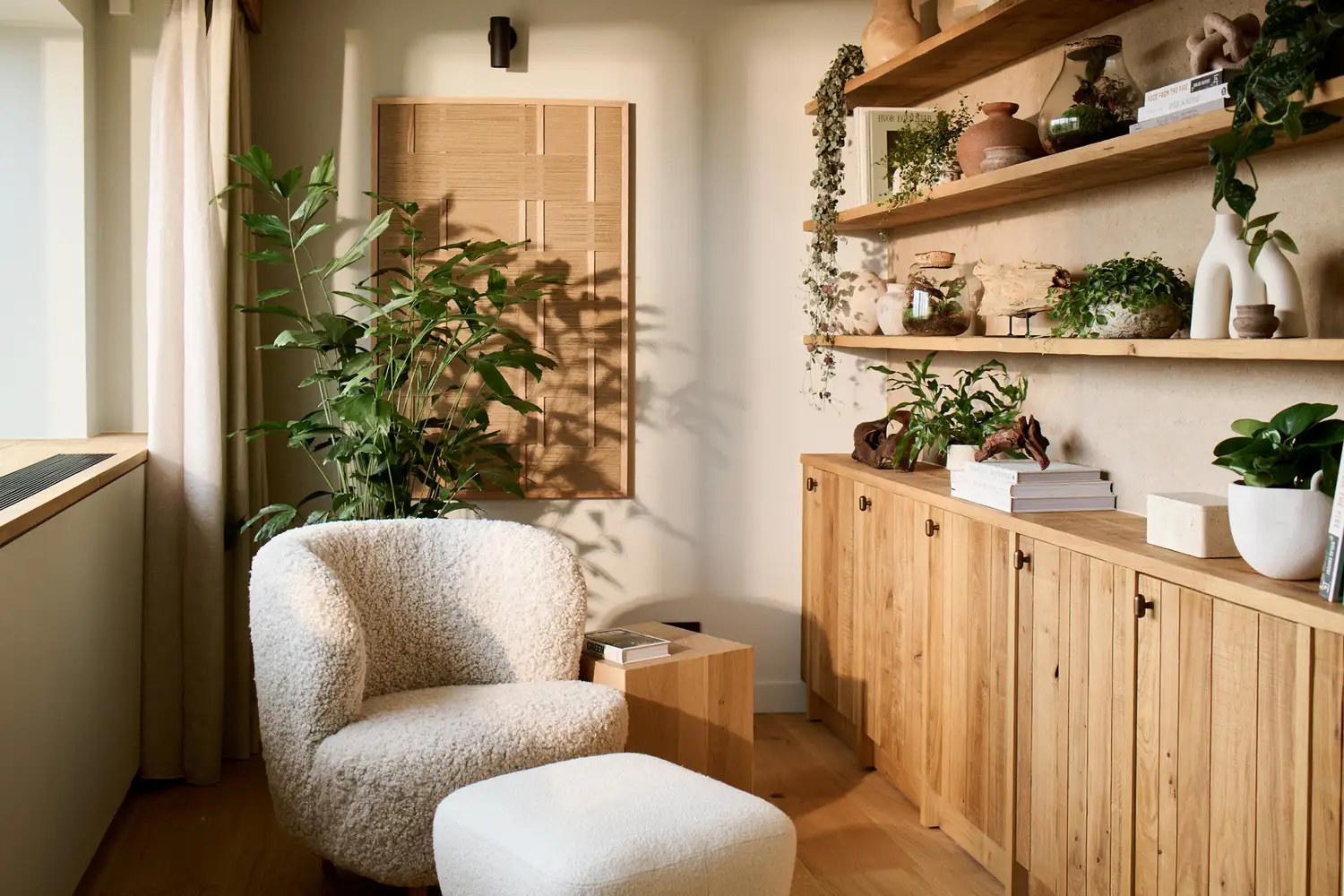
Bars in Copenhagen
Browse all →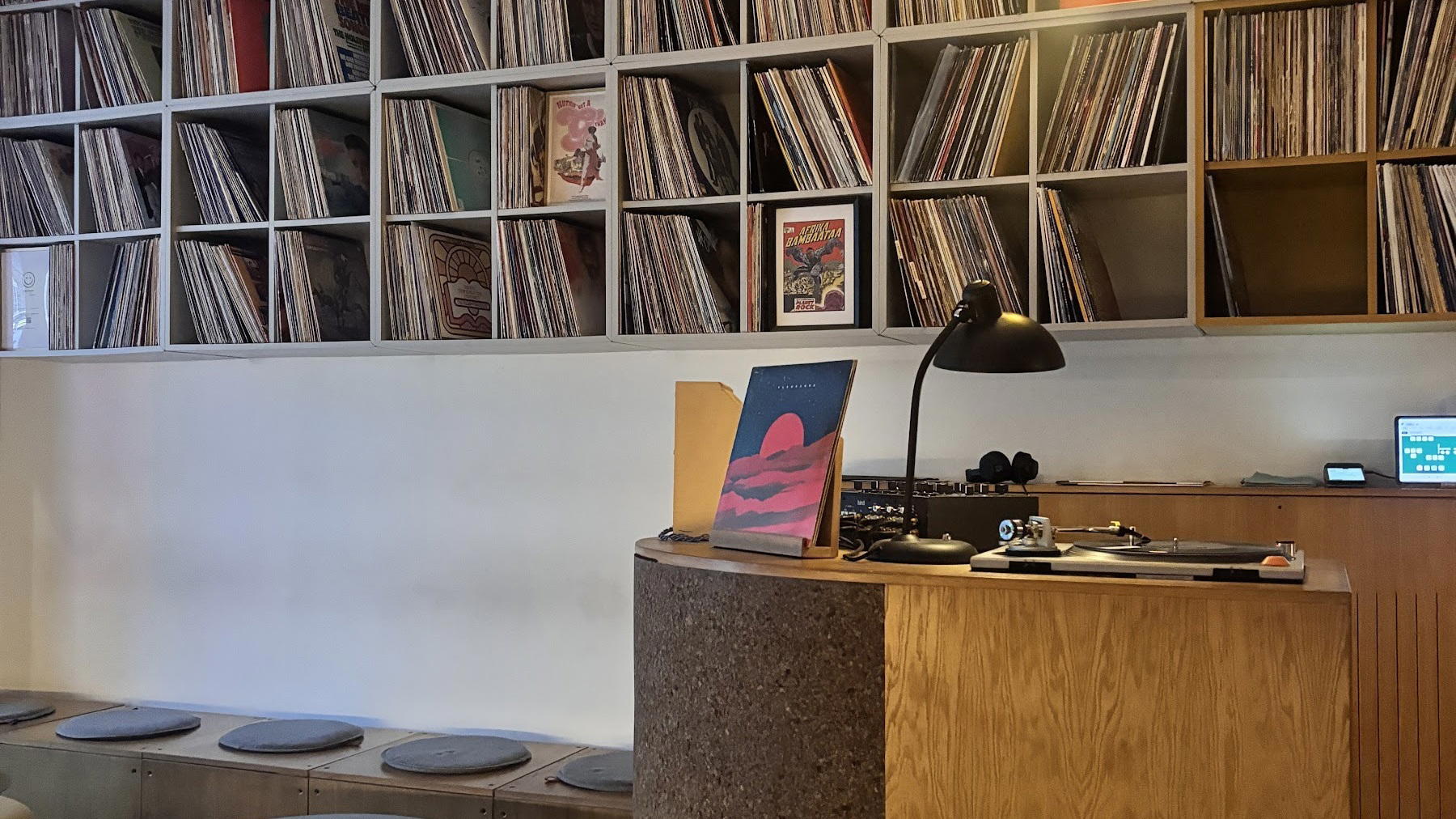
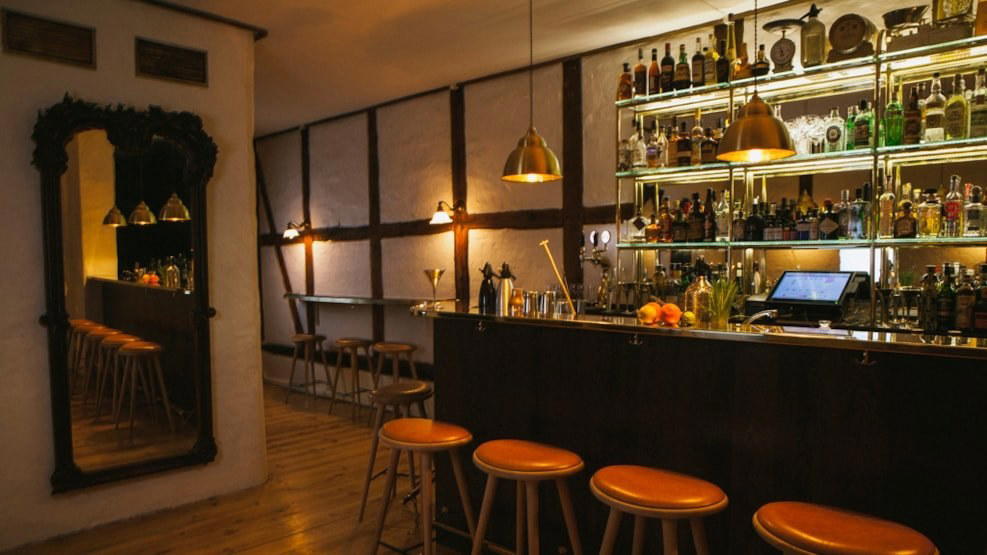
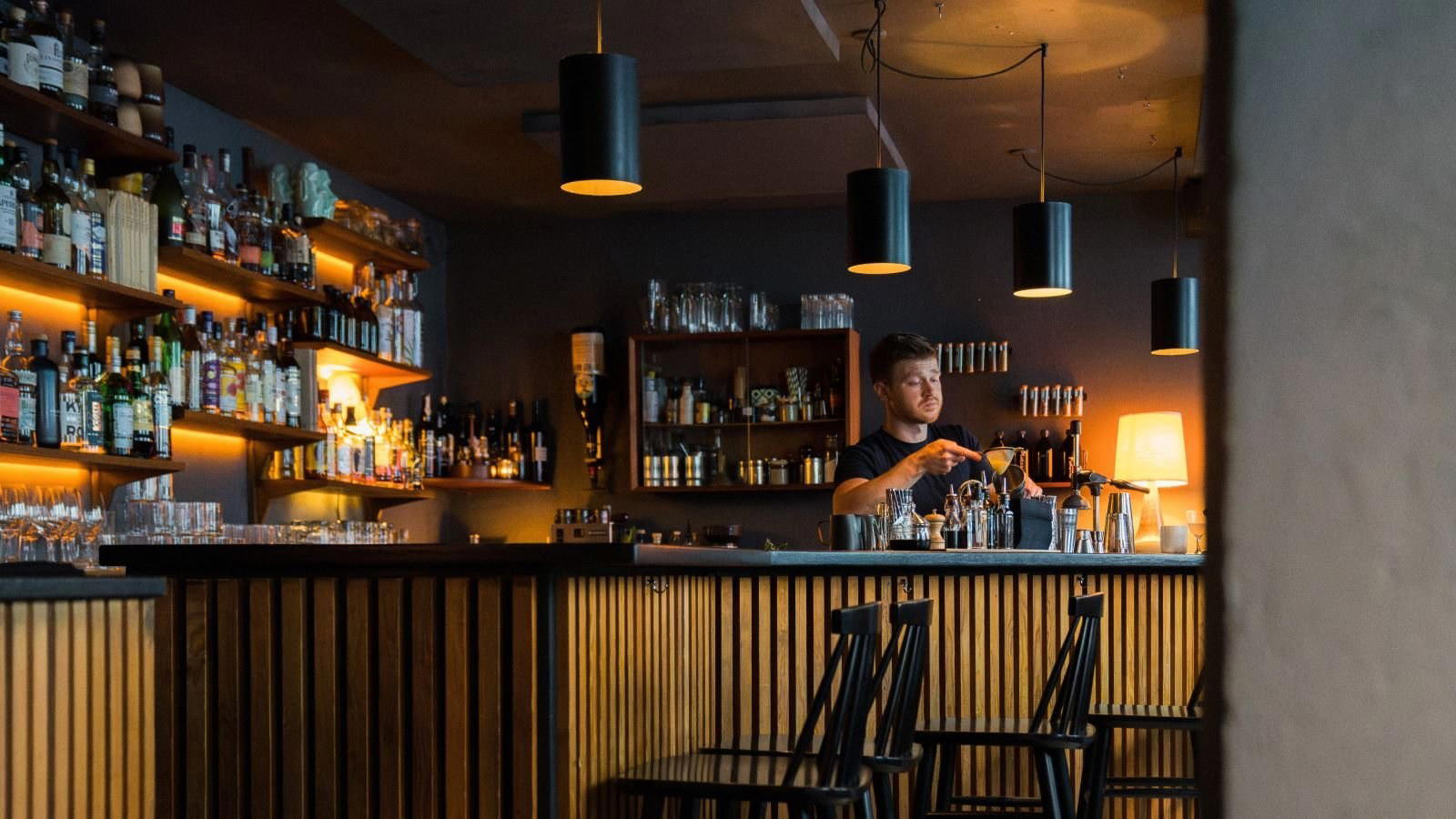
Restaurants in Copenhagen
Browse all →
Wineries in Copenhagen
Browse all →
At a Glance
- Modern
- Trendy
- Lively
- Minimalist
- Sophisticated
- Business Trip
- Weekend Escape
- Romantic Getaway
- Group Retreat
- Terrace
- Design Destination
- Panoramic View
- Historic Building
- Wi Fi
- Skyline
- Street Scene
- Wi Fi
A contemporary urban lifestyle hotel with design-led yet pared-back interiors, lively public areas, and a relaxed but upscale ‘lean luxury’ atmosphere tailored to the character of Copenhagen’s Frederiksberg district.