
Michelin Selected
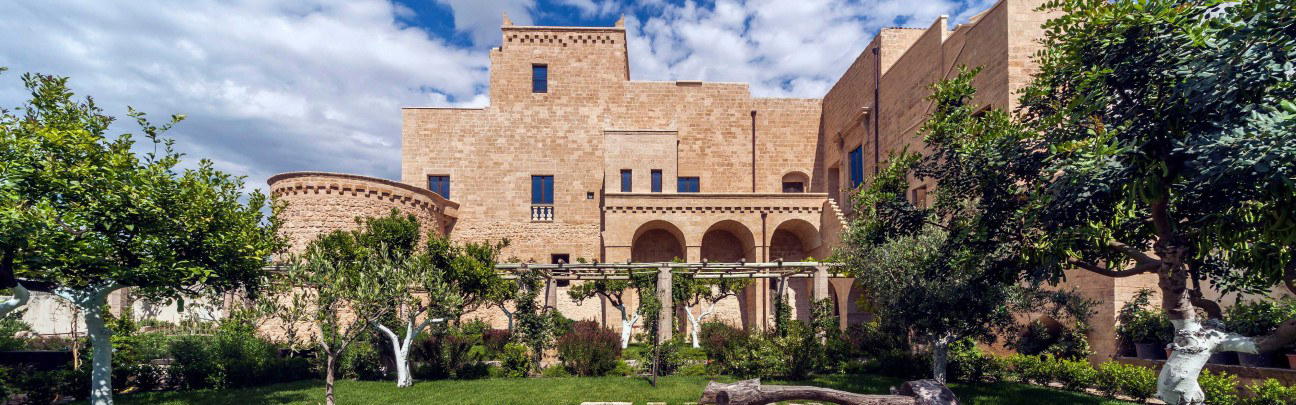
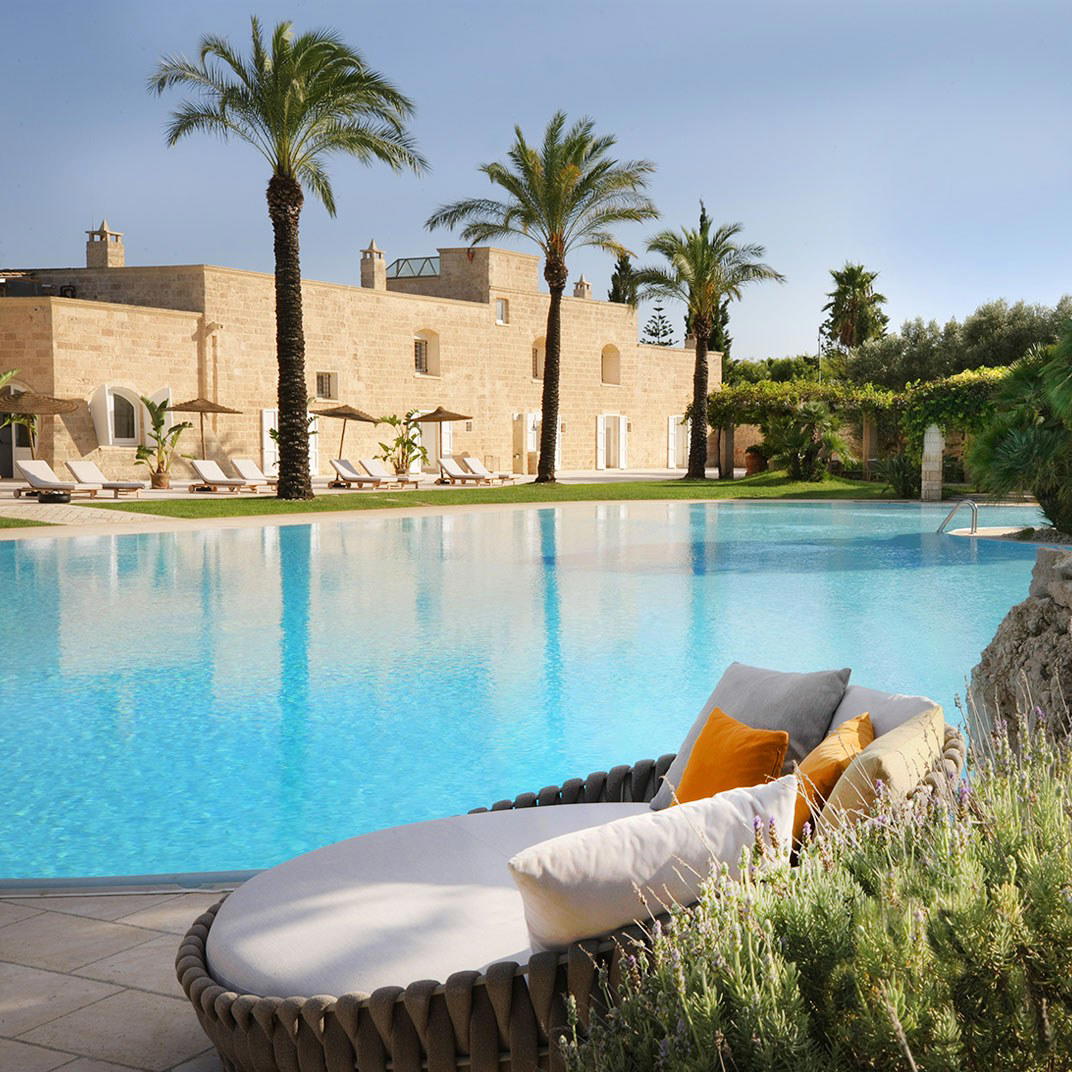
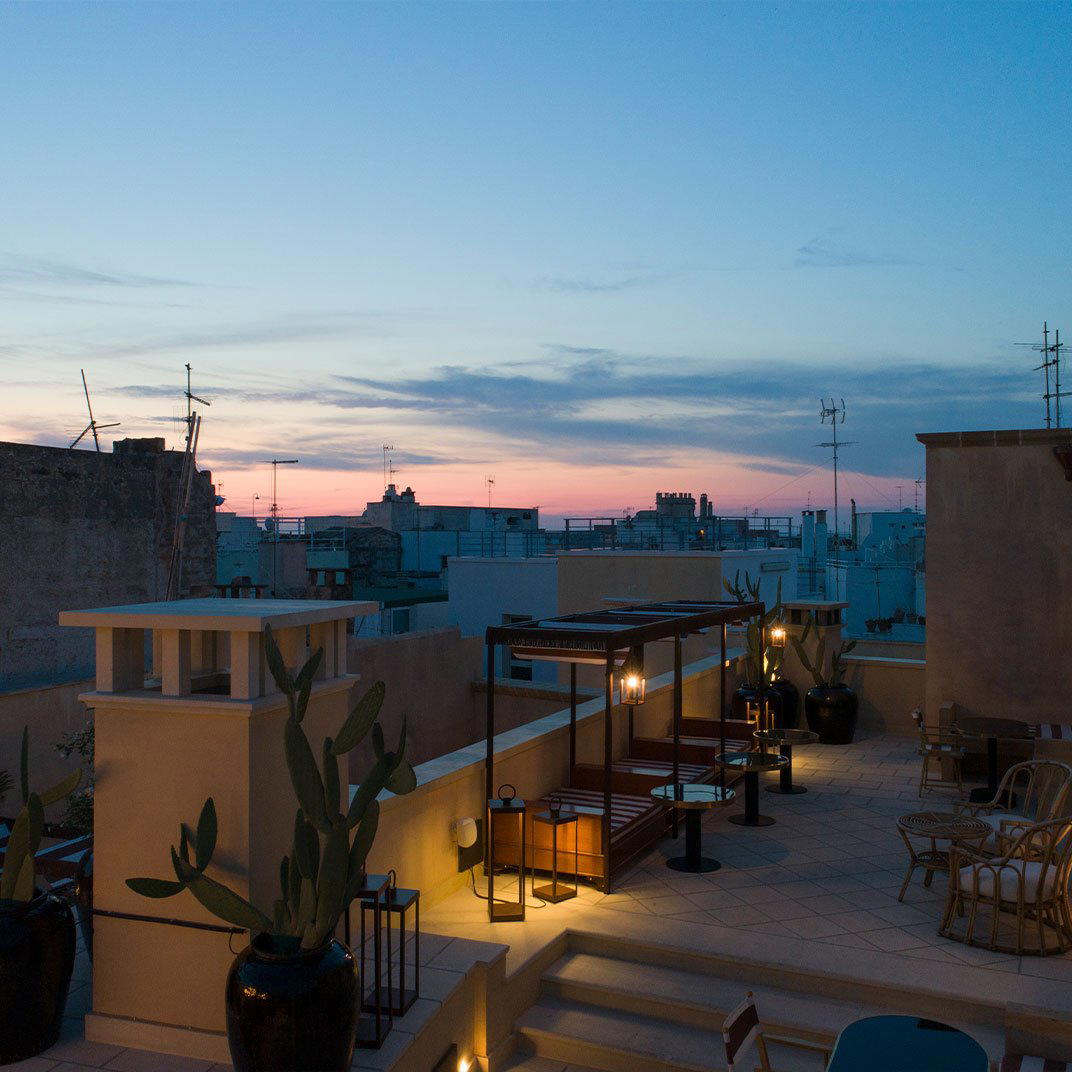
A Michelin Selected property in the Salento countryside, Tenuta Negroamaro occupies a restored masseria estate outside Sannicola, placing it firmly within Puglia's small but serious tier of agrarian luxury stays. The setting — dry-stone walls, ancient olive groves, and the terracotta palette of southern Italy — does the architectural work that polished urban hotels delegate to interior designers.

Pearl is the En Primeur Club membership app — saves, bookings, and concierge access live there. Same editors, same standards.
- Address
- SP 52, Contrada Yuri, Sannicola, Italy
- Phone
- +39 350 196 1997
- Directions
- Get directions
Puglia's Agrarian Luxury Tier, and Where Tenuta Negroamaro Sits Within It
The Salento peninsula has quietly developed one of Italy's more coherent agrarian hospitality traditions. Unlike Tuscany, where the agriturismo format was formalised and then commercialised across several decades, Puglia's version arrived later and with less standardisation, which means the quality gap between properties is wider. At the upper end, a cluster of restored masserie — the fortified farmhouses that once anchored the olive and cereal economy of the south — now operate as genuine destination stays. Tenuta Negroamaro, on the SP 52 outside Sannicola, holds a position in that upper tier, confirmed by its selection for the Michelin Hotels guide 2025, a list that applies editorial filters rather than simply cataloguing accommodation.
The Michelin Selected designation matters here not as a star-count proxy but as a placement signal. The guide's hotel selections in southern Italy skew toward properties where physical setting and architectural coherence do the primary work, rather than amenity count or brand infrastructure. Tenuta Negroamaro fits that profile: a masseria estate whose credentials rest on the building fabric, the surrounding land, and the spatial logic of a working Puglian agricultural compound adapted for hospitality. For properties that approach this category through similar routes, Borgo Egnazia in Savelletri di Fasano offers a useful comparison, a larger, more programmatic version of the same regional tradition.
The Architecture of a Masseria Stay
Masserie were built to function, not to charm. The thick limestone walls, small high windows on exterior faces, and inward-facing courtyard layouts were responses to heat, security, and the logic of agricultural storage. When properties in this category are converted well, they keep that structural honesty rather than softening it into a stage set. The approach differs sharply from the kind of historic-building hospitality found at, say, Castello di Reschio in Lisciano Niccone or Rosewood Castiglion Del Bosco in Montalcino, where the intervention budget ran to full architectural reinvention. In Salento, the more persuasive properties lean into the agricultural rawness, stone floors worn smooth, exterior walls that hold the heat of the afternoon sun, outdoor spaces that read as genuinely rural rather than landscaped.
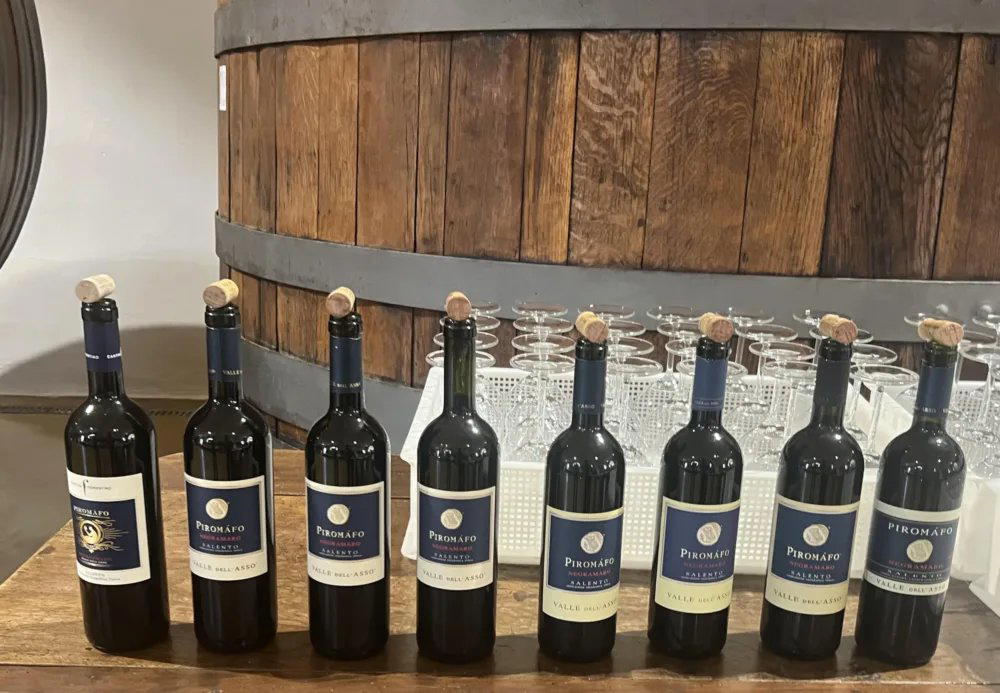
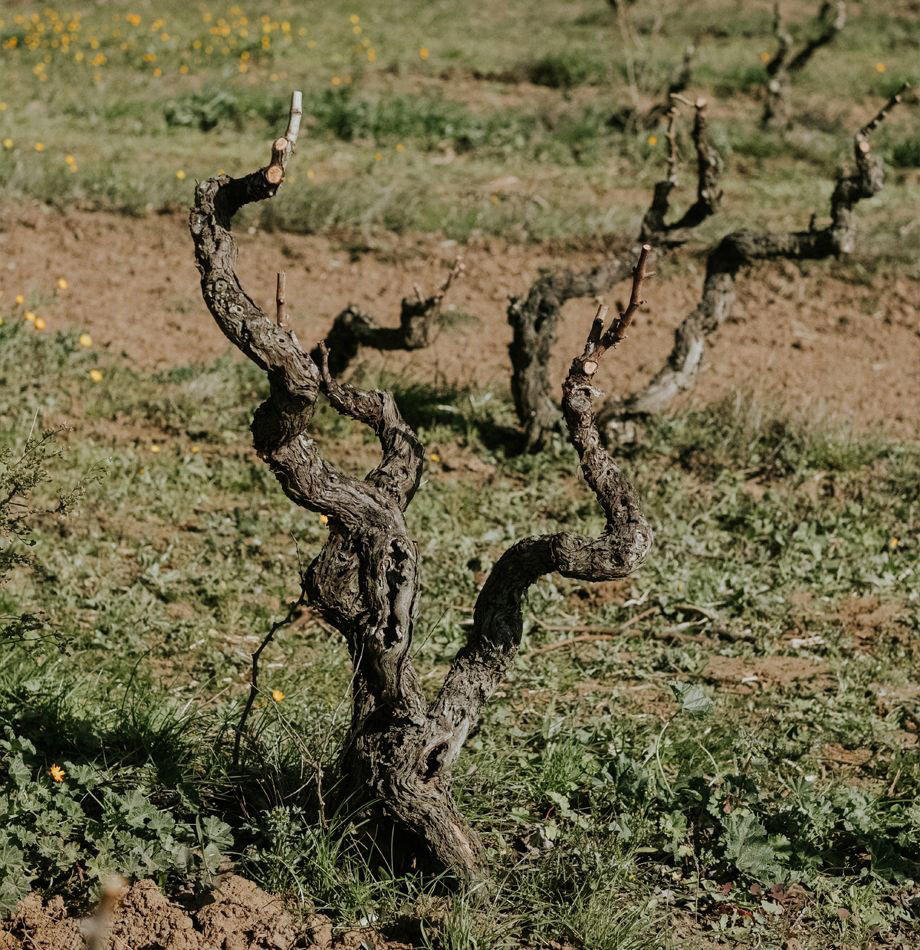
Tenuta Negroamaro operates within that tradition. The address on the SP 52, a secondary road running through the flat inland terrain between Gallipoli and Galatina, places it in working agricultural country rather than on a scenic coastal promontory. That positioning is a design statement in itself. The surrounding olive groves, some of which will be centuries old in a region where Leccino and Ogliarola cultivars have been cultivated since antiquity, provide the visual frame that a manicured garden would undermine. The name references the Negroamaro grape, the dominant red variety of Salento, which signals an intentional rootedness in the specific agricultural identity of this corner of Puglia rather than generic southern Italian pastoral.
Salento's Position in the Italian Luxury Property Map
Italy's premium hospitality map rewards knowing where you are relative to the main circuits. The Amalfi Coast properties, among them Borgo Santandrea and Il San Pietro di Positano, operate on a summer-peak model where coastal access and views justify high pricing and compressed seasons. Venice's top tier, including Aman Venice, trades on urban architectural grandeur in a setting with zero rural agricultural character. Salento masserie occupy a distinct and less internationally marketed category: inland, agricultural, and dependent on the landscape itself rather than a manufactured amenity stack.
That positioning has both advantages and constraints. The advantage is a quieter, less itinerary-driven experience than Amalfi or Venice. The constraint is that Salento requires deliberate travel. The nearest major airport, Brindisi, is manageable; the drive south through the Salento flatlands is direct, though the regional road network rewards patience. This is not a city-break destination. It functions leading as a four-to-seven-night stay anchored by the property itself, the local food economy of Lecce and Gallipoli, and the Adriatic and Ionian coastlines that bracket the peninsula.
For travellers building an extended Italian itinerary, Salento works as a counterpoint to the more saturated northern circuits. A stay at Tenuta Negroamaro pairs logically with the Baroque architecture of Lecce, the fish markets of Gallipoli, and the ciceri e tria, the fava and chicory dishes, and the raw sea-urchin preparations that define the regional food culture. This is cuisine grounded in the specific ecology of the heel of Italy, not in imported fine-dining convention.
Within Puglia specifically, the masseria hospitality tier has a few reference points that help calibrate Tenuta Negroamaro's position. Borgo Egnazia in Fasano is the largest and most resort-like property in the category, with multiple food and beverage outlets, a spa of genuine scale, and the brand recognition that comes with hosting major international events. Tenuta Negroamaro operates at a smaller, quieter register. For travellers who find Borgo Egnazia's scale and programming volume closer to a resort holiday than an agricultural retreat, the Sannicola property offers a different orientation.
Elsewhere in Italy, the small-property agrarian model has its own reference points. Casa Maria Luigia in Modena applies a similar principle in the Emilian countryside, though the culinary axis there is the dominant draw. Borgo San Felice Resort in Castelnuovo Berardenga represents the Tuscan version, a walled medieval hamlet converted into a hotel, with wine production still running on the estate. Tenuta Negroamaro's version is geographically and aesthetically distinct from both: flatter, hotter, more emphatically southern in its agricultural identity.
Planning a Stay
Salento's season concentrates between late May and early October, with July and August representing the peak coastal influx. For the masseria experience specifically, late spring and early autumn offer the more considered option: the heat is workable, the olive groves are at their most active, and the coastal towns operate without the summer-weekend density. Arriving via Brindisi airport keeps the drive to under an hour for most Salento properties; Bari is also feasible for those adding the northern Puglia coast to a broader itinerary.
For readers building a broader Italian property shortlist, the EP Club guides to related property types provide useful context: our coverage of Il Pellicano in Porto Ercole, Passalacqua in Moltrasio, and Four Seasons Hotel Firenze maps the range from which Tenuta Negroamaro's southern agrarian positioning emerges as genuinely distinct. See also our full Sannicola guide for the broader local context. Further afield, properties including Portrait Milano, Bulgari Hotel Roma, JK Place Capri, Corte della Maestà in Civita di Bagnoregio, Therasia Resort in Lipari, Castel Fragsburg in Merano, Bellevue Hotel & Spa in Cogne, Il Sereno in Torno, Grand Hotel Tremezzo, Savoia Excelsior Palace Trieste, The Fifth Avenue Hotel in New York City, Badrutt's Palace Hotel in St. Moritz, and Hôtel de Paris Monte-Carlo complete a European luxury circuit against which Salento's agricultural stays register as a deliberate departure.
Comparable Spots, Quickly
| Venue | Price | Awards |
|---|---|---|
| Tenuta NegroamaroThis venue — the venue you are viewing | Not listed | Michelin Selected |
| Aman Venice | $1,000–1,500 | 3 Michelin Keys · World's 50 Best #79 |
| Cipriani, A Belmond Hotel, Venice | $750–1,000 | 3 Michelin Keys · World's 50 Best #72 |
| Four Seasons Hotel Firenze | $750–1,000 | 3 Michelin Keys · World's 50 Best #12 |
| Rosewood Castiglion Del Bosco | $1,000–1,500 | 3 Michelin Keys · World's 50 Best #62 |
| Bulgari Hotel Roma | Not listed | 3 Michelin Keys · World's 50 Best #32 |
Recognition history
Dated appearances from independent guides and award organizations, with the underlying list record or original source where available.
Michelin Selected
Michelin
Continue exploring
More in Sannicola
Hotels in Sannicola
Browse all →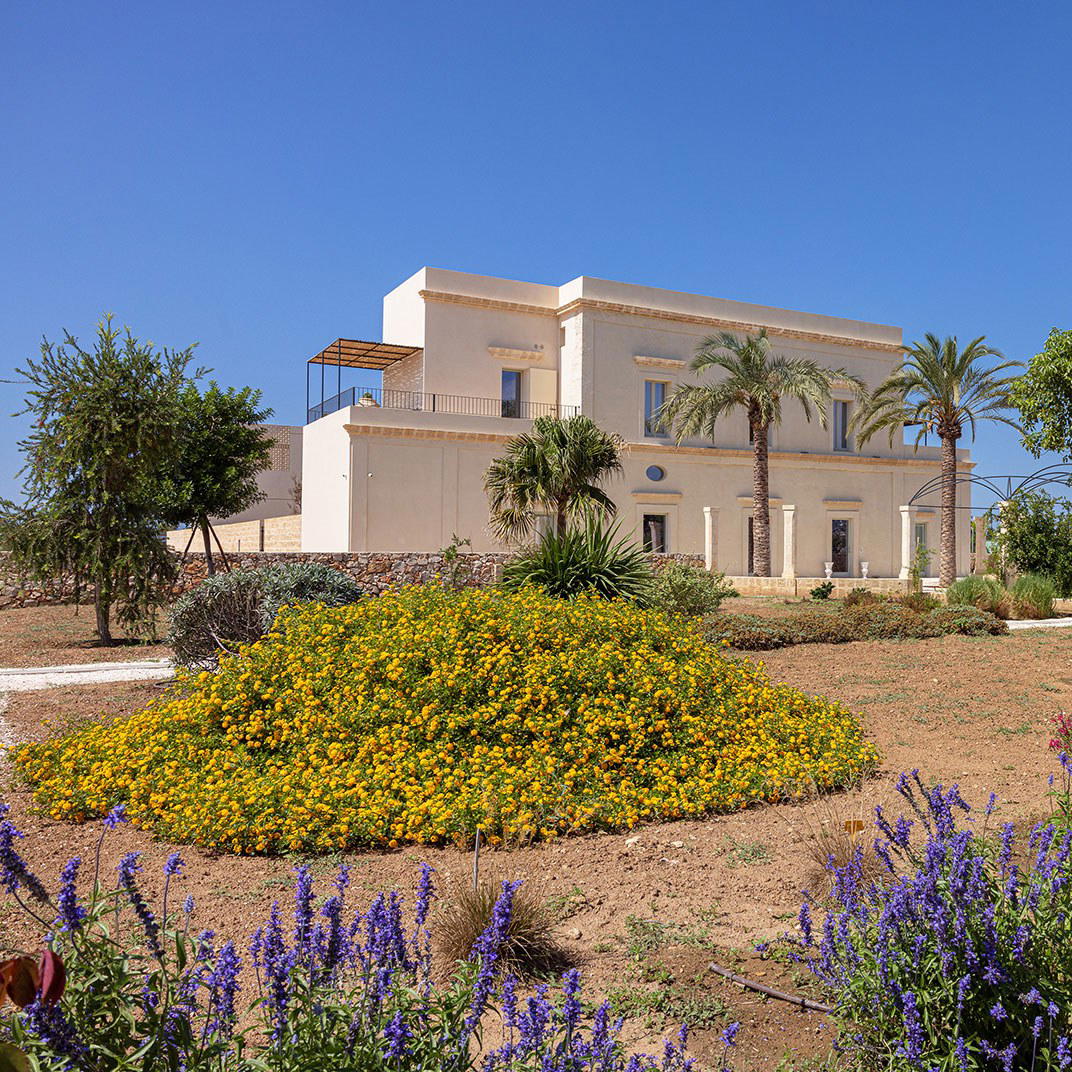
Bars in Sannicola
Browse all →
Restaurants in Sannicola
Browse all →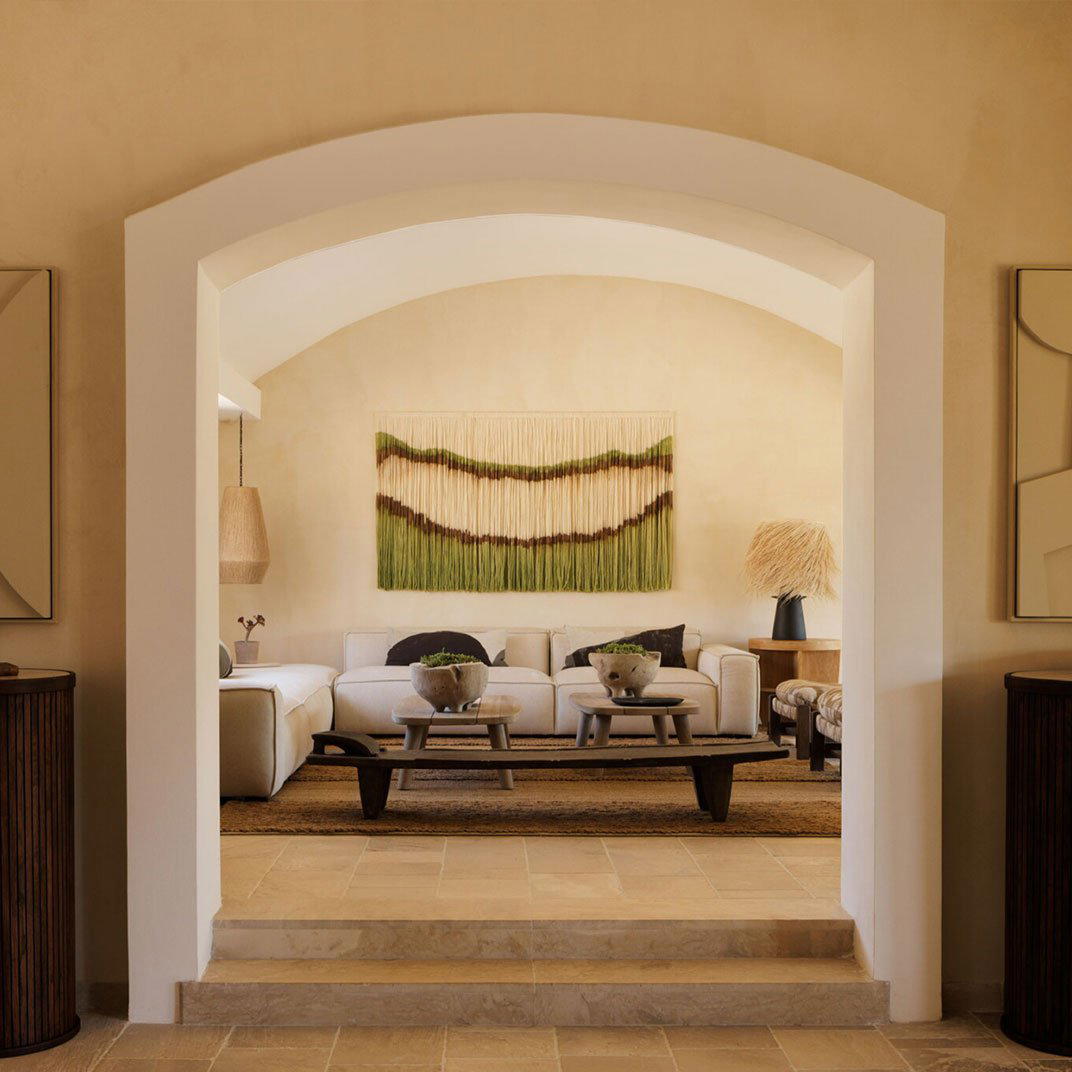

Details
- Rustic
- Quiet
- Romantic
- Cozy
- Elegant
- Romantic Getaway
- Honeymoon
- Weekend Escape
- Garden
- Terrace
- Wi Fi
- Pool
- Concierge
- Airport Transfer
- Garden
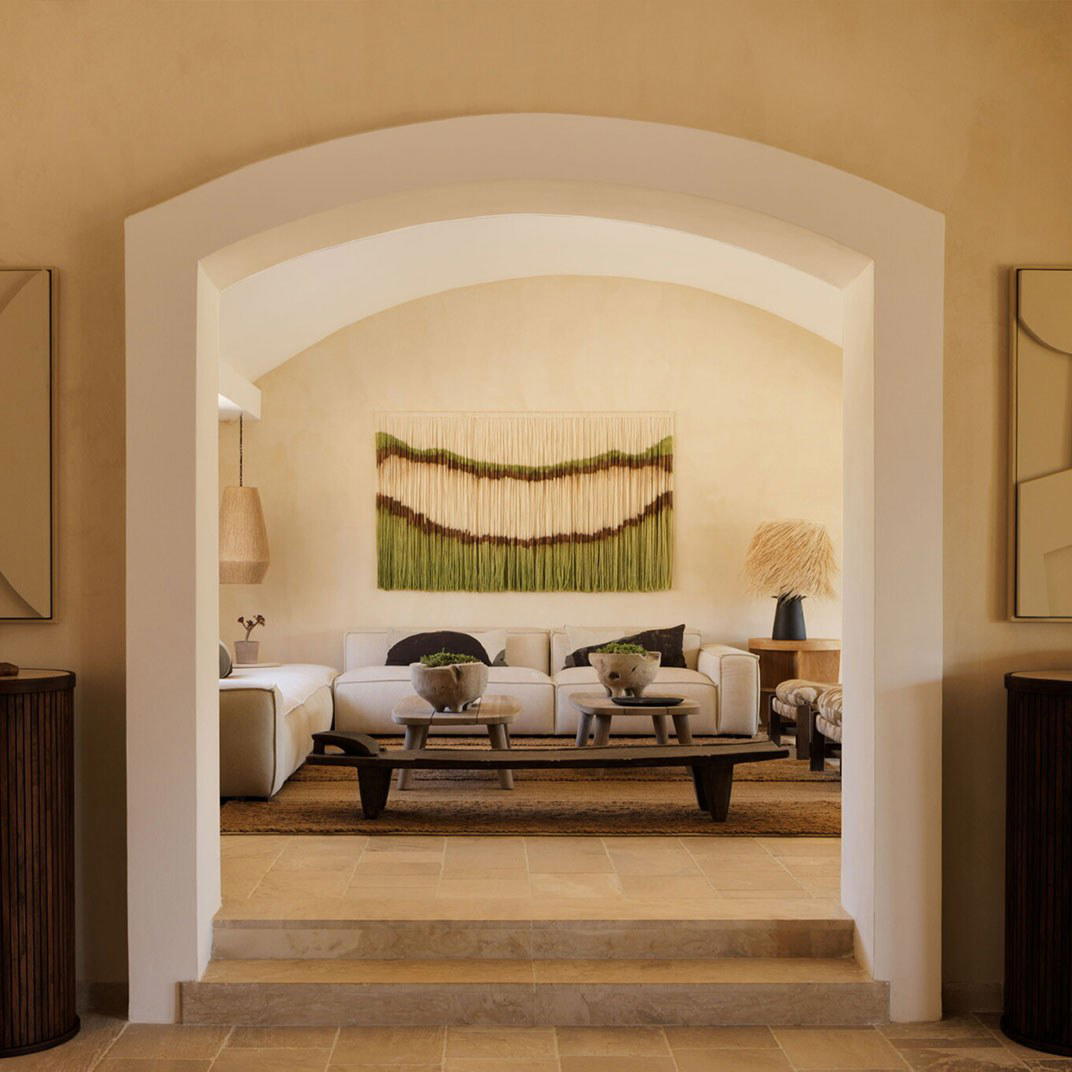
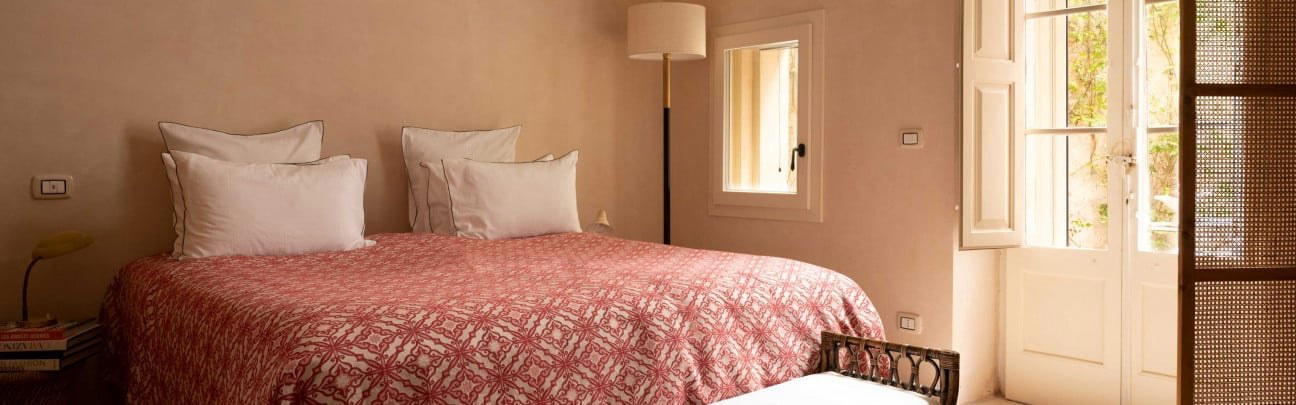
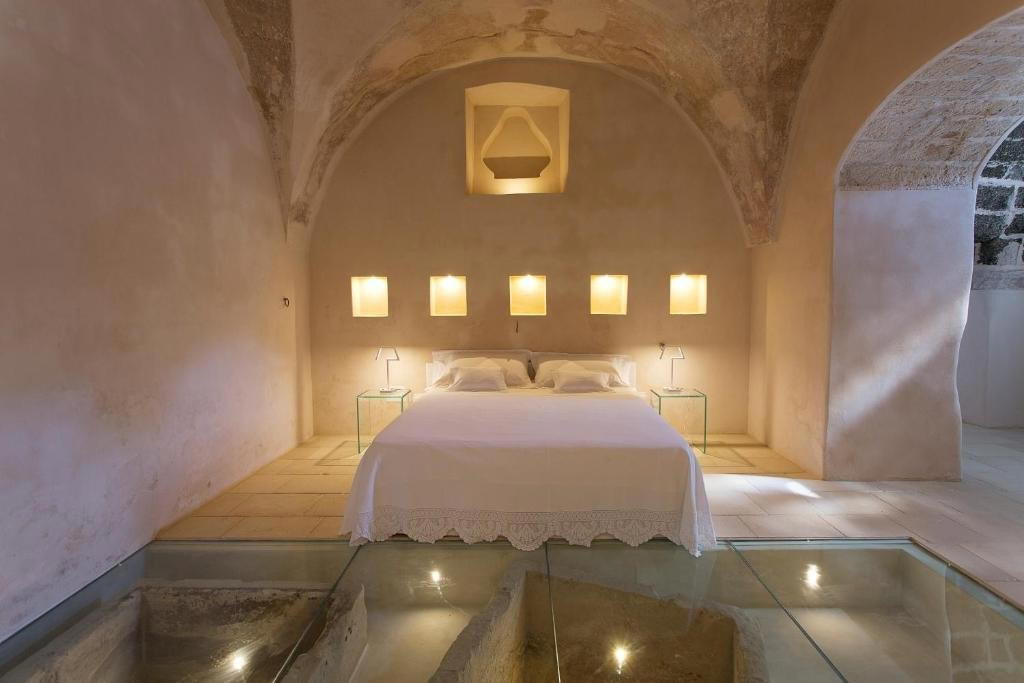
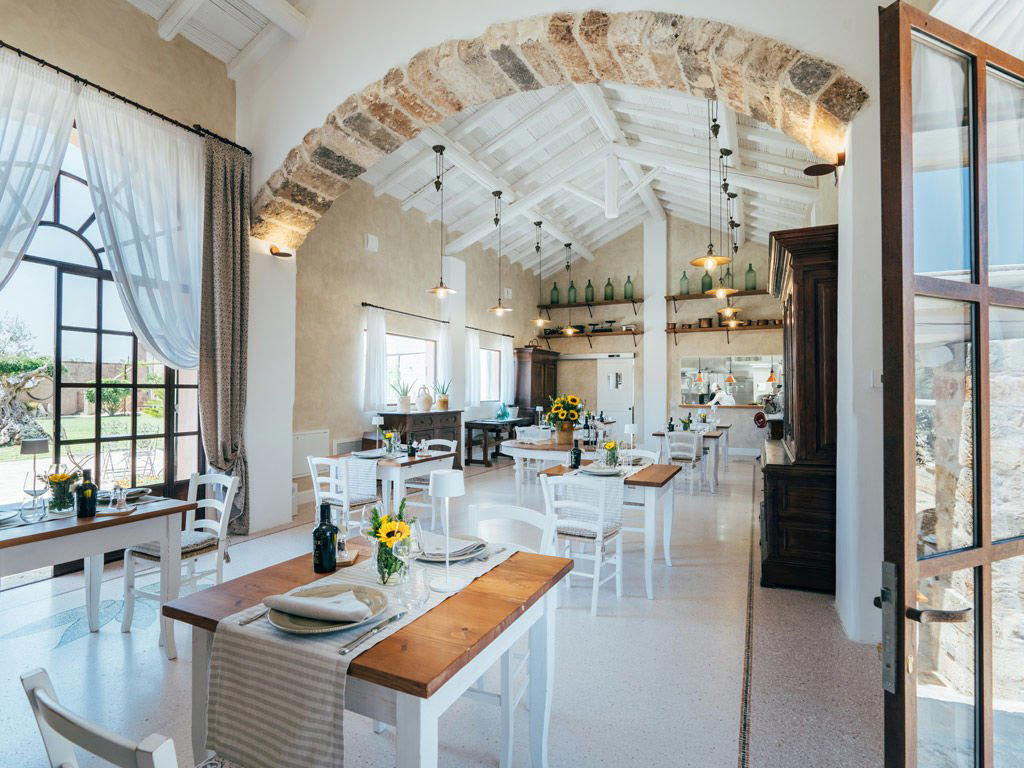
Earthy tones, natural materials like Pietra Leccese stone and travertine, vaulted ceilings, and tactile handmade elements create a serene, rustic-chic atmosphere.