
Principe di Salina sits on Salina, the greenest and most topographically dramatic of the Aeolian Islands, holding a Michelin Selected designation in the 2025 hotels guide. The property occupies a position on the island that places it squarely in the quieter, smaller-scale tier of Italian island hospitality, a counterpoint to the branded resort model that dominates larger Sicilian coastal destinations.
Pearl is the En Primeur Club membership app — saves, bookings, and concierge access live there. Same editors, same standards.
- Address
- Via Nazionale 3, Salina, Italy
- Phone
- +39 090 984 4415
 Saves & bookings on Pearl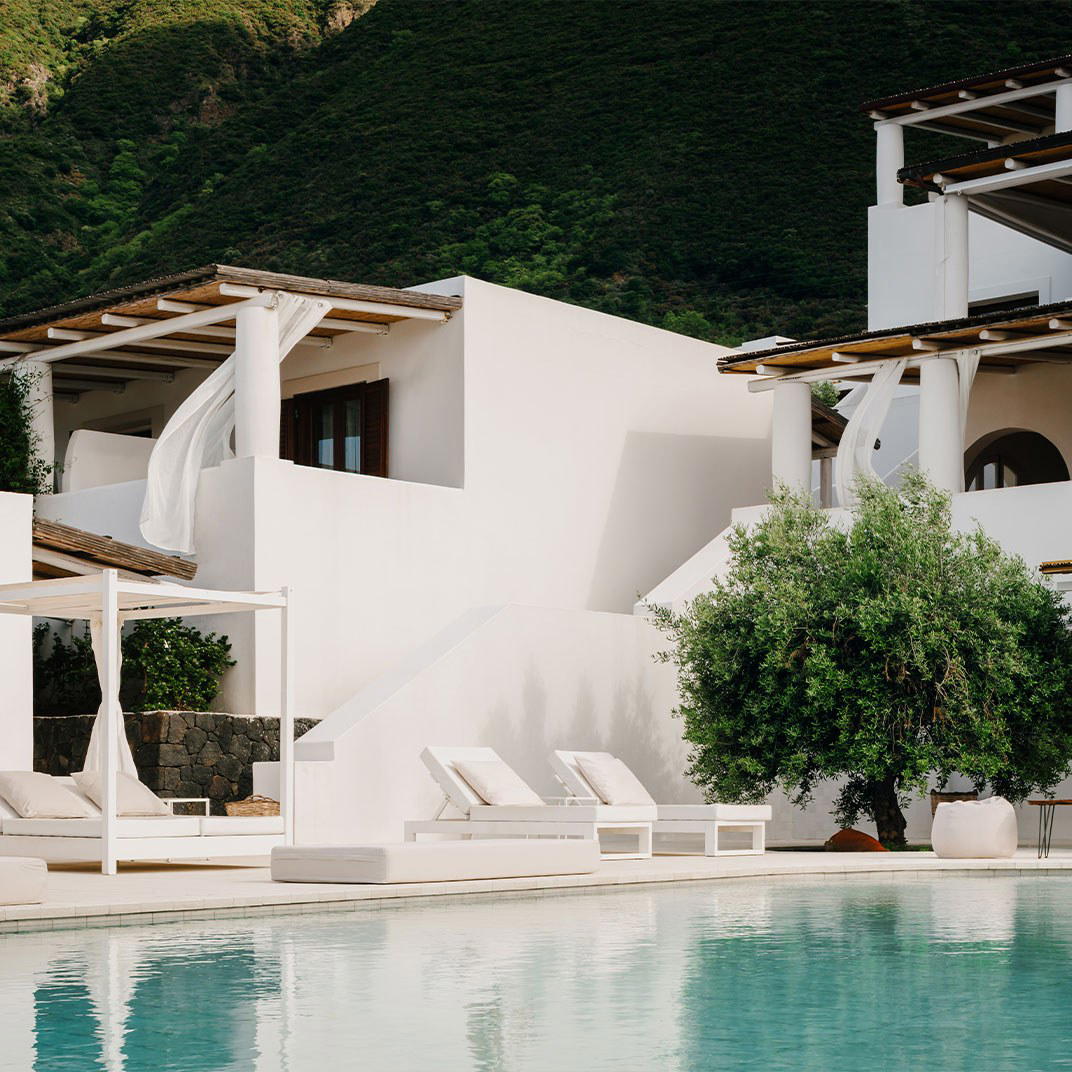
An Island That Resists the Obvious
Among the seven Aeolian Islands scattered north of Sicily, Salina has long occupied a different register from its neighbours. Stromboli draws volcanologists and thrill-seekers; Panarea draws yachts and summer social circuits. Salina draws people who have done both and decided they prefer something quieter. The island's interior rises steeply, Monte Fossa delle Felci reaches nearly 1,000 metres, and its coastline is indented enough to keep mass tourism structurally difficult. It is this geography as much as any deliberate policy that has shaped the character of lodging here.
That character tends toward the family-run, architecturally restrained, and seasonally acute. Hotels that succeed on Salina generally do so by working with the landscape rather than against it: terraced gardens over steep drops, whitewashed walls that reflect rather than compete with the light, outdoor spaces calibrated to the prevailing winds off the Tyrrhenian.
What Michelin Selection Means in This Context
Michelin's hotel selection process operates on different criteria from its restaurant ratings. A Michelin Selected hotel is assessed on atmosphere, service quality, comfort, and the coherence of the overall experience, not on culinary output alone. On an island like Salina, where the dining ecosystem is dominated by small trattorias serving capers, Malvasia, and locally caught fish rather than by grand hotel restaurants, this distinction matters. Properties that earn Michelin Selected status here are being recognised for the quality of the stay itself: the condition of rooms, the attentiveness of staff, and the degree to which the property communicates something specific about where it is.
For comparison, larger-footprint properties across southern Italy, from Borgo Santandrea on the Amalfi Coast to Il San Pietro di Positano, occupy a tier defined partly by their architectural drama and partly by their operational scale. Salina's Michelin Selected properties, by contrast, operate in a more contained register, where the quality signal comes from precision rather than grandeur. The Aeolian context sets the terms: the island does not support the kind of resort infrastructure you find further south, and properties here are assessed against what is actually achievable and appropriate in that setting.
Design Logic on a Volcanic Island
Aeolian architecture has its own internal logic, developed over centuries of building on steep, wind-exposed terrain using limited local materials. The vernacular involves cubic forms, external staircases, deep-set windows, and the use of the dammuso tradition, thick-walled rooms that stay cool without mechanical intervention. Contemporary hotel design on the islands either works within this vocabulary or risks looking imported and incongruous.
Properties that succeed architecturally on Salina tend to treat outdoor space as the primary room: shaded terraces positioned for the afternoon breeze, gardens planted with the island's characteristic capers and broom, views oriented toward the volcanic silhouettes of Lipari and Stromboli on clear days. The relationship between interior and exterior is not decorative but functional, a response to a climate where the outdoors is habitable for most of the year and where the quality of natural light changes dramatically between morning and evening. The nearby Therasia Resort on Lipari addresses similar constraints on an adjacent island, and comparing the two properties gives a useful sense of how differently architects and operators can respond to the same Aeolian conditions.
Principe di Salina sits on Via Nazionale, which connects the island's small settlements. Position on or near this road keeps a property accessible without placing it at any single village's centre of gravity, which has its own advantages for guests who want to move between the island's distinct atmospheres across a stay.
The Salina Accommodation Tier
Salina's hotel offering splits broadly into two categories: the design-led, internationally recognised properties with a following among Italian and northern European travellers, and the smaller, owner-operated structures that rely almost entirely on word of mouth and repeat bookings. Principe di Salina, with its strong guest reviews, sits closer to the first category without operating at the scale of a full-service resort. Hotel Signum is one prominent reference point in the former group, holding both Michelin recognition and a more established international profile; comparing the two properties gives a useful read on Salina's upper accommodation tier.
Elsewhere in Italy's island hospitality market, the contrast is instructive. JK Place Capri and the broader Capri luxury hotel circuit operate at price points and with infrastructure that would be structurally impossible on Salina. The Aeolian Islands are simply not Capri, the ferry schedules, the absence of car culture beyond the immediate island roads, and the seasonal rhythm of the place all define a different kind of stay. The properties that thrive here do so by making those constraints into selling points rather than treating them as deficiencies.
For readers building a broader Italian itinerary around Principe di Salina, the southern Italian coastal tier includes a range of options at varying scales and styles: Borgo Egnazia in Savelletri di Fasano represents the larger-footprint resort model in Puglia, while Il Pellicano in Porto Ercole offers a different template for discreet Italian coastal lodging on the Tyrrhenian side of the peninsula. Further north, properties like Passalacqua in Moltrasio and Il Sereno in Torno demonstrate how design-led Italian hospitality operates in an entirely different geographic register. For those whose Italy extends into Tuscany, Rosewood Castiglion Del Bosco in Montalcino and Castello di Reschio in Lisciano Niccone represent the estate-based model that anchors that region's luxury accommodation offer.
Planning the Stay
Salina's tourist season runs from late April through October, with the core summer months of July and August representing peak demand across all accommodation categories. Principe di Salina has 14 rooms. The shoulder months, May, June, and September, offer more availability and, a more accurate experience of the island: the light is still notable, the sea temperature swims comfortably, and the capers are in flower or just harvested, giving the landscape a specific character that the height of summer obscures under tourist volume.
Access to Salina is by ferry or hydrofoil from Milazzo on the Sicilian mainland, or by connections from Messina and Palermo. The crossing takes between one and two and a half hours depending on the service type and point of departure. Salina has no airport, which is a meaningful filter on the kind of traveller the island attracts, and, for those who value that filter, part of the point.
In Context: Similar Options
Comparable venues nearby, for context on price, style, and recognition.
| Venue | Cuisine | Price | Awards | Notes |
|---|---|---|---|---|
| Principe di SalinaThis venue — the venue you are viewing | barefoot luxury | $$$$ | Not listed | Not listed |
| Hotel Signum | Aeolian country house with modern refinements | $$$$ | Michelin 1 Key | Malfa |
| The Inn At The Spanish Steps | Historic palazzo renovated as intimate boutique hotel with annexes and private terraces. | $$$$ | Not listed | Campo Marzio |
| Natiia Relais | Historic castle facade with modern interiors and winery | $$$$ | Not listed | Lazise |
| Palazzo Luce | Historic palazzo reimagined as an exclusive art and design residence | $$$$ | Not listed | Old Town |
| Masseria Antonio Augusto | Restored traditional Puglian masseria with luxury boutique interiors | $$$$ | Not listed | Leverano |
Recognition history
Dated appearances from independent guides and award organizations, with the underlying list record or original source where available.
Michelin Selected
Michelin
Continue exploring
More in Salina
Hotels in Salina
Browse all →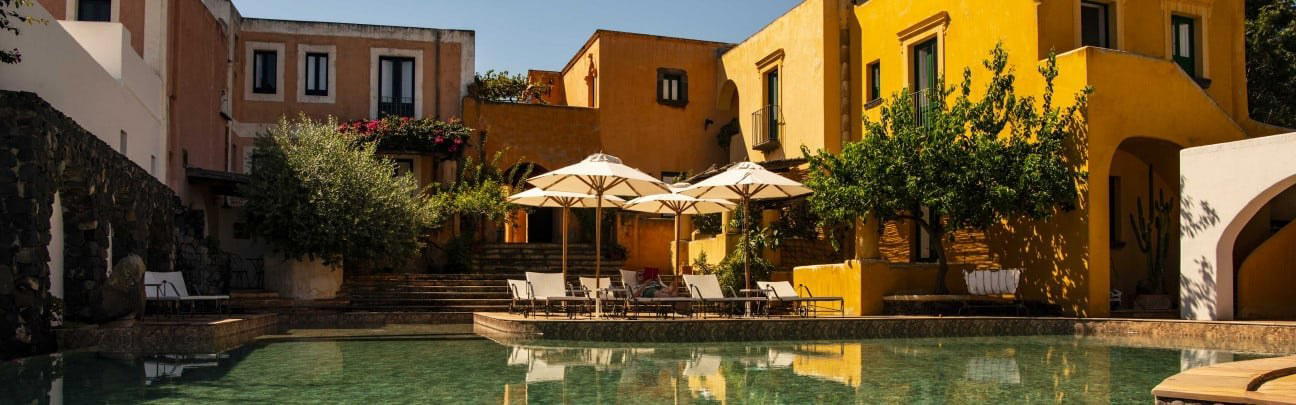
Bars in Salina
Browse all →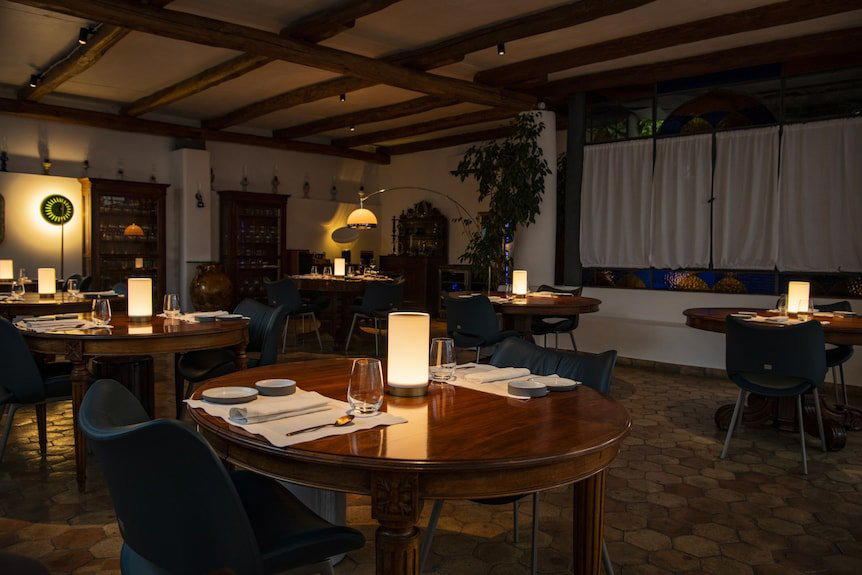
Restaurants in Salina
Browse all →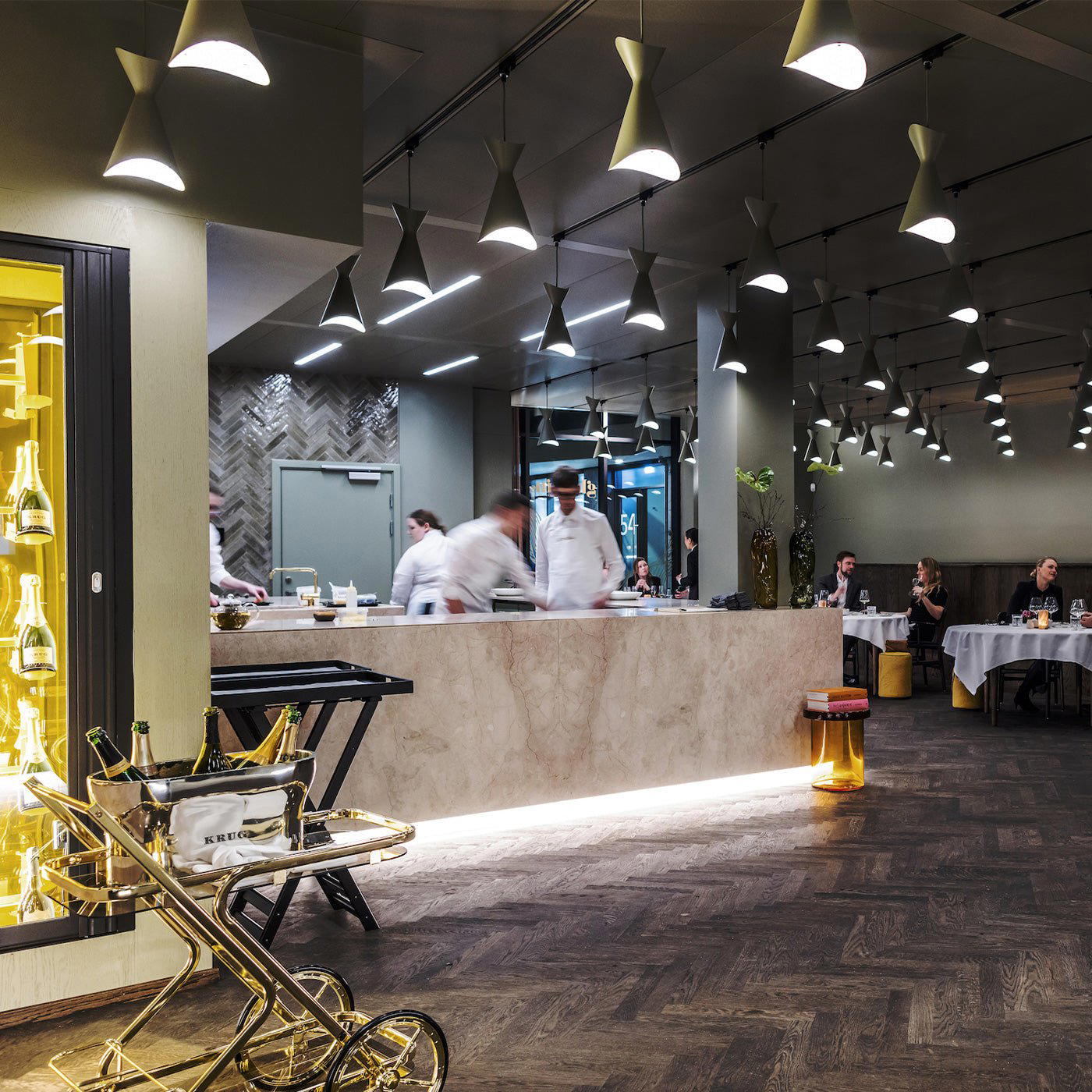

At a Glance
- Romantic
- Quiet
- Elegant
- Intimate
- Scenic
- Minimalist
- Honeymoon
- Romantic Getaway
- Weekend Escape
- Infinity Pool
- Panoramic View
- Terrace
- Wi Fi
- Pool
- Hot Tub
- Restaurant
- Vineyard
- Wi Fi
- Pool
- Hot Tub
- Restaurant
Tranquil and relaxing with laid-back elegance, light and airy minimalist Aeolian style, and warm community feel.