
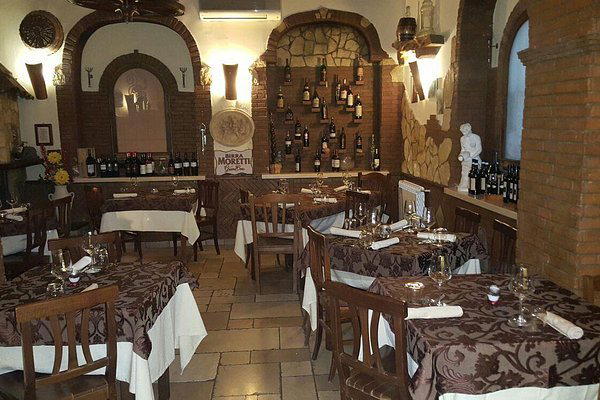
Granaro del Monte occupies a frescoed dining room inside Casa Bianconi, a hotel on Norcia's main street, in a space that once served as the town's grain stores. The kitchen holds to Umbrian tradition: cured meats, including a 24-month prosciutto of notable quality, and pasta dishes that rework local ingredients without straying from regional logic. An active grill, daily service, and strong value make it a reliable anchor in a small but serious dining town.
Pearl is the En Primeur Club membership app — saves, bookings, and concierge access live there. Same editors, same standards.
- Address
- Via Vittorio Alfieri, 12, 06046 Norcia PG, Italy
- Phone
- +39 0743 816513
- Website
- casabianconi.com
- Directions
- Get directions
 Saves & bookings on Pearl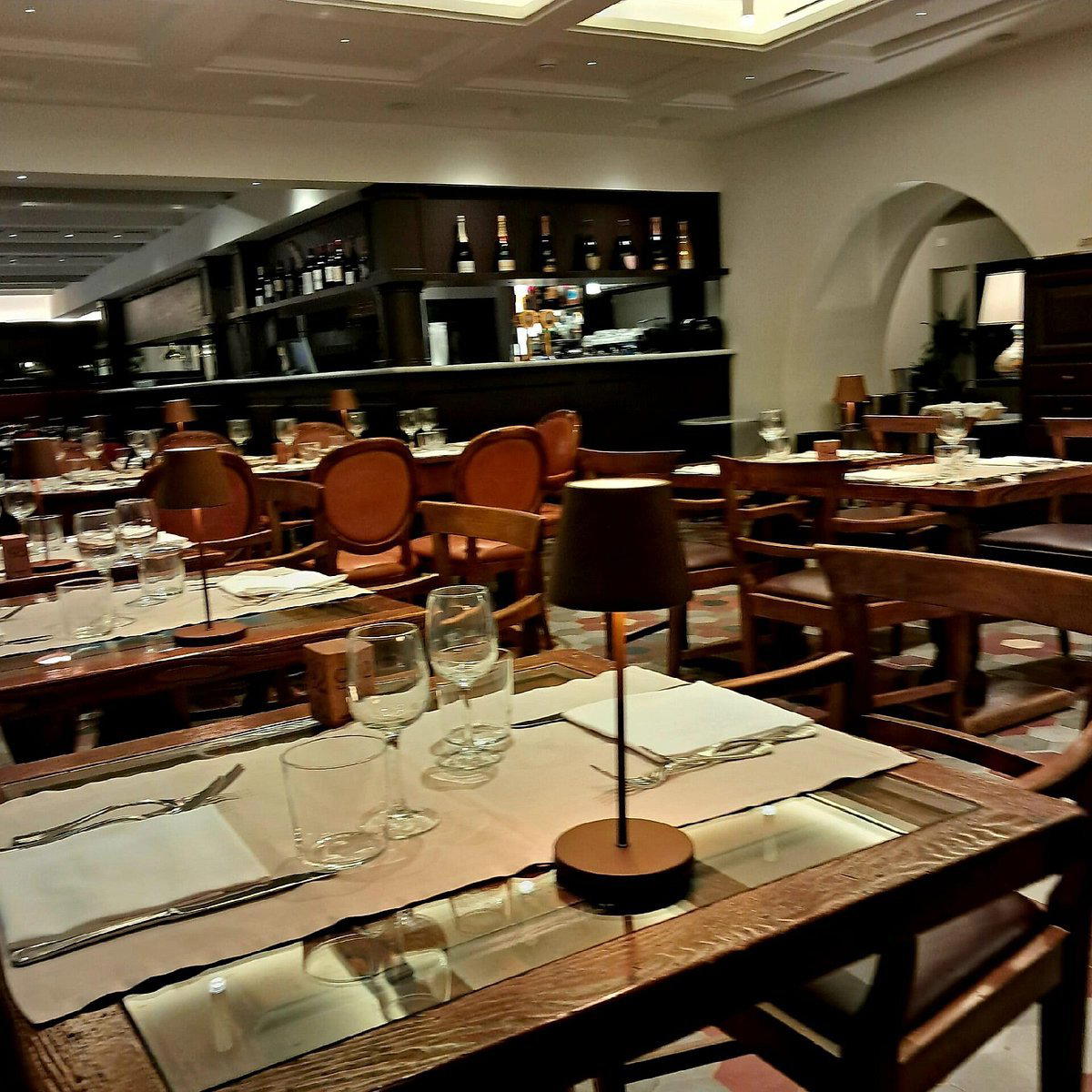
Norcia's Larder, Brought to the Table
Umbria's relationship with its own larder is older and more particular than most Italian regions acknowledge. Norcia sits at the centre of that relationship: the town's name has been synonymous with cured pork for long enough that norcino became the generic Italian word for a pork butcher, regardless of where the butcher works. To eat in Norcia is to eat inside that tradition, and Granaro del Monte, housed within Casa Bianconi on Via Vittorio Alfieri, places that tradition physically in front of you before a plate arrives. One of the dining rooms occupies a space that formed part of the town's old granaries — the frescoes on the walls predate the restaurant itself and carry the weight of a building that once stored the region's harvests. The sourcing, in that setting, is not a marketing position. It is the point.
What the Grill and the Curing Room Say About This Kitchen
Ingredient-led cooking in Umbria operates differently from the intervention-heavy sourcing narratives that dominate urban Italian restaurants. Here, the raw material is the argument. Norcia's prosciutto, aged for 24 months, arrives at the table as evidence of what the local microclimate, altitude, and centuries of craft produce when left to work at their own pace. The fat is sweet and the cure is measured, the result of a process that requires little editorial from a kitchen. Granaro del Monte serves it as a starting point rather than a garnish, which is the correct reading of its place in the meal.
The grill operates with similar directness. Beef and lamb from the surrounding Valnerina and Sibillini ranges are worked over live fire, a format that demands quality at source because there is nowhere to hide behind a sauce. This is mountain cooking in its most legible form: good animals, good heat, good timing. The kitchen does not chase complexity where the ingredient already provides it.
Pasta dishes occupy the middle ground where the kitchen shows more of its hand. The tagliatelle with ricotta and sausage draws on the same cured-meat tradition as the antipasto course but applies it differently, the sausage fat emulsifying into the ricotta to produce something richer than either element alone. These are not recipes invented for a contemporary audience — they are traditional formulas applied with enough care that the result holds up against the original logic. For context on how Umbrian cooking reads at a higher price tier, the tasting menus at Vespasia and the refined Umbrian approach at Palazzo Seneca offer useful reference points, but they operate inside a different register and at a different cost.
Where Granaro del Monte Sits in Italy's Broader Dining Picture
Italy's most decorated restaurants, Osteria Francescana in Modena, Enoteca Pinchiorri in Florence, Le Calandre in Rubano, Enrico Bartolini in Milan, and Dal Pescatore in Runate, each carry three Michelin stars and operate at €€€€ price points, building technical programs around Italian regional ingredients reframed for a fine-dining context. Granaro del Monte is not in competition with that tier. Its value lies precisely in the opposite direction: traditional recipes in a historic room, at a price point that reflects its position as a local address rather than a destination restaurant chasing international attention.
That positioning is rarer than it sounds. The pull toward modernisation has reshaped many osterie across central Italy, producing menus that gesture at tradition while serving something closer to a contemporary Italian bistro. Granaro del Monte has not made that move. The cured meats, the grilled meats, and the pasta dishes occupy the menu because they belong there, because this is Norcia, and Norcia's food is, before anything else, pork, grain, and fire.
For a wider view of what the region produces in glass form, the Norcia wineries guide covers local production, though Umbrian wine is a secondary story to the food in this part of the region. The full Norcia restaurants guide maps the broader dining options across the town.
Planning a Visit
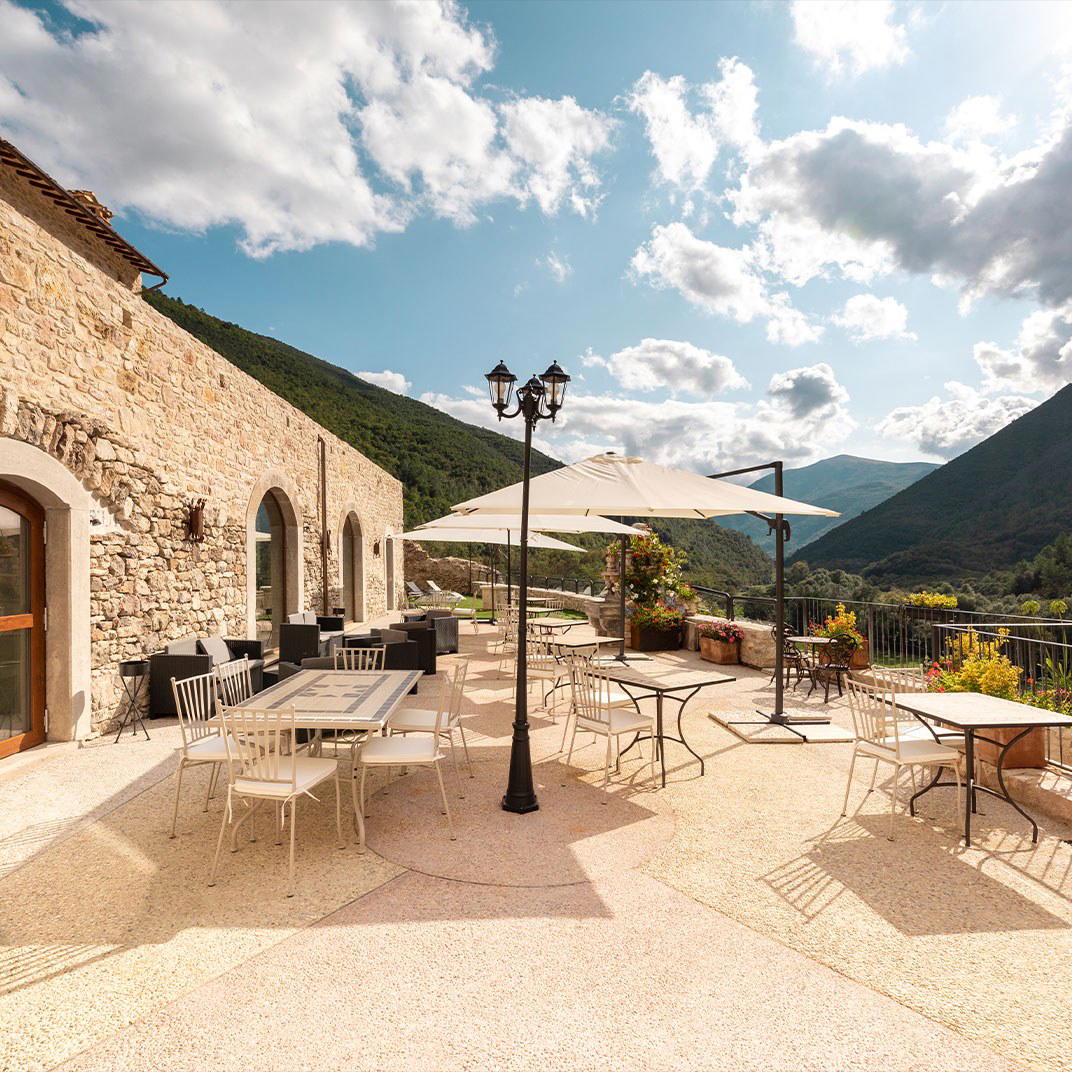
Granaro del Monte operates seven days a week, which matters in a town where many addresses keep shorter hours, particularly outside the main tourist season. The restaurant is located inside Casa Bianconi on Norcia's central Via Vittorio Alfieri, making it walkable from any point in the historic centre. For visitors arriving from outside the region, Norcia is approximately 100 kilometres from Perugia and accessible by road through the Valnerina valley; the town itself is compact and most of it is navigable on foot.
The combination of daily service, strong value for money, and a menu built around ingredients that do not travel badly in any season means the kitchen is worth visiting across the calendar. That said, autumn is when Norcia's larder reaches its peak concentration: black truffle from the Sibillini, fresh game from the surrounding hills, and the tail end of the summer's preserved meats all arrive on the menu at the same time. Spring brings the white celery and lentils from Castelluccio, a protected-origin product from the plateau above the town, that feature in several traditional preparations.
For those planning a longer stay, the Norcia hotels guide covers accommodation options, including Casa Bianconi itself. The Norcia bars guide and experiences guide round out the picture for a full visit.
At the level of global fine dining, the ambition of a three-Michelin-star counter like Atelier Moessmer Norbert Niederkofler in Brunico, built around Alpine sourcing with the same ingredient-first logic, shows where the commitment to regional provenance can be taken at the highest price tier. The interest of Granaro del Monte is that it arrives at a similar philosophical position through entirely different means: not through formal program-building, but through the accumulated weight of a town that has always known what it is and what it produces.
How Granaro del Monte Norcia compares with similar nearby venues.
| Venue | Cuisine | Price | Awards |
|---|---|---|---|
| Granaro del Monte | Not listed | Not listed | Bib Gourmand |
| Palazzo Seneca | Italian Umbrian | Not listed | Not listed |
| Vespasia | Umbrian | €€€€ | Not listed |
| Il Tiglio | Contemporary | €€€ | Not listed |
| Edelweiss | Country cooking | € | Not listed |
| Apollinare | Italian Contemporary | €€ | Not listed |
Recognition history
Dated appearances from independent guides and award organizations, with the underlying list record or original source where available.
Michelin Bib Gourmand
Michelin
Continue exploring
More in Norcia
Restaurants in Norcia
Browse all →
Bars in Norcia
Browse all →
Hotels in Norcia
Browse all →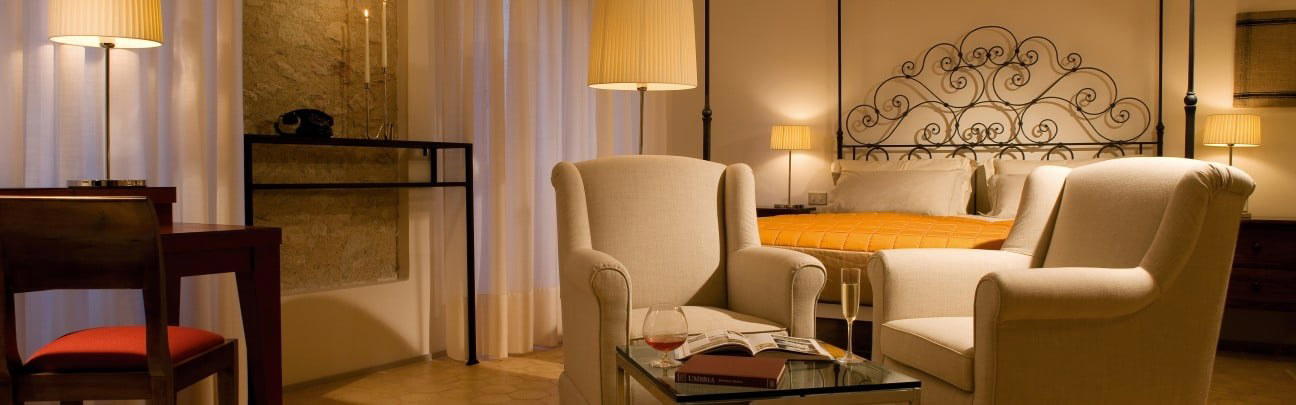

At a Glance
- Elegant
- Rustic
- Cozy
- Family
- Celebration
- Special Occasion
- Open Kitchen
- Historic Building
- Extensive Wine List
- Local Sourcing
- Street Scene
Current opening hours
- Monday
- 12–3 PM, 7–10 PM
- Tuesday
- 12–3 PM, 7–10 PM
- Wednesday
- 12–3 PM, 7–10 PM
- Thursday
- 12–3 PM, 7–10 PM
- Friday
- 12–3 PM, 7–10 PM
- Saturday
- 12–3 PM, 7–10 PM
- Sunday
- 12–3:30 PM, 7–10 PM
Hours can change for holidays and private events. Last verified .
Elegant and stylish with spacious, well-furnished intimate dining rooms featuring stone vaults, frescoes, and a blazing open wood fire grill.
Know Before You Go
- Getting there
- Via Vittorio Alfieri, 12, 06046 Norcia PG, Italy