Hotel Hans

Michelin Selected
A Michelin Selected hotel on Copenhagen's Aboulevard, Hotel Hans occupies a quieter residential stretch of the city away from the harbour-front hotel cluster. The Michelin selection places it in a peer group defined more by considered design and neighbourhood character than by scale or grand-hotel ceremony. For travellers arriving by rail or road, the address positions it close to the lakes and the inner city equally.

Pearl is the En Primeur Club membership app — saves, bookings, and concierge access live there. Same editors, same standards.
- Address
- Åboulevard 29, 1960 Frederiksberg, Denmark
- Phone
- +45 35 37 31 11
- Website
- brochner-hotels.com
- Directions
- Get directions
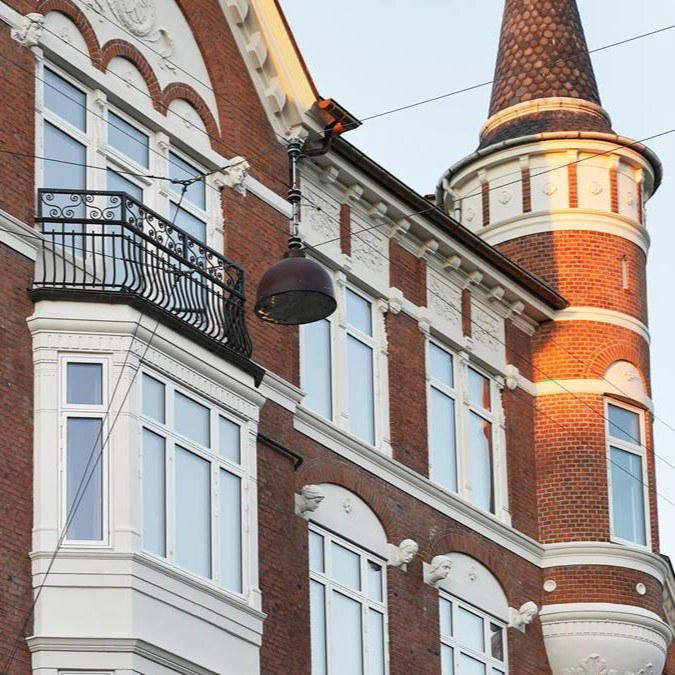
A Different Address in a City of Confident Hotels
Copenhagen's hotel scene has polarised over the past decade. On one side sit the grand-hotel institutions — properties like Admiral Hotel with its converted 18th-century warehouse bones, or the harbour-facing rooms of 71 Nyhavn Hotel, where the canal view does significant editorial work. On the other sit a growing number of smaller, neighbourhood-rooted properties that trade spectacle for texture. Hotel Hans, at Aboulevard 29, belongs to the second cohort. The boulevard address — a broad arterial road running alongside the lakes in the Frederiksberg-adjacent belt, places it away from the tourist-saturated inner harbour and closer to the residential Copenhagen that most visitors never reach. That positioning is itself an editorial choice.
Aboulevard is not a postcard address. It is a functioning city street, lined with apartment buildings from the early twentieth century, local bakeries, and the kind of low-key neighbourhood infrastructure that signals a district people actually live in rather than merely pass through. Arriving here, the guest experience begins before the lobby: the walk from a nearby metro stop, past the lakes, through blocks that read as authentically local, sets a tone that larger, more centrally positioned hotels cannot replicate. For context, properties like 25hours Hotel Indre By and 25hours Hotel Paper Island have pursued personality-led design in higher-traffic zones; Hotel Hans takes the opposite bet, letting the address itself supply the character.
What the Michelin Selection Signals
Michelin's hotel selection, now a separate programme from its restaurant stars, operates as a quality filter rather than a ranking. Inclusion in the Michelin Selected Hotels 2025 list does not assign a tier, there are no stars here, but it does confirm that the property meets a defined threshold for comfort, design integrity, and guest experience consistency. For a compact, neighbourhood hotel on a residential boulevard, that credential carries weight precisely because the Michelin hotel programme is not inflating its numbers with volume: the selected list is editorially curated, not algorithmically generated.
In Copenhagen specifically, the Michelin hotel selection encompasses a range of property types, from large international-flag hotels to smaller independent addresses. Hotel Hans holding a place on that list positions it alongside properties that compete on experience quality rather than room count or conference capacity. Travellers who use the Michelin hotel selection as a planning filter are, by definition, looking for assessed quality at the property level, and Hotel Hans satisfies that filter on the independent, neighbourhood-hotel end of the spectrum.
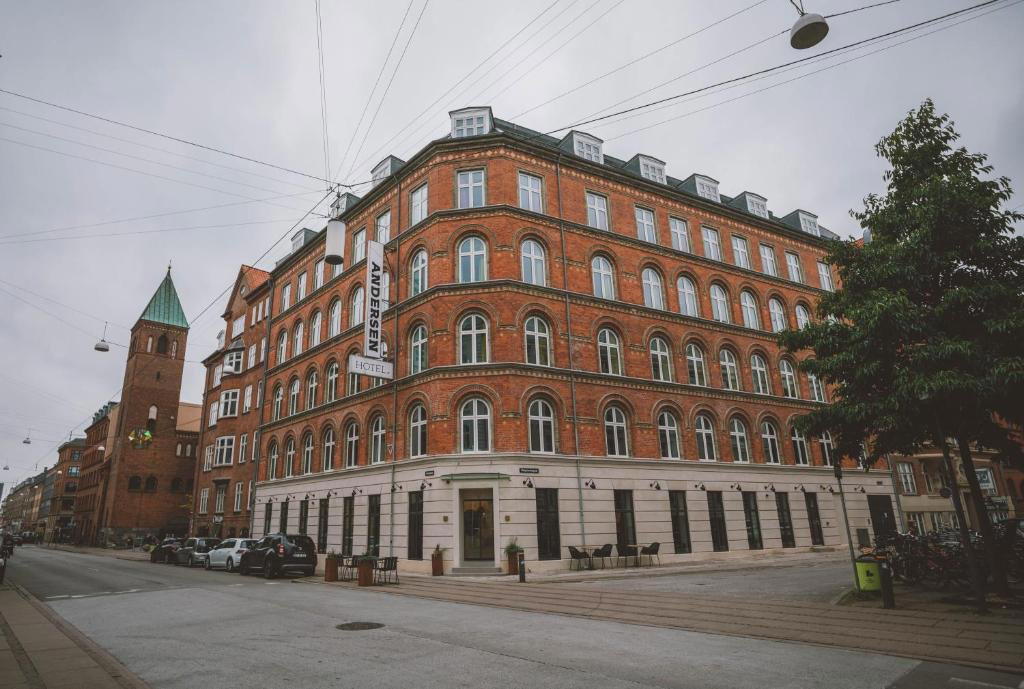
For comparison: Andersen Boutique Hotel and Andersen Hotel occupy a similar size tier in the Copenhagen market, both operating as considered smaller properties rather than full-service hotel complexes. Absalon Hotel pursues a different model, high-volume communal dining as the organising principle, which illustrates how varied the mid-scale Copenhagen hotel offer has become. Hotel Hans reads as the more introverted option within this peer group.
The Physical Space as Editorial Argument
Danish design culture operates on a set of principles that have become so associated with the country that they risk feeling like cliché: restraint, natural materials, considered proportion, light as a structural element. The risk, for any hotel working within that tradition, is that the aesthetic reads as formula rather than conviction. The address at Aboulevard 29, a building from an era when Copenhagen was expanding its residential grid westward, gives Hotel Hans a physical container that resists the flat-pack Scandinavian aesthetic. Early twentieth-century apartment-block architecture in this part of the city typically features high ceilings, generous window proportions, and facade detailing that the post-war period largely abandoned.
What can be said with confidence, based on the building's location and era, is that the raw material is more characterful than a purpose-built hotel box. The design conversation in Copenhagen's hotel sector has, broadly, moved away from imported international luxury templates toward properties that engage with their specific building and neighbourhood context. 1 Hotel Copenhagen does this through sustainability-led material choices in a waterfront setting; Hotel Hans does it through address and scale.
Placing Hotel Hans in the Wider Danish Context
Copenhagen sits at the top of Denmark's hotel quality distribution, but the country's broader hospitality offer extends well beyond the capital. Properties like Kokkedal Castle Copenhagen in Hørsholm and Dragsholm Slot in Hørve represent the country-house and castle tier, drawing guests out of the city for landscape and historical architecture. Coastal badehotels, the Danish seaside hotel tradition, form a separate category entirely, with properties like Helenekilde Badehotel, Allinge Badehotel in Allinge, and Dyvig Badehotel in Nordborg offering a specifically Danish form of relaxed coastal hospitality that has no real equivalent in urban hotels.
Hotel Hans operates in none of those registers. It is a city hotel, in a city neighbourhood, for guests whose priority is Copenhagen itself rather than a retreat from it. That focus, urban, residential, compact, places it in a specific functional tier. Guests staying here are typically those who want to move through the city on foot or by bicycle, who prefer a local neighbourhood to a tourist district, and who read the Michelin Selected credential as a quality signal rather than a status marker.
For those travelling further afield and looking to calibrate Hotel Hans against international reference points, the contrast is instructive. Properties like Badrutt's Palace Hotel in St. Moritz, Hôtel de Paris Monte-Carlo, or Le Bristol Paris represent the grand-hotel tradition at its most resource-intensive, multiple restaurants, extensive spa infrastructure, doorman ceremony. Hotel Hans is not competing in that register. It is closer, in spirit and scale, to the European independent hotel tier that prioritises considered design and neighbourhood integration over full-service infrastructure.
Planning a Stay
Hotel Hans sits on Aboulevard 29, a boulevard that runs through the western residential belt of Copenhagen, within reasonable distance of the city's lake system and the inner-city neighbourhoods of Vesterbro and Frederiksberg. The address is practical for visitors who want pedestrian access to local dining and neighbourhood life rather than proximity to the main tourist circuit. Booking should be confirmed directly or through standard hotel reservation channels; specific availability and room-category details are leading verified at time of booking. For the wider Copenhagen dining and hotel scene, our full Copenhagen restaurants guide provides editorial coverage across the city's key venues and neighbourhoods. Travellers planning a Danish itinerary that extends beyond the capital can cross-reference the hotel's position against regional options including Park Lane Copenhagen in Hellerup and Hotel Oasia Aarhus in Aarhus for a sense of the full range. Falsled Kro in Falsled rounds out the picture for those drawn toward Denmark's inn tradition in a rural setting.
Quick Comparison
Comparable venues nearby, for context on price, style, and recognition.
| Venue | Cuisine | Price | Awards | Notes |
|---|---|---|---|---|
| Hotel HansThis venue — the venue you are viewing | Boutique urban hotel fusing theater, art, speakeasy bar, and garden oasis. | $100–200 | Michelin Selected | Not listed |
| Herman K | industrial-chic boutique in historic transformer station | $300–500 | Michelin Selected | Indre By |
| NH Copenhagen Grand Joanne | heritage design hotel | Not listed | Michelin Selected | Vesterbro-Kongens Enghave |
| Andersen Boutique Hotel | Trendy boutique hotel reflecting hip Vesterbro vibe with Designers Guild furnishings. | $100–200 | Michelin Selected · World Luxury Hotel Awards WLHA Regional Winner | Vesterbro-Kongens Enghave |
| Manon Les Suites Guldsmeden | Bali-inspired urban oasis with sustainable luxury | Not listed | Michelin Selected | Indre By |
| Hotel Ottilia - By Brøchner Hotels | Industrial luxury boutique hotel preserving historic brewery architecture with contemporary Nordic design | Not listed | White Guide Nordic Hotels - Exceptional Level | Vesterbro-Kongens Enghave |
Recognition history
Dated appearances from independent guides and award organizations, with the underlying list record or original source where available.
Michelin Selected
Michelin
Continue exploring
More in Copenhagen
Hotels in Copenhagen
Browse all →
Bars in Copenhagen
Browse all →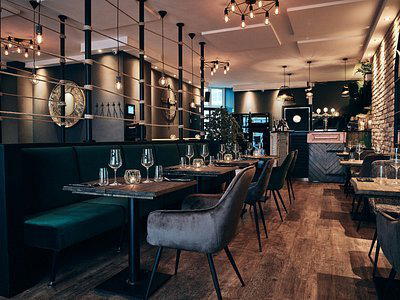
Restaurants in Copenhagen
Browse all →

Details
- Modern
- Elegant
- Sophisticated
- Industrial
- Trendy
- Romantic Getaway
- Weekend Escape
- Historic Building
- Panoramic View
- Terrace
- Wi Fi
- EV Charging
- Restaurant
- Skyline
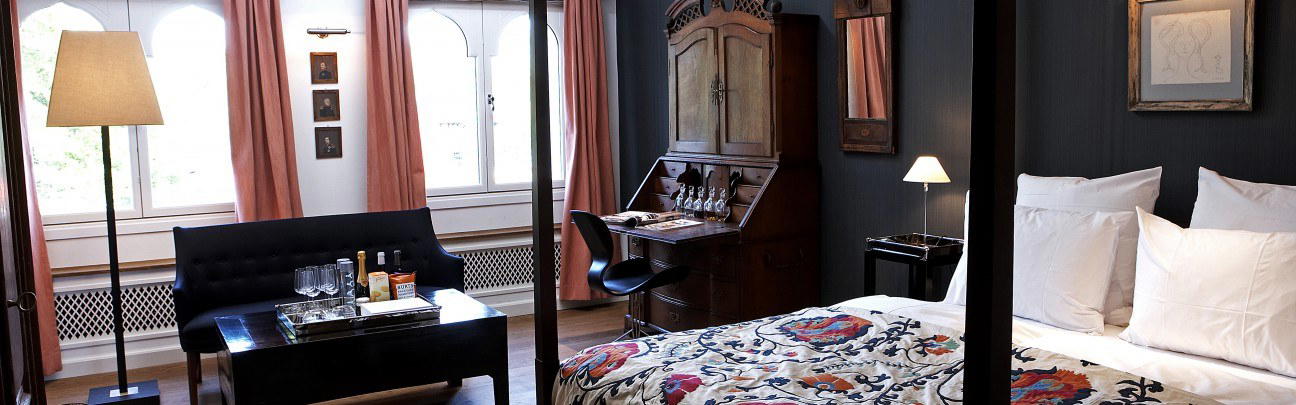
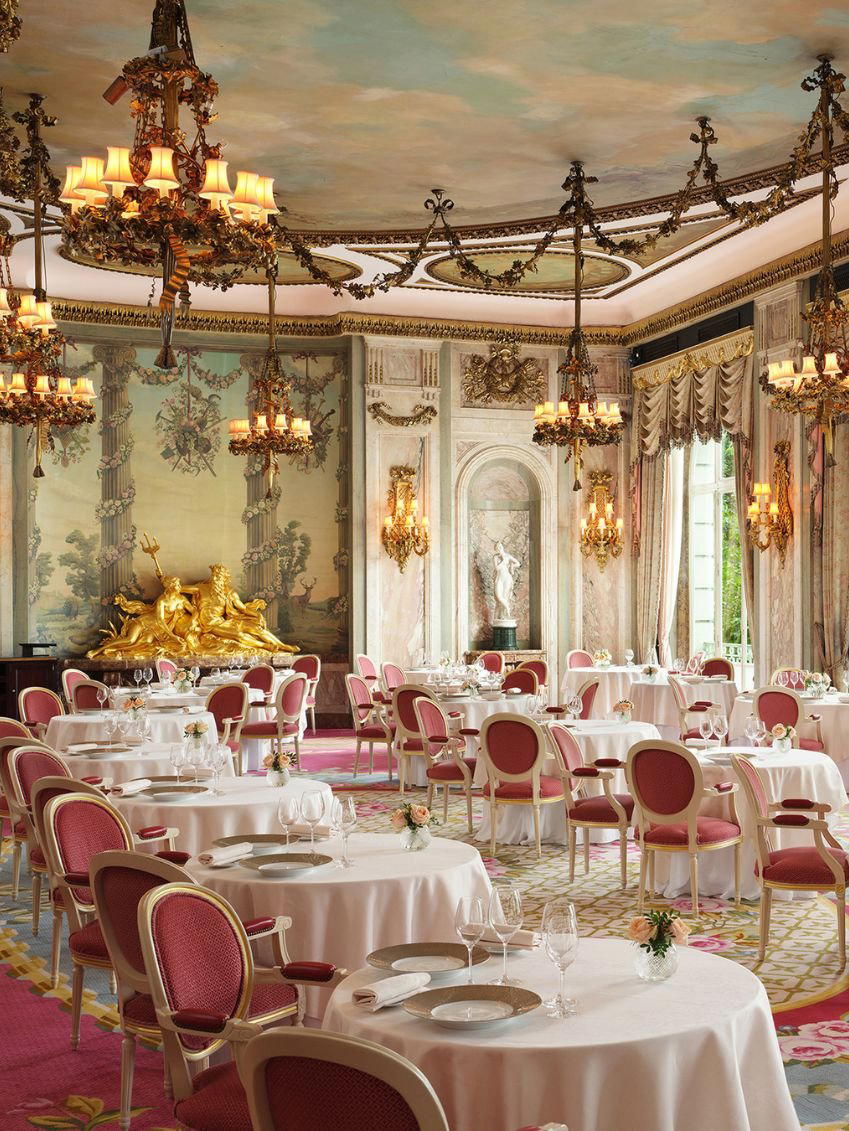
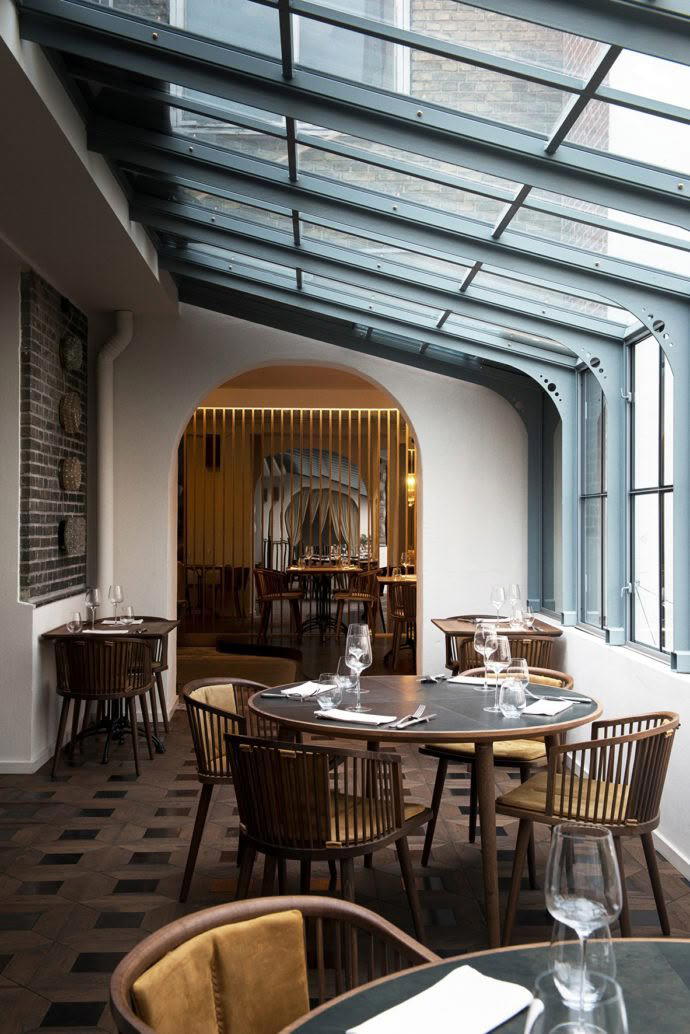
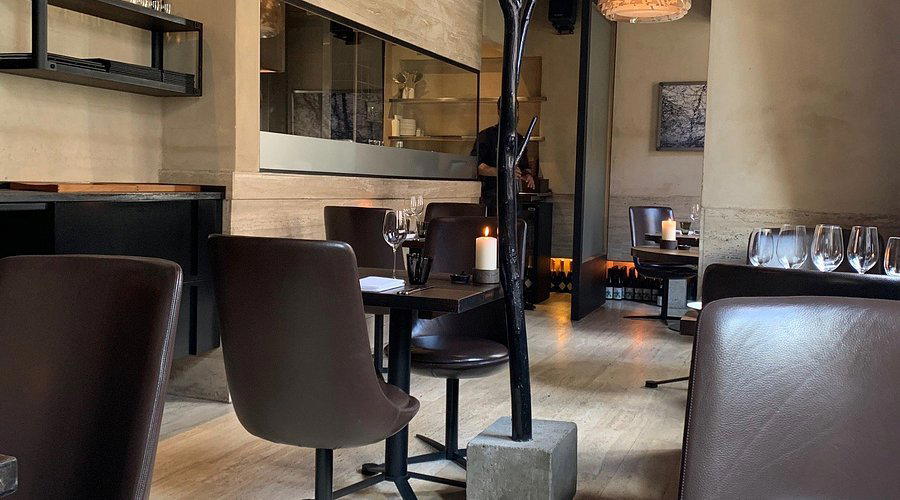
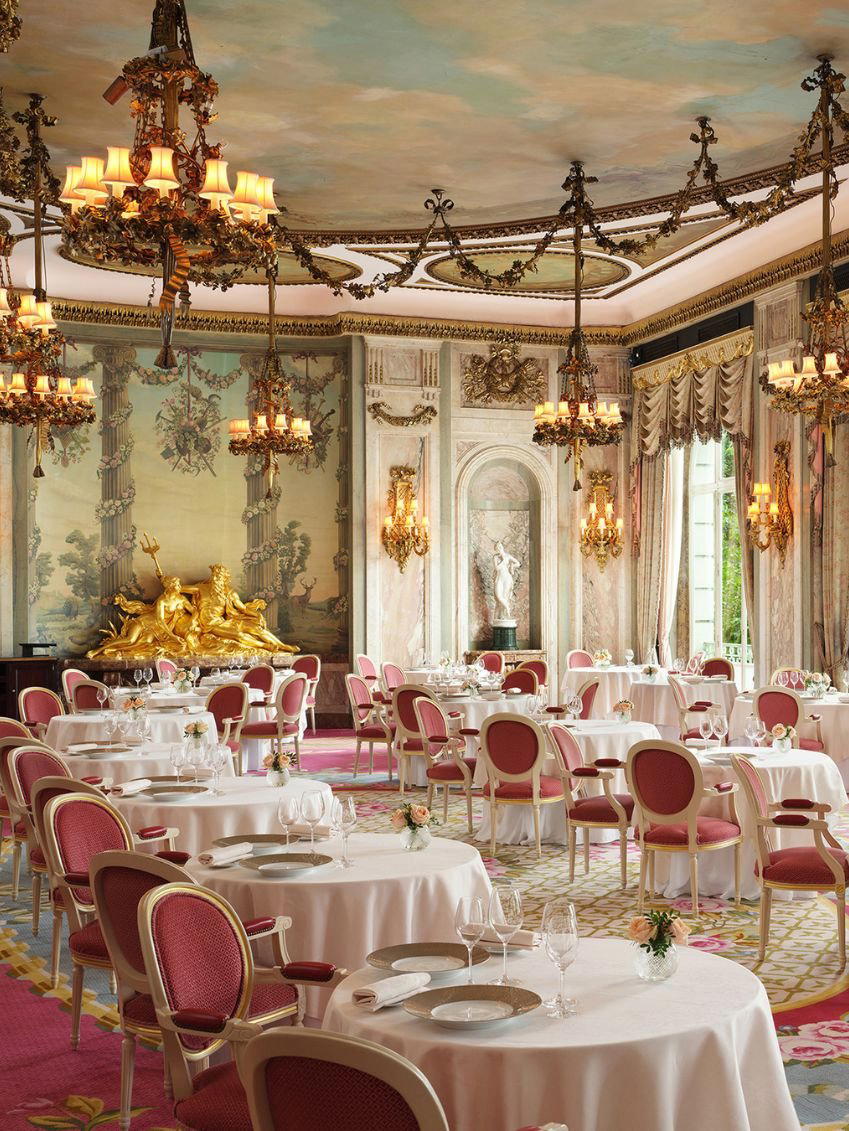
Sophisticated urban atmosphere blending textured concrete, green marble, industrial elements, and sleek wooden surfaces, creating a dramatic fusion of neighborhood contrasts.