Koan








2 Michelin Stars · World's 50 Best #91 · La Liste Top Restaurants
Our verdict
Koan holds two Michelin stars and a place in the World's 50 Best at number 91 (2025), making it one of Copenhagen's most credentialed new arrivals. Chef Kristian Baumann works at the intersection of New Nordic and kaiseki traditions, producing a format that sits outside the city's established fine-dining categories. At Langeliniekaj, the harbour address signals its own kind of intent.

Pearl is the En Primeur Club membership app, where members save venues, book tables and use the concierge.
Where New Nordic Meets Japanese Precision
Copenhagen's two-Michelin-star tier has grown more crowded and more varied in the past five years. a|o|c works a New Nordic and Mediterranean register; Alchemist operates in its own theatrical category. Koan, at Langeliniekaj 5 on Copenhagen's eastern harbour, occupies a different position entirely: a restaurant built around the structural logic of kaiseki applied to Nordic ingredients and seasons. That synthesis is unusual enough in Europe that Opinionated About Dining places it at number 49 among European restaurants for 2025, and also ranks it inside the top 300 in Japan, a rare dual citation for a restaurant that has never operated in Tokyo.
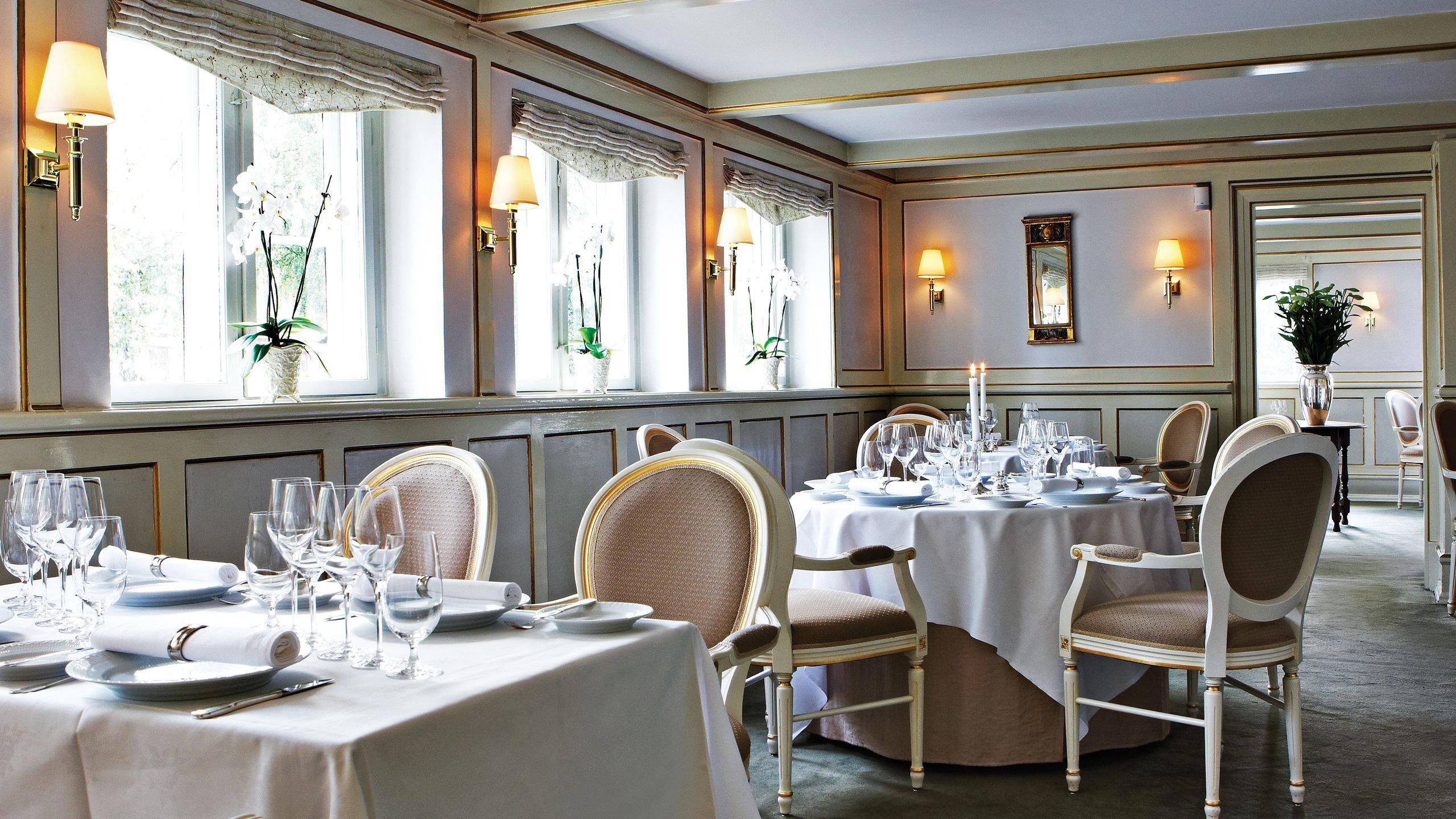
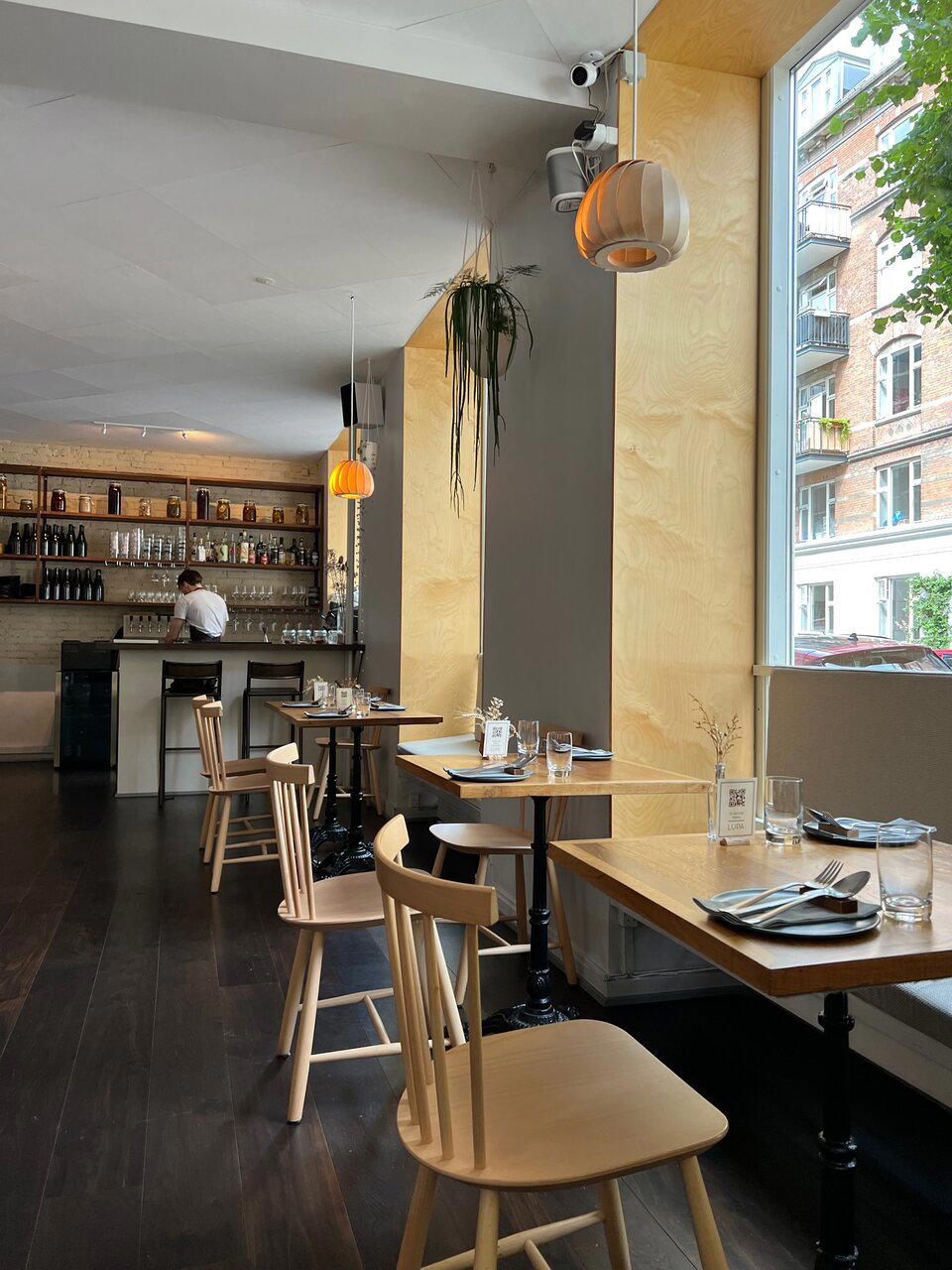
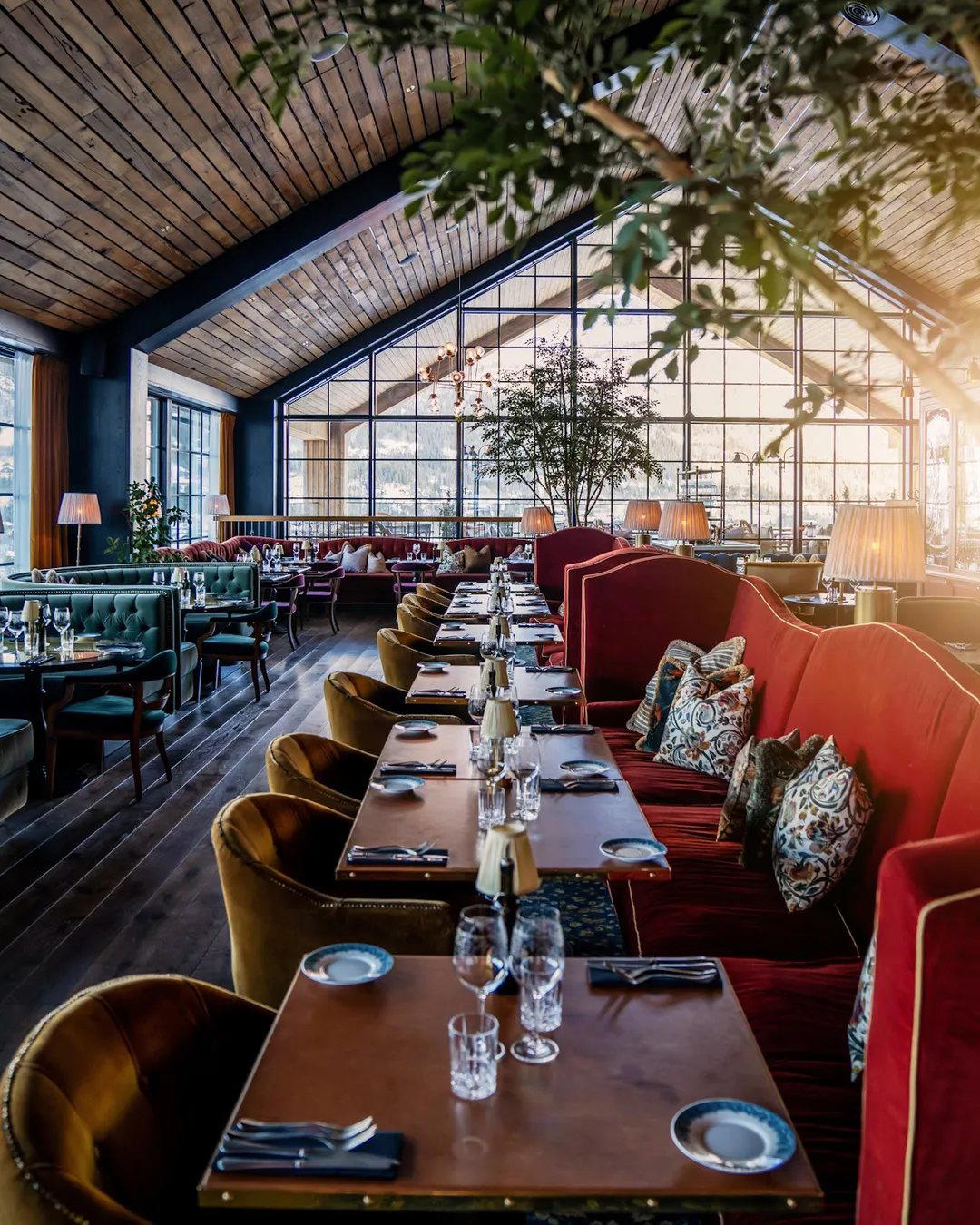
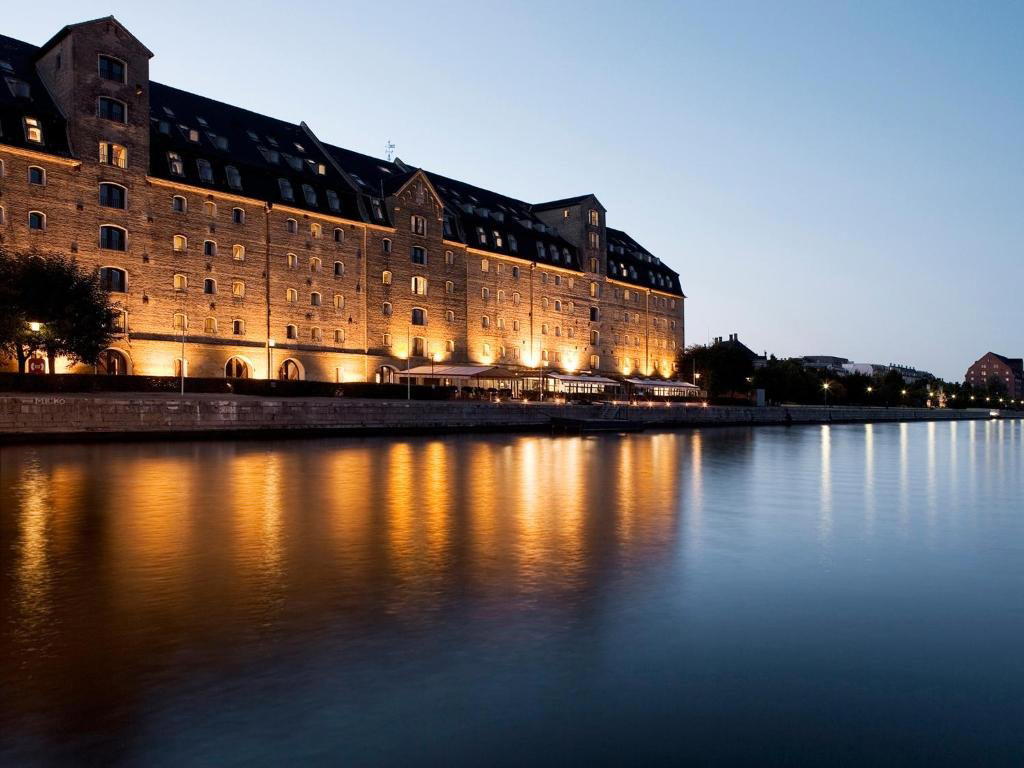
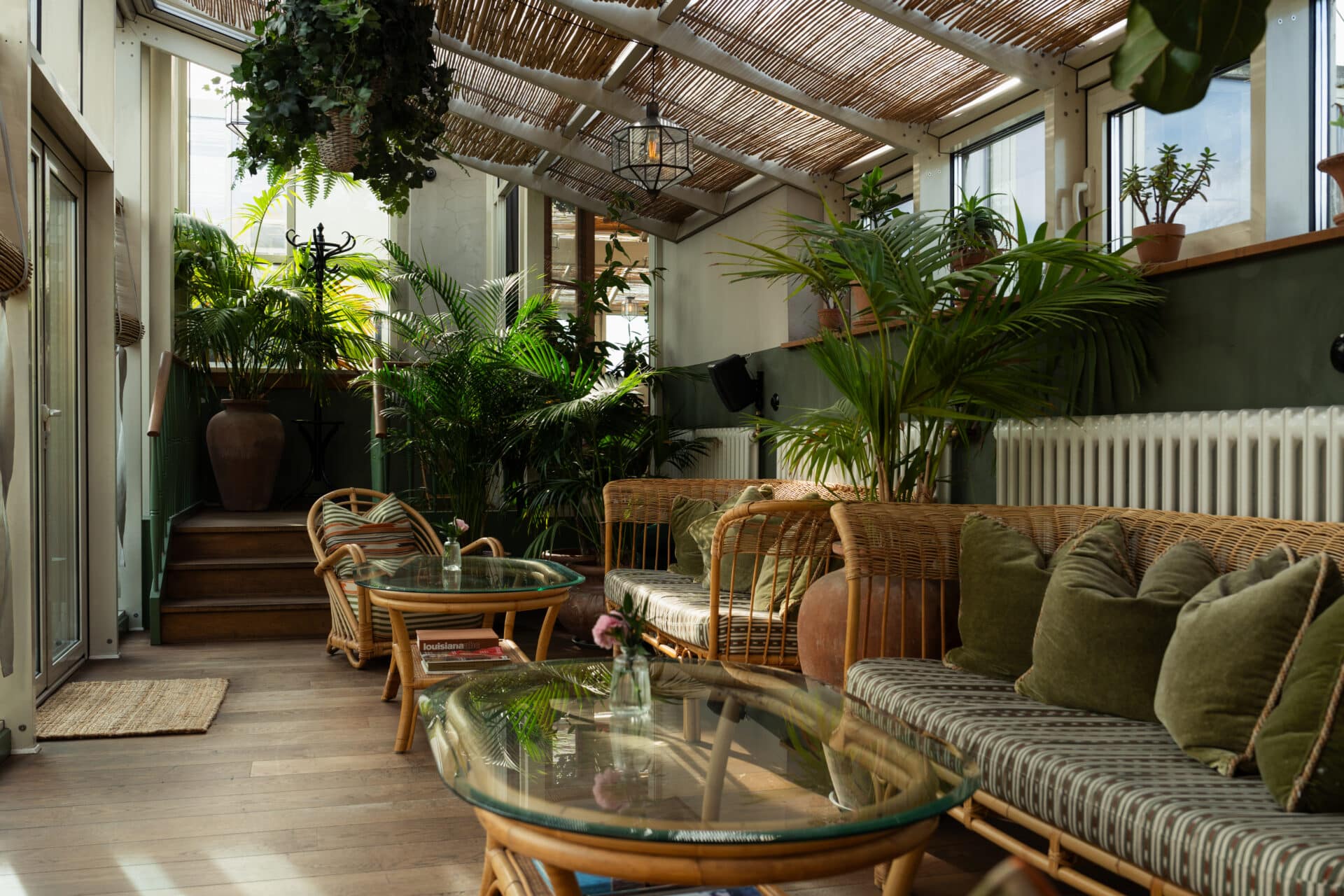
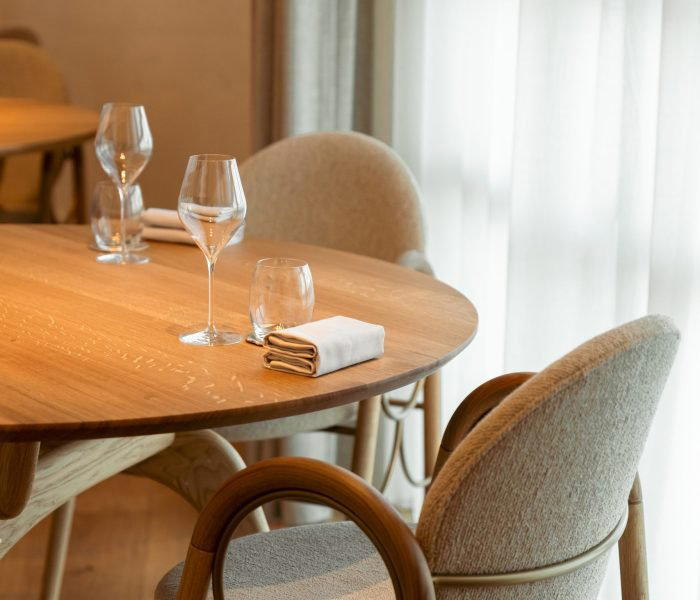
The harbour address matters. Approaching from the city centre, Langeliniekaj sits at the edge of the Nordhavn development, far enough from the Nørreport dining cluster to feel like a deliberate act of separation. The building's waterside position means the light entering the dining room shifts through an evening service in ways that a basement or courtyard location cannot replicate. That physical context sets expectations before a single dish arrives.
The Synthesis on the Plate
The cross-cultural category that Koan occupies, New Nordic technique fused with kaiseki's sequencing and discipline, has few direct peers in Europe. Geranium holds three Michelin stars and operates with a naturalist precision that is distinctly Scandinavian. Noma built its reputation on fermentation and foraging within a Nordic framework. Koan's reference points pull in a different direction: the kaiseki tradition's commitment to seasonality as an architectural principle, rather than an ingredient source, shapes how courses are ordered and paced.
Chef Kristian Baumann, who holds Korean heritage and trained within kitchens that have engaged seriously with Japanese culinary philosophy, brings those threads together in a format that the awards circuit has validated quickly. Two Michelin stars arrived and have been retained through 2024 and 2025. La Liste scores it at 75 points in both 2025 and 2026, consistent marks that suggest the kitchen is stable rather than spiking.
For comparison, Atomix in New York City operates a comparable Korean-Japanese fine dining synthesis and sits among the most recognised restaurants in North America. The fact that OAD ranks Koan alongside Japan-based restaurants reflects how seriously that community takes the kaiseki discipline on display, regardless of geography.
What the Price Tier Delivers
Koan sits at the leading price tier for Copenhagen, categorised at €€€€ alongside Geranium, Noma, and Alchemist.
At a three-Michelin-star house like Geranium, you are paying for the most decorated kitchen in Scandinavia and a tasting format refined over many years. At Noma, when it was operating full tasting menus, the premium reflected research-led concept work with no direct equivalent. Koan's value argument is different: two stars and a top-100 World's 50 Best position at a price point that does not carry the three-star premium. For diners who want serious kaiseki-influenced fine dining without travelling to Kyoto or New York, the cost-to-credential ratio is among the strongest in northern Europe.
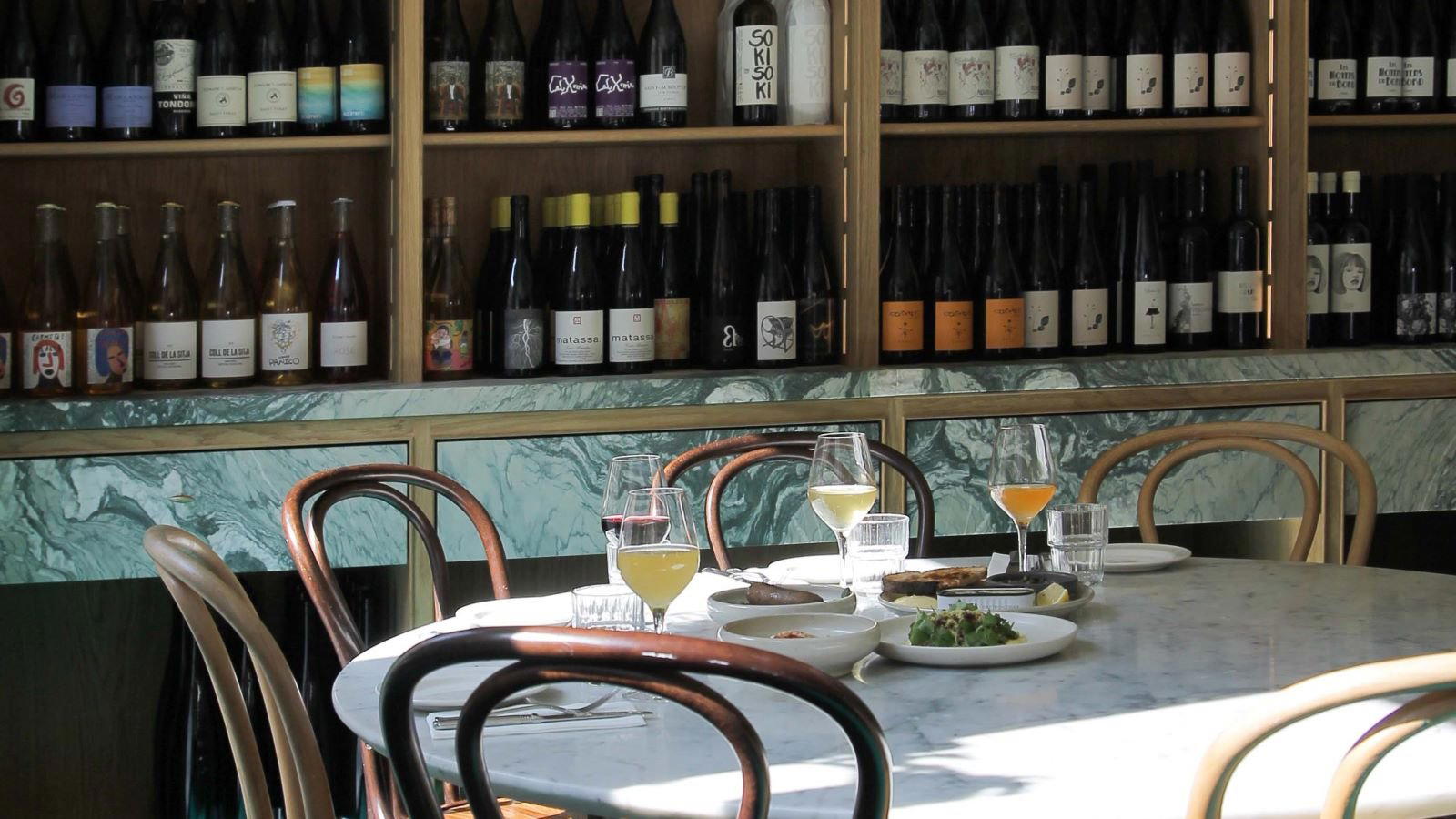
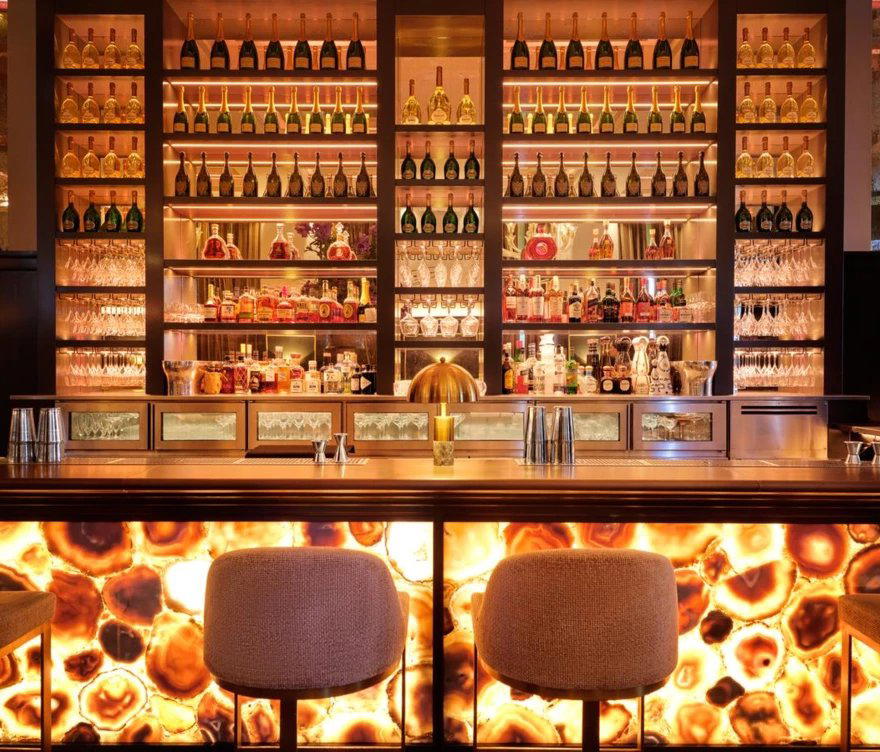
The wine programme also signals intent. Koan received a White Star from Star Wine List in November 2023, an independent recognition that the list has been assembled with the same care as the food programme. At the €€€€ tier, a strong wine list is an expectation; a White Star citation indicates it meets peer standards within that expectation rather than merely fulfilling it.
Copenhagen's Fine Dining Context
Copenhagen has sustained a density of high-end restaurants that is disproportionate to its size as a city. That concentration means the peer comparisons are tighter than in most European capitals. Kadeau works with Bornholm island produce in a New Nordic register. a|o|c brings Mediterranean small-plate thinking into a Nordic framework. Koan introduces a Japanese structural vocabulary that none of the established Copenhagen houses uses as a primary organising principle.
That distinction matters when placing the restaurant in the city's dining story. Noma's influence created a generation of Nordic-ingredient-focused kitchens across Denmark, in Copenhagen, but also at Jordnær in Gentofte, Frederikshøj in Aarhus, and Henne Kirkeby Kro further afield. Koan's kaiseki lineage puts it outside that tradition while keeping Nordic seasonality as a material foundation. It is a genuinely separate category within the same city, which is rare.
For visitors building a Copenhagen itinerary around serious eating, the practical implication is that Koan does not substitute for Geranium or Alchemist, it complements them. Each operates in a different register. Our full Copenhagen restaurants guide maps the full field, from Michelin-starred tasting menus to neighbourhood naturals.
Planning a Reservation
Koan operates lunch and dinner across all seven days, with lunch service running from 11:30 am to 3 pm and dinner from 5:30 to 10 pm. That schedule is more generous than many two-star houses, which often close two or three days per week. The consistency of hours across Monday through Sunday gives more flexibility for itinerary planning, particularly for visitors who cannot control which days they are in the city.
At this recognition level, two Michelin stars, World's 50 Best number 91, advance booking is advisable. Restaurants in this peer group in Copenhagen typically book out several weeks ahead for dinner; lunch slots at comparable houses tend to have slightly more availability. Booking through the restaurant's own reservation system is the standard approach. The address at Langeliniekaj 5 in the 2100 postal district places it in the Nordhavn area, reachable by metro from the city centre.
For visitors extending into broader Danish fine dining, the country's two-star tier spreads well beyond Copenhagen: Alimentum in Aalborg, ARO in Odense, and Domæne in Herning each represent what Danish regional fine dining looks like outside the capital. Our Copenhagen hotels guide, bars guide, and experiences guide cover the rest of the city's premium offer for those planning a longer stay. The Copenhagen wineries guide rounds out the picture for wine-focused visitors.
For international context, Le Bernardin in New York City represents the kind of sustained two-and-three-star tenure that Koan is still building toward. The comparison is instructive: Le Bernardin's value argument rests on decades of consistency; Koan's rests on trajectory and a format with few direct European competitors.
The Credentialing Trajectory
OAD's Leading New Restaurants in Europe ranked Koan at number 83 in 2023. By 2024, it had moved to number 59 in the full European ranking. In 2025, it reached number 49. That consistent upward movement over three consecutive years, paired with retained two-star Michelin status and a World's 50 Best entry in the top 100, represents a credentialing arc that is fast by any measure in European fine dining.
The dual OAD citation, top 300 in Japan and top 50 in Europe for the same restaurant, is the statistic that most precisely captures what Koan is doing. It is not a fusion restaurant in the marketing sense. It is a kitchen that has absorbed a Japanese culinary structure so thoroughly that a community which evaluates kaiseki and omakase daily considers it worth ranking against Japan-based houses. That is the clearest evidence available that the synthesis is substantive rather than superficial.
What is the signature dish at Koan?
No specific dish has been confirmed through verified sources, and the kaiseki-influenced format at Koan means the menu sequence shifts with season and availability, consistent with both kaiseki tradition and New Nordic practice. The awards record, including two Michelin stars and a World's 50 Best ranking of 91st (2025), provides the most reliable signal of kitchen quality. Chef Kristian Baumann's approach draws on Nordic ingredients structured through a Japanese sequencing logic, but naming a single dish as definitive would misrepresent how that format works. Opinionated About Dining's dual ranking in both European and Japan lists gives the clearest third-party indication of how the cuisine registers with specialist critics in both traditions.
Frequently asked questions
Where exactly is Koan?
Koan is located at Langeliniekaj 5, 2100 København, Denmark, Copenhagen.
Who's behind the kitchen at Koan?
The chef associated with Koan is Kristian Baumann.
What's the signature dish at Koan?
Koan operates within a kaiseki-influenced format, meaning the menu sequence shifts with the season rather than anchoring around a single dish. No individual course has been confirmed as a fixed signature through verified sources. The two-Michelin-star recognition and World's 50 Best ranking at #91 (2025) reflect the consistency of the full menu sequence rather than any single item. Booking the full tasting menu is the relevant unit of experience here.
What style of cooking does Koan do?
What price level is Koan?
Pricing at Koan is listed as €€€€.
| Venue | Cuisine | Price | Awards | Notes |
|---|---|---|---|---|
| KoanThis venue (the venue you are viewing) | Modern Korean-Nordic Fine Dining | $300–500 | 2 Michelin Stars · World's 50 Best #91 | Not listed |
| Geranium | Modern New Nordic Pescatarian | $500+ | 3 Michelin Stars · World's 50 Best #1 | New Nordic, Creative |
| Noma | New Nordic Fine Dining | $300–500 | 3 Michelin Stars · World's 50 Best #1 | Creative |
| Alchemist | Avant-Garde Molecular Gastronomy with Social Commentary | $500+ | 2 Michelin Stars · World's 50 Best #5 | Progressive, Creative |
| a|o|c | Modern Scandinavian Fine Dining | $300–500 | 2 Michelin Stars · La Liste Top Restaurants | New Nordic, Mediterranean Small Plates, Creative |
| Jatak | Nordic-Asian Fusion | $100–150 | 1 Michelin Star · White Guide Denmark Restaurants - Masters Level | Chinese, Modern Cuisine |
Recognition history
Dated appearances from independent guides and award organizations, with the underlying list record or original source where available.
Michelin 2 Stars
Michelin
World's 50 Best Restaurants #91
World's 50 Best
La Liste Top Restaurants
La Liste
Star Wine List
Star Wine List
Falstaff Restaurant - 98 Falstaff Points
Falstaff
Full recognition history (17 entries)
Opinionated About Dining Top Restaurants in Europe Ranked #52
Opinionated About Dining
White Guide Denmark Restaurants - Global Masters Level
White Guide
La Liste Top Restaurants
La Liste
Michelin 2 Stars
Michelin
Opinionated About Dining Top Restaurants in Europe Ranked #49
Opinionated About Dining
Opinionated About Dining Top Restaurants in Japan Ranked #285
Opinionated About Dining
The Best Chef Two Knives
The Best Chef
Michelin 2 Stars
Michelin
Opinionated About Dining Top Restaurants in Europe Ranked #59
Opinionated About Dining
Opinionated About Dining Top Restaurants in Japan Ranked #295
Opinionated About Dining
Opinionated About Dining Top New Restaurants in Europe Ranked #83
Opinionated About Dining
Opinionated About Dining Top Restaurants in Japan Highly Recommended
Opinionated About Dining