The Roseate Edinburgh


Michelin Selected · Mr & Mrs Smith Seal of Approval · Small Luxury Hotels of the World Member
Two meticulously restored Victorian townhouses on Edinburgh's West Coates form The Roseate Edinburgh, a boutique property that sits at the composed, character-led end of the city's independent hotel market. The approach balances period architecture with a relaxed residential atmosphere, positioning it as an alternative to the grander chain-affiliated addresses on Princes Street and in the New Town.

Pearl is the En Primeur Club membership app — saves, bookings, and concierge access live there. Same editors, same standards.
- Address
- The Roseate, 4 W Coates, Edinburgh EH12 5JQ
- Phone
- +44 131 337 6169
- Website
- roseatehotels.com
- Directions
- Get directions
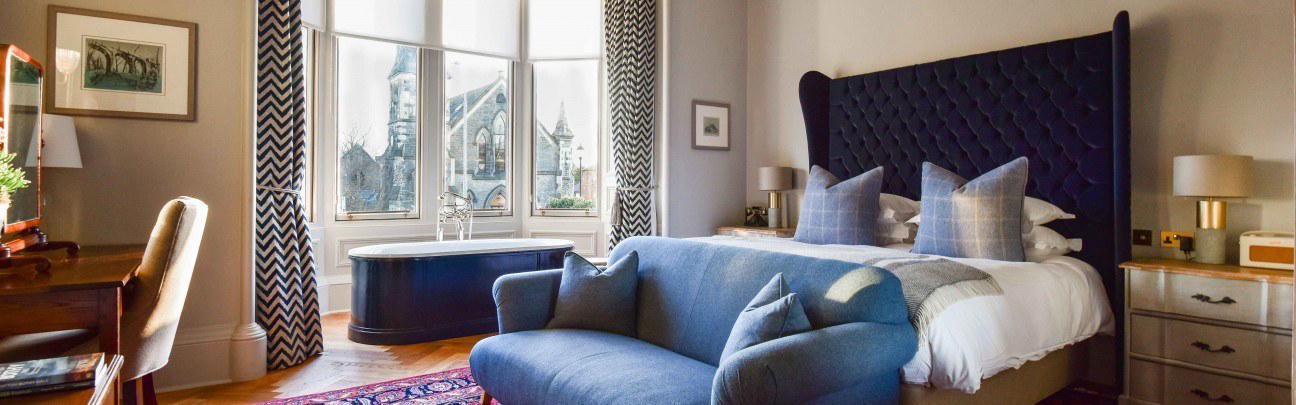
Victorian Bones, Contemporary Ease
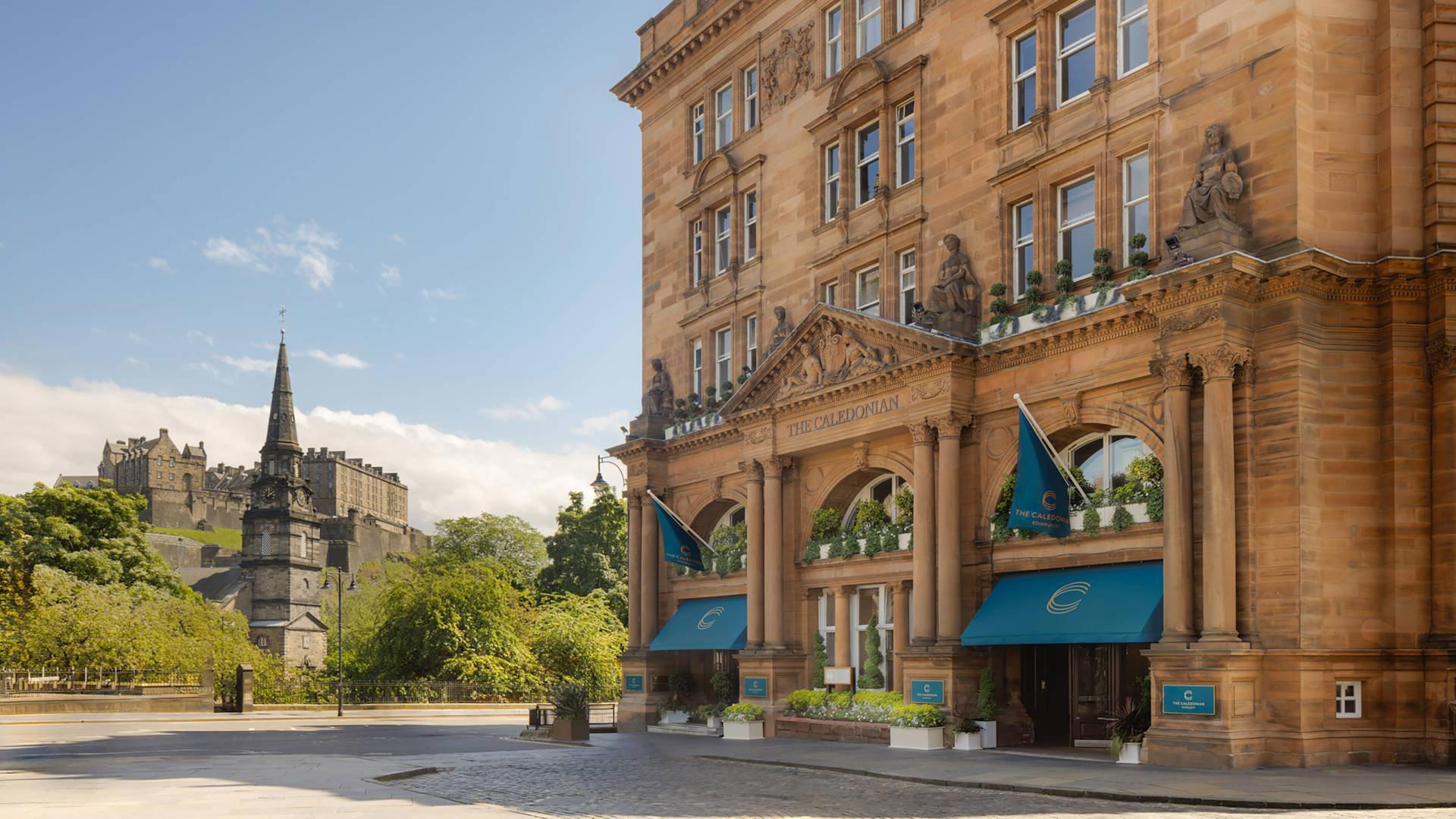
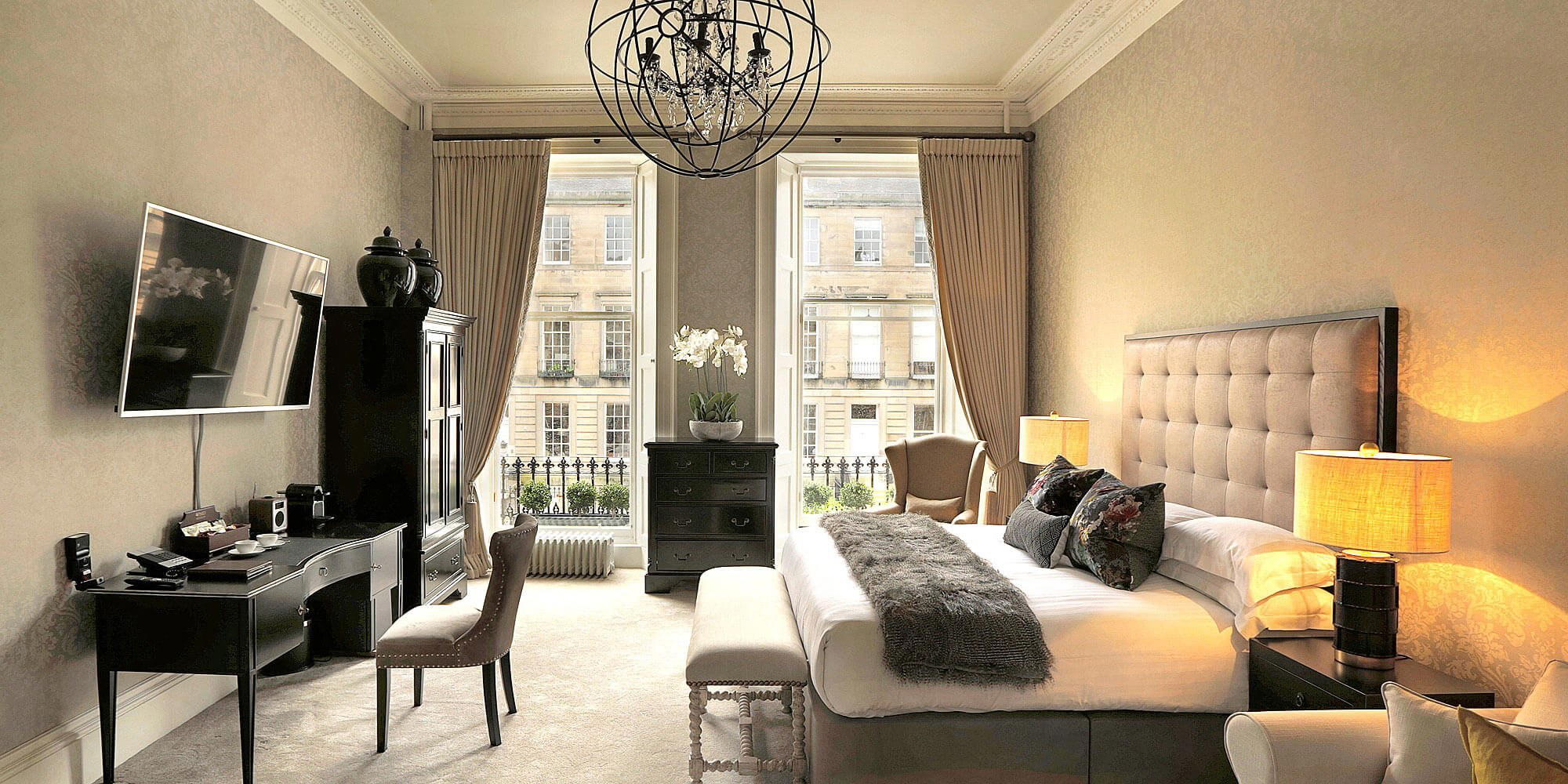
Edinburgh's hotel market divides along a familiar axis. On one side, the large-format flagships: the InterContinental Edinburgh The George with its grand Georgian symmetry, the Balmoral anchoring the eastern end of Princes Street with its clock tower. On the other, a smaller cohort of character-led independents and boutique properties where architecture does the heavy lifting and the key count stays deliberately low. The Roseate Edinburgh belongs to the second group. Positioned on West Coates in the Haymarket district, the property occupies two restored Victorian townhouses set across the street from each other, a configuration that gives it the feel of a private residence rather than a conventional hotel corridor. The stone facades carry the particular solidity of late-nineteenth-century Edinburgh construction: thick walls, tall sash windows, rooms that hold their proportions rather than optimising for bed count.
West Coates sits west of Haymarket station, which puts the property about ten to twelve minutes from Waverley by local train and within walking distance of the western edge of Princes Street Gardens. It is not an Old Town address, and it does not try to be. The neighbourhood is quieter, more residential, and the hotel's atmosphere reflects that. Guests who want the density of the Royal Mile at their door will look elsewhere, perhaps to Cheval Old Town Chambers. Those who prefer to decompress at the end of the day rather than re-enter the city's tourist infrastructure tend to find the location a strength.
How the Townhouse Format Shapes the Stay
The dual-building format is worth understanding before arrival, because it shapes the experience at a practical level. In Edinburgh's boutique hotel tier, the townhouse model has become a recurring template: properties like 24 Royal Terrace Hotel and Black Ivy operate from similar period stock, converting domestic architecture into small hotels where no two rooms are quite alike. Floor plans inherited from Victorian domestic use mean some rooms are expansive, others compact, and the quirks of the original build, bay windows, original cornicing, varied ceiling heights, become the character rather than obstacles to be engineered away.
At the Roseate, this translates into a stay structured less like a transaction and more like occupying a well-maintained private house. The scale enforces a certain attentiveness from staff; there is no lobby crowd to disappear into. Comparable small-format properties elsewhere in the UK, from Burts Hotel in Melrose to Hope Street Hotel in Liverpool and King Street Townhouse Hotel in Manchester, operate on the same principle: intimacy as a product, not just a byproduct of small room counts.
Scottish Character Without the Shortbread Aesthetic
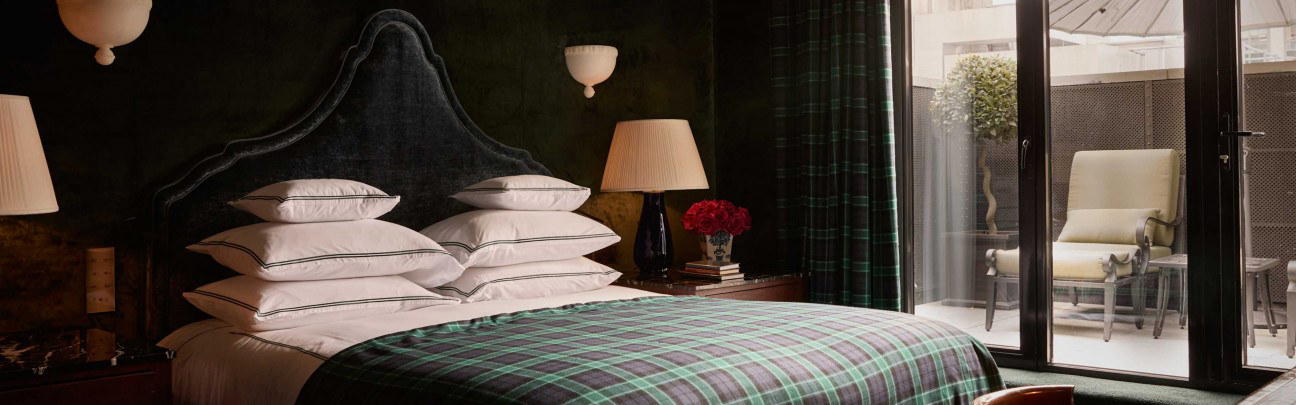
Edinburgh's accommodation market has, over the past decade, developed a strand of properties that engage seriously with Scottish material culture without retreating into the tartanry that defines the more performative end of the market. Gleneagles Townhouse in Charlotte Square represents one version of this, bringing the Perthshire estate's design sensibility into an urban format. The Roseate occupies a different register: the vocabulary here is described as authentic Scottish soul rather than heritage theatrics, which in practice means the interiors engage with the architecture's period rather than overlaying a commodity Scottish aesthetic.
This matters in a city where the line between genuine character and stage-set Scottishness is commercially significant. Guests who have stayed at properties like Gleneagles in Auchterarder or Langass Lodge in Na H Eileanan An Iar will recognise the distinction between properties that take regional identity seriously and those that deploy it decoratively. The Roseate's positioning in the refined-and-relaxed register suggests an attempt at the former, though the proof sits in the details of each room.
Placing the Roseate in Edinburgh's Competitive Field
Edinburgh's upper-midmarket and boutique tier has grown considerably since the mid-2010s, with conversions of period buildings providing inventory that the new-build market cannot easily replicate. 100 Princes Street, Kimpton Charlotte Square Hotel, and the Fingal Hotel, berthed in Leith on a converted lighthouse tender, all occupy distinct positions in this tier. What separates them is less price than format and atmosphere. The Fingal delivers a highly specific nautical character with limited keys; the Kimpton operates at a larger scale with a branded service infrastructure; 100 Princes Street trades on an address that places it directly against the street's visual drama.
The Roseate's position is quieter in every sense. The address is not a postcard view; the scale is small; the atmosphere leans residential. Within the UK boutique hotel conversation, this places it closer to properties like Lime Wood in Lyndhurst or Estelle Manor in North Leigh in temperament, even if the setting differs sharply. Internationally, the model has counterparts in the composed, low-key luxury of properties like Aman Venice, where the building's own significance does the work that marketing would otherwise do.
Guests comparing Edinburgh options at this level might also consider Dun Aluinn in Aberfeldy or Glen Mhor Hotel in Highland if they want to extend the trip into the wider Scottish geography after their Edinburgh stay. For Scottish urban alternatives, the Glasgow Grosvenor Hotel offers a comparable period-building approach in the West End of Glasgow, roughly 45 minutes west by rail.
Planning a Stay
The property is at 4 West Coates, EH12 5JQ. Haymarket station is the most convenient rail access point, serving trains from Glasgow Queen Street, Glasgow Central, and connections from Edinburgh Airport via tram to Haymarket. The airport tram journey to Haymarket takes roughly 25 minutes. For those arriving by road, the western approach into Edinburgh feeds naturally toward this end of the city. The Edinburgh Festival season, running through August, compresses availability across all city hotels considerably; booking several months ahead for August visits is standard practice across the market. For shoulder-season stays in spring or autumn, lead times are typically shorter and the city operates at a more measured pace suited to the Roseate's atmosphere. Our full Edinburgh restaurants guide covers dining options across the city for guests planning evenings out from the property.
Price and Recognition
Comparable venues nearby, for context on price, style, and recognition.
| Venue | Cuisine | Price | Awards | Notes |
|---|---|---|---|---|
| The Roseate EdinburghThis venue — the venue you are viewing | Not listed | Not listed | Michelin Selected · Mr & Mrs Smith Seal of Approval | Not listed |
| Prestonfield House Edinburgh | Prestonfield, historic luxury boutique | Not listed | 1 Michelin Key · La Liste Top Hotels | Not listed |
| Prestonfield House | Not listed | Not listed | 1 Michelin Key · La Liste Top Hotels | Prestonfield, Ornate 17th-century country estate hotel in urban setting |
| The Glasshouse Hotel | Not listed | Not listed | Forbes Recommended | Greenside, Contemporary urban boutique with rooftop oasis |
| Market Street | Not listed | $100–200 | Michelin Selected | Old Town, Modern urban boutique with Scottish heritage influences |
| The Balmoral | Not listed | $300–500 | 2 Michelin Keys · La Liste Top Hotels | New Town, Victorian-era baronial landmark with contemporary luxury updates |
Recognition history
Dated appearances from independent guides and award organizations, with the underlying list record or original source where available.
Michelin Selected
Michelin
Mr & Mrs Smith Seal of Approval
Mr & Mrs Smith
Small Luxury Hotels of the World Member
Small Luxury Hotels of the World
Details
- Elegant
- Sophisticated
- Cozy
- Intimate
- Classic
- Romantic Getaway
- Anniversary
- Honeymoon
- Garden
- Terrace
- Historic Building
- Wi Fi
- Room Service
- Concierge
- Garden
- Restaurant
- Bar
- Step Free Entrance
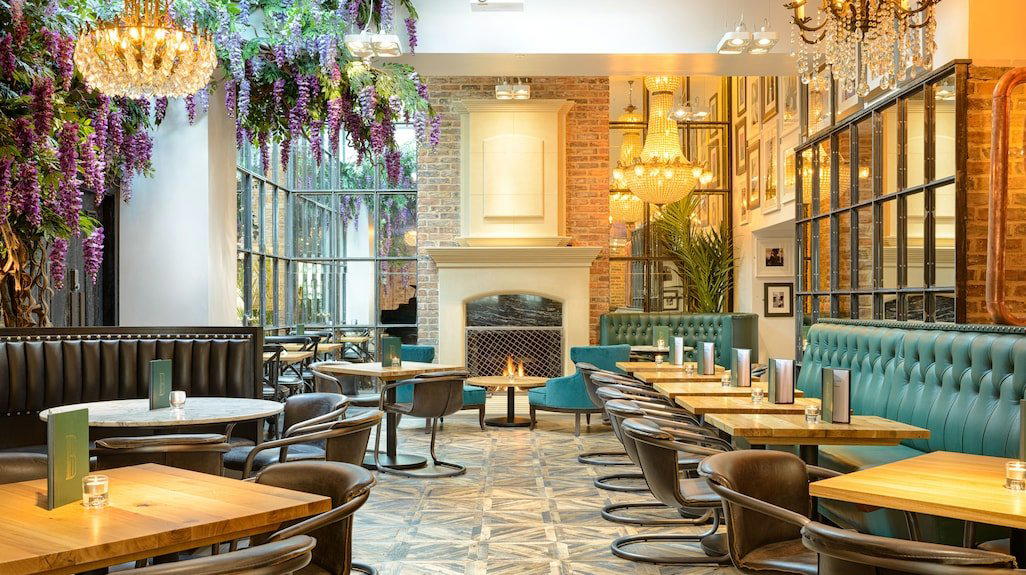
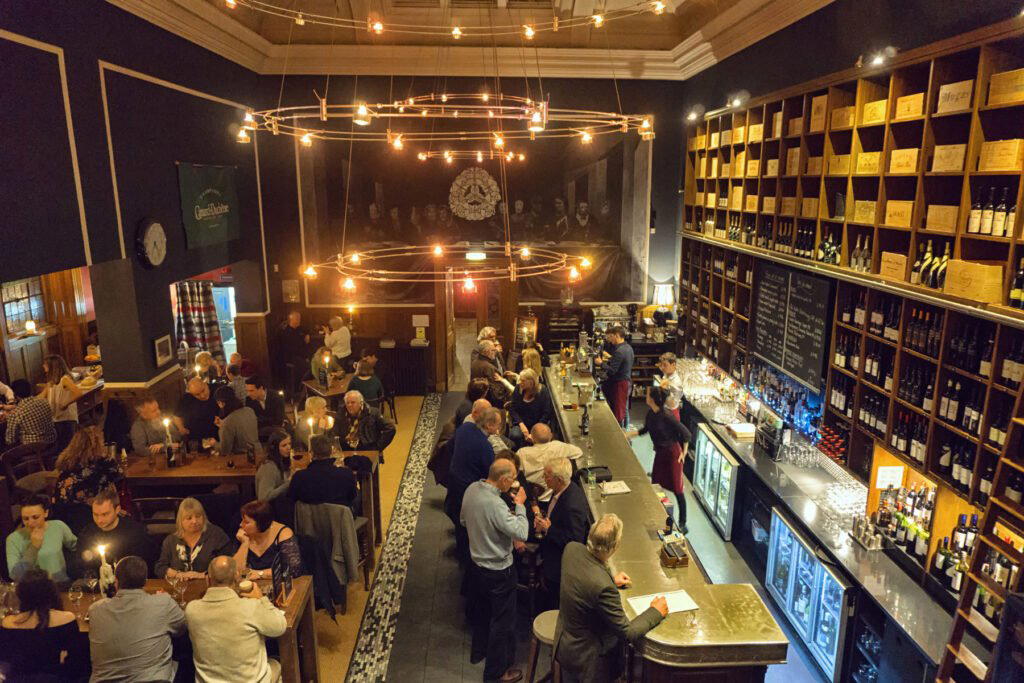
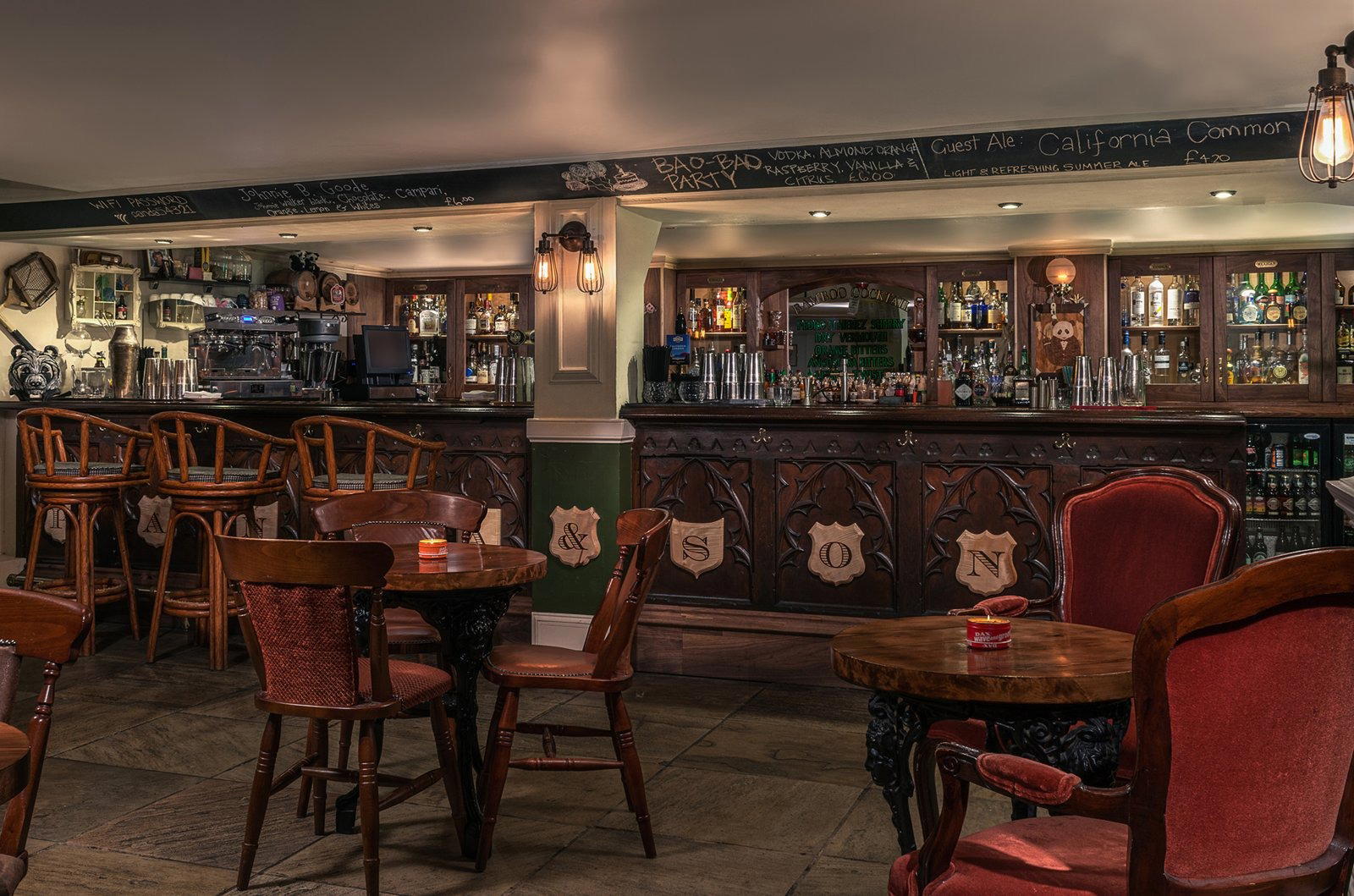
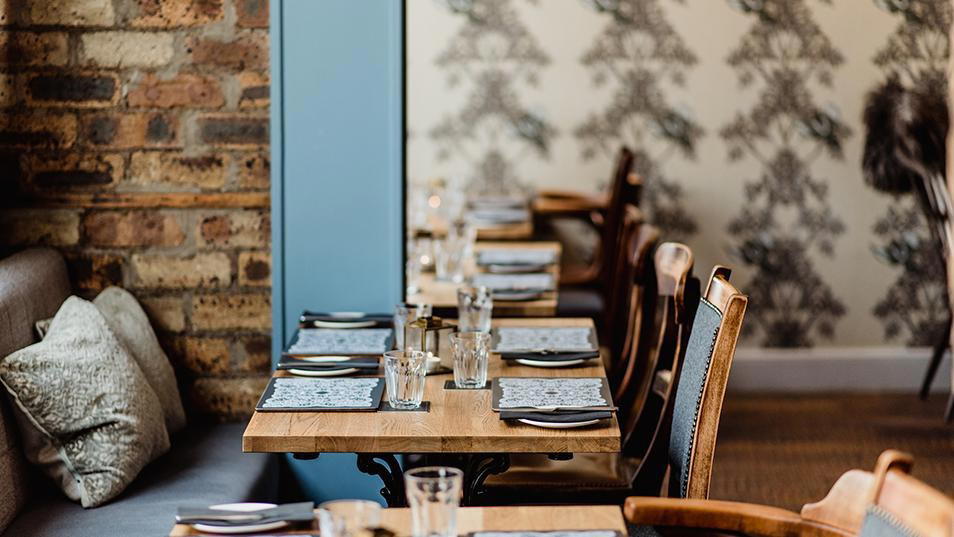
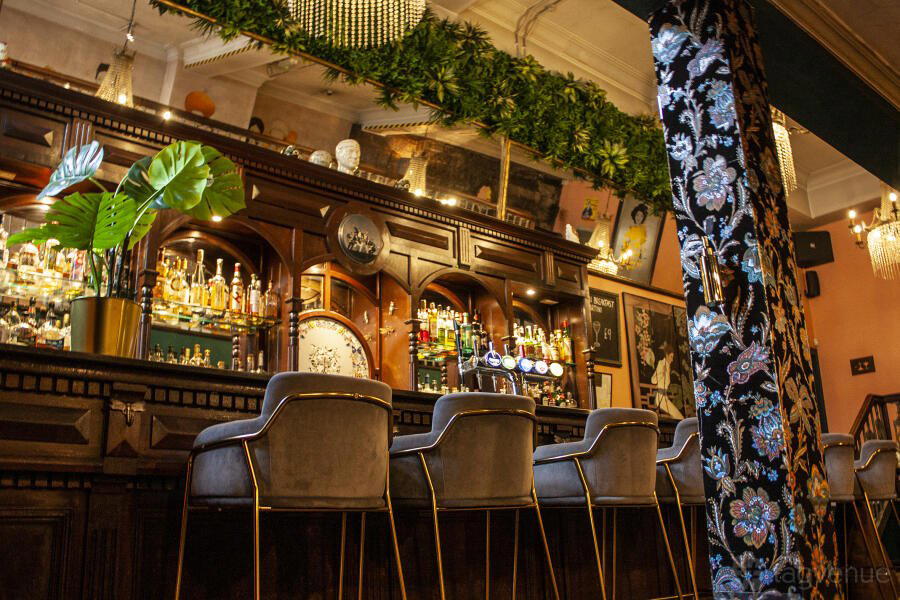
Cozy and elegant with warm lighting, plush furnishings, and a tranquil, refined atmosphere praised for comfort and serenity.