Fingal Hotel

Moored at Leith's Alexandra Dock, Fingal is a converted lighthouse tender that traded Scottish waters for a fixed berth as Edinburgh's only floating hotel. The ship's original nautical architecture, from brass fittings to teak decks, remains intact, placing it in a different category from the city's Georgian townhouse properties. La Liste recognised it among the world's top hotels in 2026 with a score of 94 points.
Pearl is the En Primeur Club membership app — saves, bookings, and concierge access live there. Same editors, same standards.
- Address
- Alexandra, Dock Pl, Leith, Edinburgh EH6 7DX
- Phone
- +44 131 357 5000
- Website
- fingal.co.uk
- Directions
- Get directions
 Saves & bookings on Pearl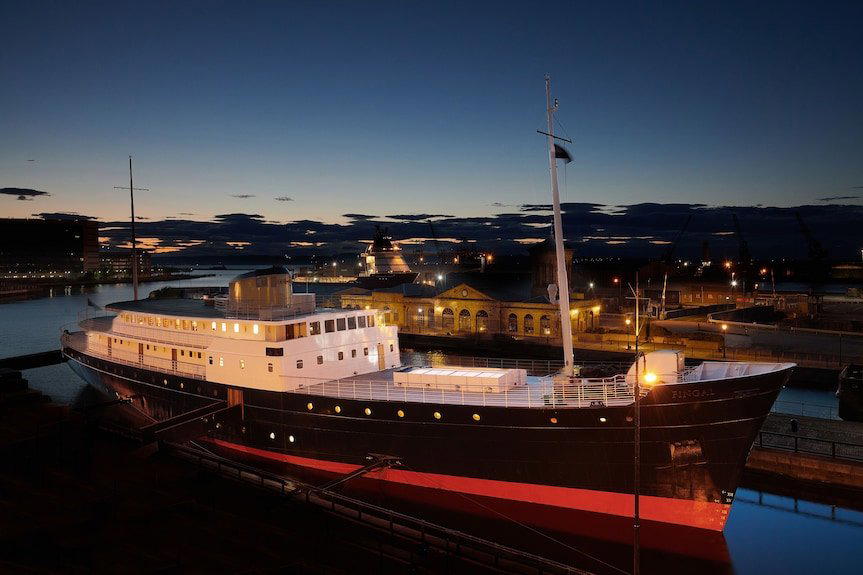
A Ship That Stayed in Port
Fingal Hotel is a 5-star hotel in Edinburgh's Leith docks, with 22 rooms and a nightly rate from $263. There is a particular quality to arriving at Leith's Alexandra Dock that has nothing to do with the hotel industry's standard vocabulary of lobbies and reception desks. The Fingal sits at her berth on Dock Place, a 1963 lighthouse tender built for the Northern Lighthouse Board that spent decades servicing remote Scottish lighthouses before being converted into Edinburgh's only floating hotel. The transition from working vessel to accommodation is less renovation than reinterpretation: the steel hull, the tiered deck structure, the maritime proportions of every interior space all carry the logic of a ship designed to operate in the North Sea, not to accommodate guests. That tension between function and hospitality is what makes the Fingal distinct within Edinburgh's hotel scene, and it is worth understanding before you book.
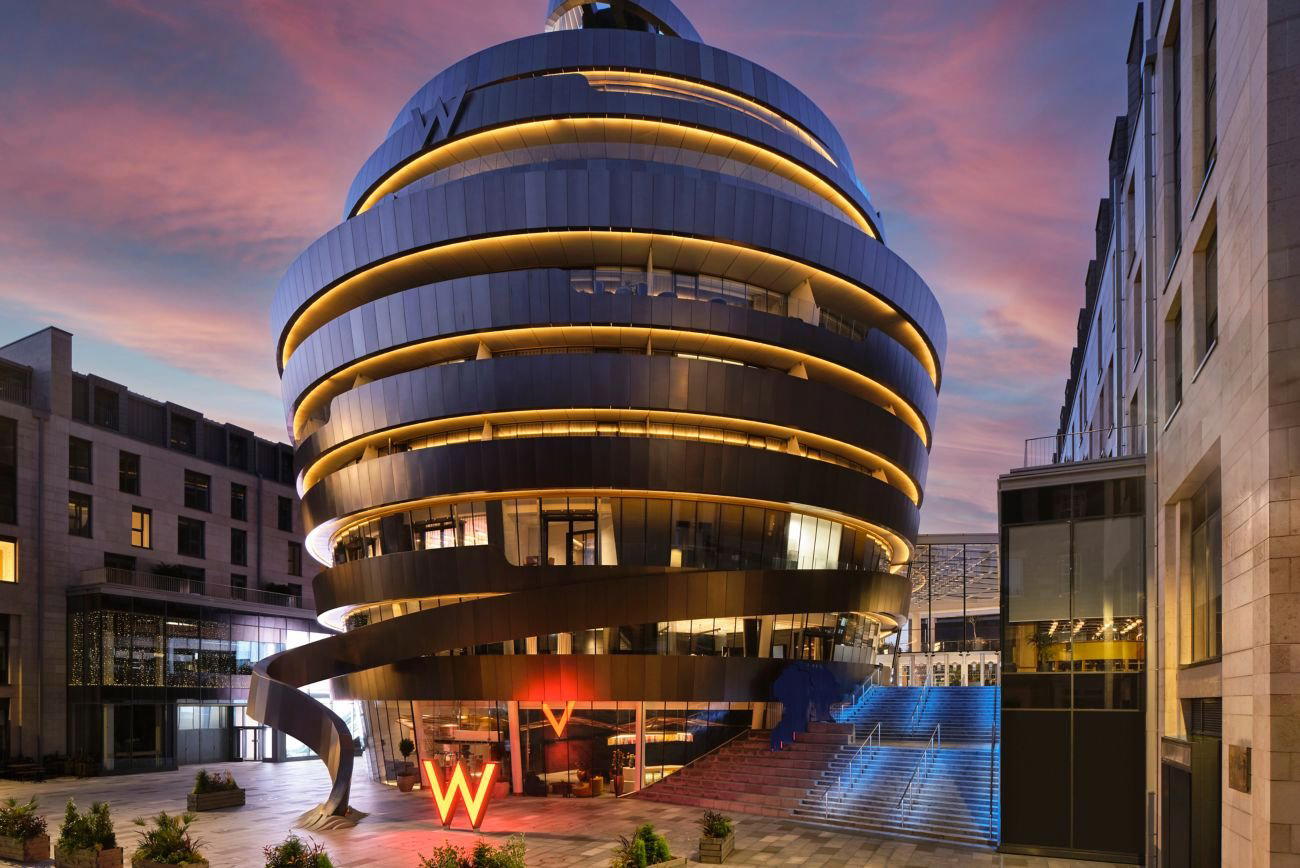
Edinburgh's premium hotel market concentrates primarily in the New Town and Old Town, where Georgian architecture and proximity to the Royal Mile set the competitive terms. Properties like 100 Princes Street, Gleneagles Townhouse, and Kimpton Charlotte Square Hotel operate within that inherited architectural framework. The Fingal operates outside it entirely. Leith is a separate proposition from the city centre: a post-industrial port district that has developed its own dining and cultural identity over the past two decades, and the Fingal's location there is less a geographical inconvenience than a positioning statement.
The Heritage the Ship Carries
The Northern Lighthouse Board's lighthouse tenders were functional workhorses, charged with supplying remote Scottish lighthouses with fuel, provisions, and relief keepers. The NLV Fingal was built at Dundee in 1963 and named after the sea caves of Staffa, off Mull, whose geological formations gave Mendelssohn his Hebrides Overture. That operational history, unremarkable in shipping terms, becomes the entire architectural logic of the hotel. The accommodation spaces follow the vessel's original layout rather than a hotel designer's ideal floor plan, which means cabins vary in configuration according to where they sit within the ship's structure. This is not a limitation in the conventional sense; it is what separates the experience from any land-based property in the city.
The conversion preserved the working fabric of the vessel rather than stripping it back to a clean shell. Brass fittings, teak decking, and the structural bones of the bridge remain legible throughout. In the broader context of adaptive reuse hospitality, where conversion projects sometimes erase the thing they are ostensibly preserving, the Fingal's approach reads as more committed. Compare it to, say, Malmaison Edinburgh, another Leith conversion (the former seamen's mission on Tower Place), and the distinction is clear: Malmaison translated its building into a consistent hotel idiom, while the Fingal allowed the vessel's original character to set the terms.
Where the Ship Sits in the Market
La Liste's 2026 ranking awarded the Fingal 94 points, placing it within a recognised tier of European boutique hotels that compete on specificity and craft rather than scale. La Liste's methodology draws on restaurant and hotel guides across multiple countries, weighting critical consensus over volume of reviews, which makes a 94-point score at this scale a meaningful signal. Among the Edinburgh properties that share this kind of recognition, the Fingal occupies its own competitive niche: there is no direct peer, because there is no comparable vessel operating as a hotel in the city.
For travellers placing the Fingal in a wider British context, the peer conversation shifts toward properties that convert significant historical structures rather than build new luxury from scratch, places like Estelle Manor in North Leigh or The Newt in Somerset, both of which derive their character from the specificity of their physical inheritance. The Fingal's version of that logic is more compressed and more urban, but the underlying proposition is similar: the building, or in this case the ship, is the experience.
The Leith Question
Leith's position relative to Edinburgh's centre is worth addressing directly. The dock is roughly a fifteen-to-twenty minute taxi or rideshare ride from Princes Street, depending on traffic on Leith Walk, and the area is also accessible by bus along the same corridor. What guests are trading for that distance is a neighbourhood that operates on different terms from the tourist-facing sections of the Old Town. The waterfront around the Scottish Government buildings at Victoria Quay and the Shore district to the west of Alexandra Dock has a concentration of independent restaurants and bars that Edinburgh's centre increasingly lacks. Booking the Fingal is therefore also a decision about which version of Edinburgh you want to use as your base.
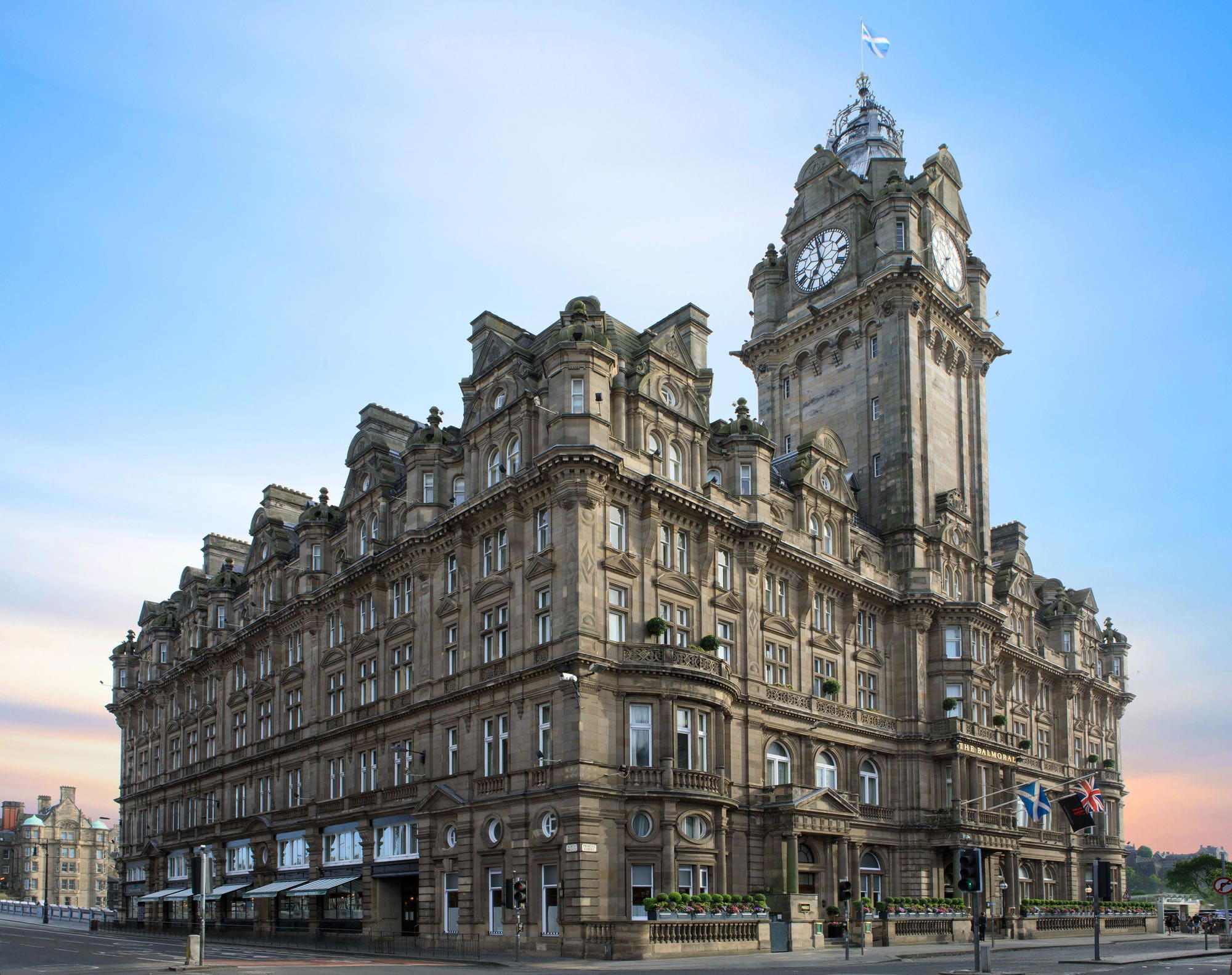
For those who want to cover both, the Fingal's Leith location works well for evenings spent along the Shore, with day excursions into the centre for the Castle, Holyrood, and the National Museum. Visitors whose primary purpose is the Old Town's major sites may find the geography less convenient than the New Town properties: InterContinental Edinburgh The George, 24 Royal Terrace Hotel, or Cheval Old Town Chambers place you within walking distance of the primary heritage circuit. The choice is less about quality than about what kind of Edinburgh trip you are planning.
Internationally, the Fingal's format sits in a category of conversion hotels that tend to draw well-travelled guests who have already stayed in the obvious properties in a given city and are looking for something structurally different. Properties like Aman Venice or Aman New York occupy a similar psychological space in their respective markets: you choose them because the physical premise is itself the point of the stay.
Planning Your Stay
The Fingal's address at Alexandra Dock, Leith (EH6 7DX) is direct to reach from Edinburgh Waverley station by taxi. Edinburgh Airport is served by the Airlink 100 bus to the city centre, from which Leith connections are available. The hotel operates within a converted vessel with a finite number of cabins, which means availability during the Edinburgh Festival in August and at Hogmanay is limited; guests targeting those periods should book well in advance. Guests comparing boutique conversion hotels elsewhere in Scotland may also find value in looking at Glen Mhor Hotel in Highland, Langass Lodge in the Outer Hebrides, or Dun Aluinn in Aberfeldy for reference on how Scotland's smaller independent properties are performing in the same recognised tier.
Peers in This Market
Comparable venues nearby, for context on price, style, and recognition.
| Venue | Cuisine | Price | Notes |
|---|---|---|---|
| Fingal HotelThis venue — the venue you are viewing | luxury floating superyacht with old-world elegance | $$$$ | Not listed |
| InterContinental Edinburgh The George | Historic luxury hotel with restored grandeur | $$$$ | New Town |
| Radisson Collection Hotel, Royal Mile Edinburgh | Contemporary boutique hotel blending Scottish heritage with modern design, positioned as a design-led luxury destination. | $$$$ | Old Town |
| The Witchery by the Castle | Independent luxury heritage property positioned as a theatrical Gothic experience rather than a traditional hotel, emphasizing drama, history, and romance. | $$$$ | Old Town |
| The Edinburgh Grand, a Luxury Collection Hotel, Edinburgh | Luxury serviced apartments in a converted historic landmark, designed for modern independent travelers seeking residential-style comfort with five-star service. | $$$$ | Greenside |
| Market Street | Modern urban boutique with Scottish heritage influences | $$$$ | Old Town |
Recognition history
Dated appearances from independent guides and award organizations, with the underlying list record or original source where available.
La Liste Top Hotels
La Liste
At a Glance
- Elegant
- Sophisticated
- Ornate
- Romantic
- Intimate
- Romantic Getaway
- Anniversary
- Honeymoon
- Weekend Escape
- Historic Building
- Terrace
- Waterfront
- Wi Fi
- Room Service
- Concierge
- Restaurant
- Bar
- Breakfast Included
- Laundry Service
- Air Conditioning
- Meeting Rooms
- Waterfront
- Wi Fi
- Room Service
- Concierge
- Restaurant
- Bar
- Breakfast Included
- Laundry Service
- Air Conditioning
- Meeting Rooms
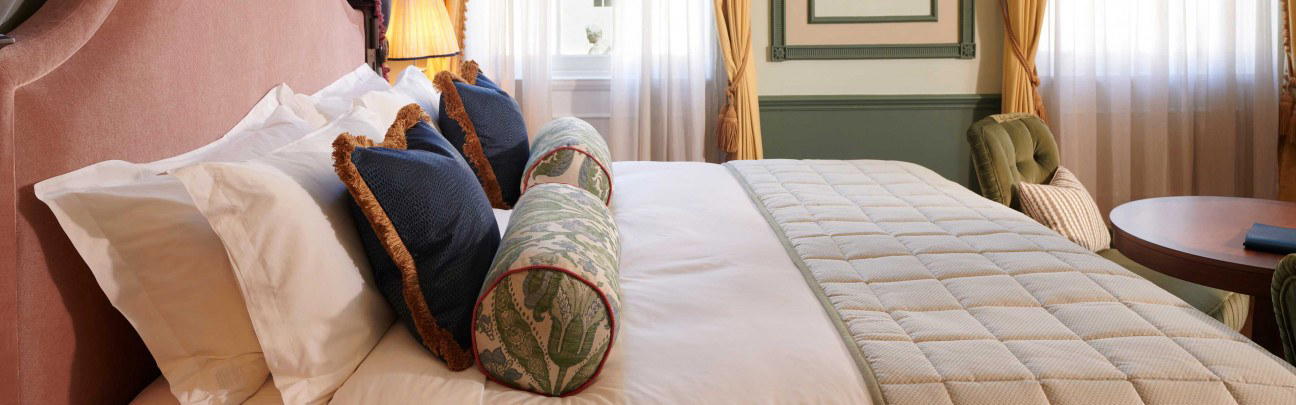
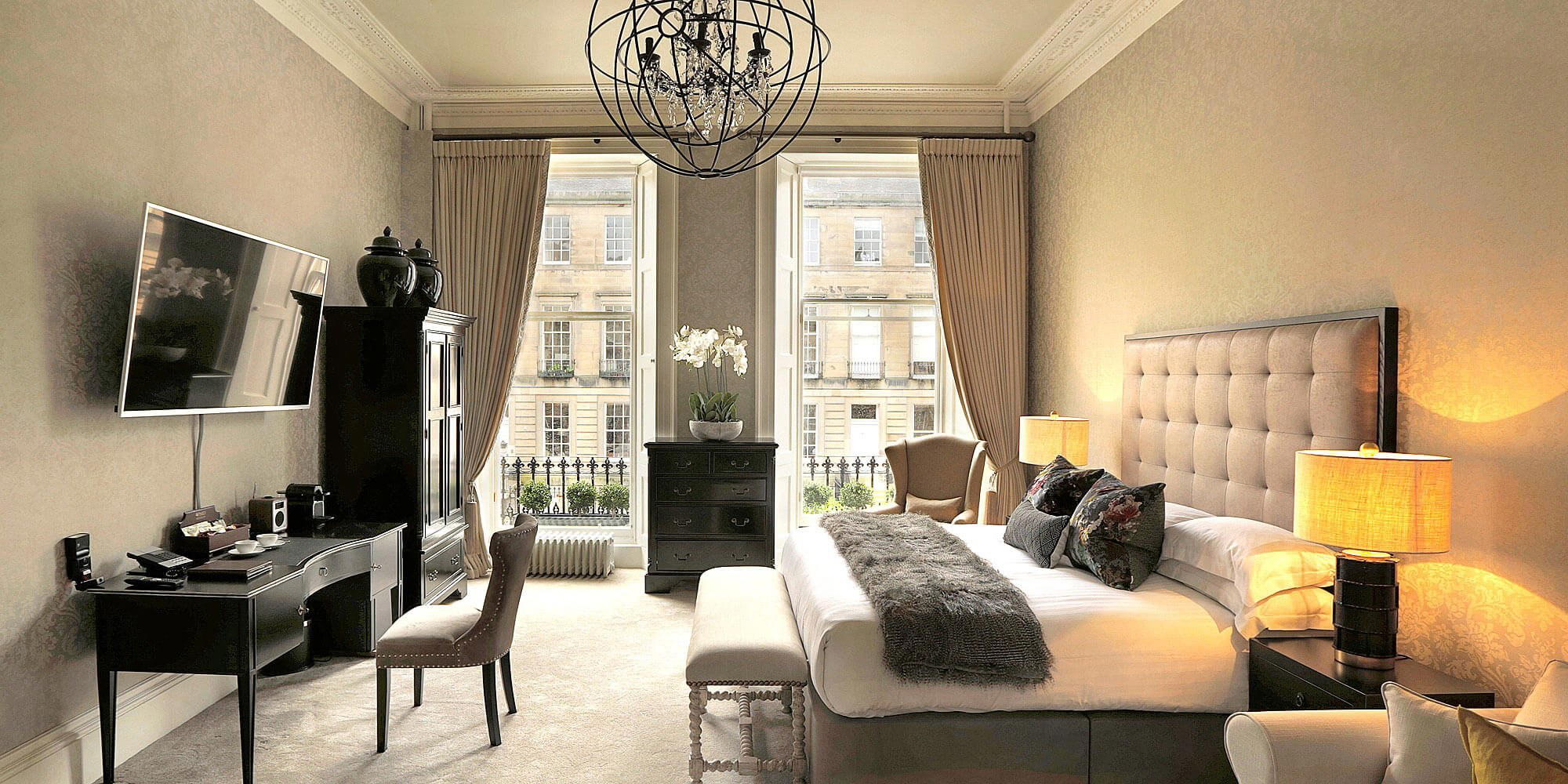
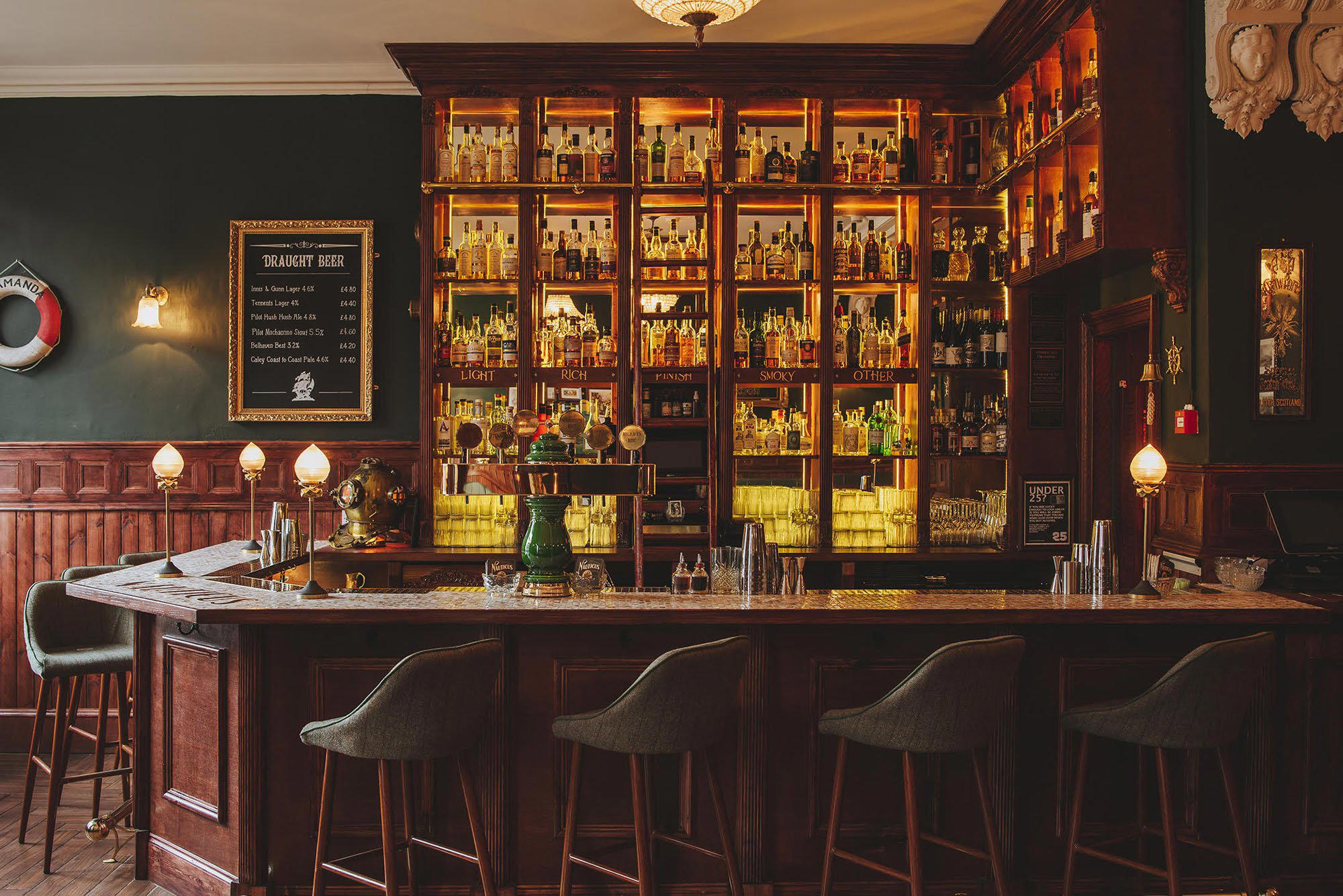
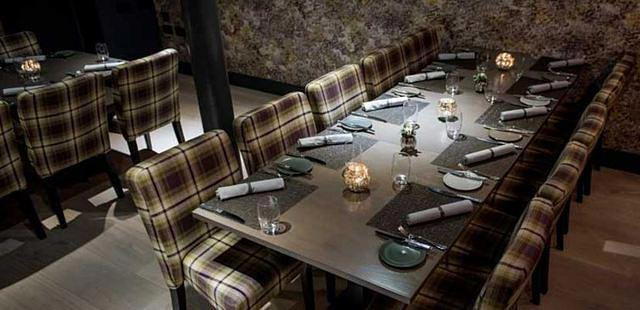
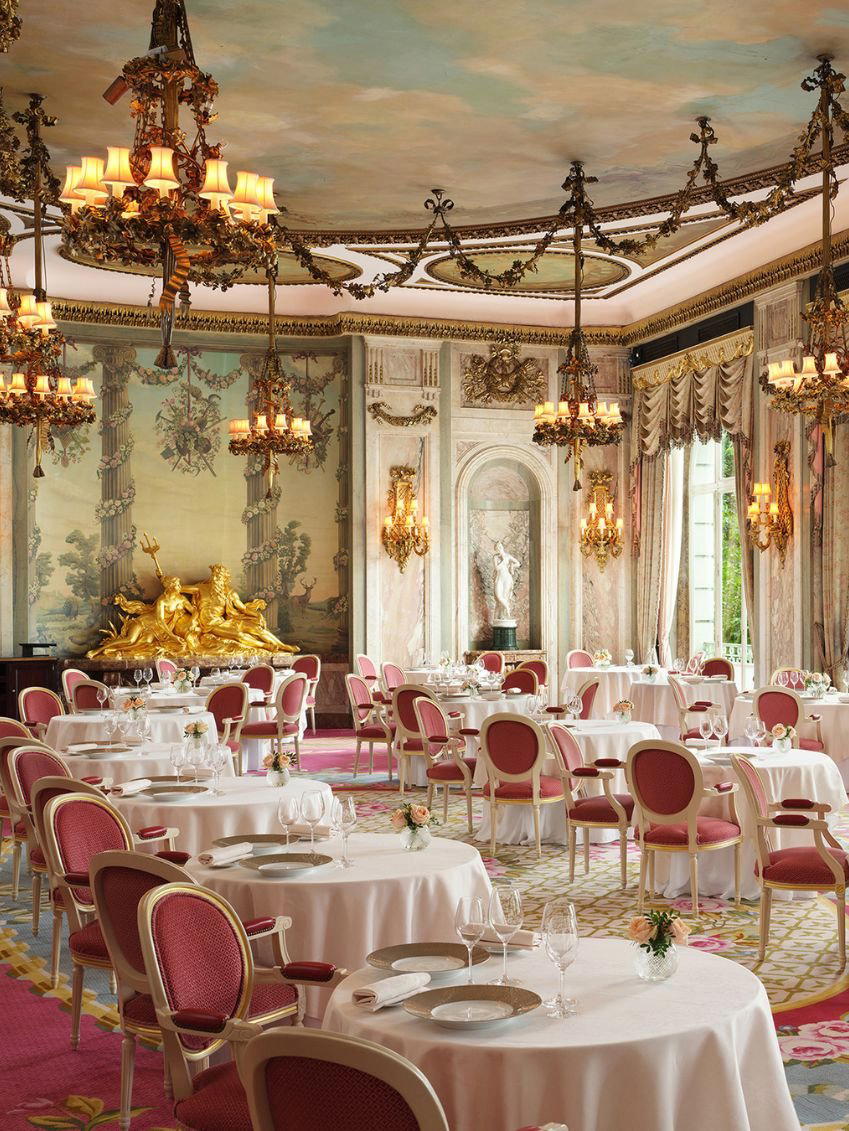
Warm, elegant lighting with a nautical theme, plush and relaxing atmosphere praised for its sophistication and comfort.